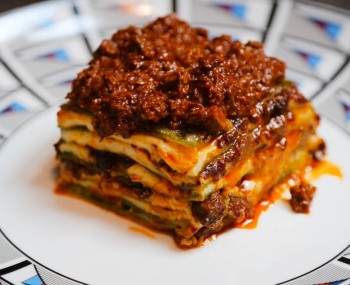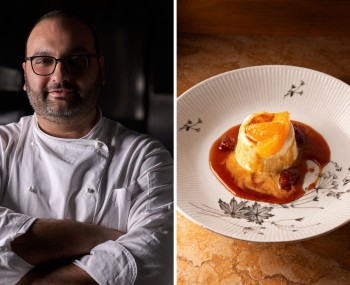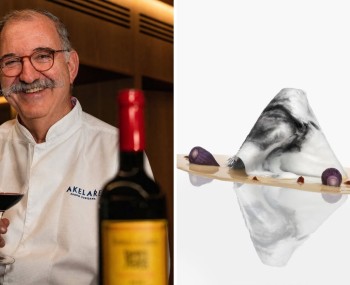
In Siena, there’s a restaurant with a solid culinary foundation, where creativity and flavor run side by side. From the surprising duck with orange ice cream to a contemporary take on “bread, butter, and jam,” the cuisine of a skilled 31-year-old chef at Il Gallo Nero.
The Restaurant: Historic Soul, Contemporary Spirit
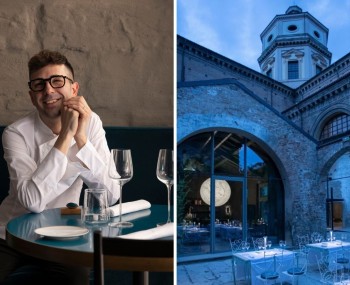
Two hundred meters from Piazza del Campo, the Gallo Nero Restaurant occupies the ground floor of the 13th-century Casatorre dei Leoni, transforming the grandeur of a fortified residence dating back to 1270 into a space of contemporary hospitality. At its heart lies a historic residence—now a boutique B&B—that blends into the historic fabric of Via del Porrione, a street that in the Middle Ages thrived as the city’s commercial hub, teeming with artisan workshops and traditional butcher shops. The renovation, carried out by the Catoni Associati studio, has preserved the visible traces of time on the walls, ceilings with their characteristic wooden beams, and polychrome cement tile floors. In the spacious lounge where breakfast is served, vintage furnishings and pieces of design history are on display. In the three suites and three apartments—which can accommodate up to 22 guests—there are iron and glass structures, burnished brass elements, antique trunks, and a blend of restored and new materials, such as the incorporation of period cabinet doors repurposed as interior doors.
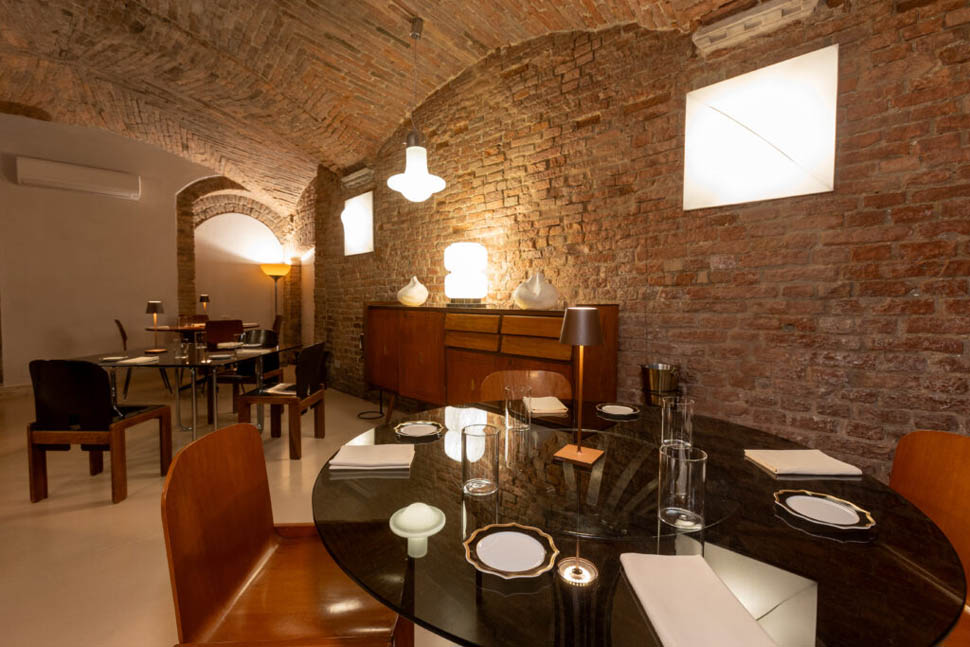
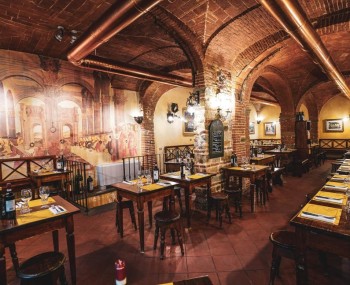
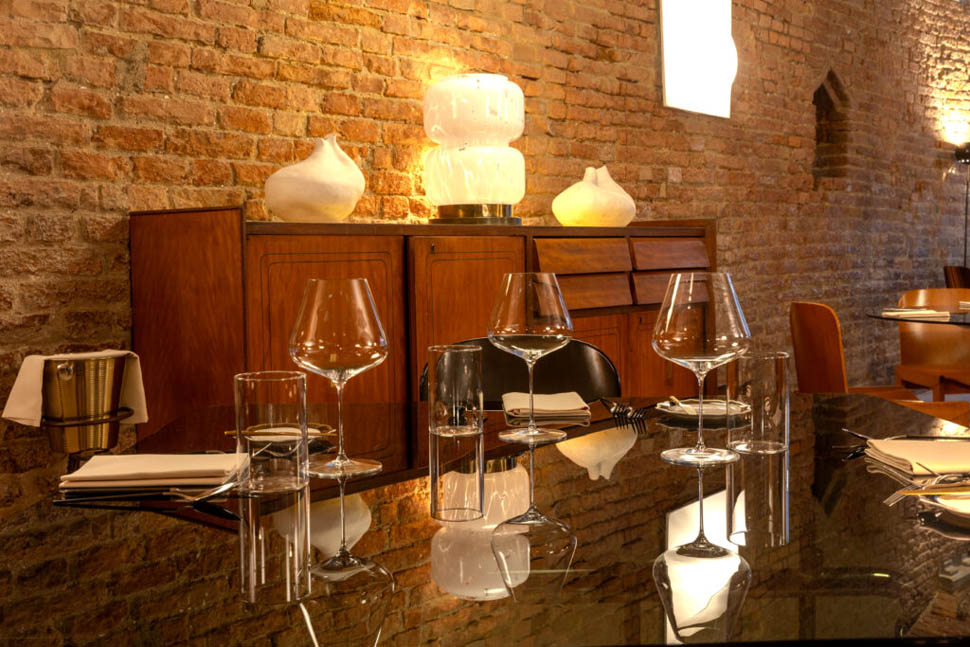
A contemporary style with a historic soul, characterized by a conservative approach that highlights the materials and the patina of time. The interior design eschews sharp contrasts, focusing instead on visual harmony and formal dialogues between period furnishings, classic design icons, and modern accents. This theme is echoed on the street level at the Gallo Nero restaurant, whose foundations rest on a cellar carved into the tuff of an Etruscan cave and which today houses over three hundred wine labels. Here, the dining room—refurnished by interior designer Dominique Tropeano—combines a sophisticated layering of Italian mid-century modern pieces from the 1950s and 1960s, incorporating historic pieces such as lamps by Carlo Nason and chairs by Cassina. All of this evokes the glorious era of the Economic Miracle, a symbol of a design and manufacturing legacy capable of establishing “Made in Italy” as the undisputed pinnacle of international design. But above all, one room stands out, bathed in an atmosphere of carefully crafted conviviality and the hospitable savoir-faire of Rocco Capraro (co-owner alongside Rocco Tomasiello), whose magnetism dissolves any sense of formality into a pervasive sense of relaxation.
The concept: “We always do well, even in the off-season”
The guests—many of whom are regulars—make up an eclectic mix of the inevitable tourist contingent and a majority of local patrons. The presence of the latter is evident from the soft background buzz, from which the word “cavallo” emerges clearly at regular intervals—an unmistakable verbal indicator of proud Sienese identity. “We’re very satisfied because—like tonight, a Monday—we do well every night,” says Capraro “with a crowd made up mainly of Sienese, but of course also tourists. During the months from September to November and in February—which is generally considered the off-season—we do very well. In the summer, of course, there are more tourists.”
This management team has been in place since 2020, but the restaurant has a forty-year history of evolution. It began in its first and historic incarnation as “La Grotta del Gallo Nero,” a name that made its mark on the culinary scene for decades thanks to its pioneering management. At the time, with its medieval arches, the restaurant specialized in gastronomic archaeology, where 14th-century recipes were recreated strictly by candlelight. The restaurant has gradually established itself as a go-to destination for convivial dinners and special occasions among Siena’s clientele, brilliantly carving out a niche—and bucking the trend—in an urban context historically challenging for the restaurant industry, marked by a succession of ephemeral establishments that ranged (without ever gaining a firm foothold) from haute cuisine to more informal dining concepts. “We’re closed for lunch—explains the owner—but we open for private and corporate events, offering a tasting menu that allows us to maintain high quality standards with seamless service, which we’re very pleased with. Today we hosted an event for twenty-seven people.”
The Chef and His Philosophy: A Solid and Distinctive Cuisine in Siena
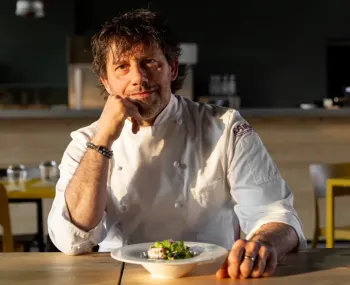
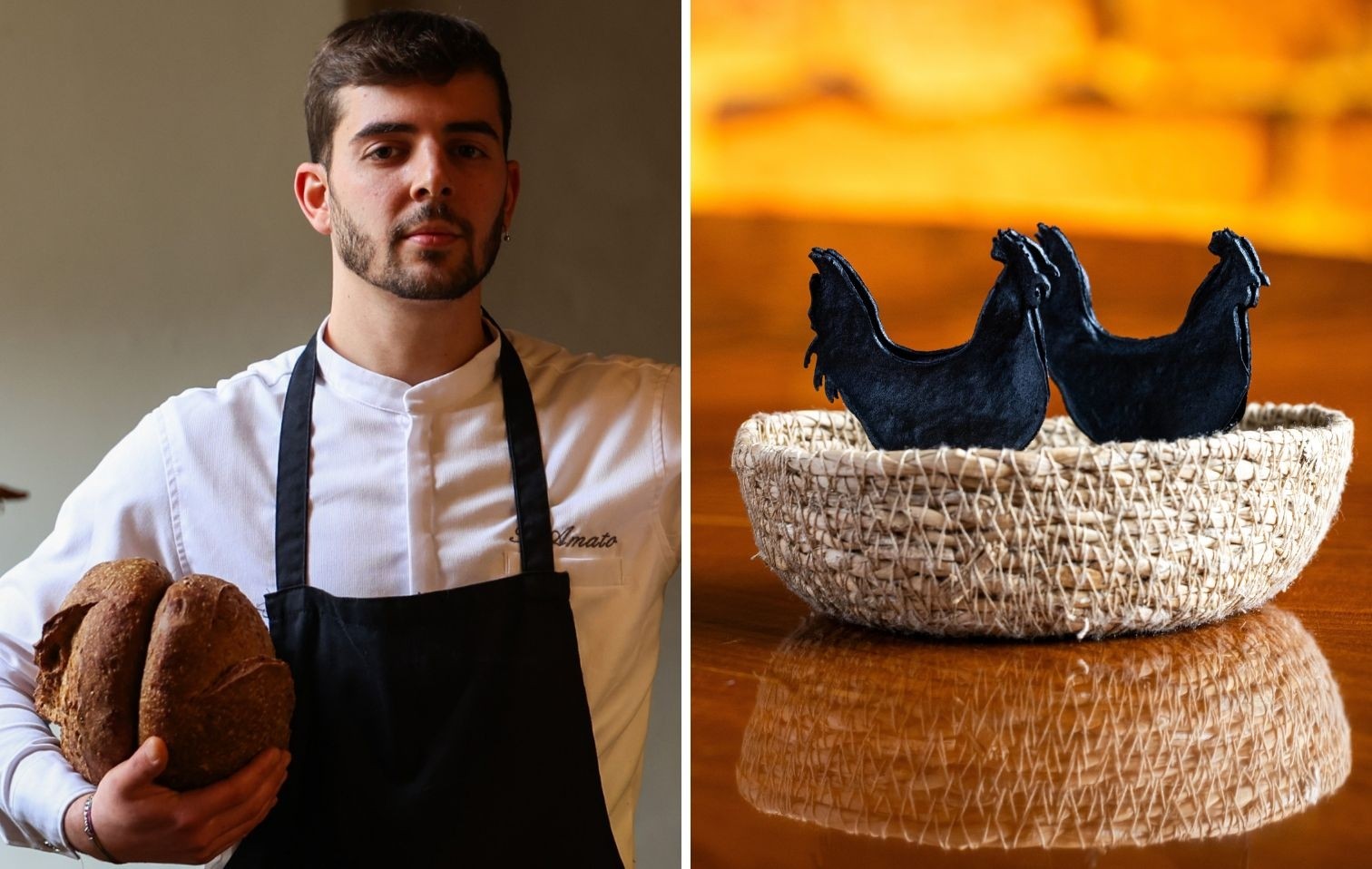
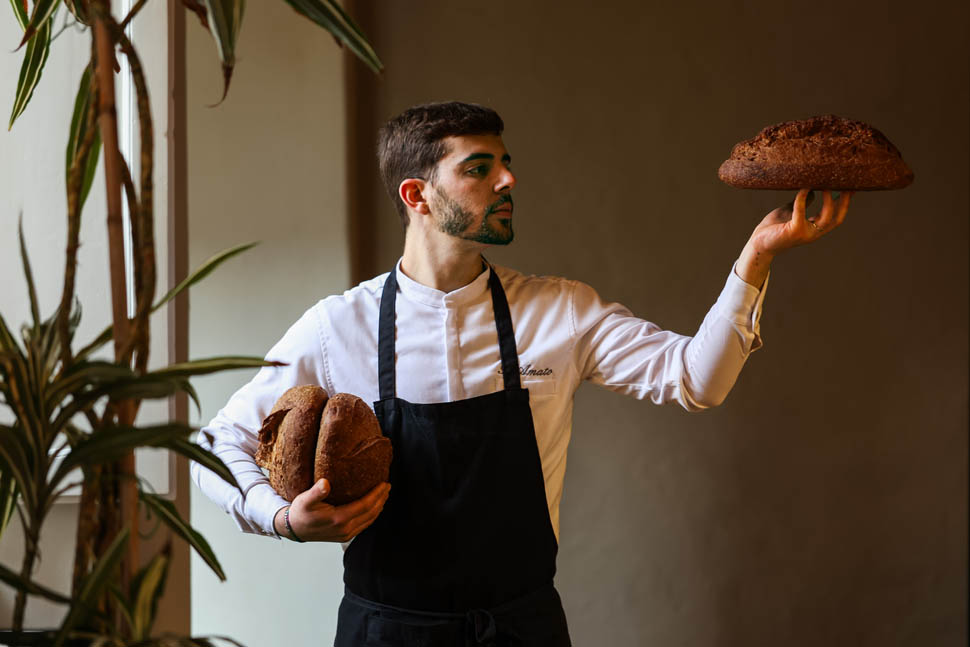
The kitchen team is led by 31-year-old Romano Amato. A native of Cassino, after gaining his first experience in the taverns and grill houses of his hometown, he embarked on an international career in Manchester, before returning to Italy to work in the hospitality industry in Palau and finally settling in Siena. Crucial to his professional development were the two years he spent working alongside Chef Alessandro Rossi. Upon arriving at Gallo Nero, he rose through the ranks to become executive chef. His philosophy steers clear of avant-garde trends in favor of culinary identity. “The Sienese scene calls for solid, recognizable cuisine— says the chef— capable of connecting with local guests through meticulous preparations that are free of excesses and forced creativity. Our cuisine therefore focuses on an extremely short supply chain and small local producers.” This stylistic consistency now extends to the morning as well, with the kitchen curating the breakfast menu for the Casatorre dei Leoni above, ensuring a seamless and consistently high-quality dining experience throughout the day.
The dishes, from the chicken liver rocher to “Bread, Butter, and Jam 2.0”
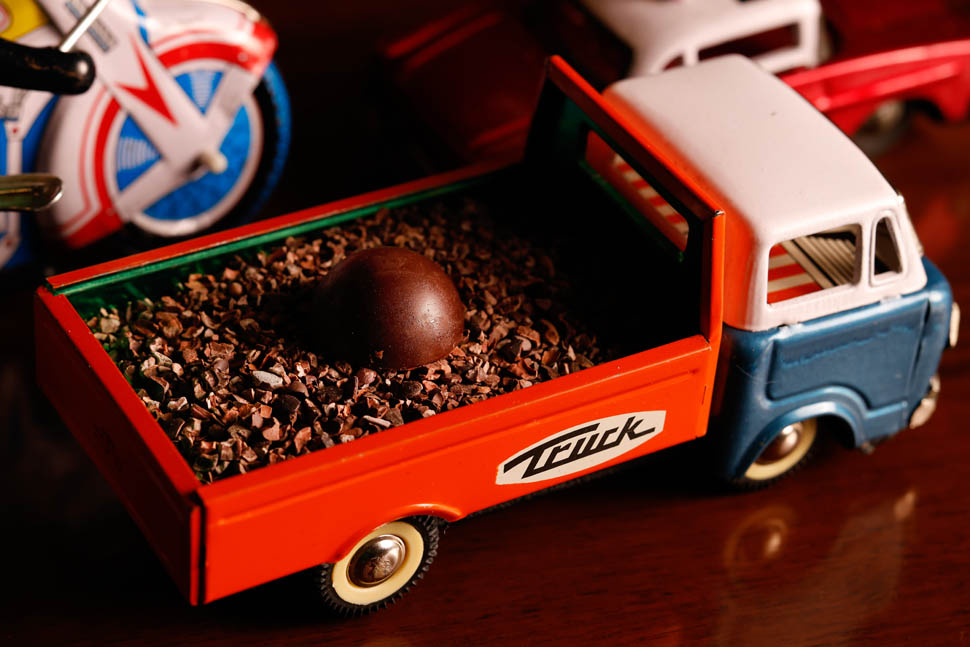
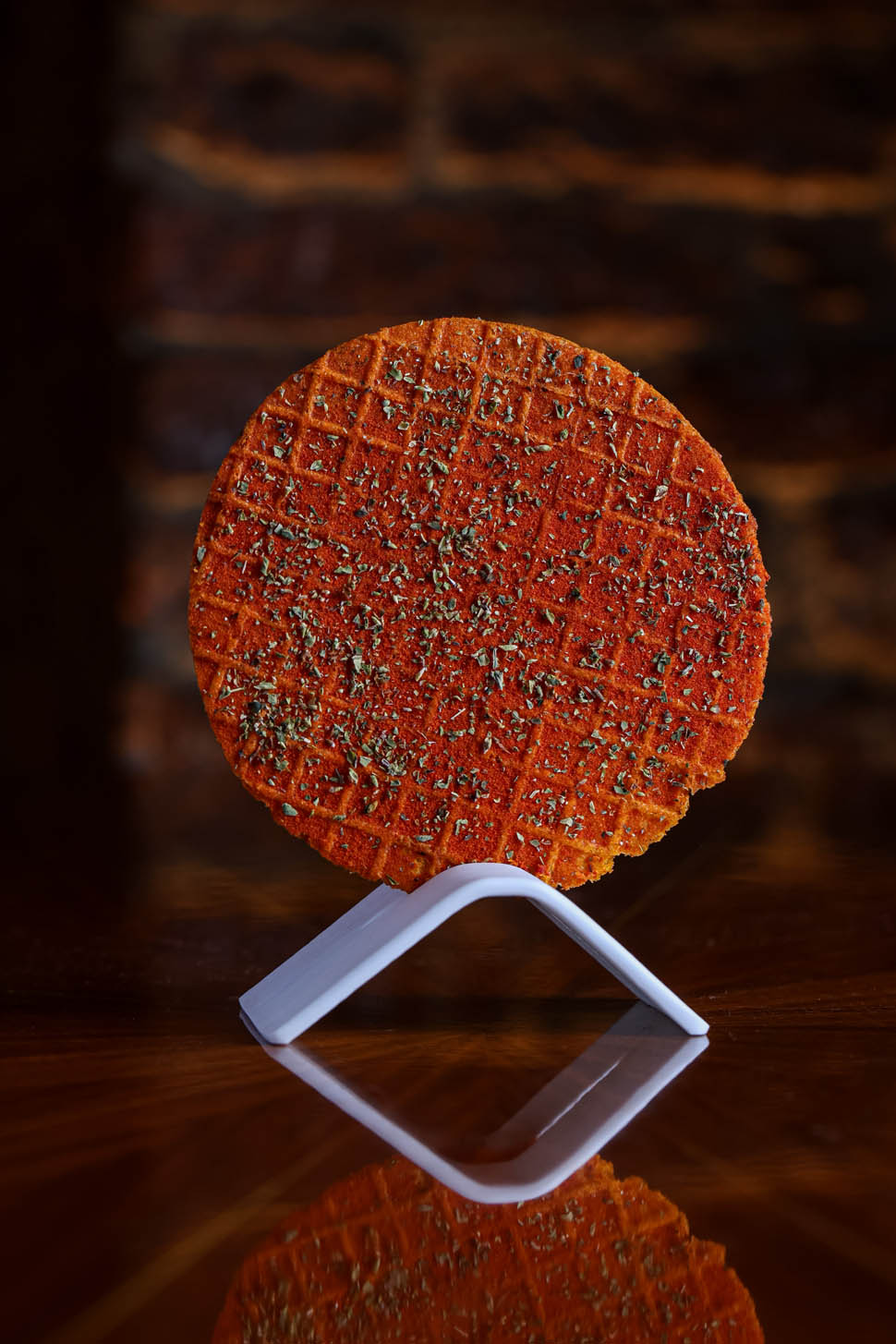
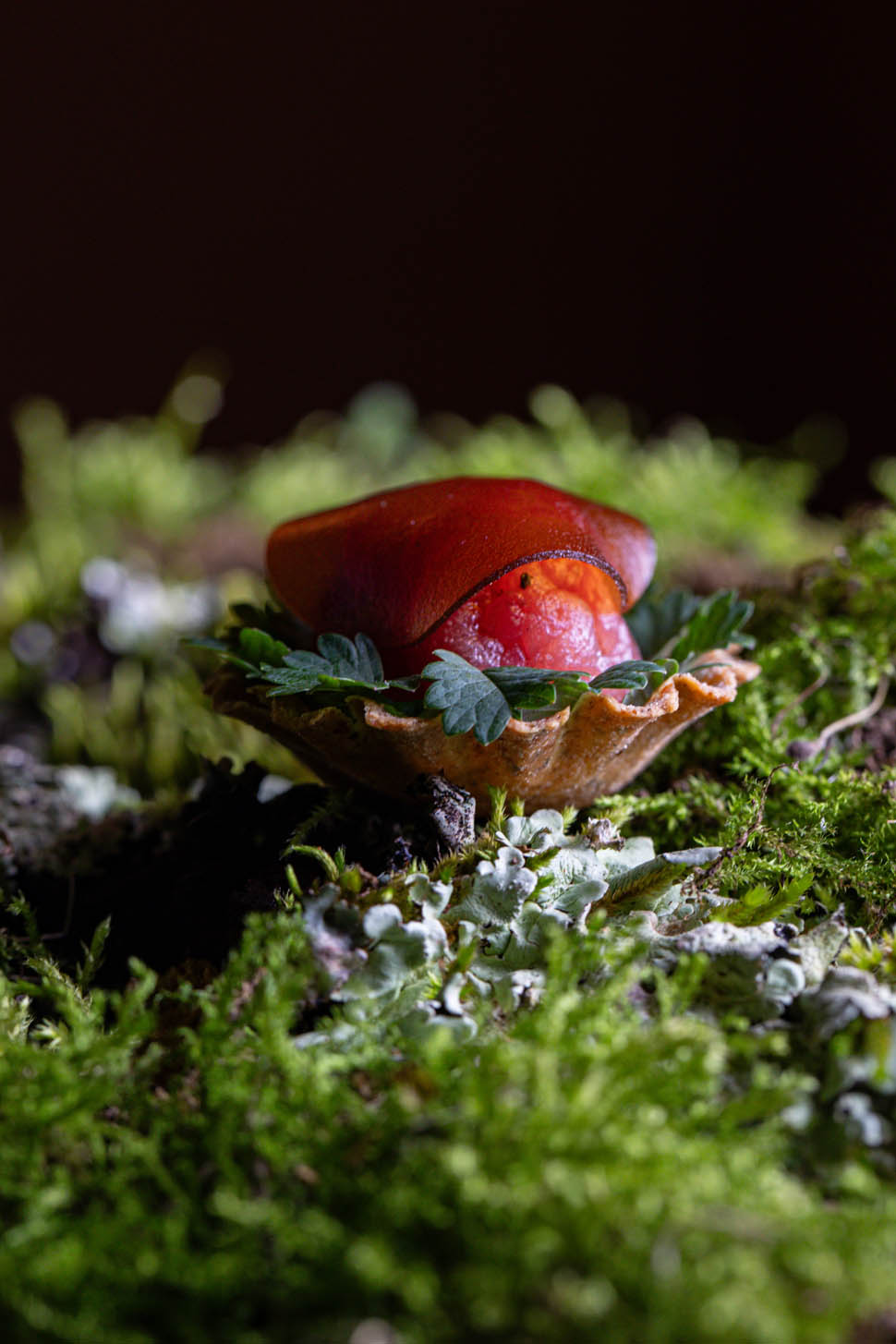
Rigorous philological precision and the clear legibility of the elements on the plate—this is the underlying concept, beginning with the cracker with San Marzano tomatoes and oregano, which serves as a prelude to the “fake olive”—a geometric shell enclosing a Chianina tartare from the historic Casa Ceccatelli butcher shop, dressed simply with extra-virgin olive oil. Tuscan rural heritage resurfaces in the cooked cheek from Colle di Val d’Elsa, a local take on Cinta Senese pork cheek prepared like cooked ham—seasoned with salt, pepper, and wild herbs—to be served on seven-grain focaccia. Next come the perfectly spherical Pienza pecorino fondue and the 90% Peruvian chocolate rocher, where the bitter notes and the toasted hazelnut flavor balance the iron-rich intensity of the chicken livers.
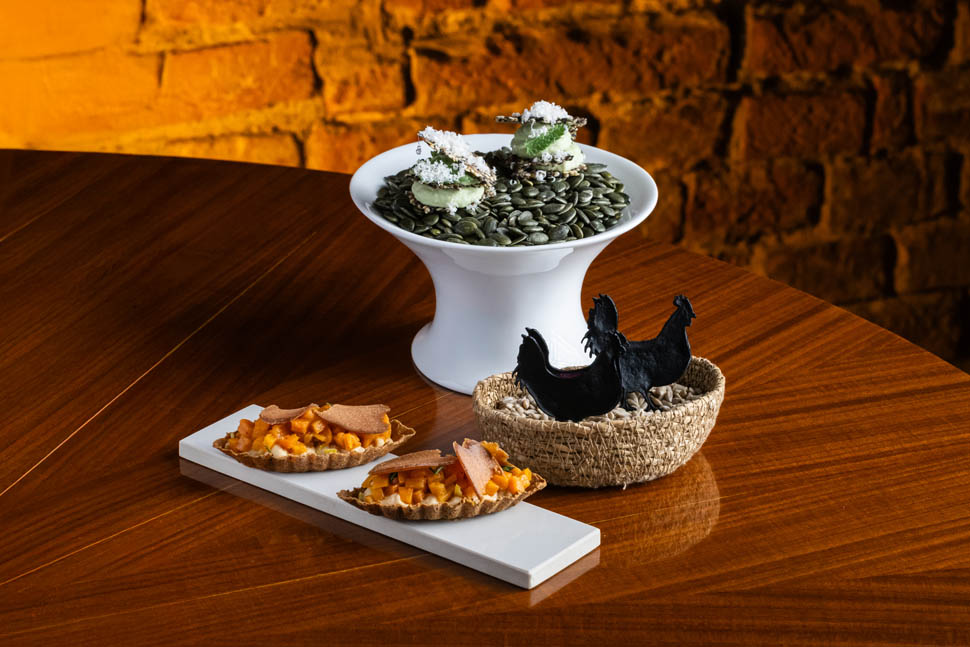
The selection of leavened breads celebrates the slow, labor-intensive process of breadmaking, alternating between a high-hydration focaccia (80%) and a five-grain bread with thirty hours of fermentation, accompanied by Norman butter whipped with wild herbs. The transition to the main courses highlights a solid mastery of acidity and flavor extraction. The salad is a complex botanical composition drawn directly from the garden in Colle Val d’Elsa. Herbs and blossoms—monarda, catmint, cinquefoil, verbena, begonia, rose, and garlic flowers—are paired with zucchini and fermented cucumbers, which add acidity and depth of flavor, along with the tart sweetness of apricot gelato.
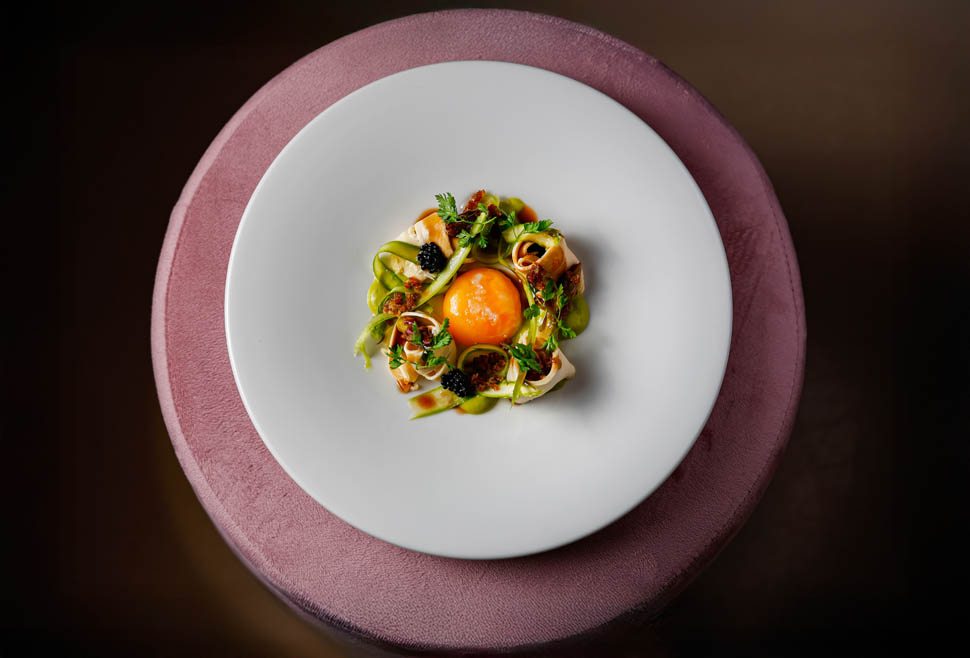
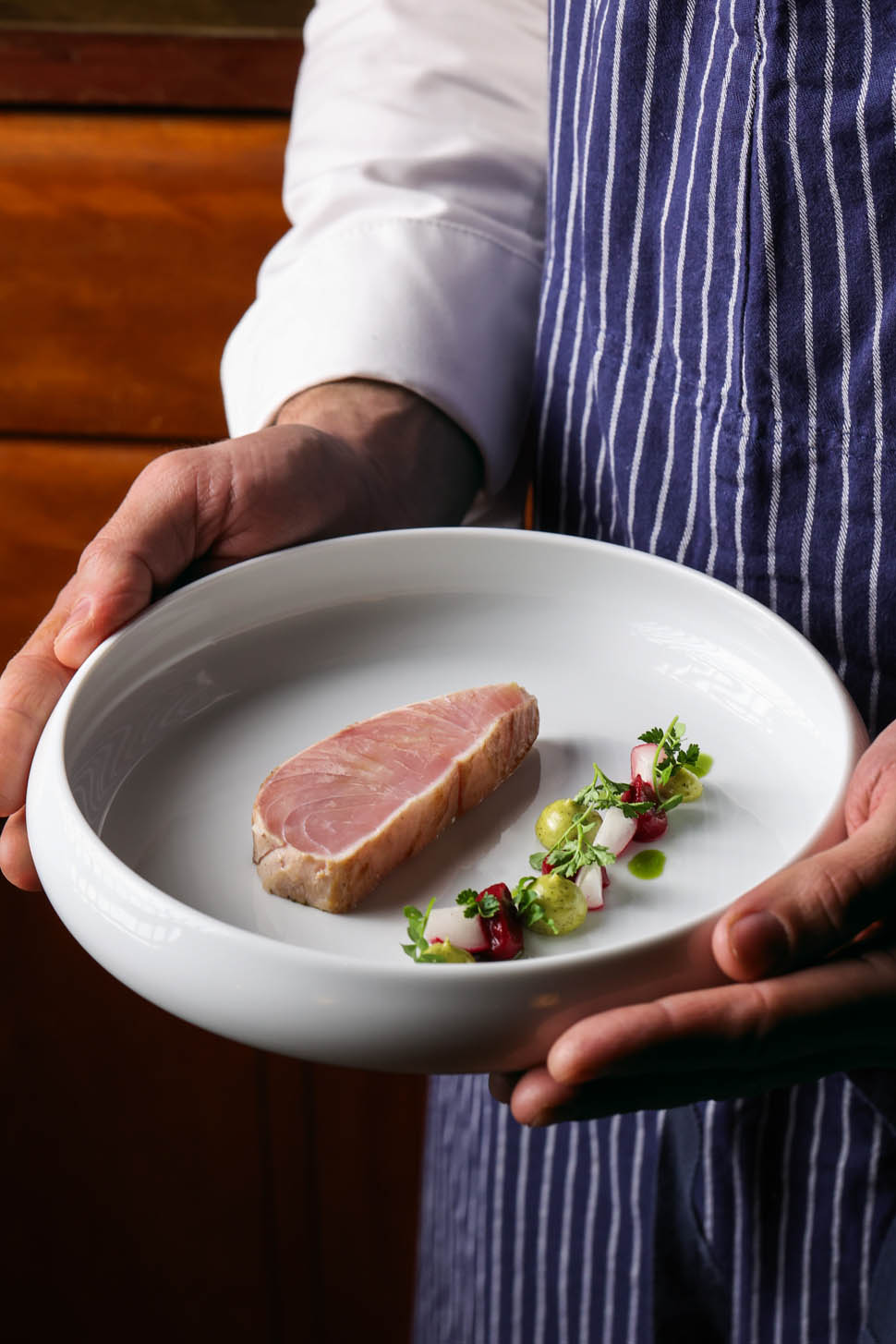
All of the restaurant’s seafood is sourced from the Mediterranean, such as the amberjack from Elba Island, which is served plain, with crispy brioche, tomato, cucumber, and basil, and a reimagined version of panzanella in the form of a cold infusion—a clarified, transparent liquid that concentrates the briny essence and vegetable acidity of one of the cornerstones of Tuscan tradition.
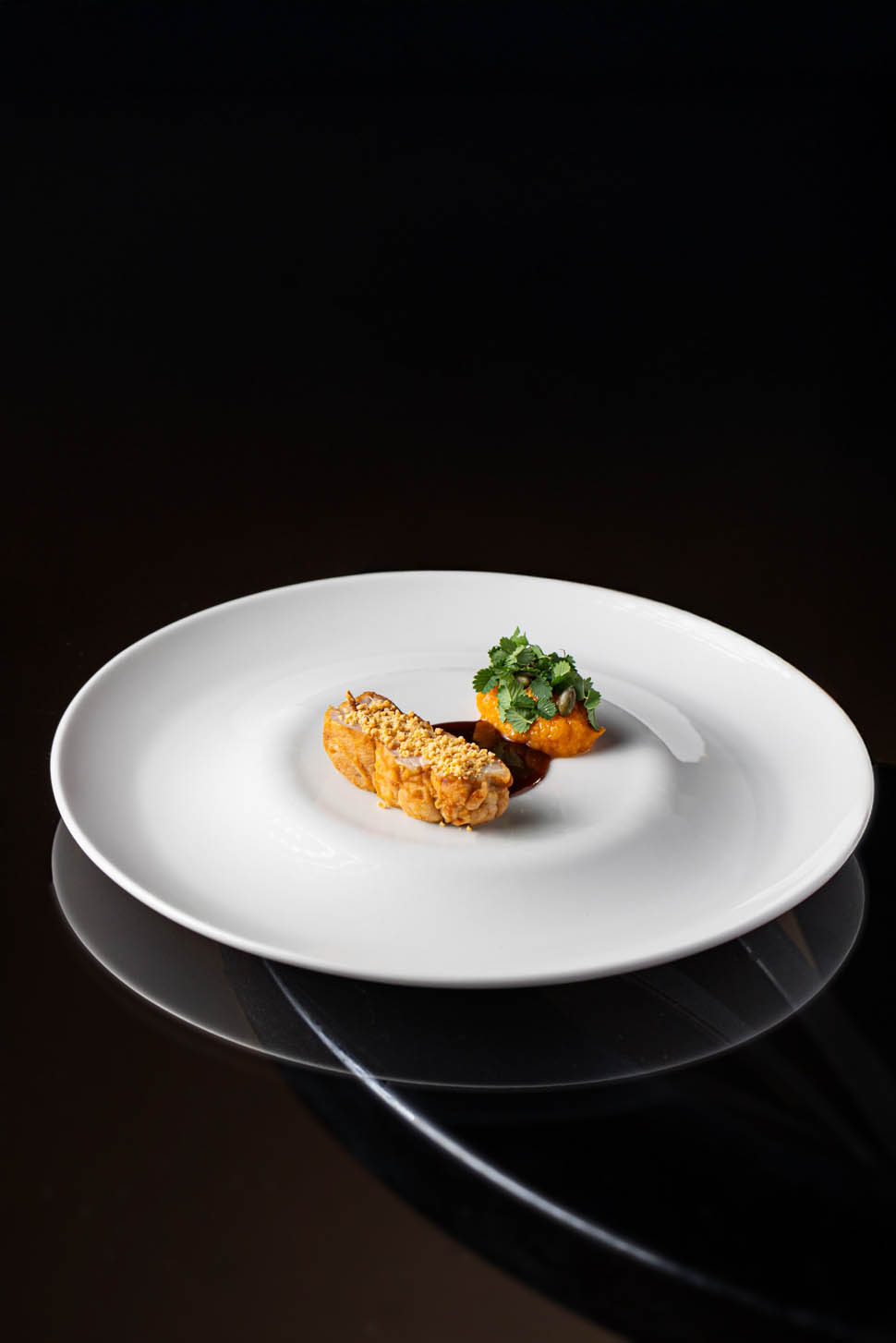
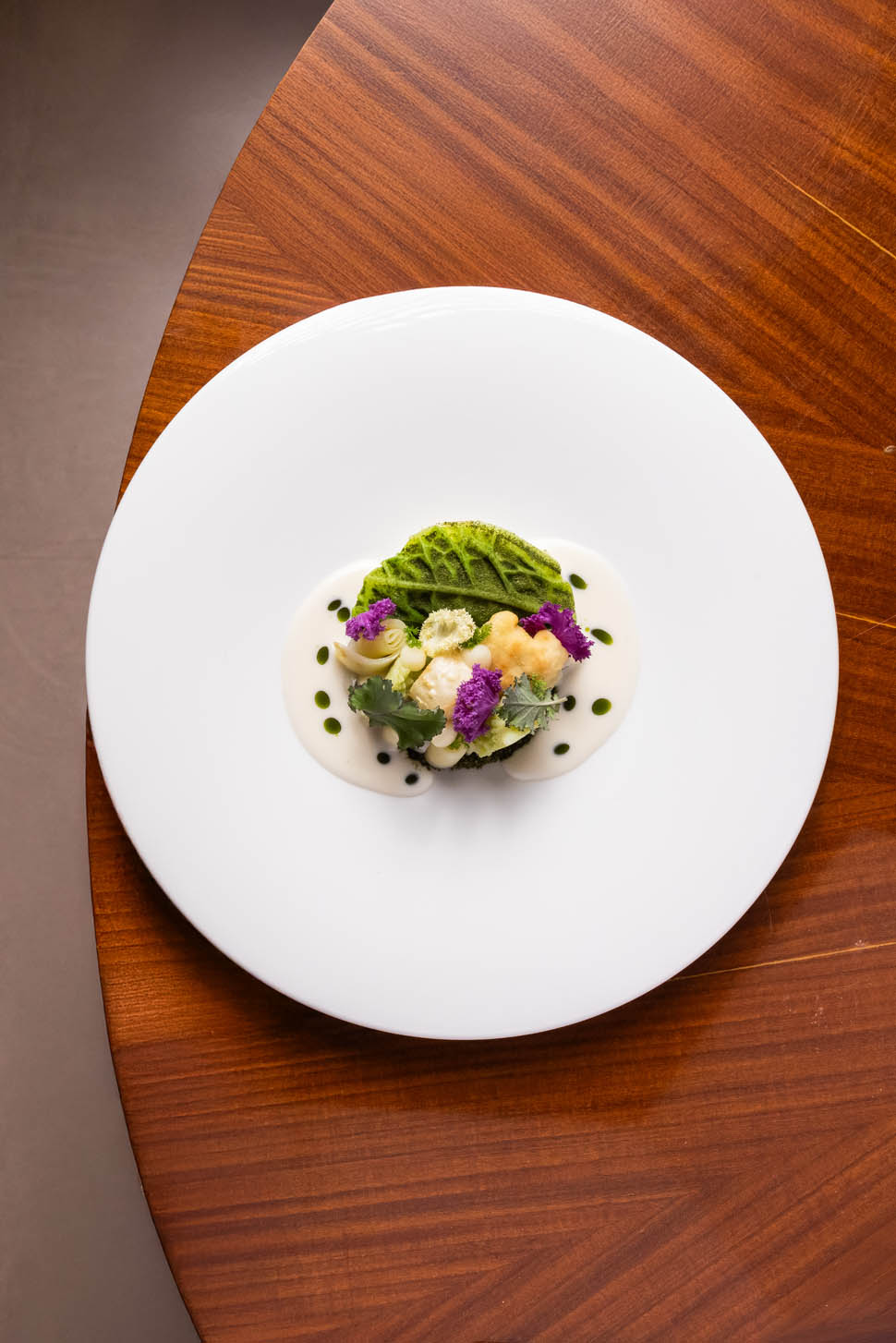
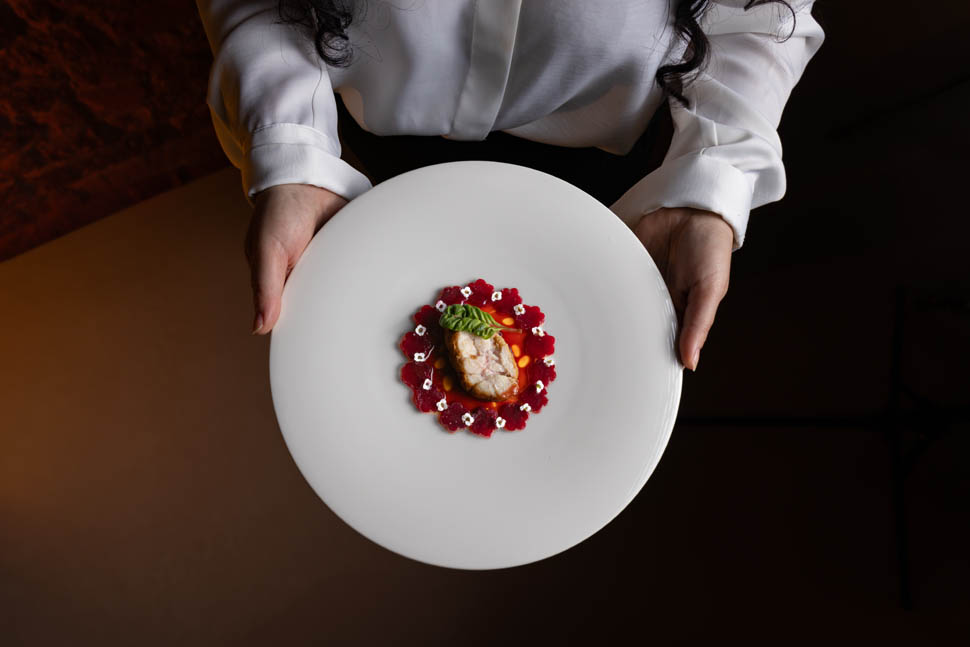
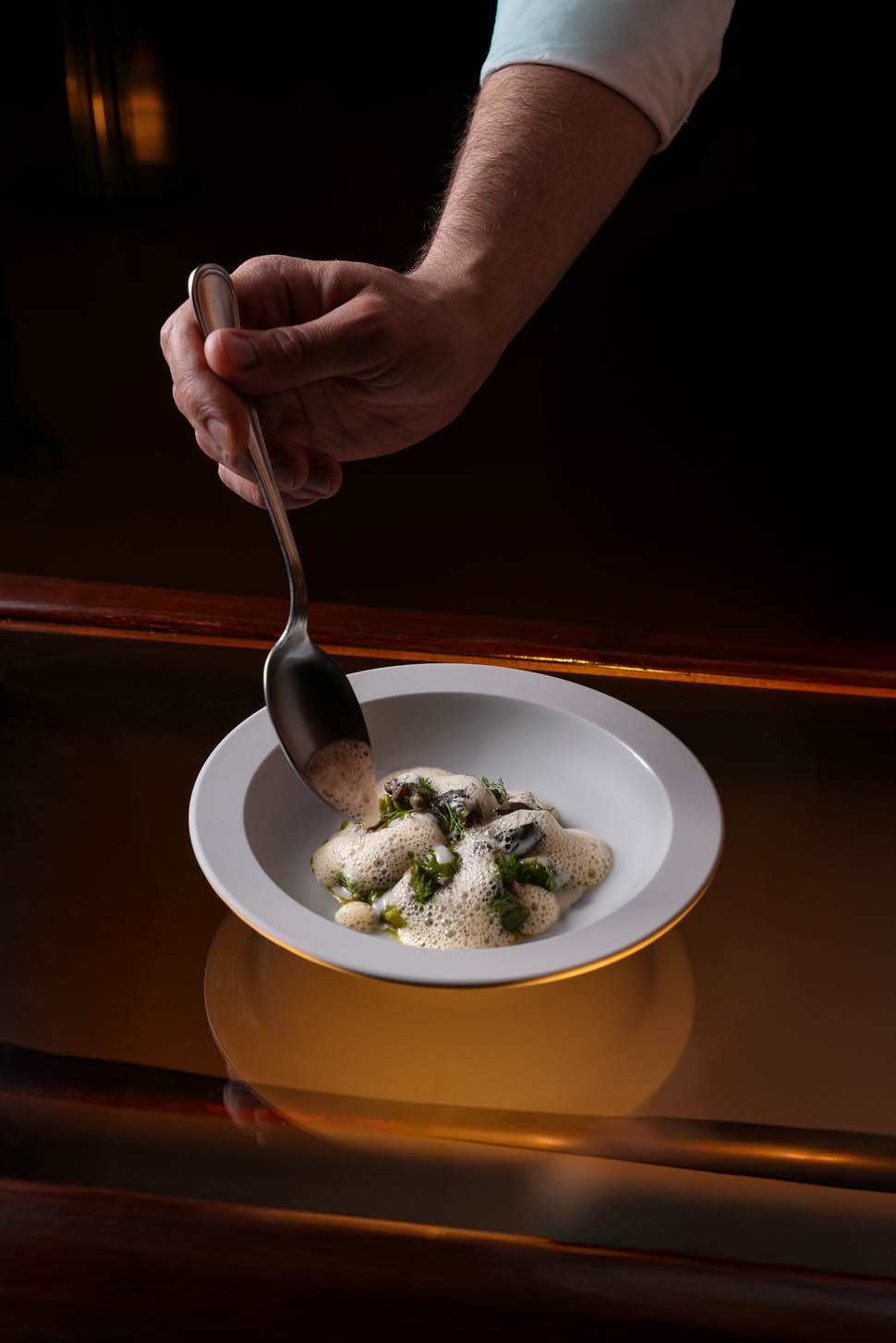
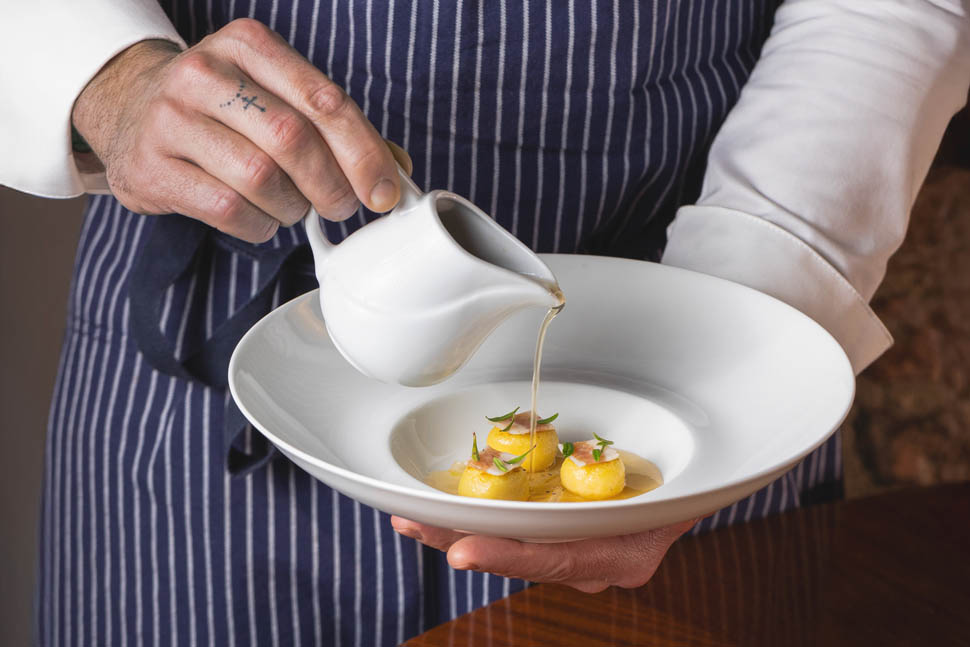
Gerardo di Nola’s mixed pasta dish explores a transcultural fusion, combining the traditional base of garlic, olive oil, and chili pepper with yakitori-style glazed eel and mirin vinegar, whose smoky, sweet note complements the firm texture of the snails—served whole and also chopped into a ragù. A parsley reduction and a spicy emulsion round out the flavor profile. Now a signature dish, the three-meat ravioli celebrate the great tradition of stuffed pasta; the filling combines ethically sourced chicken from Laura Peri with veal and Cinta Senese from Casa Ceccatelli. Sealed with a rich roast stock concentrated through a four-day cooking process and immersed in the rich, velvety texture of smoked alpine cream and seasonal black truffle.
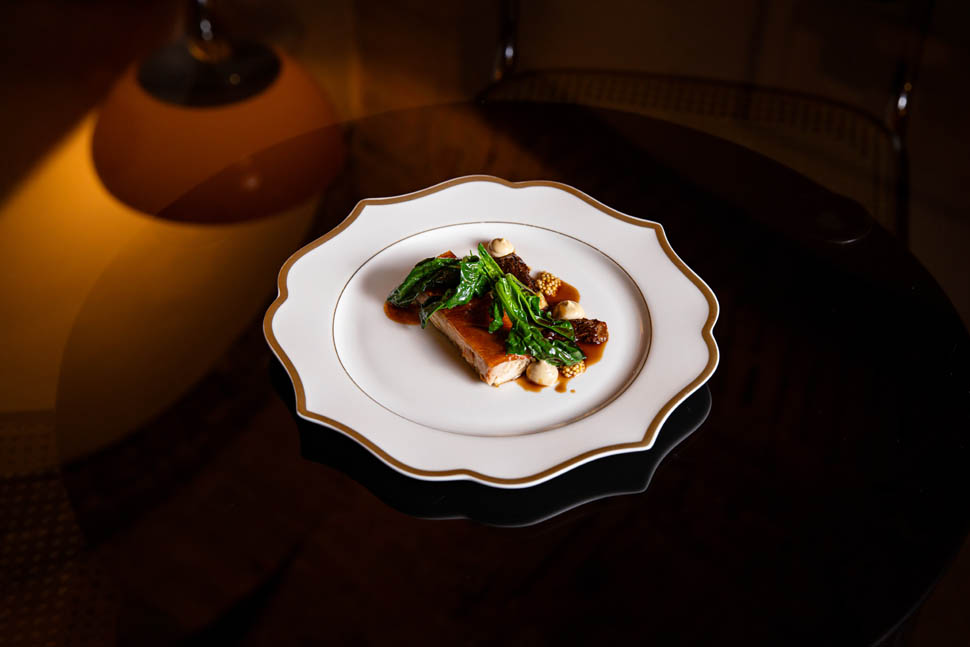
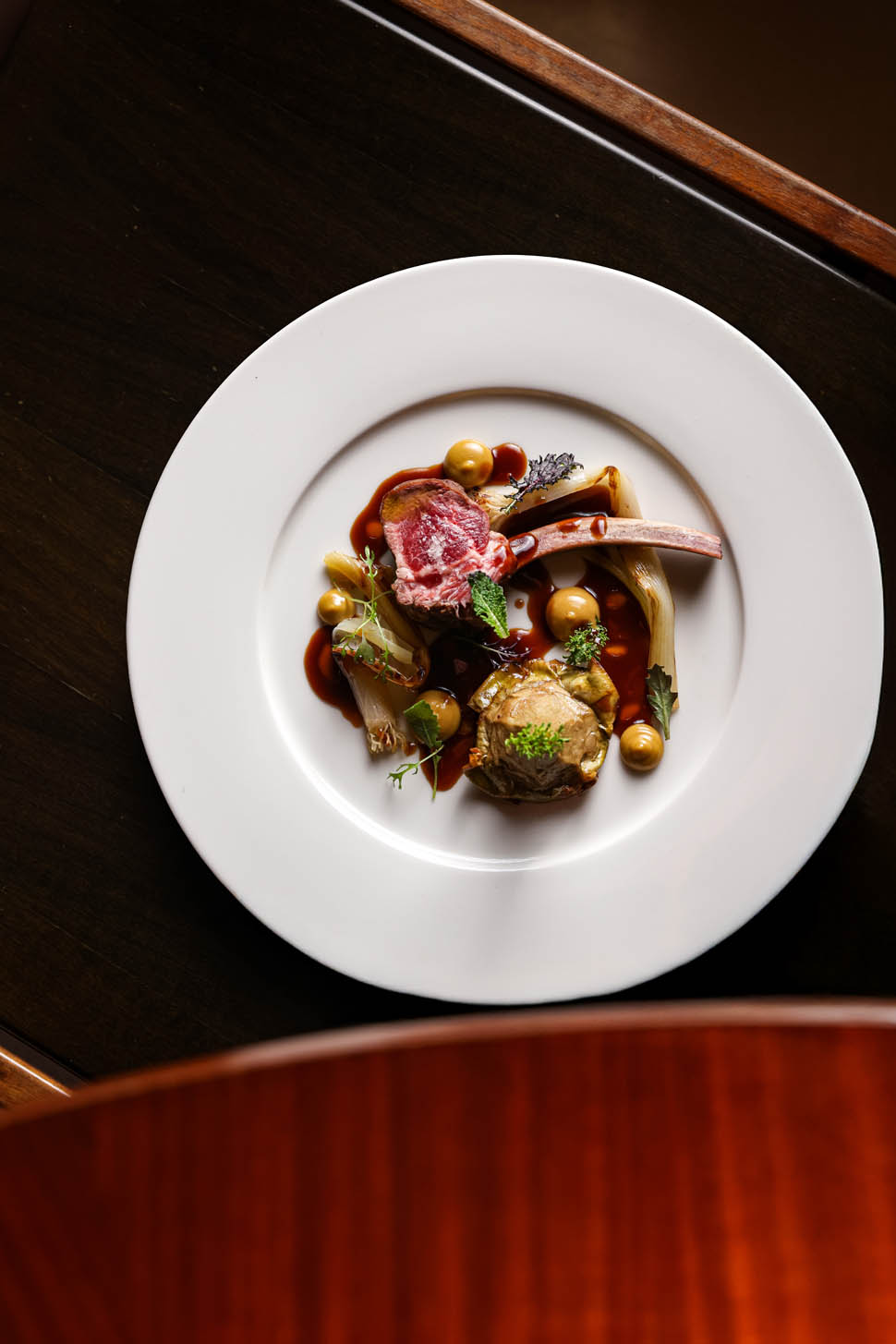
A spotlight on high-end poultry cuisine featuring Laura Peri’s duck, served with seared breast, raw fillet, and a thigh skewer. The bird’s rich, meaty flavor finds a bitter, sharp counterpoint in the sauce made with charred peppers and Bitter Fusetti, while the burnt orange ice cream and Taggiasca olive bread round out the dish’s bold flavors.
The transition to a gentle conclusion is entrusted to that refreshing reset unique to plant-based cuisine, featuring a granita made with celery leaves, yogurt, and licorice. A sophisticated, nostalgic play on flavors that rekindles childhood memories with bread, butter, and jam: blueberry jam, butter ice cream, milk foam, and crispy bread.
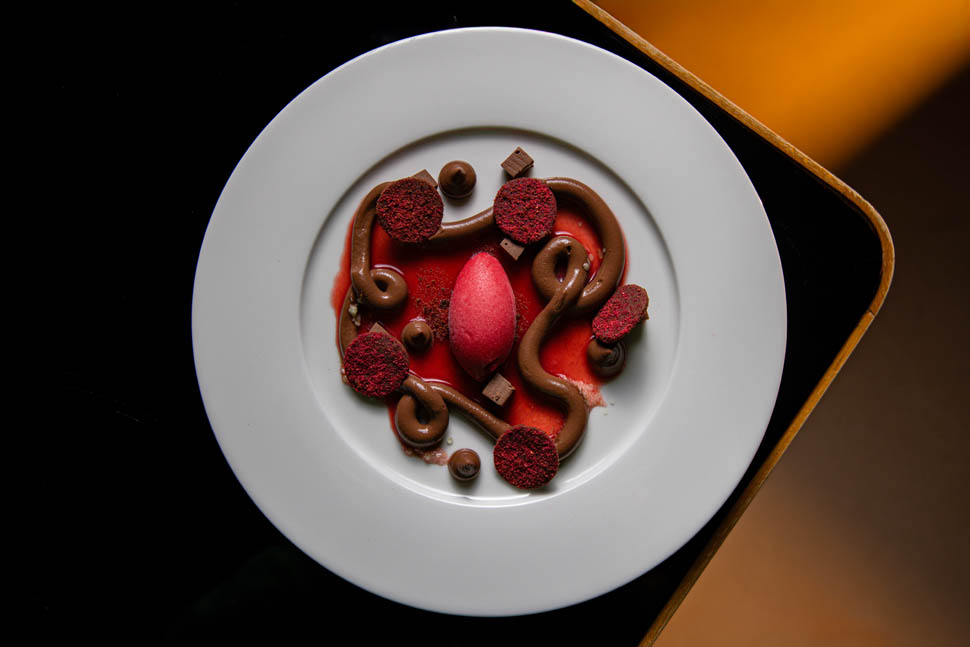
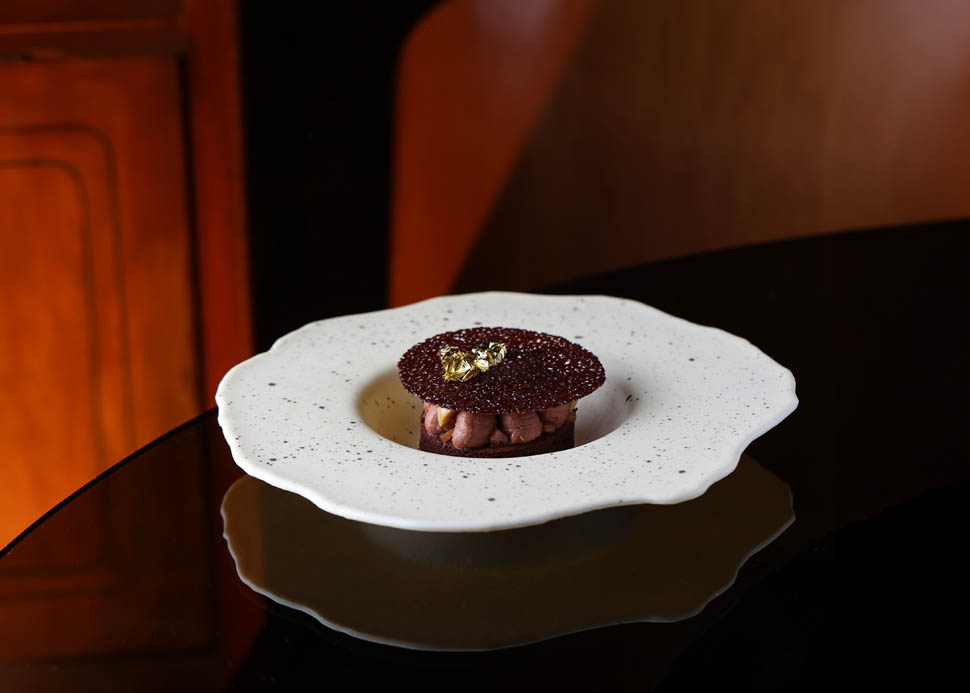
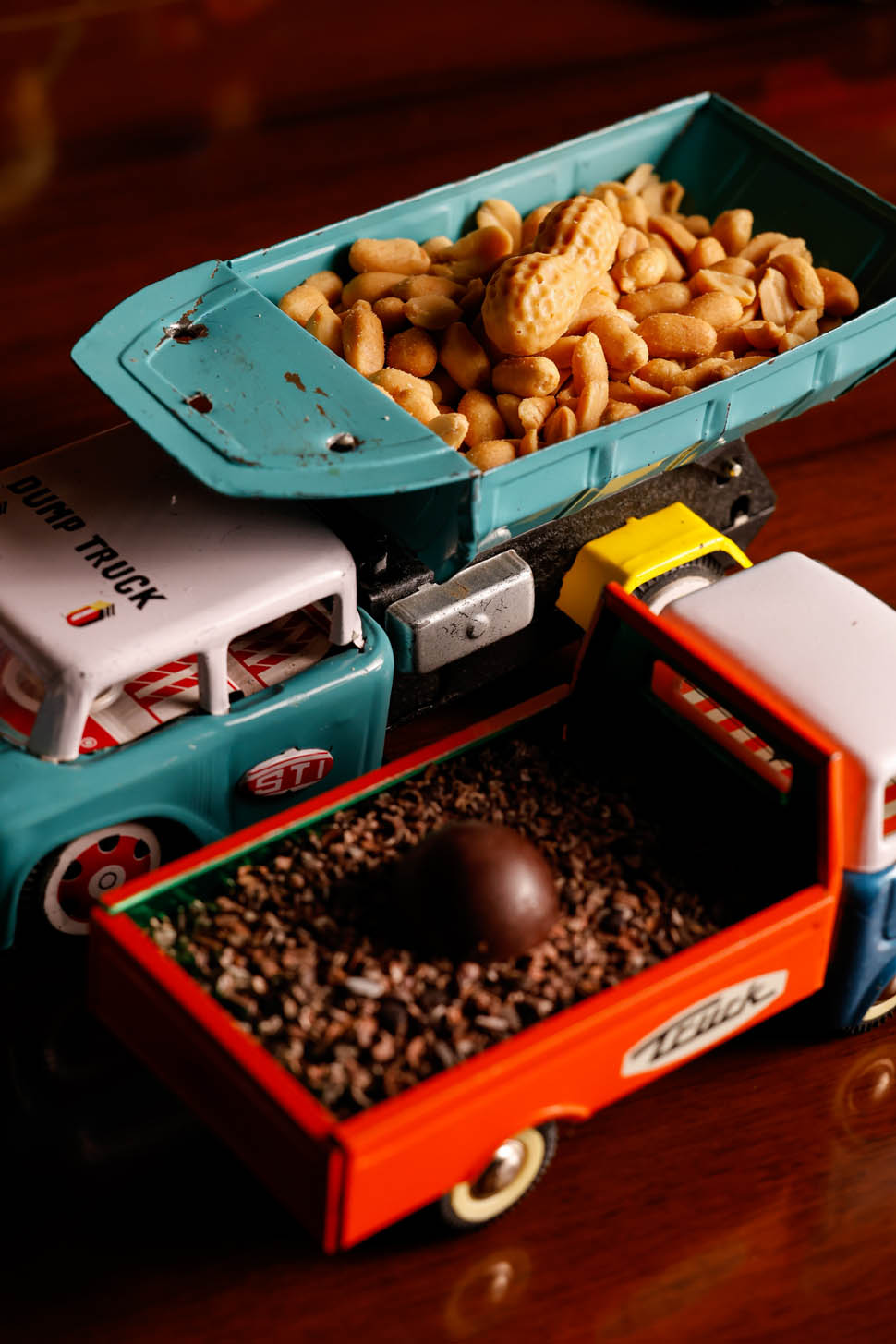
The final treat consists of a small assortment of pastries, finally kept simple: the classic cocoa butter “peanut,” a liquid passion fruit bonbon, and a classic hazelnut cream puff.
Ristorante Gallo Nero
Via del Porrione, 65-67, 53100 Siena SI
Phone: 0577 284356