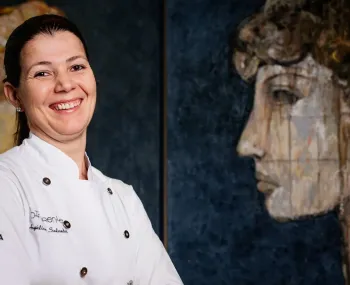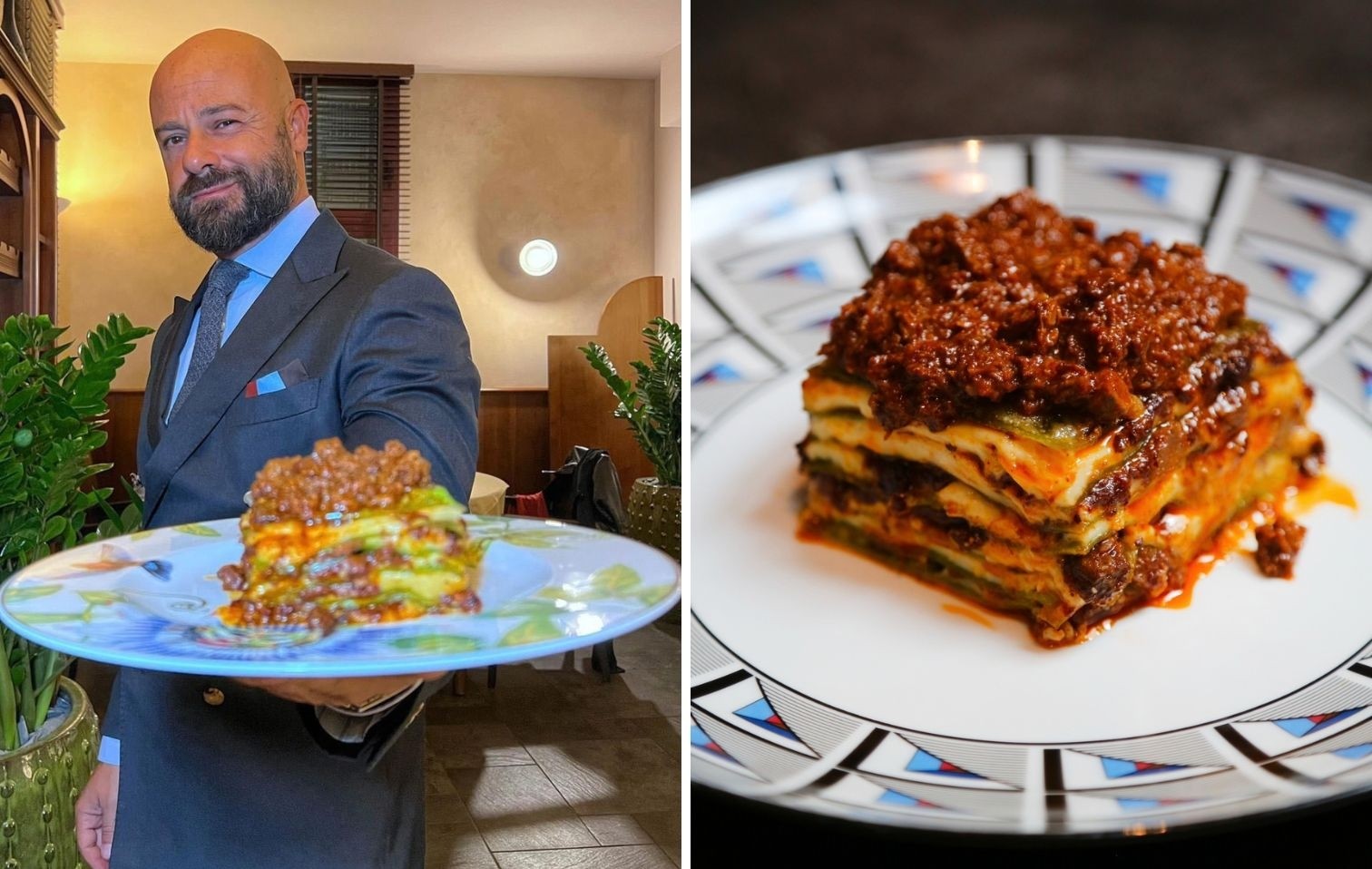
Green lasagna sheets, Bolognese sauce, béchamel, and Parmesan: At Al Cambio in Bologna, lasagna is crafted with precision—from resting in the refrigerator to cooking each individual serving. Piero Pompili shares his tips and gives us the complete recipe.
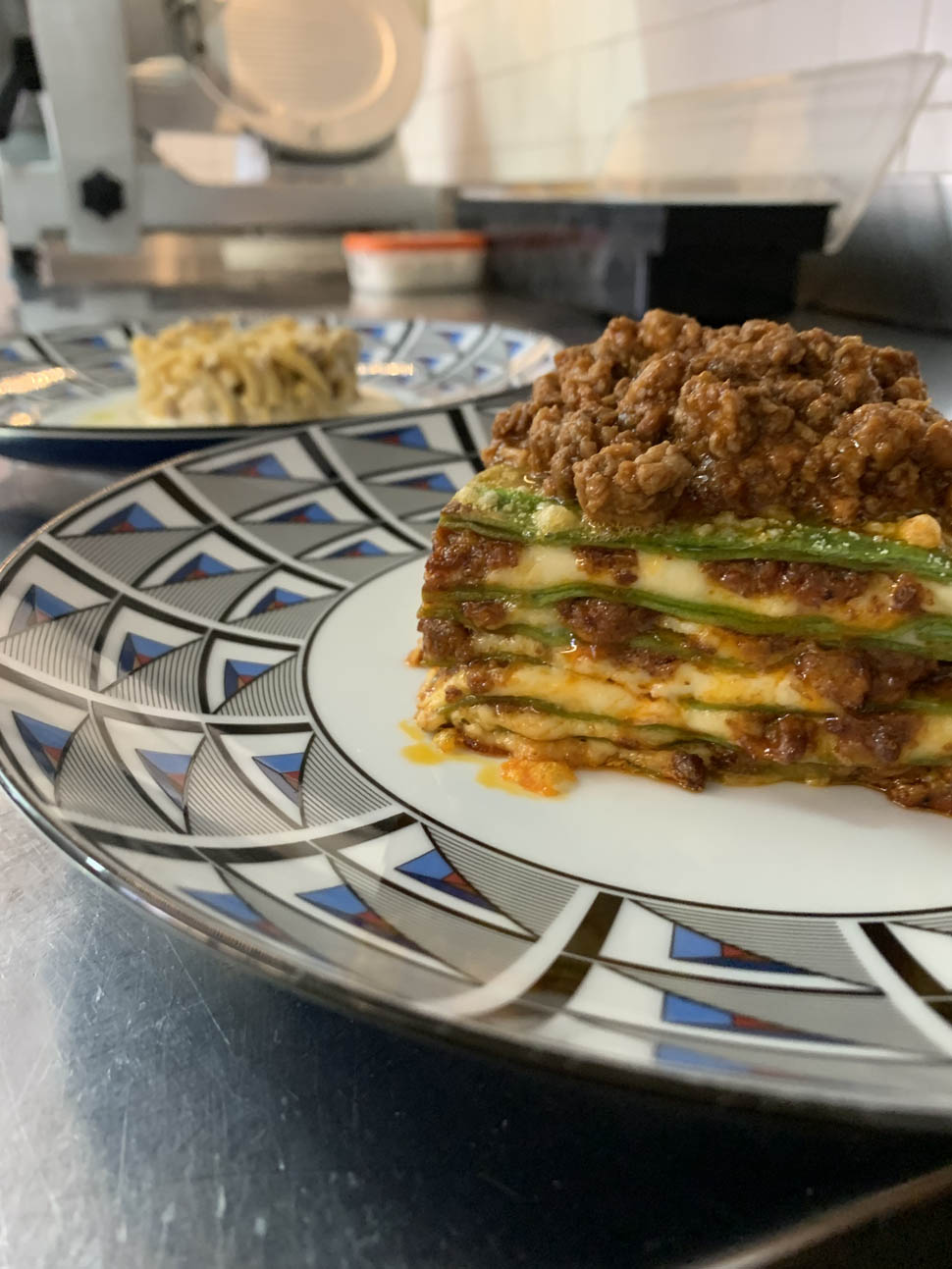
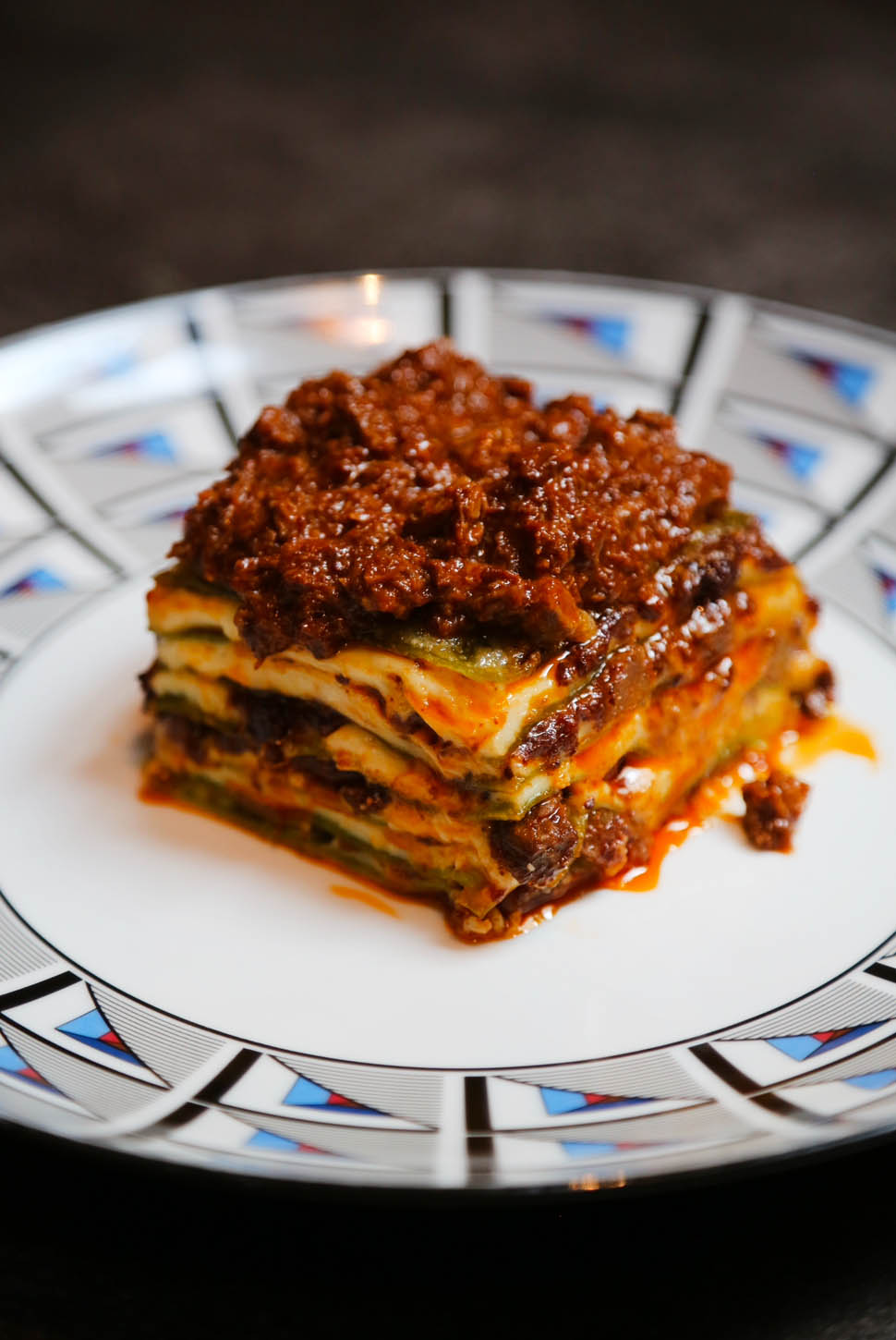
Seven layers of green lasagna sheets, meat sauce, béchamel, and Parmesan. The lasagna at Al Cambio restaurant takes its cue from one of the most recognizable dishes of Bolognese cuisine and deliberately emphasizes its structure: a greater number of layers than in the traditional version served at the restaurant, transforming it into an even richer dish. “Our lasagna has 7 layers; we wanted to celebrate Bologna with a dish that would honor the city and bring it closer to the concept of opulence, adding two layers to the standard 5 found in restaurants.”
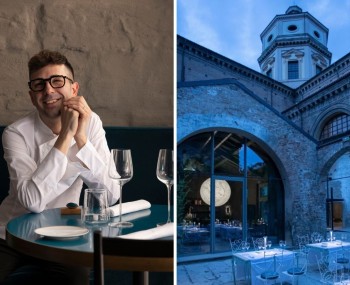
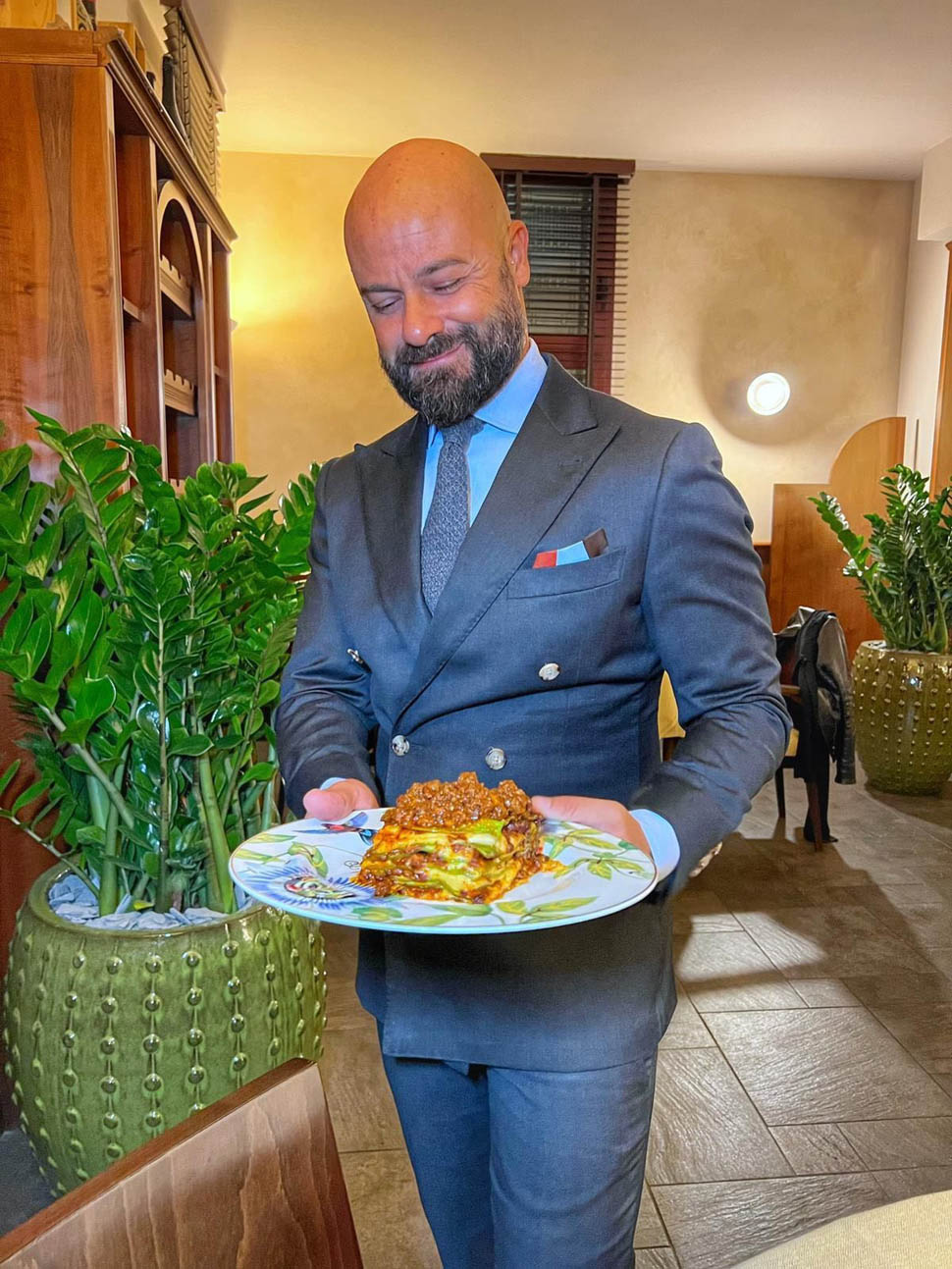
This dish is one of the hallmarks of the restaurant on Via Stalingrado, which in recent years has built a significant part of its identity around Bolognese cuisine. Today, the kitchen is led by Matteo Poggi, while Piero Pompili serves as the maître d’ and the manager who helped shape the restaurant’s concept. Pompili, originally from the Marche region but now a Bolognese by choice, has worked in the restaurant industry for over twenty years and has built much of his career around the dining room, management, and customer relations. He joined Al Cambio after various experiences in the restaurant industry and has structured the restaurant as a project in which the kitchen and dining room work in tandem.
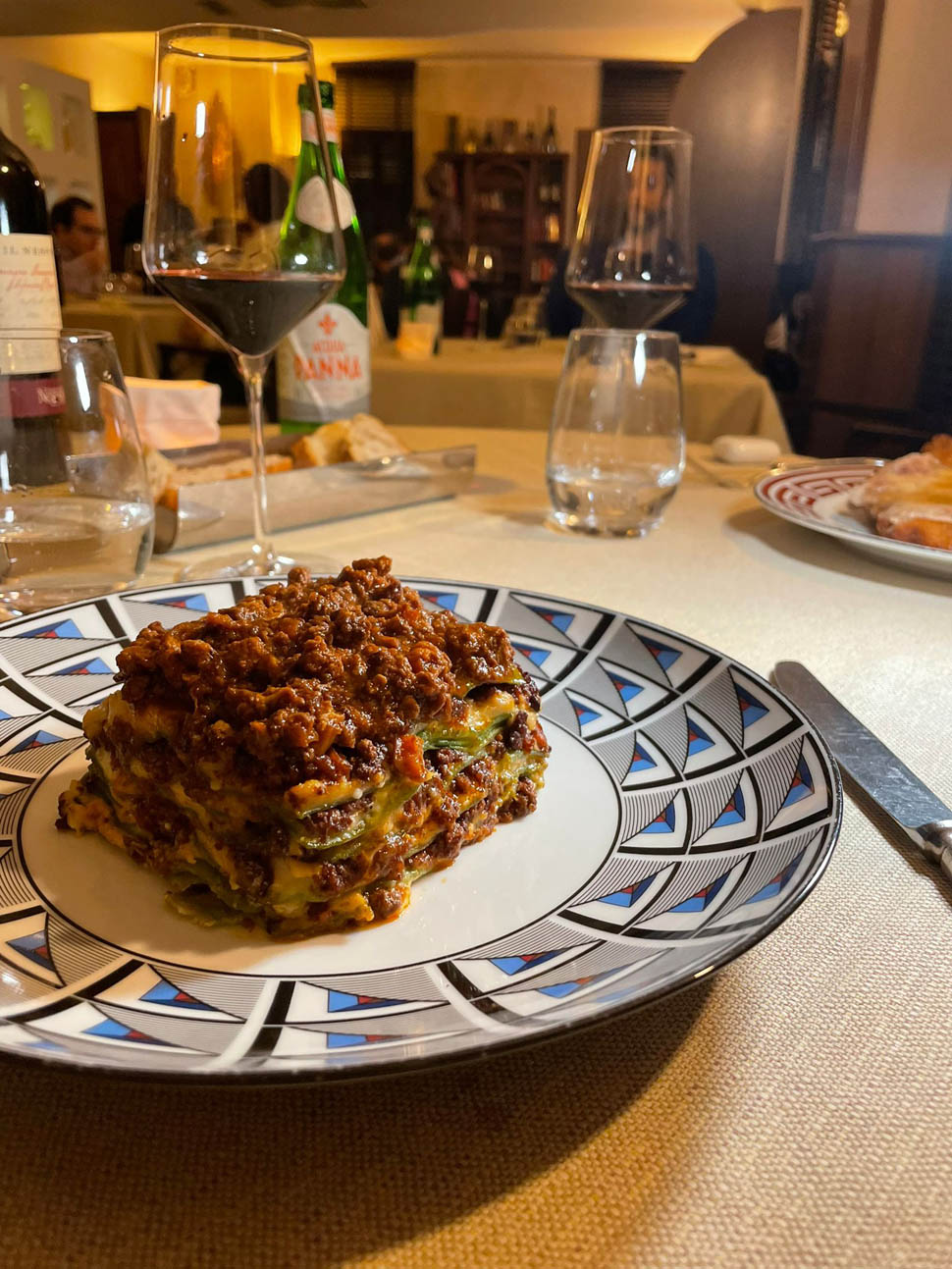
The pasta sheets must be able to support the weight of the filling
The first issue to address when making a seven-layer lasagna is the structure. The pasta sheets must be able to support the ragù and béchamel without sagging, while the sauce must be thick enough to keep the various components in place. “Then, the secrets to a perfect lasagna that holds its shape come from a béchamel that’s kept thicker, so as to create a sort of ‘brick’ that many today consider to be like Bologna’s third tower.” Even the thickness of the pasta plays a specific role: “You need to roll out the pasta a few extra turns with the rolling pin so it’s a bit thicker and doesn’t risk collapsing under the weight of the béchamel and ragù.” Once assembled, the lasagna shouldn’t go into the oven immediately. Pompili recommends letting it rest for a day in the refrigerator before baking. At Al Cambio, the dish is also portioned out before baking, so that each diner receives a freshly baked serving. “Once prepared, lasagna should be left to rest for a day in the fridge… and baked the next day.”
The crispy top, the meat sauce, and the secret ingredient
The lasagna is cooked individually rather than directly in a baking dish so that the kitchen can prepare each portion to order. Even the portioning is done with extreme precision. “Lasagna shouldn’t be reheated, but cooked and eaten; we cook it in single-serving portions so that every customer who orders it can enjoy a lasagna fresh from the oven. An interesting fact, perhaps, is that we use a tape measure to measure and portion it out in the baking dish before cooking…” After baking, there’s one more step. The top is broiled until a crispy crust forms, while more meat sauce is heated in a small saucepan to be added directly on top.
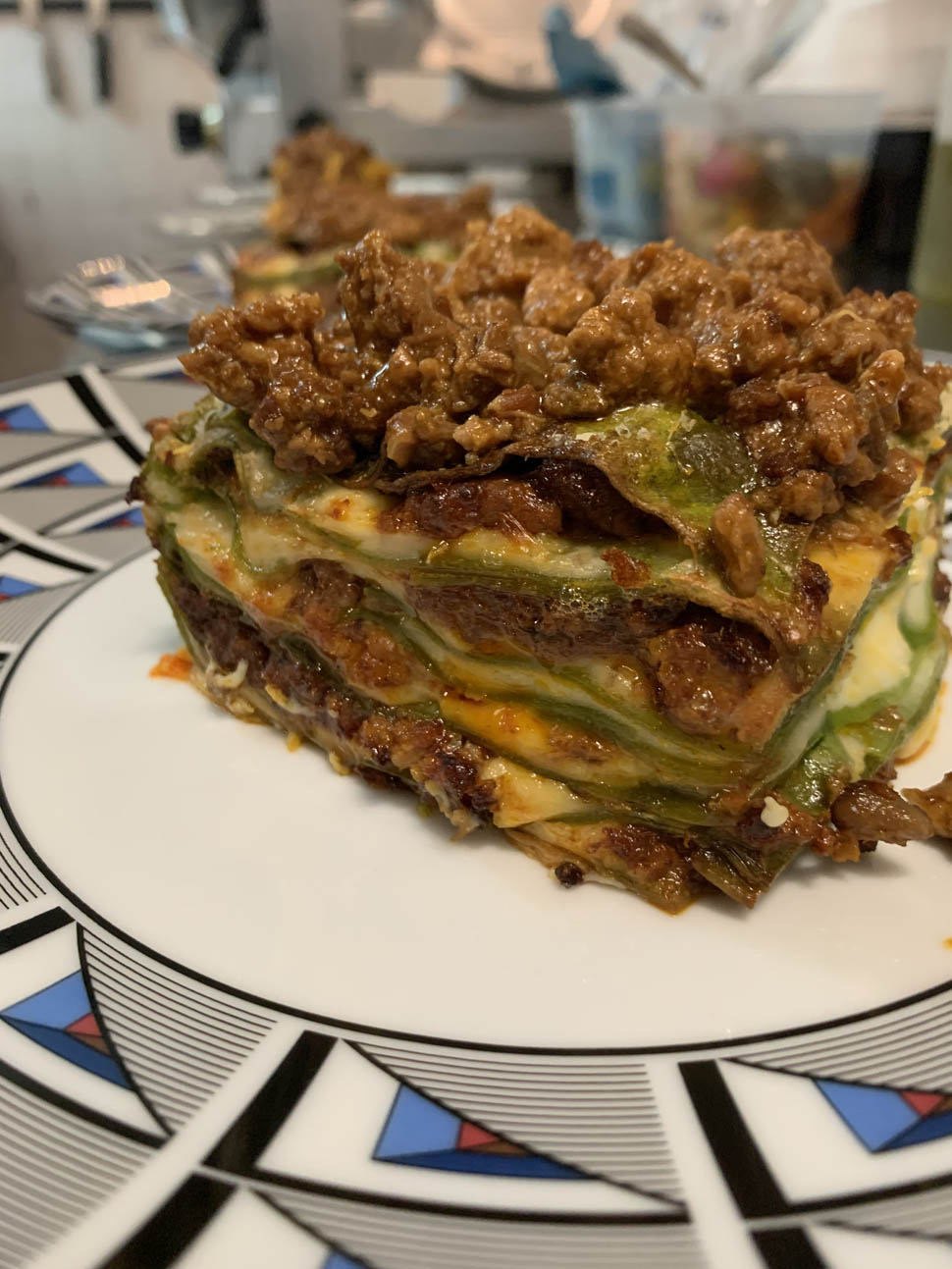
“And we didn’t want to stop there, because after letting a crust form, we heat up some ragù in a separate saucepan and pour it on top… and it’s precisely in its excess that it found its natural balance, becoming one of Italy’s most iconic dishes.” Behind the measurements, timings, and temperatures, Pompili adds an ingredient that doesn’t appear in the recipe. “The main ingredient of every dish should be love; it’s served with an equally loving gaze because you can tell, and the dish reaches you in a direct and genuine way. Without love, you get nowhere.” It’s the perfect conclusion to a dish that, beyond the number of layers, requires, above all, careful attention to each step: from the pasta sheets to the béchamel sauce, from the long simmering of the ragù to the resting period in the refrigerator, right up to portioning and the final quick bake.
The recipe for Cambio’s green lasagna
Ingredients
For the green pasta dough
- 1 kg of flour
- 9 whole eggs
- 300 g of spinach
- 100 g of parsley
Instructions
- Blanch the spinach and parsley, then cool them in ice water
- Blend them without drying them and pass them through a fine sieve.
- Mix the eggs and flour; once the mixture is smooth, add the spinach and parsley. Finally, roll out the dough and cut it to fit a baking sheet.
For the Bolognese sauce
- 300 g peeled carrots
- 350 g peeled onions
- 300 g celery
- 550 g double-concentrated tomato paste
- 600 g ground pork (the end of the pork loin near the leg)
- 1 kg ground sausage
- 600 g ground veal
- 1.4 kg ground beef
- 300 g pancetta
- 300 g prosciutto
- 1 L red wine
Method
- Dice the celery, carrots, and onion, and sauté them in a large saucepan with olive oil.
- Add the pancetta and ham, breaking up the mixture with your hands, and continue sautéing over high heat. Then add the ground veal and ground pork, and repeat the process until browned.
- Add the beef and repeat the process; finally, add the sausage and continue sautéing.
- Once everything is browned, pour in the wine and let the alcohol evaporate completely over high heat.
- Once the wine has evaporated, add the double concentrate and cover with water. Lower the heat and cook for at least 4 hours, adding lukewarm water as needed to prevent the ragù from sticking, stirring frequently.
For the béchamel sauce
- 350 g butter
- 350 g 00 flour
- 4 L milk
- 40 g salt
Instructions
- Melt the butter in a pot, and when it begins to sizzle, add the flour and make a classic roux using a whisk.
- In a separate pot, bring the milk to a boil, then add the roux and salt, and whisk until the mixture is thick but creamy.
Lasagna Assembly
- 500 g grated Parmesan
- Spread a thin layer of béchamel sauce in a deep baking dish.
- Separately, cook the green lasagna noodles and cool them in an ice bath; then drain and lay them out over the layer of béchamel sauce.
- Spread about two ladlefuls of béchamel sauce over the layer of green lasagna noodles, spoon the meat sauce evenly over the béchamel sauce across the entire dish, and finally sprinkle generously with grated Parmesan cheese.
- Repeat the entire process until you have 7 layers of green pasta, leaving the top layer unfilled to seal the lasagna.
Al Cambio
V. Stalingrado, 150, 40128 Bologna BO
Phone: 051 328118