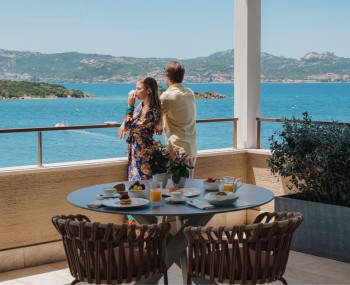
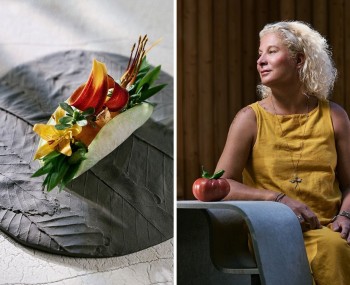
In Rocca Cilento, young chef Salvatore Notaro brings contemporary cuisine—a blend of Cilento traditions and international influences—to the dining rooms of an ancient medieval fortress.
*Content with promotional purposes
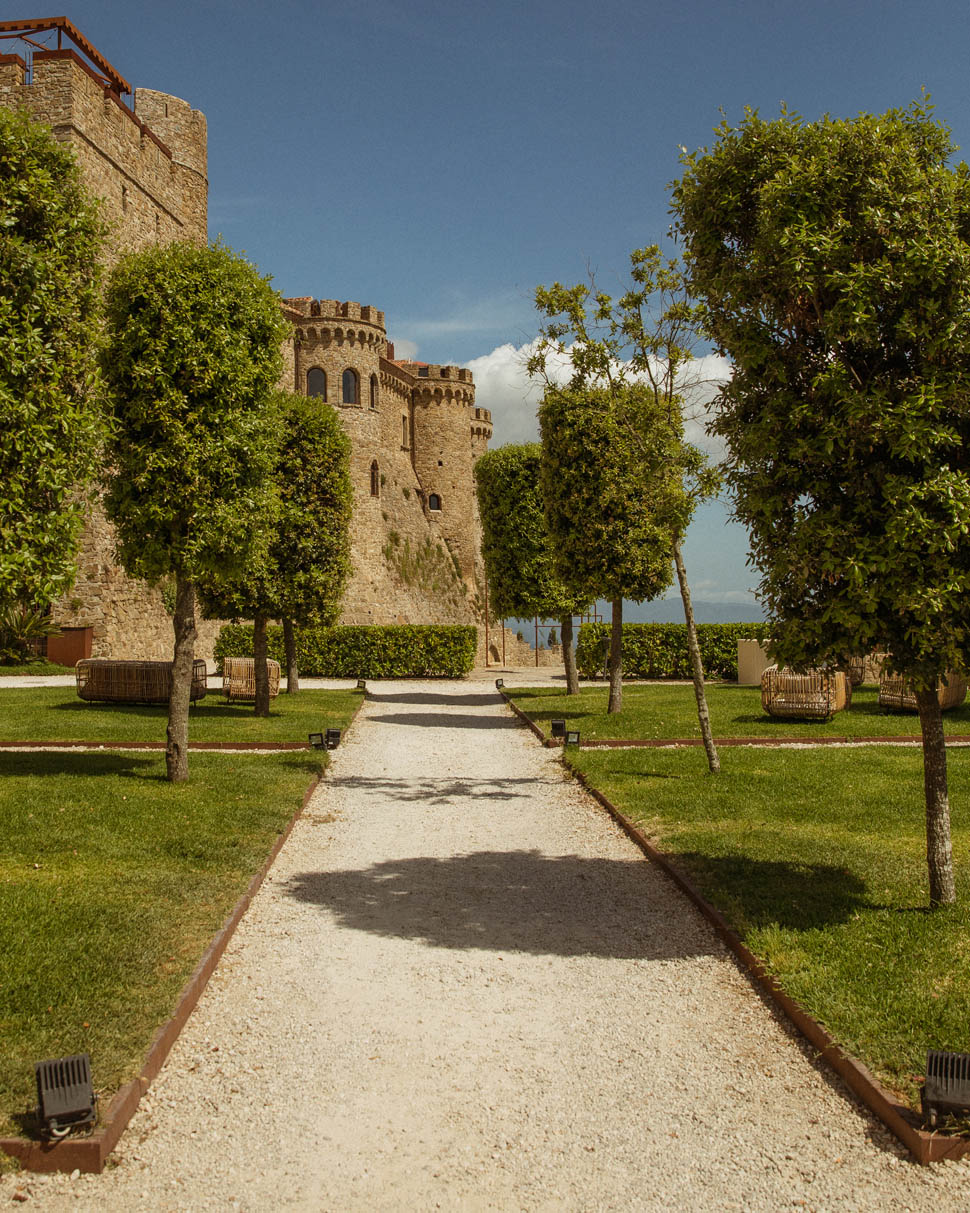
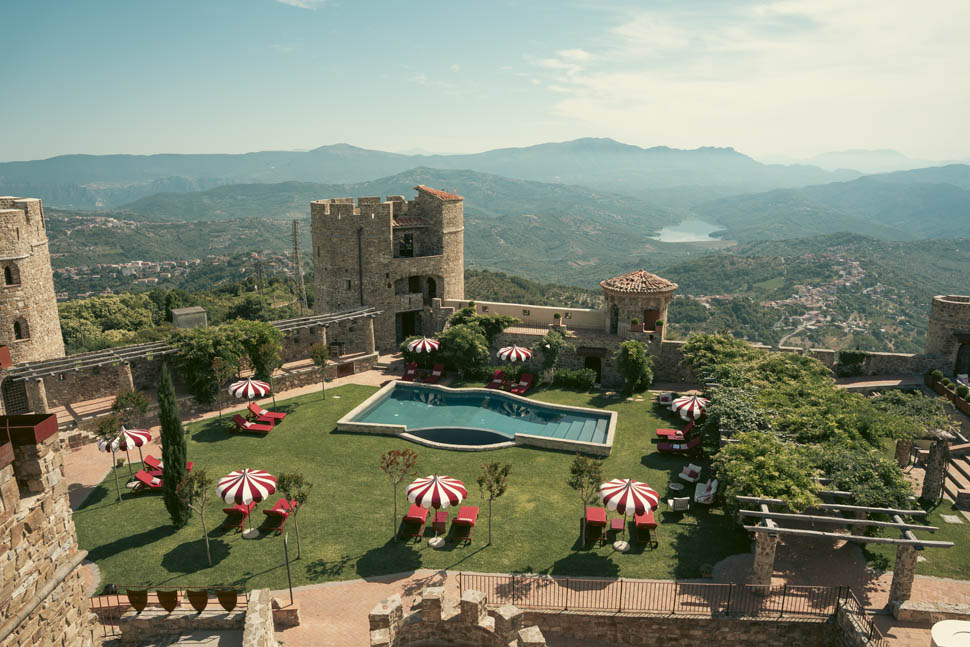
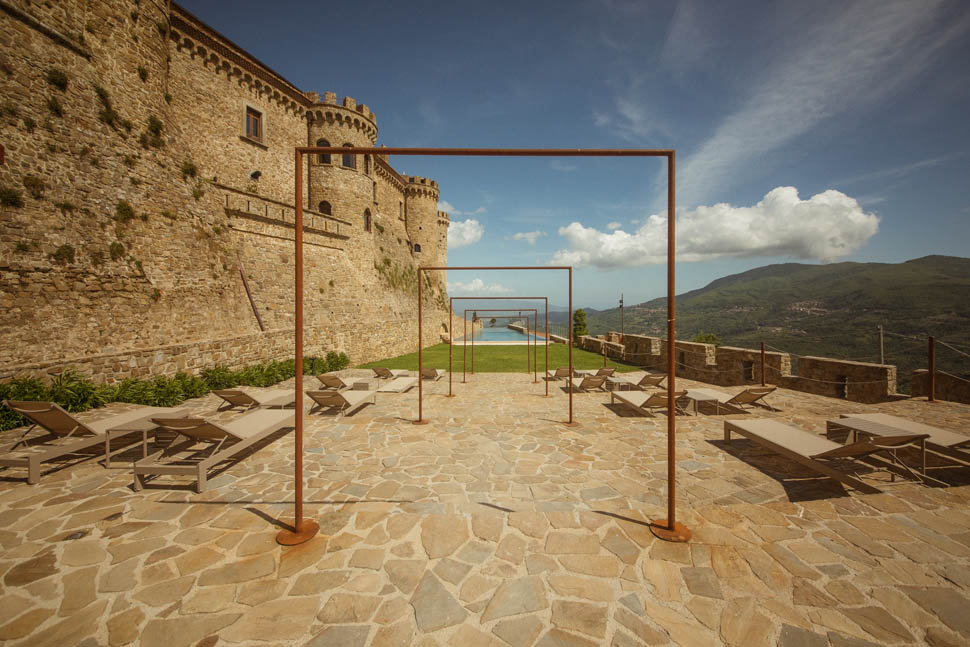
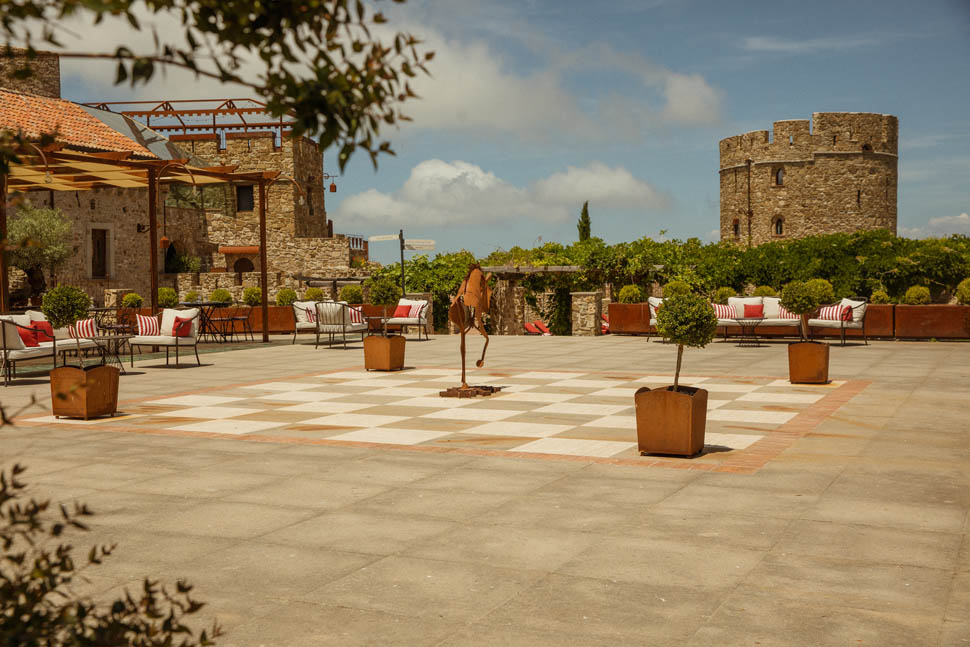
Getting to Rocca Cilento Castle means climbing up, way up. The road narrows, the landscape opens up, and as you approach the summit, the castle seems to grow larger and larger in comparison to its surroundings. It is an imposing presence, almost out of scale: stone, towers, courtyards, terraces, two picturesque pools, a succession of rooms, and a horizon that embraces the valleys of Cilento, the small hilltop villages, and, further away, the Cilento and Amalfi coasts. On clear days, the view extends all the way to the island of Capri. A fortress nestled within the area’s Natural Park, it dates back to 1119, although some evidence suggests the site was inhabited centuries earlier.
The History
“Joachim Murat—a French general, King of Naples, and Napoleon’s brother-in-law, to be clear—fought here,” the hotel staff explain, “where the Bourbons defended this castle to the very end.” Then came the changes in ownership from one family to another and the renovations. Count Moscati sought to turn the fortress into a sort of salon for intellectuals, culminating in the restoration project designed by architect Stefano Sgueglia. Today, the entire complex is a boutique hotel with seventeen rooms and suites, some of which are housed in the towers, while the common areas retain the austere character of the original structure. Thanks to its four separate kitchens, this is a place where major events and special occasions are the main draw.
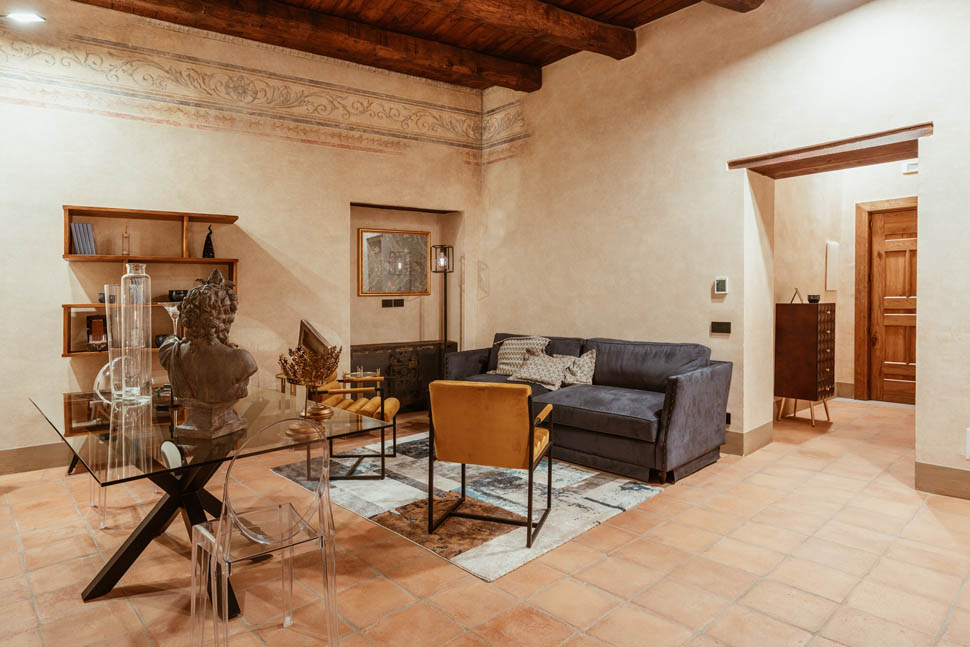
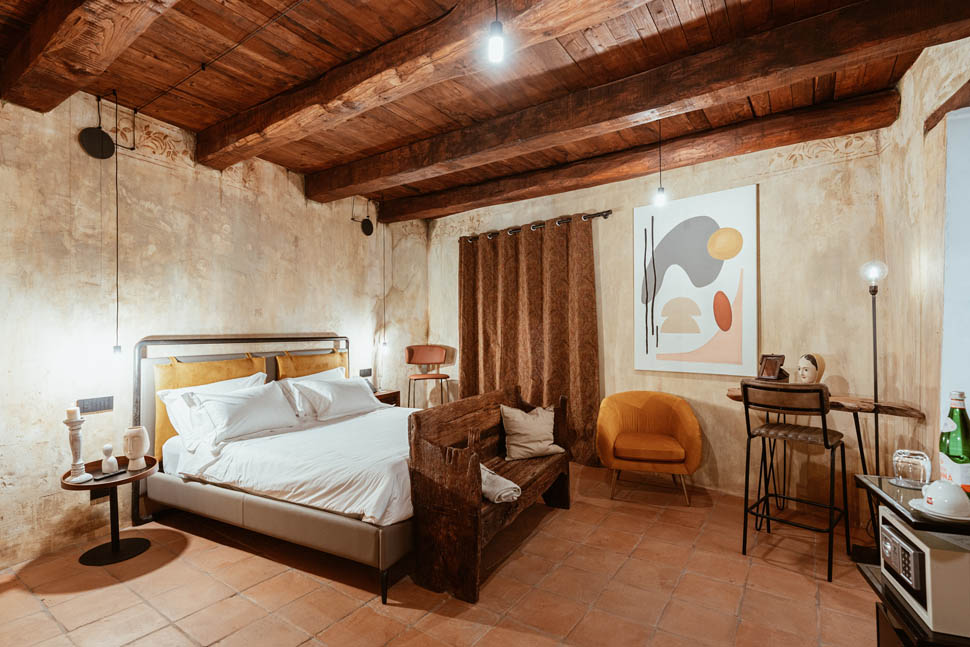
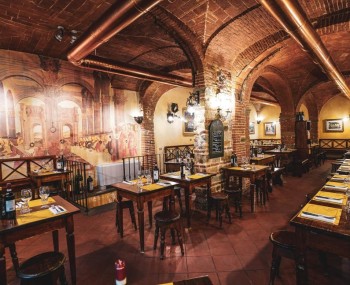
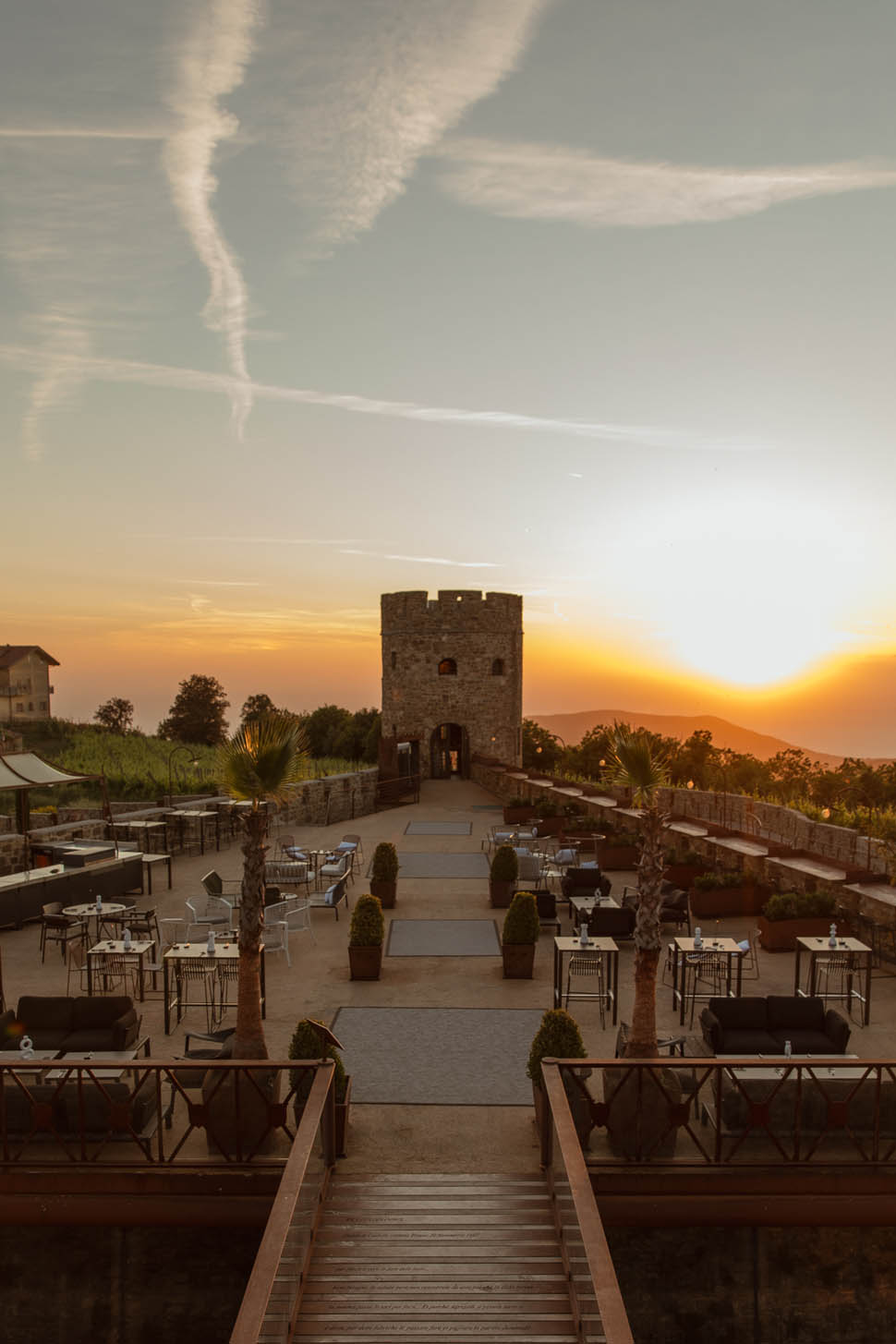
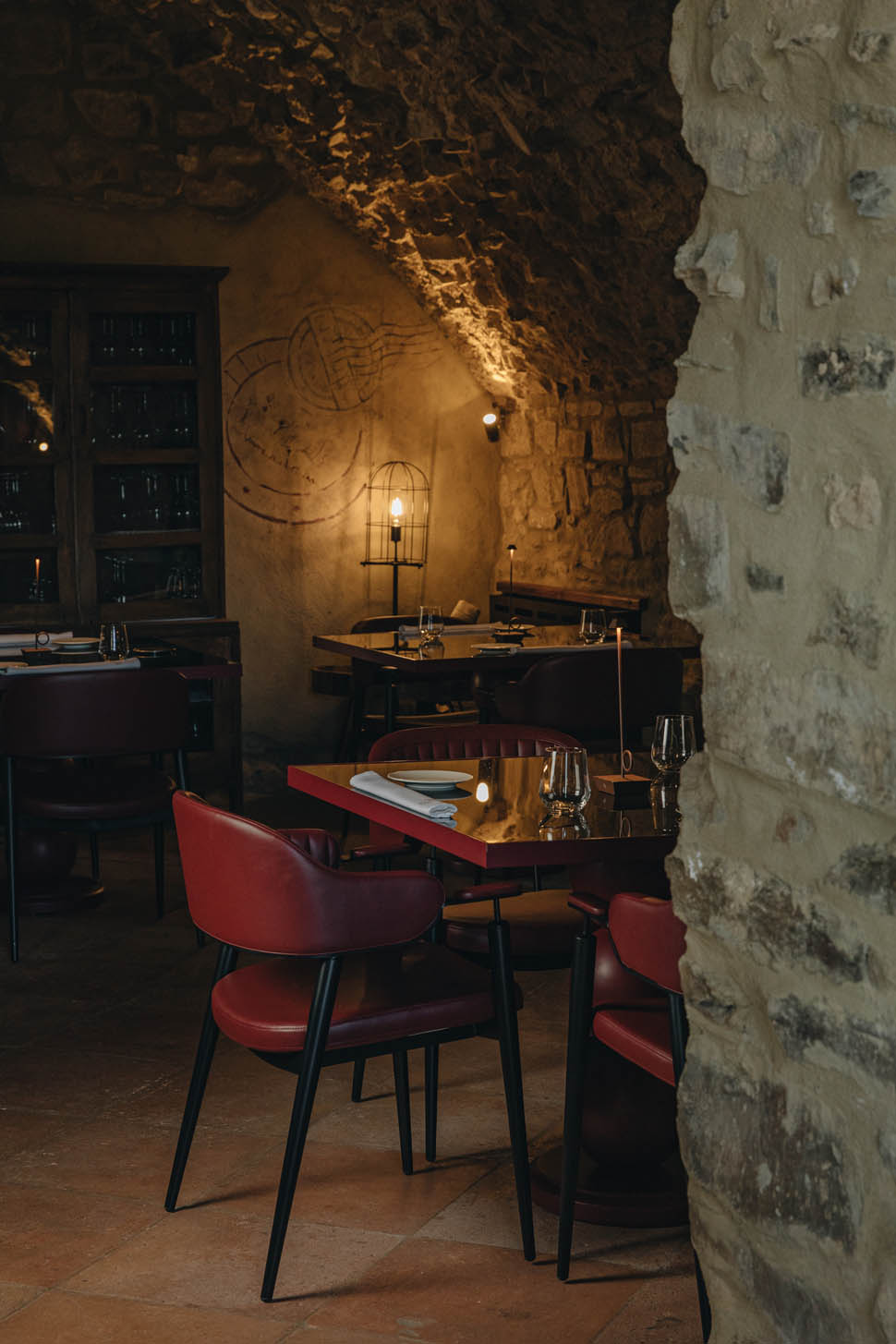
In this setting, in fact, the restaurant is almost like the castle’s drawbridge. Rocha, which opened just a few months ago, brings contemporary cuisine within these ancient walls—a cuisine that, in terms of ambition and style, might seem far removed from the venue’s more traditional character. It is precisely this contrast that makes the experience so intriguing: you find yourself faced with dishes that draw inspiration from Cilento, but also from Asia and France, as well as the techniques the chef learned in the restaurants where he has worked. In short, it’s a sort of Renaissance phase for the castle. Upstairs, the Rivelino Sunset Bar offers another, more casual option, featuring cocktails and mixology, along with a view that stretches all the way to Capri. Rocha, on the other hand, invites you to take a seat and let the cuisine reveal where you are.
The Restaurant and the Chef
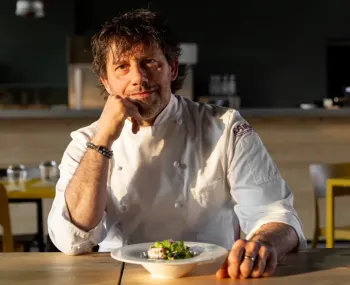
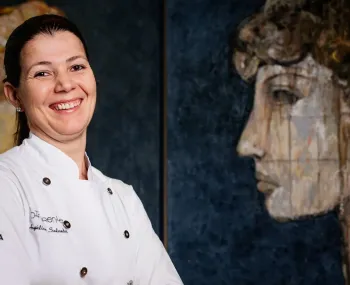
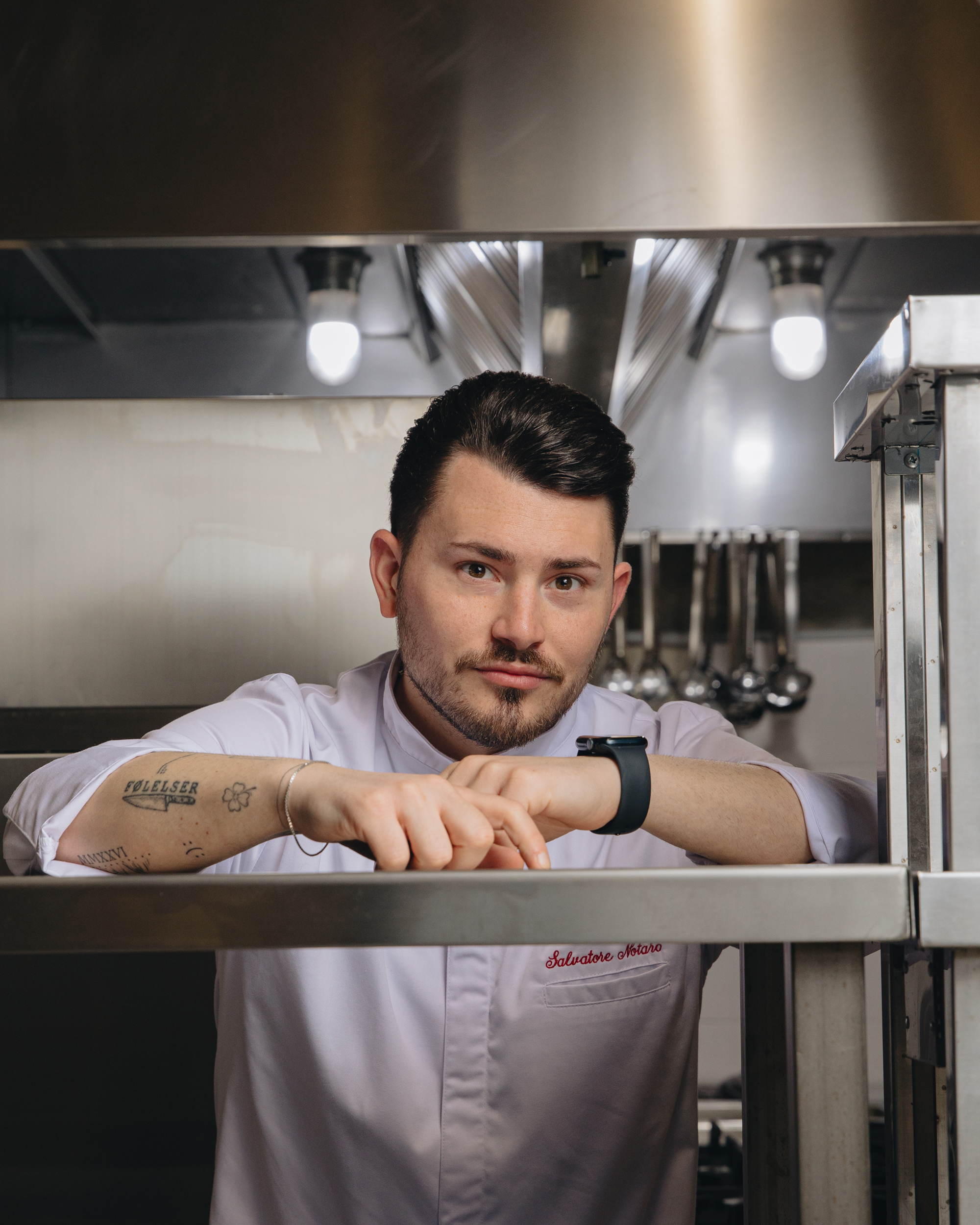
At the helm is Salvatore Notaro, born in 1998, who has already built a career in prestigious kitchens. His passion began at just fourteen years old in restaurants in Naples and continued under Francesco Franzese and Luigi Salomone at Rear Restaurant, Casa del Nonno 13, Roji, and Re Santi e Leoni. His time working in the great Italian culinary teams shaped his current signature style: Enrico Bartolini’s three-Michelin-starred Mudec Restaurant and Norbert Niederkofler’s St. Hubertus; the two-Michelin-starred L’Olivo at the Capri Palace Jumeirah, alongside Andrea Migliaccio and Salvatore Elefante.
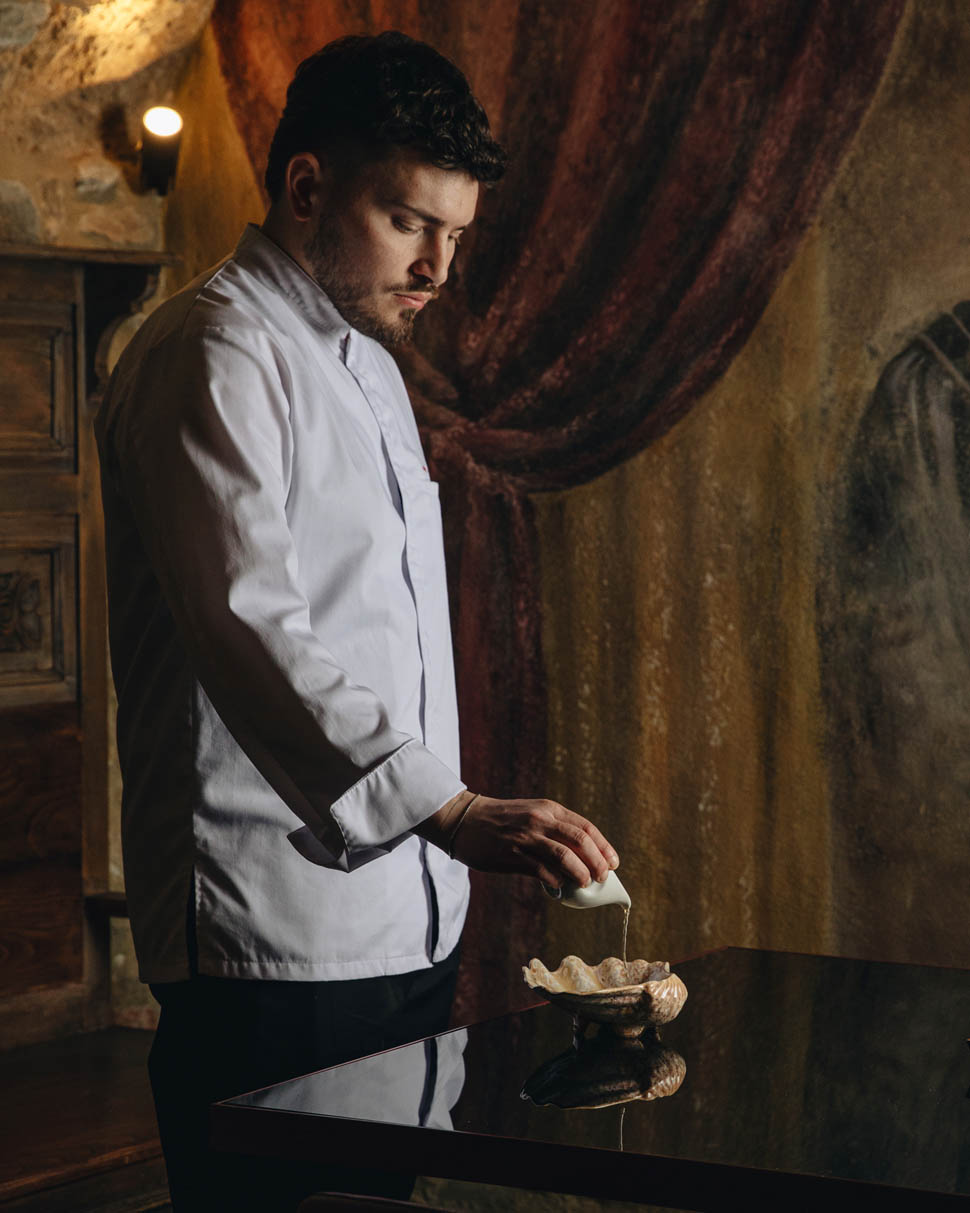
“Every chef I’ve worked with was one of a kind. Bartolini was clean; he didn’t play around with acidity or umami. Niederkofler, on the other hand, focused on smoky flavors. In France? Very rich. I, on the other hand, like acidity, so I incorporate it into my dishes.” This response explains a great deal about Rocha’s culinary journey, where acidity often serves as a tool to lighten, enhance, and make even very intense flavors more accessible. But above all, it reveals a cuisine that isn’t afraid to look elsewhere for inspiration.
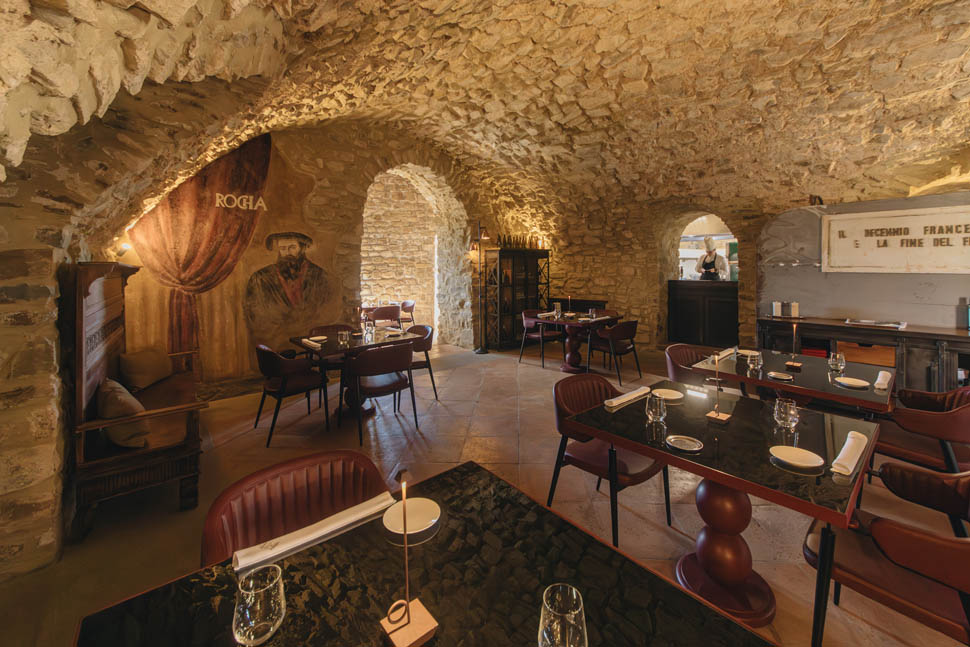
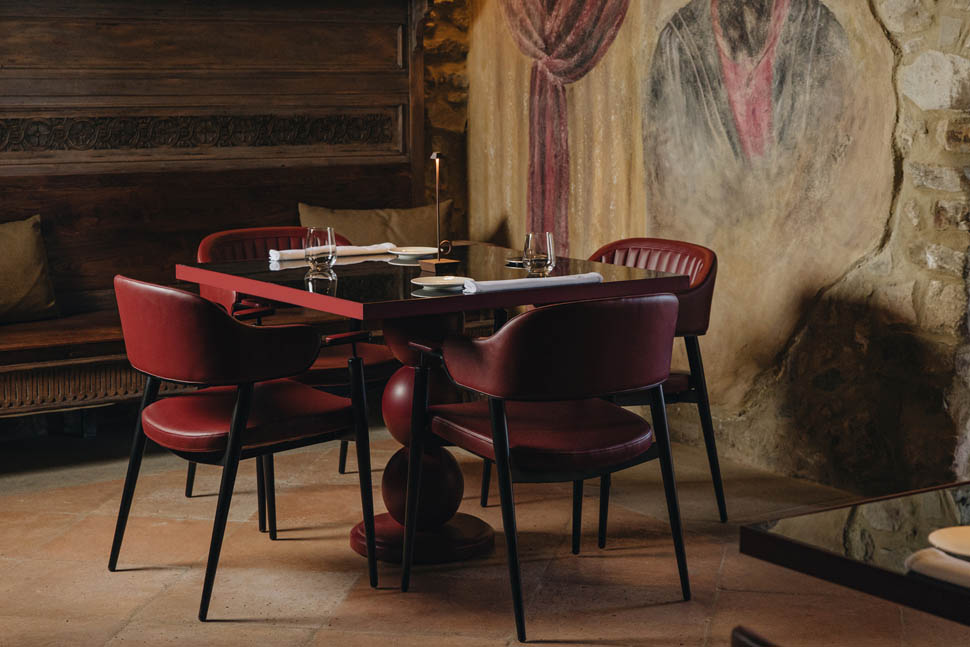
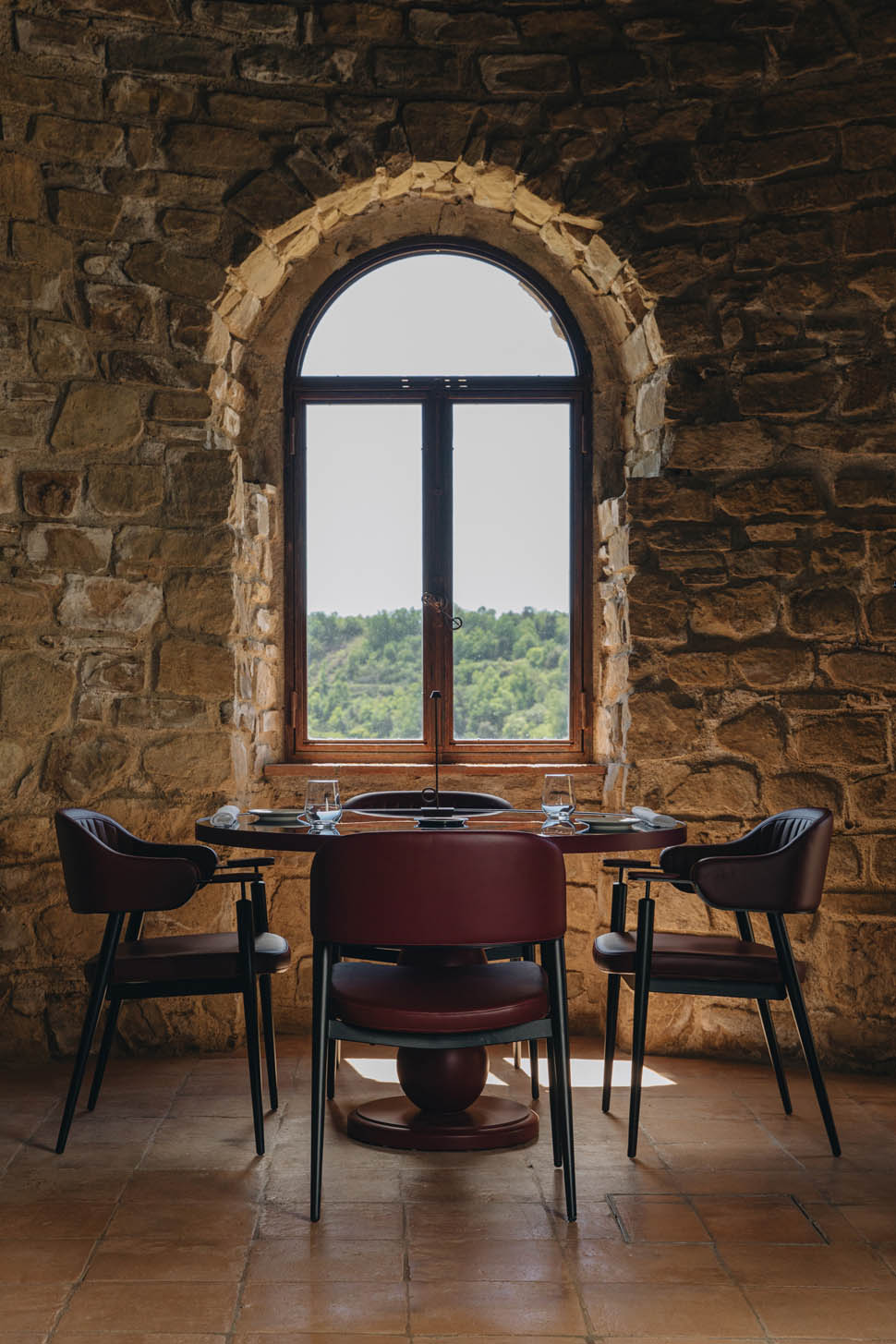
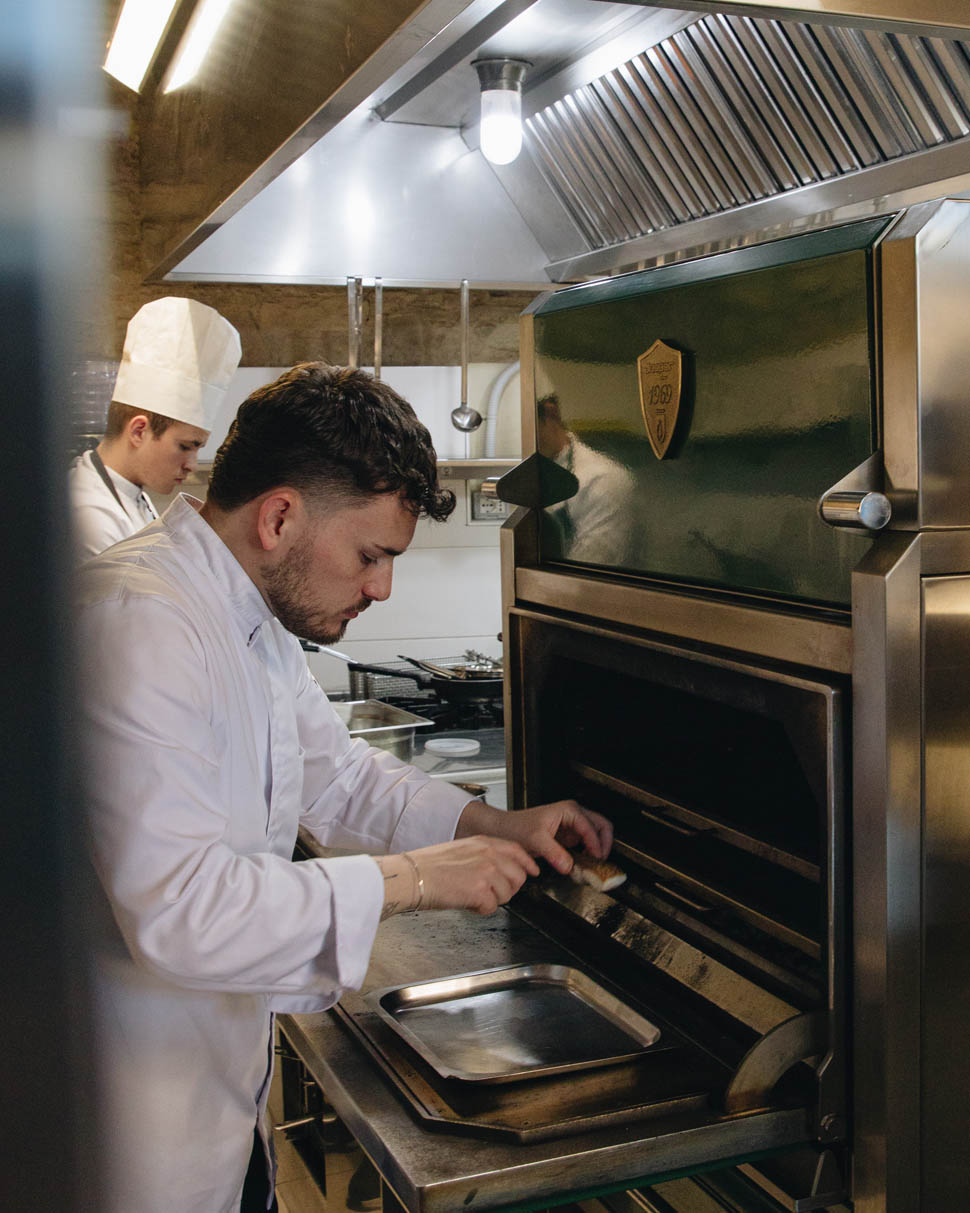
While the Rocha menu adheres more closely to the traditional vision of the Castle and the Cilento region, the second menu—Visione—draws on Notaro’s past, his travels, his experiences, and what he has made his own. Asian influences, French techniques, charcoal-grilling, and products from Campania coexist within the same menu. The most interesting thing, however, is that this cuisine always finds an audience willing to embrace it. “The castle’s guests are curious and love to take risks. I had to remove the à la carte menu—nobody was ordering from it. The tasting menu, on the other hand, has always fascinated them, so much so that they come back every time to try the new recipes”, he says.
The Dishes
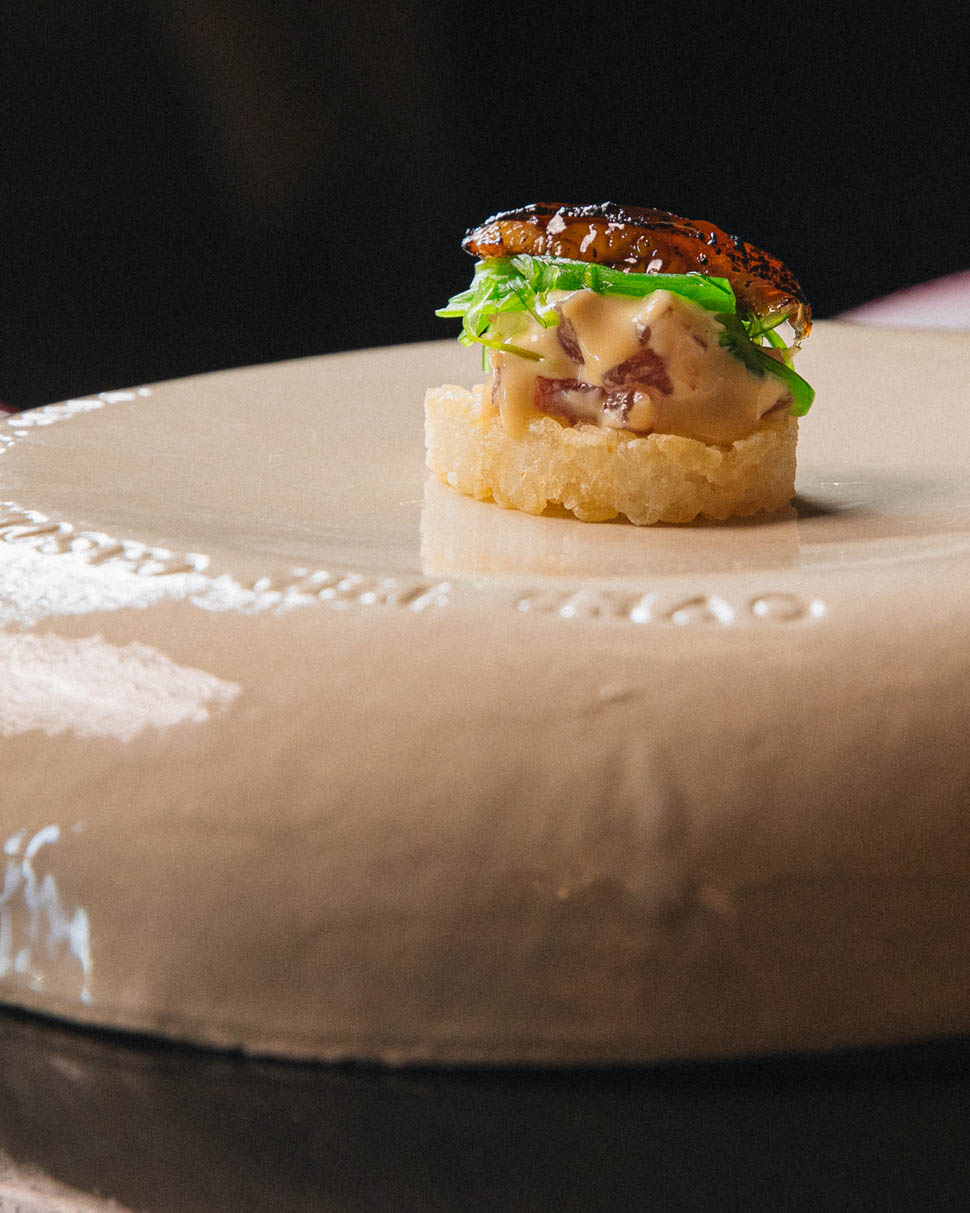
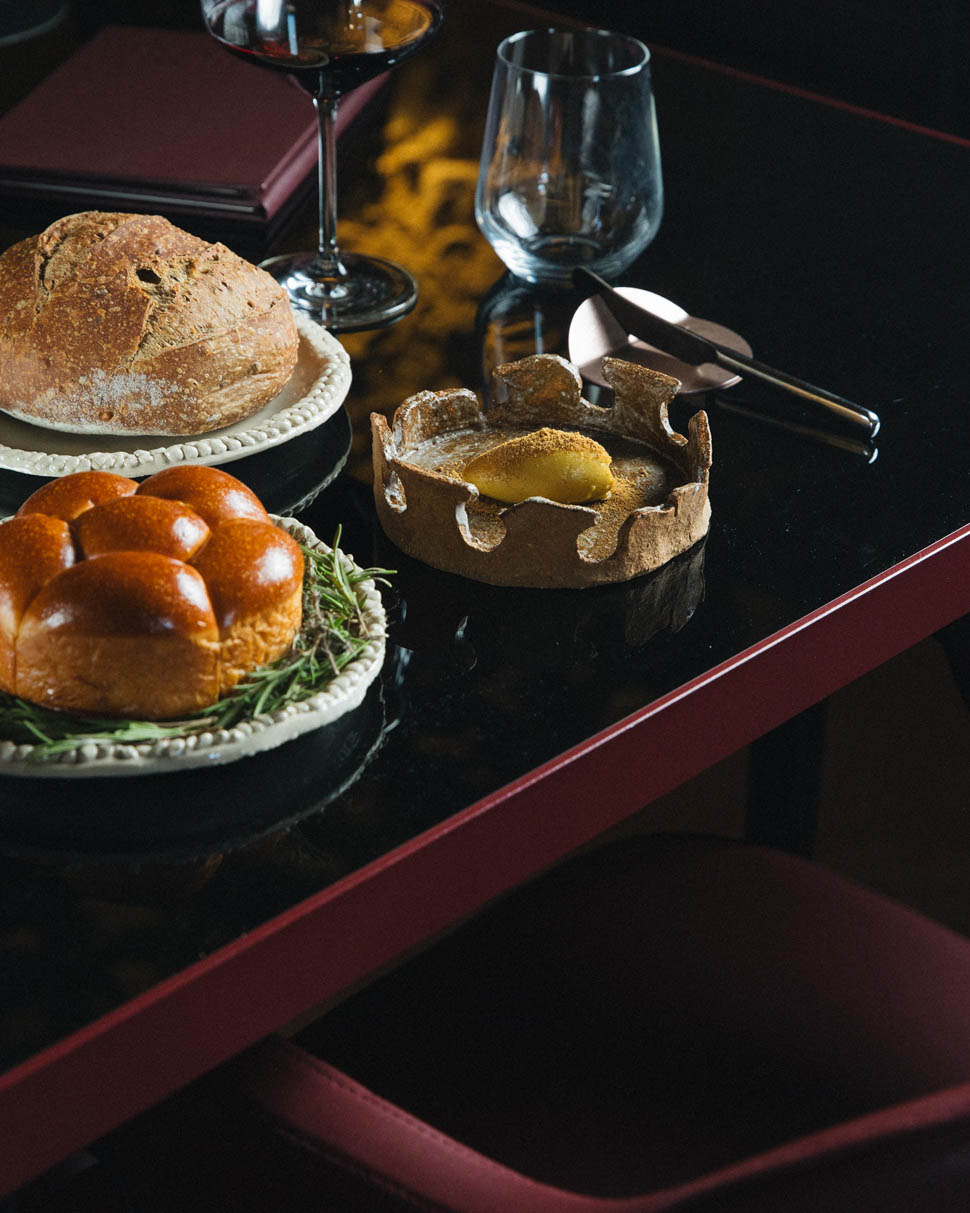
Dinner begins with a look toward the East, featuring a fried rice onigiri, tuna tartare, smoked eel, and teriyaki, before immediately returning to the Cilento region with Malaysian roti canai, served here with miso butter and Vatolla onions: a reimagining of the traditional “bread and onions” dish that was once a staple of the region’s humble cuisine.
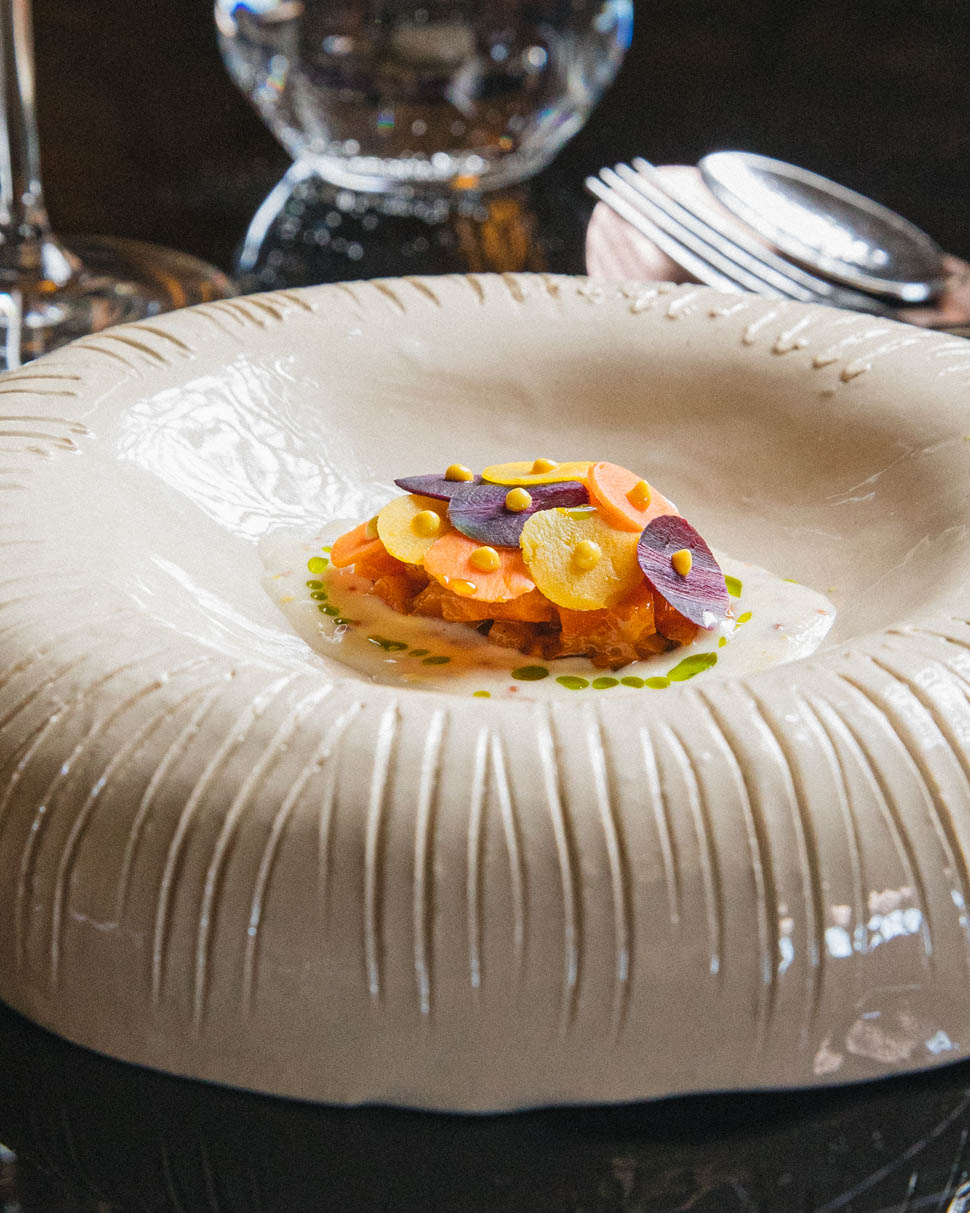
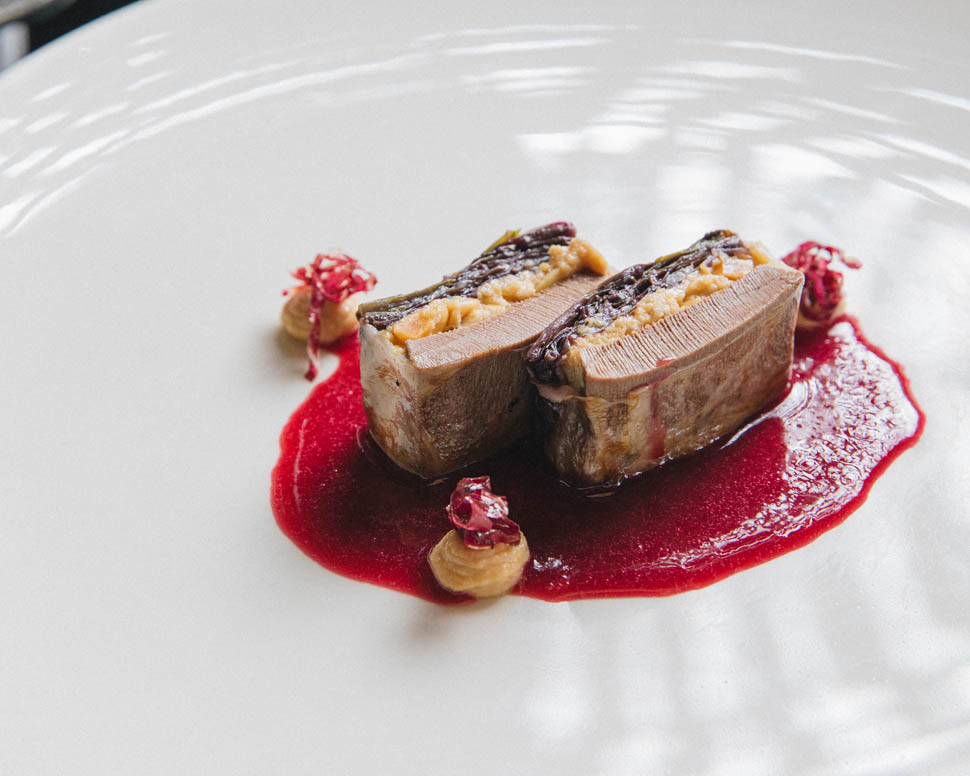
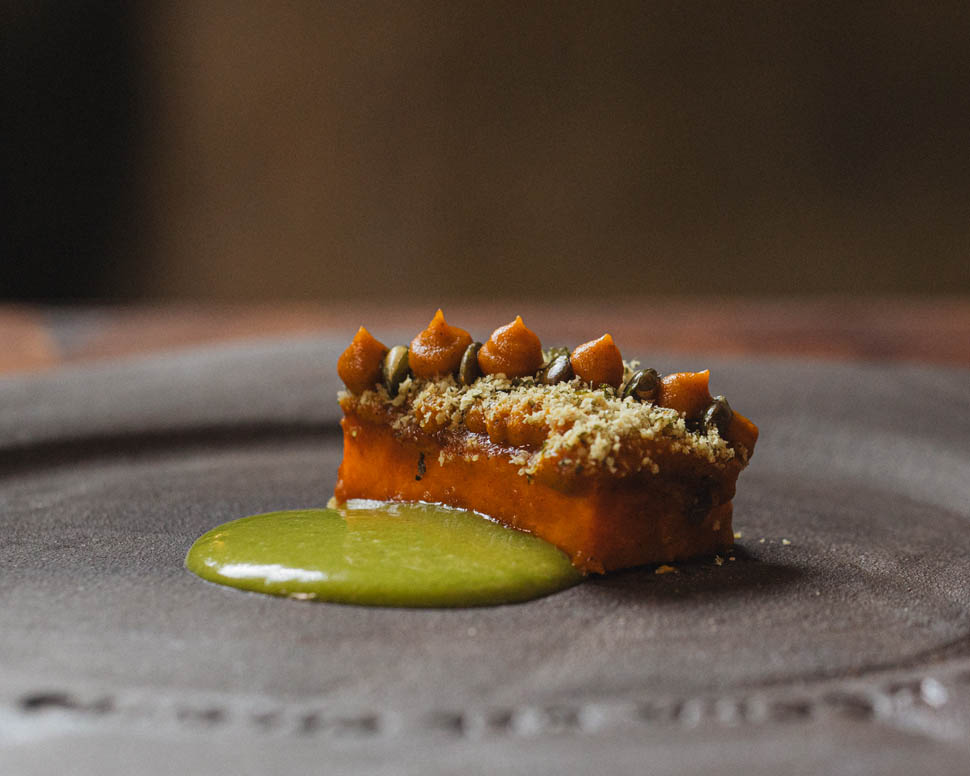
Even the bread, made with sourdough starter and multigrain flours, carries the scent of the Cilento and is served only partially sliced, allowing the guest to break it and share it in its most authentic sense. The fermented, charcoal-grilled carrot, served with oil infused with its leaves and a beurre blanc made with Cilento mustard seeds, is perhaps one of the most well-executed and elegant dishes; while the smoked veal tongue, served with radicchio, peanuts, and pomegranate, takes the dish in a more bitter and lingering direction.
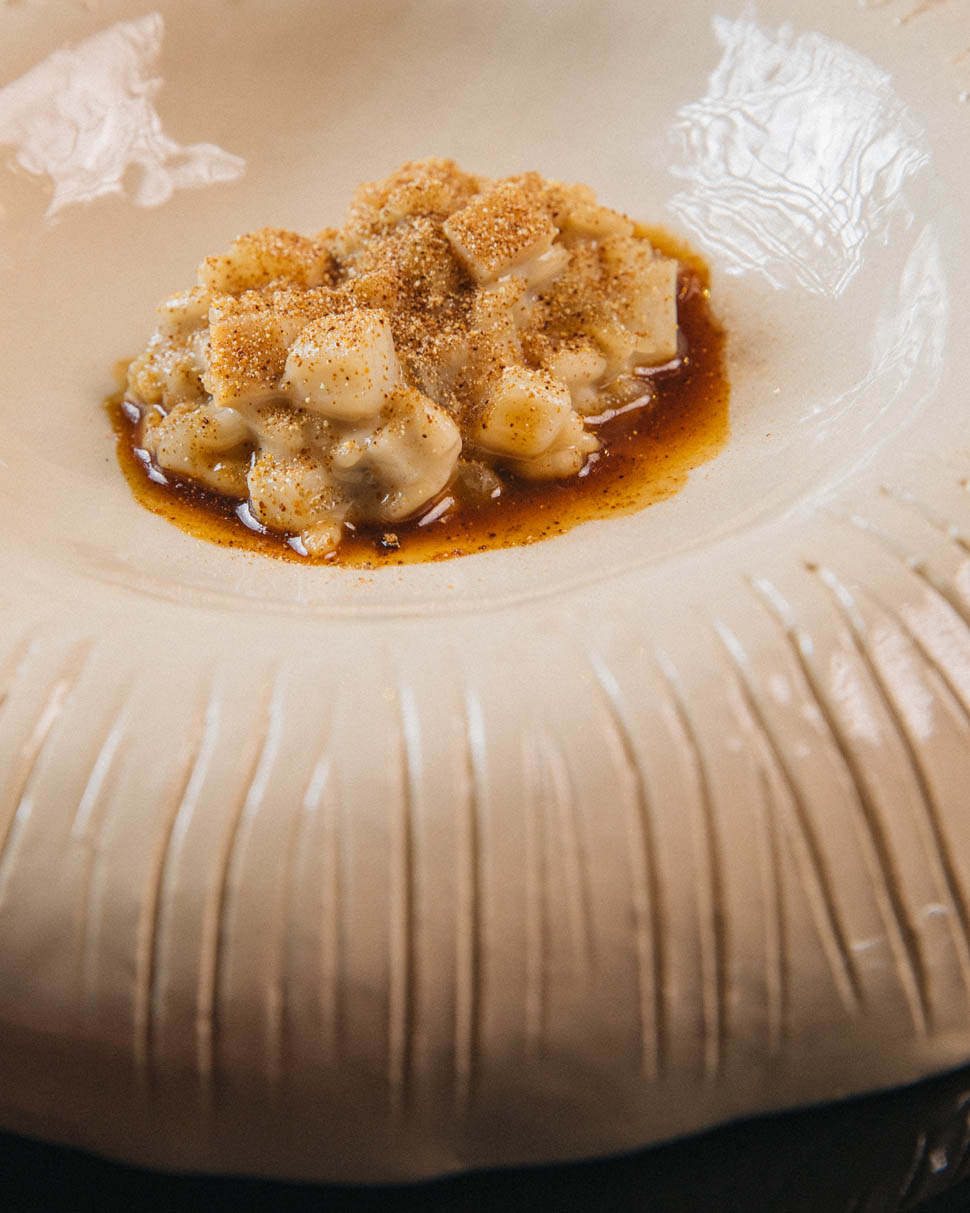
The reinterpretation of a (non-)Genoese classic is compelling, where chestnuts replace meat and are paired with smoked herring and its caviar. Then comes the rice with squid and pork tendons “cooked as if they were ‘o pere e ‘o musso,” the boldest dish in the sequence, built on umami and decidedly intense flavors. The pumpkin, treated like a fillet and cooked in the Josper oven is based on an interesting concept, but its texture still needs refinement.
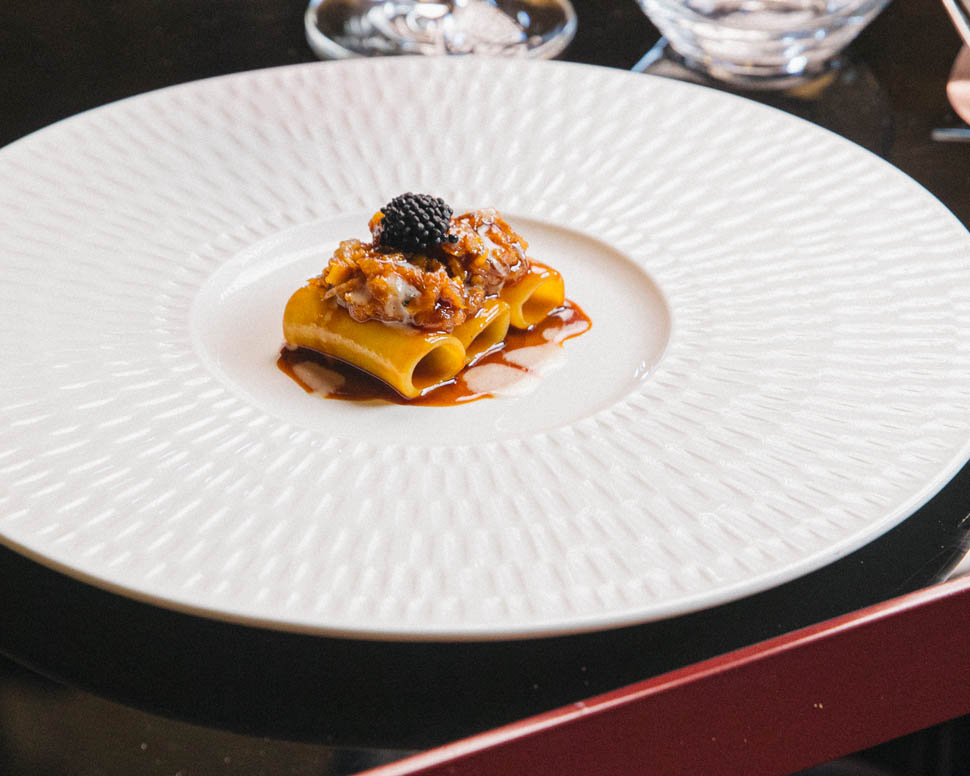
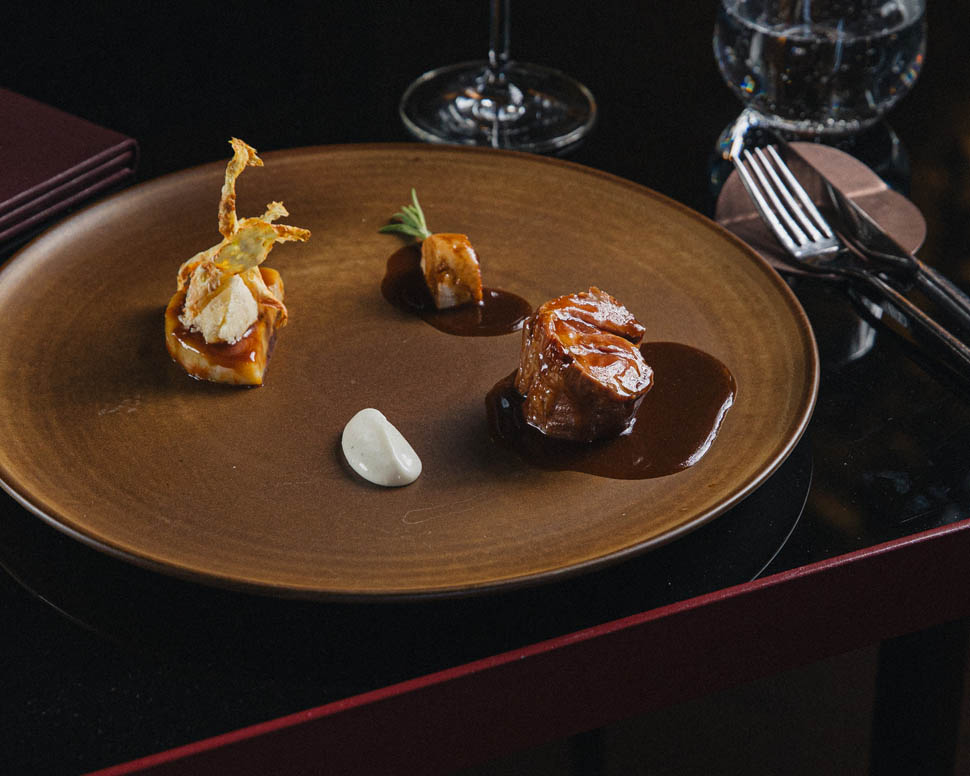
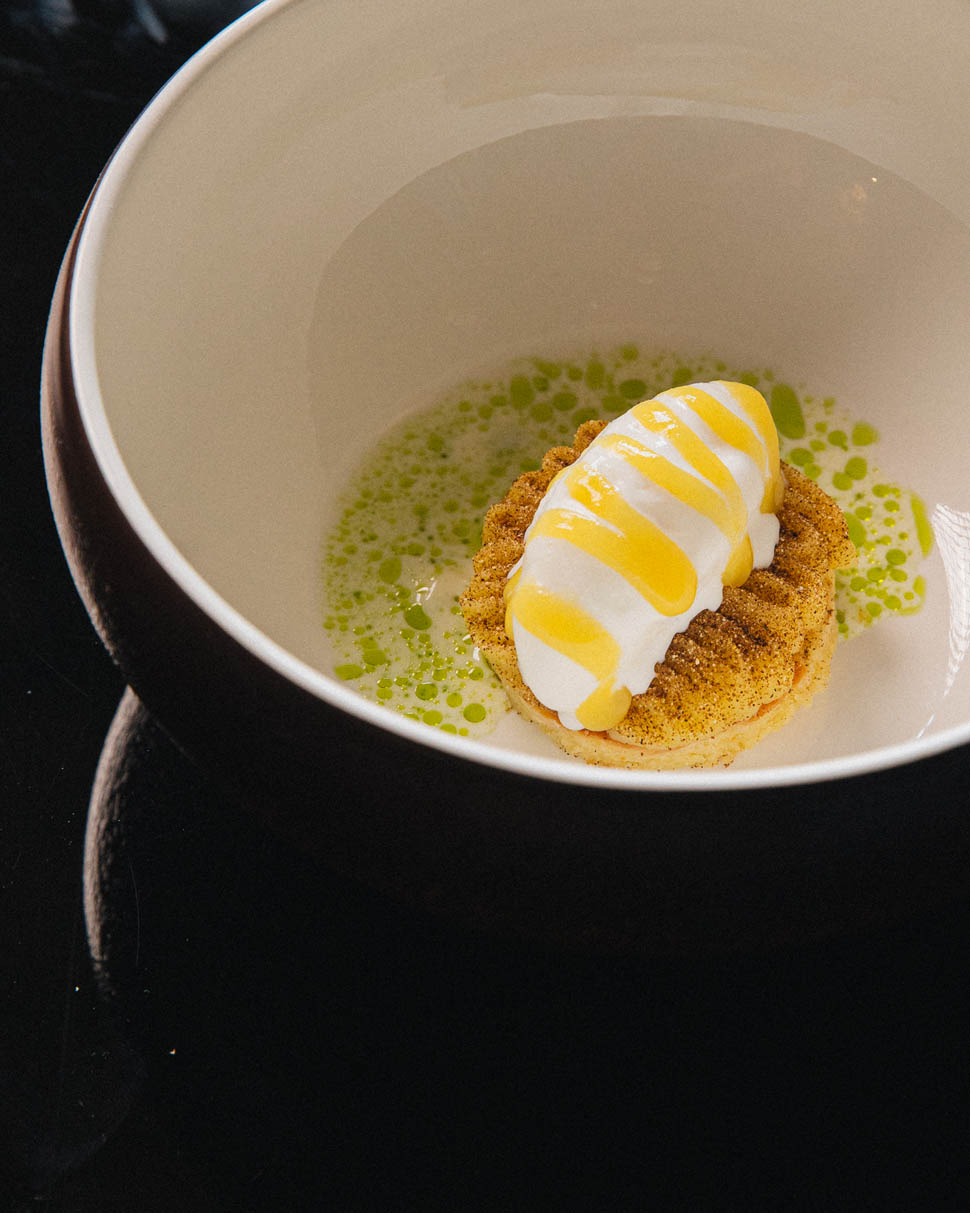
The savory course concludes with duck, also cooked in the Josper oven and served with its own sauce, lemon, and black garlic, along with a gremolada of almonds, parsley, and fried capers. The finale returns to a more delicate note with a dessert featuring almonds, white chocolate, lemon, and buffalo milk ice cream, preceded by a mojito pre-dessert that once again highlights the personal connection among those who work in Rocha’s kitchens. The sweet finale is the creation of Mattia La Venuta, a Sicilian pastry chef who spent nearly two decades traveling the world before settling in a castle in Cilento, where he crafts refined desserts and signature breakfasts.
It is significant that right here, inside a fortress built for defense, there is today a place dedicated to hospitality. And the credit goes not only to the major events that the majesty of the place hosts, but also—and above all—to Rocha, who has opened the castle’s doors to people, flavors, experiences, and cultural influences. When the dining room fills up and the Cilento landscape unfolds through the large windows, for a few hours the fortress ceases to feel like a distant place and becomes simply a restaurant. A very unique one, to be sure, but vibrant enough to make you want to return to see where this young chef’s cuisine will take him next.
Info:
Via Castello 1, Rocca Cilento (SA);
T. +39 333 5877468 | +39 0974 832392;
info@castellodiroccacilento.it