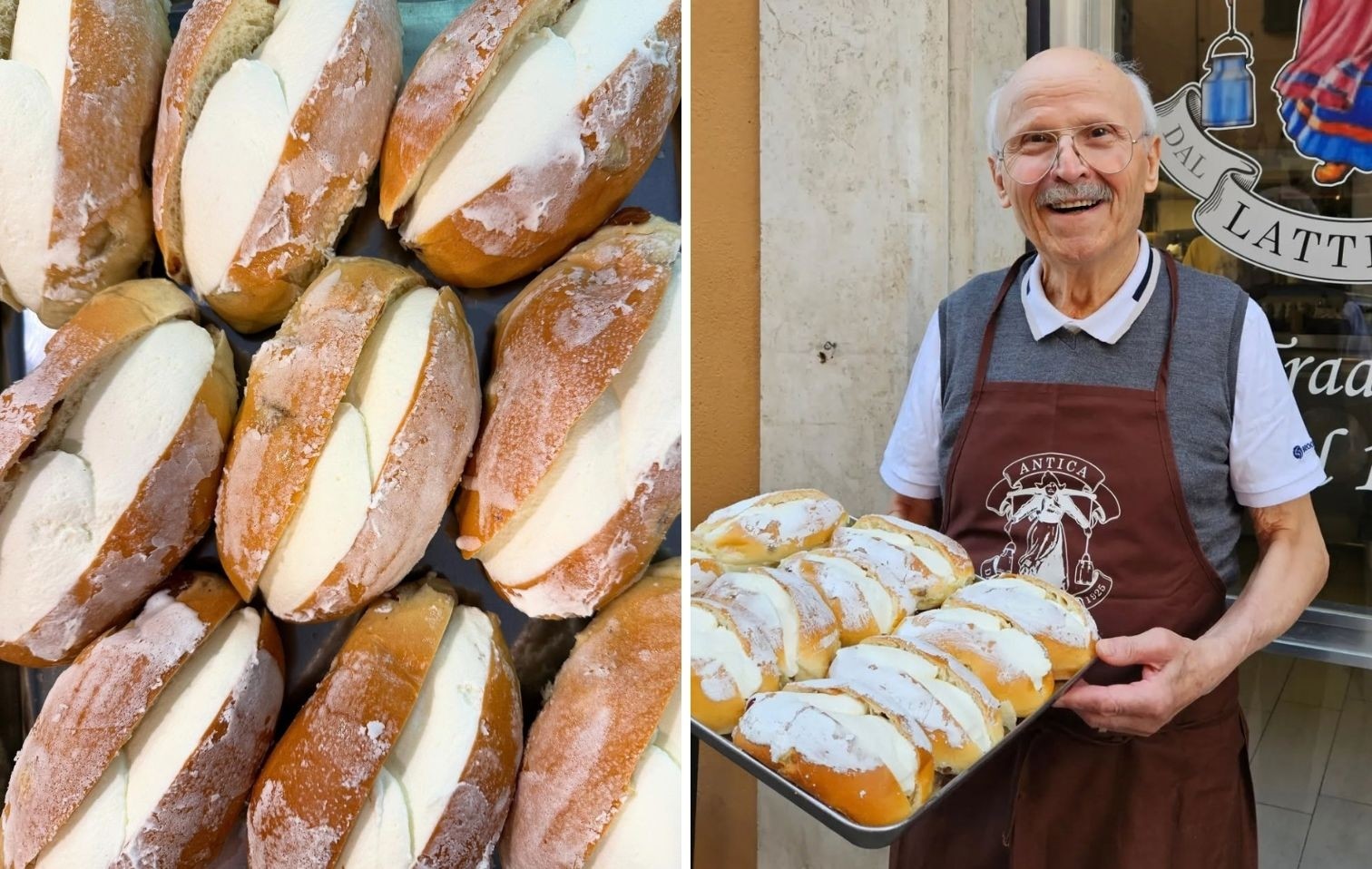
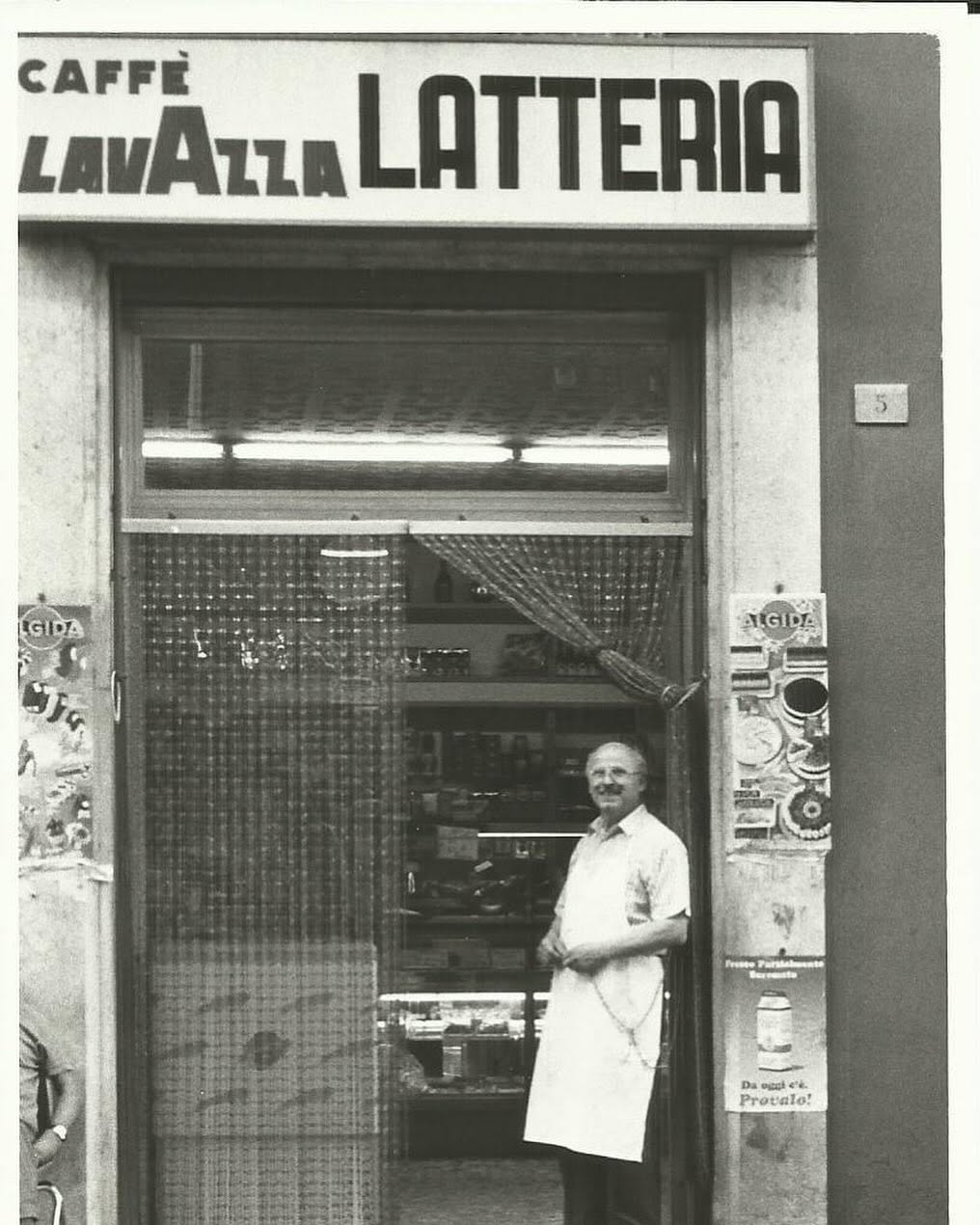
He has worked at Antica Latteria di Perugia since he was 15. Founded in 1925 as a cooperative dairy, it is where he still makes yogurt, ricotta, mozzarella, Parmigiano and cream, as well as Perugia-style maritozzi, alongside his son Francesco. It is a story of work, transformation and memory that was recognised last year with the City of Perugia’s Baiocco d’Oro award.
The cream is still delivered by hand, just as it was back then. Almost everything else, however, has changed: the signs, consumer habits, supermarkets, the way the city lives, even the way people walk into a café. Umberto Olmati, on the other hand, continues to do what he learned when he was just 15, when he would walk into the city centre in short trousers and initially worked without even being paid. Today, he has become one of the iconic figures of Antica Latteria di Perugia, a business founded in 1925 that over the years has become a landmark in the Umbrian capital, especially for the Perugia-style maritozzi that have developed their own identity here, with raisins and anise seeds in the dough and a generous amount of whipped cream.
From loose milk to cappuccino
When Olmati first walks through the doors of the business in 1954, Antica Latteria is still a cooperative dairy. The world around it is shaped by a very different kind of commerce from today, and the relationship with milk follows a much more pronounced seasonal pattern. In summer, as much as 50 litres could arrive each day; in winter, however, supplies could drop dramatically, to as little as 10 litres.
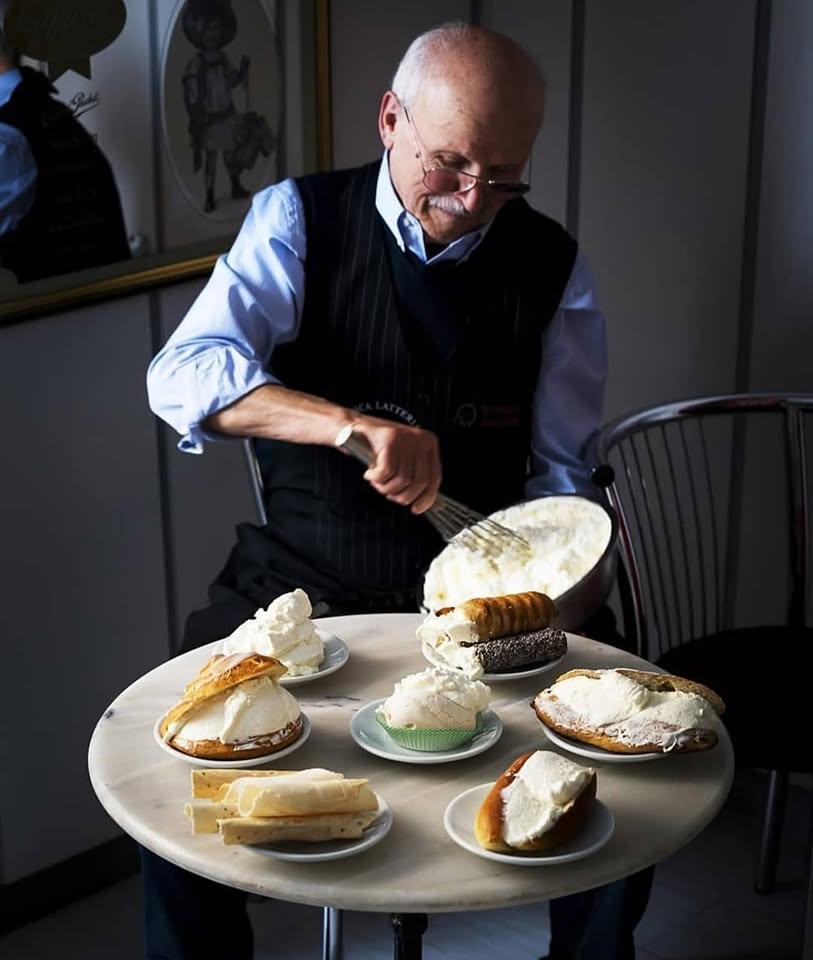
They had to make do, adapt to the quantities available and work with whatever they had. The dairy supplied local families, as well as bars and restaurants, but above all, it was a part of everyday life. Olmati remembers large bowls of barley coffee brewed directly in a pot, which elderly customers would have with bread rolls, butter and jam. In the evening, the clientele changed: university professors would come in, and fried eggs were prepared for them — a simple option for those who did not want to go to a delicatessen every time.
These may seem like small details, but they evoke an era when a dairy could simultaneously be a shop, a place to eat and a hub of community life. Products did not arrive pre-packaged from some anonymous supply chain: milk, dairy products and prepared foods all belonged to the same space, and those working behind the counter knew exactly what they were selling.
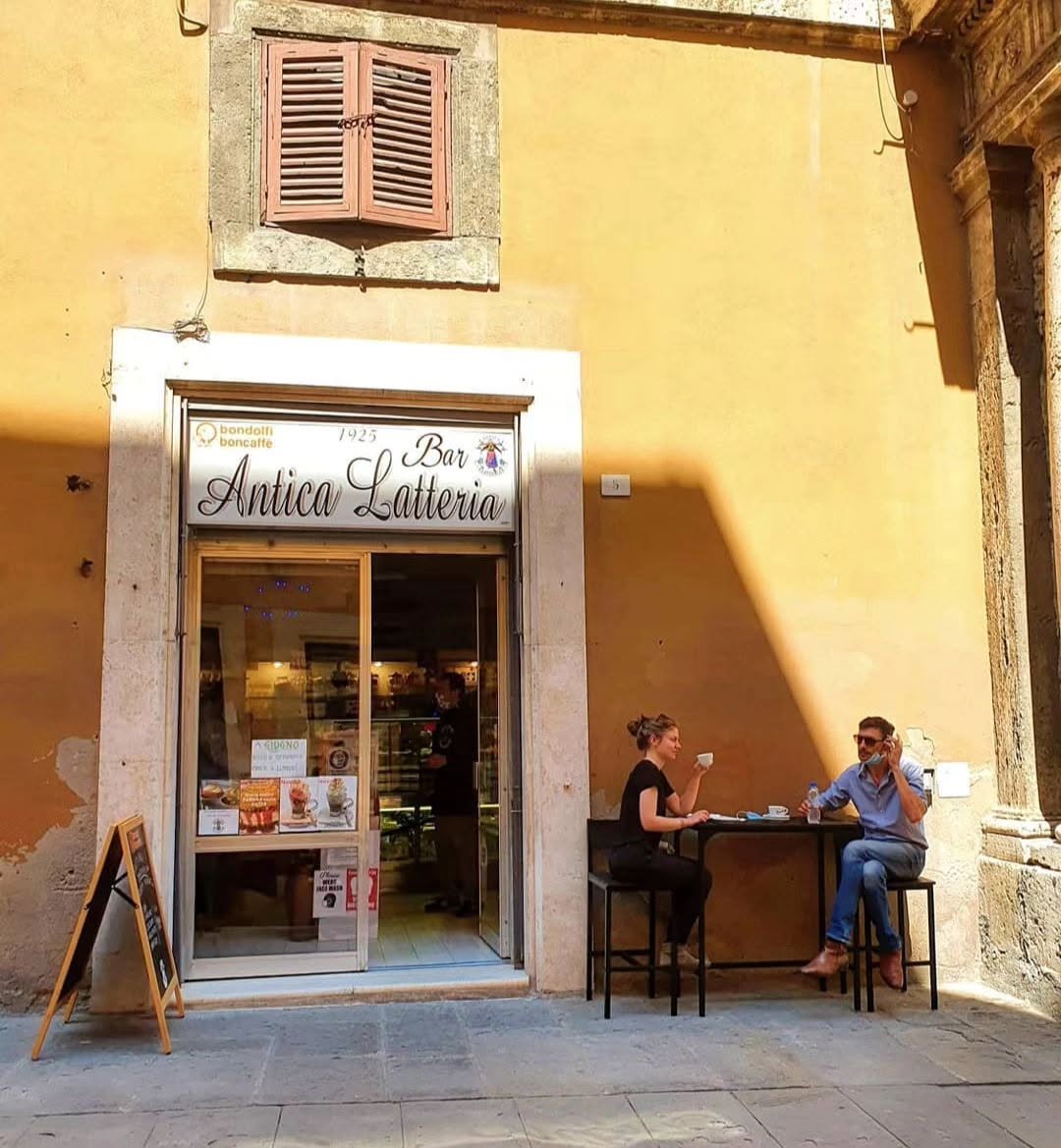
When supermarkets arrive
Then everything changes. Modern large-scale retail becomes part of Italians’ everyday habits, supermarkets become increasingly widespread, and a business built around selling dairy products has to find a new way to remain relevant in the market.
“With supermarkets, we stopped selling anything,” Olmati recently recalled in an interview with Il Messaggero, summing up in just a few words a much broader transformation. Milk and dairy products become readily available elsewhere, often at prices and under conditions that a small business cannot compete with. Simply continuing to sell what it had sold for decades would have meant slowly watching the business disappear.
The answer came through a transformation that may seem natural today, but at the time meant completely changing its identity: becoming a café. Coffee, cappuccinos and small pastries gradually became part of the business and an important part of its identity. The dairy ceased to be merely a place to buy products and became somewhere to stop and spend time. It was during this phase that the maritozzo took on a central role.
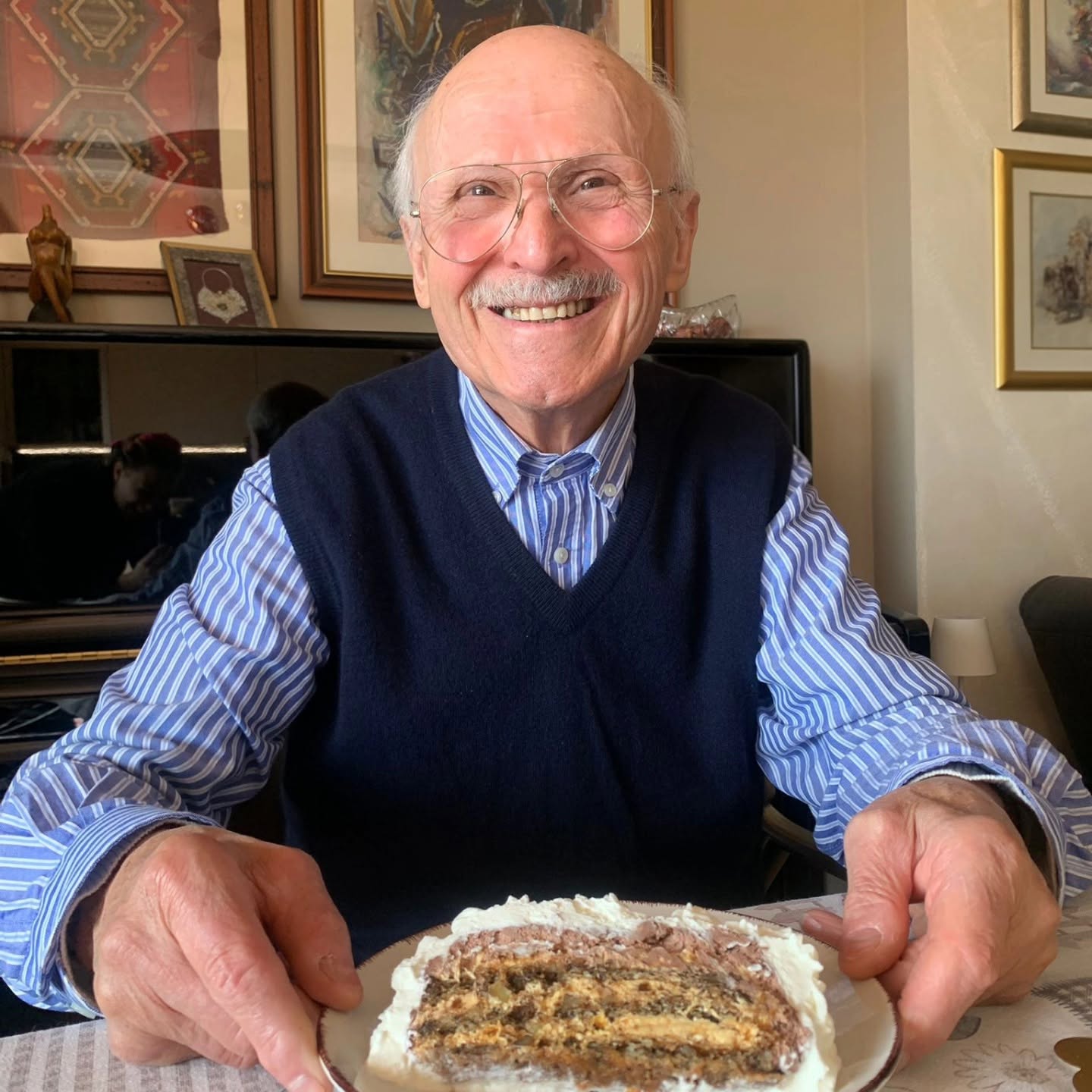
So, what is a Perugia-style maritozzo like?
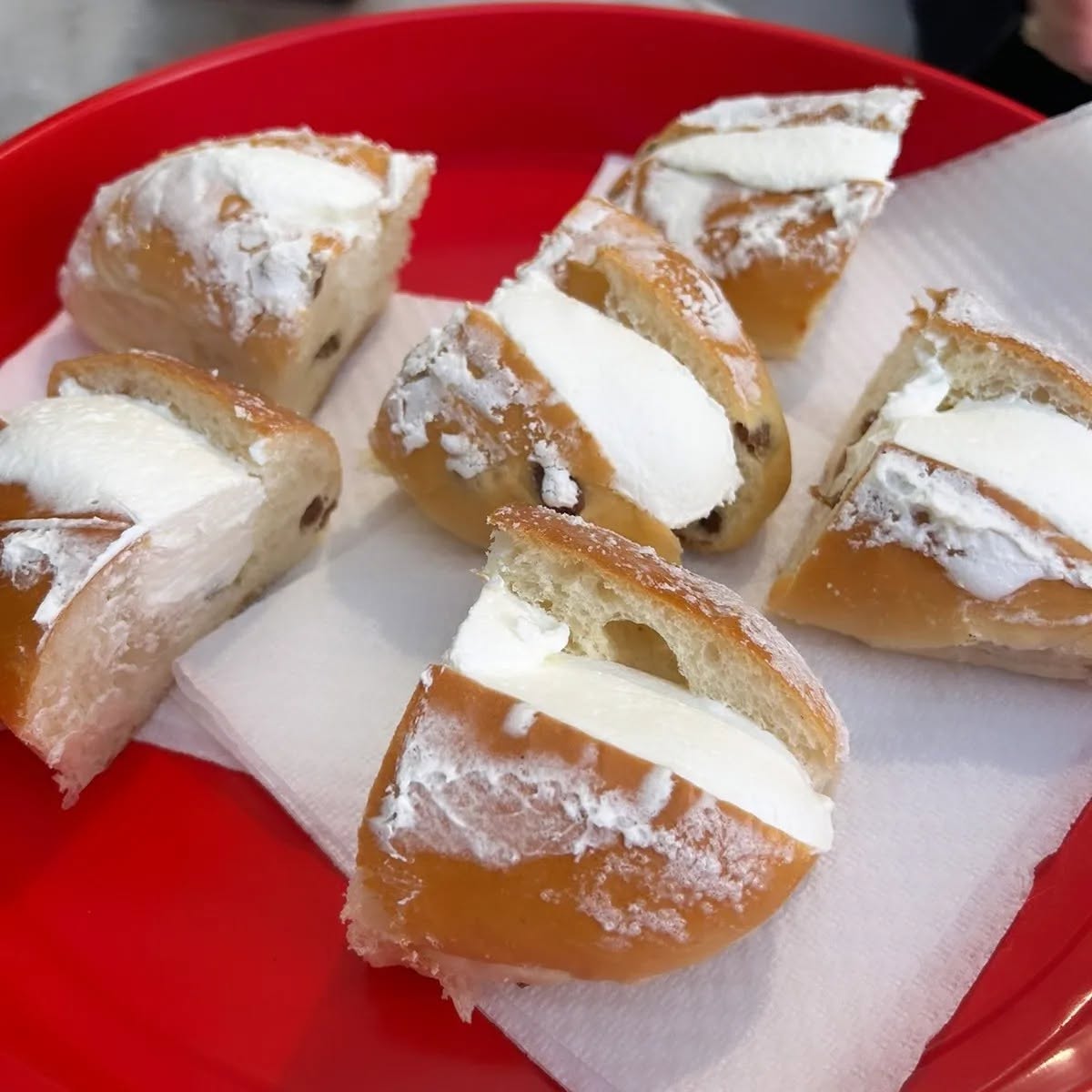
The version made at Antica Latteria differs from the better-known Roman maritozzo mainly in the dough, which is enriched with raisins and anise seeds and has a texture closer to bread than to an especially soft, buttery brioche. Then comes the whipped cream, of course.
The maritozzo became one of the specialties that helped make the business recognisable, eventually turning Olmati into something of a custodian of this particular version of the sweet. Recognition also came from the Gambero Rosso guide, which included the business among Italy’s best bars for 2026.
The story of the maritozzo also reveals the curious relationship that develops between those who make a product and those who eat it. At a certain point, customers began asking for the brioche to be cut in half, because a whole one felt too large. Olmati then decided to make them in a smaller size as well. The size changed, but the principle remained the same: listening to customers and turning an everyday request into a product. Even a mini brioche can become part of a business’s identity when it grows out of a genuine need rather than a trend designed in advance.
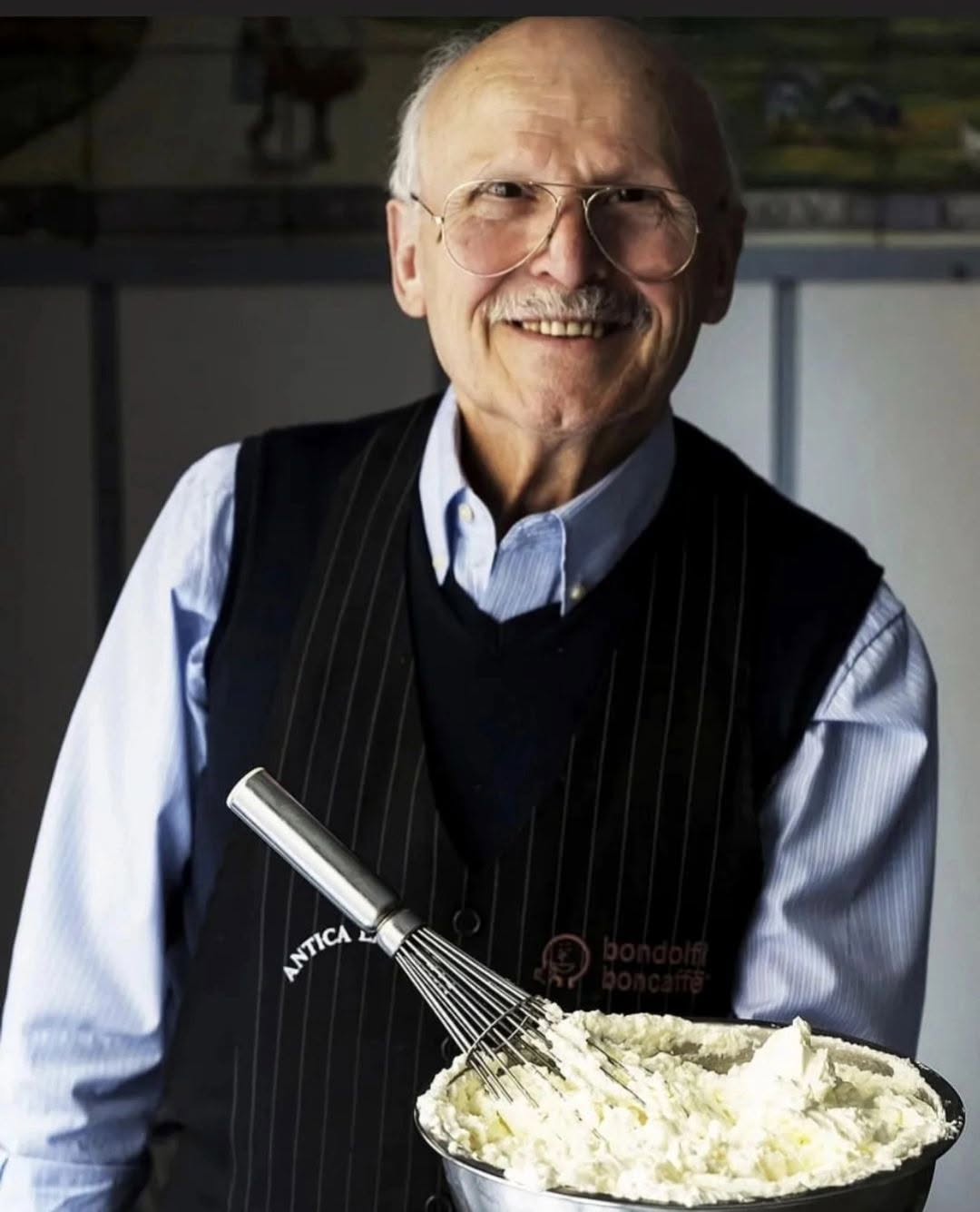
Whipped cream, still made by hand
Perhaps the most significant detail, however, remains the one at the heart of the whole story: whipped cream made by hand. “According to the doctor, I’ve worn away the bone in my shoulder,” Olmati jokes, referring to the repetitive work he has done for decades.
In an industry where many preparations have gradually been entrusted to machines and industrial processes, this manual gesture has a particular value precisely because it has become so rare. That does not mean everything has to be done by hand to be better, but it does tell a story of continuity: the same person who learned the trade as a young man is still responsible for one of the shop’s most recognisable preparations.
And today, his son Francesco is by his side, having run the business for the past 15 years. This family legacy has thus become an integral part of Antica Latteria’s story: Umberto represents the memory of what the shop once was, while Francesco embodies its ability to continue to thrive in a completely different market.
Last year, this long professional journey also received official recognition. Olmati was awarded the Baiocco d’Oro, a civic honour bestowed by the Municipality of Perugia on those who distinguish themselves through excellence. The award takes on a particular significance precisely because it comes after decades spent behind the same counter.
In the end, however, it seems that the most important recognition for Olmati is something else: being able to continue working there. “If it were up to me, I would never leave this place.”
And while signs, habits and supermarkets continue to change outside, inside Antica Latteria, a pair of hands keeps whipping the cream.