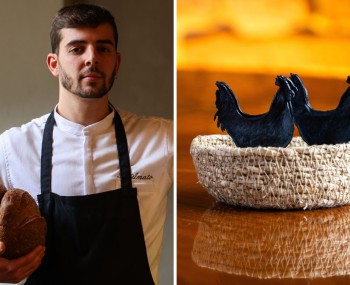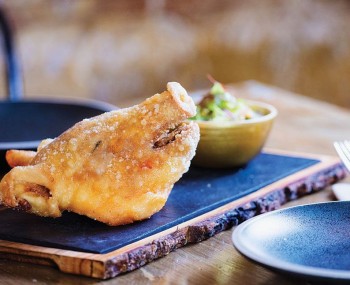
The Belgian chef at Rebelle, a one-Michelin-star restaurant, weighs in on the debate about the future of fine dining with a clear message: times change, diners change, and chefs change, but fine dining isn’t dead. It must continue to evolve.
The phrase “fine dining is dead” has become one of the most recurring themes in the gastronomic debate in recent years. It has been uttered, with varying nuances, by chefs, critics, and observers who see the crisis facing certain models of fine dining as a sign of a deeper shift: ever-longer menus, rising costs, a shortage of staff, customers less willing to submit to overly rigid rituals, and a new generation of chefs who seem intent on rewriting the rules of the fine-dining restaurant.
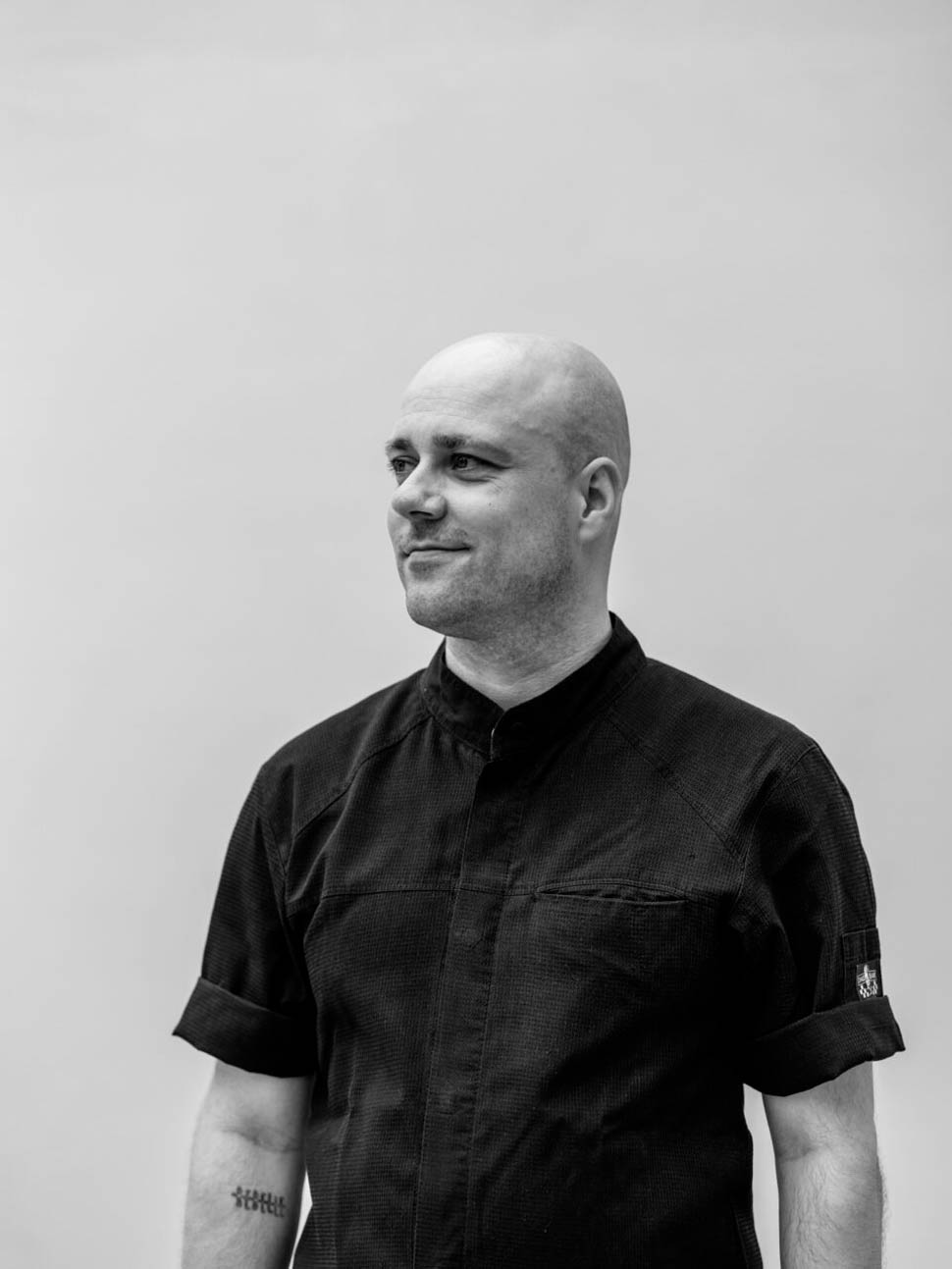
Martijn Defauw, chef and owner of Rebelle, a restaurant in Marke, West Flanders, disagrees. And he says so without mincing words, through a post published on his Instagram profile, in which he takes a stand against precisely that definition that has cyclically resurfaced in gastronomic discourse in recent months. Rebelle, which Defauw has run alongside his wife Tessa D’haene since 2017, earned a Michelin Star in 2022 and continues to be featured in the Red Guide; the guide describes the chef’s cuisine as modern and creative, characterized by high-quality ingredients, Eastern influences, and a rather free and informal approach to fine dining.
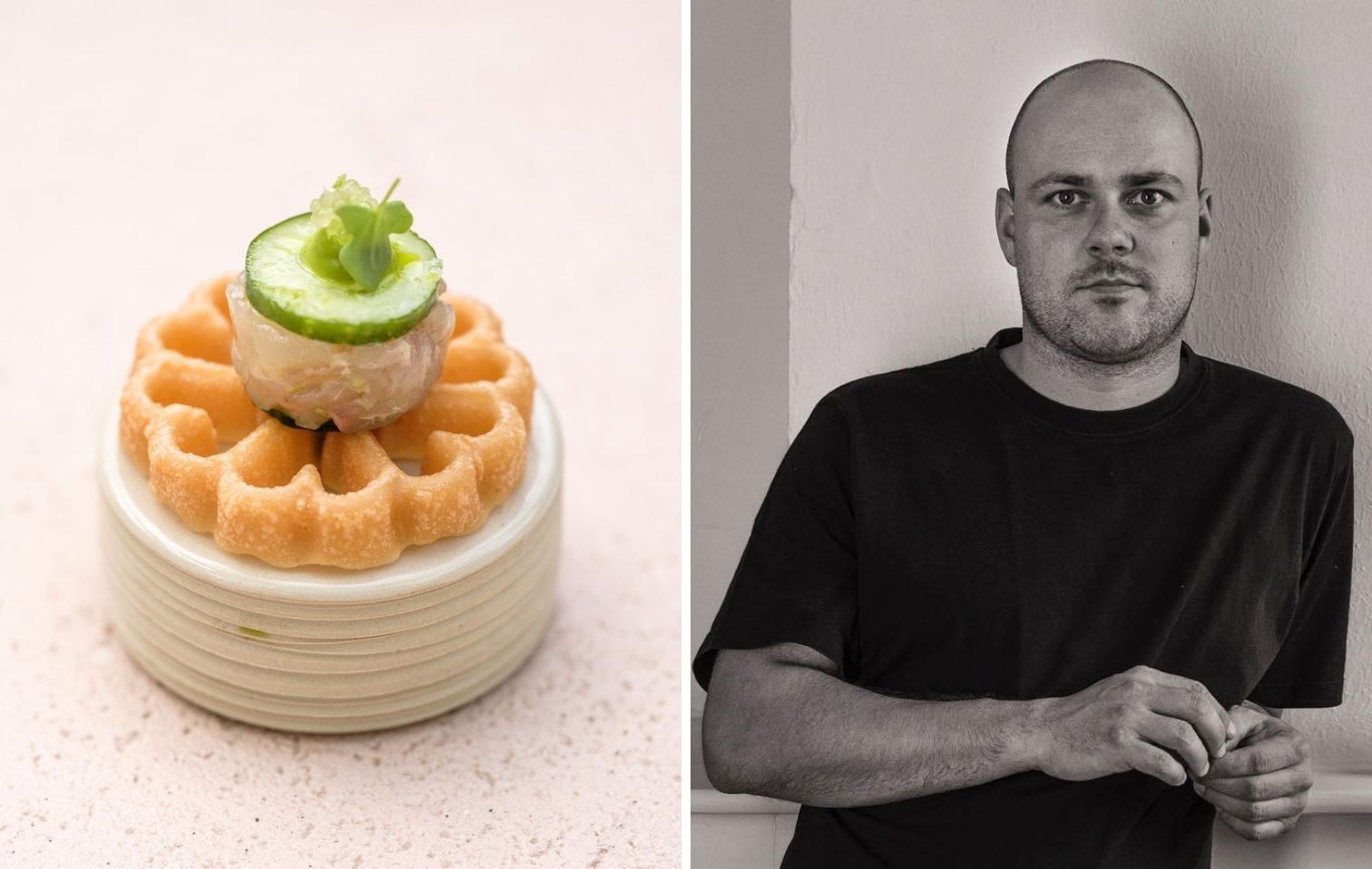
His starting point is almost a question directed at those observing the industry from the outside: Why should change necessarily coincide with the death of a model? “I’ve recently read a lot about a certain generation of chefs who claim that fine dining is dead. It’s one of those statements I simply cannot agree with,” writes Defauw. And the interesting thing is that the speaker isn’t a chef detached from the transformation of contemporary dining, but a relatively young chef who has also been a restaurateur for nearly ten years and who has built his own venture precisely on the idea of a less rigid approach to gastronomy.
Fine dining changes because the world changes
The most interesting part of Defauw’s argument comes immediately afterward, when he shifts the discussion from the supposed crisis of fine dining to the very nature of change. “I agree that times have changed, but hasn’t it always been that way?” he asks. A seemingly simple observation, yet one that contains a precise critique of gastronomic nostalgia: to think that there is a definitive form of haute cuisine is to forget that even what we consider tradition today was, at one point, contemporary.
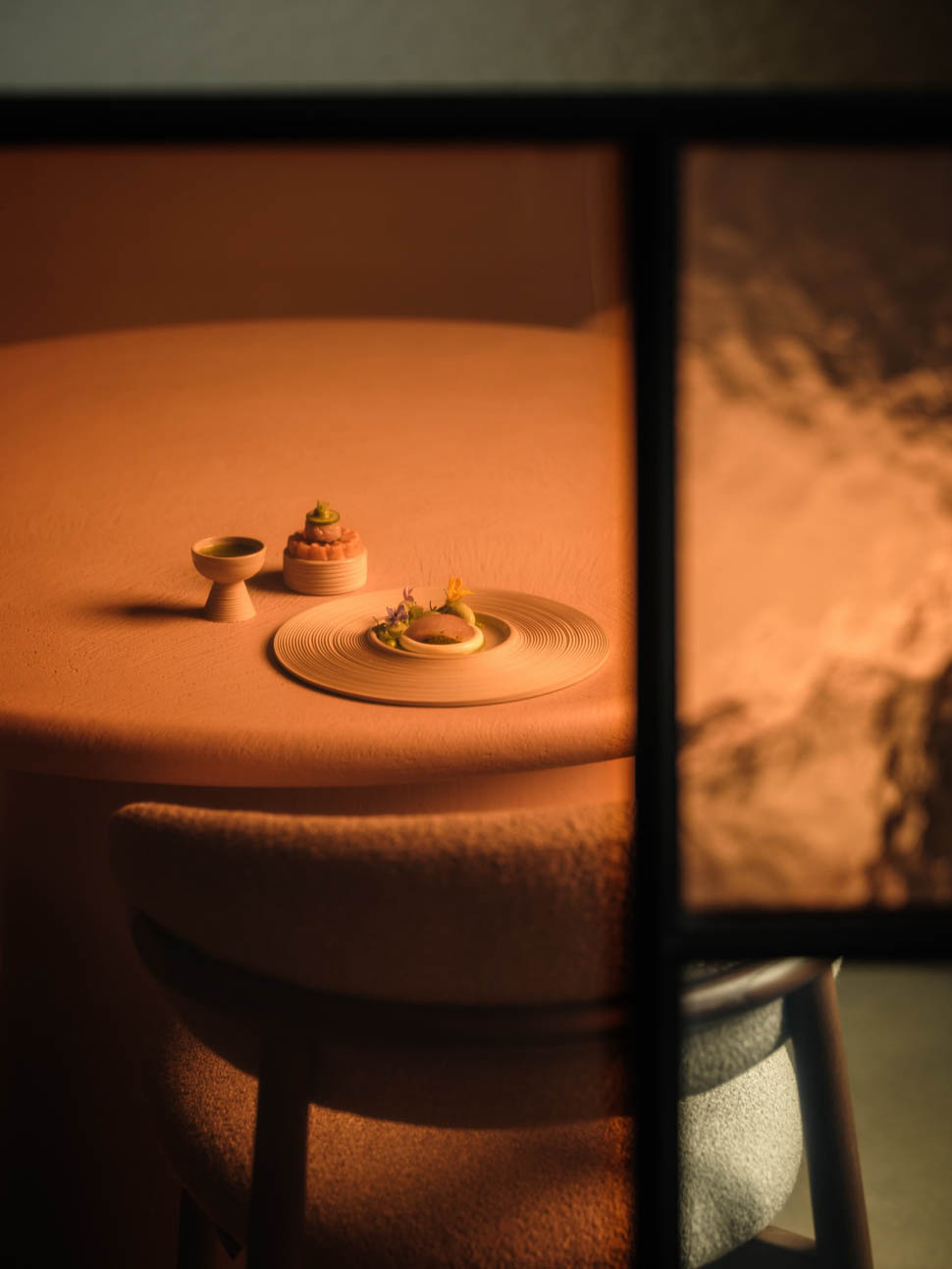
For Defauw, change is therefore not a threat to be contained, but a reality that chefs must necessarily confront. “I think one of the best parts of being a creative person is adapting, moving forward, and exploring further,” he writes. In his reasoning, the key word is precisely “adapting”: it doesn’t mean giving up one’s identity, but rather preventing the kitchen from becoming an automated system, incapable of noticing that habits have changed outside the dining room.
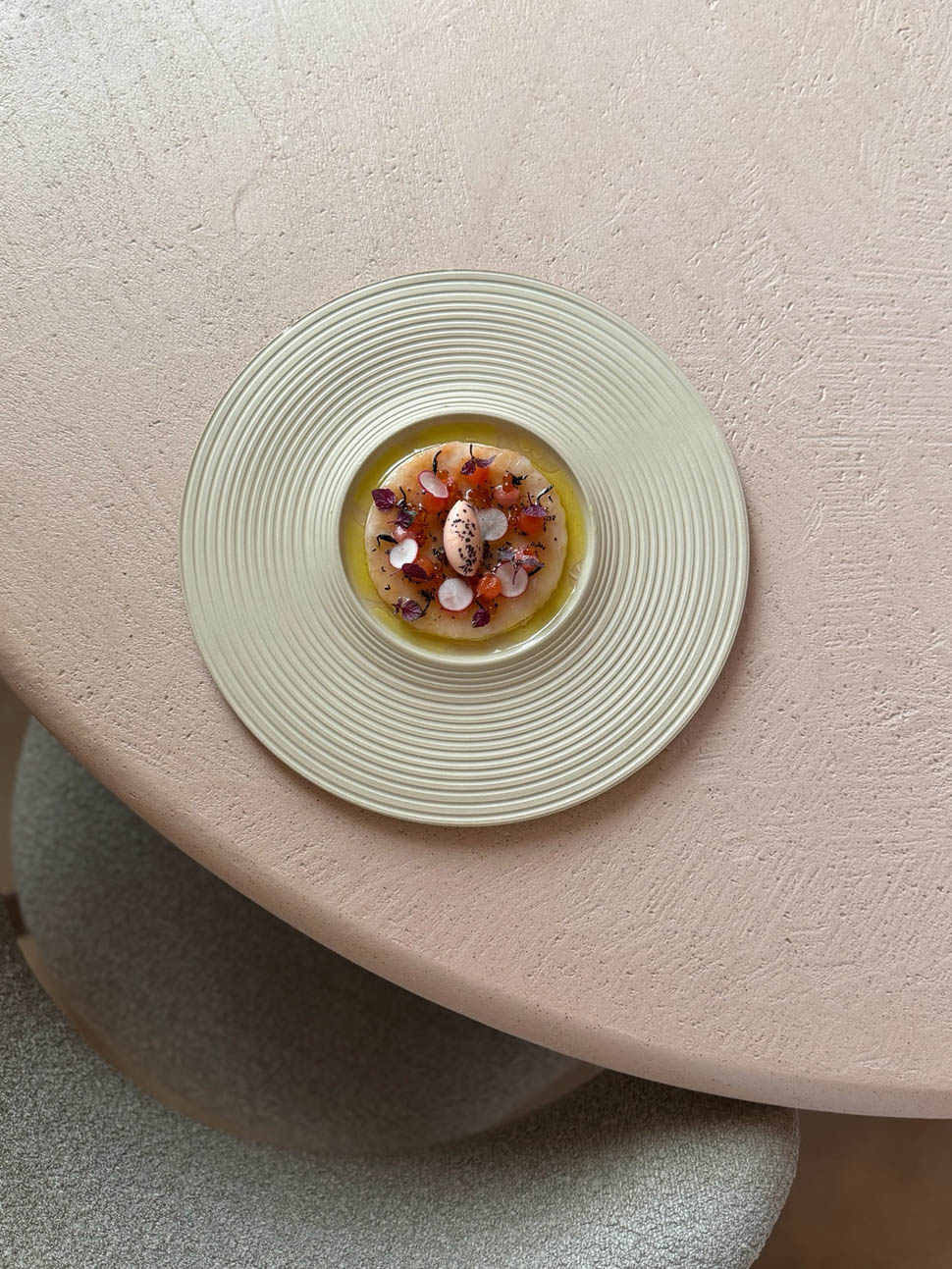
“In this industry, you can’t run on autopilot: you simply have to work hard, enjoy what you do, and let your passion speak for itself.” A statement that almost reads like a manifesto and finds its counterpart in Rebelle’s very identity. The restaurant is presented as a young, accessible establishment, free of excessive formality, where the kitchen works with fresh, carefully selected ingredients, adopting a minimalist approach centered on the product. Michelin, too, in its description of Rebelle, emphasizes precisely this aspect: behind the restaurant’s unassuming façade lies a warm and contemporary setting, where fine dining is offered in a relaxed atmosphere free of excessive artifice. Defauw’s cuisine utilizes products from Northern Europe, local ingredients, and Eastern influences, with particular attention paid to the producers with whom the chef maintains a direct relationship. This is a significant detail because it makes his approach less theoretical. Defauw isn’t championing an abstract idea of fine dining: he’s championing the possibility that the model can continue to exist precisely by evolving.
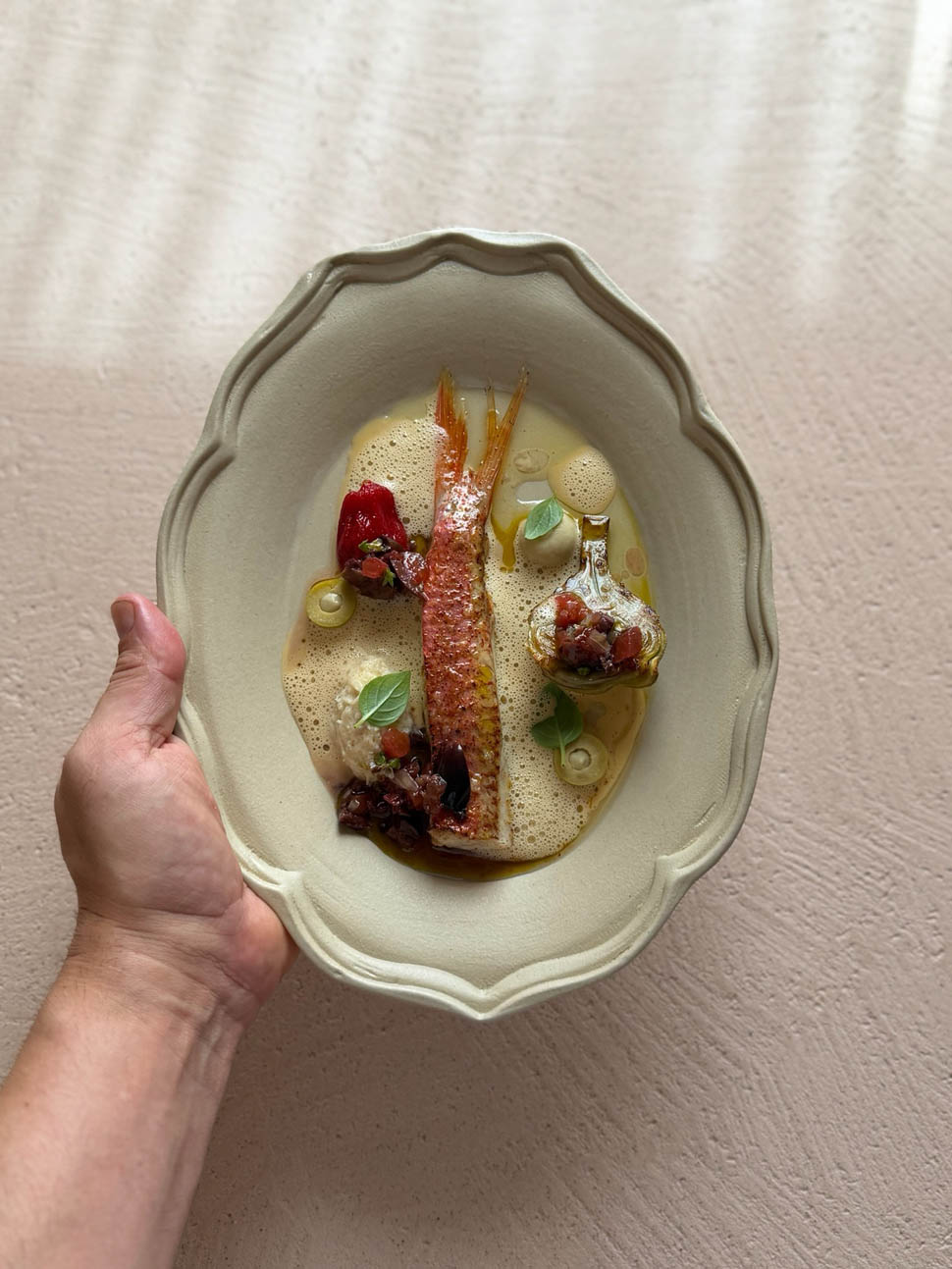
“Times change, guests change, cultures change”
In the post, the chef lists three elements: “Times change, guests change, cultures change: it’s part of life.” This is probably the passage that best captures the issue. Fine dining does not exist in a bubble separate from the rest of society. The expectations of diners are changing, as are their relationship with luxury, their perception of service, the way they experience time, and even the meaning attributed to the word “experience.” For years, fine dining has built its appeal in part through a certain sense of distance: the ritual, the service, the sequence of courses, the almost theatrical dining room, the technical jargon, and the extreme attention to ingredients. Today, many young chefs seem interested in preserving the complexity of the cuisine while lightening up its surroundings. This is an important distinction: making the experience more accessible does not necessarily mean making it less sophisticated.
In the case of Rebelle, this philosophy is also evident in the way the restaurant describes itself: “accessible, unpretentious, minimalist, with a touch of brilliance and a hint of spice” is the summary the restaurant has chosen to describe its identity. Defauw thus seems to belong to that generation of chefs who do not view informality as the enemy of precision. On the contrary, he considers it one of the tools through which haute cuisine can remain contemporary. Rebelle’s Michelin star in 2022, after all, came precisely at this stage of his career, when the restaurant’s cuisine was described as personal, creative, and at the same time accessible.
A new generation is already cooking up the future
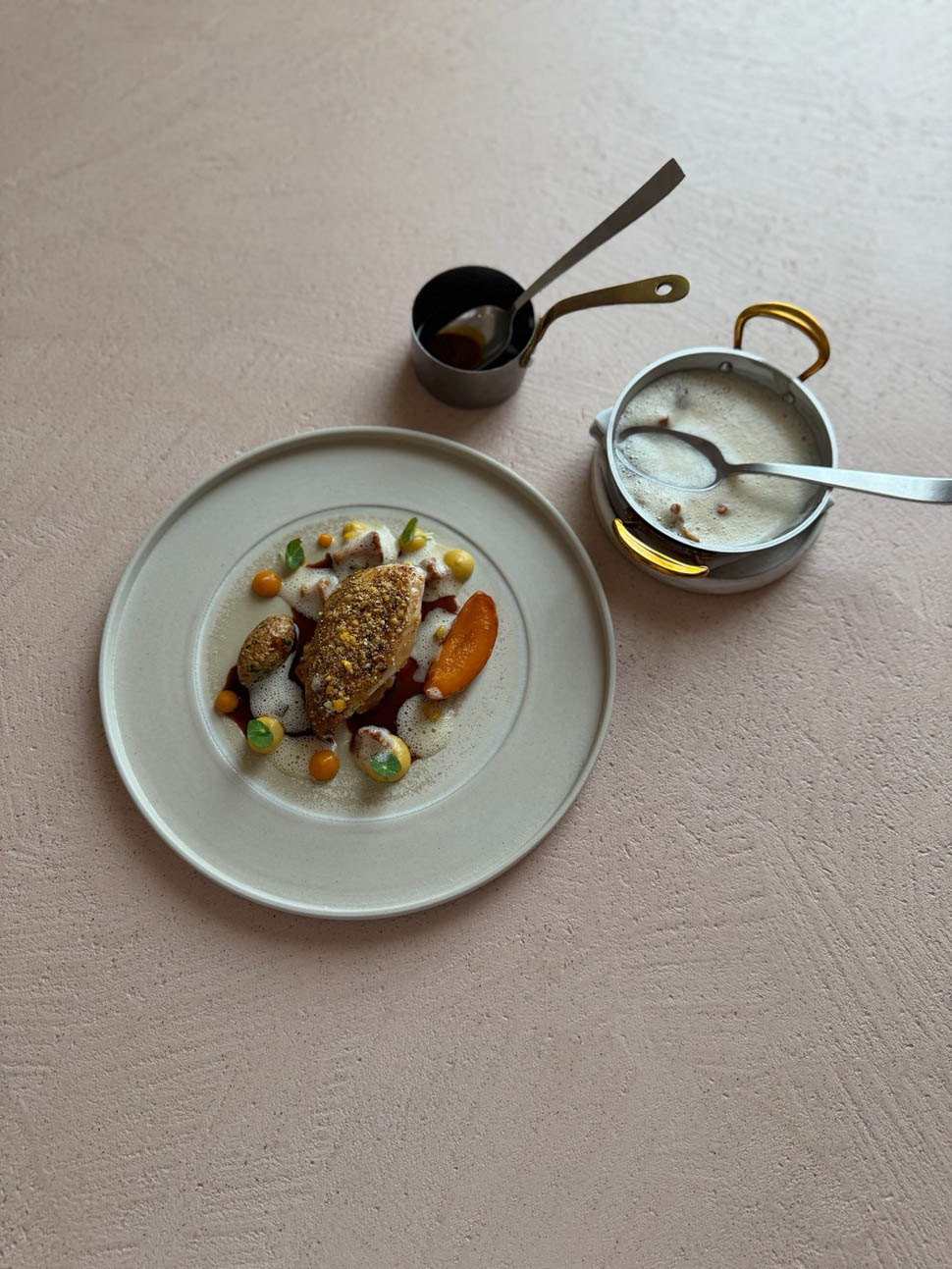
The most “political”—in the broadest, gastronomic sense of the term—part of Defauw’s message comes when the chef compares the discourse on the end of fine dining to that on the lack of a future for the younger generations. “To say that fine dining is dead seems outdated. It’s like saying there’s no future for the next generation, while an entire new generation of chefs is emerging—one that shares more, collaborates more, and is far more transparent than ever before.” The point, therefore, is not to determine whether fine dining should survive exactly in the form we’ve known over the past few decades. The question, rather, is what form it will take. Defauw envisions a dining experience in which collaboration takes on greater importance, chefs communicate more with one another, producers play a more direct role in the story behind the dish, and the relationship with the public becomes less hierarchical.
It’s an evolution that also concerns the relationship between chefs and personal identity. Defauw’s cuisine is described by NorthSeaChefs as contemporary, youthful, and revitalized, with Eastern influences, a focus on balance, and an accessible, unpretentious approach. Gault&Millau, in awarding him the title of Young Chef of the Year for Flanders in 2022, had specifically highlighted the concept of accessible gastronomy built on ingredients that are as local and sustainably sourced as possible. It is therefore no surprise that his contribution comes from a restaurant that has made contemporaneity a substantial part of its identity.
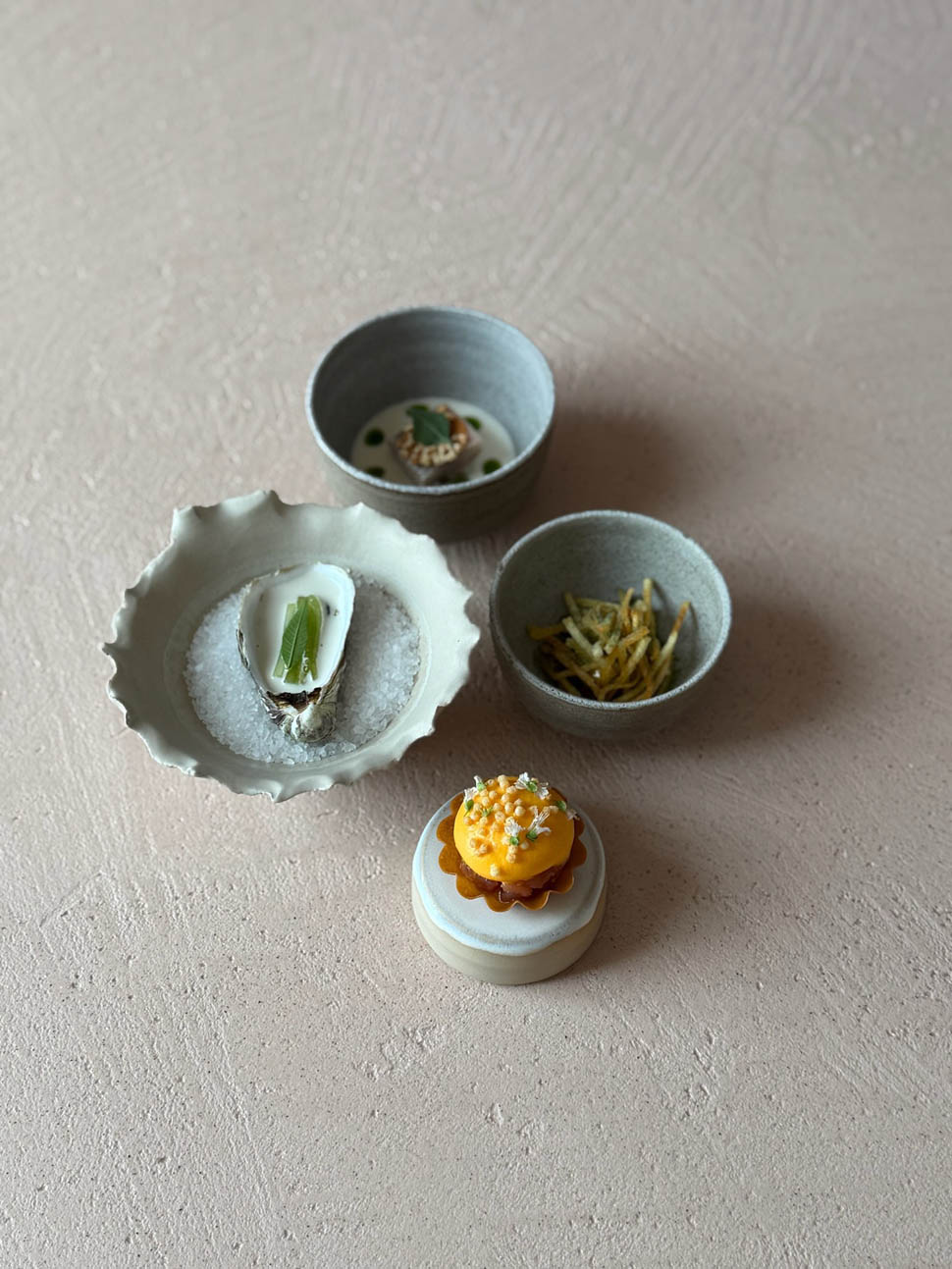
The problem, perhaps, is confusing the form with the idea
Saying that fine dining is changing is very different from saying that it is disappearing. The first concept observes an industry that is transforming its language, costs, rituals, and expectations; the second assumes that fine dining necessarily coincides with a specific form of gastronomic experience. Defauw seems to challenge precisely this conflation. “Fine dining isn’t dead. It’s simply changing, as it always has. And I’m excited to see where our generation will take it.”