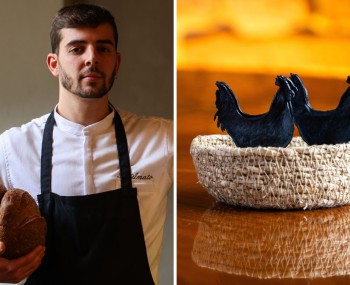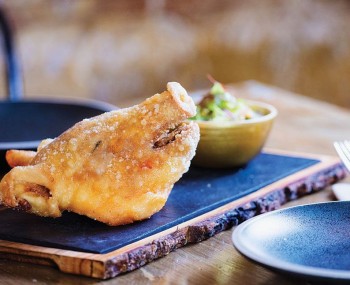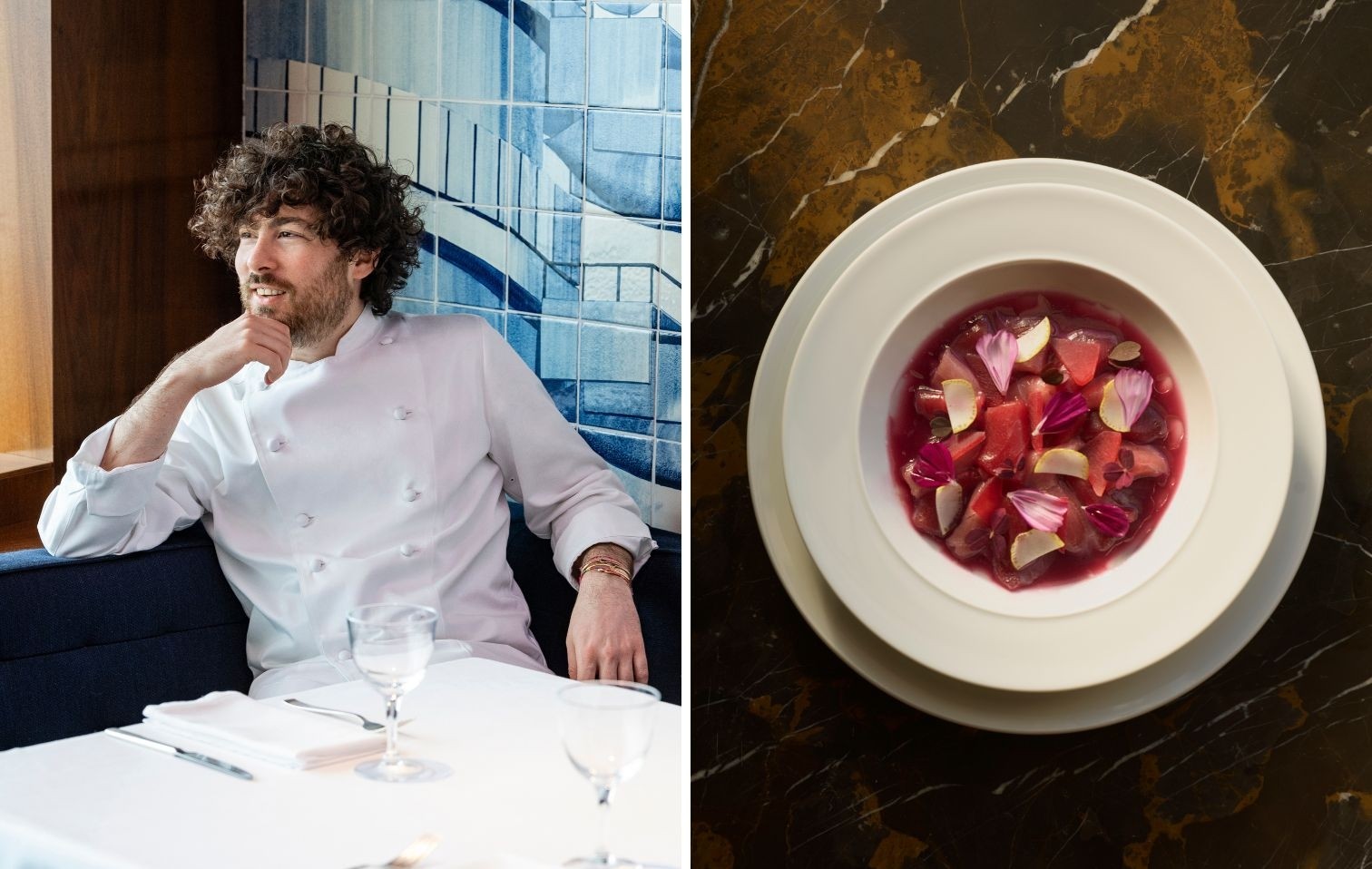
The city remains outside the windows, while inside the Tower something more intimate is taking place this fall: the contemporary meets the past, and chefs, “friends,” and seasonal ingredients come together at the table.
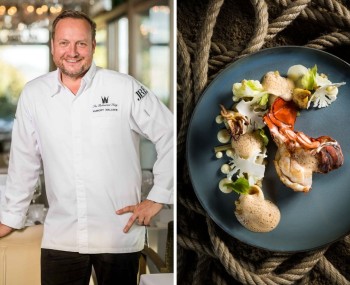
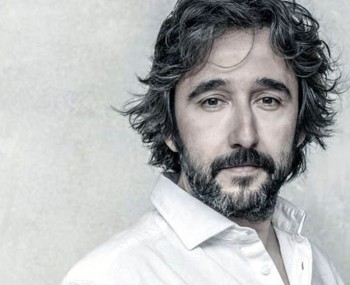
Asking Lorenzo Lunghi what he’ll be putting on the menu this fall is a bit like asking the sea what the weather will be like in a month. He, who is as familiar with the sea as he is with his own home, responds with the same honesty with which one observes a changing sky: he doesn’t quite know yet, and he’s not interested in knowing too soon. “We, as in every season, don’t get caught up in ideas too far in advance,” says the chef of Torre, the restaurant on the sixth and seventh floors of Fondazione Prada. “The food we make is almost a daily affair. Almost a moment.”
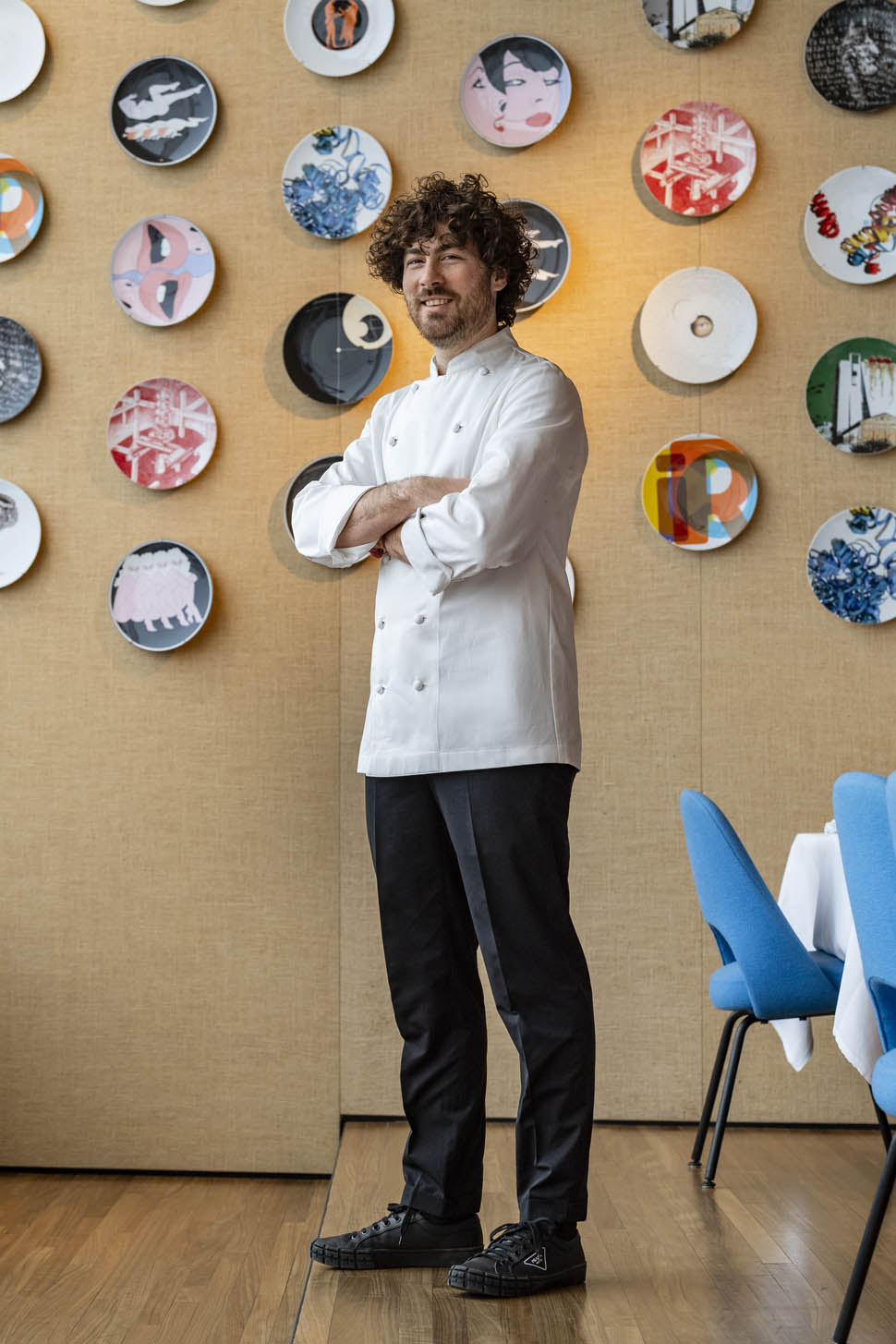
It’s not a pose, and perhaps that’s why it’s so striking. Because Torre, even before it’s a restaurant, is one of those places where it feels natural to slow down and take in your surroundings: the floor-to-ceiling windows overlooking Milan, the interplay of suspended levels, an artistic legacy that accompanies every course as if it were part of the menu. And it is precisely within this setting, so steeped in history, that Lunghi has stubbornly chosen to leave the fall menu blank. Not out of laziness, but out of loyalty to a method.
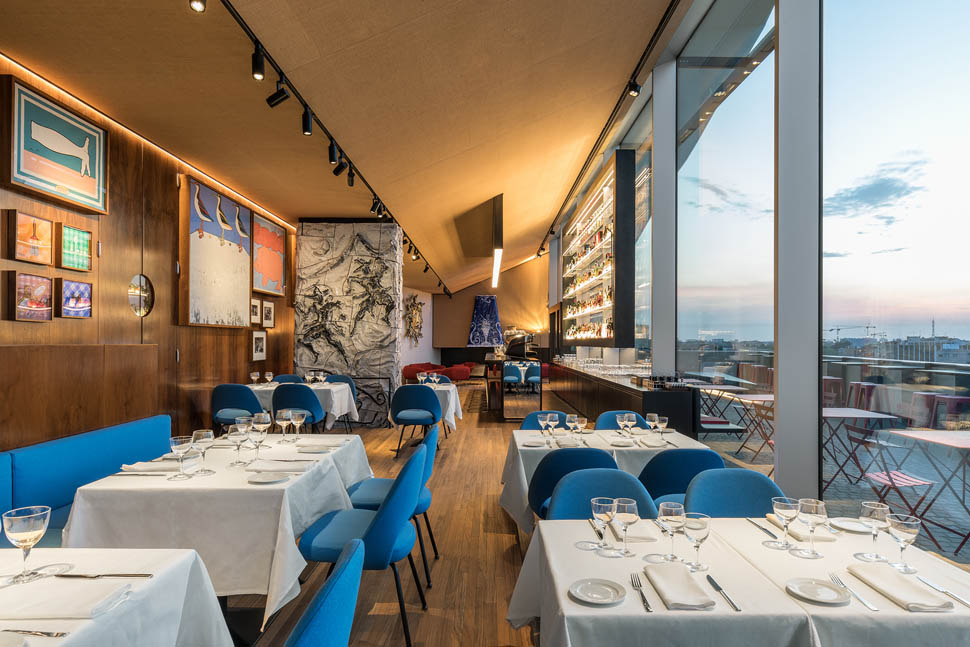
A restaurant designed like a collage
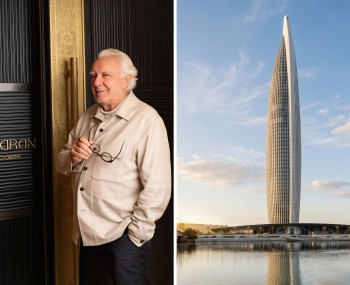
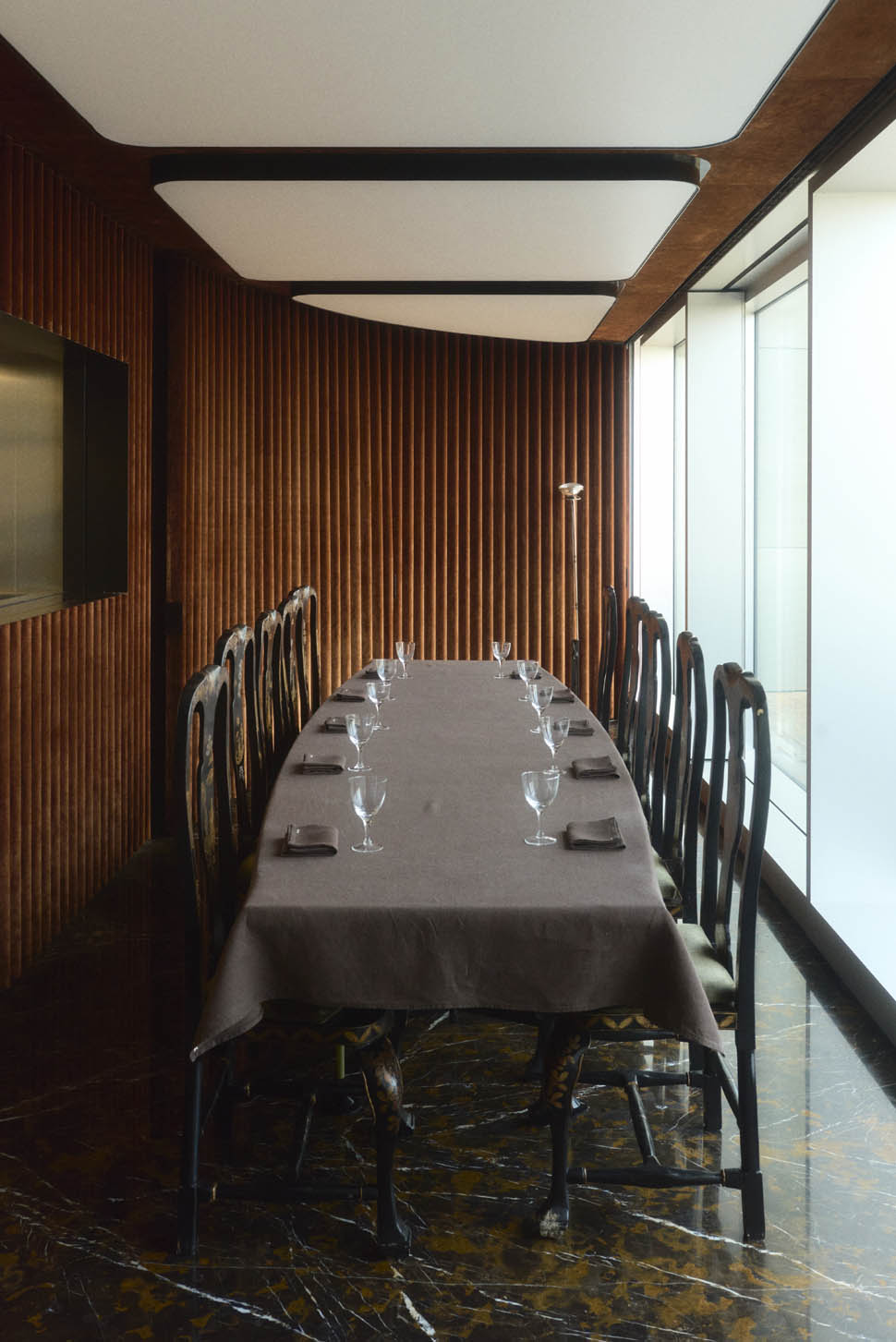
Climbing up to Torre means leaving behind, floor by floor, the noisiest part of Milan, only to rediscover it from above through the large windows of the tower designed by Rem Koolhaas in 2018, together with Chris van Duijn and Federico Pompignoli of the OMA architecture firm. A building approximately sixty meters tall, it has become, in just a few years, one of the most recognizable symbols of the Fondazione Prada complex, built—like the entire institution—on the contrast between what existed and what has been added to it.
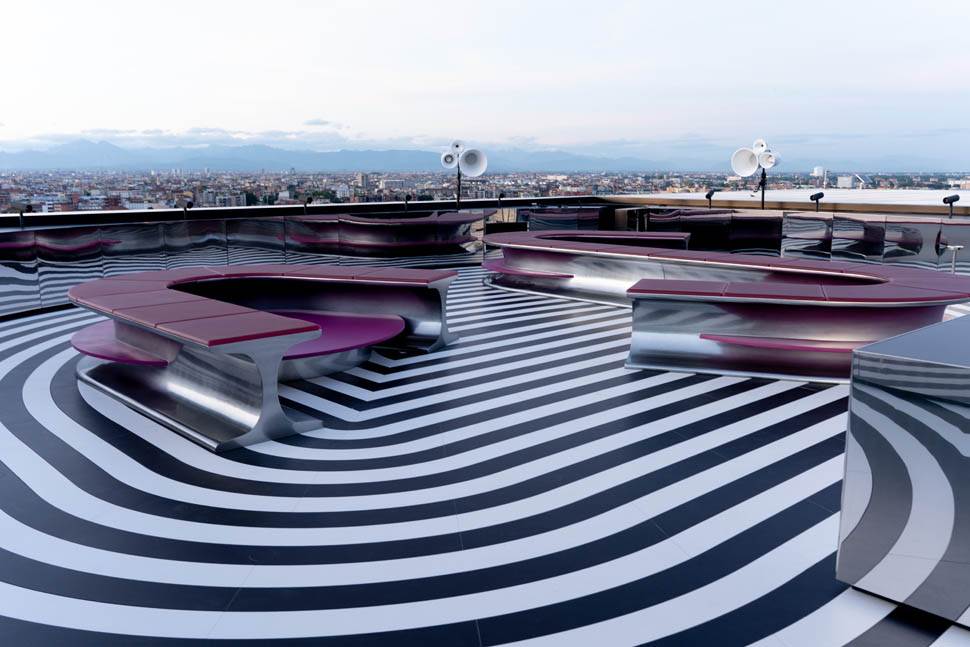
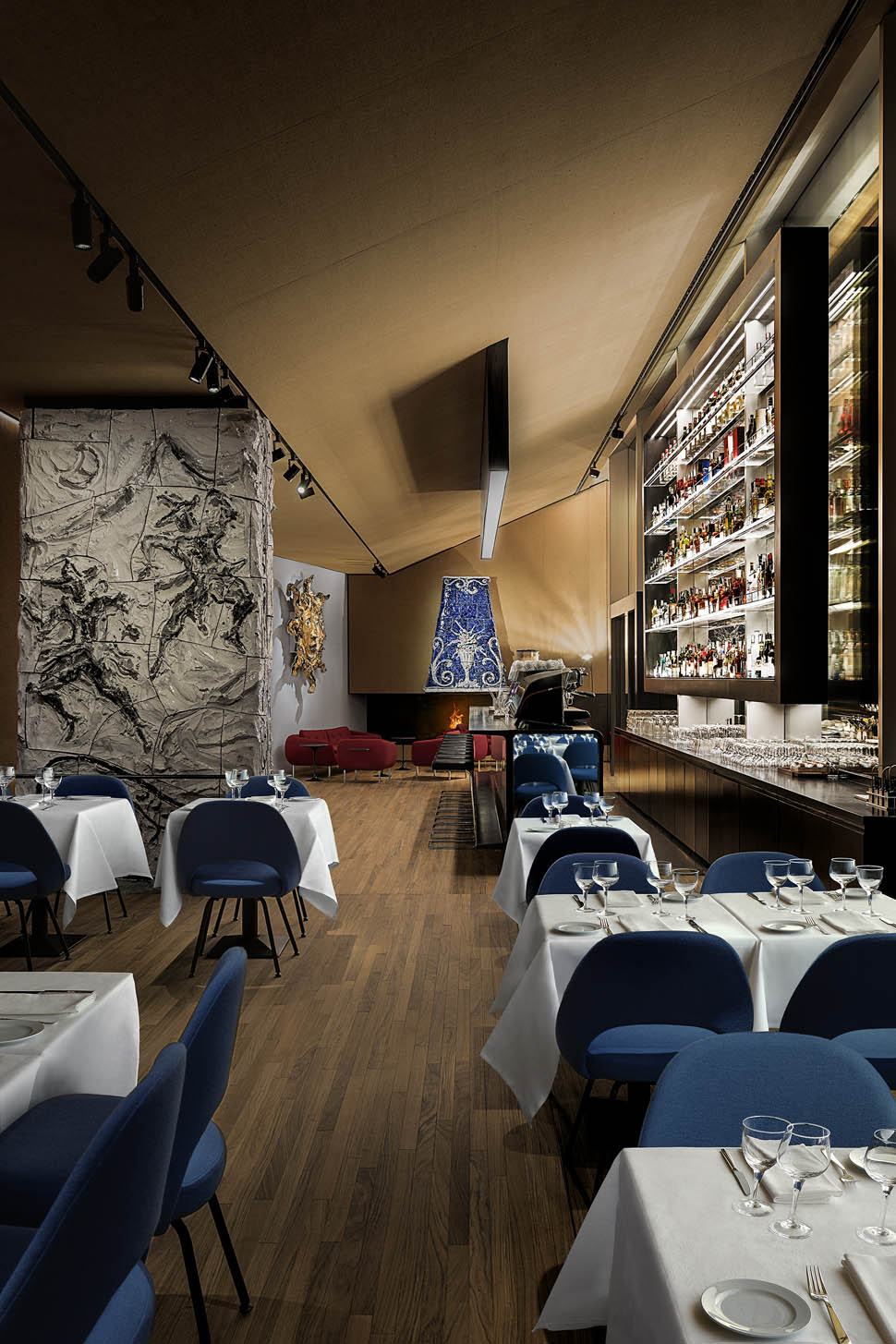
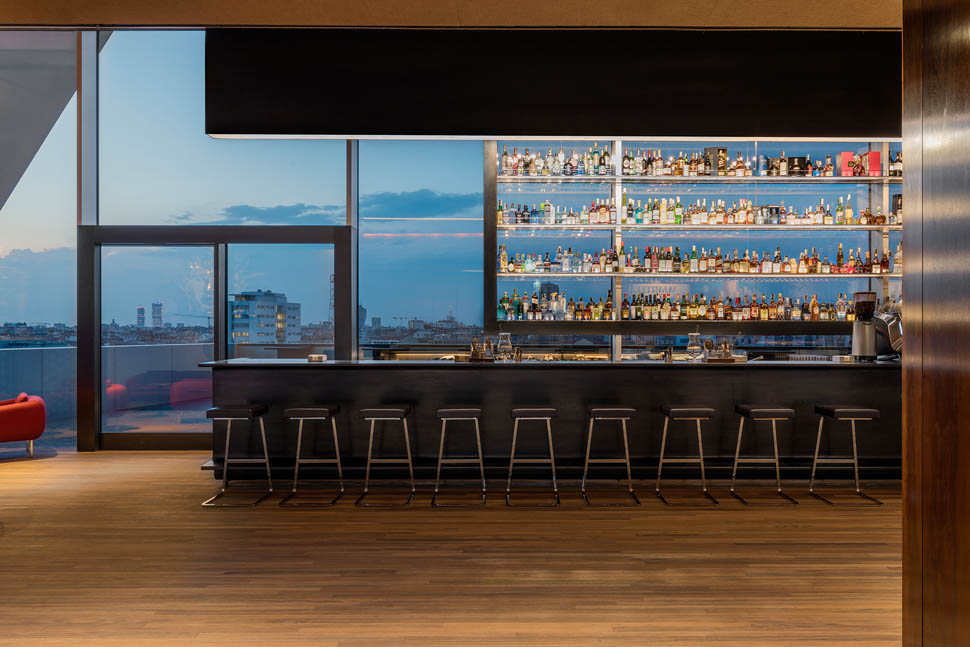
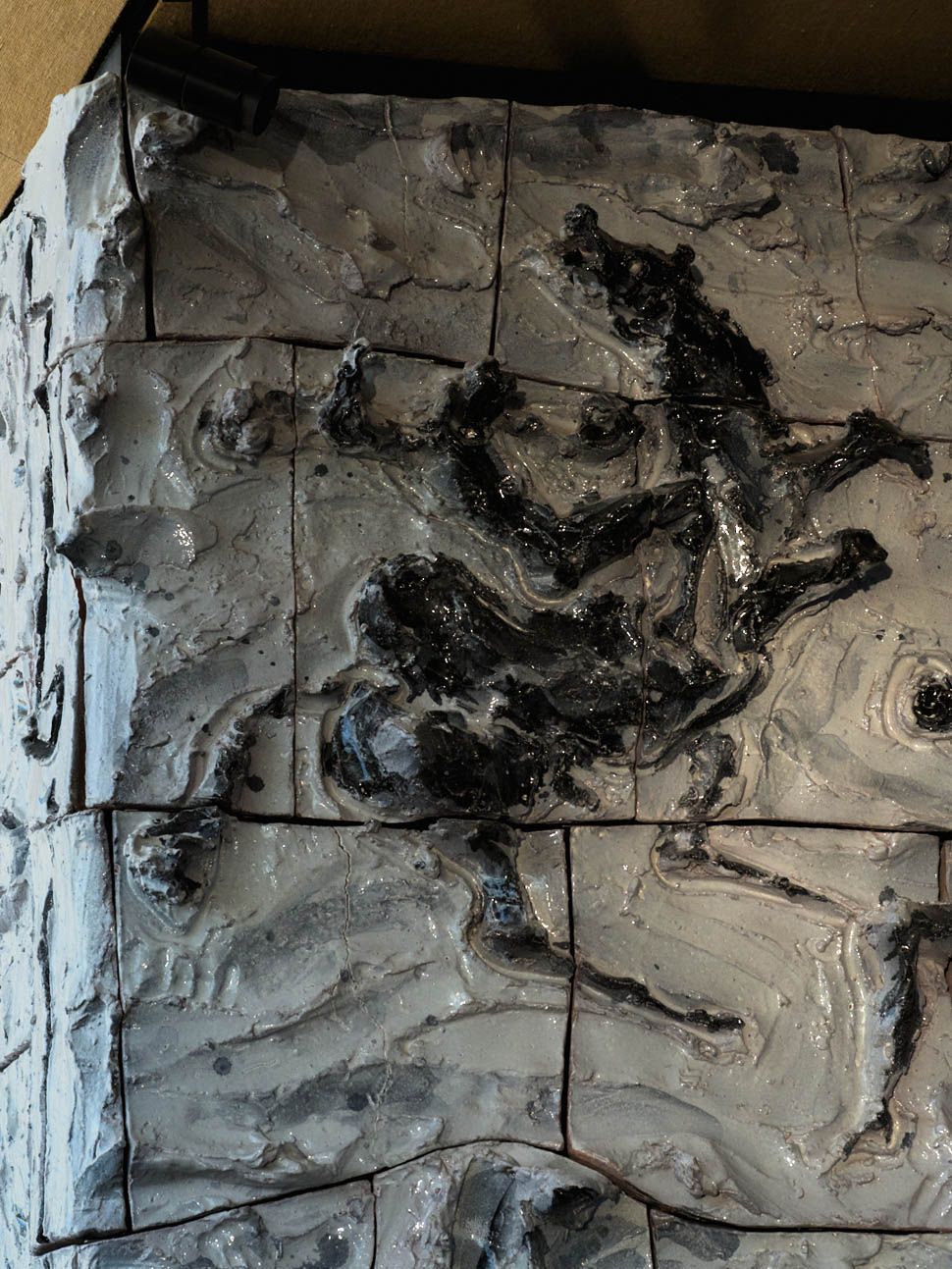
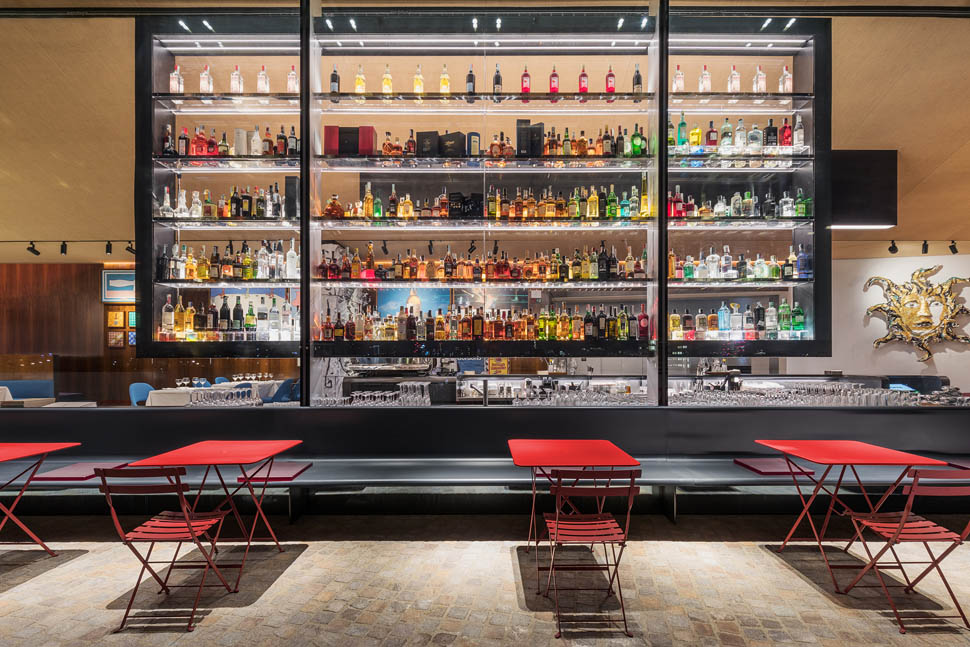
Two hundred fifteen square meters, divided between the bar and the dining room: Koolhaas himself described the space as a “collage of preexisting themes and elements,” and it’s hard to find a more accurate description. The floor-to-ceiling windows bring Milan inside almost unfiltered, while the hardwood floors, walnut wainscoting, and hemp panels lend an unexpected warmth to such an overtly contemporary building. The bar features a suspended wine rack; next to the fireplace, Soviet armchairs and Eero Saarinen’s Tulip tables stand alongside two works by Lucio Fontana, *Cappa per caminetto* and *Testa di medusa*, almost like two silent guardians at the entrance to the dining room.
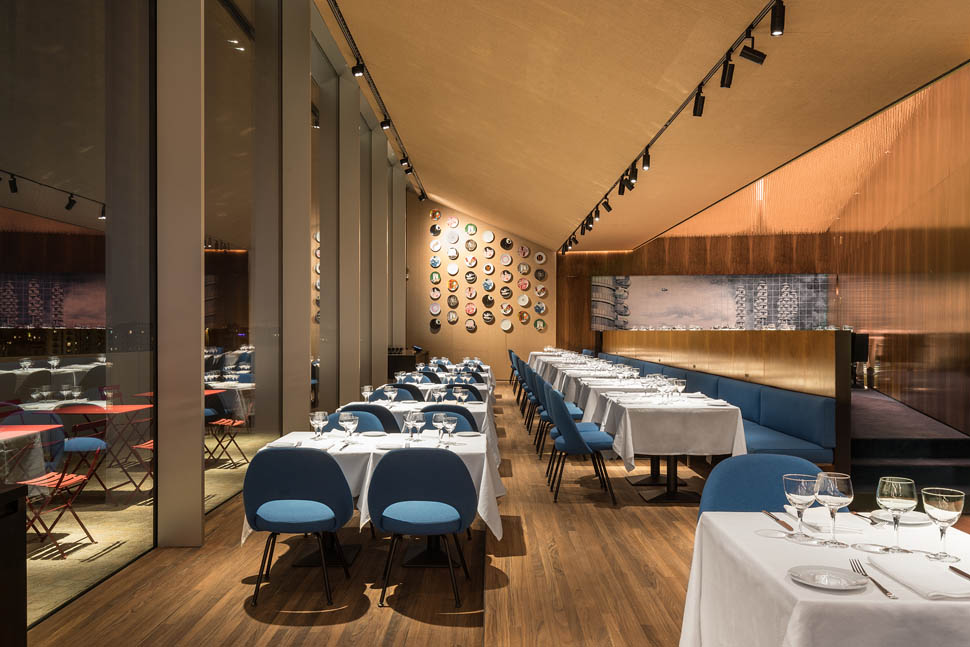
The exhibition space itself spans three slightly staggered levels, designed to recreate an ideal indoor viewpoint. On the first two levels, Saarinen’s “Executive” tables and chairs interact with works by Thomas Demand, Jeff Koons, Goshka Macuga, and John Wesley. The top level, however, holds the biggest surprise: the original furnishings from the Four Seasons Restaurant in New York, designed by Philip Johnson in 1958, alongside elements from Carsten Höller’s installation *The Double Club*. This is no small detail. That furniture isn’t just beautiful to look at: it belongs to the memory of a place that for decades embodied a very specific vision of international dining and service—and it is precisely this past that Lunghi would like, at least in part, to bring back to the present.
The Return of the Innkeeper, the Lamp That Is Relit
Because, for him, a restaurant isn’t just about what comes out of the kitchen. “For me, the kitchen and the dining room are equally important,” he says, and this is anything but an abstract concept: a dish may be perfect, but if the service fails to bring it to life, half the experience is still missing. From this conviction springs a project Torre has been working on for some time: to gradually revive a more traditional dimension of hospitality—that of the innkeeper who knows the table, guides the guest, tells stories, and, when necessary, steps in before the guest. This is not a nostalgic return, but a desire to revive gestures that contemporary dining has left by the wayside: table-side preparation, dishes finished in the dining room before the eyes of those who will eat them. Lunghi envisions bringing this dimension back even in the whole fish baked in salt, wrapped in sheets of phyllo dough before cooking—a small personal touch within an ancient technique—or in other classic dishes, reinterpreted according to Torre’s style. An innovation that, for once, does not come from the dish itself, but from the gesture of the person who brings it to the table.
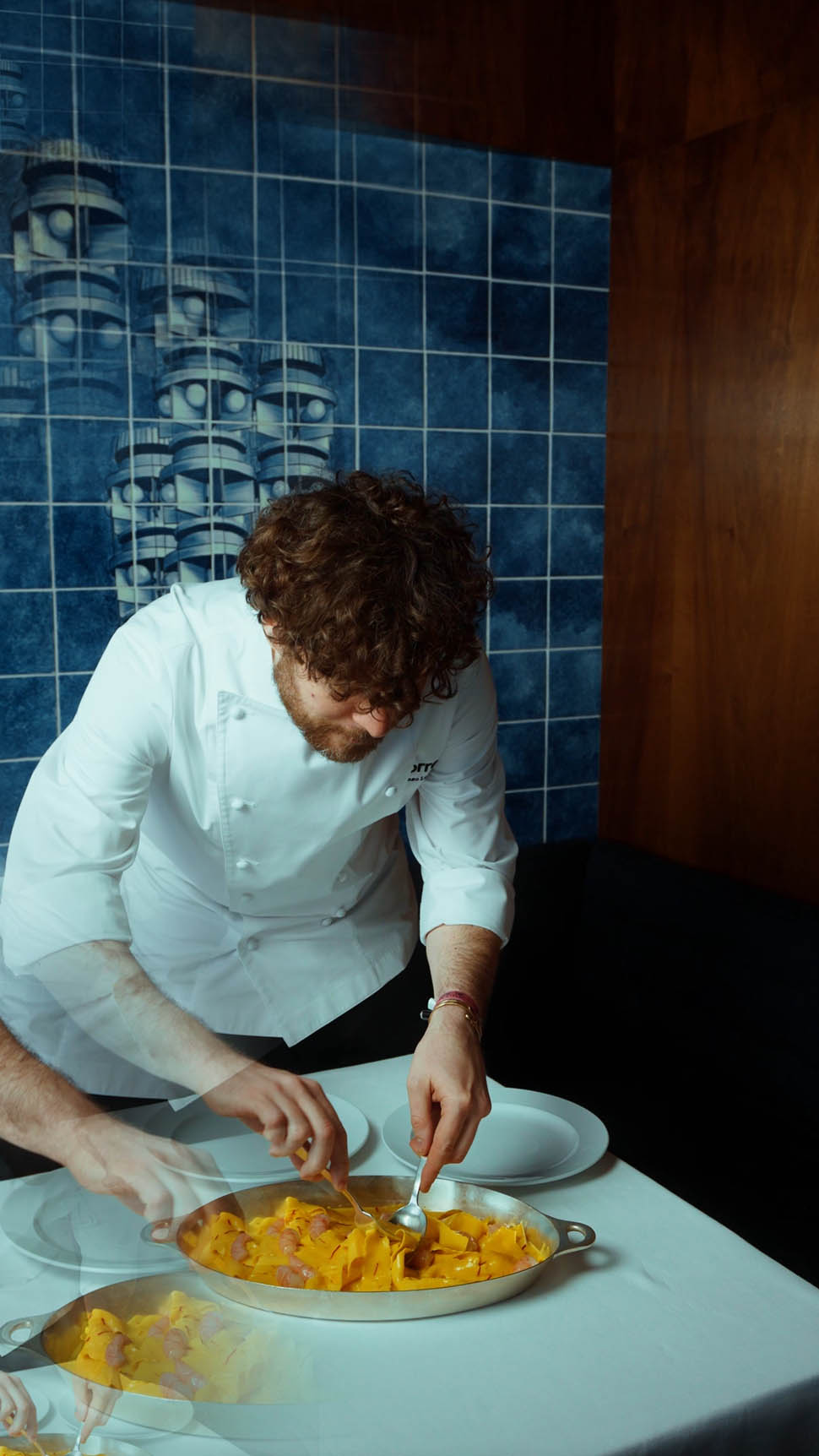
From Florence to Paris: A Journey of Subtraction
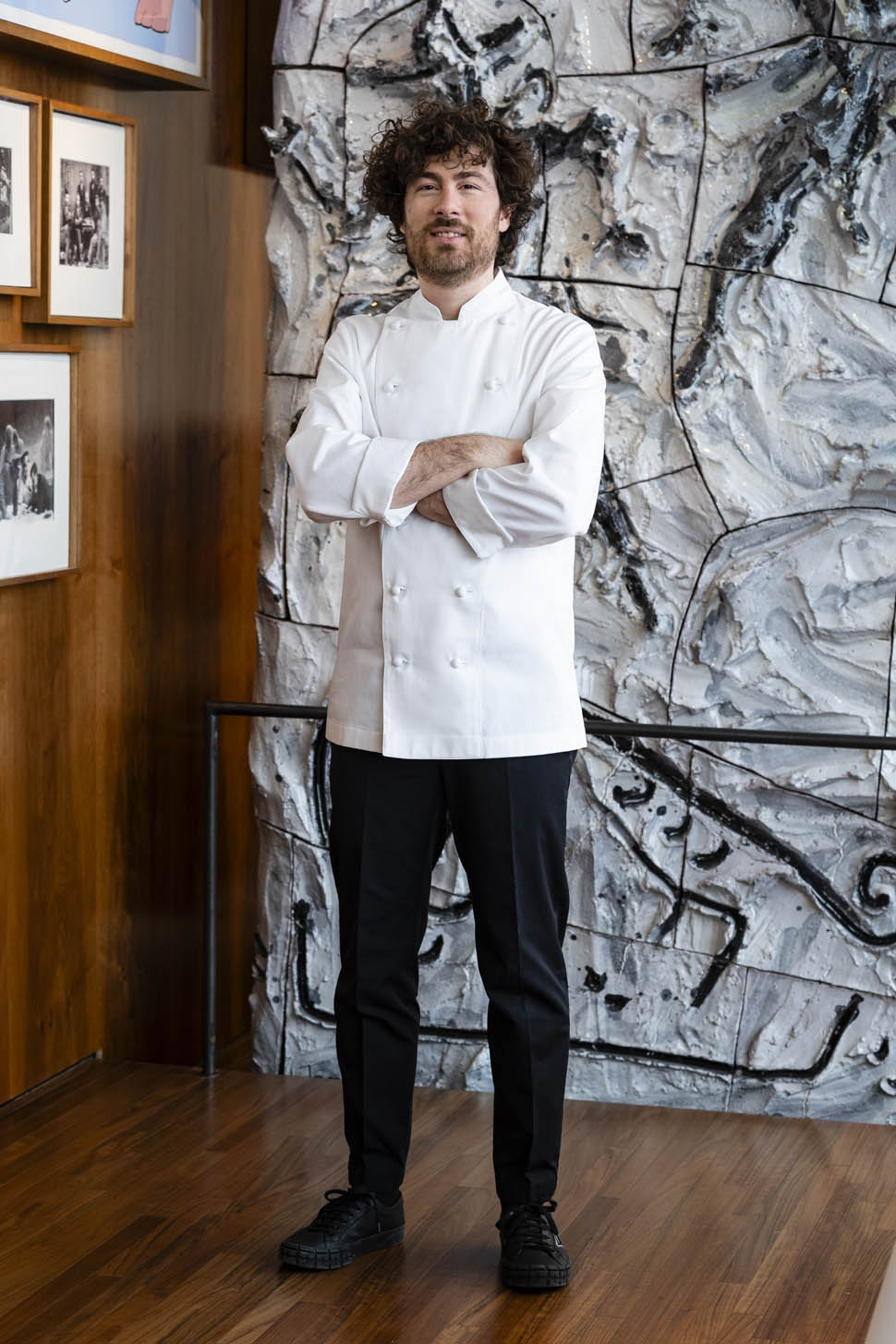
To understand where this approach comes from, we need to look back. Lorenzo Lunghi, born in 1986, was born in Florence and built his culinary foundation at a highly rigorous Italian school: Fulvio Pierangelini’s program at Gambero Rosso in San Vincenzo. In 2011, he gained experience at Il Bucaniere, also in San Vincenzo, alongside Fulvietto Pierangelini, before leaving for Paris.
The French capital becomes the true turning point. Lunghi worked at Chateaubriand and at Iñaki Aizpitarte’s Le Dauphin, then spent nearly five years at Sven Chartier’s Saturne, where he rose to the position of sous-chef in a kitchen that, at the time, was redefining the concept of contemporary rôtisserie. It’s not just a prestigious résumé: it’s a mindset that the chef brings with him when he returns to Italy. “What I’m bringing back from Paris, however, is this idea of stripping away the excess,” he explains. What remains is an almost absolute respect for ingredients, a focus on small-scale producers, and above all, the belief that there’s no need to add elements just to demonstrate one’s technique. In fact, sometimes the opposite is true: simplicity, when it’s authentic, is much more difficult than complexity.
A Kitchen That Decides at the Last Minute
And this is where fall comes in—or rather, fall according to Lorenzo Lunghi. The question seems simple: what will be on the new menu? The answer, however, reads like a short manifesto. “My cuisine is practically shaped by the market,” says the chef. There is no list of fall dishes finalized months in advance and then simply transferred to the menu: the menu emerges from what arrives from the producers and the actual characteristics of the ingredients at that precise moment.
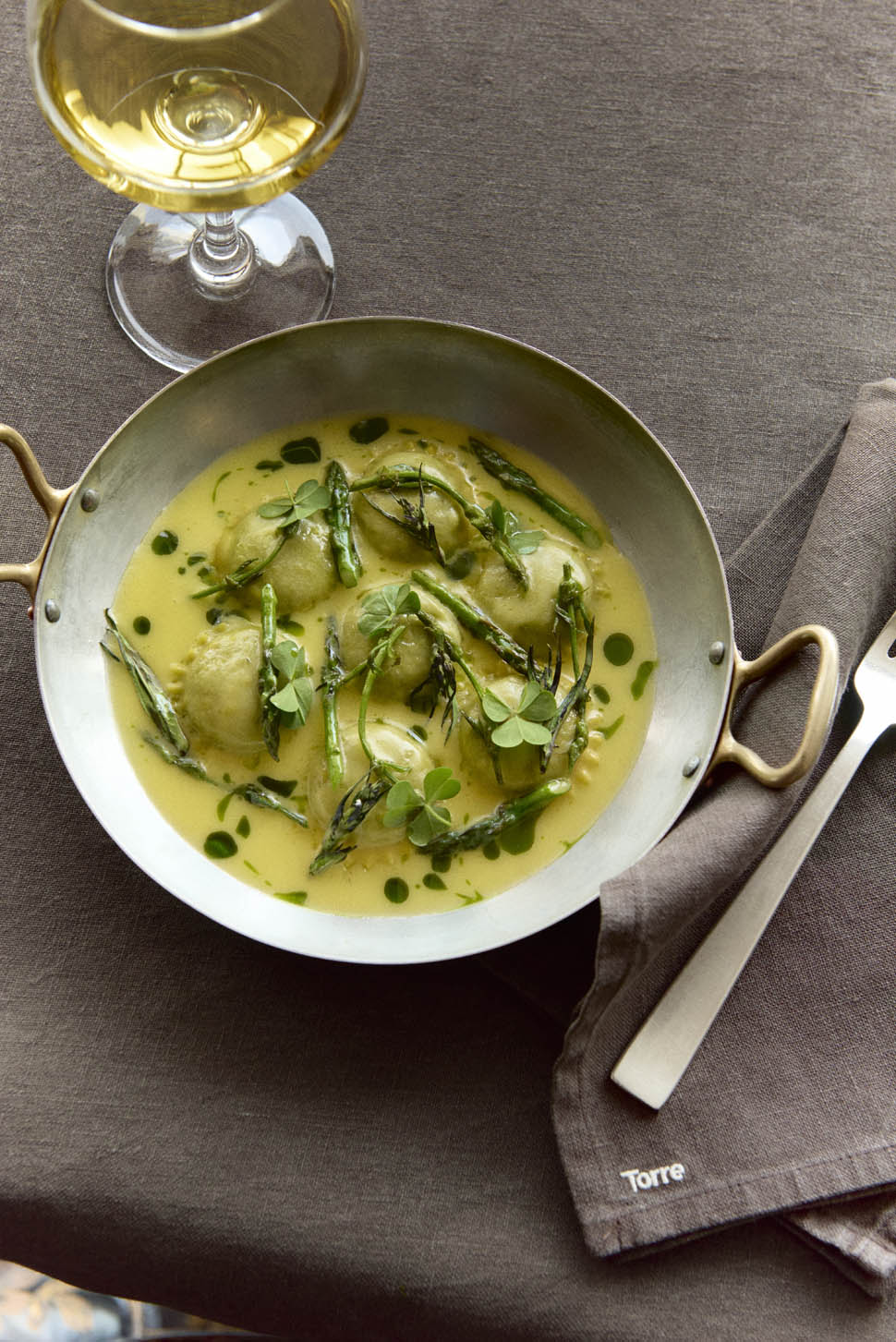
It’s an approach that seems almost counterintuitive today, at a time when the word “seasonality” risks becoming little more than a label rather than a concrete practice. “When I think back to ten years ago, the ingredients available in September weren’t the same as they are now,” Lunghi observes. “We might even have incredible tomatoes—perhaps better than in the height of summer”. For him, the season no longer necessarily coincides with the calendar: if an ingredient that’s theoretically out of season arrives in perfect condition, it should be used; if one that’s theoretically in season on that particular day isn’t suitable for a specific dish, it shouldn’t be forced. The cuisine adapts to the product, not the other way around.
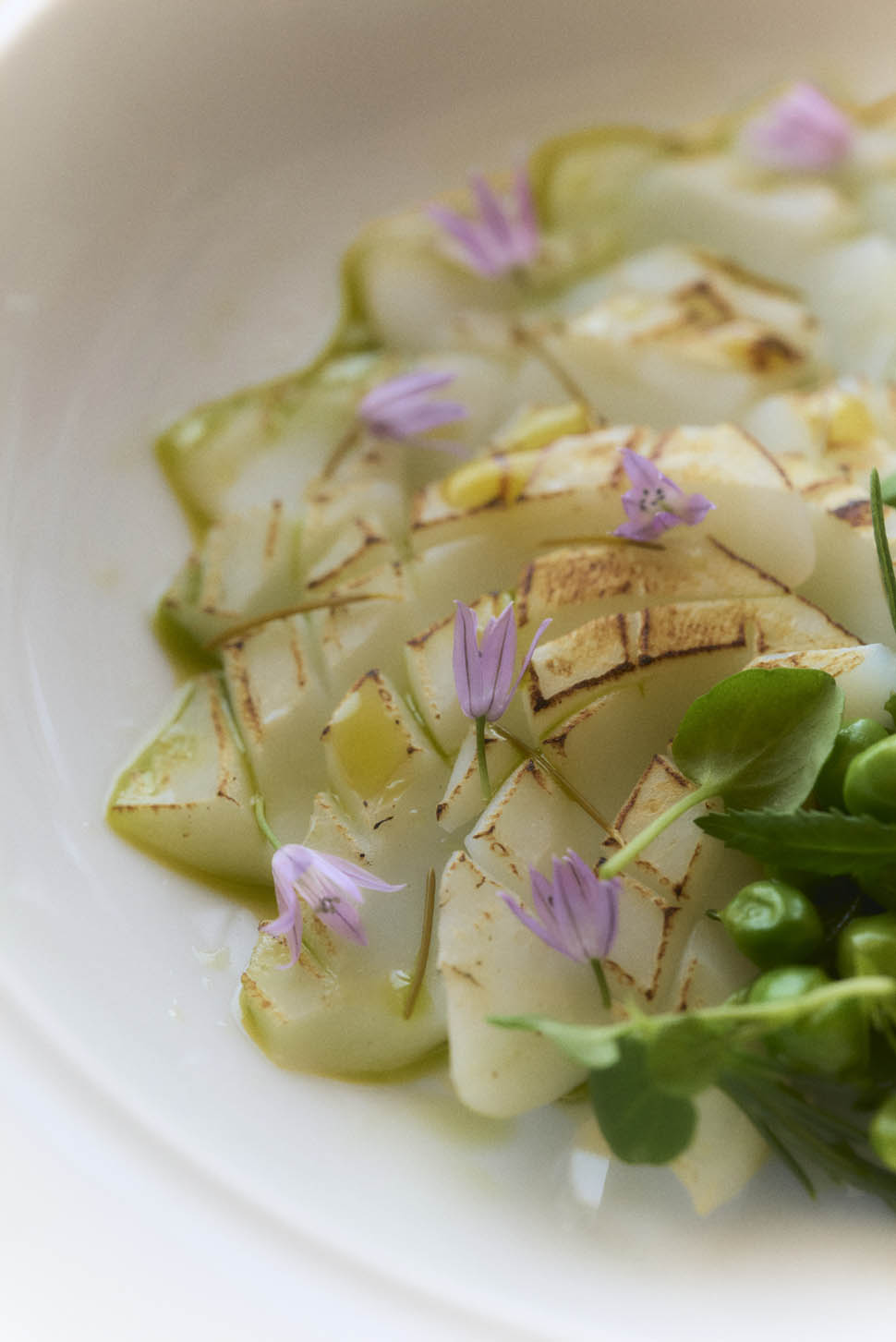
And then there’s a second, quieter thread—one made up of time working in the background: vinegars, oils, and fermented products prepared well in advance and brought to the table months later. The chef explains, for example, that he gathers grapevine buds along the Tuscan coast between January and February to pickle them, or that he processes the outer layers of fresh corn cobs, grilling them and letting them mature for a long time, “and it’s not uncommon for us to use them four months later”. It’s a way of understanding time that’s almost the opposite of the cuisine of immediacy: a storehouse of suspended flavors, ready to resurface at the right moment.
Autumn Smells Like the Woods
If the chef really had to choose a single star for autumn, the answer comes almost automatically: mushrooms. Lunghi describes himself as a “fan of the woods” and envisions a season in which the plant world, the undergrowth, and the earthiest notes take center stage—not just the porcini, often celebrated as a lone star, but a much broader family, from raw mushrooms to ovules, including the parts that are usually considered less noble.
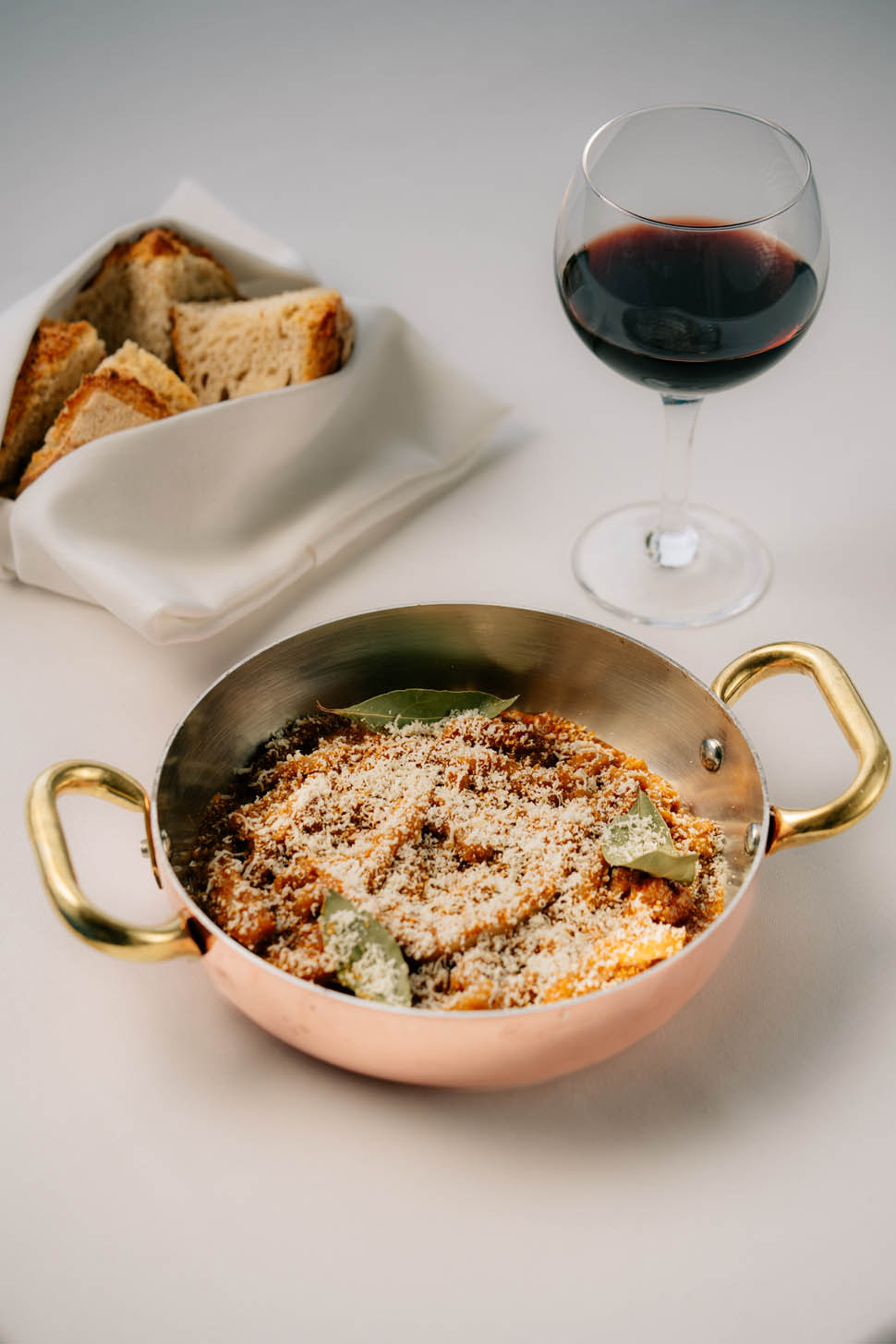
This is where one of the concepts Torre’s kitchen is exploring comes into play: concrete sustainability, without turning it into a slogan. “We’re not zero-waste,” the chef clarifies. “We’re very sustainable.” The difference is subtle, but not insignificant: it’s not about declaring that every single part of an ingredient must necessarily be used, but rather about asking how to make the most of what would normally end up on the edge of the plate. And that’s how one of the most interesting ideas for the fall was born: using mushroom scraps to make a broth and a glaze for a part of the fish that, for many, would be considered outright waste—the head. For Lunghi, it’s exactly the opposite: “It’s one of the most prized parts—where the fat is, where everything is, where the flavor is.” The idea, consistent with the convivial spirit that already characterizes service at La Torre, is still in the development phase, and for this very reason it shouldn’t be described as a dish already definitively on the menu. But it is perhaps the clearest example of how La Torre’s cuisine works today: observing what’s available, working with it, and letting the dish take shape on its own. In this context, the forest could become one of the most intriguing focal points of the cold season—the very same forest where, on his days off, the chef gathers pine needles with his daughter, which then find their way back into the kitchen: not as the main attraction, he clarifies, but as that extra detail capable of telling a story.
Between the Sea, the Grill, and Vegetables
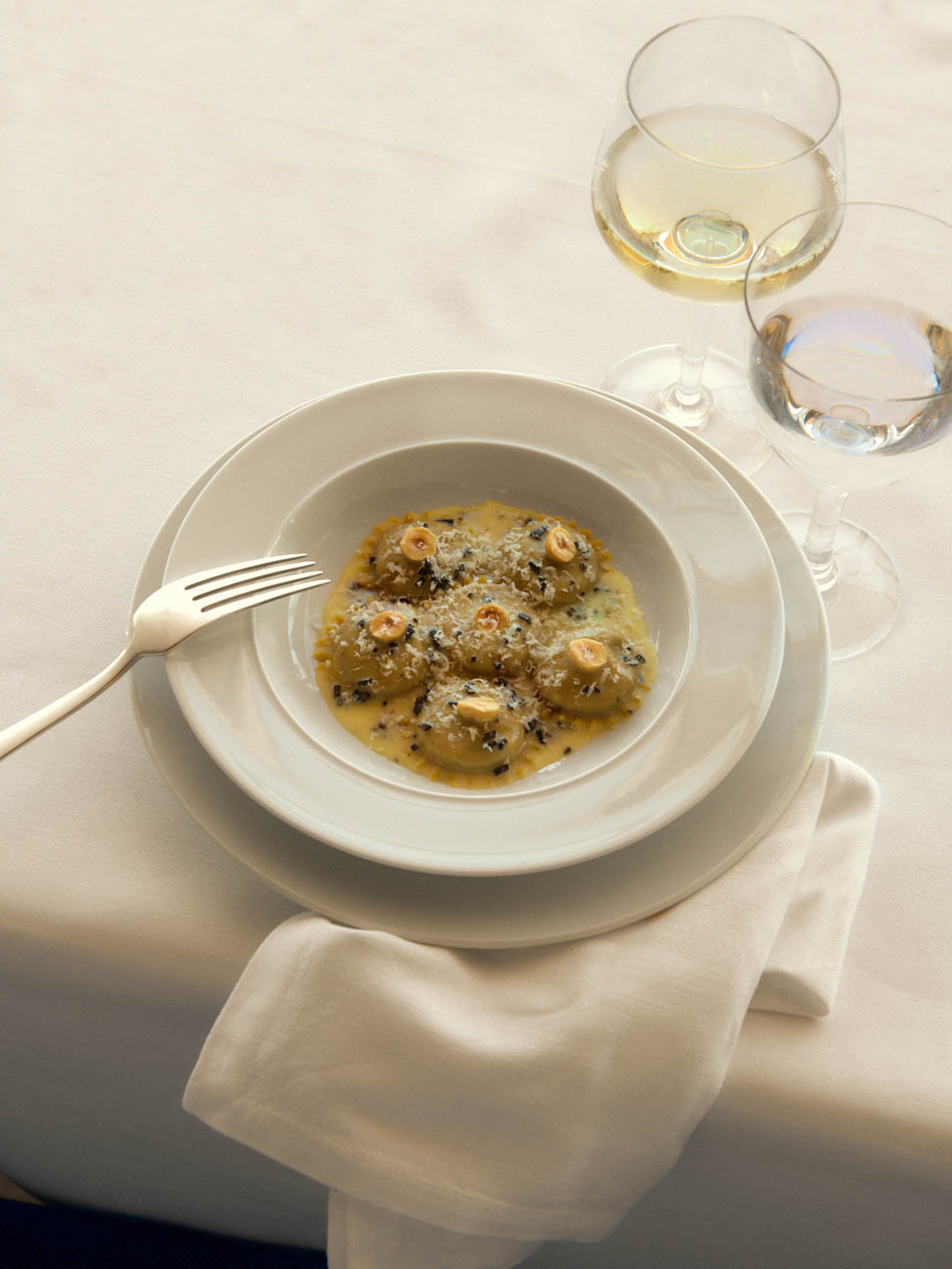
Lunghi’s cuisine, however, has never been one-dimensional. The sea remains a strong presence—almost inevitable, given the chef’s personal connection to the Tuscan coast: his journey began there, and even today Lunghi divides his time between Milan and Tuscany, returning whenever his work schedule allows. This dual identity is evident in the dishes, where the Tuscan terroir coexists with shellfish, fish, and cooking techniques that look directly to the Mediterranean. The breakdown described by the chef clearly reflects the balance of the menu: about 70% consists of vegetables and fish, while the remaining 30% is meat—not to eliminate animal-based ingredients, but to offer a different perspective on them. Grilling, in particular, is one of the techniques through which this cuisine finds its most comforting expression: not built solely on contrast or acidity, but conceived—in the chef’s words—as something elegant, capable of letting even less common ingredients speak in a language everyone can understand.
From Saffron Pappardelle to the Freedom of the Menu
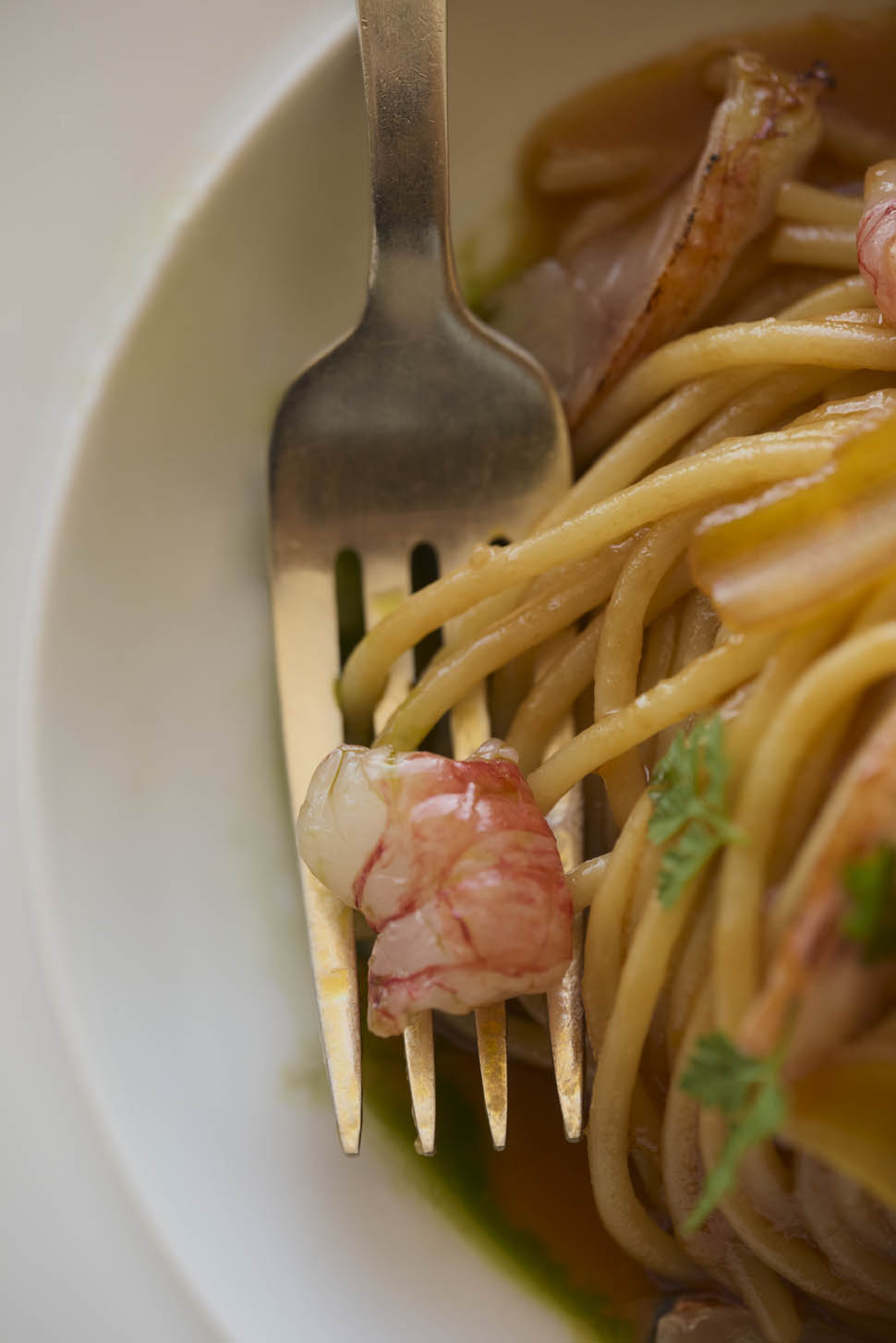
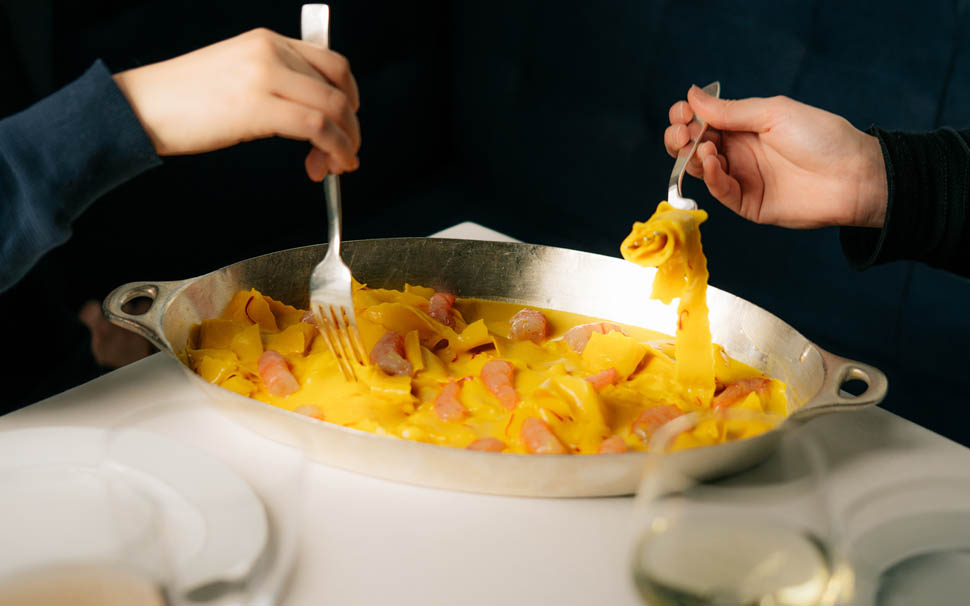
Meanwhile, some dishes have become true signature dishes of La Torre. The saffron pappardelle with shrimp was inspired by a dish that seems worlds apart: pasta Alfredo. Lunghi starts with a recognizable foundation and takes it in a new direction—roasted vegetable broth, smoked butter, saffron, and Sanremo shrimp (substituted with red shrimp when the ingredients call for it)—crafting a dish in which the classic reference remains discernible, without ever becoming a constraint.
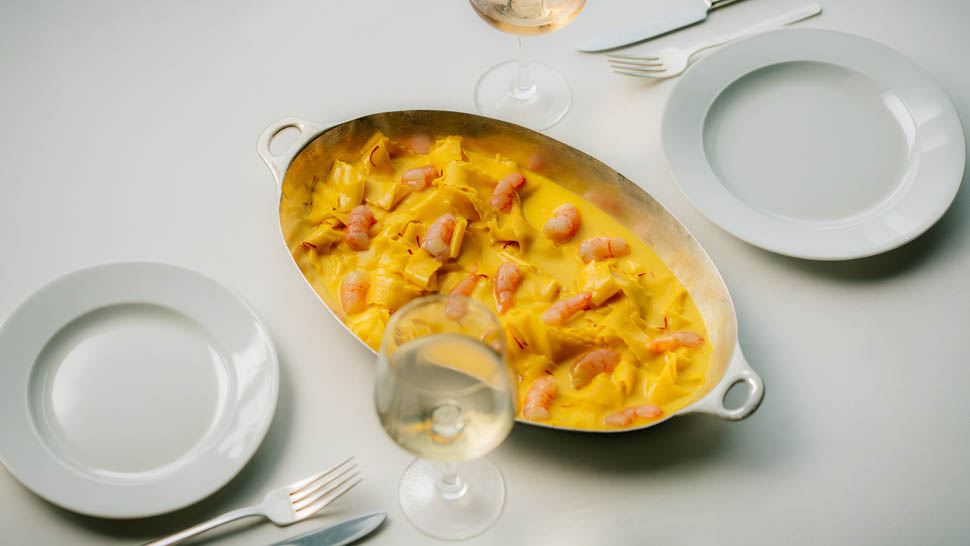
The same approach is evident in the risotto with saffron sauce and red shrimp, one of the first courses the chef created upon his arrival at La Torre in 2020. The inspiration is Milanese-style risotto, but here the rice becomes almost a blank canvas, while the saffron is incorporated into the shellfish sauce and the raw shrimp brings with it that maritime element that is part of Lunghi’s personal history. This is his idea of tradition: not a photograph to be preserved behind glass, but something that can be taken apart, observed, and reassembled—the same freedom found in the seven-course tasting menu, conceived as a blank canvas capable of adapting to the guest’s needs, even transforming, upon request, into an entirely plant-based or vegan experience. For regulars, the request is often simply: “You decide.” And let the day itself decide.
An Autumn of Guests: Anarchy Edition and Torre Italia
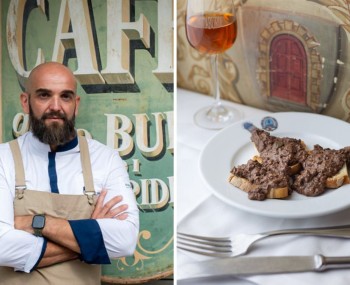
Torre’s autumn, however, isn’t limited to Lunghi’s kitchen: it extends to two parallel programs that bring other chefs to literally take their places at his stove. The first is Torre & Friends – Anarchy Edition, a series of four dinners curated by guest chefs invited to interpret, each in their own way, an idea of creative freedom. On October 8, it’s the turn of Max and Stefano Colombo, the Italian duo behind the anarchic global phenomenon Bar Brutal in Barcelona, with a menu built around “real, wild, and rule-breaking” wines and decidedly informal dishes. The series concludes on December 2 with Chiara Pavan and Francesco Brutto of the restaurant Venissa, who will host a dinner that Torre describes as a true political act: an environmentally conscious cuisine designed, once again, to combat waste.
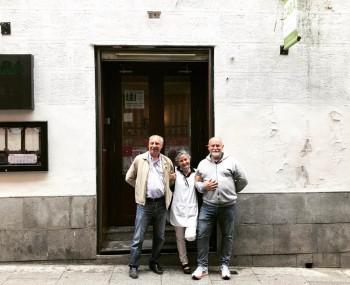
Meanwhile, “Torre Italia” continues—a project conceived with Spacedelicious that invites some of the region’s most iconic restaurants to cook side by side with Lunghi. Following the spring and summer events, September 16 will feature Buca di San Francesco and La Nunziadeina, while the fall schedule concludes on November 18 with Cascina Lago Scuro and Osteria Fratelli Pavesi. “An opportunity to bring together different culinary stories and cultures around the same table, while always keeping respect for the regions and the people who represent them at the center,” says the chef—the same philosophy, after all, that he applies every day to his own cooking: giving space, without ever flattening the flavors.
Extra Virgin Olive Oil and the Feeling of Being at Home
There is also a seemingly small detail that perhaps best illustrates Lunghi’s relationship with food—more so than any dish. When asked what his favorite ingredient is—not just as a chef, but as a person—he doesn’t choose an exotic product or a particularly rare ingredient. He chooses extra virgin olive oil. “If my friends come over for an aperitif, the first thing I do is set out a plate with some extra virgin olive oil.” It’s an almost disarming answer, especially coming from someone who works every day surrounded by works of art, historic furnishings, and one of the most recognizable views in contemporary Milan. But perhaps that is precisely the point. Torre may have its floor-to-ceiling windows, the furnishings of the Four Seasons, works by Fontana, and a terrace suspended over the city. But at the table, something very simple still needs to happen: you have to want to eat. And feel welcome.
An Autumn Yet to Be Written
And this is perhaps the most interesting thing to know before sitting down at La Torre in the coming months: the fall menu hasn’t been fully decided yet. And that’s a good thing. Because Lorenzo Lunghi’s philosophy doesn’t seem to be about seeking the perfect dish—one meticulously planned in advance—but rather the right one for the ingredients that arrive that day. Mushrooms, wild forage, chestnuts, fish, vegetables, charcoal-grilled dishes, and preparations begun months earlier will come together in combinations that not even the chef fully knows yet. On one hand, there’s Fondazione Prada, with its commitment to research, fusion, and contemporary expression. On the other, a cuisine that doesn’t need to shout about its modernity, and that prefers to focus on ingredients, service, memory, and freedom. The result is a place where you can arrive to see an exhibition, step into the elevator and watch Milan’s perspective shift, and find yourself, a few minutes later, facing a plate of saffron pappardelle or a forest ingredient that, deep down, still doesn’t have a definitive name.
Contact
La Torre Fondazione Prada
Address: Via Giovanni Lorenzini, 14, 20139 Milan, MI
Phone: 02 2332 3910
La Torre Fondazione Prada Restaurant