Before transforming contemporary cuisine into a conceptual and scientific language, haute cuisine demanded a sacrifice that few would be willing to make today. Between 1984 and 1998, well before it achieved global acclaim, El Bulli’s financial outlook remained marked by extreme precariousness.
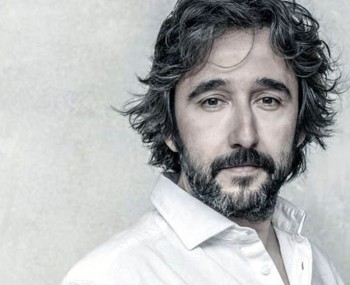
“My partner and I lived for fourteen years without ever making ends meet,” Adrià recently confessed to the Clarín website. In an era dominated by the pursuit of immediate optimization, investing a decade and a half in an unprofitable vision seems almost heretical: “Tell anyone that they have to devote fourteen years to believing in something without financial guarantees, and they’ll call you crazy.” Fifteen years after the historic closure of the Cala Montjoi temple—now transformed into a research center and exhibition space—the avant-garde world gives way to a clear-eyed reflection on the craft. Adrià points out that the role of the contemporary chef goes far beyond the physical act of cooking: “For me and my colleagues, the work ceased to be about the stove as early as 1995; from then on, it has been about control, direction, and pure creative research.”
A Return to Fire: Embers as a New Essential Grammar
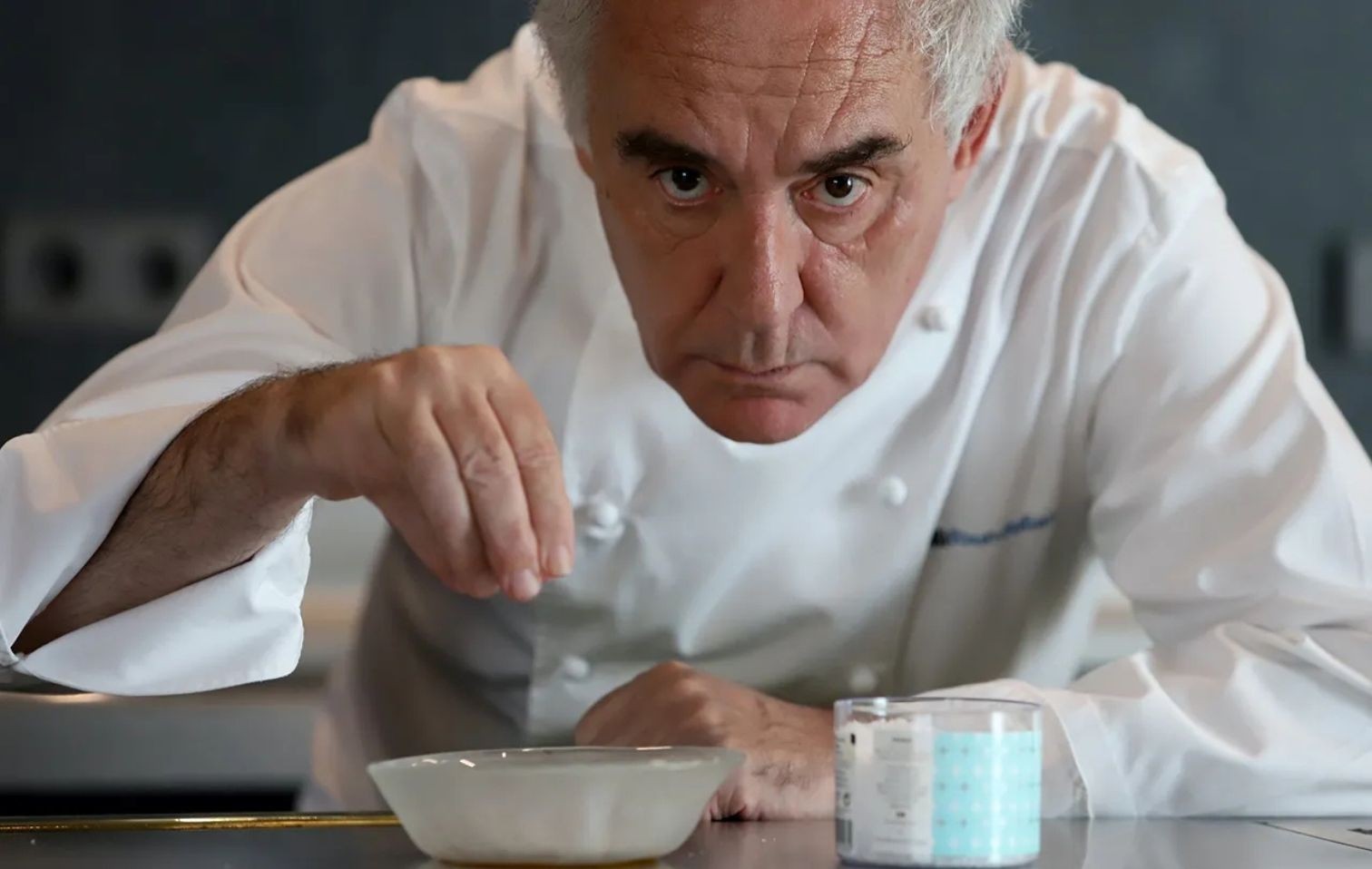
Today, at 64, far from the frenzy of three-star restaurants and devoted to his foundation, the Catalan chef rediscovers the culinary experience through the ancestral act of bringing raw ingredients into contact with the embers. At his retreat in Cala Montjoi, the innovator behind spherification and deconstruction explores the essential dimension of the home grill.
His is an unexpected expressive syntax that transcends the conventional use of meat:
- Grilled fruits and vegetables: the mango, barely touched by the heat of the charcoal, takes on complex and unprecedented nuances; the salad passed over the coals reveals unexpected textures and smoky notes.
- Raw ingredients and the memory of the sea: among his favorite preparations are grilled sardines, emblematic of a spontaneous cuisine, where excellence lies in the freshness of the product and the control of heat.
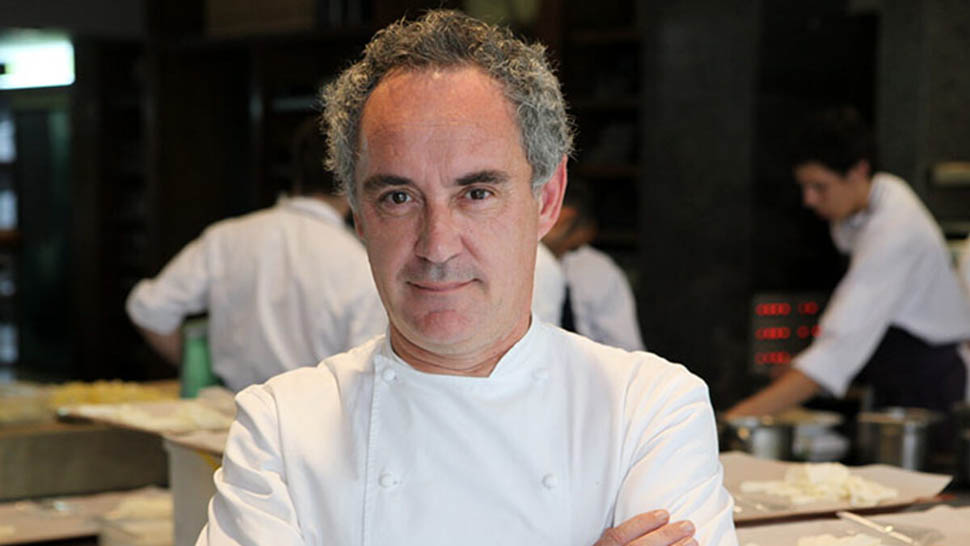
Pride in Culinary Identity and the Art of Self-Expression
In addition to the techniques that defined an era, Adrià strongly champions the value of Spain’s gastronomic and cultural heritage, while highlighting a historical failure to effectively communicate its worth. The country suffers from systemic undervaluation and a reticence that hinders its full international recognition.
The epitome of this communication breakdown is one of the world’s most popular emulsions: mayonnaise. Originating in the Balearic Islands, it remains one of the most widely consumed sauces on the planet, yet it is rarely associated with Spanish ingenuity and identity. According to the chef, we must overcome a cultural reluctance that prevents us from championing our own excellence, learning to communicate our value with the same confidence with which we create it.
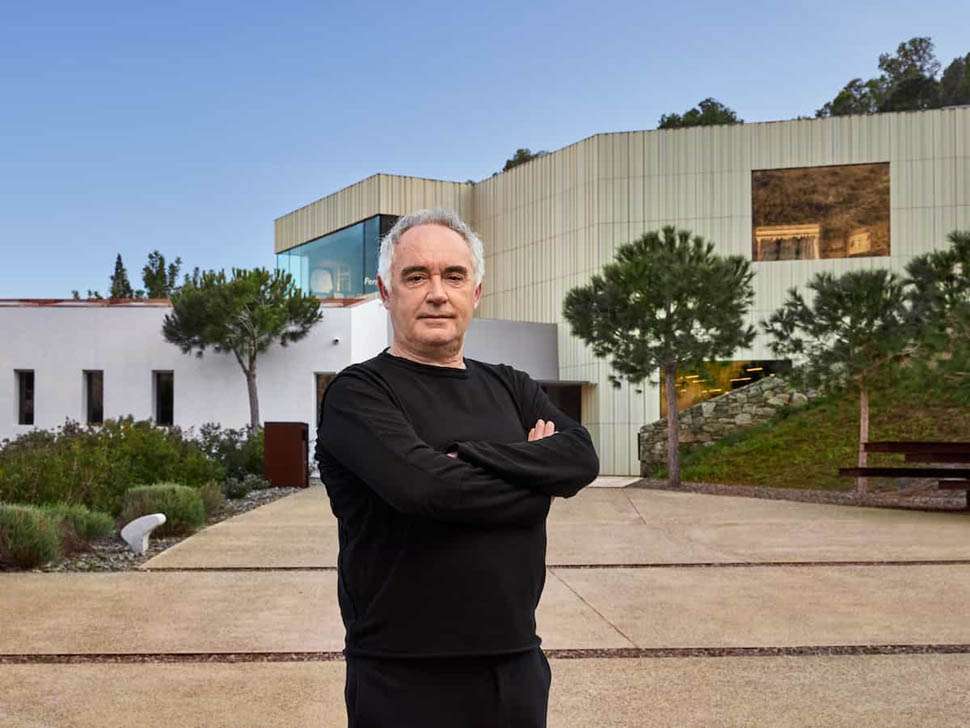
From the Humility of the Gesture to the Revolution in Taste
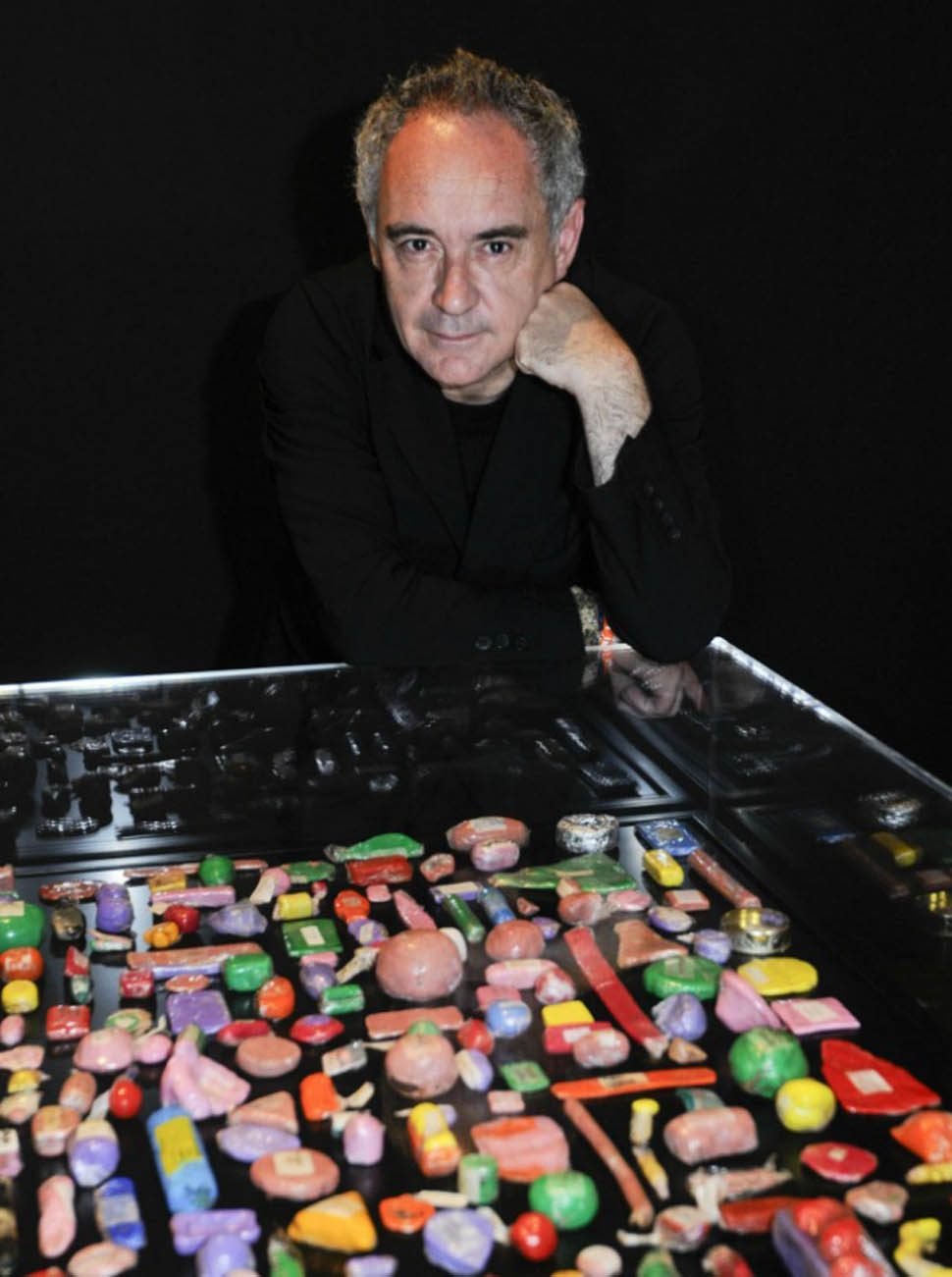
Ferran Adrià’s journey does not lend itself to replicable business models or conceptual shortcuts. Starting out in 1980 as a dishwasher, his path demonstrates how discipline and rigor can transform the global perception of food. From his earliest experiences to his mastery of the techniques that have redefined the vocabulary of modern taste, the legacy of the El Bulli era lies in relentless intellectual curiosity—an attitude that, then as now, prioritizes the pursuit of knowledge over mere profit.