The two doors under the arcades of Piazza Bernardo Tanucci are clearly visible: one leads to Filetto, the trattoria, and the other to the shop, where people often stop by after lunch to enjoy an amaro while standing. There’s no need to describe it: it’s one of those places you have to see and experience for yourself to truly understand.
The History and the Restaurant
The trattoria didn’t need to invent an image for itself, because this is exactly what it’s always been. A long, narrow room, then a small square room, a stove that’s hard at work in the winter, and a collection of objects that would delight anyone searching for modern vintage pieces today. Beautiful? No, not particularly. And perhaps that’s exactly the point: people don’t come to Filetto to look at the decor, but to eat, seeking authentic flavors without worrying about appearances.
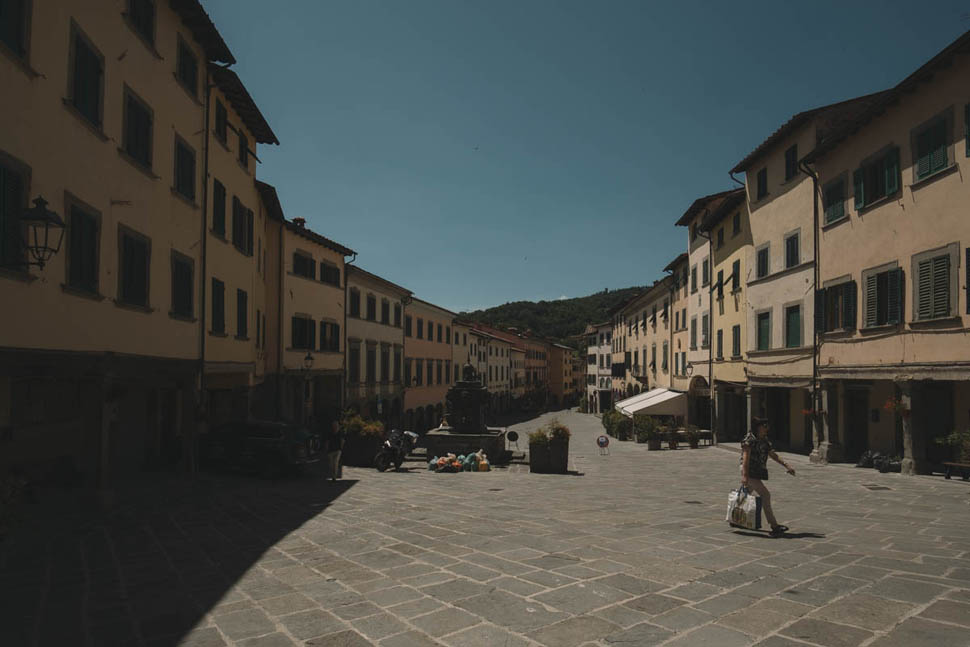
Stia is situated in the Casentino region in such a way that you can truly appreciate its equidistance: Arezzo and Florence seem close on the map, but then the road climbs and the town takes on a different rhythm. The town square is the setting forLeonardo Pieraccioni’s *Il Ciclone*, a film that recently celebrated its 30th anniversary, and a bar there still preserves its memory. You only need to step a few meters away from the town’s best-known part to discover a different Stia—one made up of businesses that have stood the test of time and people who’ve moved here from far away, integrating over the years without altering the town’s character. Even after merging with Pratovecchio—a neighboring town that had long been a rival—it has not lost its authenticity.
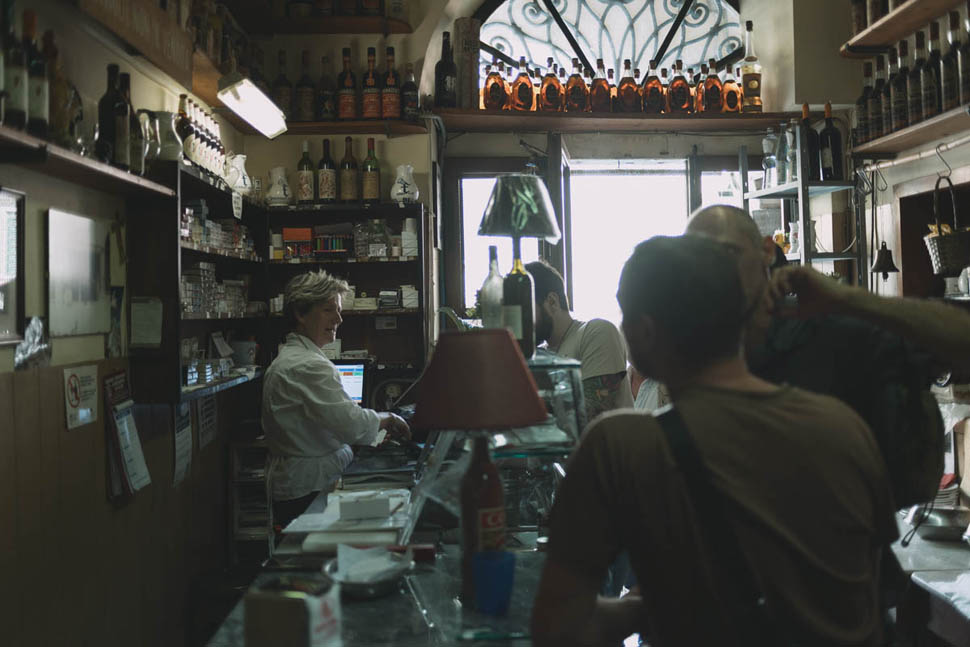
Everyone knows this trattoria; it’s one of those places that locals can point out without needing to look up an address on their phone—partly because it’s always been a major attraction. Then, once you arrive, you have to step inside, because that’s where the place really begins to reveal itself: from the outside, it doesn’t look like much, with a terrace that isn’t particularly inviting, while inside it has that instantly recognizable atmosphere. Filetto’s history goes back much further. The trattoria dates back to the mid-19th century, but the name “Filetto” comes from the current owner’s grandfather, Mr. Francalanci, known to everyone by that nickname. Thinking about how many lunches have taken place at those tables is almost awe-inspiring, especially since today the tradition continues with disarming simplicity: it’s open for lunch, closed on Saturdays, and the menu is called out verbally. No wine list to flip through, no elaborate descriptions. You ask what’s available and listen to the answer. Now that the Casentino region has come to life, with so many young producers of Pinot Noir and Syrah, perhaps there will even be a menu to choose from in the future.
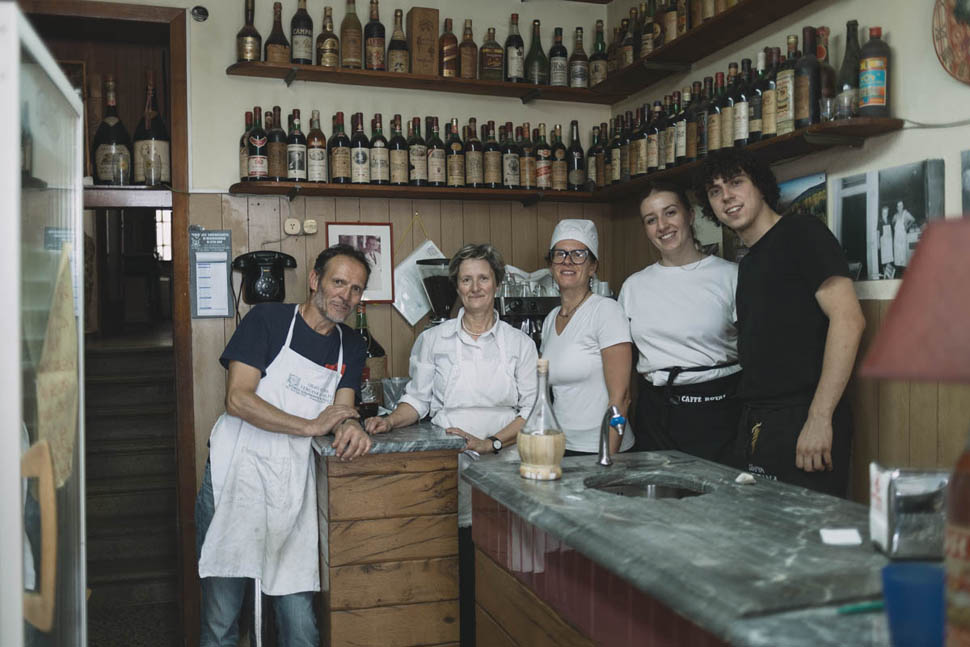
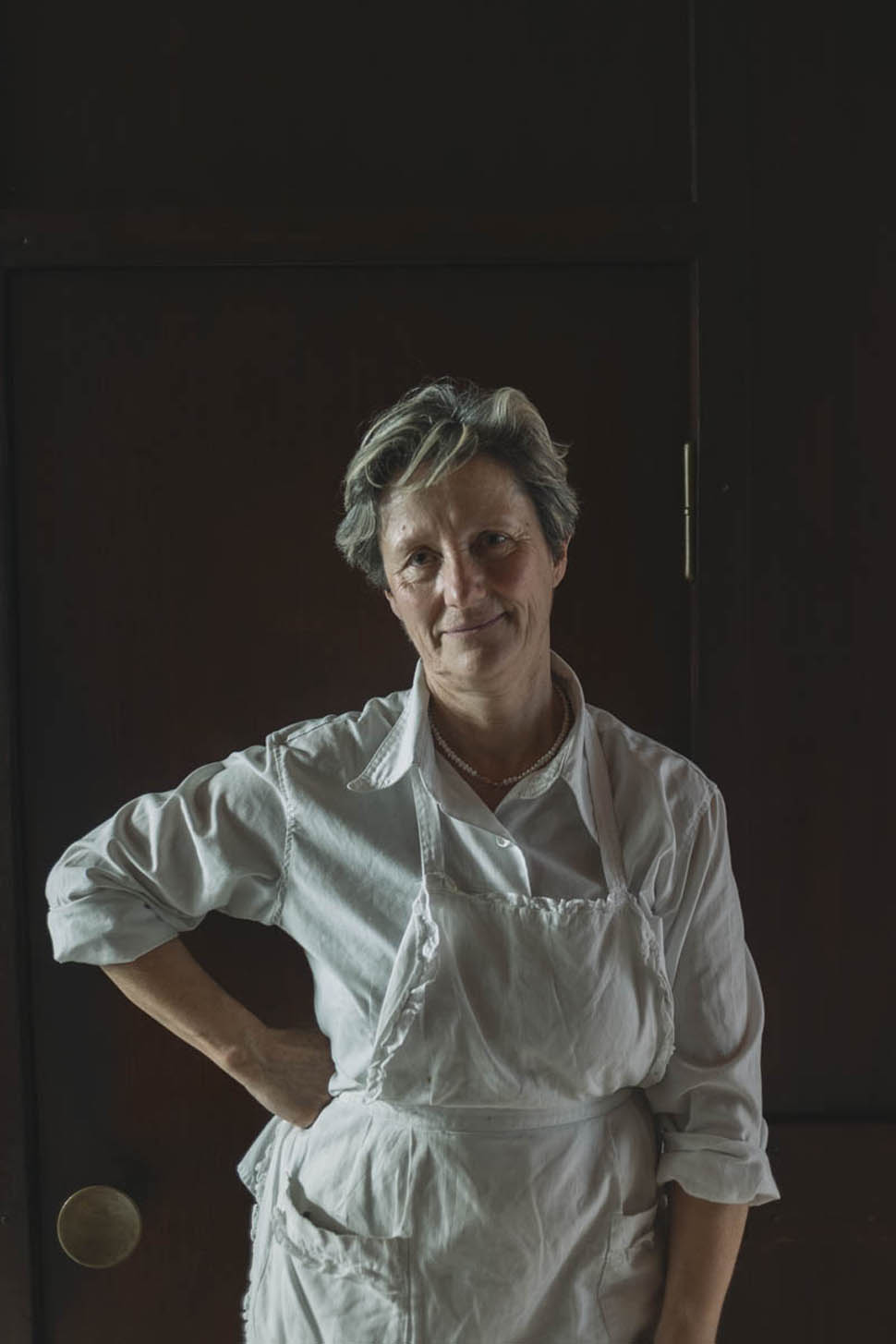
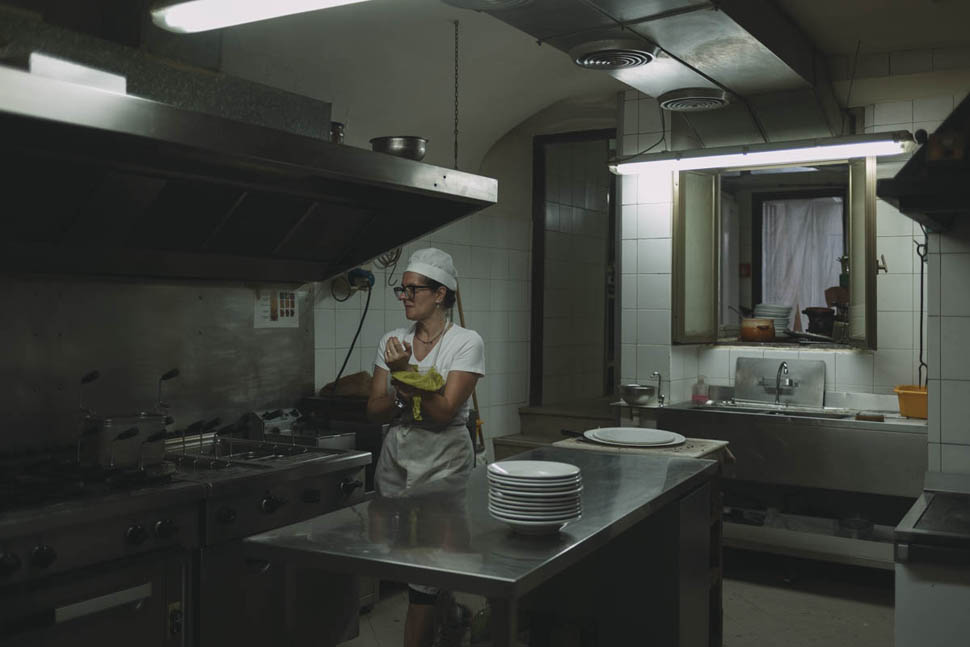
There’s also a family photograph on the wall. A foreign customer pointed to it and asked who the woman in the picture was. She was the mother of the person serving her, Piera Francalanci, Filetto’s daughter. Then came the other names, the faces, and the little girl in the photograph: it was her, Paola Bertelli, Piera’s daughter, the current owner. In a trattoria that has spanned more than 150 years, a photograph hanging on the wall ends up feeling almost like a presence at the table. You have to understand the nature of the place: there are no grand gestures to put the customer at ease, because here the customer steps into a story that already exists. The staff in the dining room move quickly; they have a lot to do but still find the time to explain a dish or answer a question in the tight quarters. The service is homey in the best sense of the word—that is, without formality but always striving to be helpful.
The Dishes
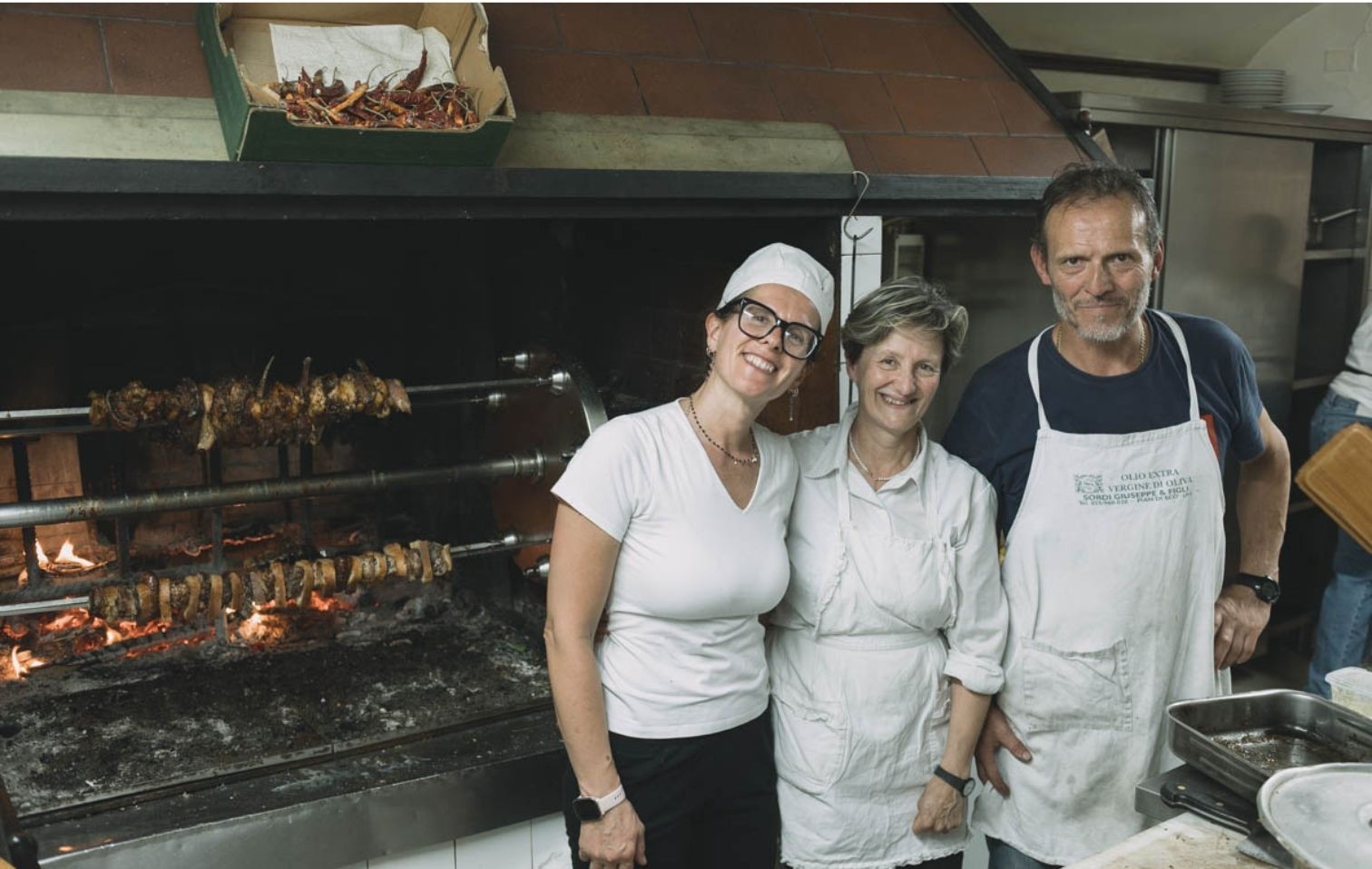
Many people come for the rotisserie. The skewers are made with various cuts of meat, and the mixed roast that results is one of the dishes that really makes sense, along with the lamb and the roast ham. The chicken livers are cooked on the wood-burning stove, and the roasted potatoes do exactly what they’re supposed to do: sit next to the meat and soak up the gravy.
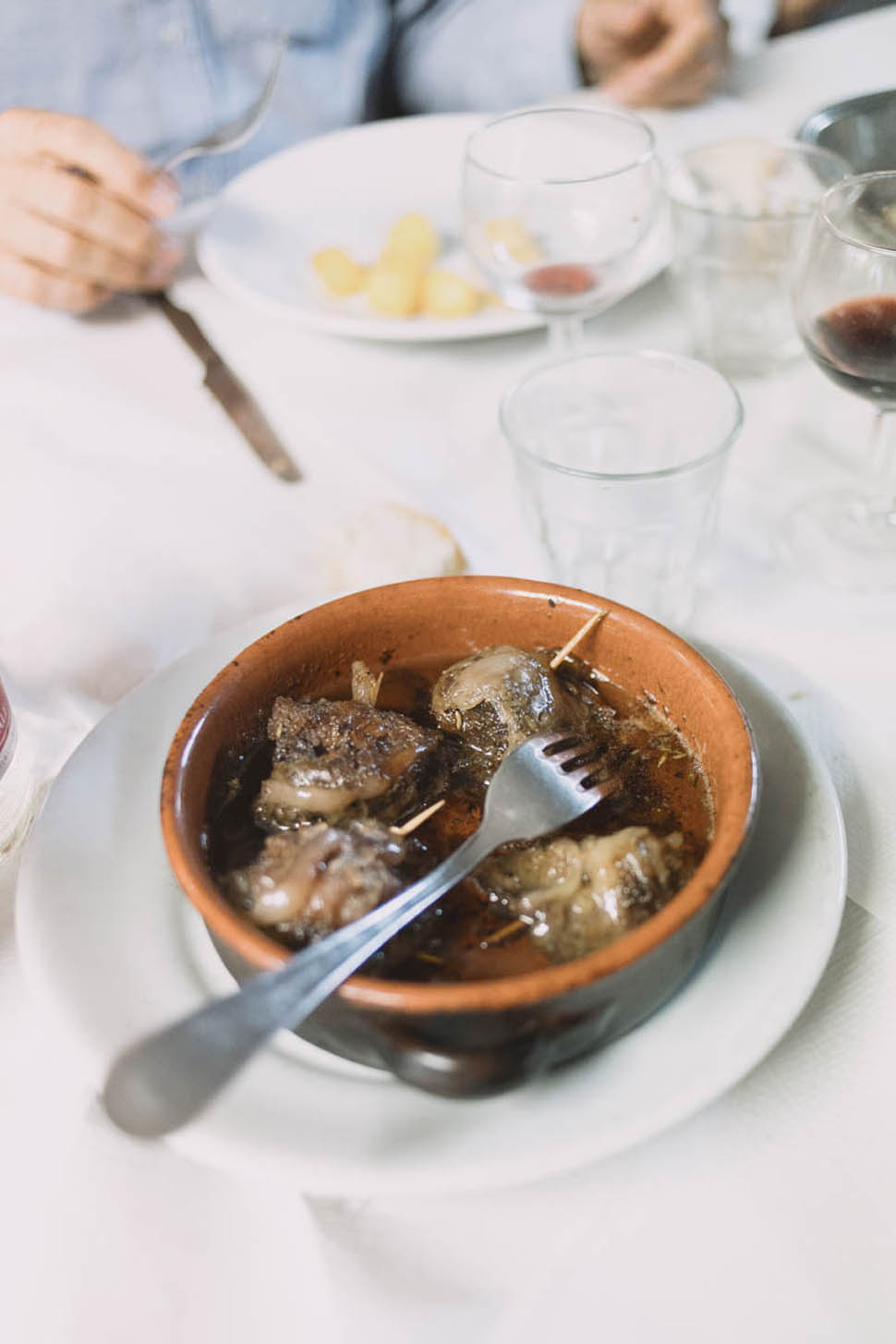
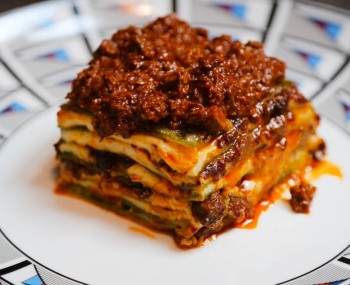
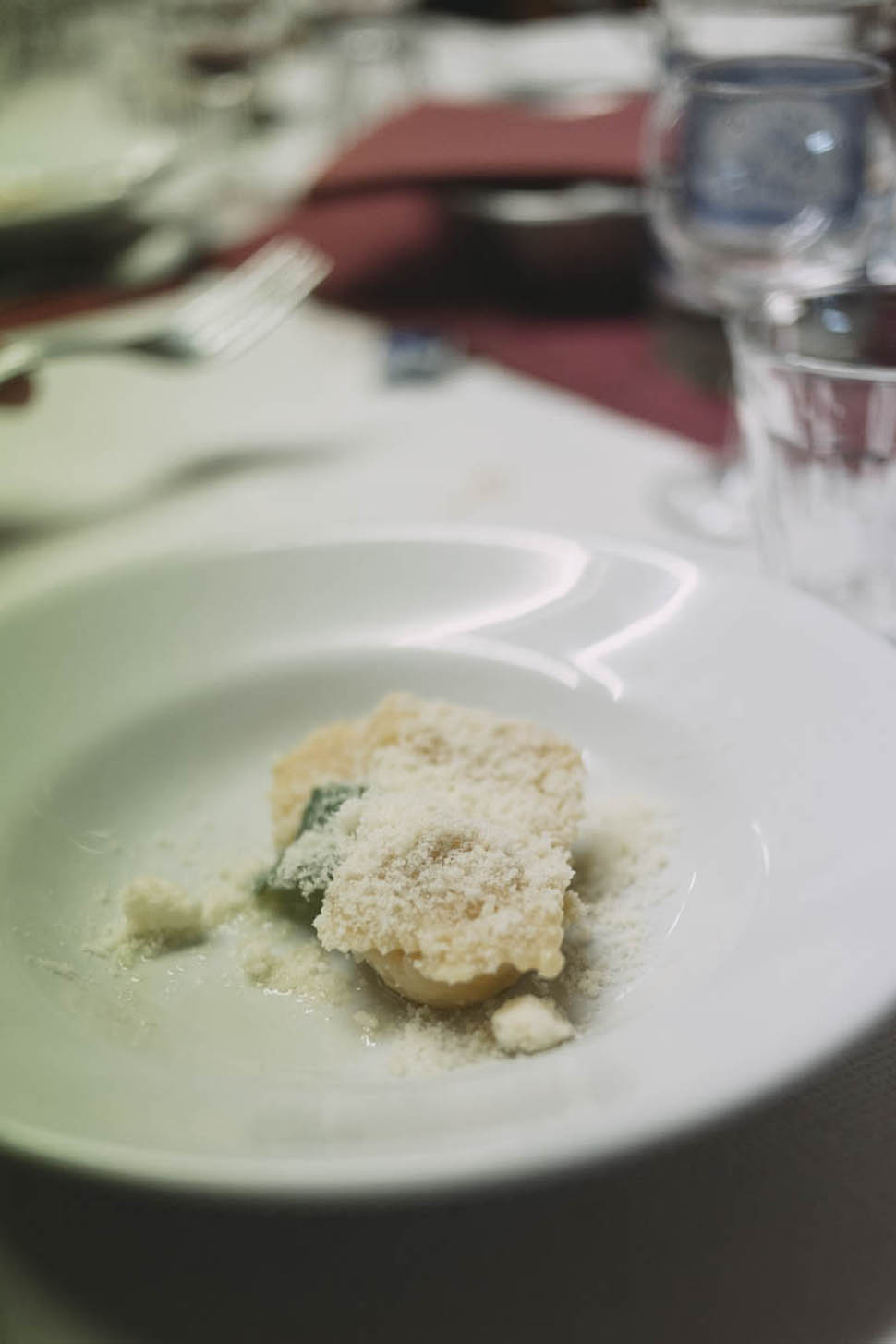
Among the first courses are ricotta tortelli with butter and sage, pappardelle with wild boar sauce, and acquacotta. Then there is the Casentino-style stuffed soup, which has a unique history and is probably made only here. It’s made with chicken livers, Swiss chard, and toasted bread, and in 1978 it won an award at the Florence Food and Wine Biennale. It’s a dish that reflects the region through its traditions: it contains specific ingredients—the ones that once had to suffice to put a hearty meal on the table, since the goal was simply to feed people. Almost fifty years after that victory, the soup is still around, and it’s certainly not a recipe that’s been “reimagined” or “updated”: it has stood the test of time without needing to be adapted to current tastes.
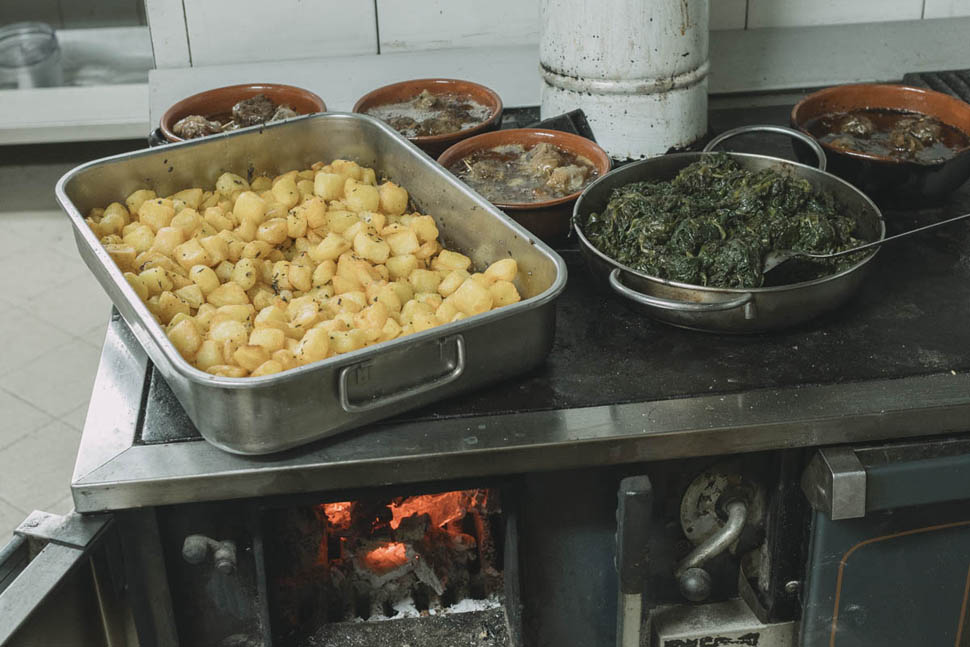
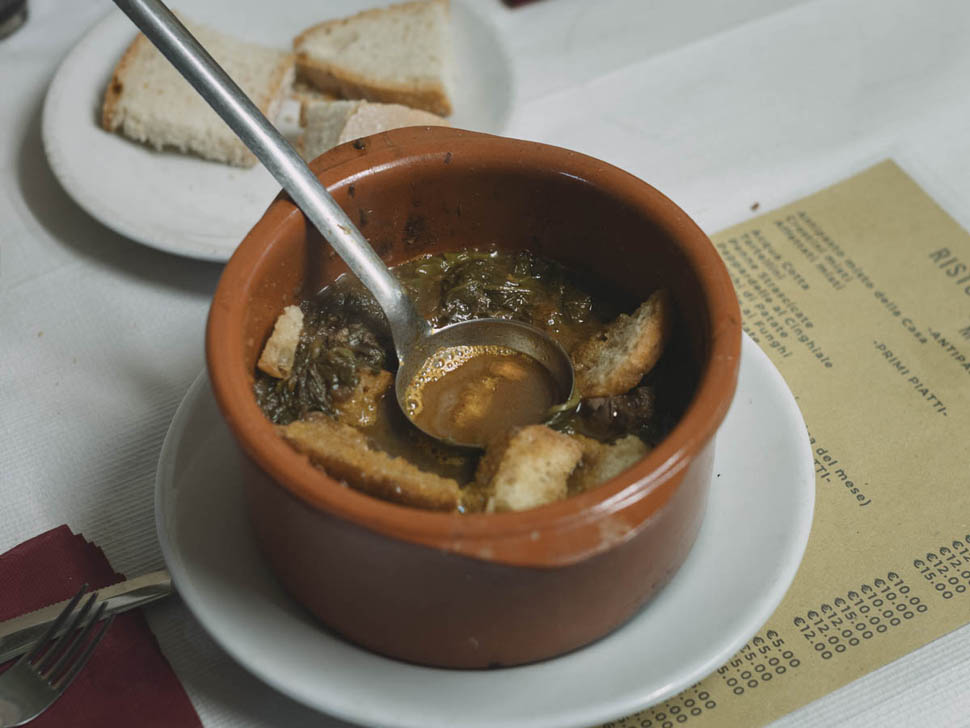
The mixed appetizer is served in generous portions. The cured meats make up the largest portion, and there’s no shortage of liver crostini: there’s a famous anecdote about how, when people asked Piera what was in the appetizer, her answer was “Whatever’s in the appetizer!”—that is, the classic Tuscan selection. The quadrucci in broth arrive in a terracotta soup tureen and are served from there onto the plates. Lamb and pork round out the meat offerings. The dessert selection is limited, as is always the case in trattorias: crème caramel as the final dessert is a throwback to the past; it seems to come from another era and doesn’t need any fancy plating. If you prefer, you can also choose panna cotta and the ever-present almond cantuccini, accompanied by Vin Santo.
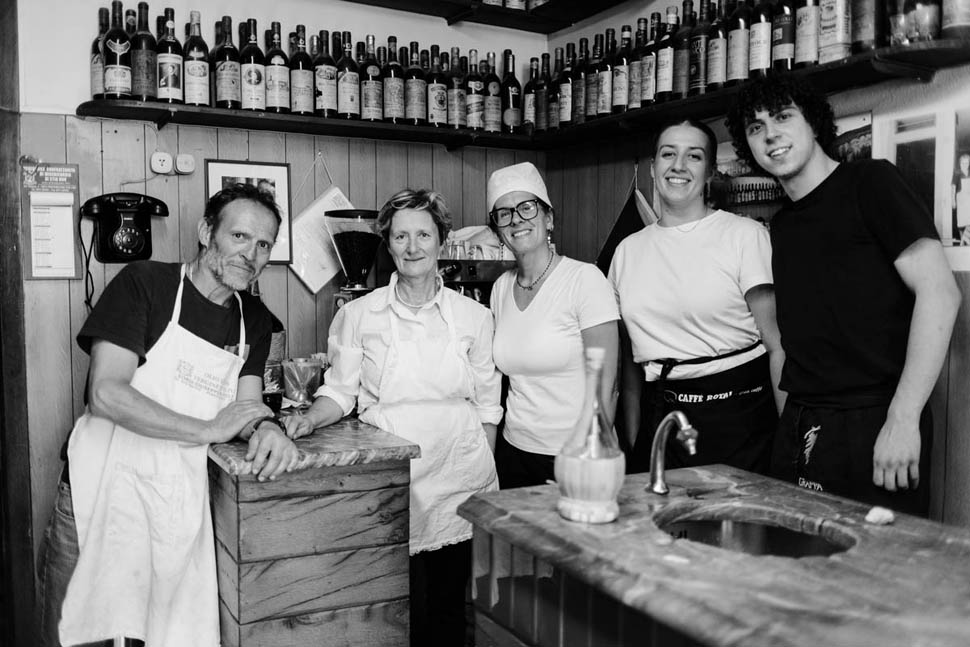
Wine, of course, is chosen in the same way. You ask, you listen, and today you can choose from a slightly wider selection. Forget about wine glasses—here, they still serve it in a “gotto.” It’s a way of doing things that might seem almost stubborn today, in a world where even the simplest trattoria risks becoming a place designed to be featured on social media. Filetto works precisely because it has never had to worry about how it should look, and its regulars love it for that very reason.
Contact
Trattoria Filetto in Stia
Piazza Bernardo Tanucci, 28, 52017 Stia AR
Phone: 0575 583631