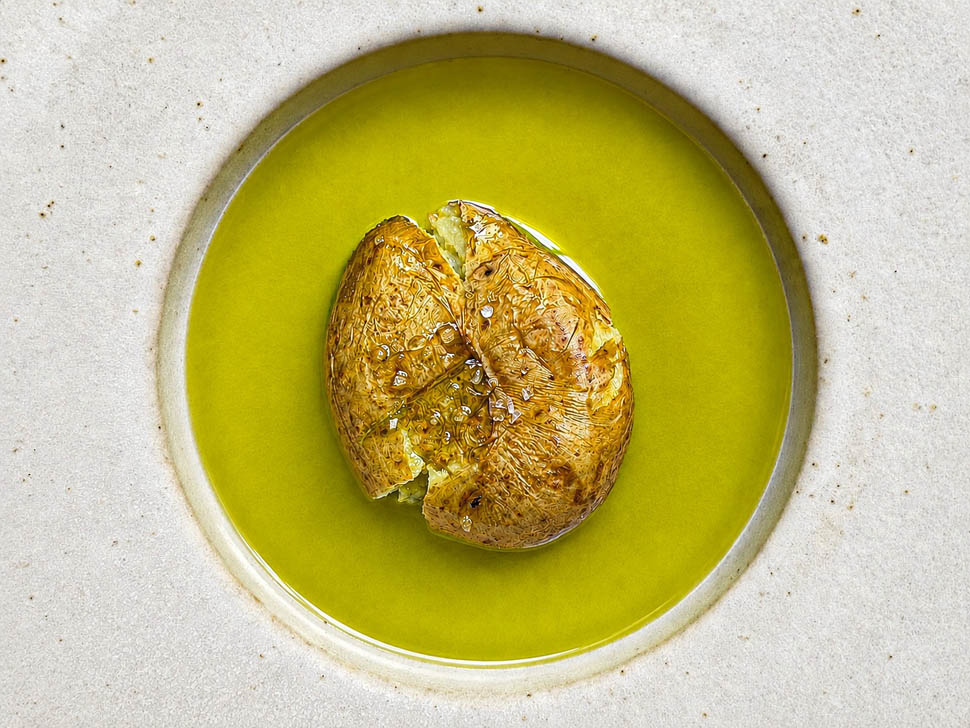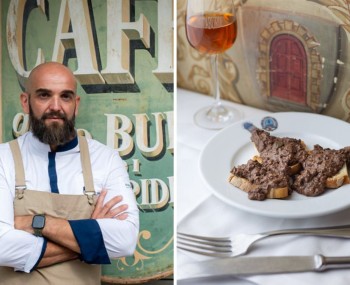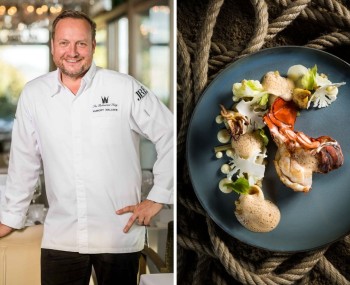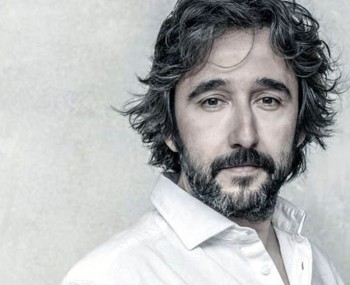
Pedro Sánchez, the chef at Bagá, takes on topics that many dare not touch: he criticizes guidebooks, critics, and all those who fail to remember that, “Ideas matter, but without humanity, this profession loses its meaning.”
The Opinion
Forty-five square meters were all it took to transform a quiet street in Jaén into a gastronomic pilgrimage destination. It was there that Pedro Sánchez built Bagá, one of the most influential restaurants in contemporary Spanish cuisine, without chasing trends, opening branches in other cities, or pursuing ever-larger projects. His latest accolade—the Premio Nacional de Gastronomía for Best Chef—confirms a career path that has remained surprisingly true to itself. He says the news took him by surprise. More than the prestige of the award, he is moved by the idea that his approach to the craft is also being recognized, as he stated to 7Canibales. “In Spain, there are so many chefs who deserved an award like this. I felt that it wasn’t just recognition for my work, but also for the values I try to bring to the kitchen every day.”
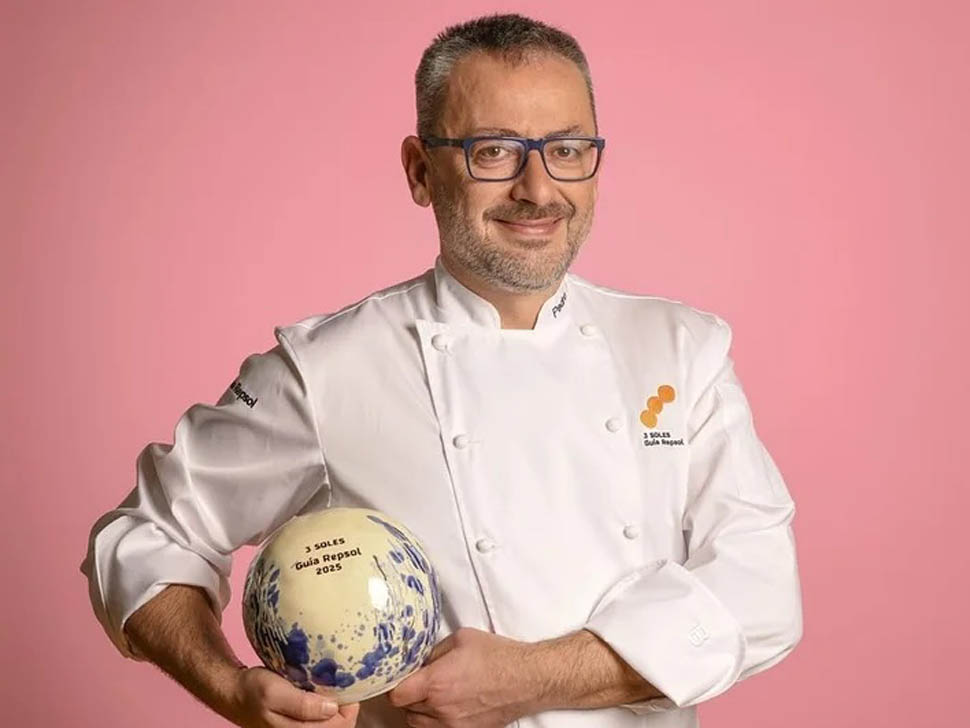
And it is precisely the word “values” that often comes up in his reflections. When asked what the real problem with gastronomy is today, Pedro Sánchez doesn’t talk about ingredients, costs, or techniques. “We’re living in a time when there’s a lack of ideas, but above all, a lack of kindness. And the two are much closer than they seem.” For the chef, intelligence and kindness go hand in hand. An intelligent person, he argues, is unlikely to lose sight of respect for others. The same is true for a restaurant. “People always say that olive oil is the signature ingredient of the Mediterranean diet. I believe that the ingredient of any gastronomic culture is people.” A statement that sums up his philosophy of cooking better than any technical definition.
No Race to See Who’s the Best
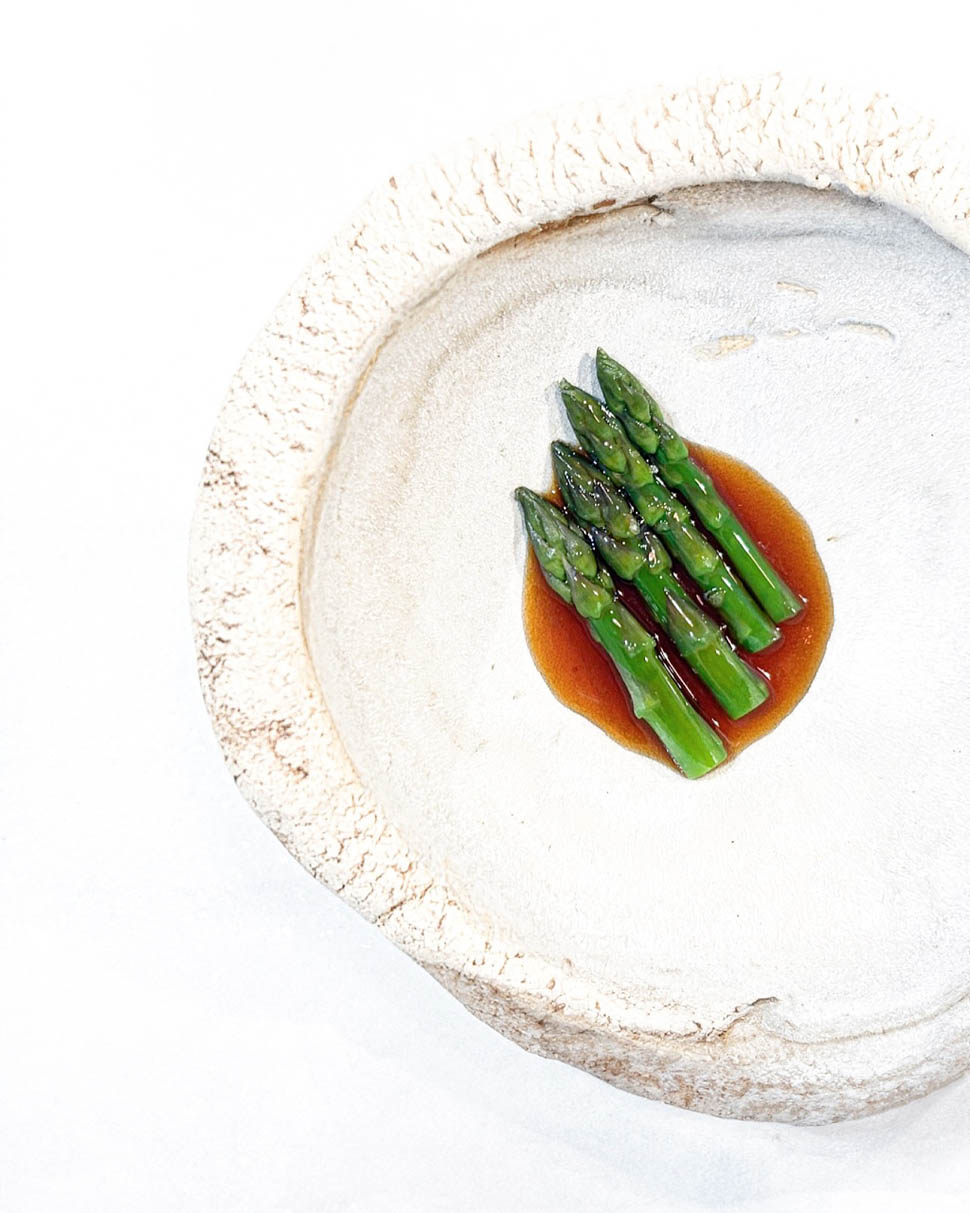
Pedro Sánchez belongs to that generation of chefs who grew up as gastronomy became increasingly global. Today, all it takes is a smartphone to see what’s happening in the kitchens of Copenhagen, Tokyo, or Bilbao, but in his view, this constant comparison risks producing a side effect. “We spend a lot of time watching what others are doing and much less time understanding who we really are.” That’s why he doesn’t view cooking as a competition. Stars, rankings, and awards are nice, but they don’t necessarily reflect a chef’s true worth.“I know extraordinary professionals who don’t appear in any guide. This profession isn’t the Tour de France. Everyone finds their own voice. I never judge others’ cooking based on awards.” The same goes for the local area. Staying in Jaén, despite the offers he’s received over the years, was a natural choice. “Everyone shapes their own landscape in their own way. Mine is here.”
Success shouldn’t overshadow the human side
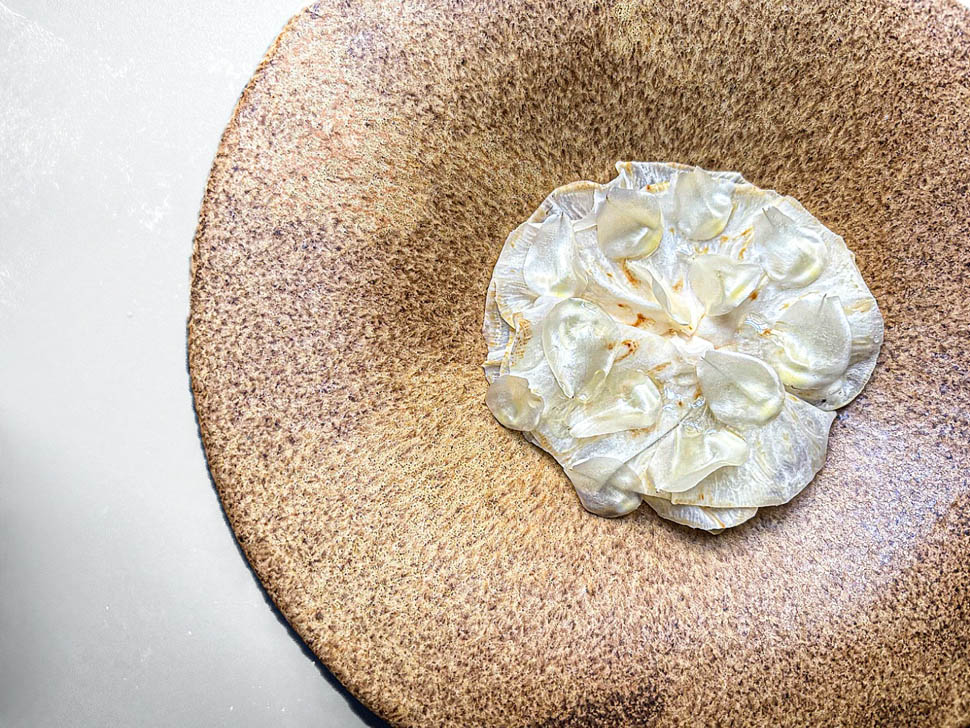
Among the issues closest to his heart is the way restaurants are changing. Financial statements, profit margins, labor costs, and economic sustainability have become central to the restaurant industry’s discourse. According to Sánchez, this is an inevitable transformation—as long as it doesn’t make us lose sight of what makes this work special. This refers above all to the relationship with the people who work in the dining room and in the kitchen, but also with the customers. “There are those who travel hundreds of kilometers just to sit at your table. They deserve to be welcomed with the same care with which you prepare a dish.” Perhaps this is precisely the lesson Pedro Sánchez hopes to leave behind. Not that of a chef who has reached the pinnacle of international gastronomy, but that of a professional who has chosen not to pursue greatness at all costs. Bagá continues to occupy just 45 square meters. For Pedro Sánchez, clearly, space has never been the measure of ideas.