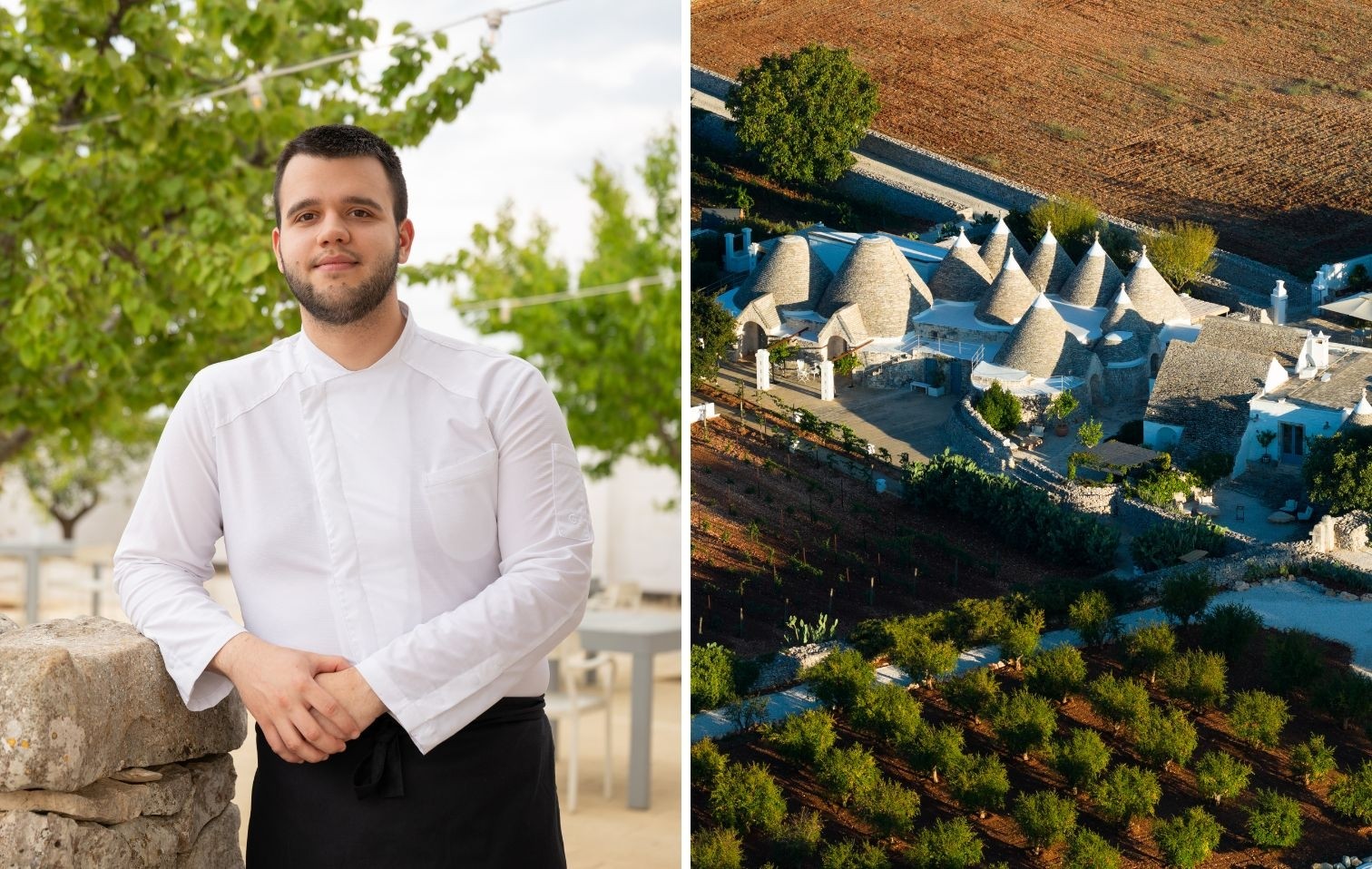
At Nina Trulli, hospitality follows the quiet rhythm of an all-day siesta: here, the staff’s storytelling brings to life a culture that is as precious as it is essential, from the anecdotes of the old farm managers to the secrets of preparing a “Cialledda.” At the center is a “double table” where a young chef revives forgotten traditions, challenging the “easy bite” with bold flavors.
Photo credits: Gaia Menchicchi and Giulia di Michele
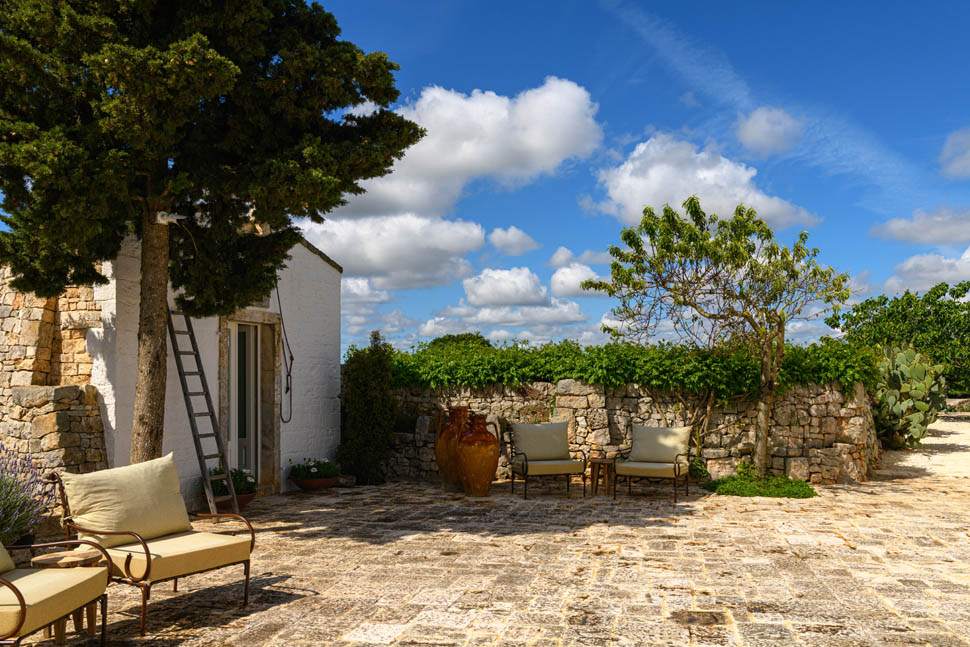
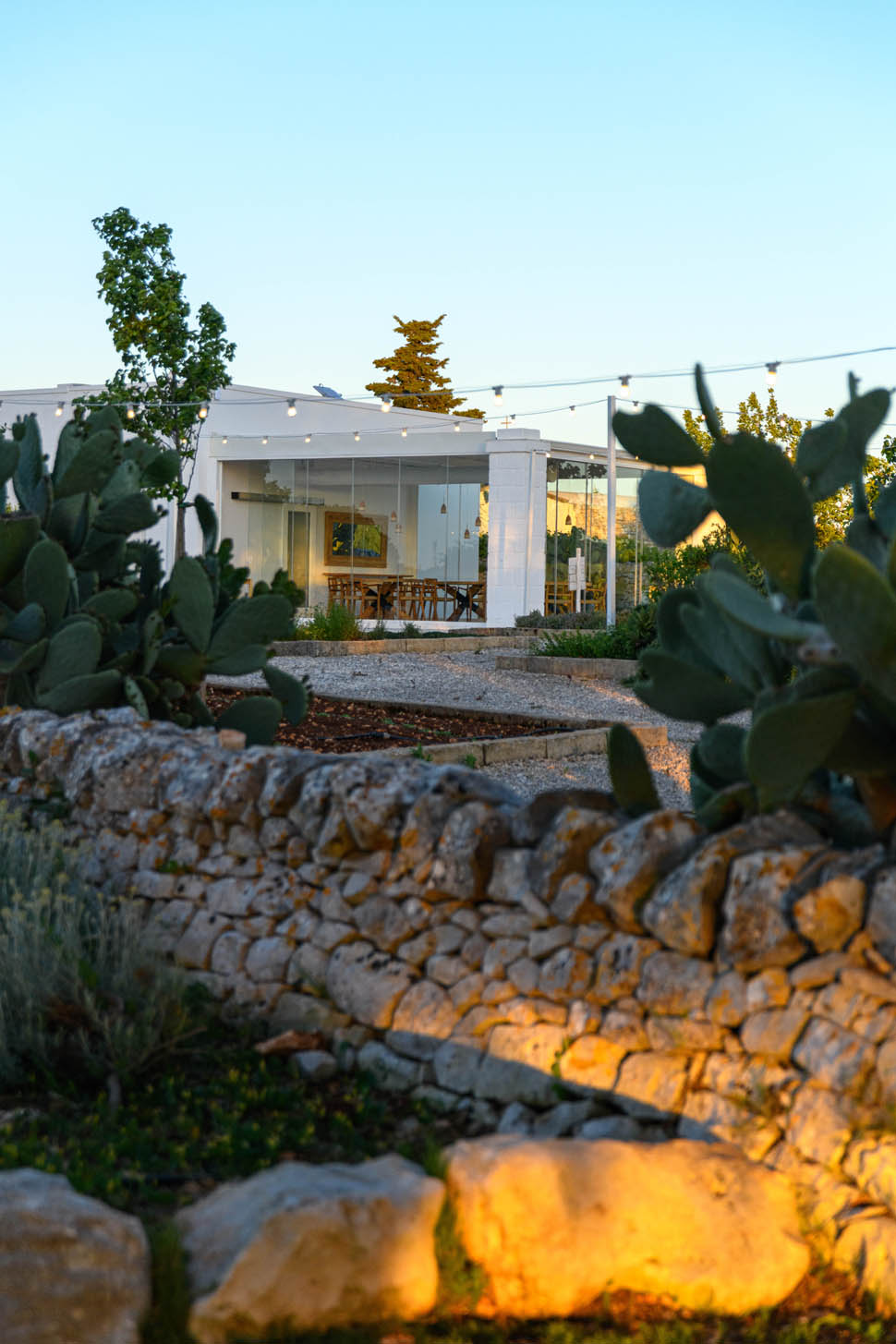
The “brochure-perfect” Puglia is the easiest to capture in photos and the hardest to experience: the crowds in Polignano’s narrow streets, the rush between beaches and festivals, and the predictable scene of the XL panzerotto now dominate the common perception of international travelers. But the real Puglia—mark my words—is something else entirely, and the inland region preserves pockets of unspoiled tranquility for those who prefer to savor memories rather than simply accumulate them. And so, in the vicinity of Monopoli, you might stumble upon a “gathering” of pointed roofs known as “Contrada Tortorella”: here, the ancient Masseria San Francesco, dating back to 1730, keeps the promise of a place where memory isn’t turned into a museum piece, but rather is allowed to breathe thanks to the humanity of those who live on (and protect) the land around it.
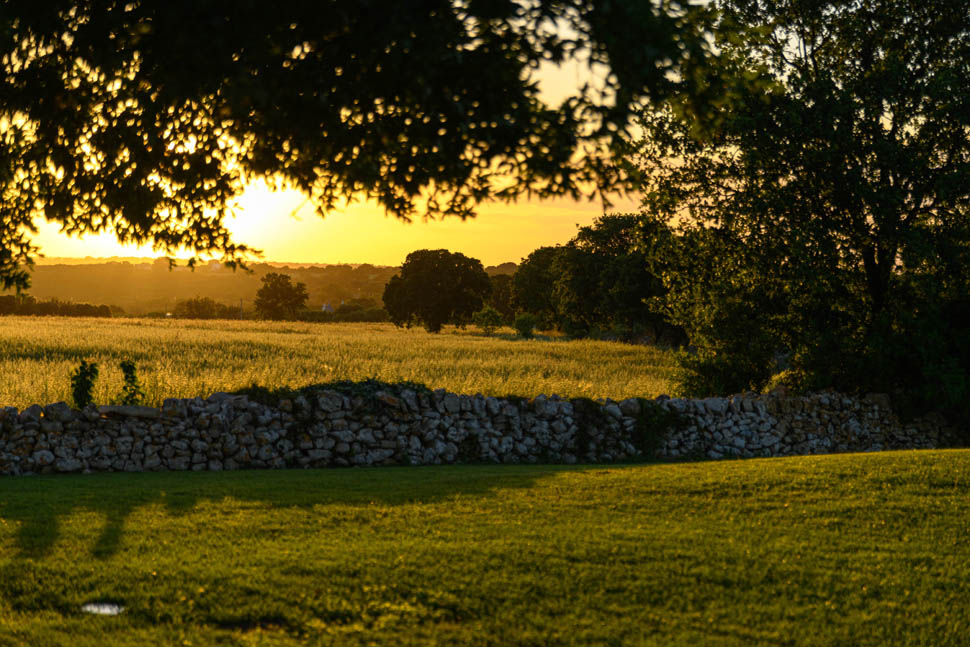
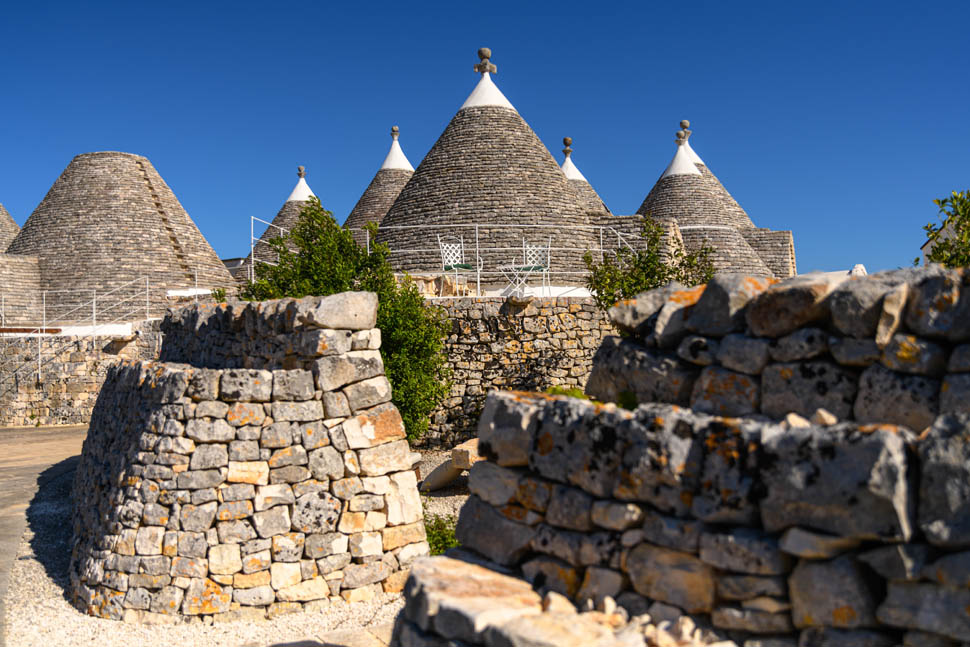
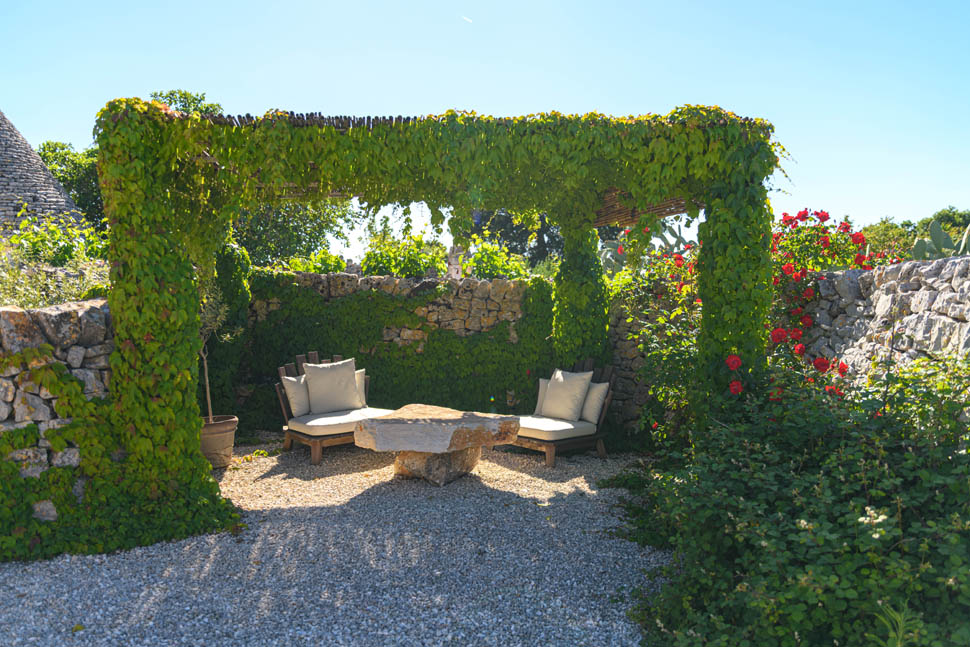
Right along the artisanal perimeter of the dry-stone walls, a veil of discreet hospitality has settled over the countryside over time: as soon as you enter the Nina Trulli Resort, you sense it through an auditory cue that transcends the roughness of the original stones. It goes even beyond the visual experience, because the first things to catch the attention of new arrivals are the sounds of crickets and the musical dance of the plants.
The resort: sleeping in a trullo, surrounded by culture and nature
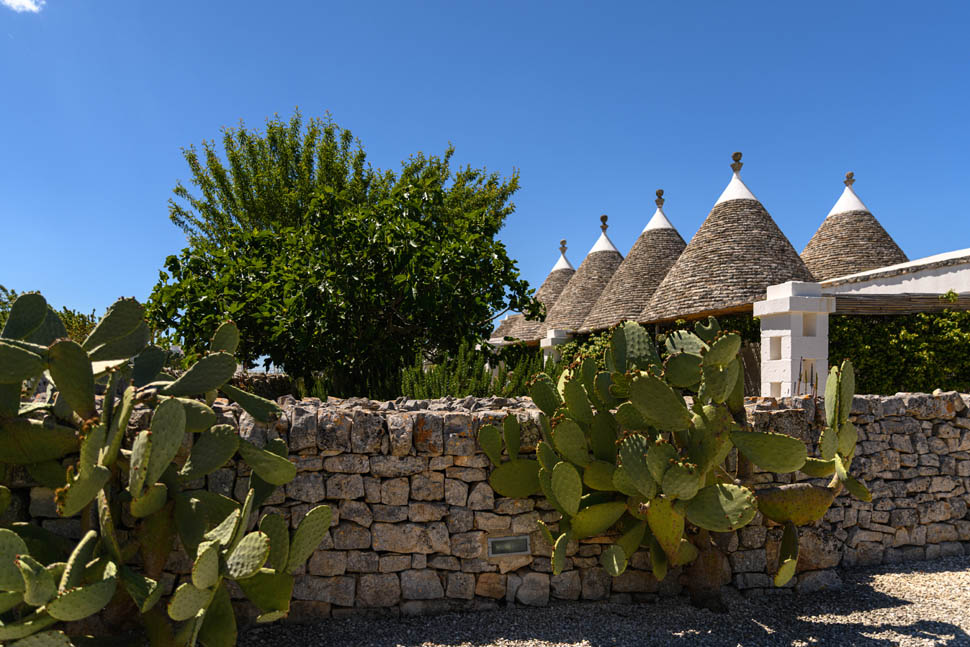
Leading this journey off the beaten tourist path is the eco-friendly philosophy of Rosalinda Paparella, an entrepreneur with a refined eye for interior design, and engineer Vito Leonardo Chiechi, who specializes in architectural digitization. Together, they chose not to disrupt the traditional character of Apulian estates, making only minimal adjustments to the historic proportions of the farmhouse. Imagine, then, being able to stay in a trullo with centuries-old vaults all to yourself: the charm factor increases when you consider that these seven former animal stables have been transformed into small private residences, while still maintaining an active connection to the folklore of the past.
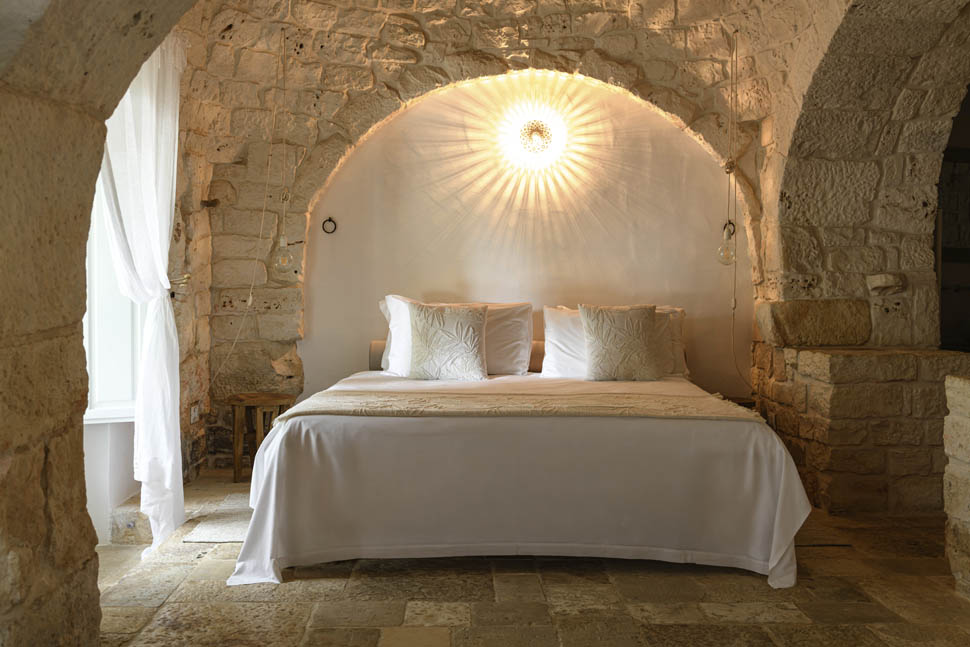
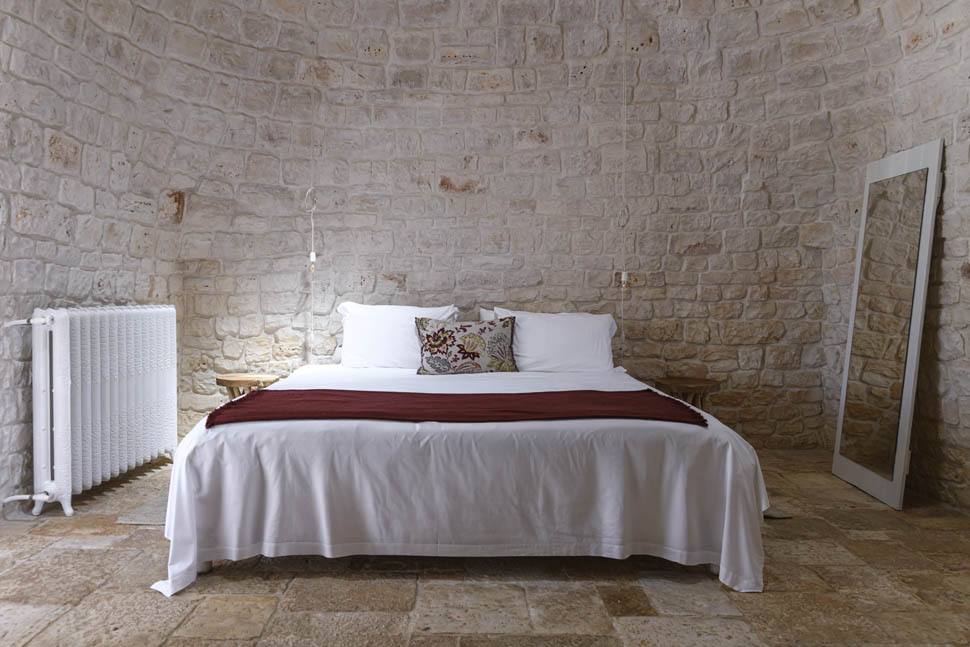
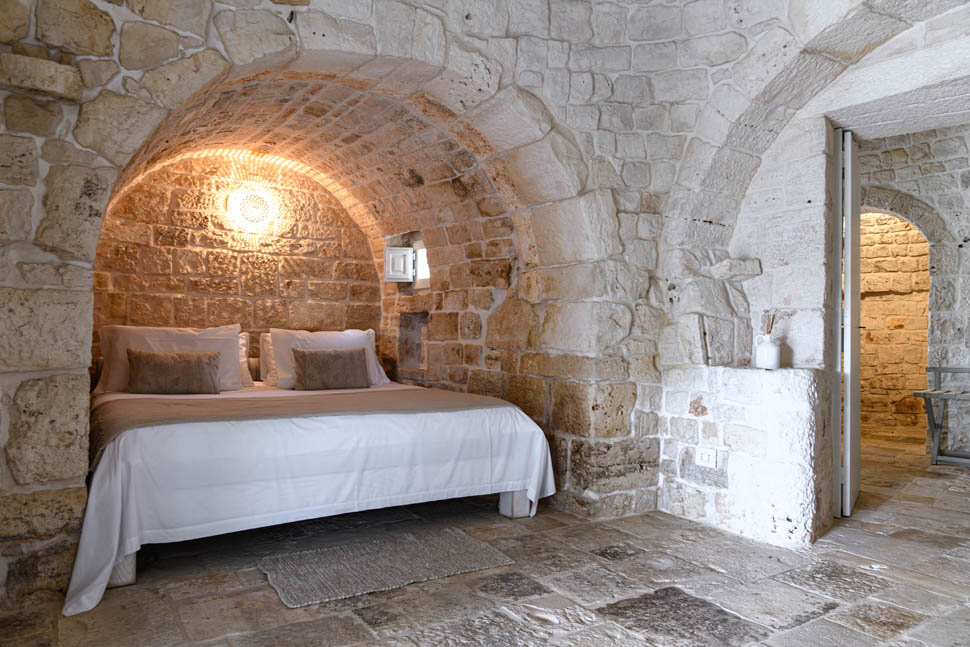
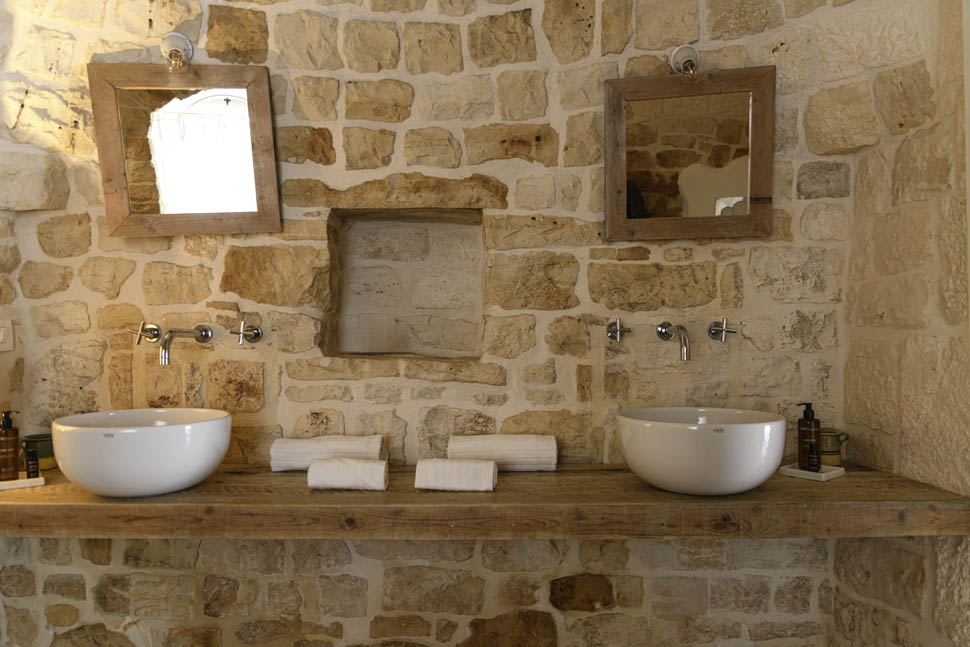
But forget the predictable script of the usual idyllic vacation: once you’ve put down your bags, you’ll discover that the summer heat gives way to the pleasant coolness of the stone cones (for this writer, there was no need to turn on the air conditioning, even though it’s right there next to the door). Any other messages in a bottle? In the minibar, instead of generic, mass-produced cans, you’ll find glass containers with snap-on lids, very similar to classic household water jugs.
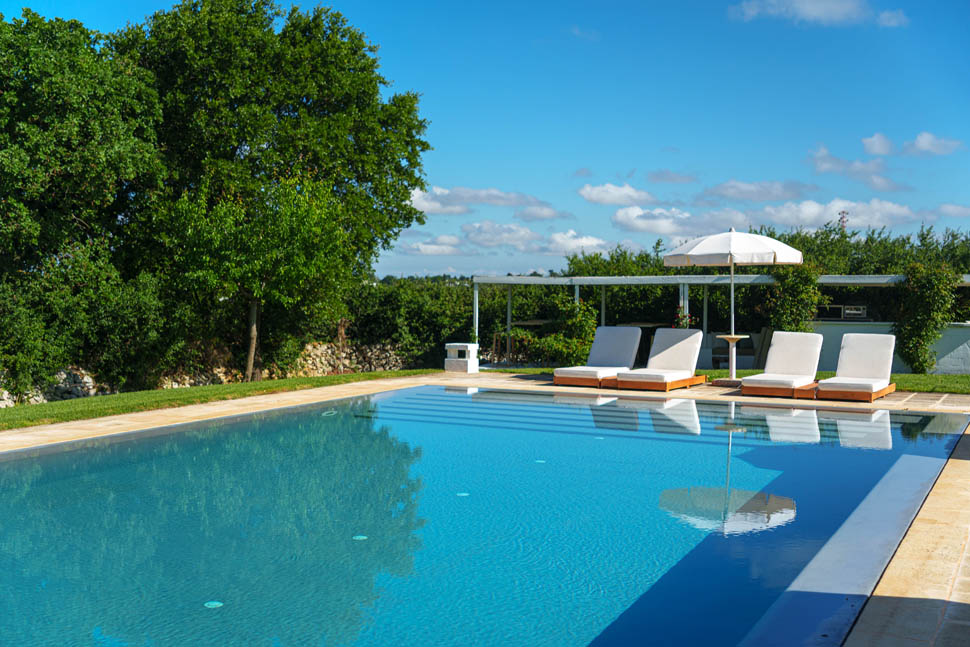
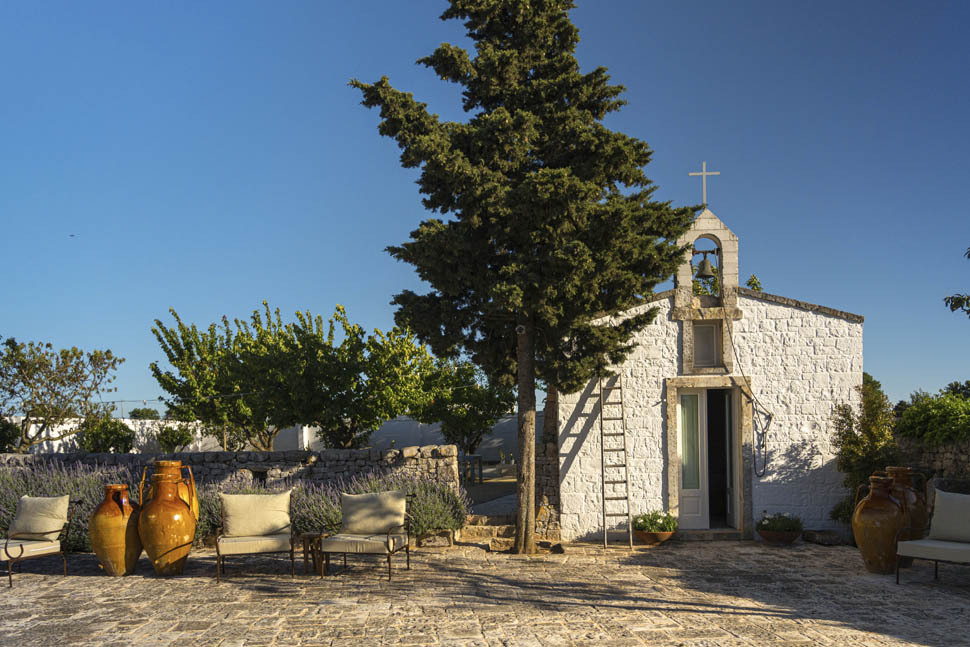
Otherwise, the hospitality extends at the leisurely pace of an all-day siesta. You can relax by the pool—a low-impact pool discreetly integrated into the landscape to respect the terrain—while the staff shares local anecdotes, from the sayings of the elderly farm managers to the secret meaning of the symbols on the tops of the trulli; you can break up the midday with a pool lunch featuring a taste of “Cialledda,” a sort of panzanella made with stale bread and dressed with tomatoes, cucumbers, onion, and a drizzle of good olive oil; or, if you prefer, you can reflect on the present moment in the charming little whitewashed church located next to the breakfast garden.
“This small chapel for personal use allowed the farm’s residents to continue praying while carrying out their strenuous daily chores without having to travel kilometers away,” explains a young woman on the staff. “Nearby, in fact, were the farmyard, the livestock sheds, and the kitchen—places where daily work took place to earn a living through the sale of meat, preserves, and vegetables.” In stark contrast to that harsh world, the same spaces now exude a relaxed energy, thanks in part to a work schedule that takes the young people’s rest into account.
This is demonstrated by the stories shared by the staff—from the moment you wake up until after dinner—who bring to life a culture that is as precious as it is essential. It will be demonstrated by a kitchen where a young chef has chosen to revive forgotten traditions, even when that means challenging the “easy bite” with bold flavors (we’ll tell you more about that in a few lines).
The morning is golden: that of a pasticciotto filled with real cream, a far cry from buffet items
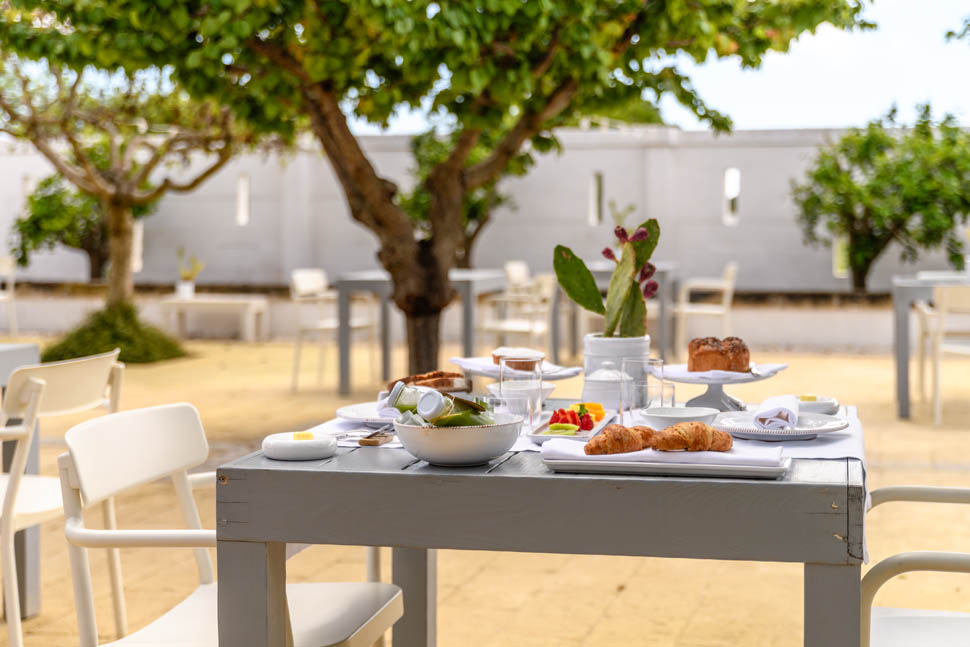
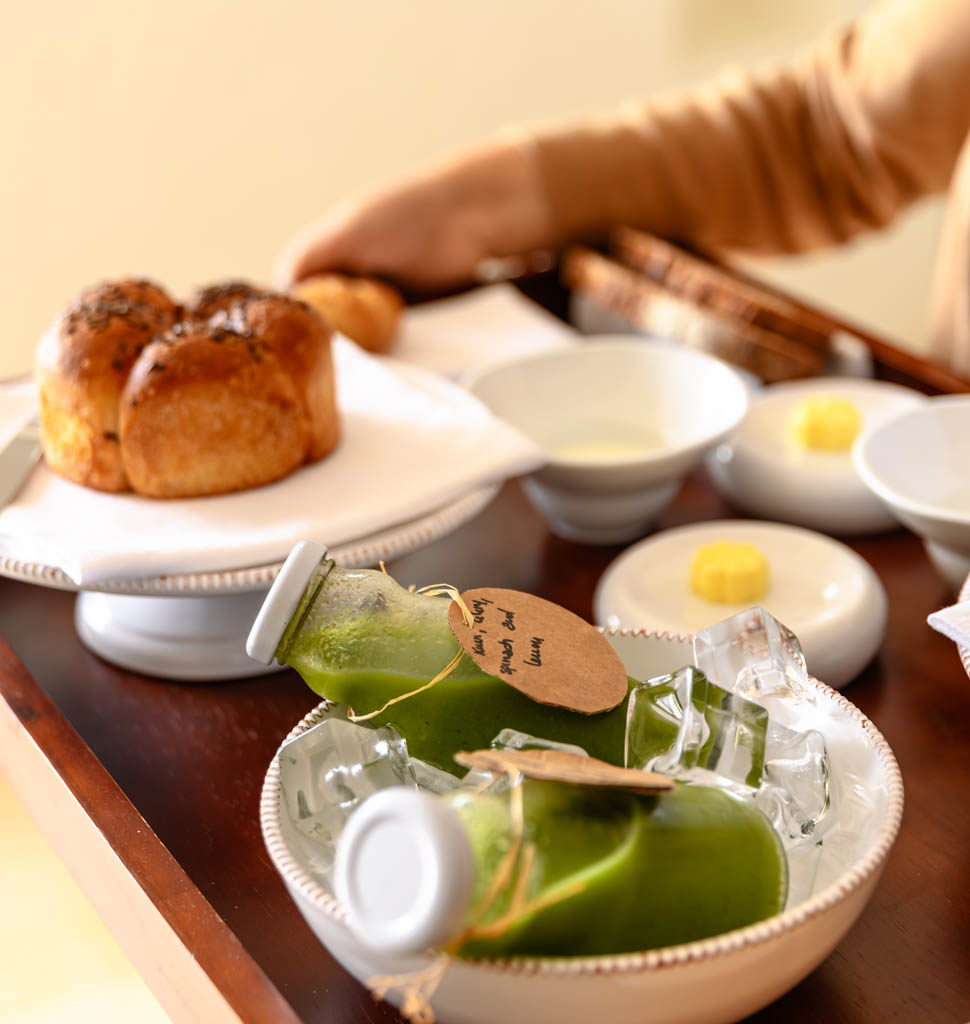
At Nina Trulli, this commitment to local ingredients is reflected in the breakfast: instead of a buffet, a selection of sweet and savory dishes is served directly at the table, with the offerings changing each time depending on the ingredients available at the moment. No industrial single-serving portions here—the yogurt comes in small ceramic bowls, the butter is sourced from nearby dairies, and brioche bread is served alongside the Leccese pasticciotto with its (unmissable) two-part filling of cream and black cherry. To awaken your taste buds, an freshly squeezed fruit and vegetable juice to drink just before spreading honey on the whole-grain bread, which the kitchen team has let rise slowly.
Finally, for egg lovers, there’s always the omelet stuffed with caciocavallo cheese and Santoro cooked ham. With your energy recharged, the cooler morning hours call for a brief tour through the natural rows of the vegetable garden (spoiler: at dinner, you’ll see the kitchen staff pop out every now and then to pick the herbs used to finish the dishes!). “The well on the property makes it easy to irrigate the various crops,” notes the team as they pass among the early harvests; the result is a collection of dozens of species to tend, all while preserving biodiversity. On either side, a grove of olive trees and a century-old oak—mirrored by the pool—outline the resort’s contours, carving out pockets of shade.
La Farm: A Contemporary Menu Inspired by Rural Traditions
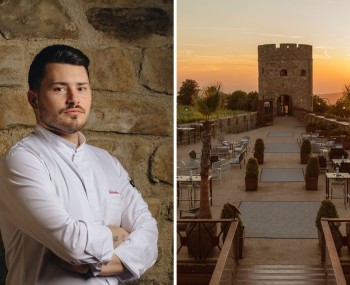
Shaping Nina Trulli’s gourmet journey is the expertise of Cinzia Mancini (formerly the founder of Bottega Culinaria, ed.), who is poised to carve out a distinct identity within the region’s culinary landscape. However, the task of refining the dishes at the stove falls to the very young executive chef Fabrizio Tucci, who divides his time between the kitchen at La Farm and the fine-dining restaurant Orto.
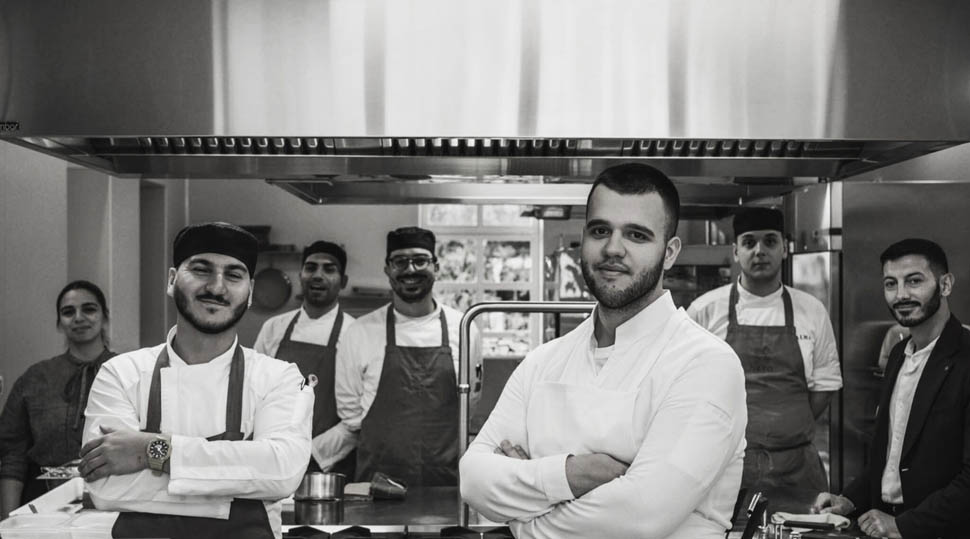
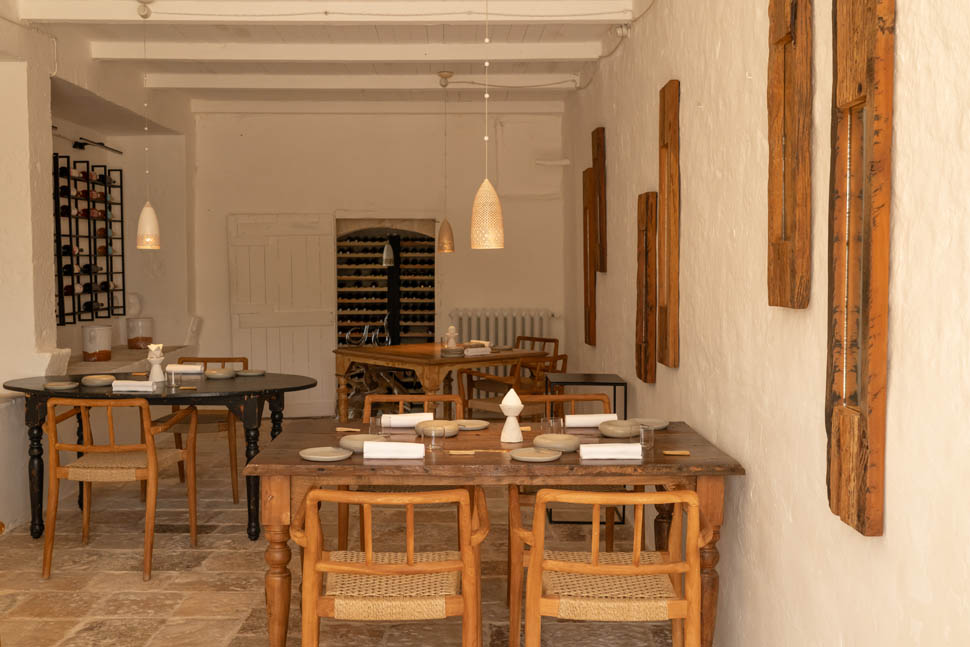
Speaking of ethics, at La Farm itself, you can opt for an entire tasting menu where “farm scraps” are transformed into no-waste dishes, featuring interesting touches both technically and creatively. Meanwhile, the wine cellar—housed in the vaults of a trullo—showcases small local winemakers, offering intriguing glimpses into the rest of Italy and beyond the Alps. There’s no shortage of non-alcoholic options, thanks to the pairing based on infusions, botanical extracts, and repurposed ingredients that sommelier Andrea Bianchino suggests alongside the usual by-the-glass selections. In our case, our curiosity was piqued by the extensive à la carte menu—in addition to the tasting menu—which is further divided into land, sea, and vegetable-based dishes.
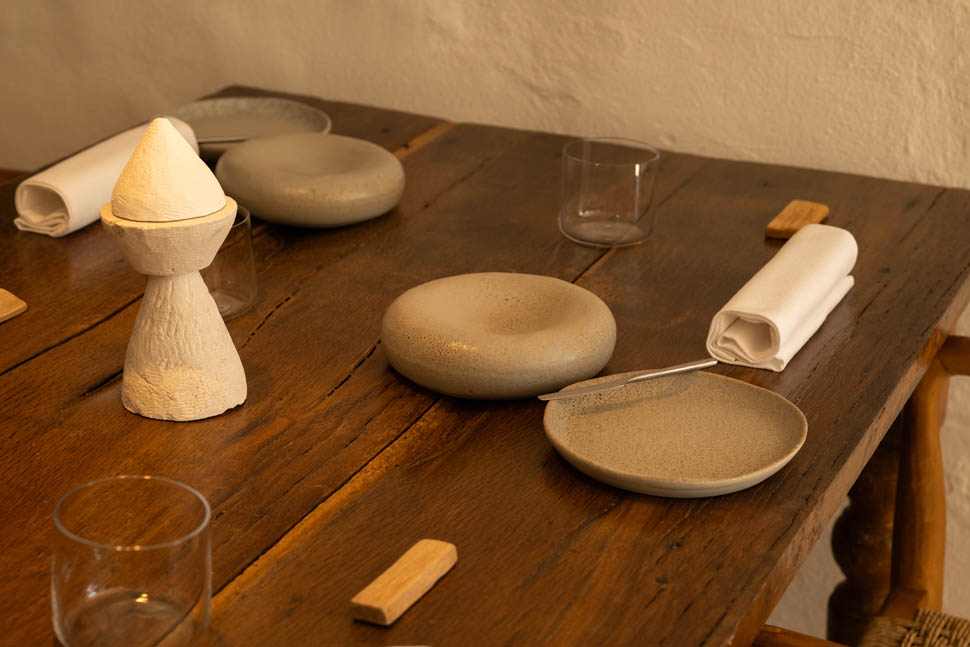
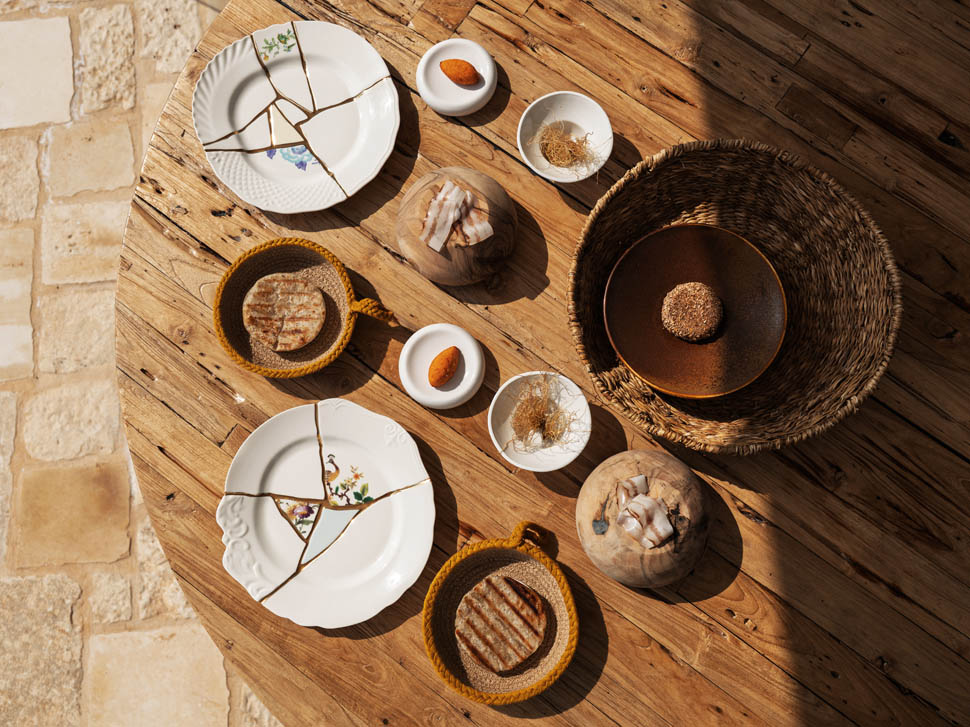
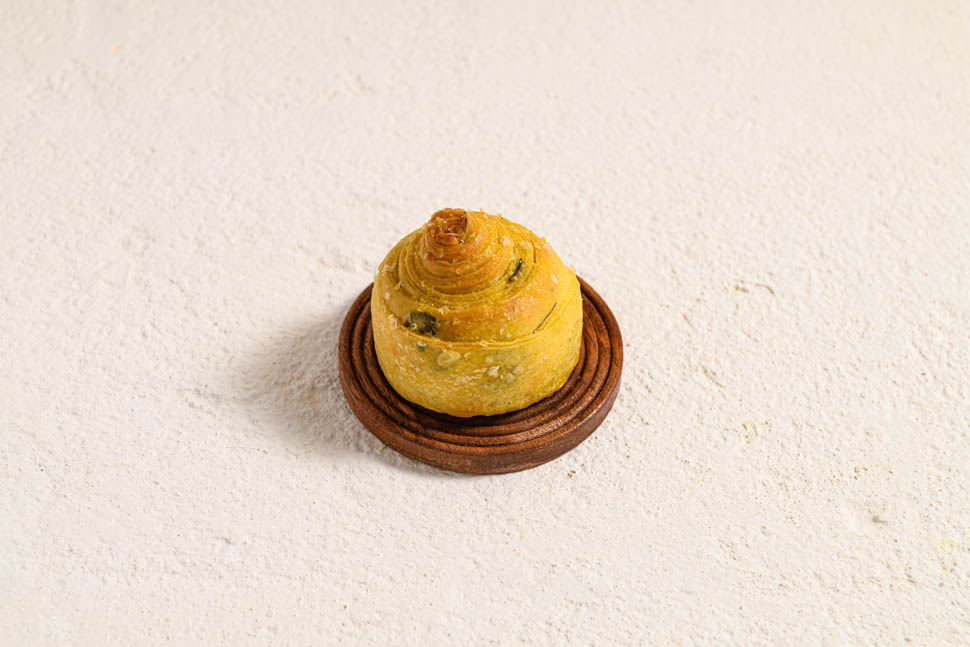
The first impression comes right from the bread basket of baker Angelo Borrelli, where the dough—made with semolina from a historic mill in Castellana Grotte—exudes the essence of agricultural research into local grains. This is complemented by the fragrance of whole-wheat taralli and the soft texture of the focaccia made with tomato flour and Rossetto flour. All that’s left is to let the lard flavored with herbs from the garden melt onto the still-warm bread, watching it gradually blend into a light yet distinctive seasoning. Finally, the Coratina olive oil from Pezze Galere, which tickles the throat with bold hints of artichoke and fresh herbs.
The sequence of appetizers brings the rituals of peasant dining into the present, with a clear focus on Bari’s “cult” of “Sobre Mesa.” It begins with the caramelized richness of the frittata with sautéed spring onions and continues with the salty zing of the tuna in oil, firm and meaty, balanced by honey mayonnaise. Next, the zucchini, served with its little flower, comes to life in a salsa verde and parsley oil, while the Querceta pancetta melts on the palate, paving the way for the fried artichoke seared over charcoal: this is the most successful green solo, thanks to the smoky notes echoed in the accompanying barbecue mayonnaise. On the side, a flaky lard bread baked over hot coals, as delicate to the eye as it is bold on the palate.
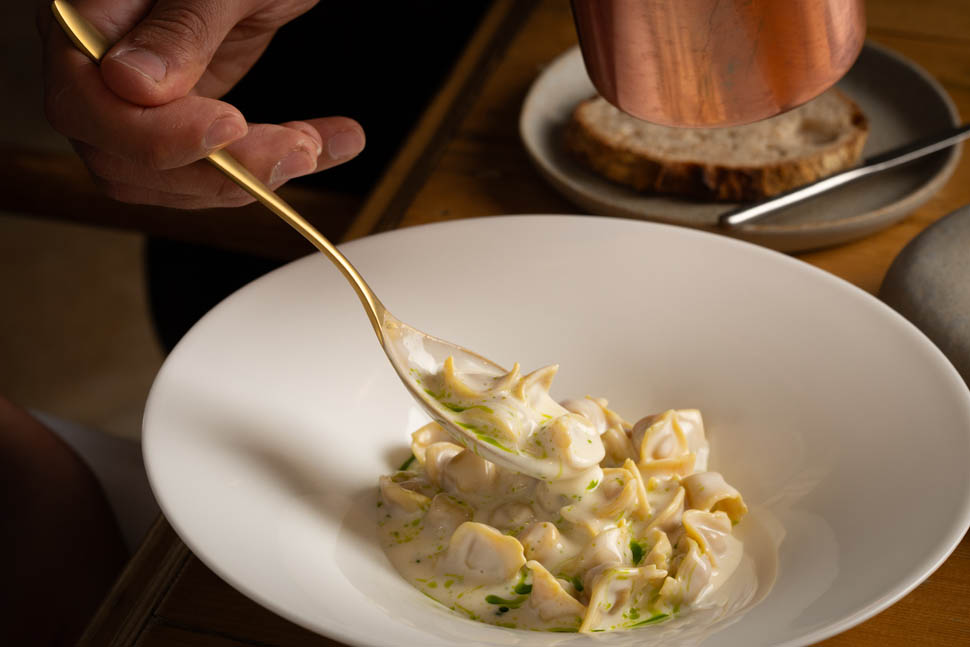
In the first courses, the chef demonstrates a sure hand even when working with ingredients that are objectively complex to handle. The “tortellini della transumanza,” in particular, lend a new flavor to the age-old connection between Abruzzo and Puglia: the pasta wrapper encloses the spicy zing of ventricina, tempered, however, by a caciocavallo fondue and washed away at the end of each bite by fennel-infused oil. In the same vein, in the potato gnocchi with shellfish bisque, the umami peak is tempered by a fragrant basil oil.
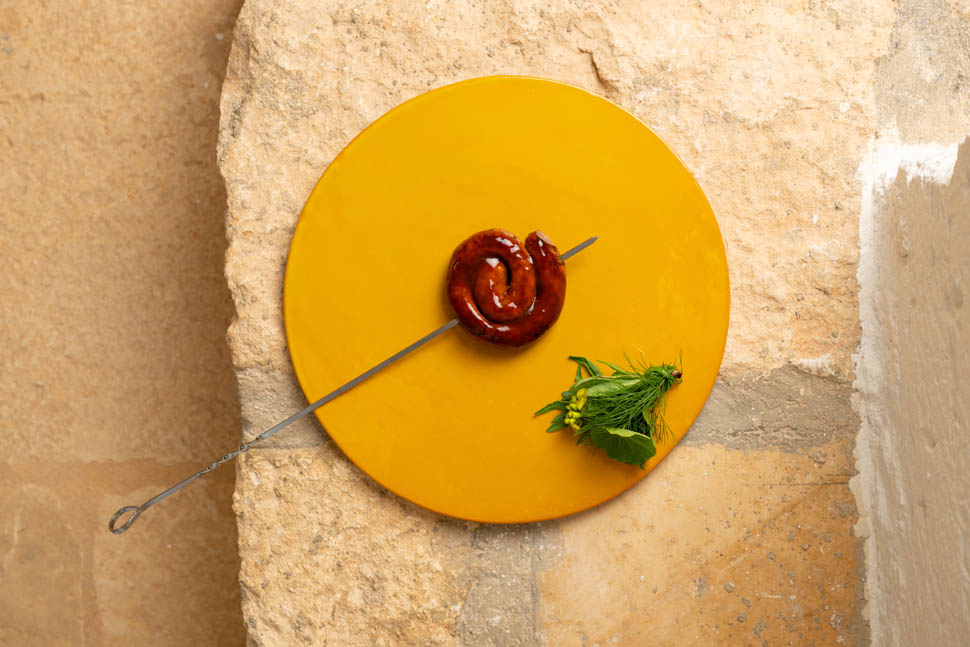
Have you ever tasted a grilled octopus sausage? In this second highlight, the octopus takes a triple leap in the kitchen: after being immersed in the traditional pot with its own juices, it’s stuffed into casings and then grilled. The result is an unexpected texture, similar to that of meat, but with the pure flavors of the deep sea enhanced by the cooking broth. For the side dish, a tortilla made from heirloom corn varieties (Pignoletto Rosso, Morado, and Ottofile) to be folded into tacos: street food elevated to a full course.
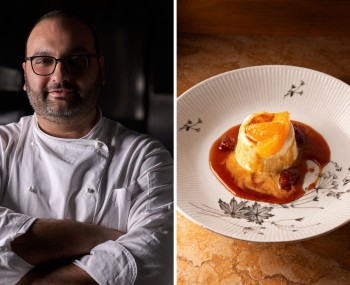
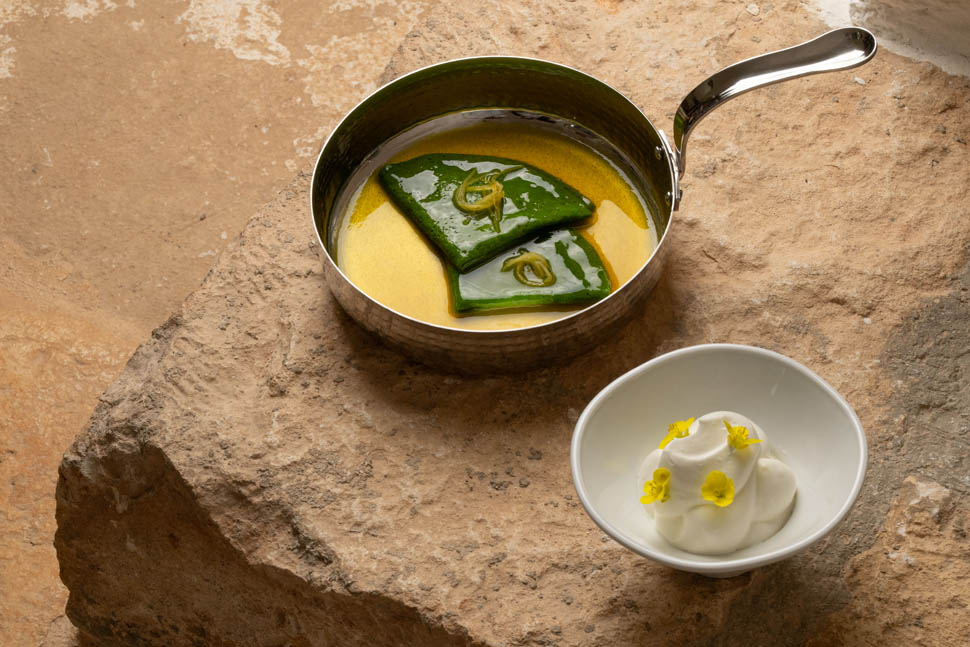
The Goodnight Kiss is a Crêpe in which Swiss chard extract balances the richness of the beurre suzette, while still providing a contrast to the orange compote and lemon zest. It’s served with lightly whipped cream infused with elderflower, which seals the memory of the dinner, as we look forward to discovering Orto the following evening.
Orto: Fine Dining
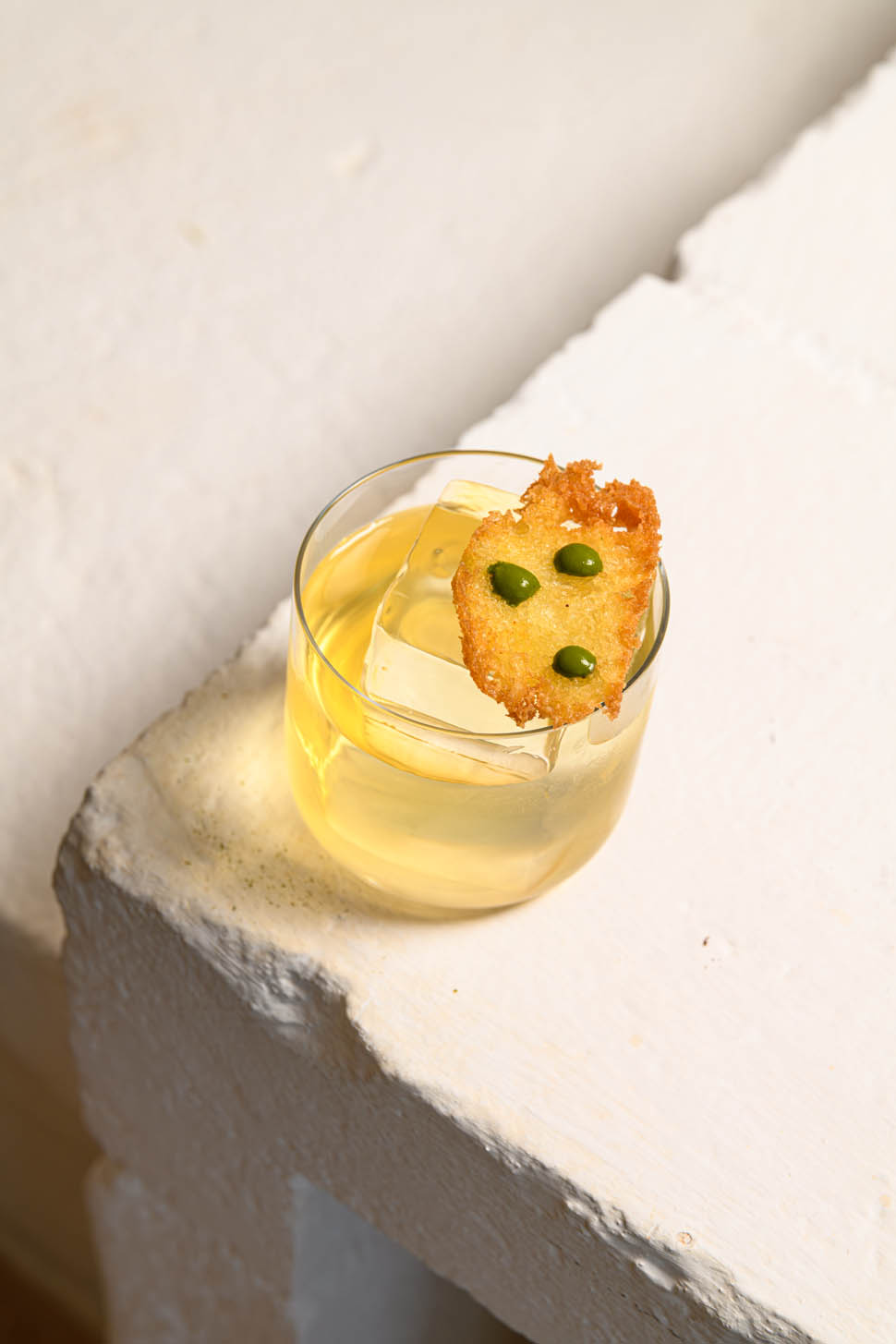
With just one tasting menu and only twelve seats, Orto takes on the challenge of crafting a thoughtful interpretation of the ecosystem, prioritizing detail over scale. Here, each ingredient is explored for its untapped potential: the tomato takes on shifting textures—from gelatin to foam, all the way to powdered skins—Swiss chard undergoes radical oxidation, and even prickly pear pads inspire a house-made distillate with the lingering finish of mescal, crafted by the skilled sommelier Vittorio Gianfrate.
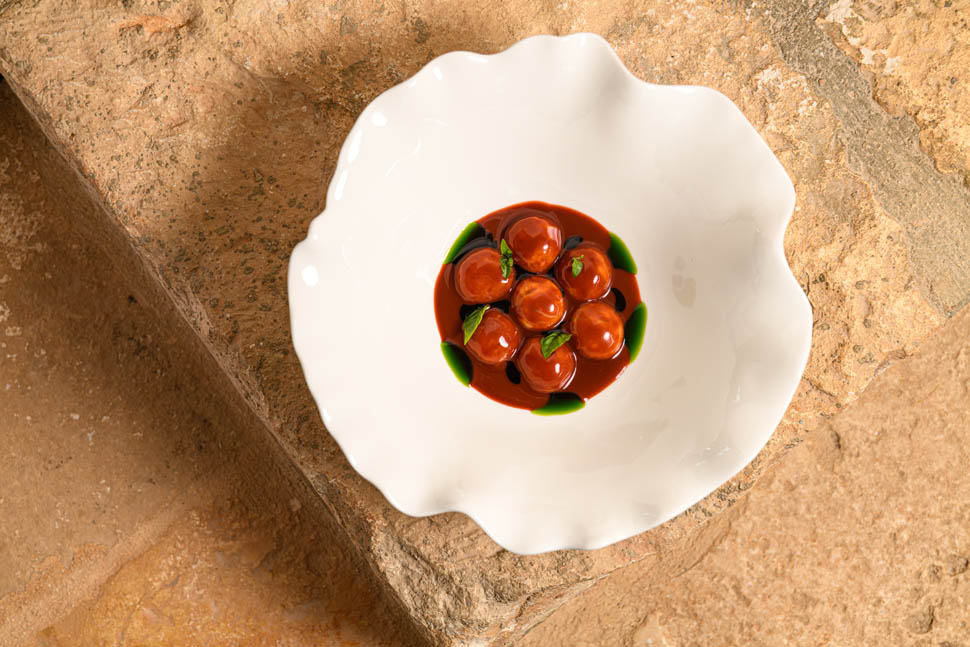
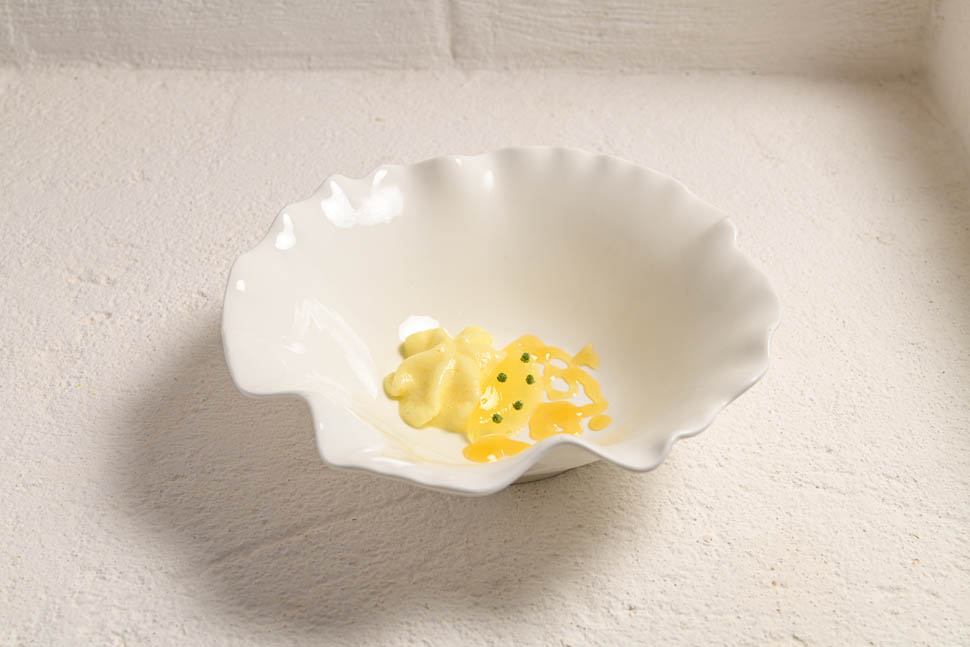
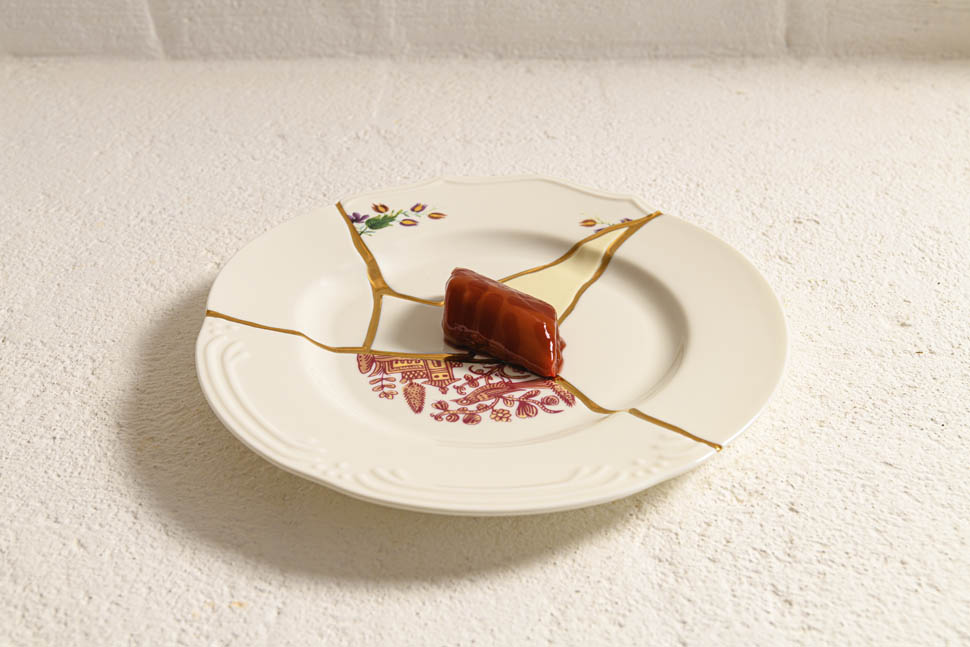
Evolution takes time, and we’re confident that the format will reach its full culinary maturity in a few years (while also giving more space to leavened goods, side dishes, and pastries—all key elements of a tasting menu). There are, however, ambitious initiatives that already deserve special attention. First and foremost, let’s talk about Solanacee, where various native tomato varieties—from the Giallo Rosso di Crispiano to the Giallo da Serbo, and on to the Ciliegino and Vernilo—undergo structural transformations that go beyond flavor: on the palate, the richness of the tomato caramel gives way to gelatin, which then flows into the lightness of a mousse that melts on the cheeks. Furthermore, the savory caper resets the taste buds with its balsamic burst.
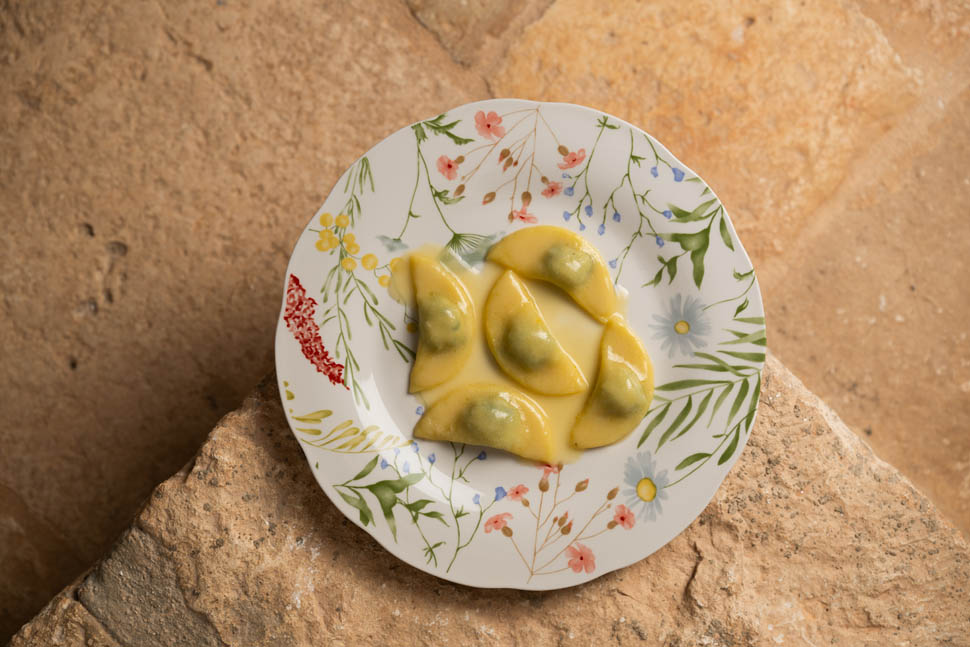
This crossover between gnocco and ravioli is exceptionally elegant, with a potato dough so light and airy it resembles pasta. The filling of Swiss chard and potatoes sautéed in a pan lends a three-dimensional quality to the bounty of the garden; the beurre blanc sauce with lemon and white wine cleanses the palate while leaving behind a sensation of pure delight.
Finally, the stuffed bell pepper is a surprise—a vegetable that reveals a filling of pork and veal braised until the meat is tender down to the very fibers: a delightful interplay between the texture of the pepper and the animal protein, as the pepper holds its own perfectly against the latter.
Returning to the trullo at night will be yet another experience. Amid the memories of the old hearth and the limestone of the farmyard, finally cooled by the evening breeze, Nina Trulli confirms that authentic hospitality doesn’t need to be flashy to stand out. All it takes is to strip away unnecessary noise, let the raw materials speak for themselves, and once again give time the space to unfold.
Nina Trulli Resort
Contrada Tortorella SNC, 70043 Monopoli (BA)
Phone: 379 154 5902
Website: ninatrulliresort.it