Following the success of its Bari location, Urban Assassineria is opening its first Milanese restaurant, featuring nine variations of “pasta all'Assassina”—three of which are dedicated to the city—as well as bao buns, Apulian fried foods, and desserts inspired by the traditions of the “Tacco.”
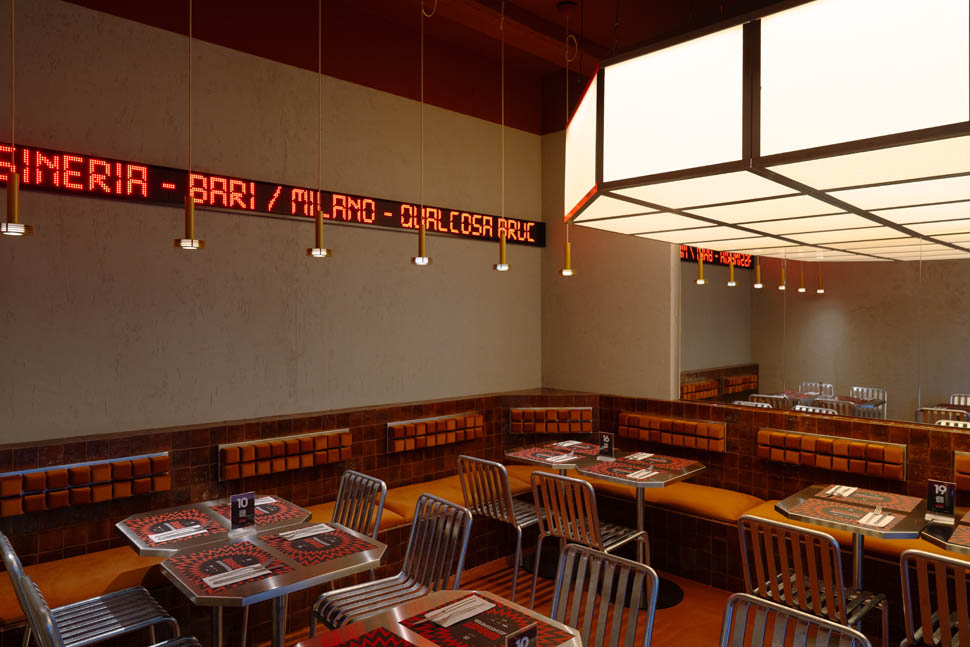
In Bari, there’s a lot of debate about “pasta all’assassina.” Some argue that there is only one possible recipe, while others believe that such a distinctive technique can serve as a starting point for something new. Urban Assassineria definitely belongs to the latter school of thought; in fact, we can say that it was this very restaurant that transformed “Assassina” from a recipe (the one and only, with tomato and chili pepper) into a preparation technique that involves experimenting with different seasonings. Following the opening of the restaurant in the Apulian capital in 2021, the project is now expanding to Milan, in the Porta Romana neighborhood, with a menu that pairs the classic recipe with new interpretations designed specifically for the Milanese public.
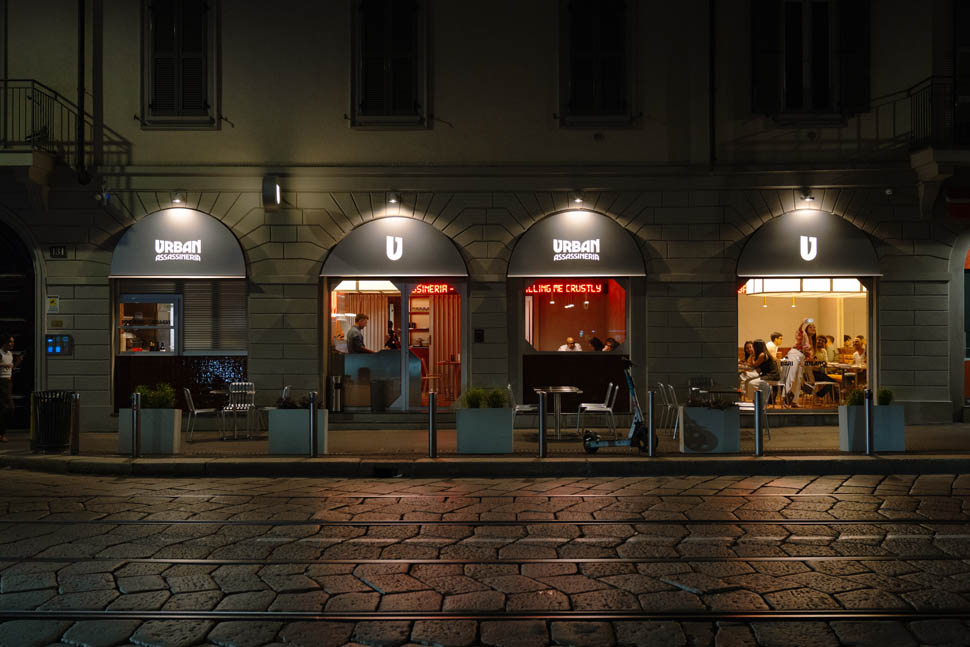
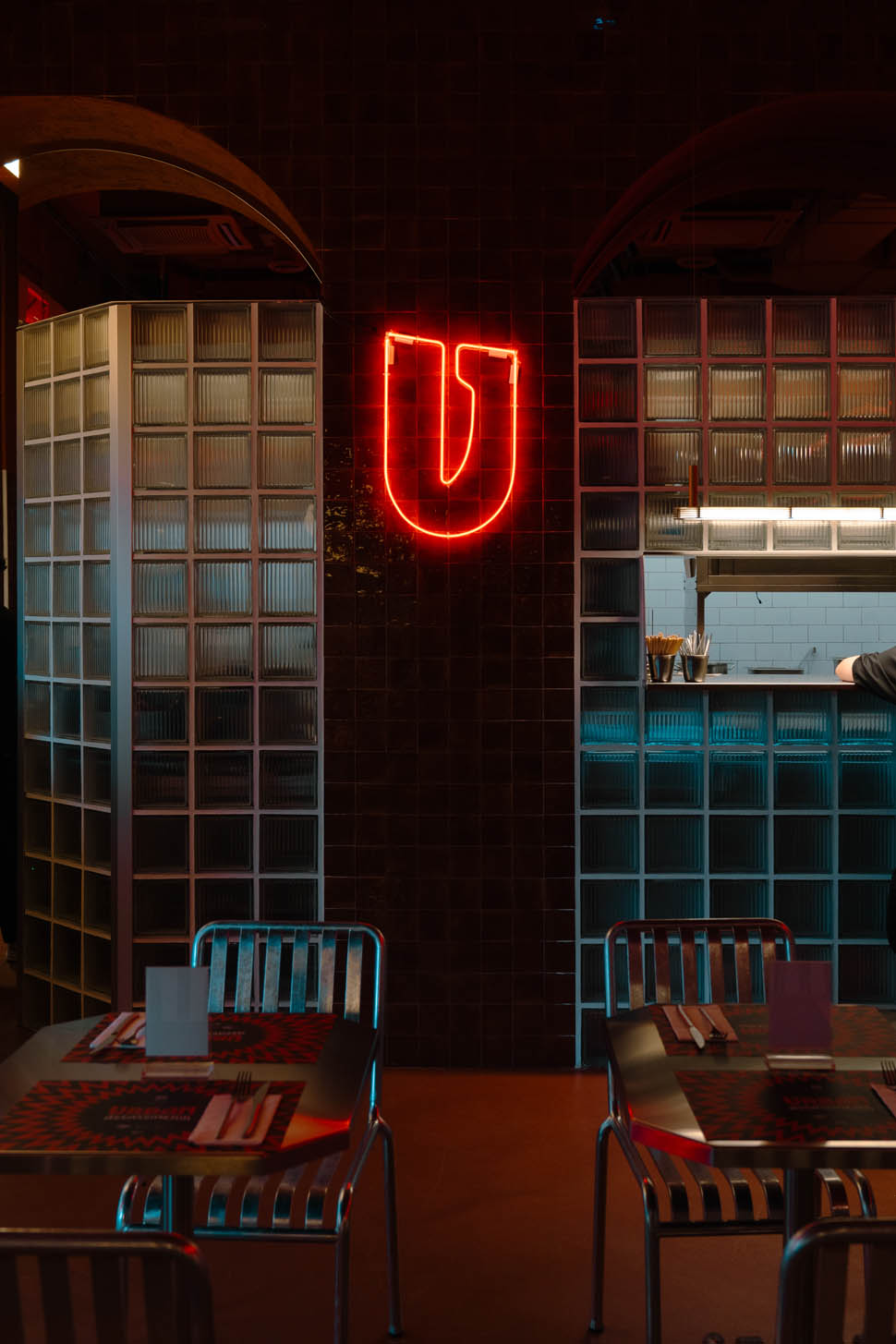
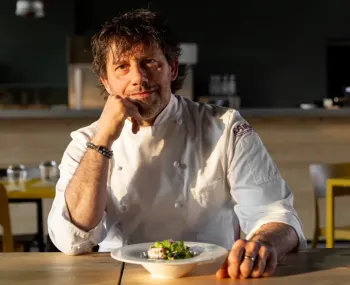
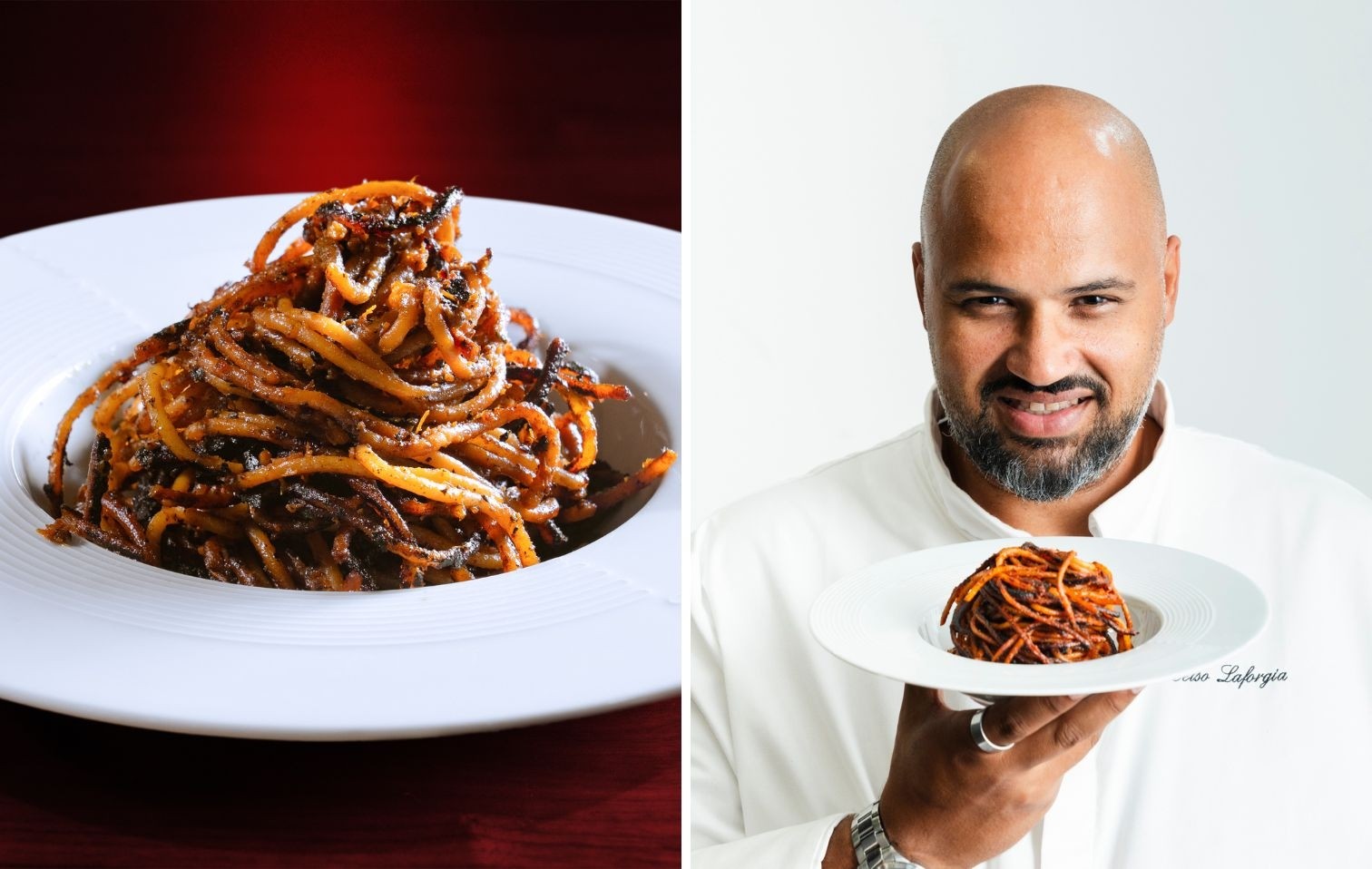
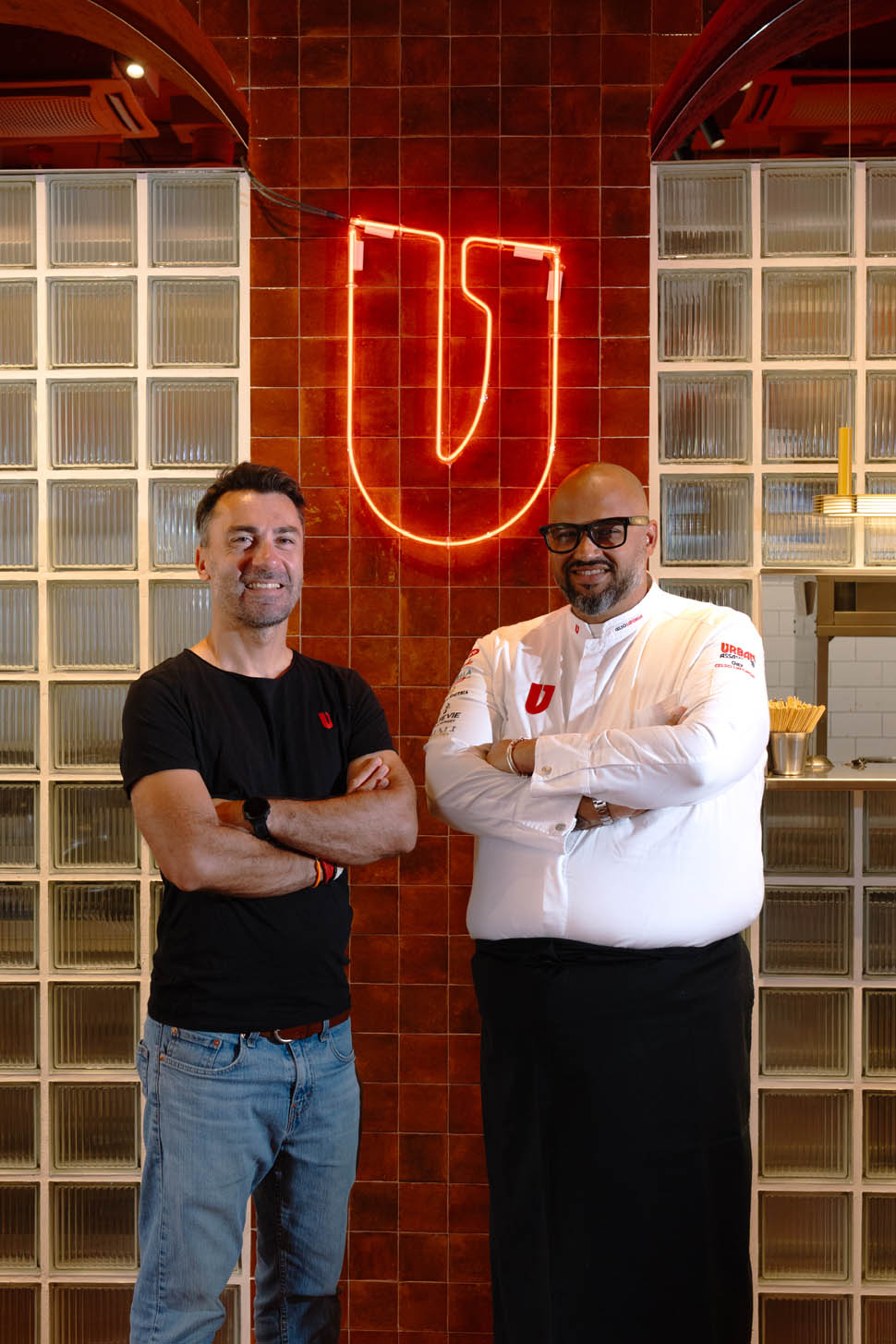
Chef Celso Laforgia and his partner Michele Salvati have chosen La Meneghina for the second chapter of their project, keeping the “pasta all’Assassina” at the center while building a broader menu around it, featuring bao buns, fried dishes, desserts, and a few culinary declarations of love for the city that hosts them—because, as we all know, when you visit someone else’s home, you always bring a little something.
A pasta dish created to set things on fire (in every sense)
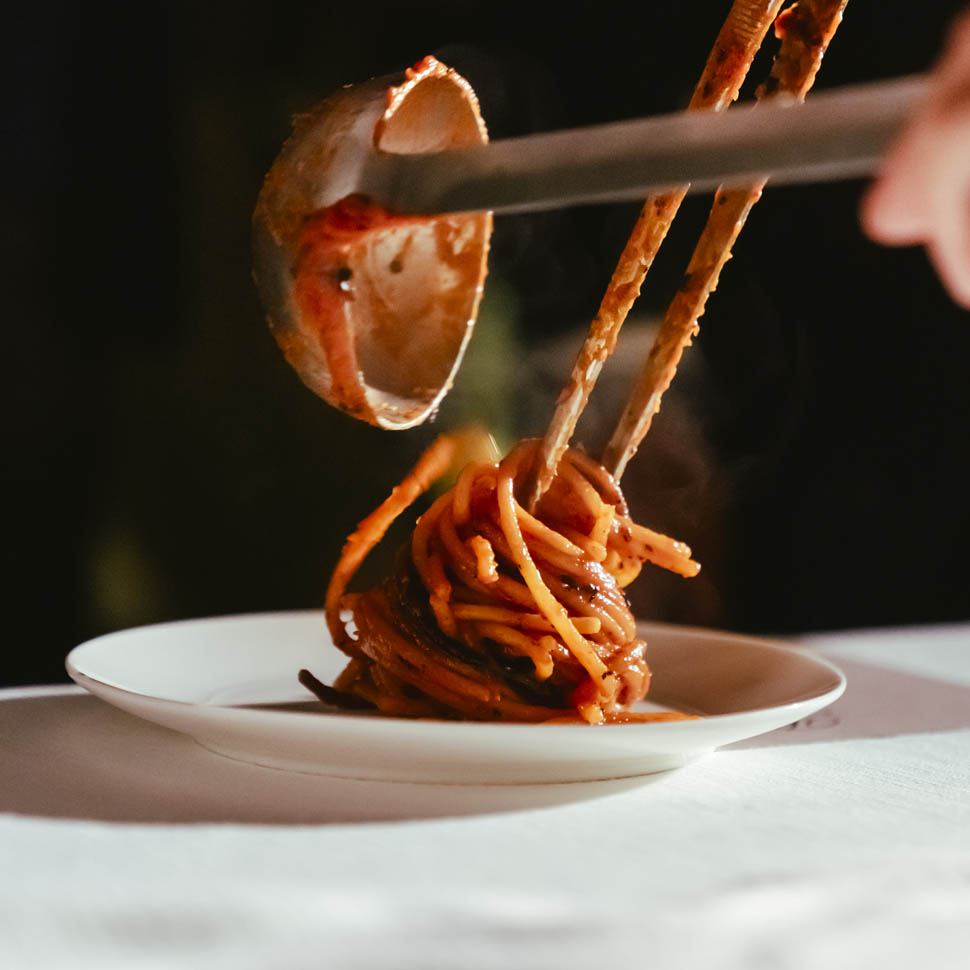
The legend of “L’Assassina” began in Bari between the late 1960s and early 1970s. The most widely accepted version credits its invention to chef Enzo Francavilla, a native of the province of Foggia, who was then working in the kitchen of the restaurant Al Sorso Preferito. It consists of three ingredients—tomatoes, garlic, and chili peppers—a sizzling cast-iron skillet, and a technique that completely turns the traditional way of cooking pasta on its head. The spaghetti isn’t boiled, but cooked directly in the tomato sauce, adding the liquid a little at a time until that dark, crispy crust that characterizes this recipe forms.
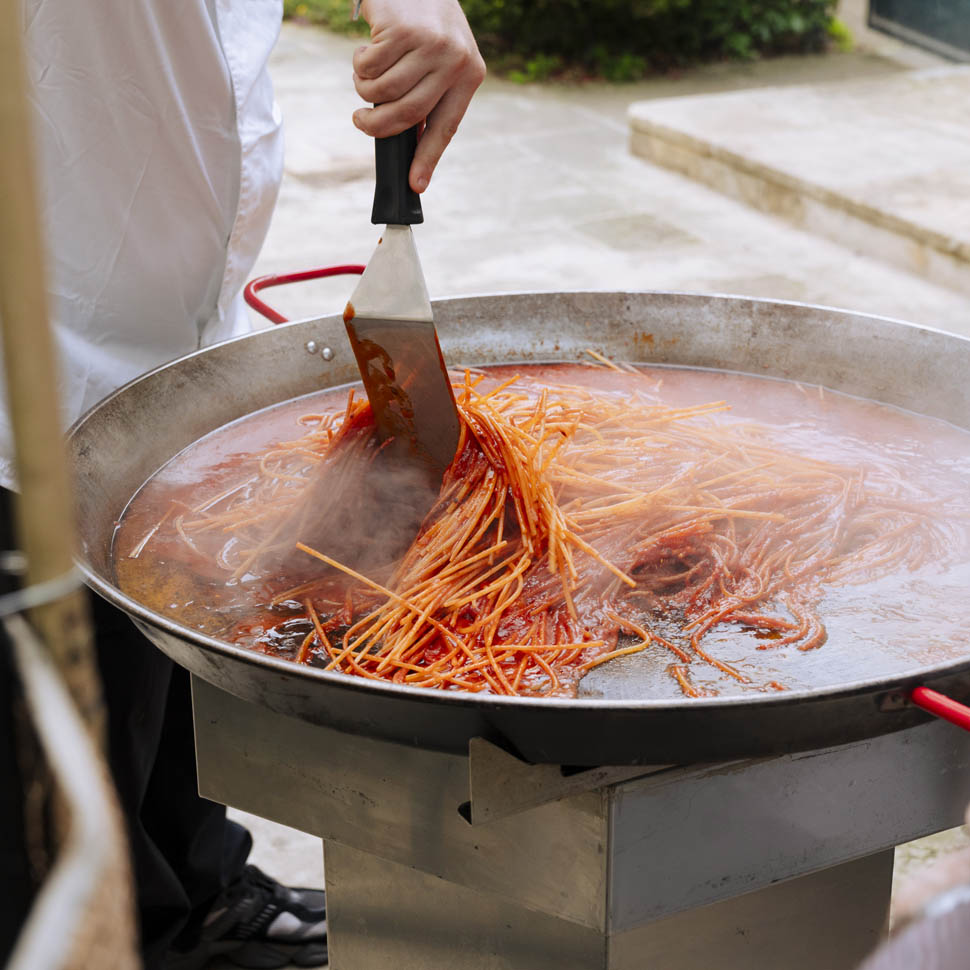
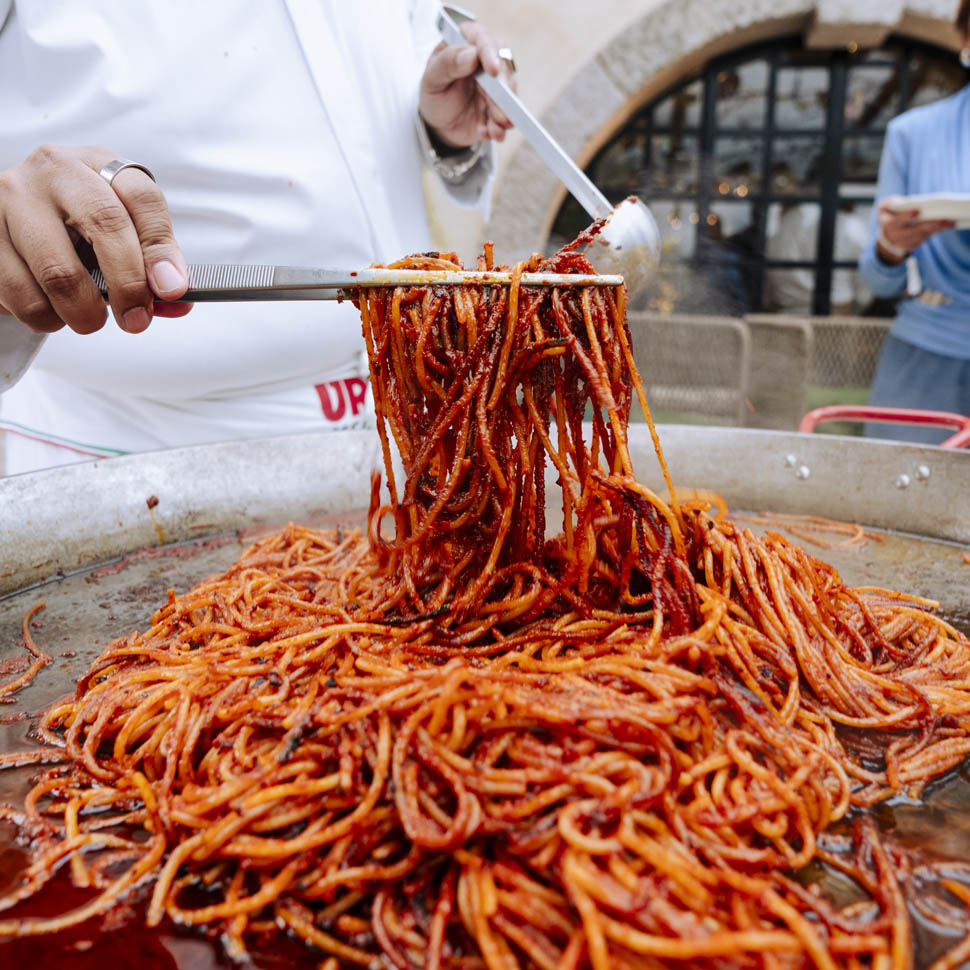
It’s a naturally vegan dish—simple in its ingredients but complex to prepare. All it takes is a few seconds of misjudging the heat to go from caramelization to disaster. At Urban Assassineria, this dish takes center stage. The menu offers nine variations: six come from the Bari location, while three were created exclusively for Milan.
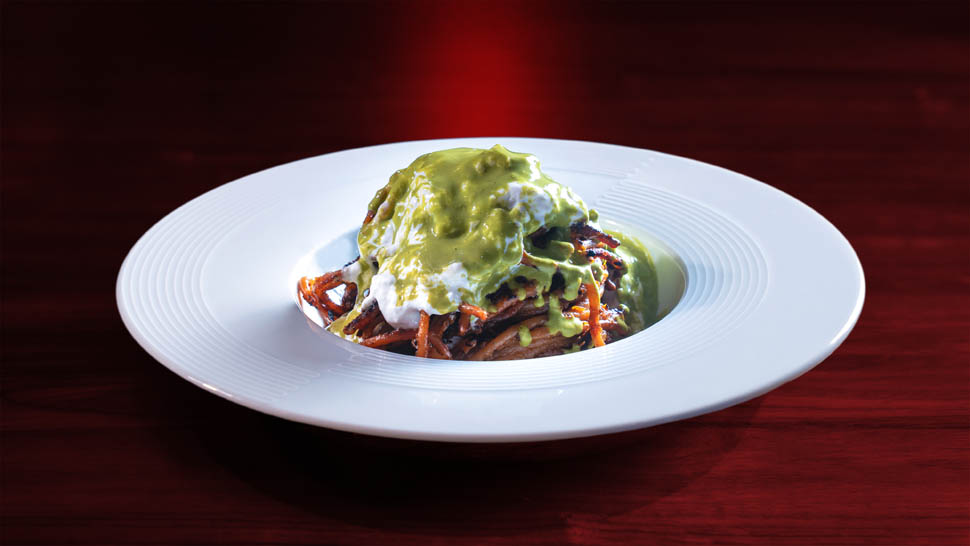
The Focaccia evokes the crispy crust of Bari-style focaccia with tomato, oregano, olives, and toasted bread; the Milano Calibro 9 is a tribute to the cotoletta with saffron-infused Grana fondue, bread scented with sage and lemon, and fried sage (which also pays homage to the 1972 film noir written and directed by Fernando Di Leo. Ed.); Milano Rovente, on the other hand, brings together two very distinct culinary identities with turnip greens purée, slow-cooked ossobuco, and Taleggio fondue.
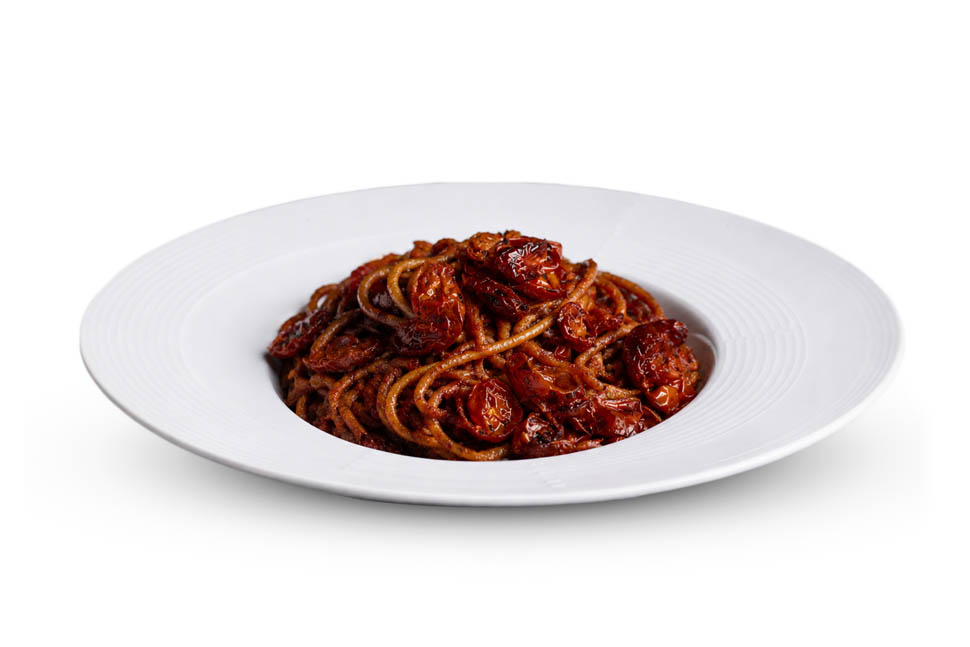
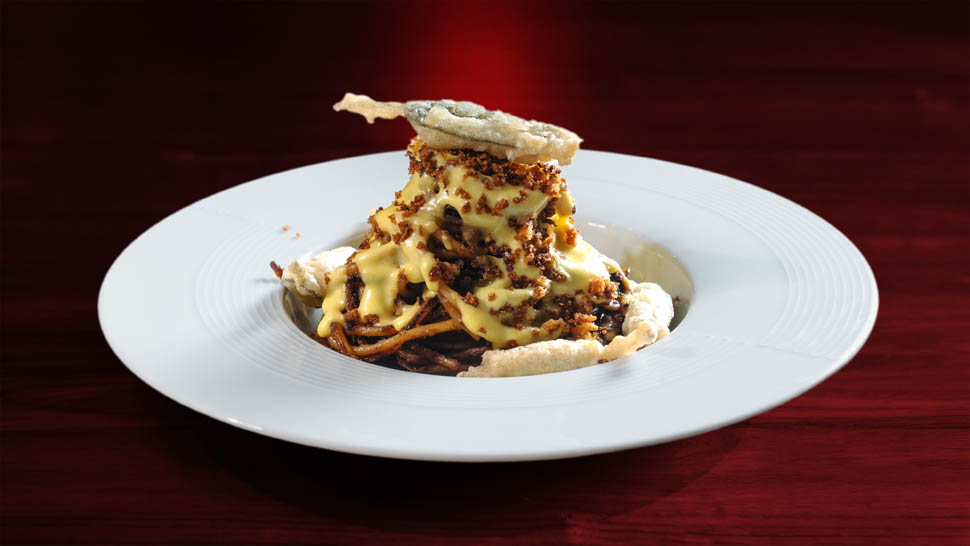
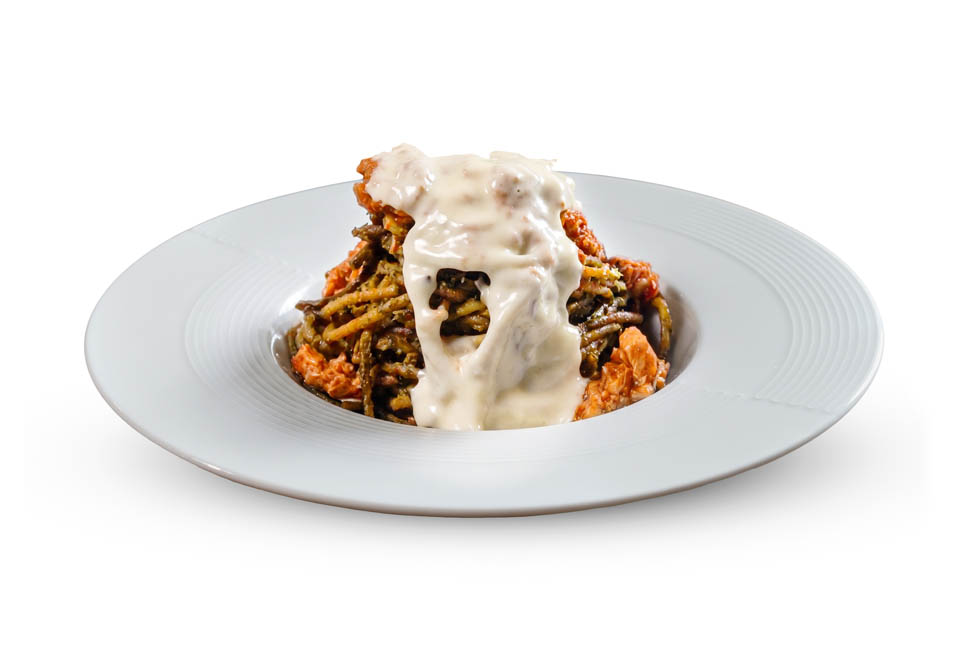
Like the “Assassina” from Urban Assassineria
The first one to try is, inevitably, the classic. The chef uses a deliberately thick, 100% Italian Granoro spaghettone—closer in texture to troccolo or tonnarello than to traditional spaghetti. The pasta is quite charred, and that’s precisely what makes it so good. There’s something deeply comforting about pasta that sticks to the pan, dries out, caramelizes, and develops that slightly bitter taste of charring that almost feels forbidden. Which is why some people would kill for that crispy crust on lasagna.
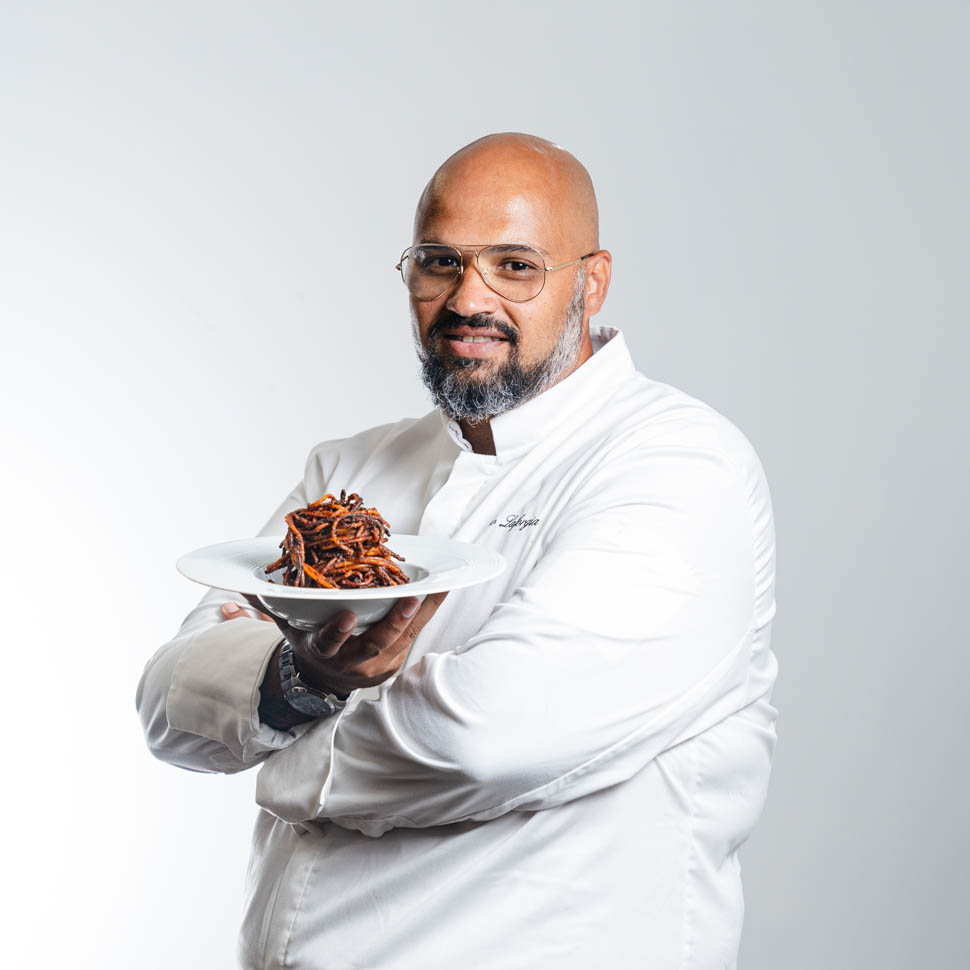
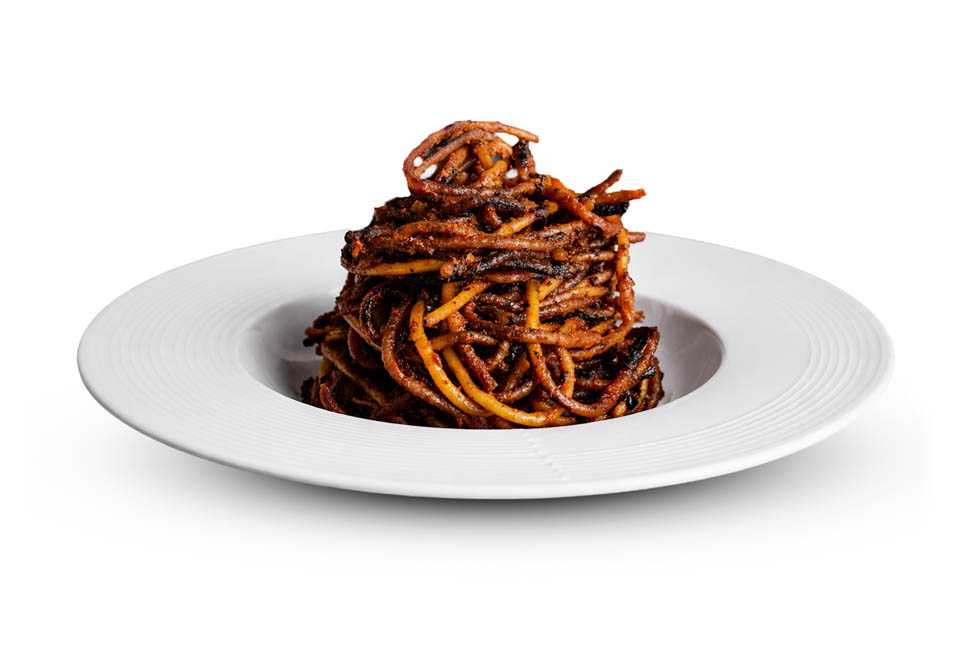
The spiciness is mild. Celso Laforgia says he opted for an “inclusive” level of heat, leaving customers the option to spice it up with chili flakes or hot oil served on the side. It’s not hard to imagine that Urban Assassineria will soon become a gathering spot for many Apulians (and lovers of Puglia) living in Milan. As of December 31, 2025, there were over 59,000 residents born in Puglia, and they will likely be the harshest critics.After all, in Bari, opinions on reinterpretations of the “Assassina” are still sharply divided. “Some consider us heretics, while others love these interpretations,” says the chef with a smile. Milan, however, will likely take it a bit more lightly.
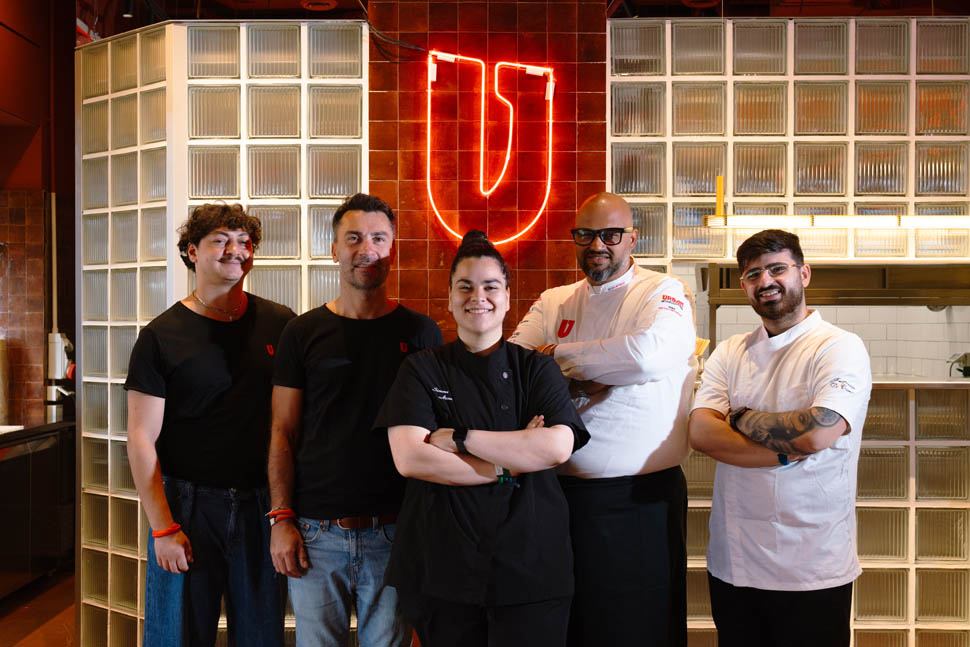
Finally, it’s worth noting that all Assassine dishes are also available in gluten-free versions. The restaurant cannot be classified as gluten-free because it does not have a dedicated kitchen, but it follows specific procedures—using dedicated staff and equipment—to minimize the risk of cross-contamination
Not Just Assassina
It would be a mistake to reduce Urban Assassineria to just a place where you can eat pasta. Celso Laforgia is a chef passionate about Asian cuisine, and this influence shines through especially in the section dedicated to bao, reinterpreted with ingredients from Puglia and, in the case of the Milan location, with a few nods to traditional cuisine. Among those I tasted, the bao dedicated to sautéed risotto stood out the most. Inside is a rice croquette served with saffron-infused Grana Padano fondue; the golden crust of the rice adds a crunchy element that pleasantly contrasts with the bao’s natural softness.
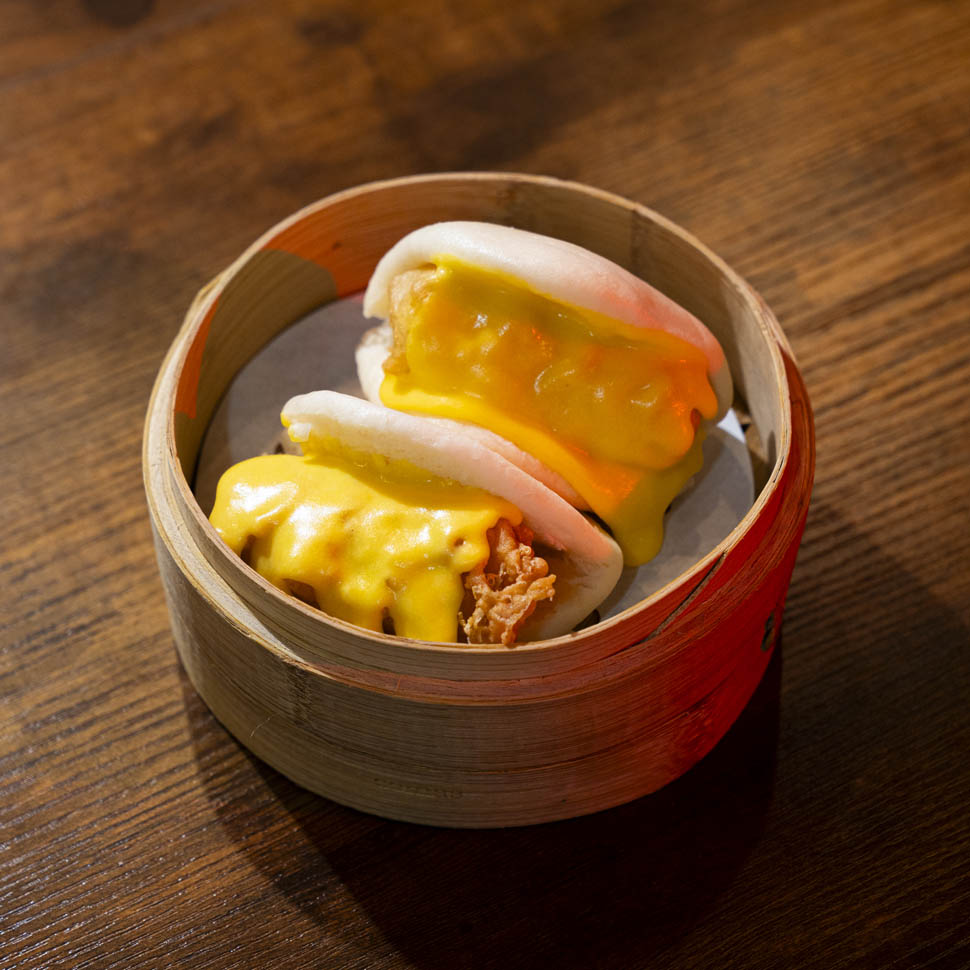
Alongside the bao buns, there’s a small selection of Apulian fried dishes, ranging from zucchini, ricotta, and mint fritters to battered zucchini flowers, as well as fried vegetables and American sweet potatoes. These dishes are meant to be shared at the table before the “Assassina” arrives. The desserts follow the same concept. The most intriguing is the tiramisu, because instead of ladyfingers, it uses a slice of Altamura bread soaked in coffee and then baked in the oven to maintain its texture and structure before being topped with mascarpone cream and cocoa. A slight departure from the traditional recipe that works better than you might imagine.
Contact and Info
Urban Assassineria
Corso di Porta Romana, 131 – Milan
Website: https://www.urbanassassineria.com/milano/