There is a subtle risk looming over the monuments of world gastronomy: that of turning into museums. Places where a restaurant’s legacy becomes a display case and its prestige solidifies into a reassuring but inevitably dusty stillness. At Enoteca Pinchiorri, in the heart of Florence, this risk is defused by a countervailing force of inertia—a process of continuous evolution that transforms the restaurant not into a celebratory temple, but into a living, dynamic space capable of constantly re-examining itself.
The Restaurant
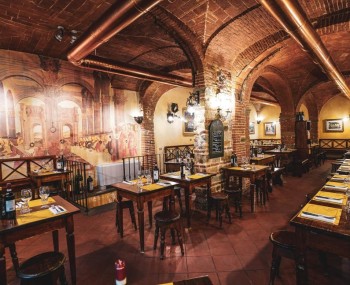
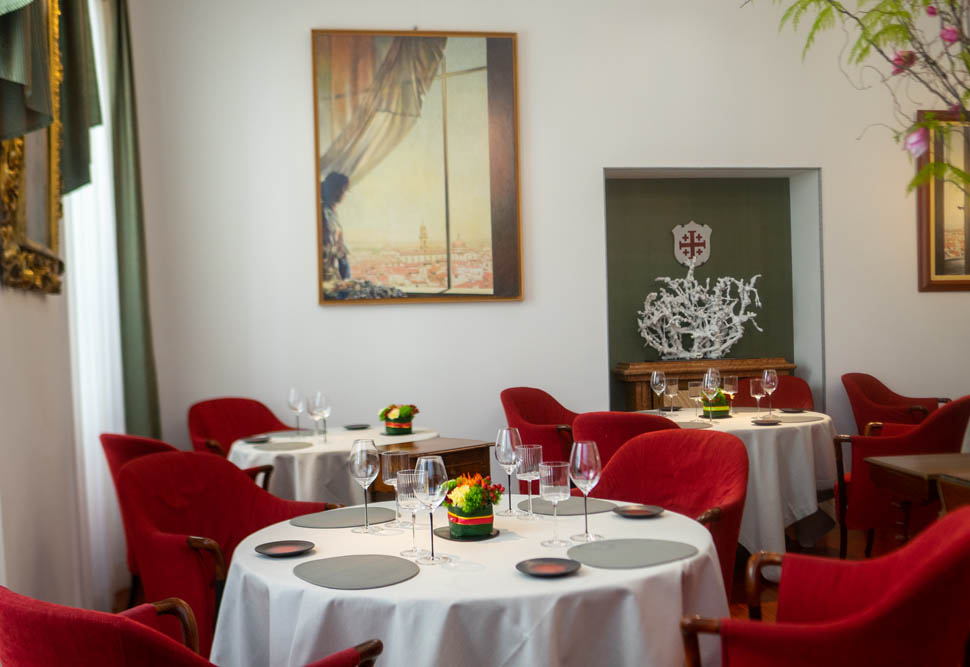
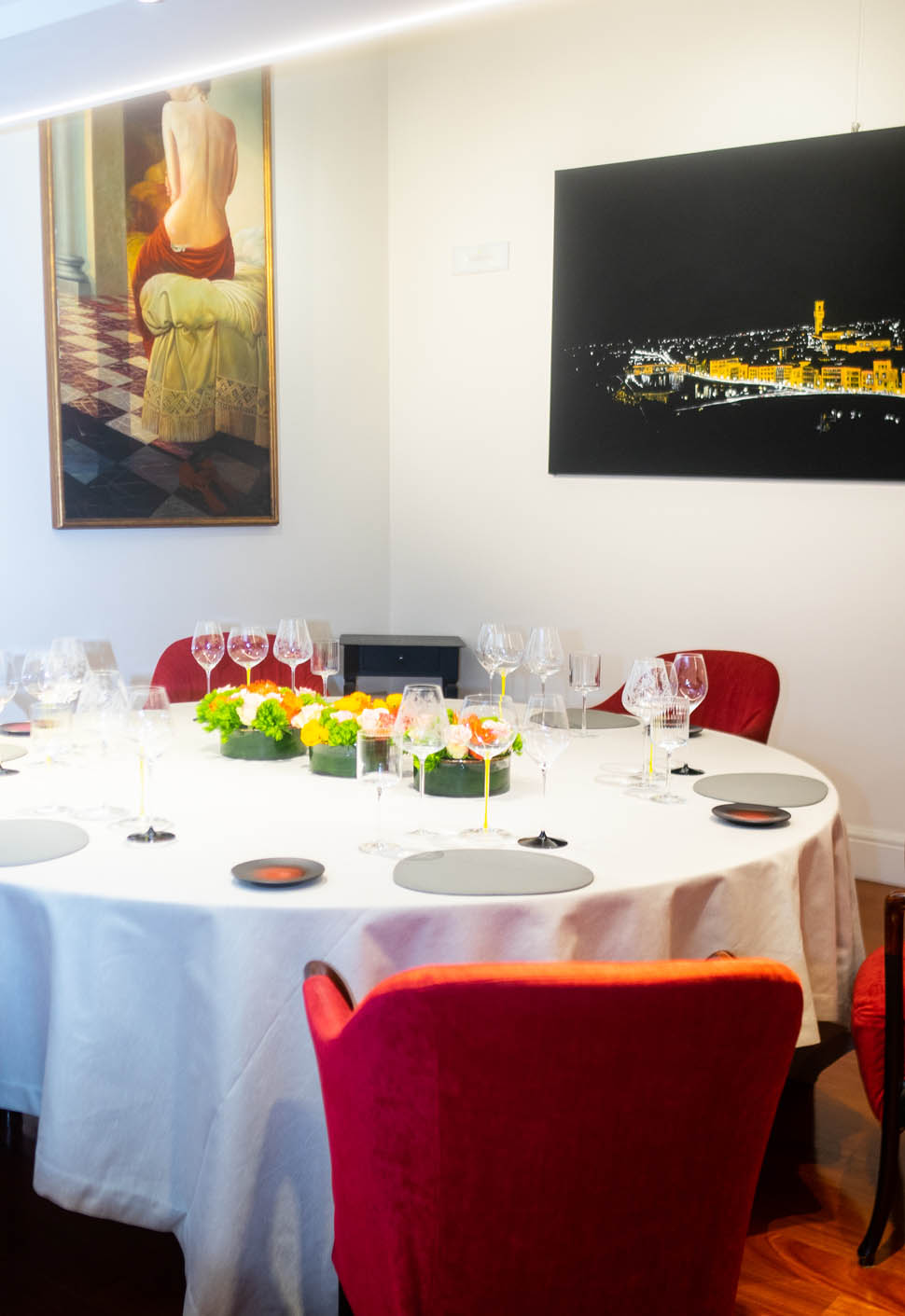
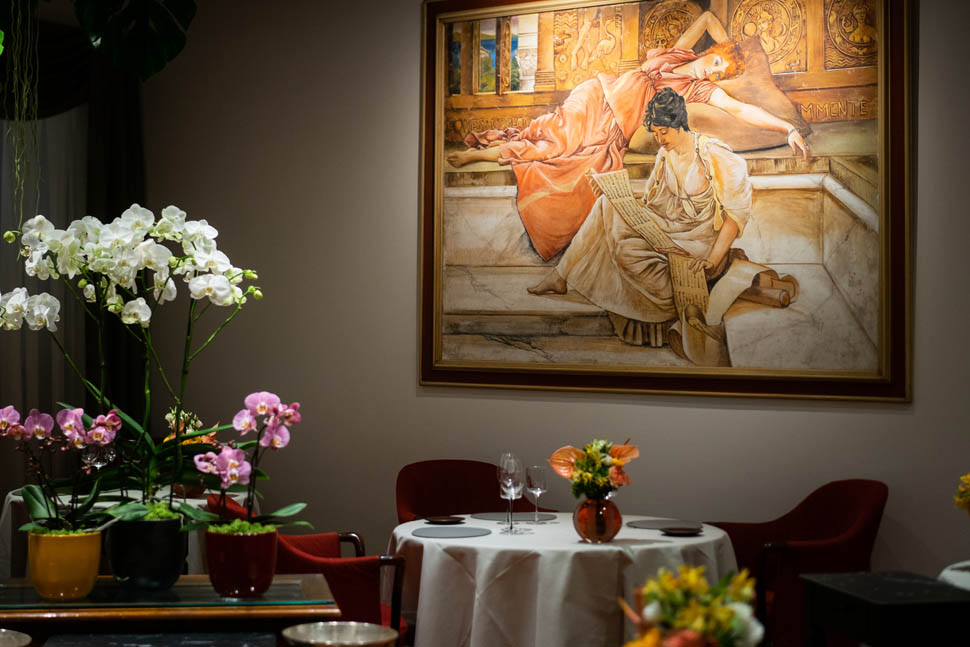
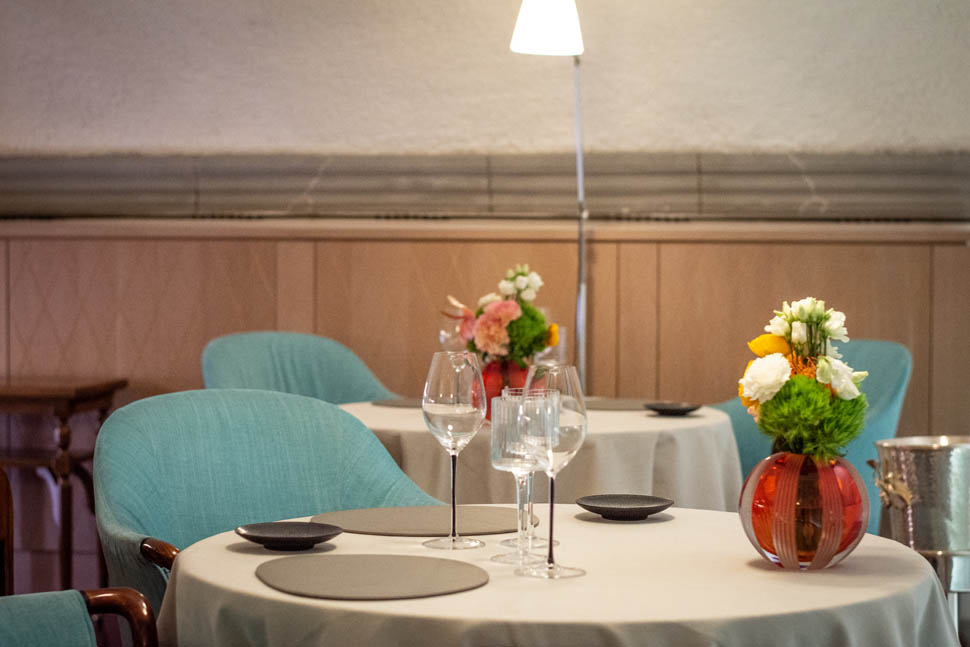
Stepping through the door on Via Ghibellina today isn’t about taking a journey into the past, but about deciphering the concept of “contemporary classic”: a rock-solid identity that doesn’t rest on its laurels, but reinvents itself every day through dialogue, technique, and a profound sense of hospitality.
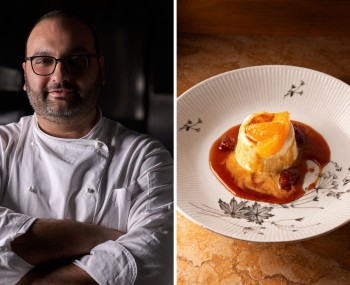
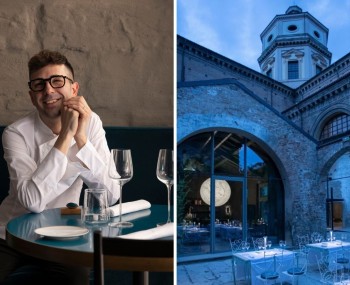
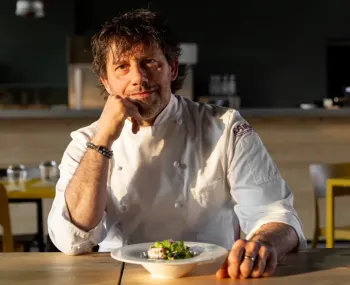
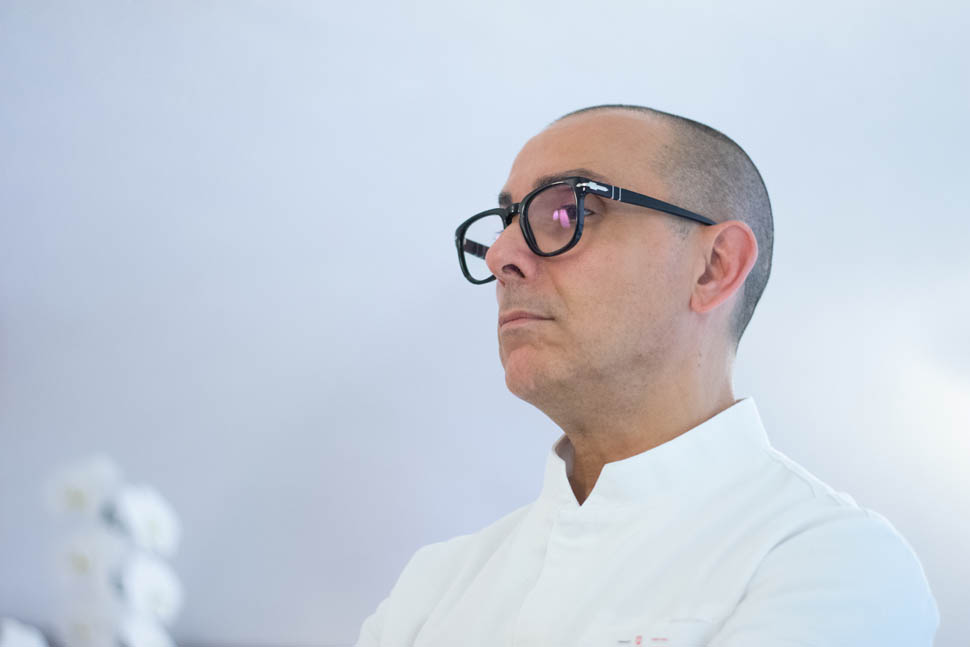
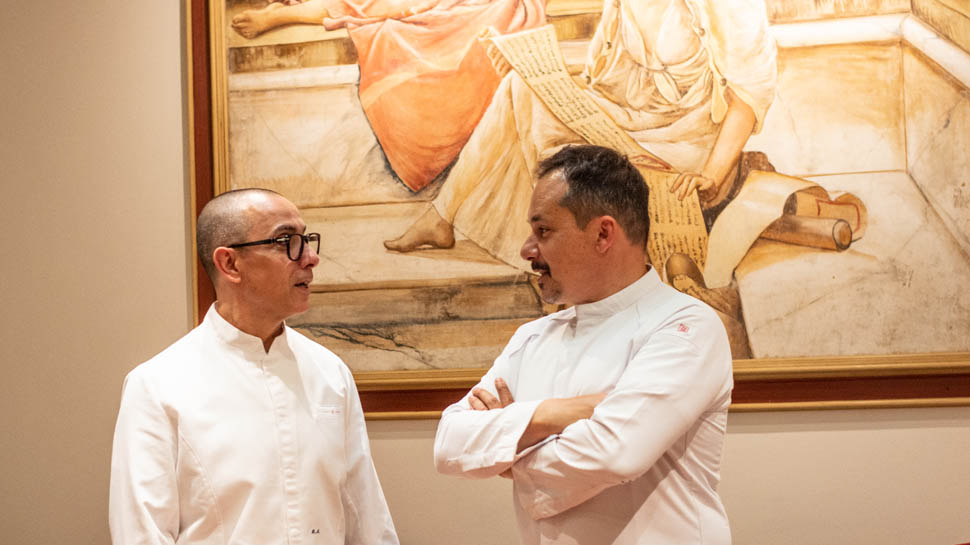
High-end dining used to be thought of as an absolute monarchy, dominated by the ego of a single figure. At Enoteca, this perspective is turned on its head, revealing a collaborative structure where leadership is synonymous with sharing. On one side are Riccardo Monco and Alessandro Della Tommasina, the two chefs who lead the kitchen; on the other, Alessandro Tomberli, the maître d’ and custodian of one of the most legendary wine cellars on the planet. Three paths, three distinct sensibilities that converge toward a single goal: crafting a meticulously curated experience, where the dish does not precede the service and the wine is not a mere accessory, but rather different threads of the same narrative.
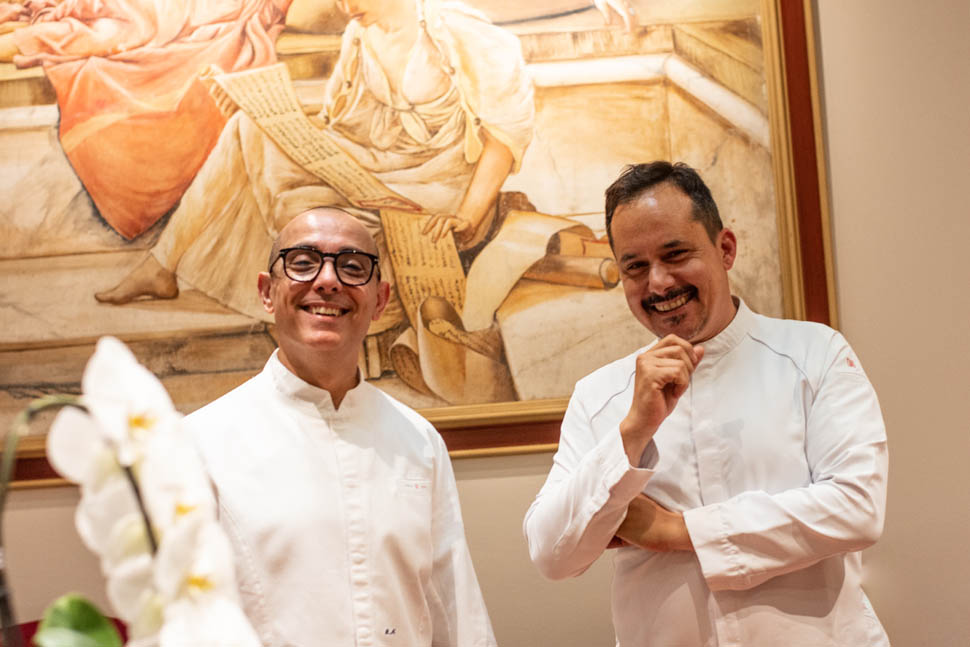
The cuisine at Enoteca Pinchiorri finds its foundation in an apparent paradox: the convergence of two generations and two very different life experiences, capable of bridging the gap in the name of a shared commitment to excellence. Riccardo Monco embodies the tradition of those who learned their craft when the only path to success was the hours spent at the pass.
Milan, where he studied hospitality; seasons spent in Tuscany; and then his mentors: Angelo Paracucchi, Pietro Leemann, and Alain Senderens. These milestones have shaped the history of European cuisine and are etched into Monco’s experience as lessons in human discipline even before they were lessons in technique.
When he arrived in Florence over thirty years ago, he brought with him that classic refinement and depth of flavor that still form the foundation of the restaurant today. On the other side of the pass is Alessandro Della Tommasina. His sensory memory is rooted in Lunigiana and the Tuscan coast, made up of the scents of home: Sunday morning ragù, the aroma of chicken being cut up on a wooden cutting board. These ancestral elements, following his training in Massa, intersect with the absolute rigor of Gualtiero Marchesi. In 2003, Della Tommasina joined Enoteca Pinchiorri, just as the restaurant was regaining its three Michelin stars. He has been there ever since.
In an era of culinary nomadism, where chefs collect titles to bolster their résumés, he has chosen to remain loyal to one place, turning the kitchen staff into his own family. “Today, Alessandro is the chef at Enoteca Pinchiorri solely on his own merit,” says Monco, dismissing any formal hierarchy. The master-apprentice relationship has evolved over time into an equal partnership, where ego gives way to daily exchanges about memory, technique, and ingredients.
The Kitchen
The new menu is not presented as a catalog of technical skills, but as a fluid narrative of the transition the restaurant is undergoing.Vegetables, for example, have taken on a clear central role, yet without any ideological rigidity. Here, we explore the earth because that is where the purity of flavor lies.
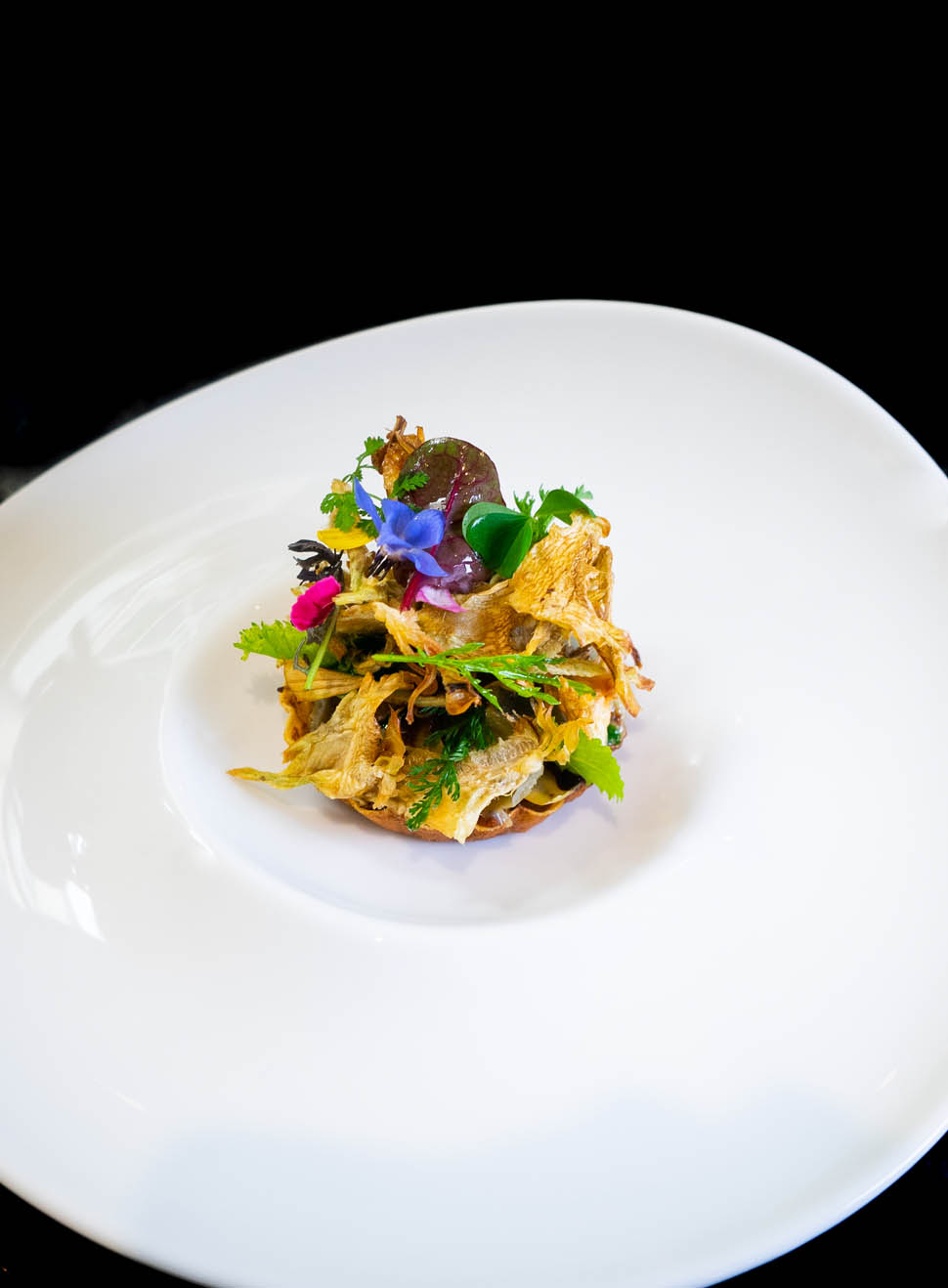
This is demonstrated by the charcoal-grilled potatoes with bottarga and wild herbs, a primal and essential dish where starch meets smokiness and the intensity of the sea. Or, even more so, the spoon-served tomato purée with colatura di pomodoro and bitter orange. An exercise in minimalist style that focuses on extracts and acidity, elevating a humble ingredient to something refined, without sacrificing the immediate pleasure it brings to the palate.
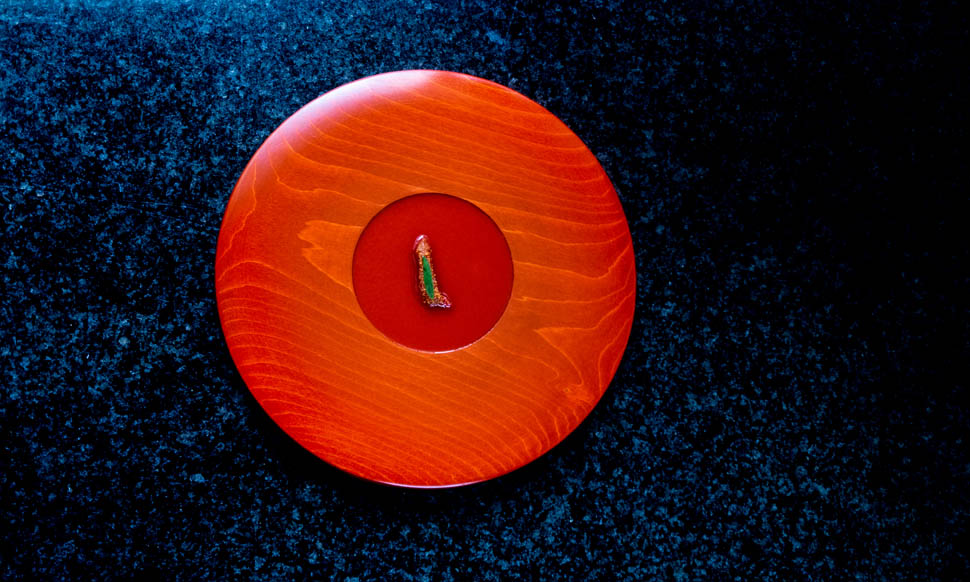
The complexity unfolds in successive courses. The squid sheets with white asparagus salad, caviar, and chamomile strike a delicate balance between sweetness, savory notes, and floral undertones. The purple shrimp in dried fish sauce, on the other hand, shifts the focus toward an almost Asian-style umami intensity, playing on fermentation and deep iodine notes.
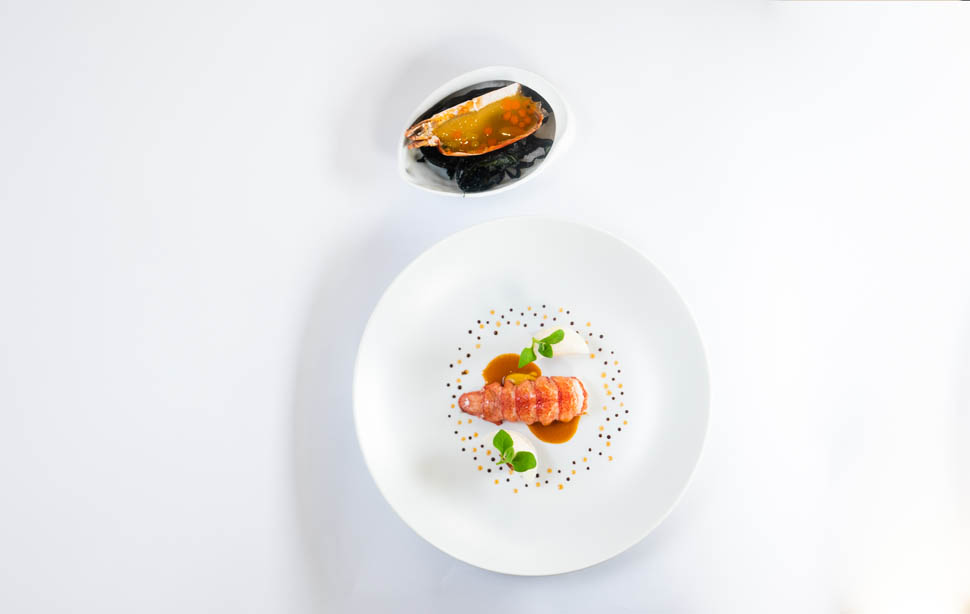
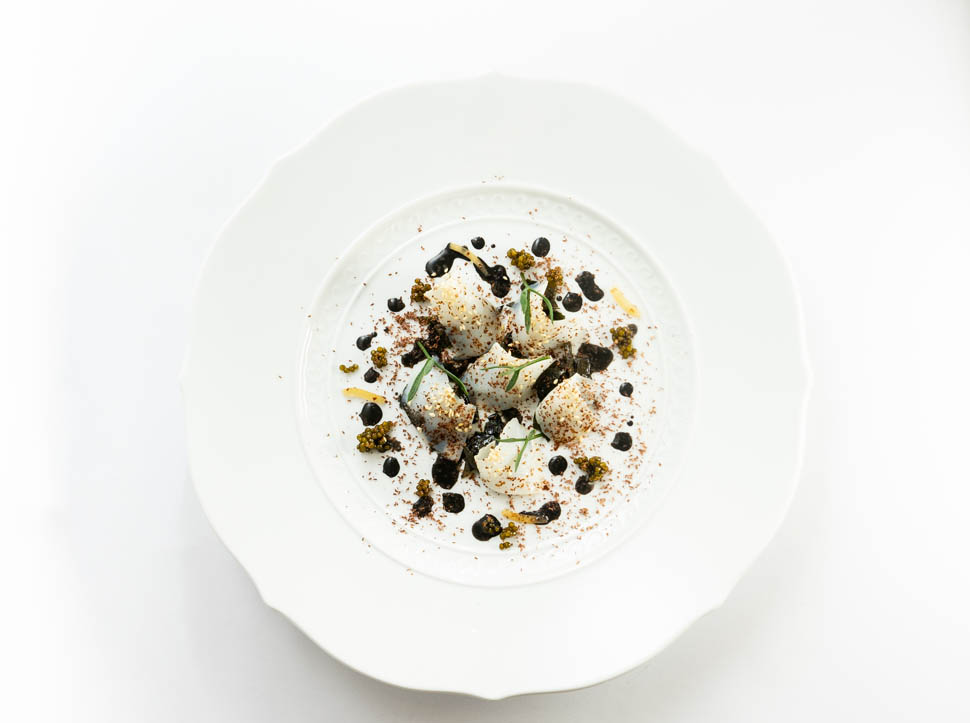
But the centerpiece of this evolution is likely the cannellone in crispy puff pastry filled with chicken sauce, complemented by a fondue of copper-colored onions and a crudaiola of marinara-style mussels. Inspired by the crispy ravioli of Asian tradition, the dish is rooted in Italian culinary heritage. It combines the homely charm of a traditional chicken sauce, the precision of French pastry-making technique, and the contemporary insight of pairing it with mussels. It is the perfect embodiment of today’s Enoteca: a dish that does not seek to provoke visually, but rather to create a dizzying sensory experience.
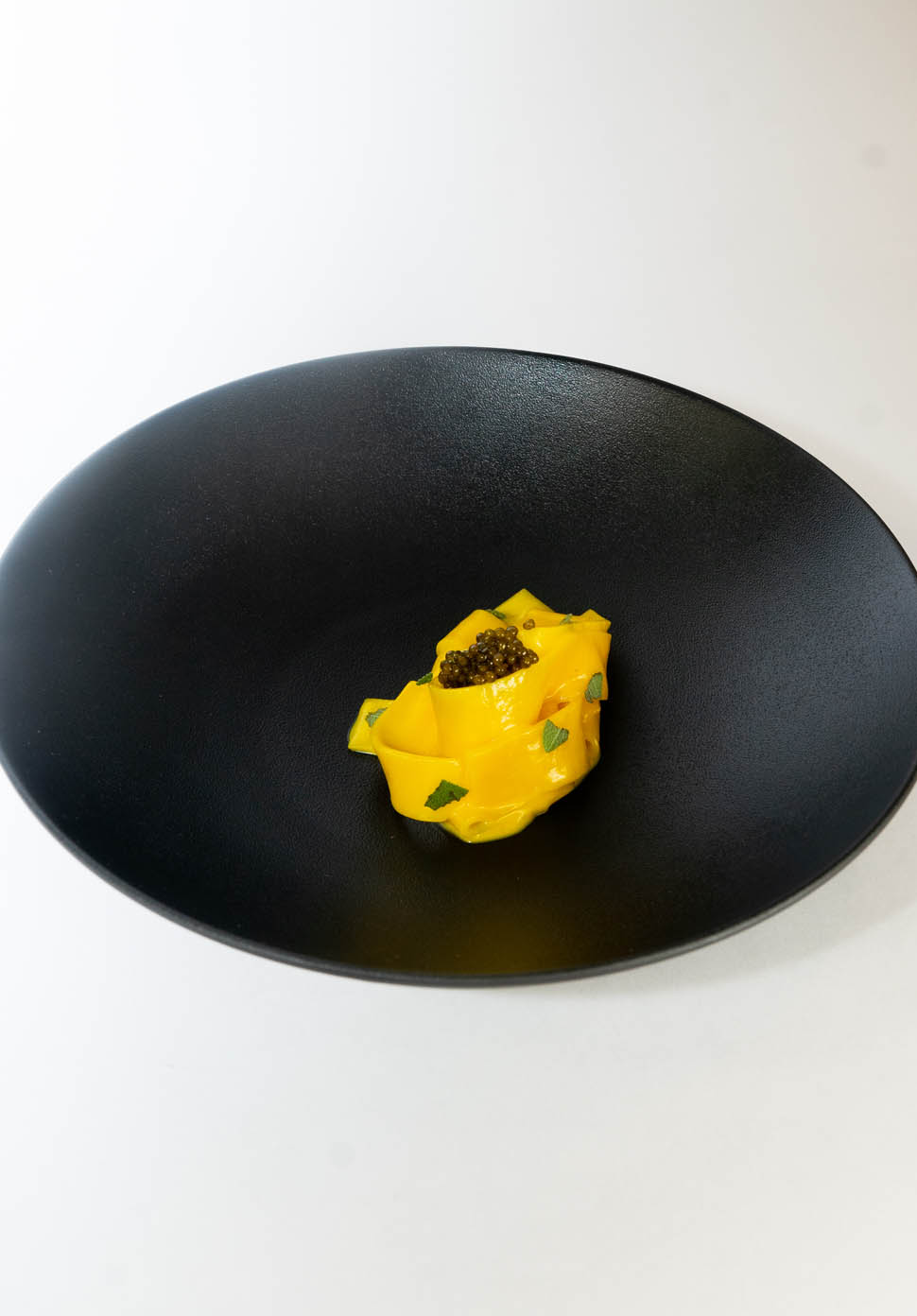
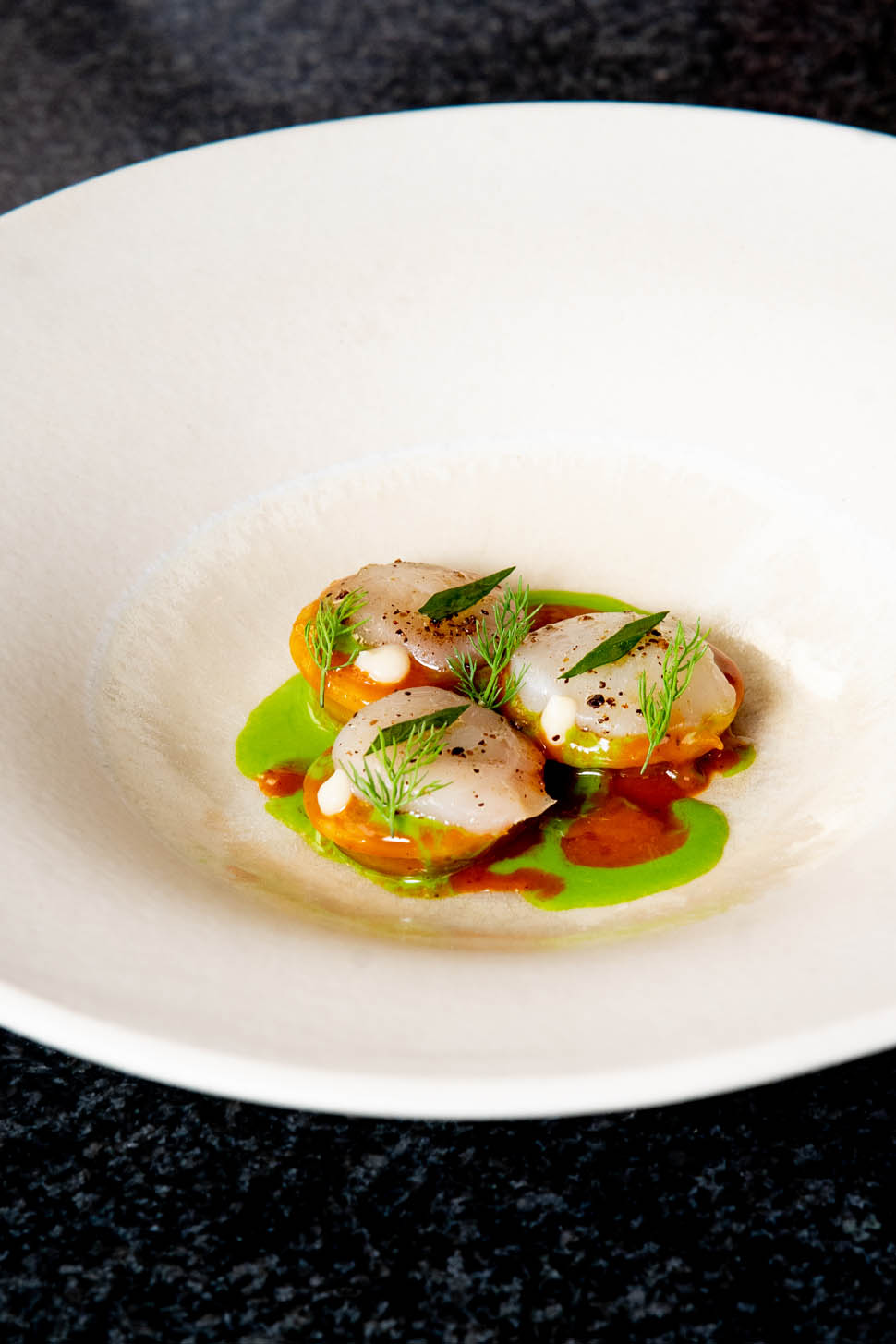
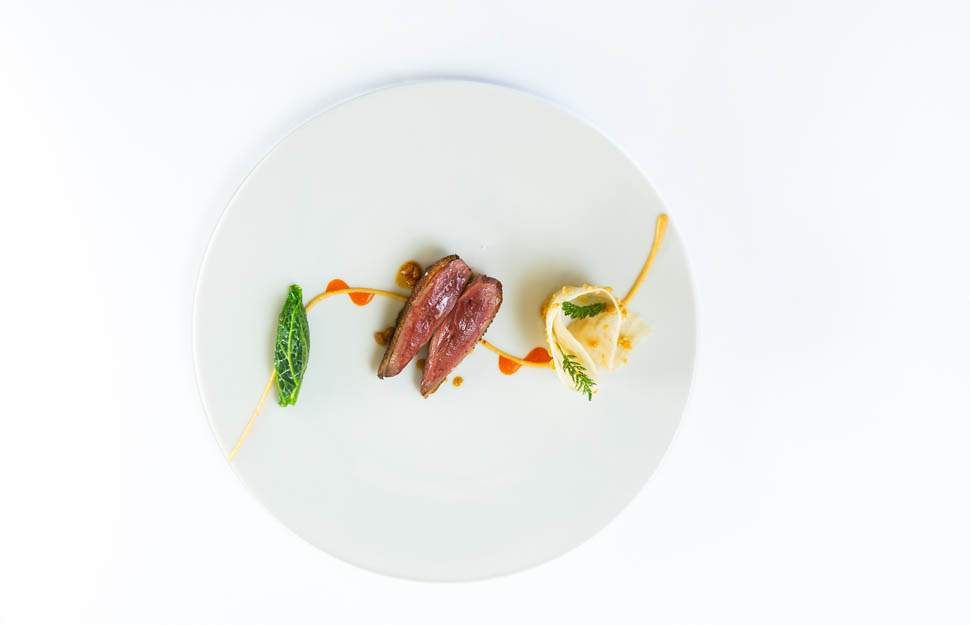
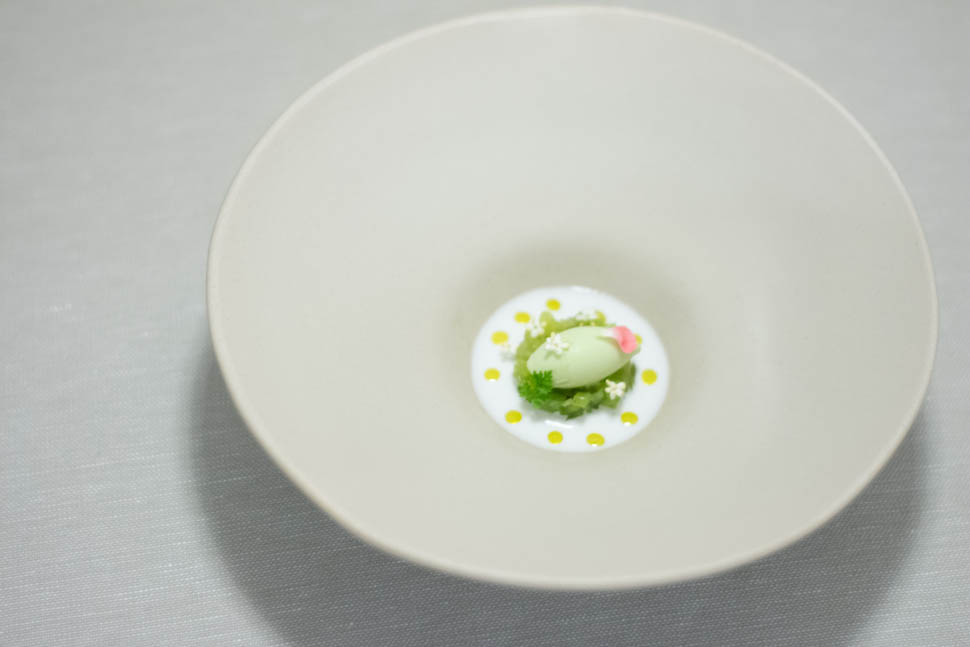
This philosophy is also evident in the roasted pigeon breast with a spelt sauce infused with shallots, turnips, and salted peanut cream, where the rustic character of the grain harmonizes with the pinpoint precision of the meat’s cooking. Even the desserts—such as the refreshing combination of kiwi, coconut, and green shiso, or the simplicity of “Fior di fragola”—confirm a categorical rejection of self-indulgence. At Enoteca, a dish is never set in stone: it evolves, it is refined, and it may even disappear if it no longer meets the need for change.
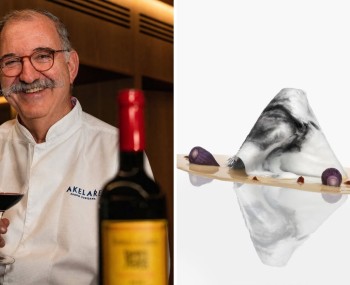
In this perfect mechanism, the kitchen never operates on its own. This is where Alessandro Tomberli comes into the picture; for over forty years, he has been the backbone of the dining room and a key figure in shaping the evolution of the dining experience. At the Enoteca, service is not merely an accompaniment, but the third protagonist of the gastronomic narrative.
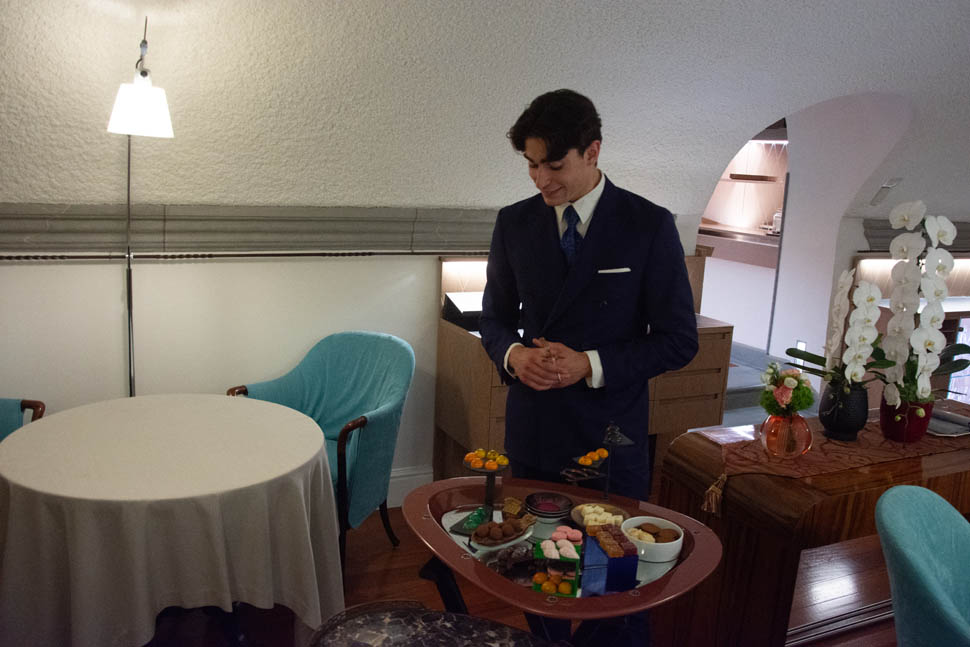
“Having started more than 40 years ago, it goes without saying that something has changed—in fact, almost everything,” explains Tomberli, analyzing the evolution of fine dining from his vantage point. “Currency has changed; we have the internet, smartphones, and now even artificial intelligence; two generations have passed in the meantime; customs and habits have changed. While the 1980s and 2000s were associated with affluence, euphoria, and fun, today there is more mindfulness, culture, knowledge, and a more discerning lifestyle focused on well-being and health. Of course, purchasing power has also declined and costs have risen, and this affects people’s choices. I don’t like to be an alarmist; I always think positively, exploring solutions and diversifying our offerings, but we also have to look at what’s happening around us… and it’s certainly not a pretty picture.”
The Wine Cellar
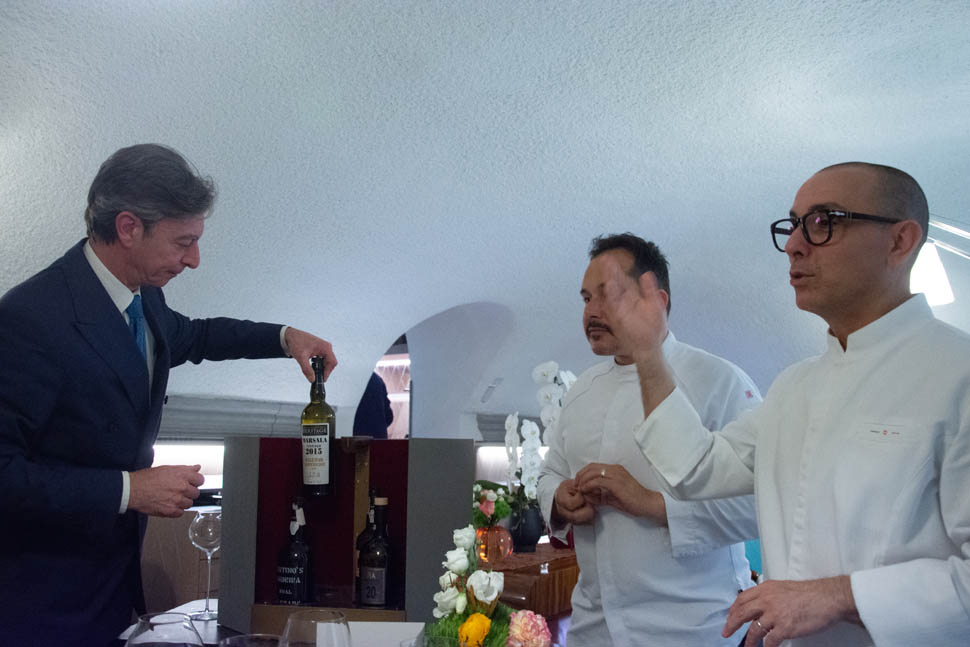
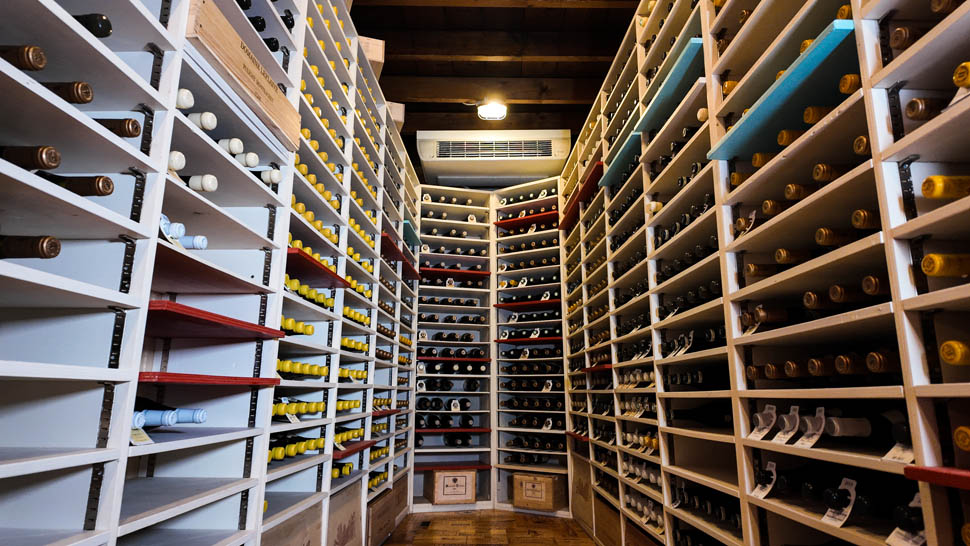
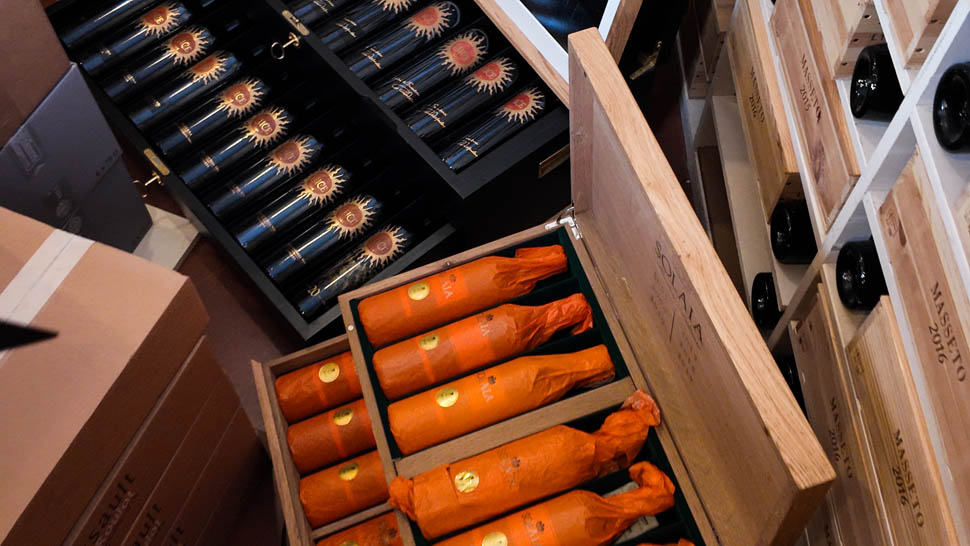
This insightful take on the contemporary world is reflected in the management of the Enoteca’s legendary wine cellar. To reduce it to a mere collection of hard-to-find labels or an archive of ratings and accolades would be a misjudgment. Under Tomberli’s guidance, the wine cellar becomes a dynamic narrative tool, capable of embracing new market demands without losing an ounce of its authority. “We’re always on the lookout for new products to offer—wines that are fresher and more food-friendly—without worrying about accolades or scores,” says the director. “We add new wines to the list that we’ve tasted, wines that have a story to tell: about the region, the grape variety, and even the winemaker.”
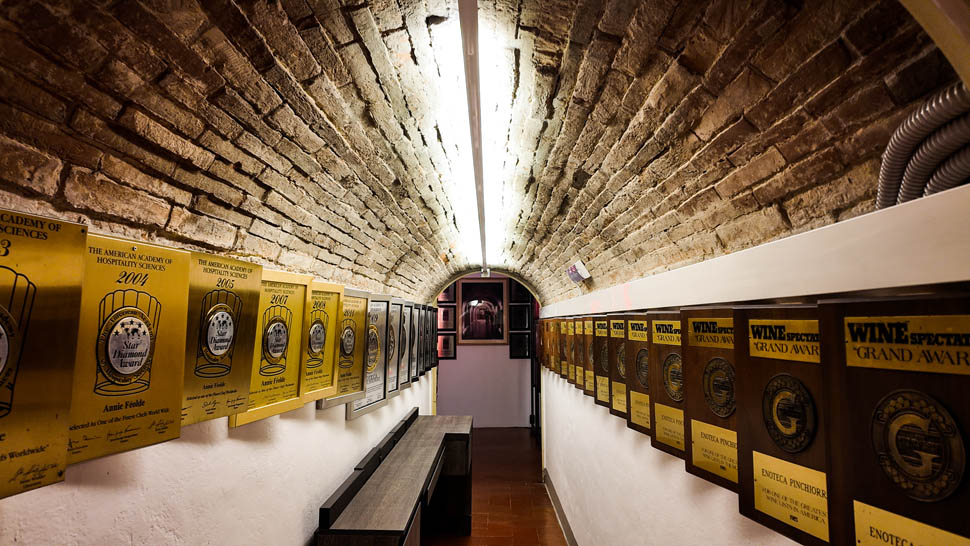
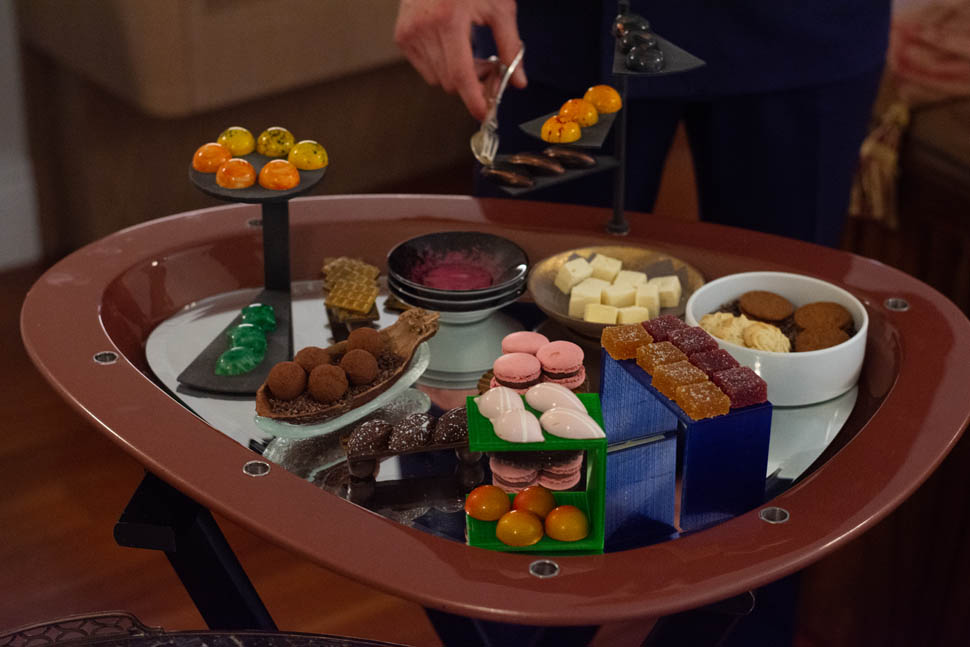
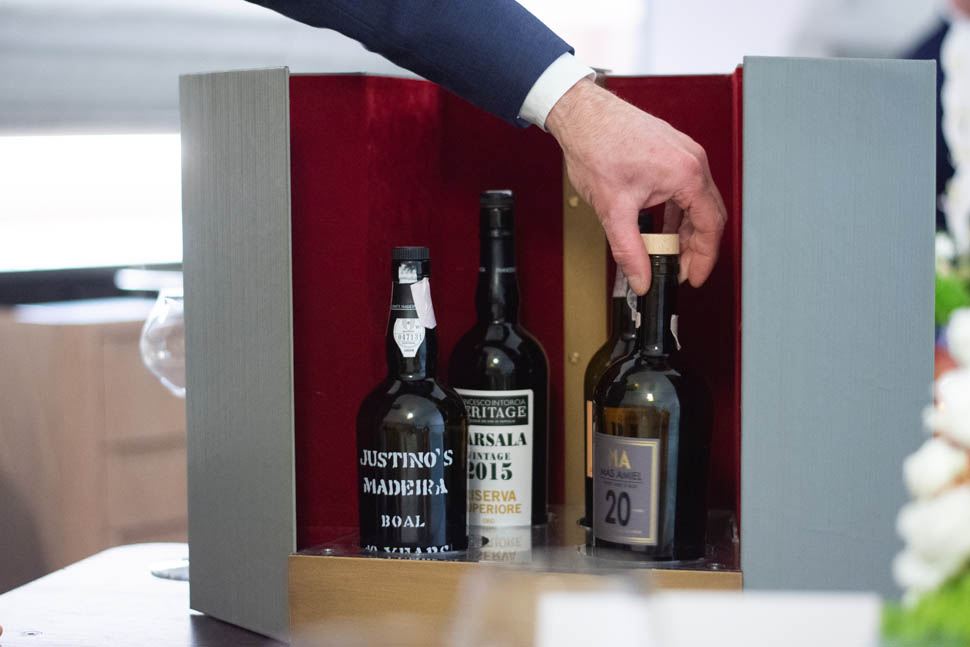
The pairing thus becomes a bespoke journey, capable of exploring unusual or forgotten liquid territories. For the monumental cheese cart, the selection ranges from Marsala to Vernaccia di Oristano, including Port, Sherry, Madeira, and Maury Mas Amiel, all the way to the latest addition, Ratafià from Champagne. For the chocolate tray, on the other hand, the selection ranges from a Chianato del Chianti to an Aleatico dell’Elba, all the way to a cherry liqueur from the Colli di Luni. This flexibility also extends to those who choose not to drink alcohol—an increasingly significant segment of the clientele in contemporary fine dining. At the Enoteca, ideological barriers give way to the duty of hospitality.
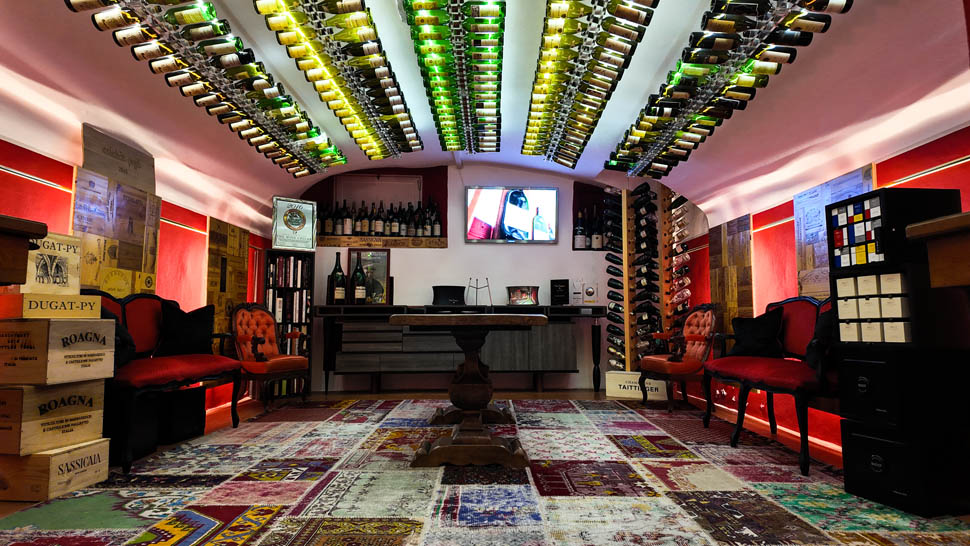
“For some customers who don’t drink alcohol—and who are part of our new clientele—we’ve included non-alcoholic cocktails, a Florentine kombucha, and a non-alcoholic sparkling wine for aperitifs in the wine cellar,” Tomberli explains. “It’s important to note that these aren’t products we actively promote, but rather an alternative, since we don’t like to turn down requests.”
Behind this apparent ease lies a tremendous amount of work focused on the most complex aspect of today’s restaurant industry: the human factor. Managing a team in a temple of gastronomy today requires different skills than in the past. Young people’s motivation is no longer something that can be taken for granted simply because of the name on their jacket. “Generally speaking, the staff is motivated, although I must admit that the younger generations have a different perception of ‘prestige’,” Tomberli admits realistically.
“In the sense that they see it as a destination rather than a test or a starting point. It’s becoming increasingly rare to find staff willing to make any compromises or sacrifices for the sake of their work and future career. Let’s just say that the days of the ‘emergency’ in finding staff are over; now there’s only ‘difficulty.’ We need to devote more time to training and instilling passion: if a spark used to be enough… now it takes a living flame.”
It is precisely in this ability to keep the flame alive—whether in the precision of a chicken broth or in the training of a dining room assistant—that the profound significance of Enoteca Pinchiorri on the international scene lies. The restaurant continues to be a global benchmark not because it has stood still, guarding its history, but because it has understood that the only way to preserve a classic is to allow it to change.
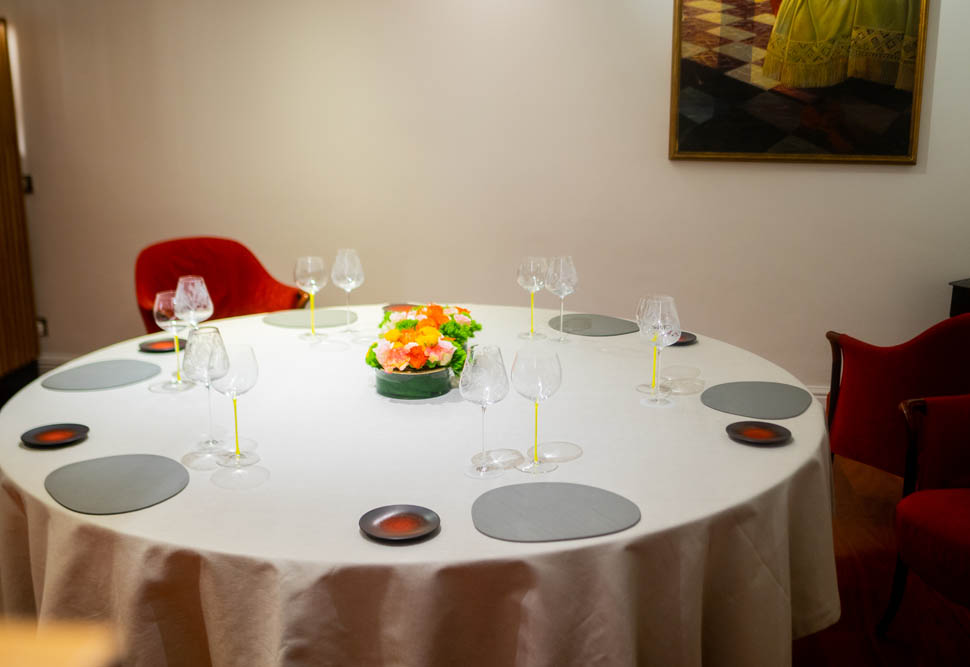
The synergy between Monco and Della Tommasina’s fluid cuisine and Tomberli’s sophisticated and adaptable dining room demonstrates that fine dining is not an immutable mathematical formula, but a living organism. Enoteca Pinchiorri does not dwell on the past; it lives in the present with the confidence of those who know where they come from and the curiosity of those who can’t wait to discover where the next meal will take them.
Address
Enoteca Pinchiorri Restaurant
Via Ghibellina 87 - 50122 Florence
Tel. +39 055 242757