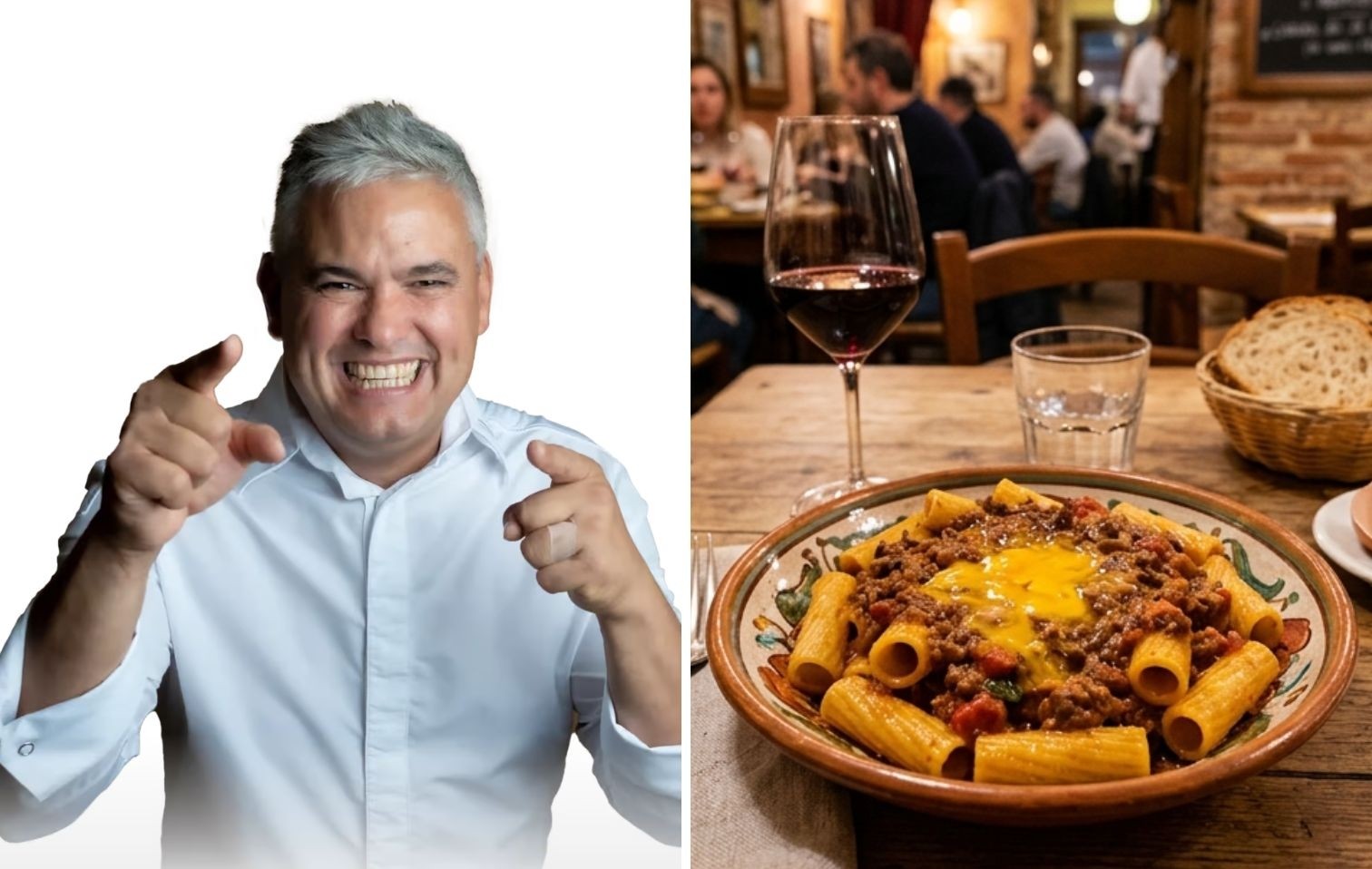
Bolognese According to Nandu Jubany: The Michelin-starred Catalan chef’s reinterpretation and the unexpected role of eggs.
The Reimagined Recipe
Pasta with ragù is one of the most popular and beloved home-cooked dishes: it’s an accessible meal that appeals to diners of all ages and is deeply rooted in the traditions of many families. When such a well-established recipe makes its way abroad, however, the “reinterpretations” can be decidedly outlandish.
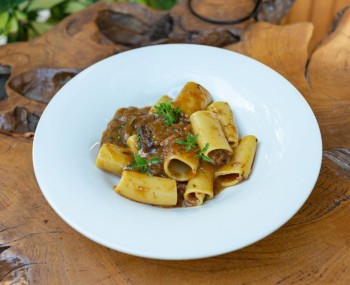
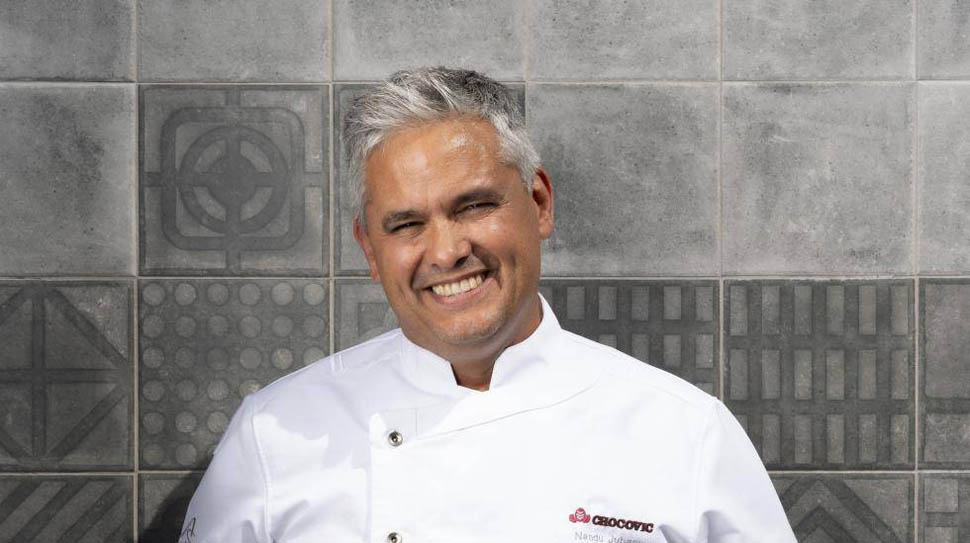
Nandu Jubany, chef at the Michelin-starred Catalan restaurant Can Jubany, recently presented his take on this classic. Originally shared during the lockdown and now featured by InfoBae, the recipe demonstrates how attention to detail and a deliberate departure from the traditional formula can make all the difference in the final result, piquing the interest of both amateur cooks and culinary professionals alike.
The Unusual Ingredient: Eggs to Bind and Add Texture
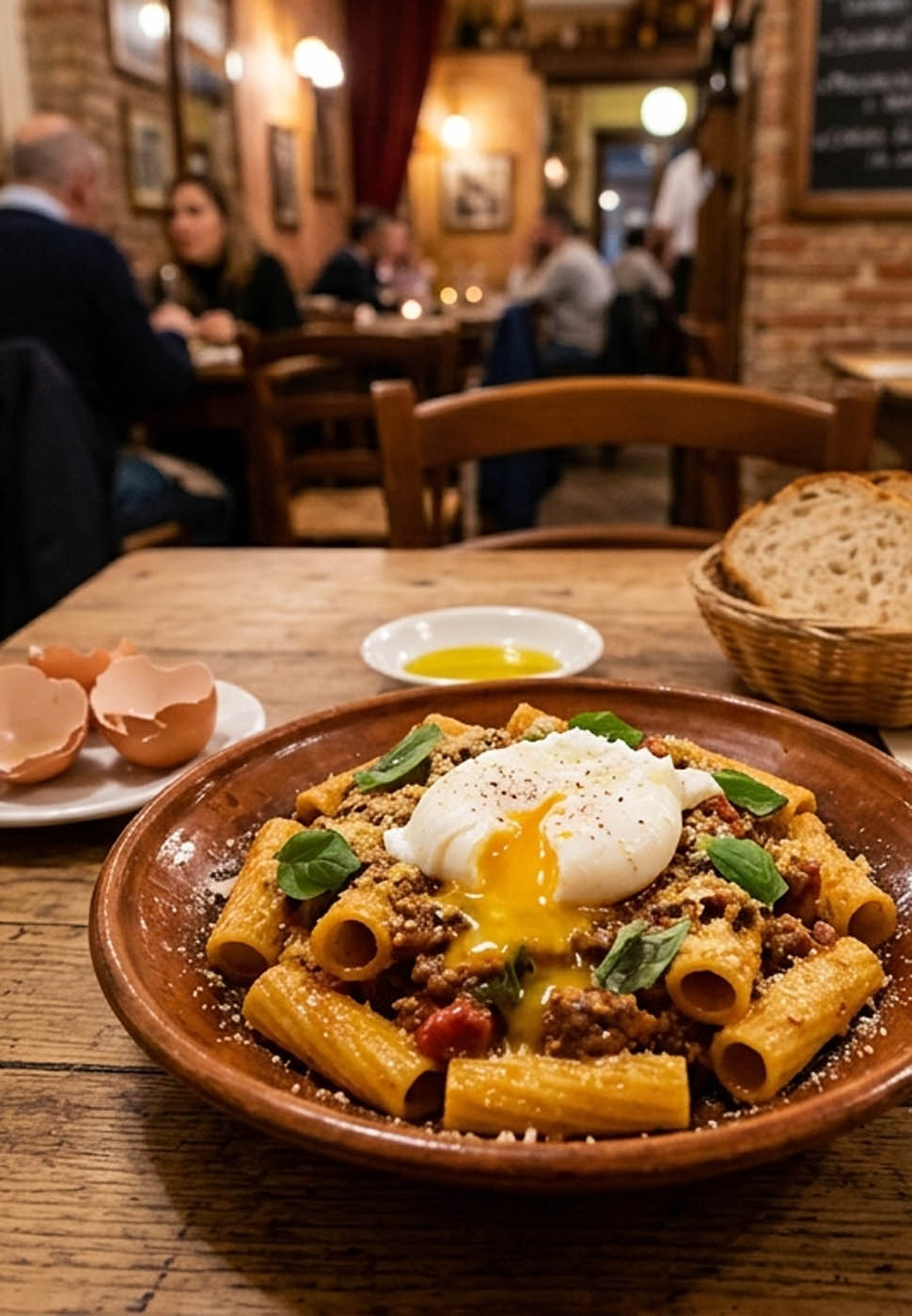
The most unique aspect of Jubany’s recipe undoubtedly lies in the final step, which differs sharply from the classic preparation of Bolognese sauce. Once the macaroni is cooked and has been tossed with the sauce, the chef stirs three beaten eggs into the hot pasta.
This addition, which might surprise purists of Italian cuisine, follows, according to the chef, a precise culinary logic rather than chance. Added after the heat is turned off, the eggs do not set like in an omelet, but emulsify thanks to the residual heat of the pasta and the moisture from the cooking water. The lecithin in the egg yolk acts as a natural thickener, evenly blending the grated cheese with the fatty part of the sauce. The result is a sauce with a thick, silky, and velvety texture that coats the pasta evenly and provides additional nutritional value.
The Value of Time and Cooking Pasta
In addition to using eggs, Jubany emphasizes two key factors: patience in preparing the sauce and precision in cooking times. The ragù requires an initial sauté of onions and carrots cooked very slowly, to which grated fresh tomatoes, garlic, and ground meat deglazed with aged wine are subsequently added. The subsequent slow reduction naturally concentrates the flavors.
Pasta should always be drained a couple of minutes earlier than the manufacturer’s instructions. If the package suggests ten minutes, it’s best to stop at eight. This 10% difference allows the pasta to finish cooking with the sauce and a little of the pasta water, promoting the release of starches and helping the sauce bind better.
Would you make it this way? Let us know on Reporter Gourmet’s social media channels!