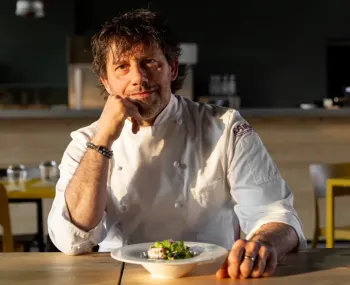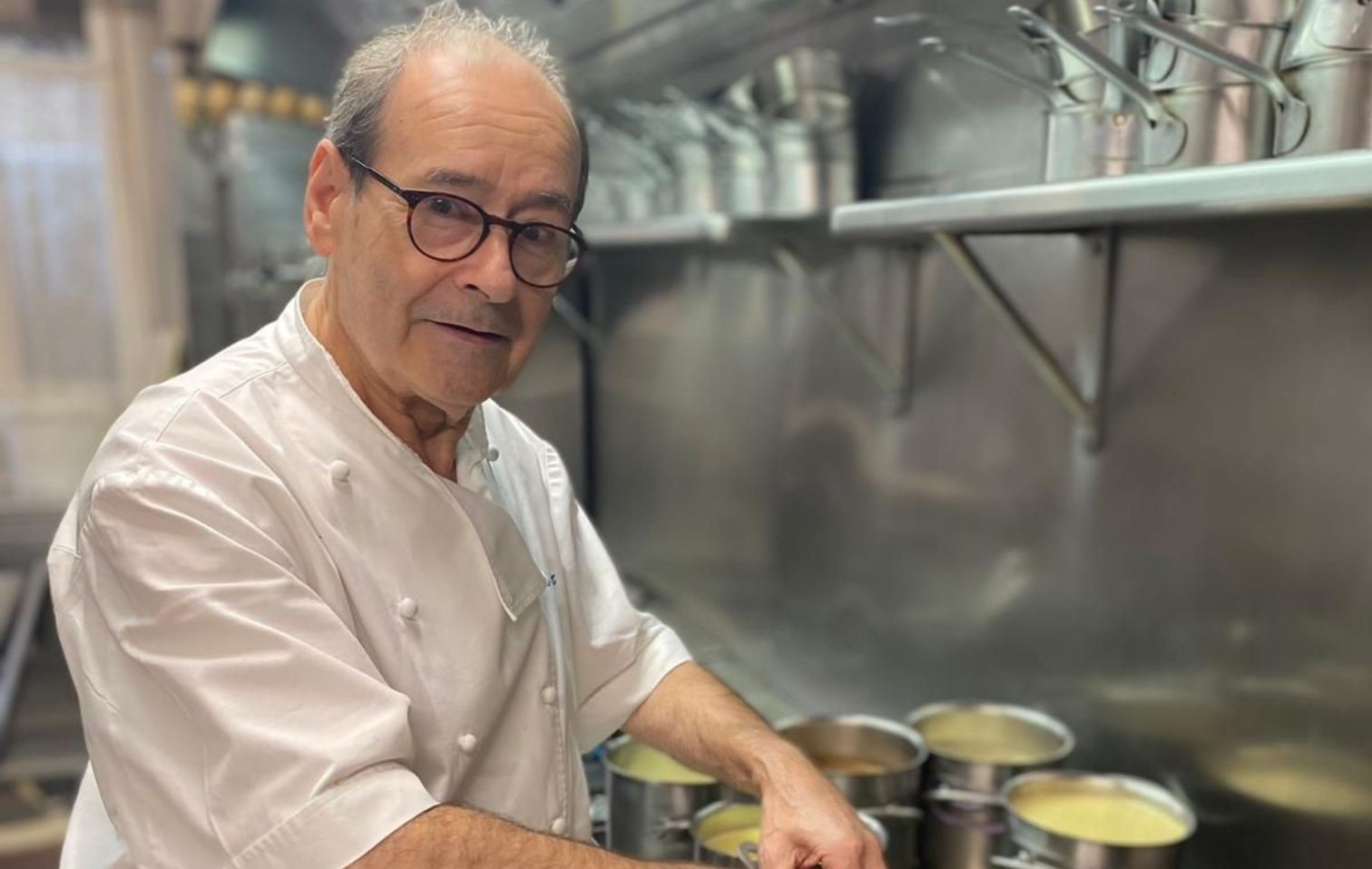
In an age when fame often seems to be a key ingredient of success, Hilario Arbelaitz’s story reminds us that the most enduring prestige almost always stems from much less flashy qualities: perseverance, humility, and respect.
It’s been three years since Hilario Arbelaitz’s Zuberoa closed its doors, yet the foie gras poached in chickpea broth, the lobster with cauliflower and fennel, and that famous pear tart continue to come up in conversations among lovers of Basque cuisine. These are dishes that have spanned generations without seeking to shock, crafted with a sensibility that seemed to prioritize the land and its people over passing trends. Behind this story stands Hilario Arbelaitz, one of the most respected figures in Spanish gastronomy, who was recently honored with a special award at the Terrae International Rural Gastronomy Meeting, held in Gran Canaria. This tribute comes from chefs spanning different generations and speaks to how his legacy has transcended the walls of the restaurant in Oiartzun—the farmhouse where he was born and where he chose to remain for over half a century. His career, after all, has always gone in the opposite direction of what seems almost mandatory today. While many chefs build their careers by moving from city to city, opening restaurants around the world, or turning their names into brands, Arbelaitz has continued to return to the same place every morning. A house dating back more than seven centuries that became a restaurant and then an international gastronomic destination, without losing the homey character of its origins.
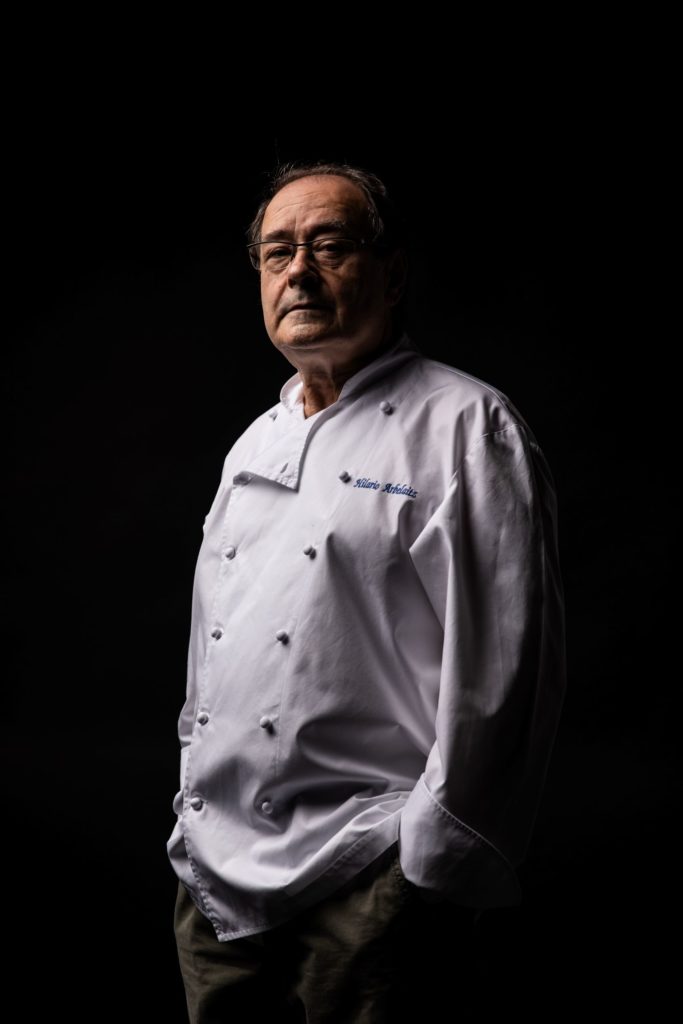
Even today, far from the professional kitchen, he hasn’t really stopped cooking. He offers food for thought when he tells the magazine 7Canibales that for years, his children had reproached him for the little time they spent together. Now, however, they stop by his house every day for lunch. Simple, everyday dishes—the kind that belong to family life rather than haute cuisine. Every now and then they ask him for a recipe from the past, but the scene he describes is almost endearing in its ordinariness: after a lifetime spent cooking for dozens of diners, he often continues to prepare excessive amounts, and his wife points out that, once again, he’s gone overboard.
A Vision of Gastronomy
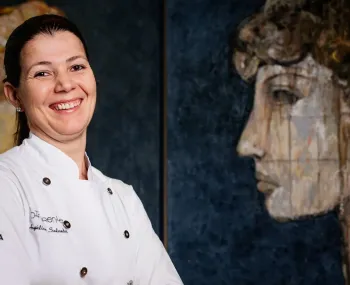
Looking at the contemporary restaurant scene, the chef observes that more and more young people prefer smaller, sustainable establishments over the large restaurants of the past. It’s a choice he fully understands. Managing very large establishments has become increasingly complex. The point, in his view, isn’t the size of the project, but the sincerity with which it’s carried out. “If you cook with pleasure and treat people well, the customer will come back. This applies to a trattoria just as much as to a fine-dining restaurant.” Among the most sensitive issues addressed in *7 Caibales* is that of working conditions in kitchens, which has returned to the center of international debate in recent years. Arbelaitz admits to having been a demanding boss. Many of his former colleagues, including Andoni Luis Aduriz and David de Jorge, have reminded him of this on several occasions. He says, however, that he has always balanced his strictness with respect. “A chef isn’t worth more than others just because he’s famous. We’re a team, and human relationships are just as much a part of the craft as technique.” These words carry particular weight coming from someone who has trained dozens of chefs destined to build distinguished careers. Among them, he proudly mentions Maca de Castro, who arrived at Zuberoa at a very young age almost by chance, and Luis Lera, in whom he had sensed from the very beginning a great strength of character—even before recognizing his professional talent.
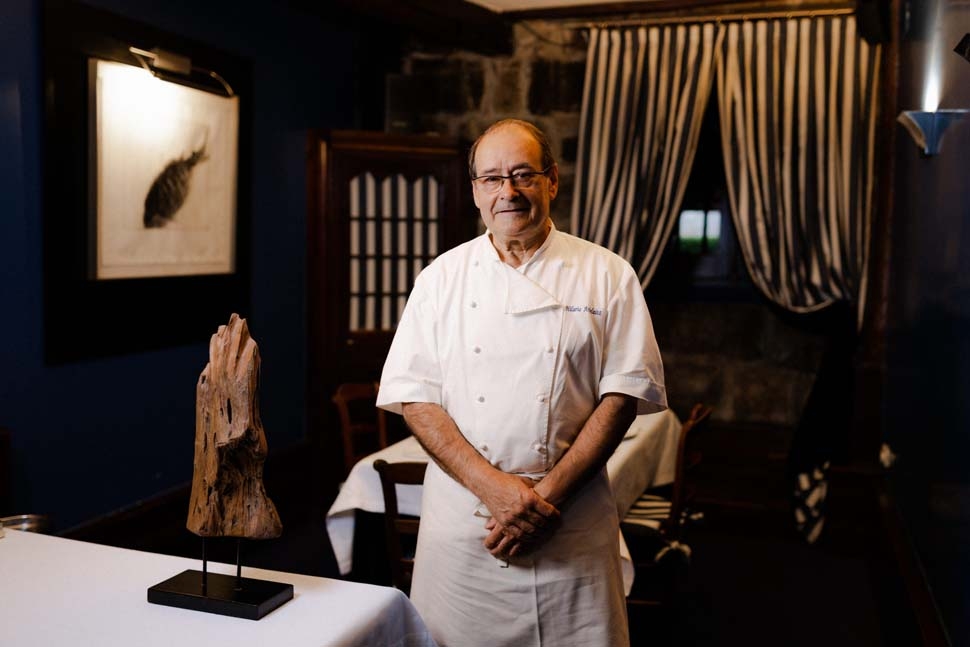
More than the dishes, more than the awards, this is the legacy of which he seems most proud. “We must teach with respect, so that those who come after us will want to continue our work, just as we have continued that of those who came before us.” The advice with which he concludes his speech closely mirrors the principles that have guided his entire life. “Be patient and don’t lose your enthusiasm. As they used to say in the village: by working, you achieve things little by little; without working, however, you achieve nothing.” This is probably the most accurate description of Hilario Arbelaitz. A chef capable of transforming an old country house into one of the iconic landmarks of European gastronomy, while never ceasing to see himself, first and foremost, as a man who learned his craft by watching his mother cook with whatever she had on hand.