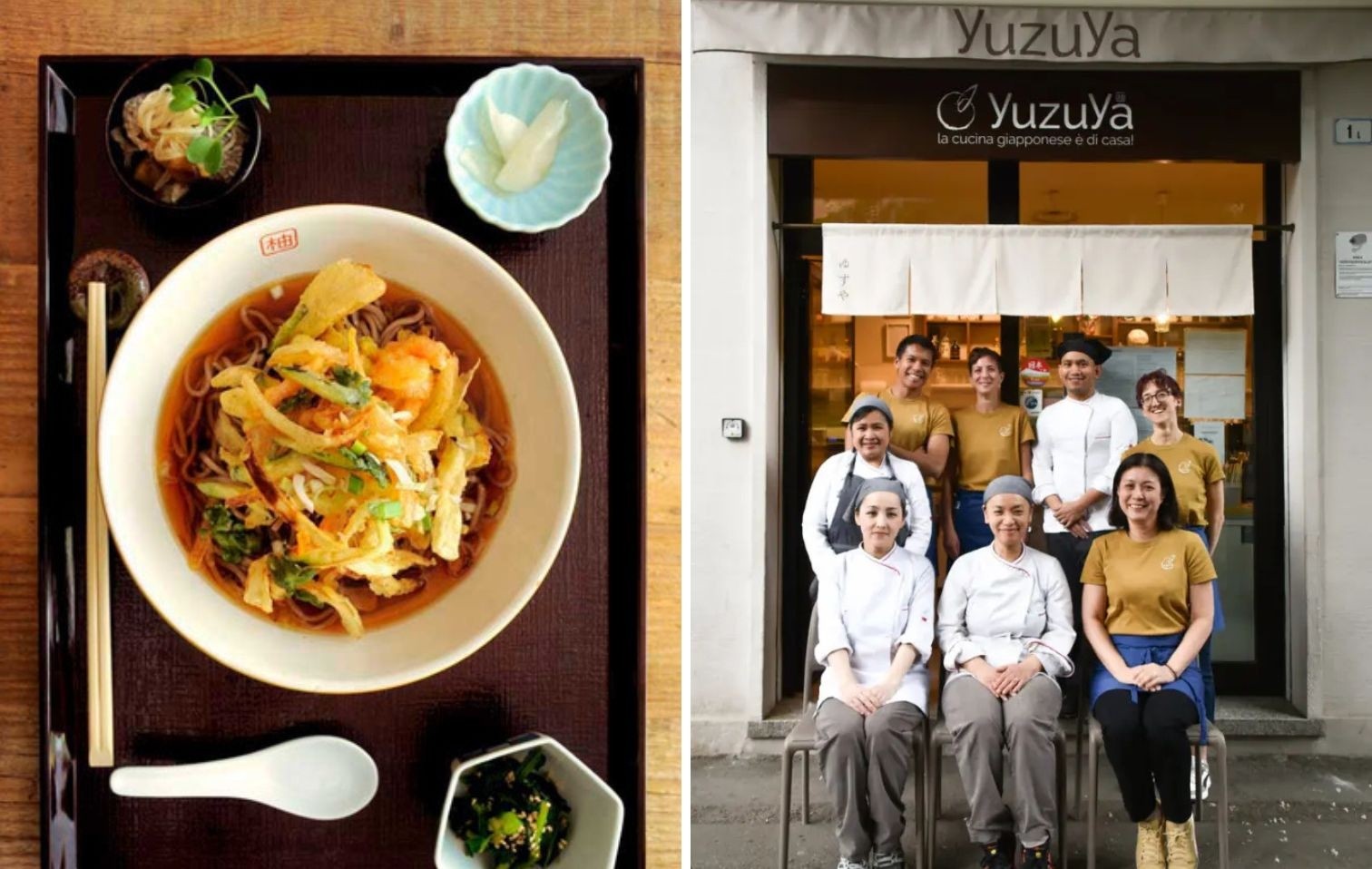
We’re not talking about sushi—at least not in the conventional sense. Let’s set aside the mainstream cuisine that turned it into a global trend and discover a more authentic and traditional side of Japanese culinary culture. A “home-style” cuisine, featuring flavors passed down through generations and dishes deeply rooted in Japanese culture: this is the essence of Yuzuya, the Japanese restaurant in Bologna born from a project by Tsuruko Arai and Takako Kawano.
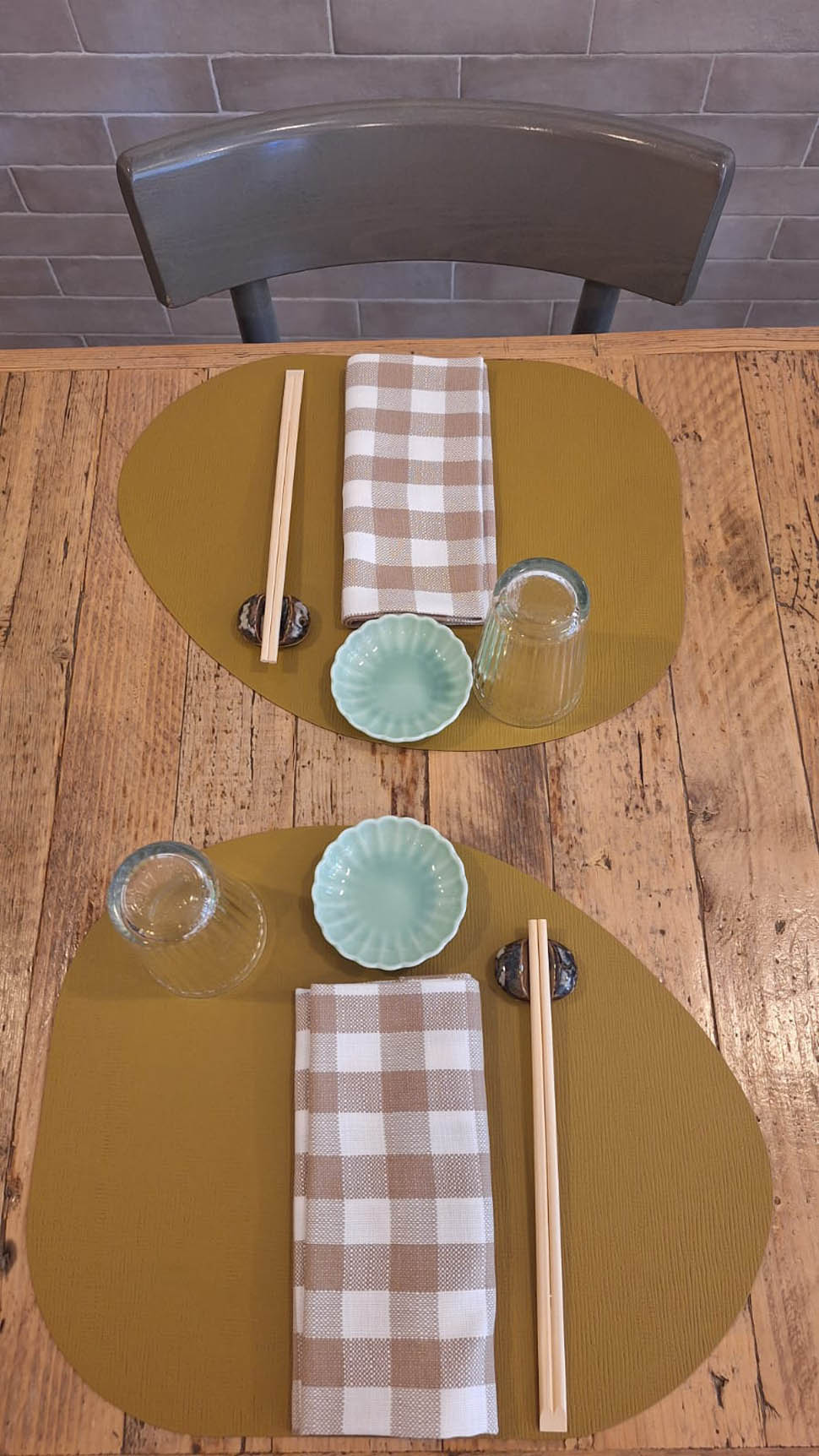
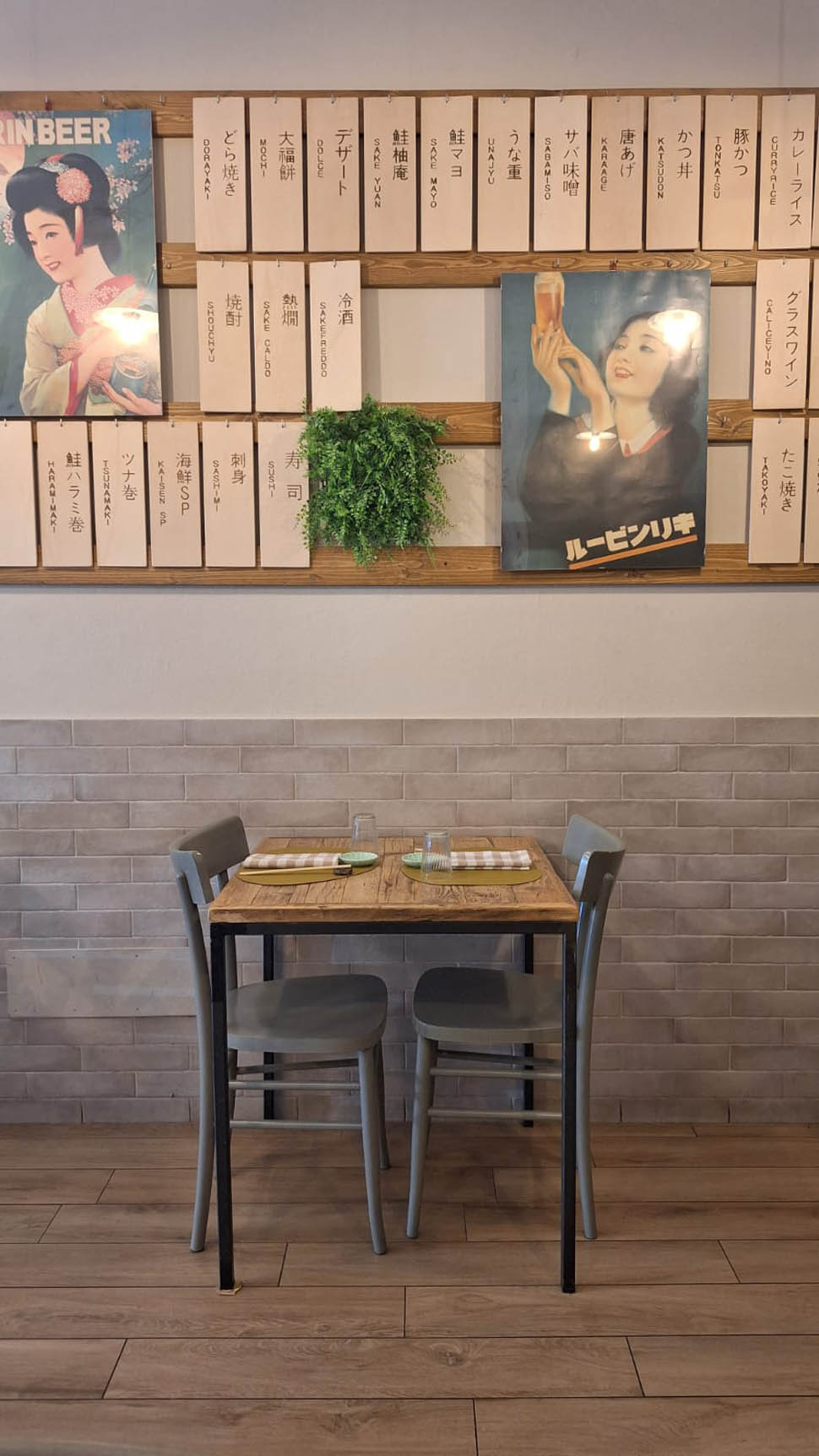
Small and cozy, with the minimalist style typical of Japanese interiors, Yuzuya is a space featuring light colors and natural wood, complete with a chef’s table and seating for about thirty guests, just a stone’s throw from Bologna Station and in the heart of Bolognina, the city’s multicultural neighborhood. This year, the restaurant celebrates its tenth anniversary, continuing to pursue the goal it was founded on: serving the dishes that friends and partners Tsuruko Arai and Tatako Kawano have always enjoyed in their homes, while preserving the authenticity of tradition.
FROM JAPAN TO BOLOGNA: THE JOURNEY OF TSURUKO ARAI AND TATAKO KAWANO
They didn’t start out as professional chefs, but learned the secrets of traditional Japanese cuisine from their families; though they came to Italy for different reasons, Tsuruko and Takako share the same goal: to stay in Bologna, build a family here, and forge a professional future. Their different backgrounds make Yuzuya’s menu unique: Tsuruko Arai hails from Kansai, an area linked to Kyoto and Shiga Prefecture, the cradle of a traditional, refined, and balanced cuisine. Takako Kawano, on the other hand, comes from Yamaguchi, in the far south of the island of Honshū, a more rural area where flavors are more intense and robust, with a home-style cuisine rooted in the sea and the mountains. They learned the culinary arts of Bologna and began organizing cooking classes in their home, teaching those interested in Japanese cuisine classic dishes such as sushi and ramen, with a particular focus on nutrition, overseen by Takako thanks to her studies in the field.
HOSPITALITY, RESPECT, AND AUTHENTICITY
At some point, the question that changes their path comes up: “Why don’t you open a restaurant?” An idea that intrigues them, even if it initially seems like a very bold move. They consider opening a small rotisserie, but the line between the two concepts proves to be thin, and with courage—and perhaps just the right amount of naivety needed for a new adventure—Yuzuya is born. They have always believed in balancing family life with work, which is why the restaurant’s hours were structured from the start around the family’s needs. At first, the restaurant had limited hours and did not accept reservations, but with growing interest from customers eager to experience their cuisine, the project gradually expanded.
This choice also led them to introduce customers to a dining model that goes against the grain of the industry’s traditional rhythms. The onset of the pandemic seemed poised to bring things to a halt, but it turned out to be a moment of transformation instead: like many restaurateurs, Tsuruko and Tatako also adapted by introducing a reservation system. What remained constant, however, was their commitment to closing on red days on the calendar. A decision made out of respect for themselves, their staff, and the need to make kitchen work more sustainable without sacrificing quality of life. Over time, many customers have become friends—regulars who have understood and embraced this philosophy: hearing, after the summer closure, “we couldn’t wait any longer for the reopening” is one of their greatest sources of satisfaction. The experience at Yuzuya goes beyond the classic idea of high-end dining; entering here means instead feeling welcomed into a more intimate, familiar, and authentic setting, where human connection is just as important as the cuisine. The same spirit animates the bond with the staff, with whom they share journeys to discover Japan and moments that reinforce a deep sense of inclusion and belonging, a way of experiencing the restaurant that is based first and foremost on relationships, mutual respect, and the building of a community.
MODERATION AND BALANCE IN YUZUYA’S CUISINE
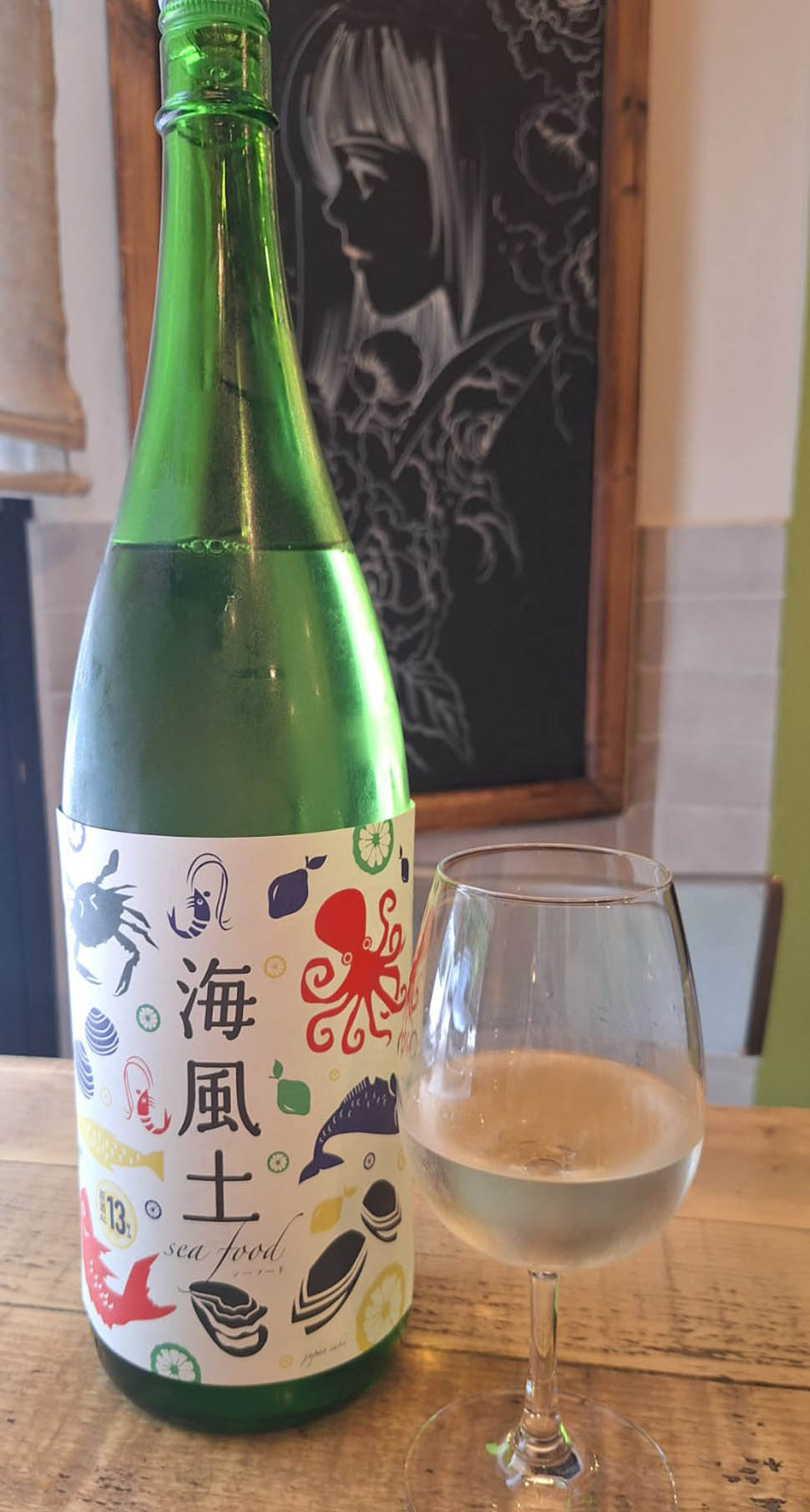
Cuisine is, above all, a way of life: the measured, essential, and balanced way of life that Japan conveys through its daily rituals and gastronomic culture. In this context, ingredients play a central role and demand a commitment to simplicity in preparation, so that an authentic, clean, and never excessive flavor emerges on the plate. A cuisine that, as we said at the beginning, does not speak the language of all-you-can-eat, but that of tradition—in the least overused, yet most genuine sense of the term. The tasting curated by Tsuruko and Tatako was accompanied by a sake worthy of special mention: Sake Fukucho Seaside Junmai produced by Miho Imada, the world’s best sake brewer and one of the very few female tōji in Japan. In the sake tradition, tōji are master brewers, key figures whose sensitivity, experience, and care determine not only the quality of the final product but also its personality. And this is precisely what emerges in Miho Imada’s work: a delicate, feminine, precise, and elegant approach, capable of bringing to life a sake of great harmony. Her Junmai proved particularly well-suited for pairing with sashimi and sushi, accompanying the entire tasting experience with balance and subtlety, without ever overpowering the flavors.
THE MENU
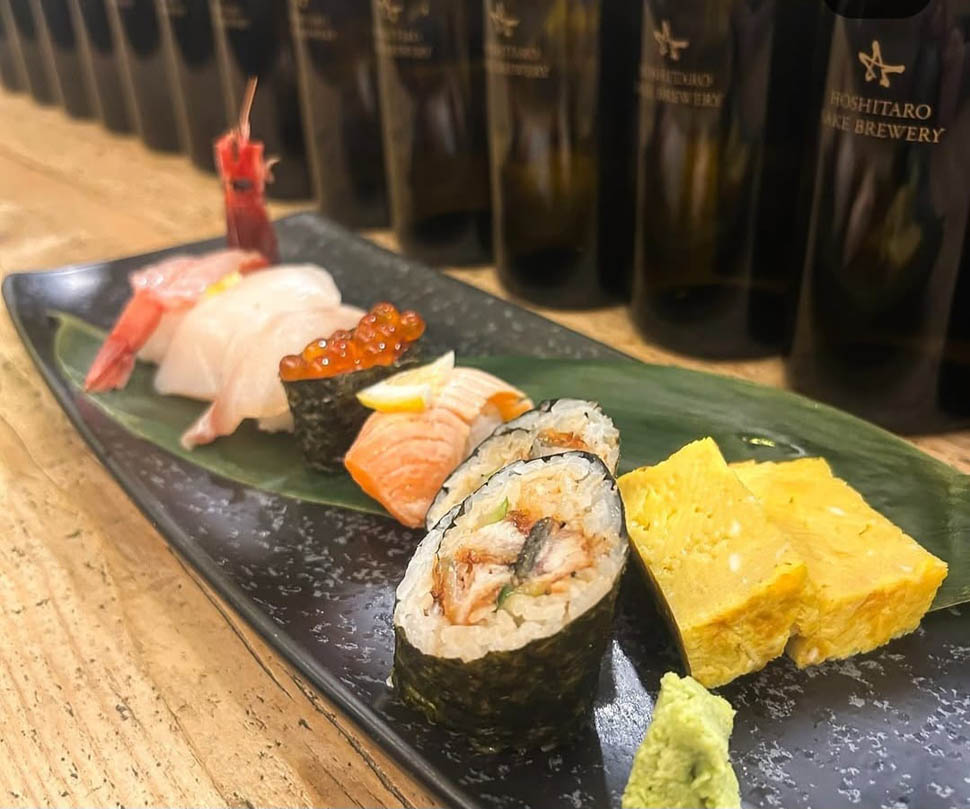
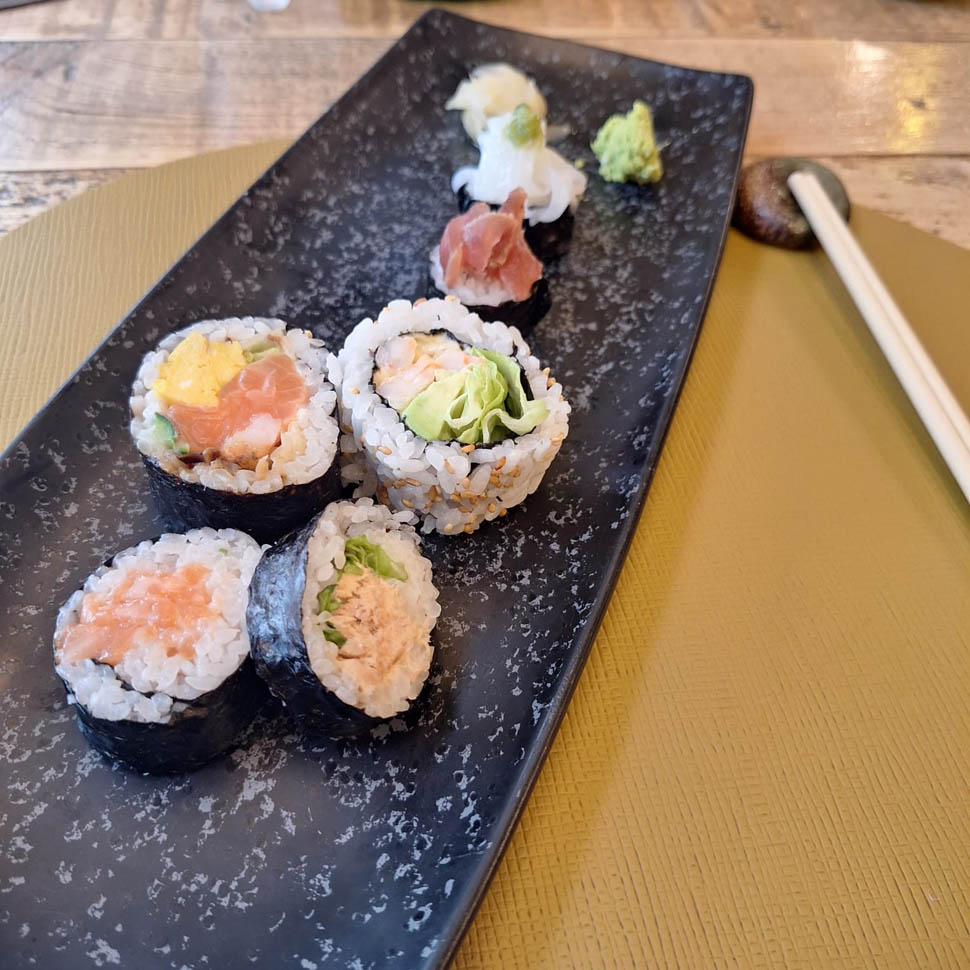
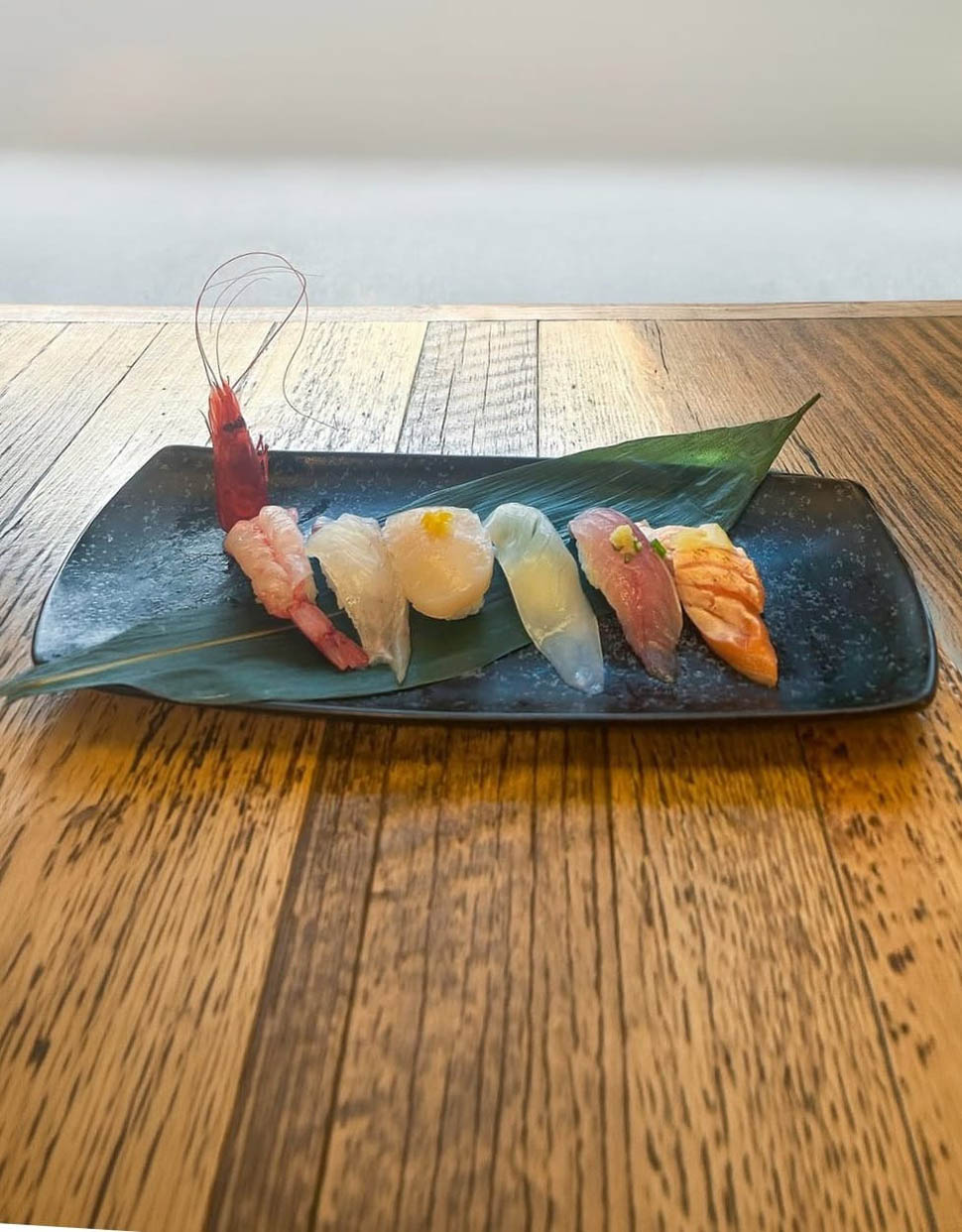
The tasting begins with Yuzuyamaki, a maki roll filled with salmon, shrimp, salad, cucumber, ginger, omelet, and shiitake mushrooms; Sushi Canapés: fish of the day, rice, and seaweed; and Tunamaki, a maki roll featuring tuna. For those familiar with Japanese cuisine and the subtlety of certain flavors, it is easy to understand how, in seemingly simple preparations, the quality of the ingredients becomes essential—serving as a bridge to a balanced harmony without excess, allowing the freshness and clarity of the various flavors to shine through.
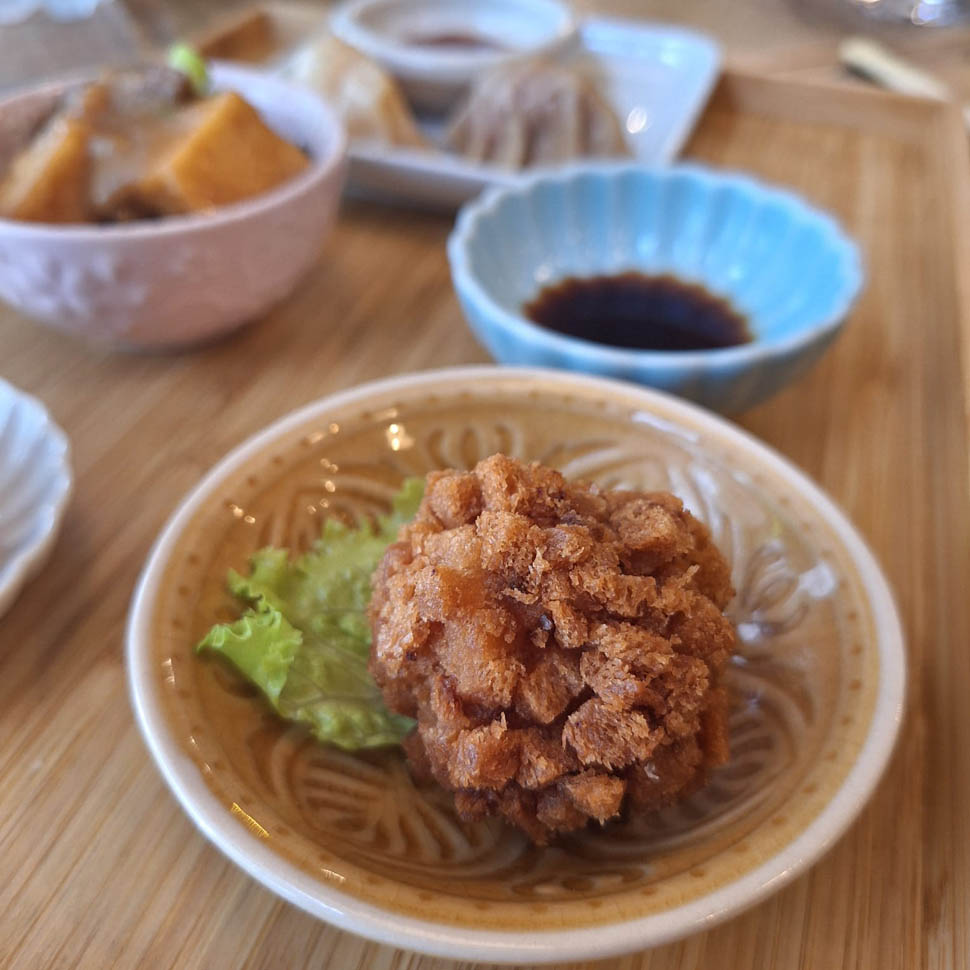
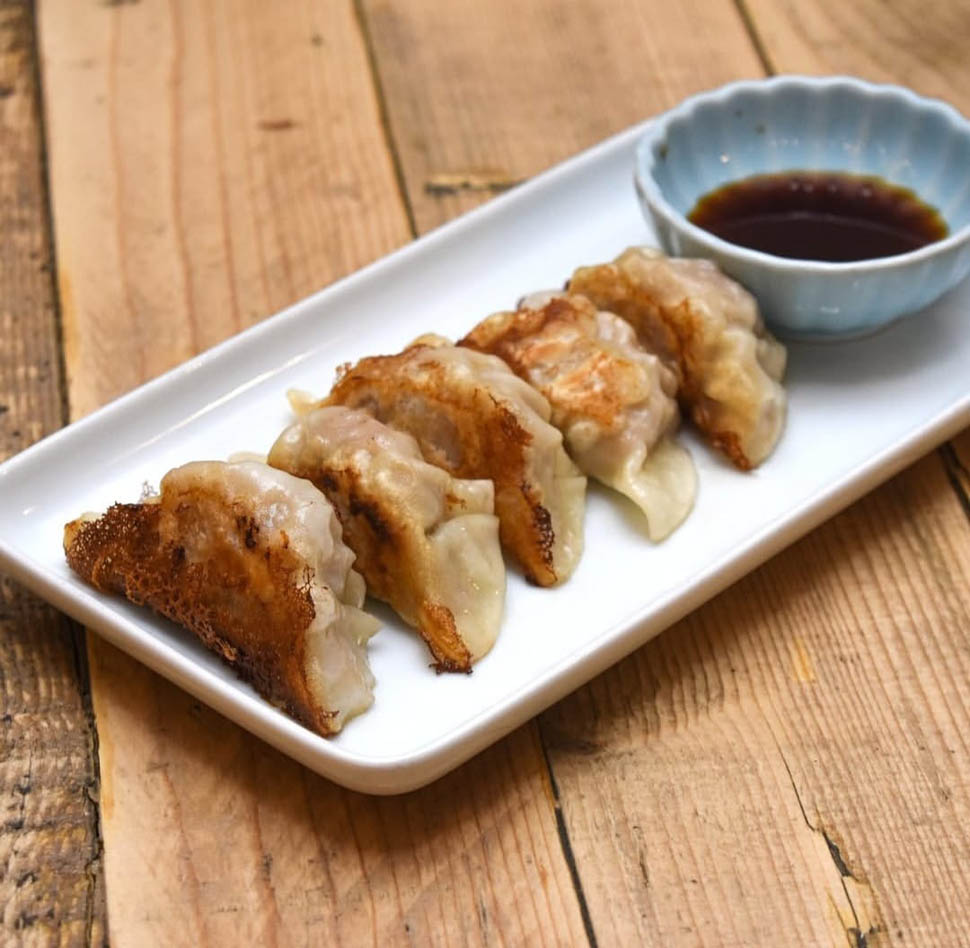
Next up are classic Japanese ravioli: Pan-fried gyoza made with pork and shrimp, followed by Ebi Kanokoage, deep-fried shrimp balls with a thick breading. A simple yet satisfying bite, where the sweetness of the shrimp combines with the crispy exterior and the Worcestershire sauce, which rounds out the flavor profile with its signature twist. A dish that takes Tsuruko back to her childhood, deeply tied to her family memories.
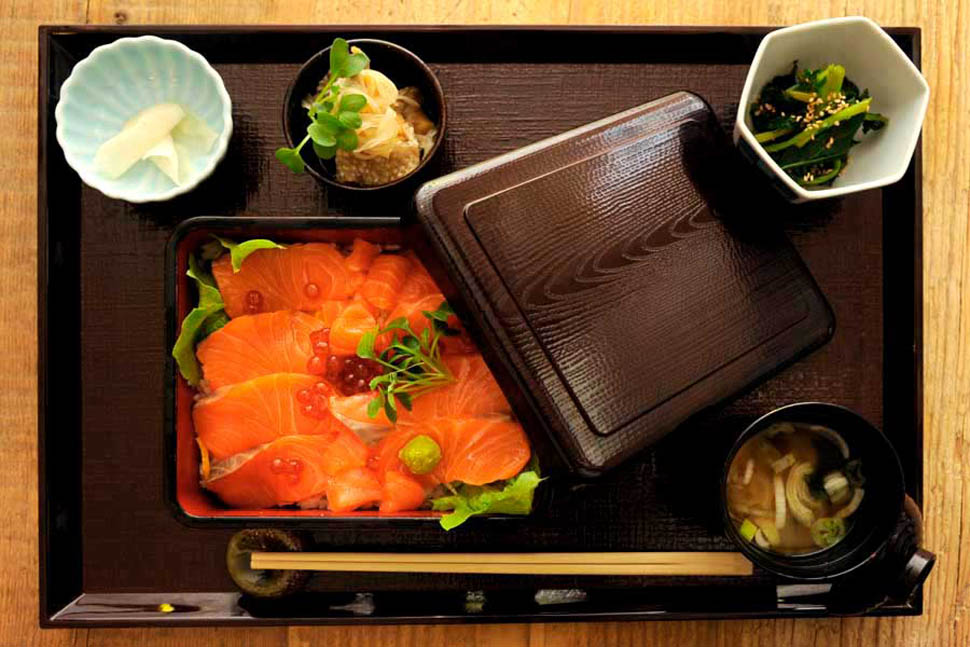
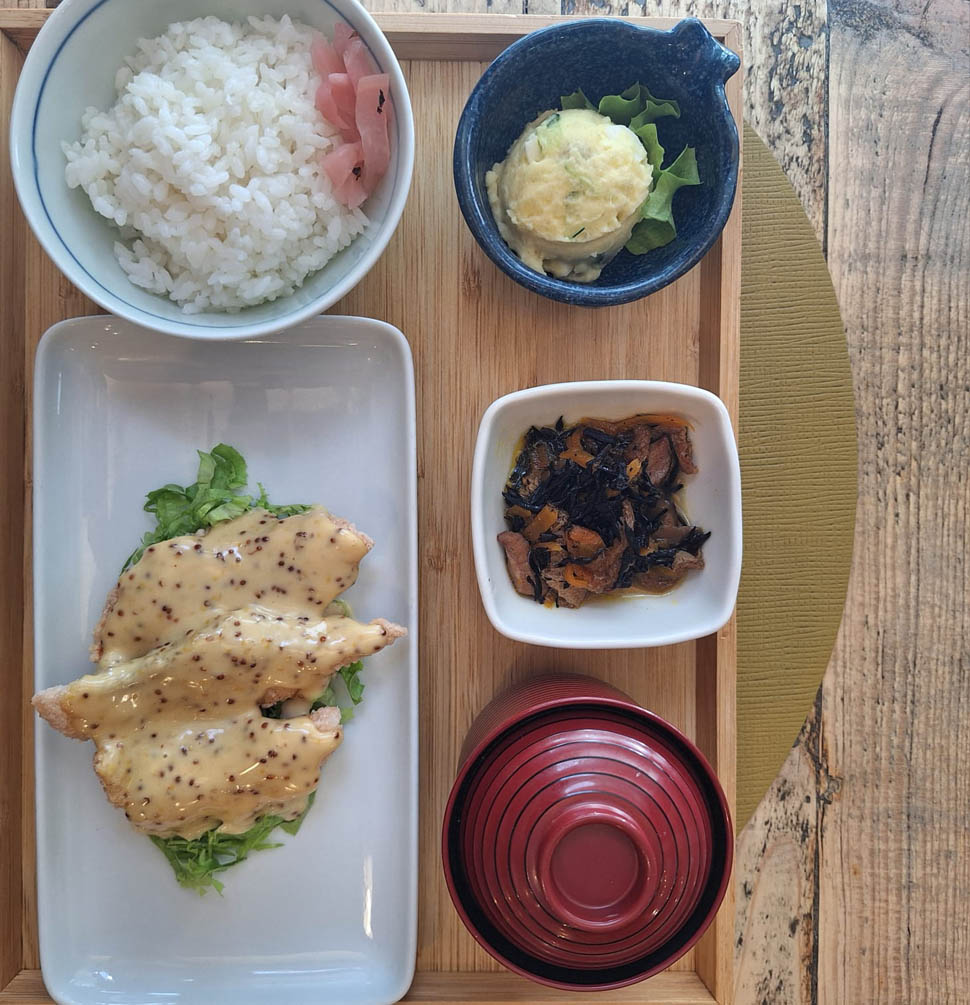
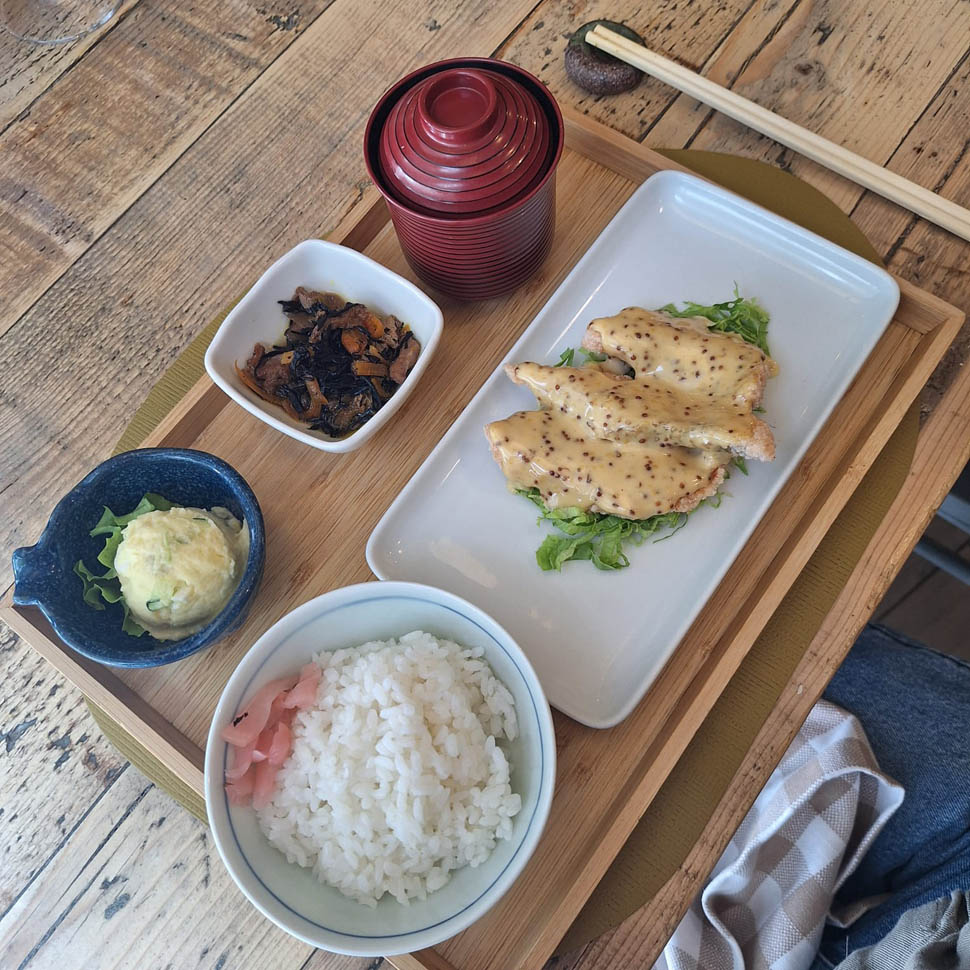
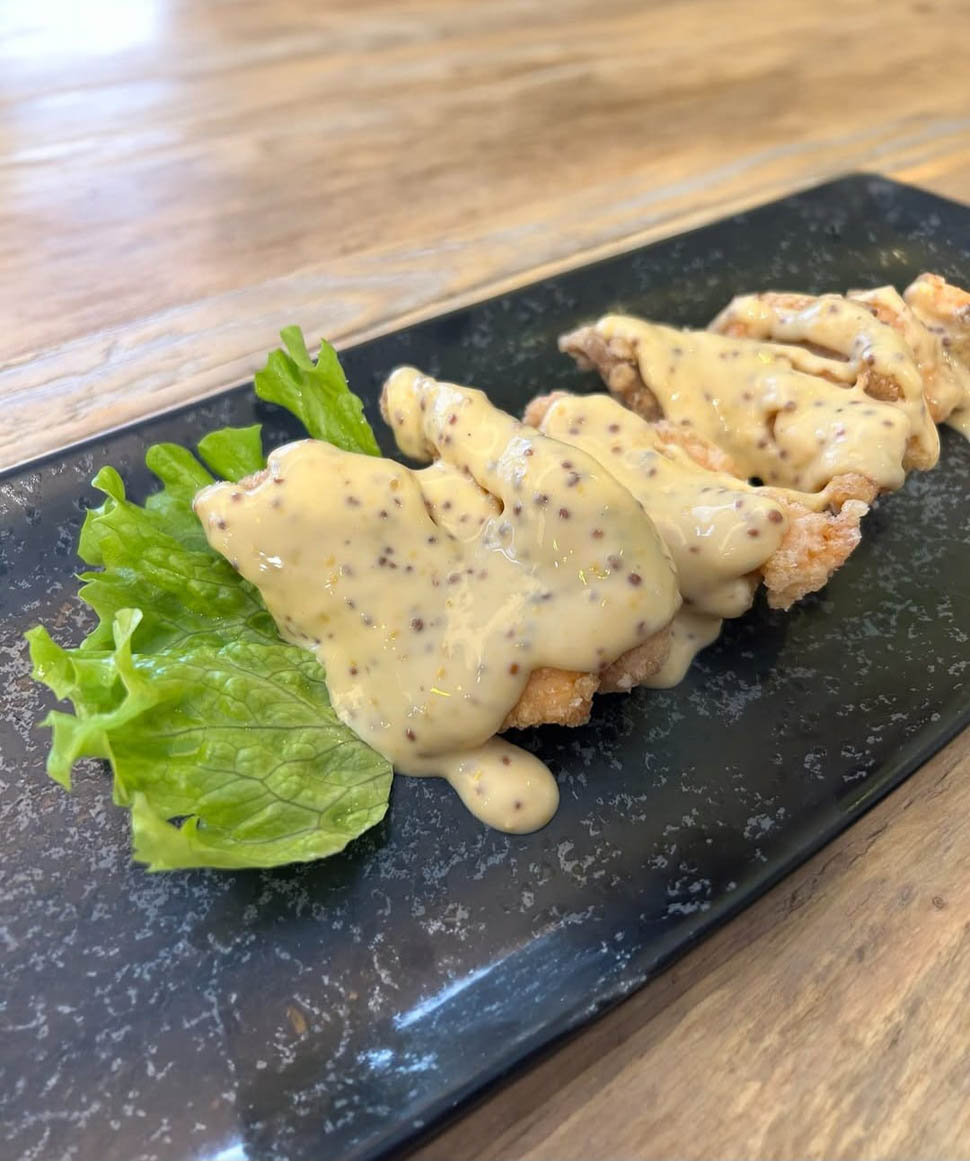
In Kansai, every Sunday is Takoyaki day, a tradition we also find here: these Osaka-style dumplings contain a small piece of octopus (tako) cooked on a griddle (yaki). They are prepared on special griddles with hemispherical indentations, into which the batter is poured and left to cook until it takes on its characteristic round shape. Nasu miso is a small bowl of eggplant and tofu, seasoned with miso and ginger sauce, chosen as a side dish. Japanese home cooking is fully reflected in Teishoku, a set meal where all courses are served together. Small dishes that, taken as a whole, create a sense of harmony and balance, evoking the simple and orderly structure of a Japanese home meal. Rice is a constant presence, along with miso soup made with dashi broth, wakame seaweed, and miso. To complete the dish, a main course and two side dishes, following the typical structure of teishoku: Sake mayo, fried salmon in mustard sauce and Japanese mayonnaise, potato and hijiki salad, seaweed stewed with fried tofu and carrot, cabbage, and soy sauce.
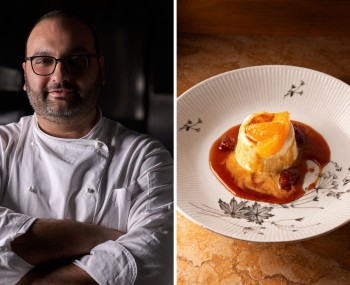
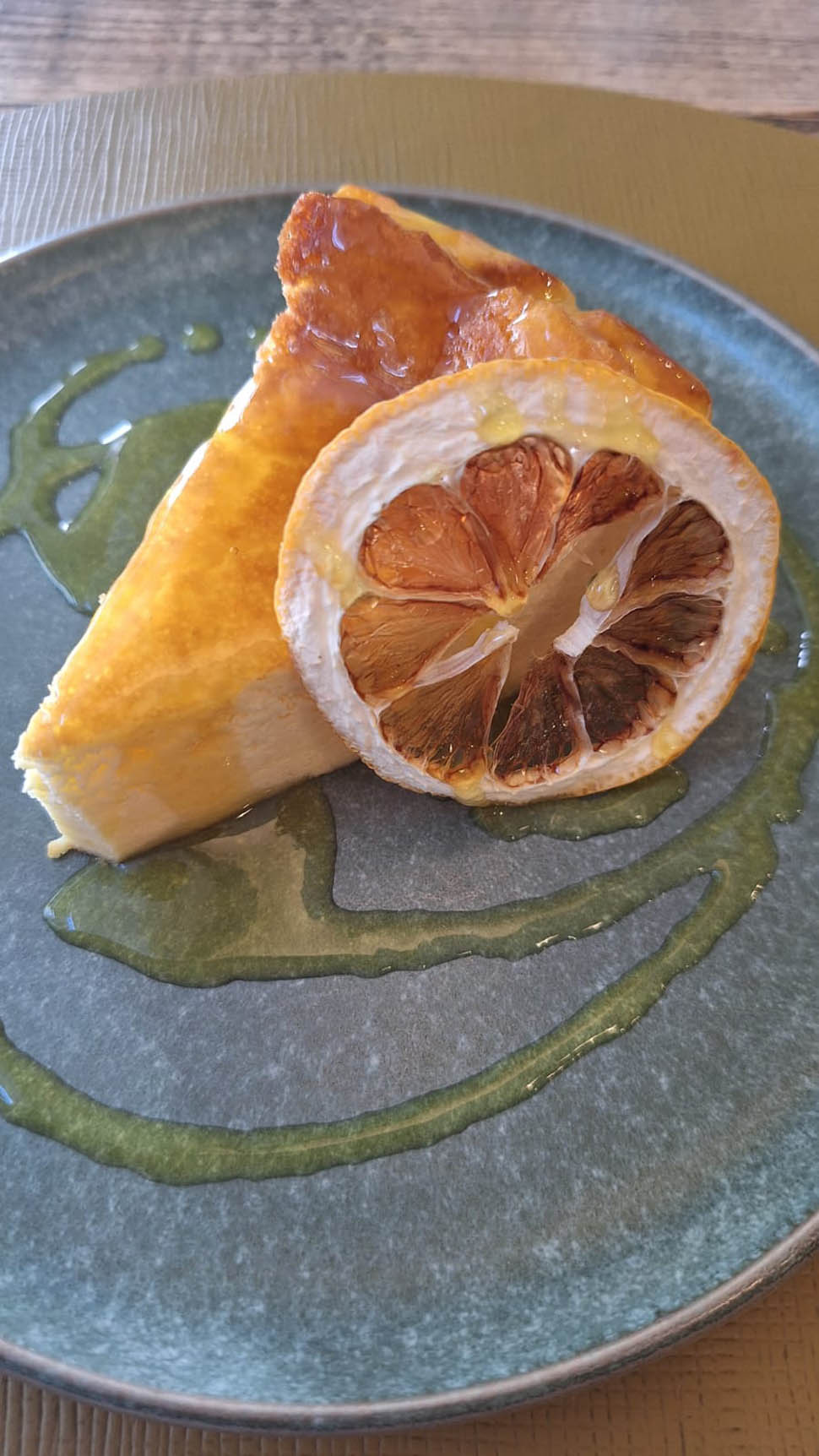
The dessert: Yuzu (T)heesecake, a baked yuzu cheesecake, prepared in its classic form but with a creamier texture than the chilled version. Yuzu juice is added to the filling, while the top is finished with a yuzu marmalade and a garnish of caramelized lemon, which enhances its aromatic and citrusy notes. The dessert was conceived by a former restaurant employee, Tomoko, and the “T” in the name is dedicated to her, a sign of a bond that has endured over time.
THE TRUE CULINARY DIMENSION OF JAPAN
What immediately strikes you about Yuzuya is the feeling that you’re not entering a typical Japanese restaurant, but a space that captures a part of Japan in its truest form. From the noren at the entrance to the design of the menu, every element contributes to defining a precise and consistent identity, in line with the restaurant’s philosophy, which is far removed from a profit-driven approach. For Western diners, Yuzuya is a true discovery: a way to connect with a culture that is as fascinating as it is essential, through cuisine that evokes a sense of home, balance, and harmony.
Yuzuya
Via Nicolò Dall'Arca, 1/i-l, 40129 Bologna BO
Phone: 051 041 5021