At a time when inflation continues to shape consumer habits and many families are paying closer attention to their leisure spending, France is reviving one of the most unique initiatives in the restaurant industry in recent years.
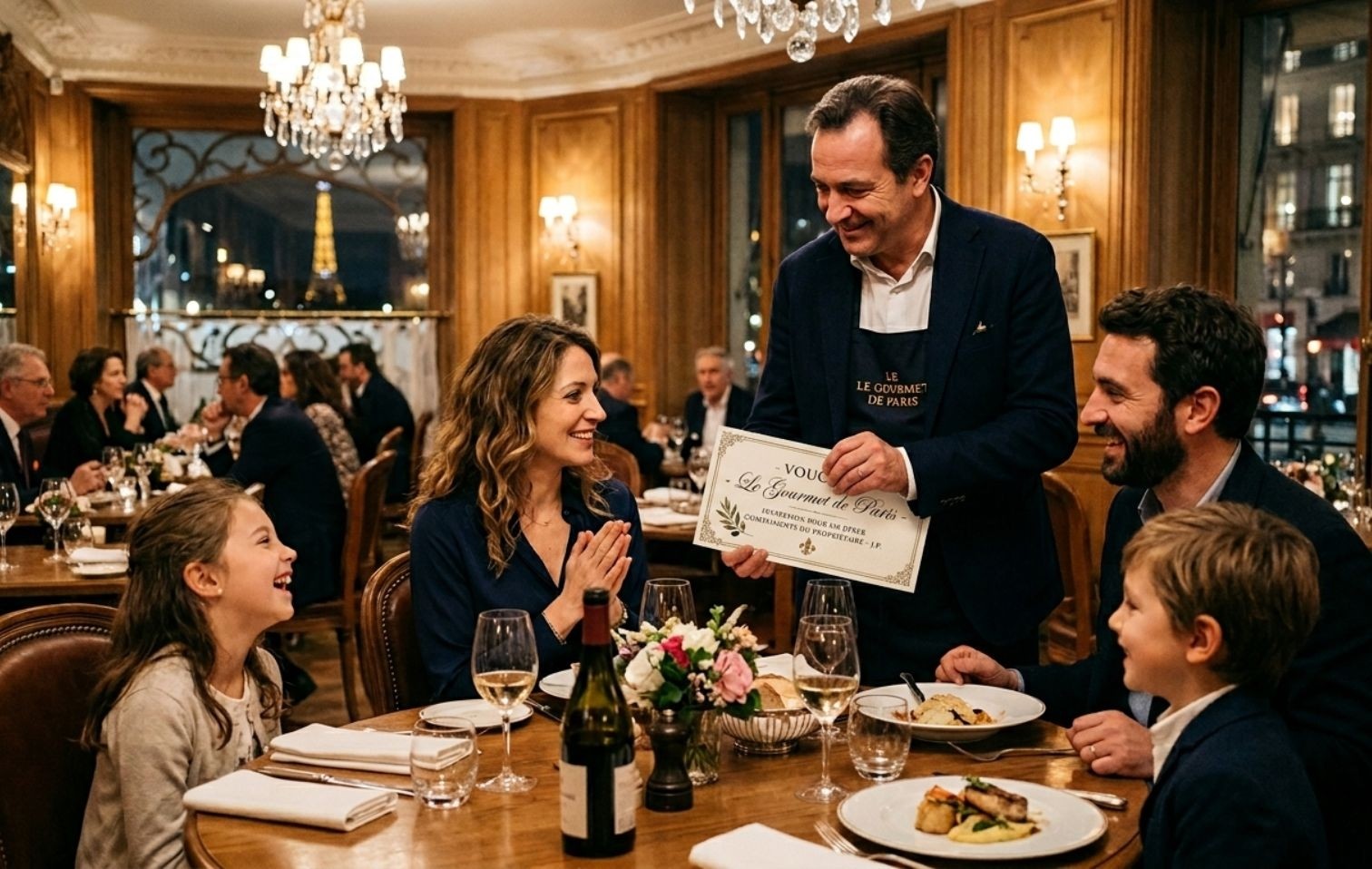
Starting June 1, “Tous au Restaurant” has resumed—the initiative that offers the “buy one, get one free” deal, giving consumers the chance to enjoy a dining experience at particularly attractive prices. The initiative will involve hundreds of restaurants across France, with a strong concentration in Paris and the Île-de-France region, running through June 14 (so, as of this writing, there are still a few days left to take advantage of it). It all stems from a dual objective: to support restaurant owners and encourage the public to return to dining establishments.
A format that has already won over thousands of people
“Tous au Restaurant” is not a new concept in the French culinary scene. The project was conceived in 2009 by Alain Ducasse, one of the most influential figures in international dining, together with Laurent Plantier. Over the years, the initiative has become a highly anticipated event for food enthusiasts and industry professionals alike. The last edition, held in 2019 before the format was suspended, achieved impressive numbers: nearly 2,000 participating restaurants across France, ranging from neighborhood bistros to the most prestigious Michelin-starred establishments. The principle behind the initiative’s success is extremely simple: customers purchase one meal and receive a second one free of charge, allowing couples, friends, and families to enjoy dining experiences that are often considered out of their price range.
Fine dining and accessible dining in a single initiative
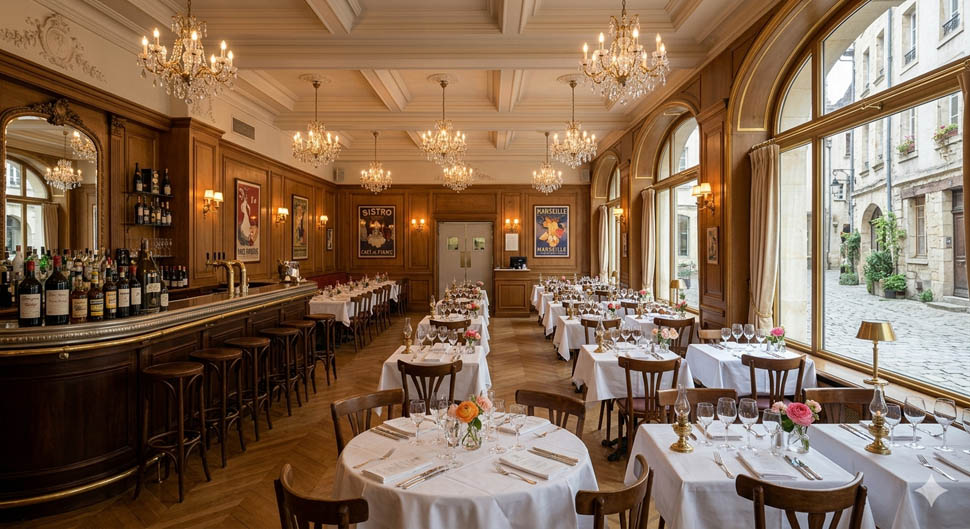
One of the most interesting aspects of “Tous au Restaurant” is its ability to bring together a wide variety of establishments. Alongside gourmet restaurants and those recognized by international guides, the initiative also includes brasseries, contemporary bistros, and more casual dining spots. Each establishment retains the freedom to define its own event-specific menu, participation dates, and services offered. This allows for an extremely varied offering, capable of satisfying different audiences and showcasing the full breadth of the French restaurant scene. For many consumers, it also represents a unique opportunity to try restaurants that are normally perceived as financially out of reach.
The Impact of Inflation on Consumer Habits
The return of the initiative comes at a particularly significant time for the sector. According to a survey conducted by OpinionWay for TheFork, 97% of French people continue to consider dining out one of life’s great pleasures. At the same time, however, more than four in ten people say they are much more price-conscious today than they were five years ago. This shift in consumer habits has inevitably influenced how often people dine out and their choices, leading many restaurateurs to develop new strategies to keep their offerings attractive. In this context, “Tous au Restaurant” represents a concrete response to the growing need to balance quality and affordability.
An opportunity for restaurant owners as well
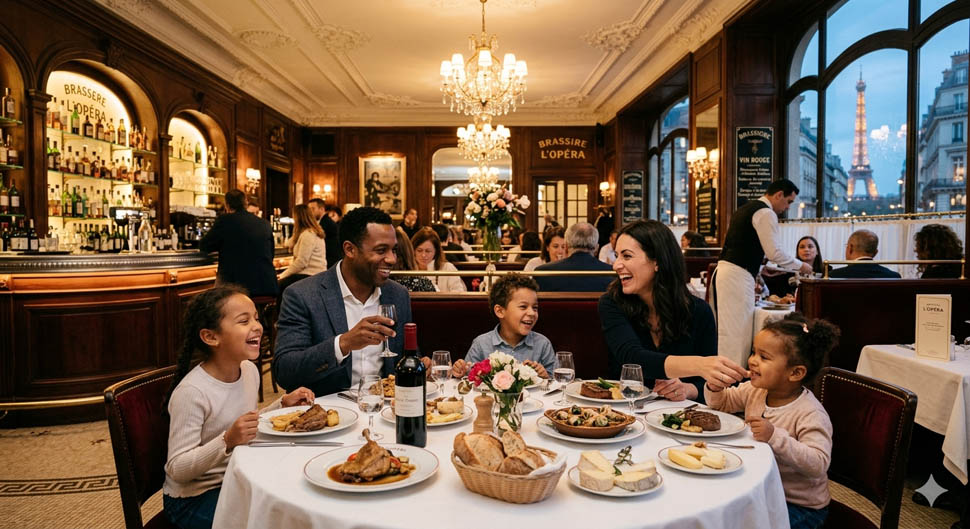
While consumers can benefit from special offers, the initiative also presents significant opportunities for restaurants. Participating in the event means increasing your restaurant’s visibility, attracting new customers, and encouraging reservations during a key time of year. In fact, many restaurateurs view the initiative as a tool for experiential marketing: an opportunity to introduce their cuisine to an audience that might later return as regular customers. It is therefore not merely a commercial promotion, but a genuine investment in the relationship with the consumer.
A model that could inspire other countries
The return of “Tous au Restaurant” brings an interesting question back into the spotlight: is it possible to make quality dining more accessible without compromising its value? The French experience demonstrates that targeted initiatives can help match supply and demand, supporting both consumers and businesses at the same time. In an increasingly competitive market influenced by global economic dynamics, projects like this highlight how the promotion of gastronomic culture can also become a concrete tool for supporting the sector. Over the coming weeks, therefore, thousands of French people will have one more reason to return to restaurants. And for many establishments, it will be an opportunity to win back the public through what truly matters: the experience, the hospitality, and the quality of the cuisine.