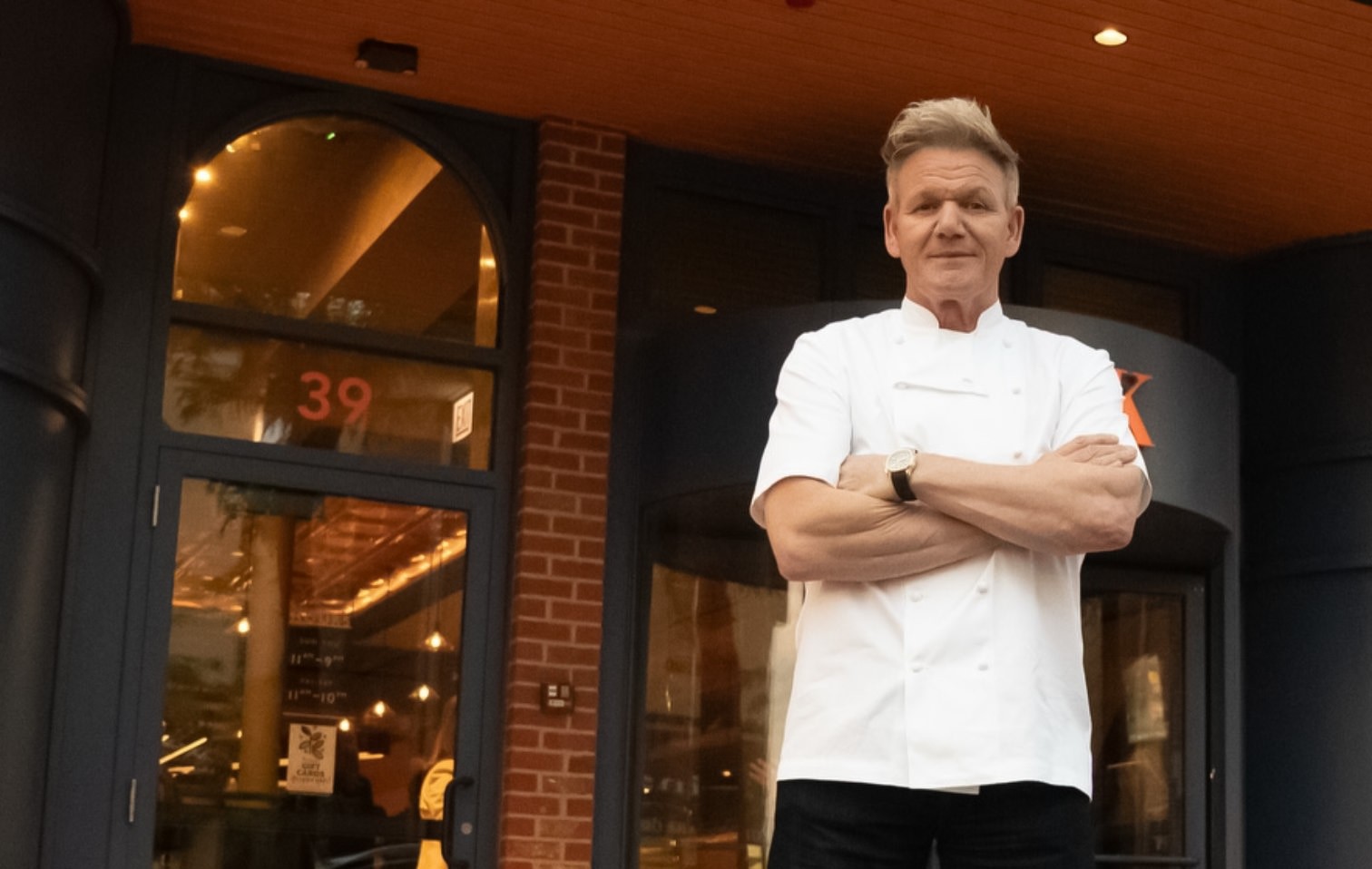
Rubbing salt in the wound: the “Ramsay method” and the twilight of voluntary tipping.
The News
It’s not the heat of the stove this time that’s making Gordon Ramsay’s blood boil, but the cold clang of the cash registers. If cooking is the art of balancing flavors, the multi-starred chef’s latest move at Lucky Cat seems to have disrupted a far more fragile balance: that between the exclusivity of the brand and the patience of the customer. The introduction of a 20% service charge—an addition that feels more like a sentence than a gesture of gratitude—has turned the dining experience into an ethical battleground, where the brand’s prestige clashes head-on with the wallets of its most loyal gourmets.

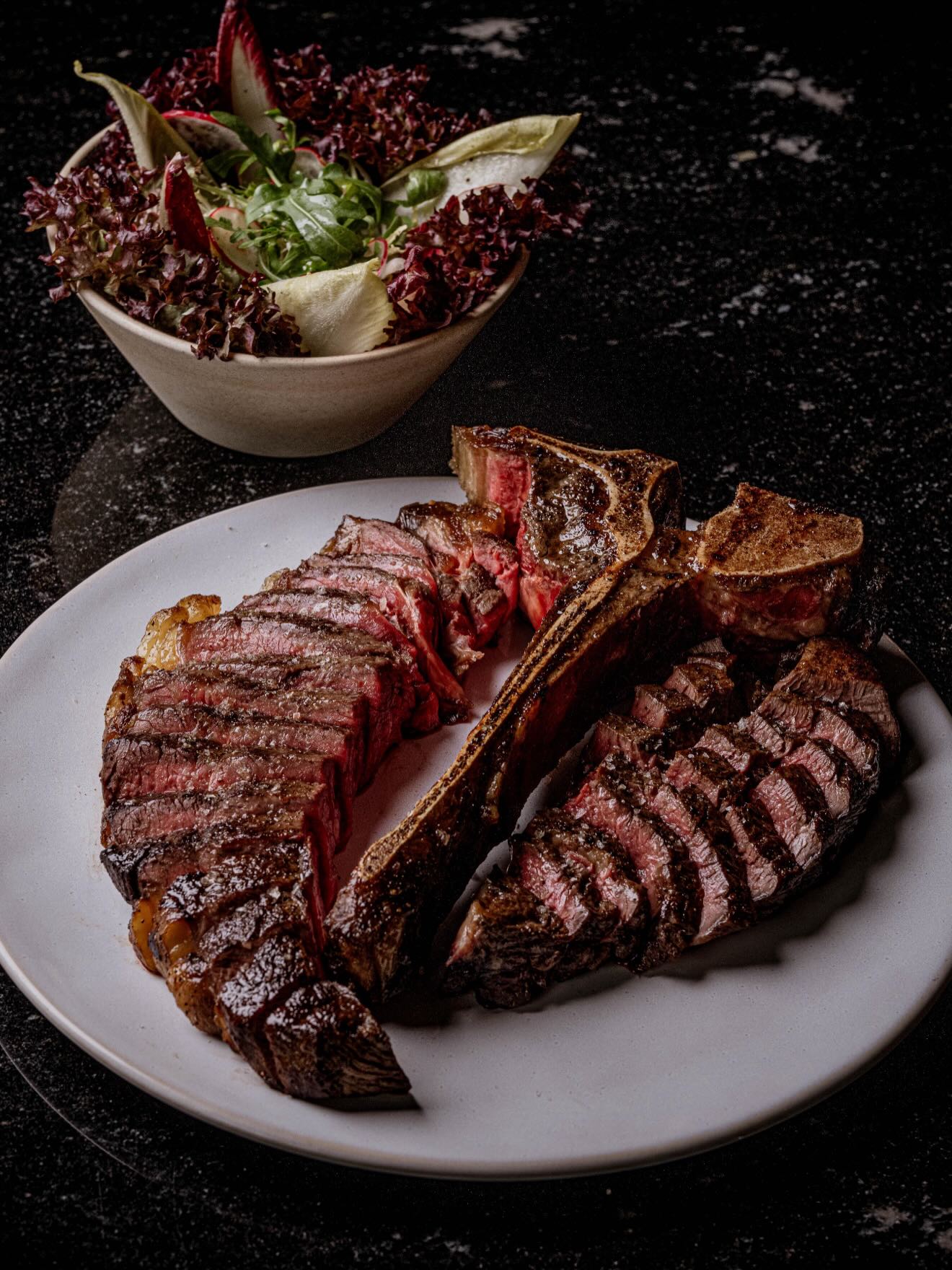
The frustration of diners, as reported in *The Independent*, isn’t just about the price itself, but the perception that dining out is becoming a maze of hidden costs. In a context where a Japanese A5 sirloin approaches £138 and lamb chops hover around £50, the automatic addition of a fifth of the total bill is perceived as an “absurd” and overbearing surcharge. The accounts paint a picture of growing mistrust: some report being asked to leave the table after just 50 minutes despite a staggering bill, while others complain of a warm welcome that vanishes the moment they cross the threshold, giving way to customer service that prioritizes profit over hospitality.

This trend raises a fundamental question about the very nature of service. While the United Kingdom is sliding toward an “American-style” tipping model, where the percentage is predetermined and almost coercive, many critics strongly advocate for the Japanese philosophy. In Japan, excellence is considered an intrinsic duty toward the guest and one’s own professionalism; incorporating labor costs directly into the menu price is the only way to honor the dignity of the staff without turning the customer into a monetary judge at the end of the meal. The so-called “discretionary” tip now appears as a hollow simulacrum of freedom: if the cost is preset,the choice disappears, leaving room for suspicion (especially in the perception of some social media users) that such sums serve more to inflate the owners’ bottom line than to line the waiters’ pockets.

In this scenario, the divide between transparency purists and defenders of the current system is becoming clear. On one side, there are those who demand that a decent wage be already included in the cost of a steak, avoiding unpleasant surprises at the end; on the other, there is concern for a group—dining room staff—that has historically been underpaid (with the necessary exceptions, and we certainly cannot comment on the business of the famous TV chef). Once again, it will be up to the public to decide whether or not to treat themselves to a dinner with a “fixed fee” of this magnitude earmarked for staff.