The Sunset in Mollis: Alex Bond’s Bitter Rant on Culinary Excellence and the Unbearable Burden of Energy Costs.
The News
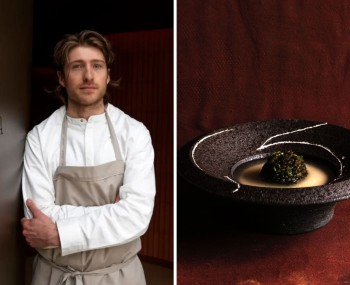
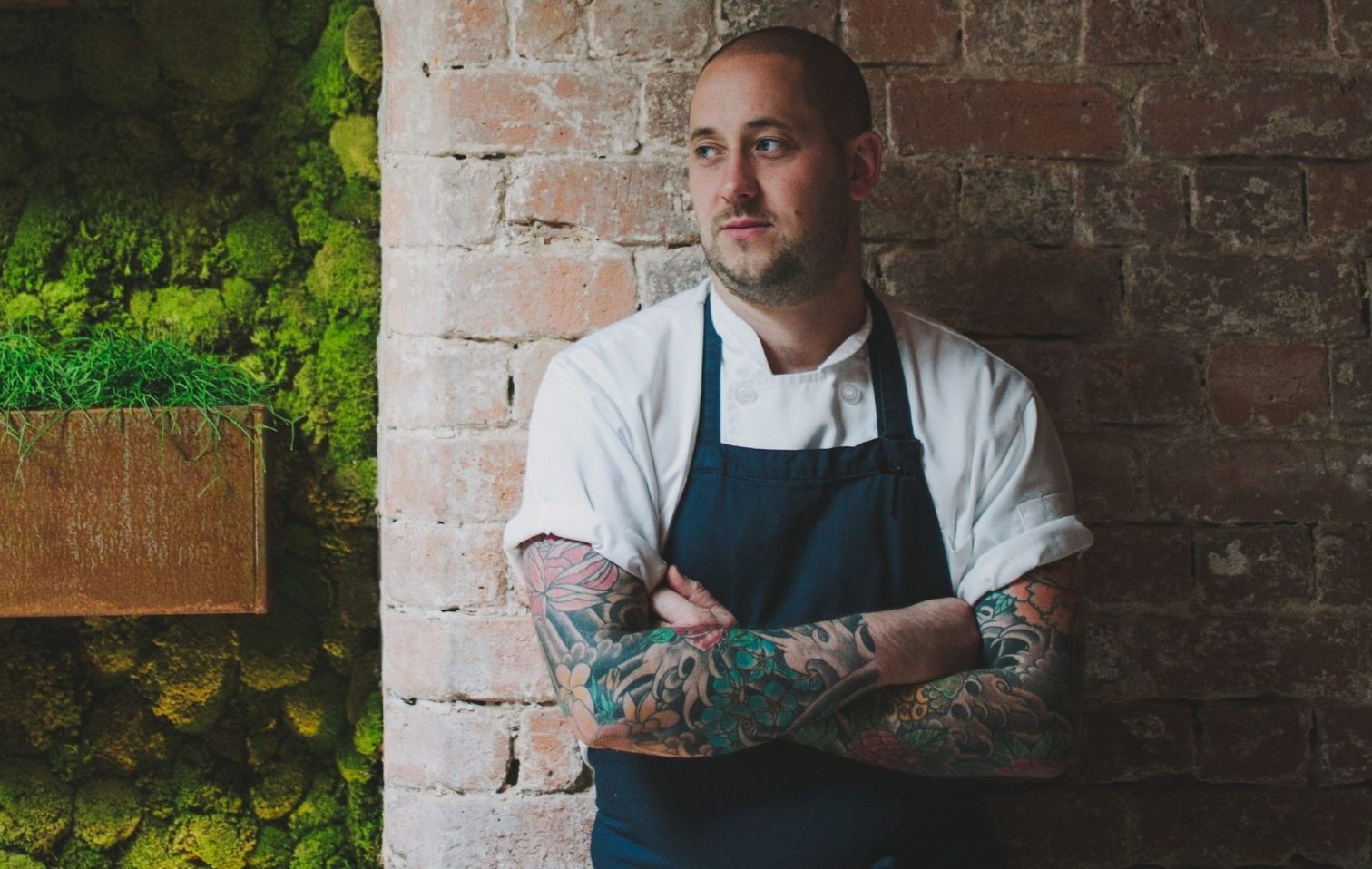
In the heart of the British restaurant scene, where innovation meets technical precision, the news of Mollis’s closure rings out like a somber and unexpected toll. Alex Bond, the “gourmet alchemist” who previously earned a Michelin star for his renowned Alchemilla in Nottingham, has announced the end of an experiment that achieved the impossible: elevating fried chicken through the lens of haute cuisine and the vibes of hip-hop culture. Opened with the enthusiasm of a crowdfunding campaign in late 2022, Mollis was not just a restaurant, but a manifesto of inclusive gastronomy. Located just a stone’s throw from its Michelin-starred “parent restaurant,” the venue blended bold flavors with a vibrant urban atmosphere. Yet, not even the chef’s crystal-clear talent and television fame—as a familiar face on Great British Menu—were enough to protect this venture from the icy currents of an economy that Bond describes, in no uncertain terms, as “rigged.” “Our sector contributes billions to the national economy every year, but it seems that, no matter how loudly we shout, no one in the halls of government is willing to listen to us,” he confessed in recent statements to The Caterer.
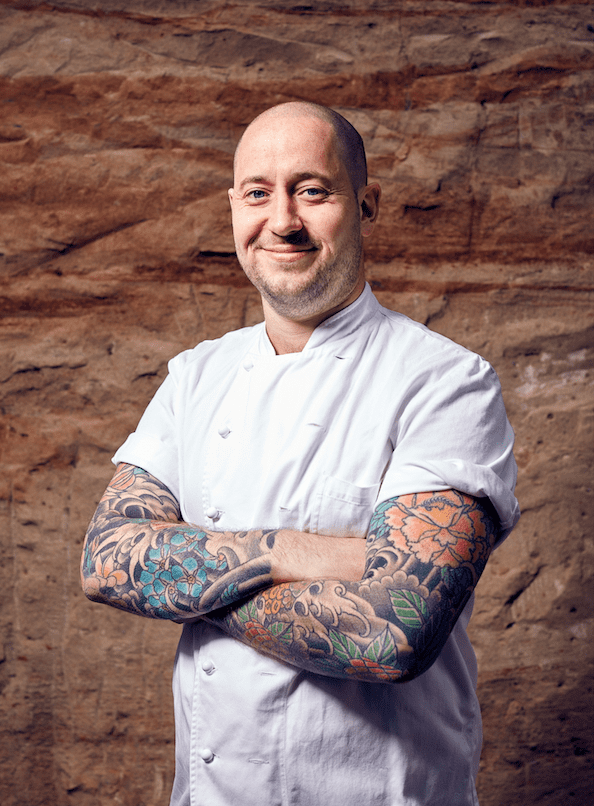
The chef’s words paint a picture of an industry under attack. It is not a lack of vision that is bringing operations to a halt, but rather a lethal combination of skyrocketing energy prices, a disproportionate VAT rate, and the dizzying rise in raw material costs. “It’s the perfect recipe for disaster,” admits Bond, referring to a market where household disposable income is stagnating while utility bills become unsustainable. Saturday, May 16, will mark the final service, the last dance between spices and signature cocktails. Bond says he is proud of the team that infused “soul and energy” into the project, emphasizing that Mollis was much more than just a business: it was a laboratory of ideas and personalities.
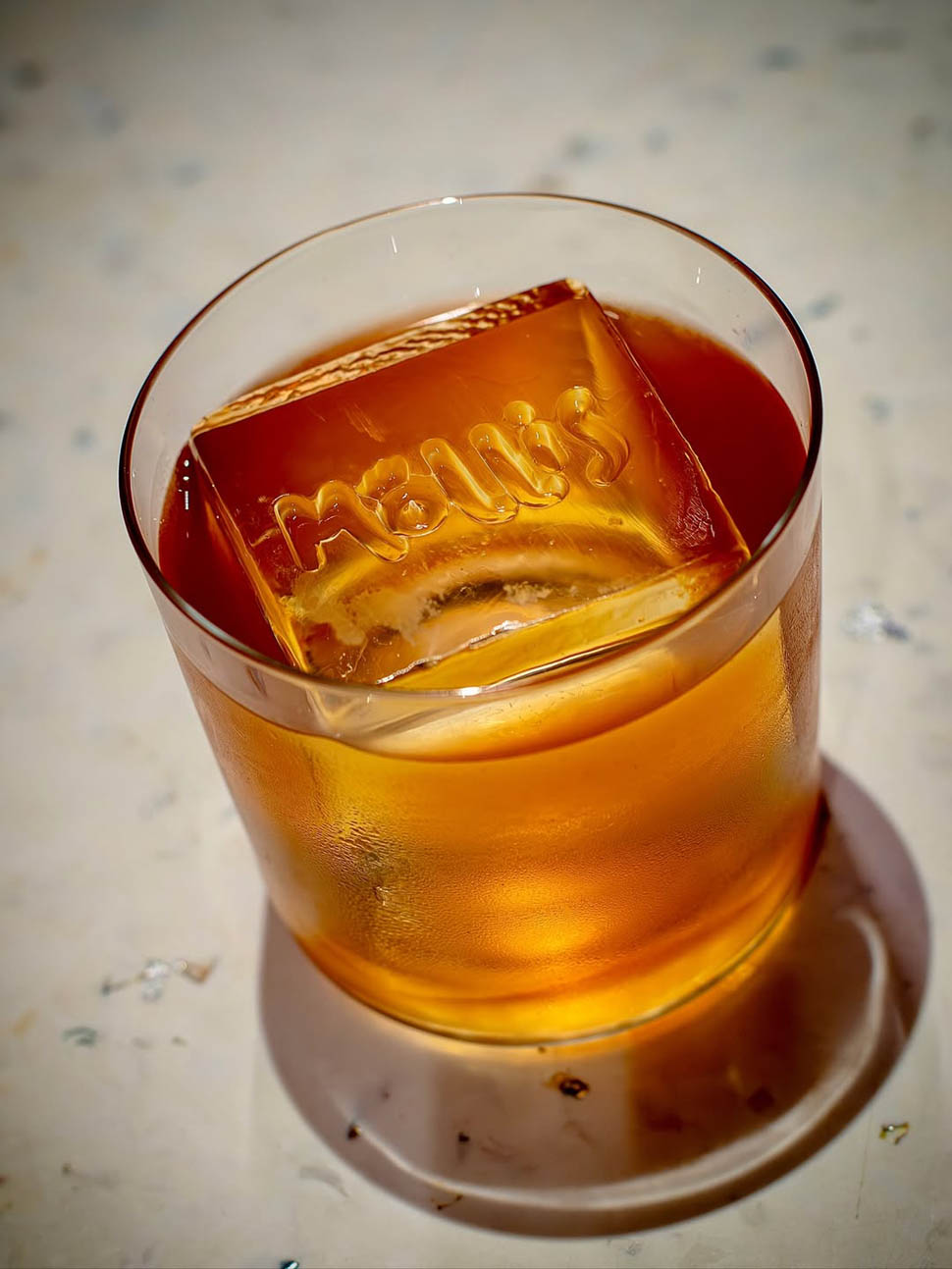
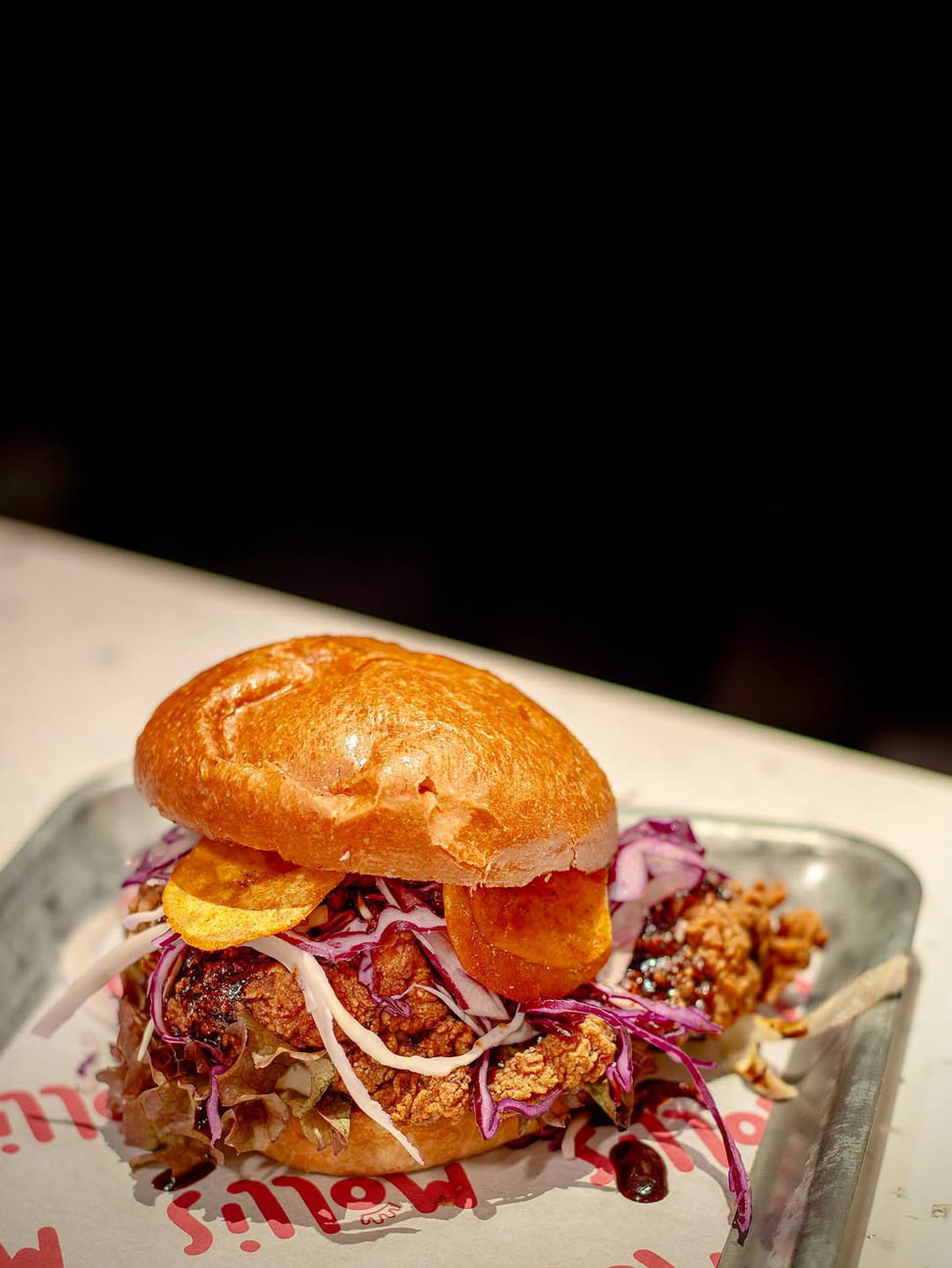
Its closure raises a troubling question for the entire industry: if even gourmet excellence is forced to capitulate in the face of fixed costs, what future awaits high-quality dining? The curtain falls, leaving a bitter aftertaste. Alex Bond’s words are not merely a venting of frustration, but a warning: the beauty of fine dining is a fragile heritage that the real economy risks devouring.