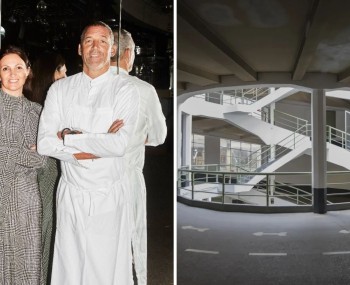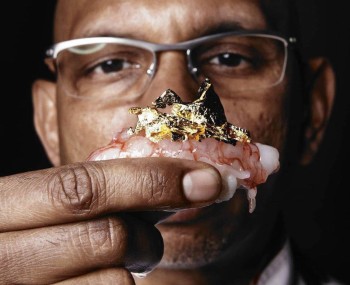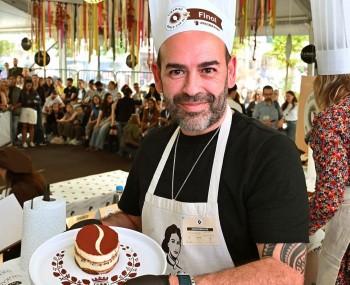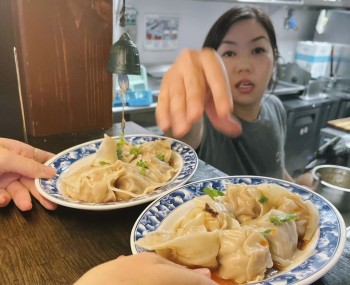
Now in its fourth edition, Terrae is consolidating its position as an international platform dedicated to rural gastronomy, building on a now-recognizable format that weaves together theoretical reflection, on-site experiences, and hands-on demonstrations. The stated goal is to redefine the role of cuisine in non-urban contexts, but what emerges most clearly—especially to an outsider attending for the first time, as I am—is the construction of a genuine cultural paradigm of rurality.
From March 15 to 17, in Santa Brígida, Valsequillo, and San Mateo, more than sixty chefs from various European countries (primarily Spain, but also Andorra, Portugal, and Italy) came together to discuss topics that go beyond gastronomy in the strict sense, addressing issues related to the local area, sustainability, and the dynamics of local development. This is not simply a conference, but a comprehensive initiative that aims to position rural cuisine as a strategic lever, both cultural and economic. The dominant vocabulary is no longer that of ingredients, but that of the landscape, understood as a cultural and narrative construct.
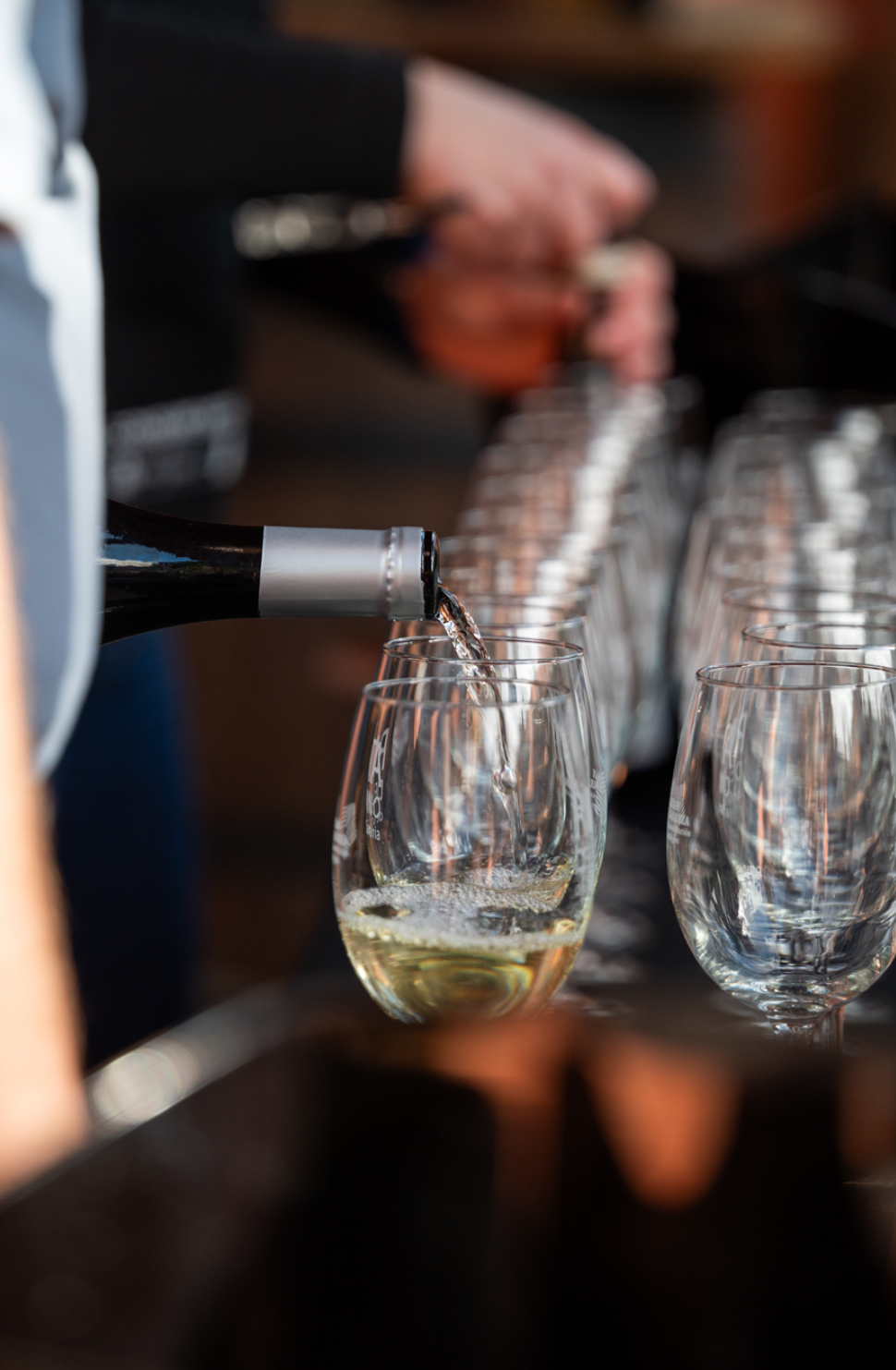
A visit to Carmelo Peña’s vineyards at an altitude of 1,400 meters, for example, vividly illustrates this approach: extreme viticulture, native grape varieties, limited production, and logistical challenges. All of these elements combine to transform the wine into a story—even before it becomes a product—an expression of a specific environmental and human context.
But this was not the only hands-on moment in which chefs and journalists were able to experience the values of Terrae firsthand. In this context, the concept of “eating the landscape” does not appear as a mere evocative phrase, but as a genuine discursive strategy. The territory becomes language, and cuisine the medium through which that language becomes legible.
At the same time, Terrae emphasizes a systemic understanding of the supply chain, in which the product definitively loses its autonomy to become an expression of a complex set of practices and relationships. The case of the pig, addressed in the session dedicated to the various ways of interpreting the “cerdo,” is particularly telling: no longer a raw material, but a cultural device. In this sense, the statement by renowned Spanish chef Alejandro Hernández, “the pig is not a product: it is a way of understanding place, time, and supply,” effectively summarizes a shared perspective. However, this very coherent vision risks, in certain instances, becoming rigidified into a form of ideological codification, where the reference to territorial identity tends to become prescriptive rather than descriptive.
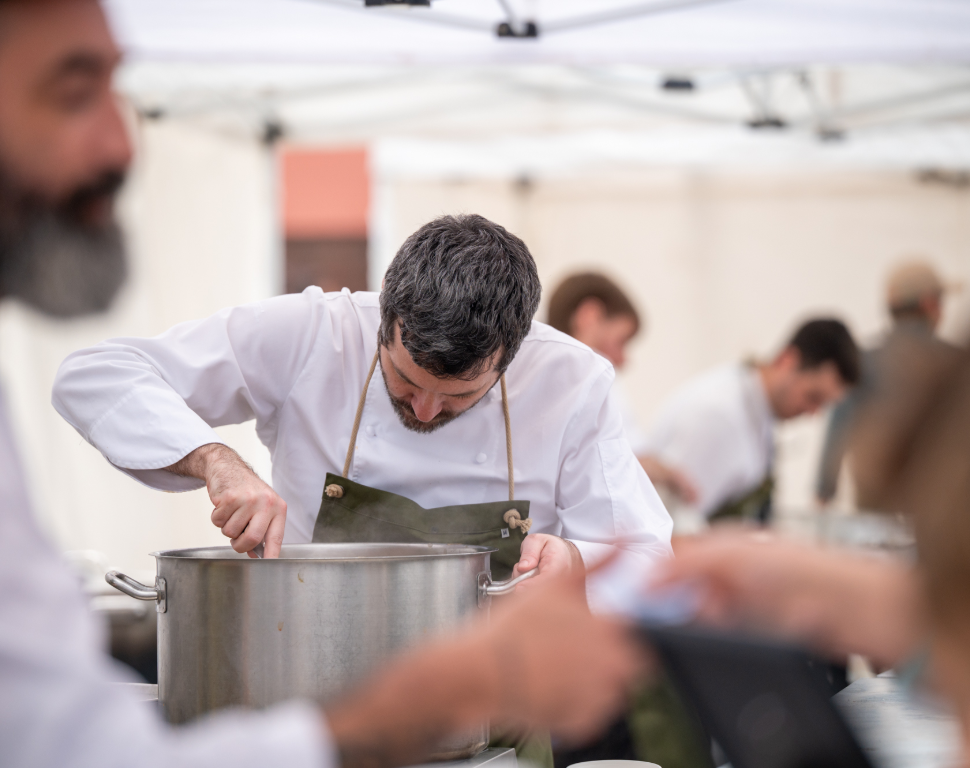
Another crucial issue that emerged during the conference concerns the role of the contemporary rural chef, often portrayed as an independent professional capable of overseeing every stage of the process, from production and preparation to service. The narrative of the so-called “orchestra chefs” paints a fascinating yet problematic picture: while these models demonstrate strong conceptual coherence and a high degree of identity, they also highlight complex working conditions in which economic and organizational sustainability is not always guaranteed. The narrative of self-sufficiency, which is very present in public discourse, therefore risks overshadowing a more fragile reality, one made up of precarious balances that are difficult to replicate on a large scale.
Benjamín Lana, conference director and head of Vocento Gastronomía, asked Chef Hilario Arbelaitz—a pioneer of rural haute cuisine with his family-run restaurant Zuberoa, which closed after maintaining three Michelin stars for years—for advice for young chefs who choose to stay in their hometown or move to a small town to start their careers: “The first thing is enthusiasm, then commitment and sacrifice. Rural chefs do important work because they represent the diversity of cuisines and pantries, which is a country’s wealth. We must maintain a balance in our operations that allows us to welcome both residents and visitors, so that everyone feels at ease, and let’s not forget that the foundation of it all is the legacy of our mothers, as well as the legacy we leave for those who come after us”.
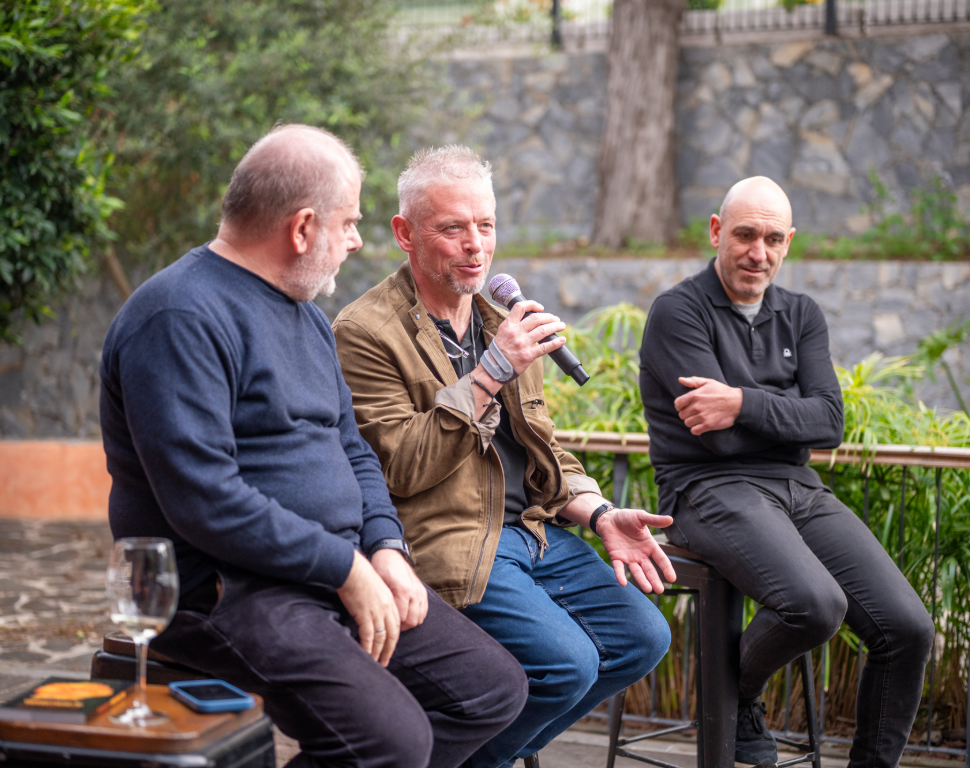
The unique situation of local restaurants was the focus of one of the roundtable discussions, which addressed the challenges of earning a Michelin star and staying in business in small towns. The discussion brought together Paco Pérez (two-starred Miramar, Llançà), Juan Carlos García (Vandelvira, Baeza), Bruno Jordán (one-starred Ansils, Benasque), and Xune Andrade (one-starred Monte, San Feliz): “We connect with the town, and the town feels proud and involved. With 40 employees, we are the largest business in the municipality. I believe it is difficult to stand out both in the city and in a small town: in the city there is more foot traffic, but also more competition. Where we are, however, customers come specifically to visit us, and we have helped put the town on the map, and this is very important,” noted Chef Pérez. The other participants, all young people who have chosen to work in their respective regions, emphasized the need to welcome both residents and visitors: “There are days when out-of-town customers are in the majority, but we also organize events for locals, and we often have more customers on weekdays than on Saturdays,” explained Bruno Jordán.
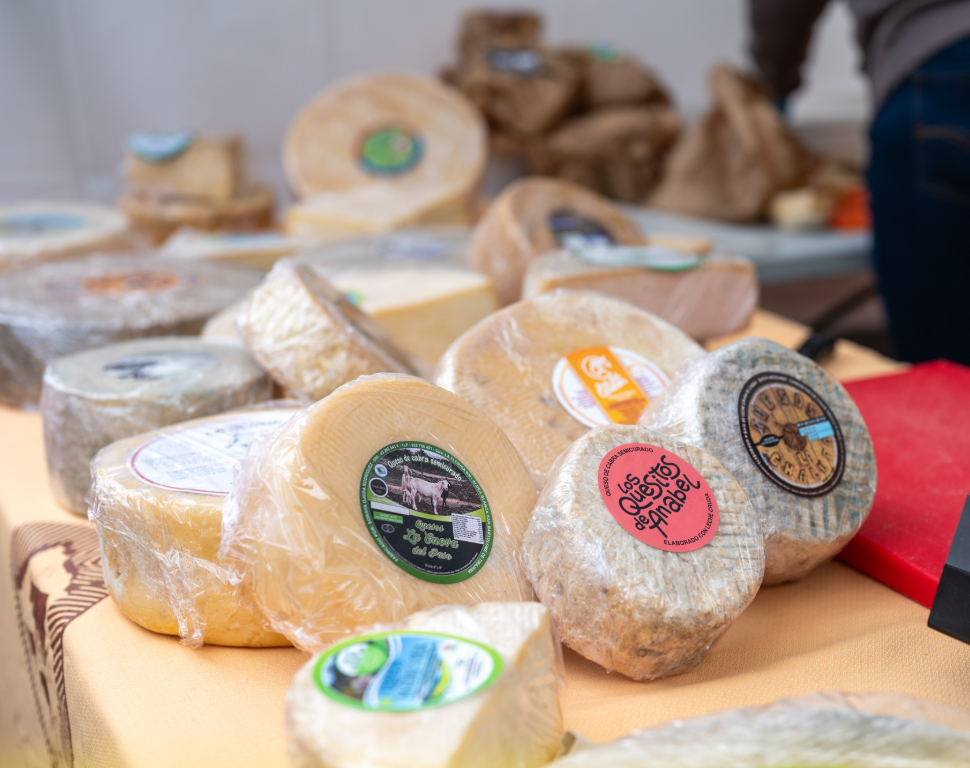
In some cases, restaurants and tourism projects can serve as a catalyst for the revival of agricultural and livestock activities in nearly abandoned areas. Success stories such as the Cantabrian cheese shop Quesoba and the network of taverns in Alto Tâmega, promoted by chef Vitor Adão (Plano*, Lisbon), have shared the stories of their origins and their impact on the local area. The project to revive rural taverns in the Portuguese region of Trás-os-Montes promotes local production and the preservation of traditional cuisine through a network of small taverns housed in private homes. “It was difficult to get the project off the ground at first. Some taverns are run by wine, cheese, or meat producers, or by farmers who welcome guests into their homes. Recently, young chefs with experience in fine dining have also been arriving, choosing this lifestyle, and the villages are benefiting from economic and demographic revitalization,” explained Vitor Adão.
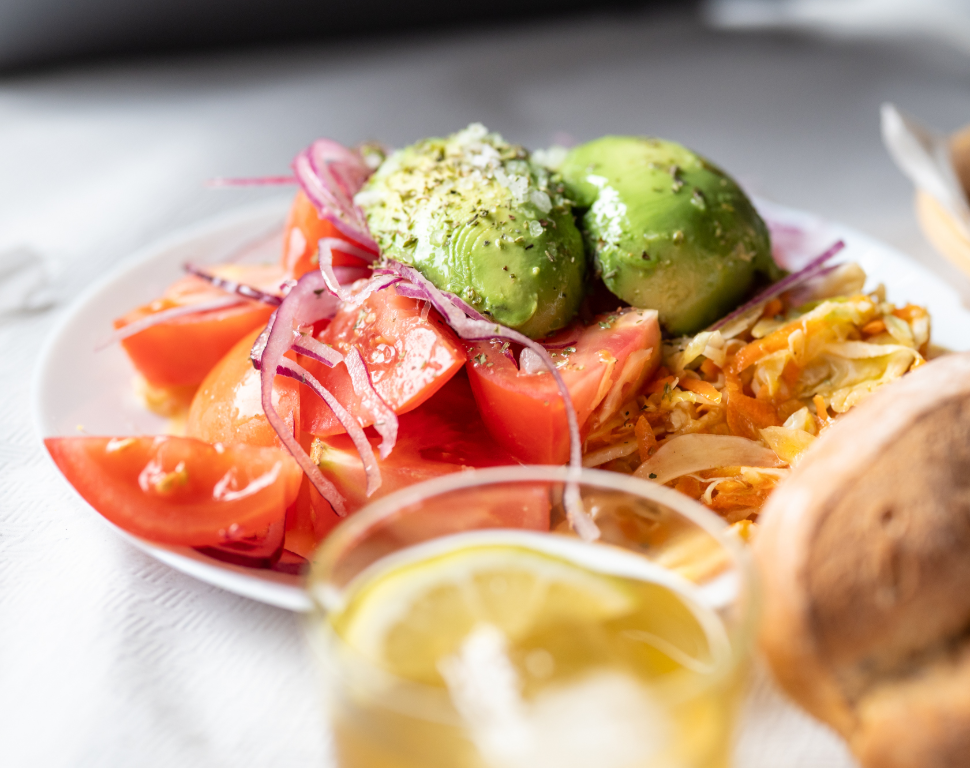
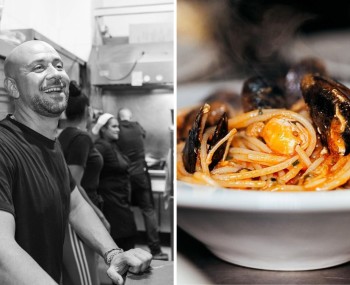
At the same time, Terrae is part of a broader regional development strategy aimed at strengthening the primary sector and diversifying the local economy. This introduces an additional layer of complexity, because any process of development inevitably involves transformation. Cuisine thus becomes an ambivalent tool: on the one hand capable of stimulating local economies and generating value, on the other potentially responsible for extractive dynamics, in which the territory is progressively adapted to the demands of the market and tourism. Representing Italy was chef Gianni Dezio of the Michelin-starred restaurant Zunica 1880 at the Villa Corallo relais in Abruzzo, who has always been sensitive to the land and the territory, and who says:
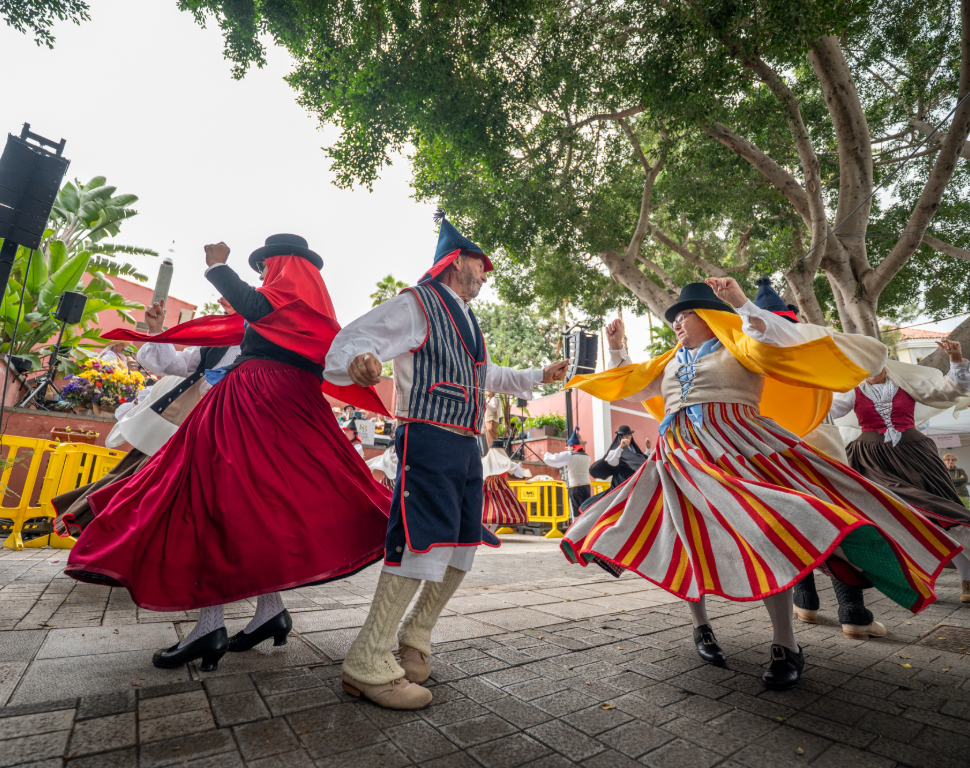
"Taking part in Terrae wasn’t like attending a conference; it was like joining a conversation that I’ve actually been having for years, even without giving it a specific name. During my time in Gran Canaria, I rediscovered something simple yet fundamental: rural cuisine today is not about nostalgia. It is a stance. It is choosing to be in a place, to work it, interpret it, and defend it. Terrae brings together chefs who are not “just passing through” but who are rooted, and this changes everything. What really struck me is that the focus is not on the chef, but on the system: producers, artisans, the land. It is not rhetoric; it is a necessity. Without that fabric, we do not exist. And in fact, one of the strongest themes that emerged is precisely this: giving a voice to those who work behind the scenes, simplifying the rules, and creating genuine alliances between cuisine and production. There is also another aspect I’m taking home with me: rural cuisine today is not “simple” in the superficial sense of the term. It is essential. And essentiality is a difficult thing, because it forces you to face who you truly are. You cannot hide. Throughout my career, I have always sought this balance: starting from a grassroots, concrete foundation and bringing it into a contemporary context without distorting it. Terrae has made me realize that this is not an isolated direction, but part of a broader movement that today needs to be recognized and strengthened.
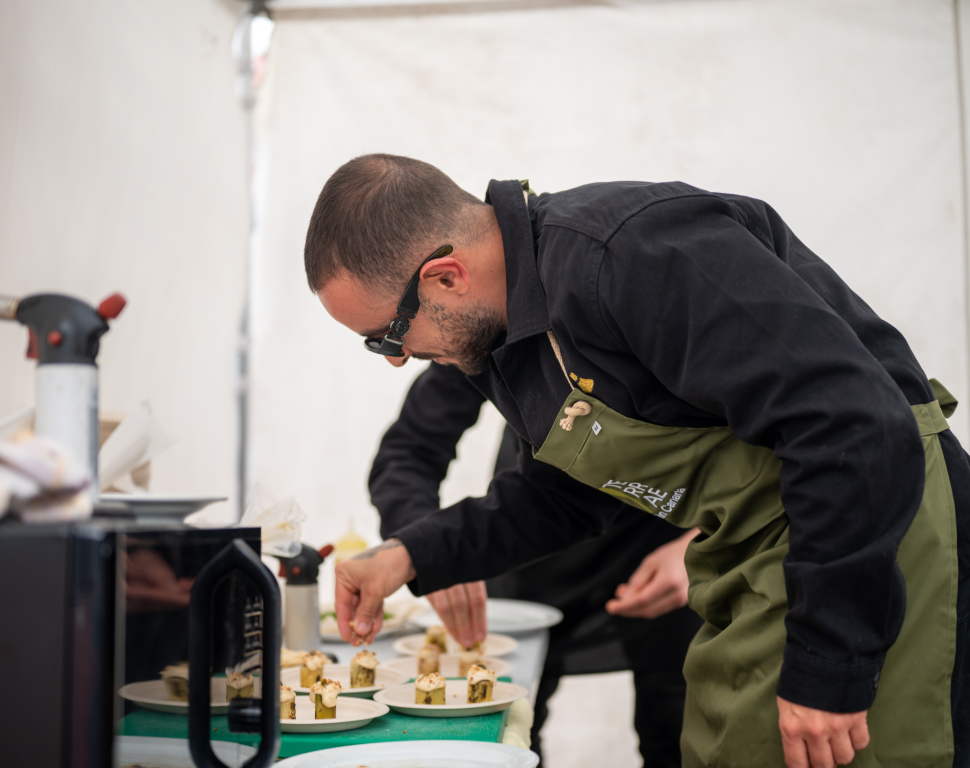
I return from Terrae with an even clearer conviction: there’s no need to overcomplicate things; what matters is choosing what to share, what to use, and whose side to take. And today more than ever, standing with the local community isn’t a limitation—it’s a contemporary act that speaks to truth and substance”.
For those observing Terrae for the first time, the impression is that of an evolving laboratory, capable of addressing themes crucial to the future of contemporary gastronomy, yet still marked by unresolved tensions. Rural cuisine, as portrayed in this context, appears less as a defined category and more as a field of forces, where questions of identity, economic needs, and narrative constructs intertwine.
And it is perhaps precisely in this dimension, suspended between project and reality, that Terrae finds its most interesting function: not so much in defining a model, but in questioning the conditions that make it possible. To then take action by deciding to embark together on a journey that is as arduous as it is exciting.