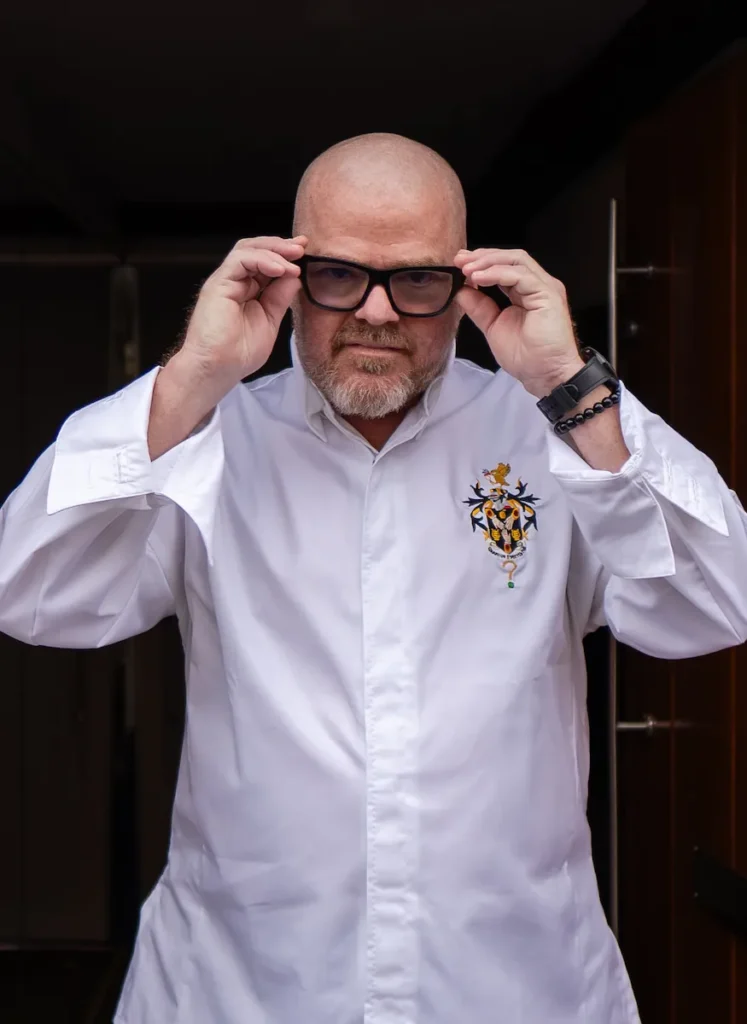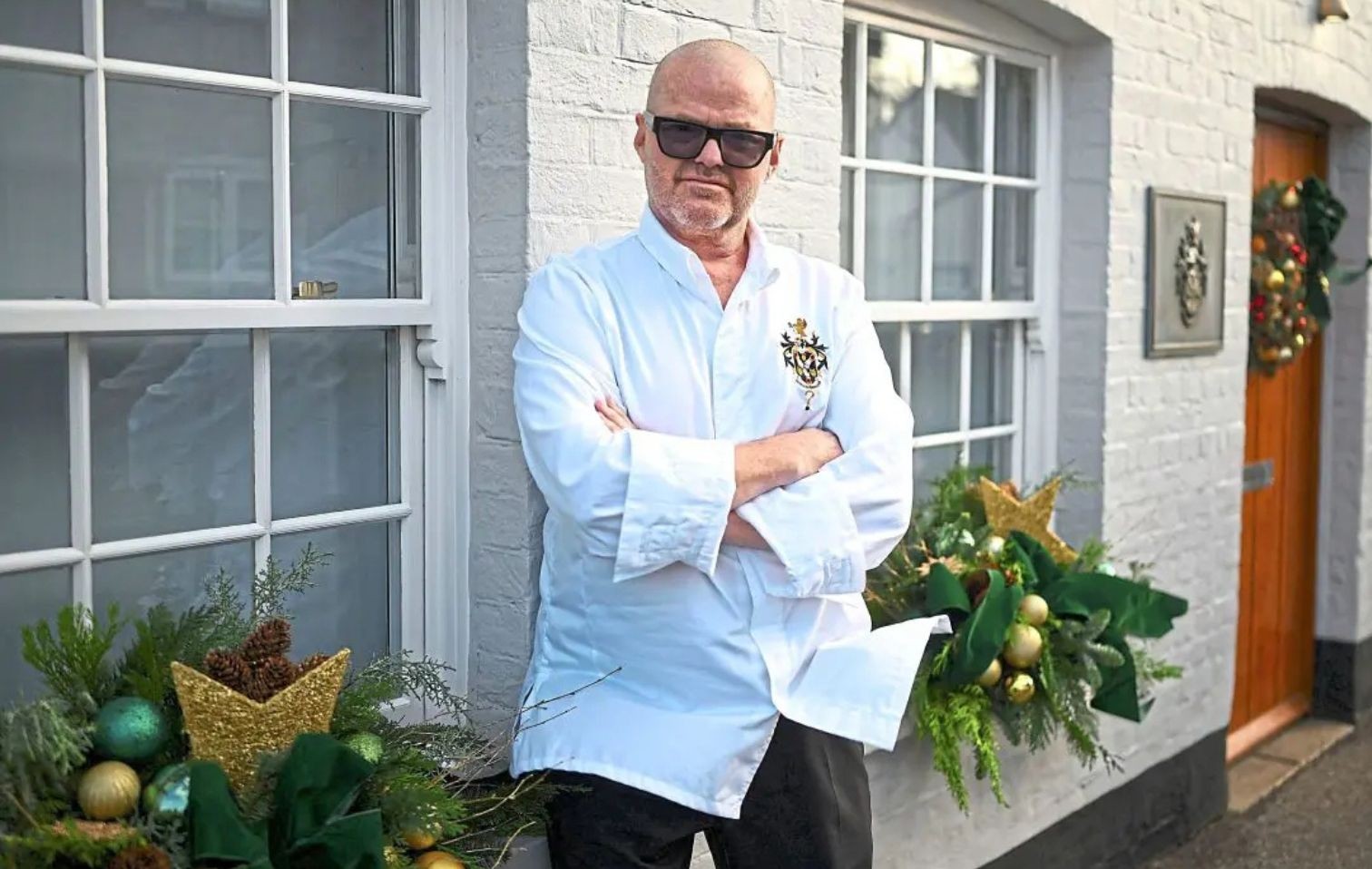
Heston Blumenthal’s career path does not follow the conventions of classic haute cuisine. His restaurant, The Fat Duck, was born in a former pub in Bray amid financial uncertainty and a sense of isolation that bordered on stubbornness. Today, after thirty years in the business, the British chef looks back on his career not as an overnight success, but as a long journey marked by restless perfectionism.
Cover photo: AFP, Justin Tallis
The Years of Self-Taught Training
Without a team and with minimal resources, his early days in Bray were marked by unsustainable work schedules and self-taught exploration. His passion for cooking dates back to a youthful trip to France, to L'Oustau de Baumanière, where Blumenthal realized that the gastronomic experience lay more in the sensory context than in the food alone. “For the first ten years, I slept twenty hours a week. I opened the restaurant on my own, with a dishwasher and two servers. I had no idea how difficult it would be, but I just wanted to cook,” he said in a recent interview with the 50 Best network.
Beyond the “molecular” label
Although often associated with food chemistry, Blumenthal has always distanced himself from academic definitions, preferring to focus on the customer’s emotional perception. For him, a dish is never static: once added to the menu, it undergoes constant changes in an obsessive quest for improvement. “I’ve always had reservations about the term ‘molecular gastronomy,’” he confesses today. “So I coined ‘multisensory gastronomy,’ because I wanted to recreate memories. In Bray, I didn’t have the landscapes of Provence, so I had to introduce auditory and visual elements to evoke those sensations.”
Mental Balance and New Awareness
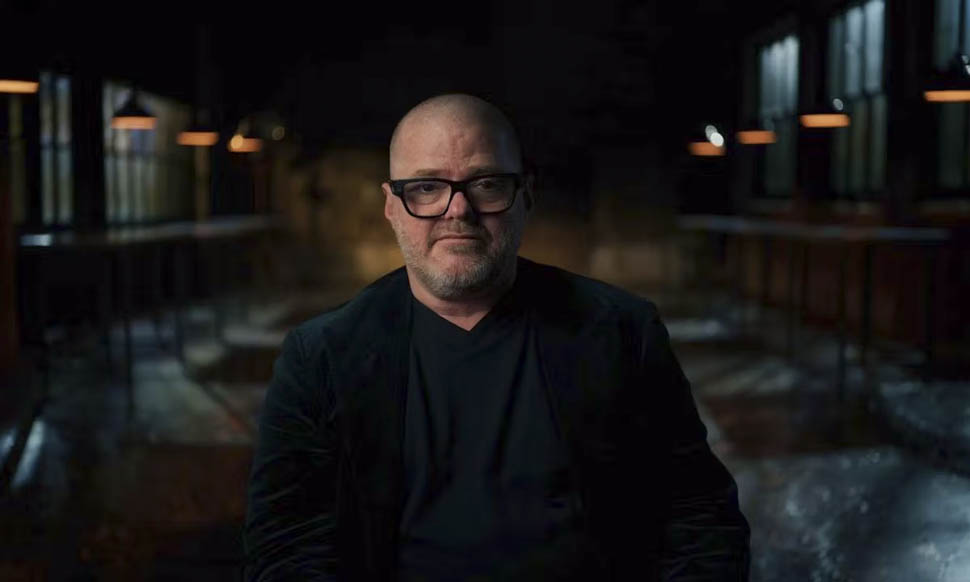
In 2025, through the documentary *Heston: My Life With Bipolar*, the chef publicly explored the relationship between his bipolar disorder and creativity. While ADHD fueled his hyper-focused concentration, managing his mental health led him to a new vision for the industry. This maturity is reflected in the Mindful Experience, launched in late 2025: a menu that preserves The Fat Duck’s identity while reducing portion sizes by 25%. A choice driven by personal health needs, yet transformed into a model of food sustainability.
An Evolving Legacy
With the announced closure of the Dinner restaurant in London by 2027, Blumenthal seems intent on closing one chapter to open others, more closely tied to an awareness of the gastronomic act. His “Topsy Turvy” approach, which reverses the traditional order of courses, confirms his nature as an eternal experimenter." “It took me thirty years to understand it, but now I recognize what we have achieved. This restaurant has helped radically change the world of gastronomy.”, he concludes. And so it is: Blumenthal remains a groundbreaking figure who has demonstrated how cooking can be, at the same time, a rigorous scientific exercise and a profound act of introspection.