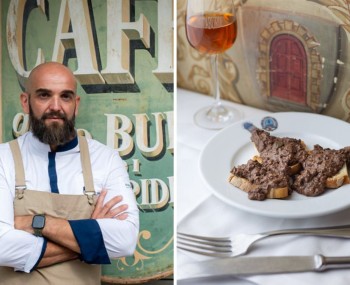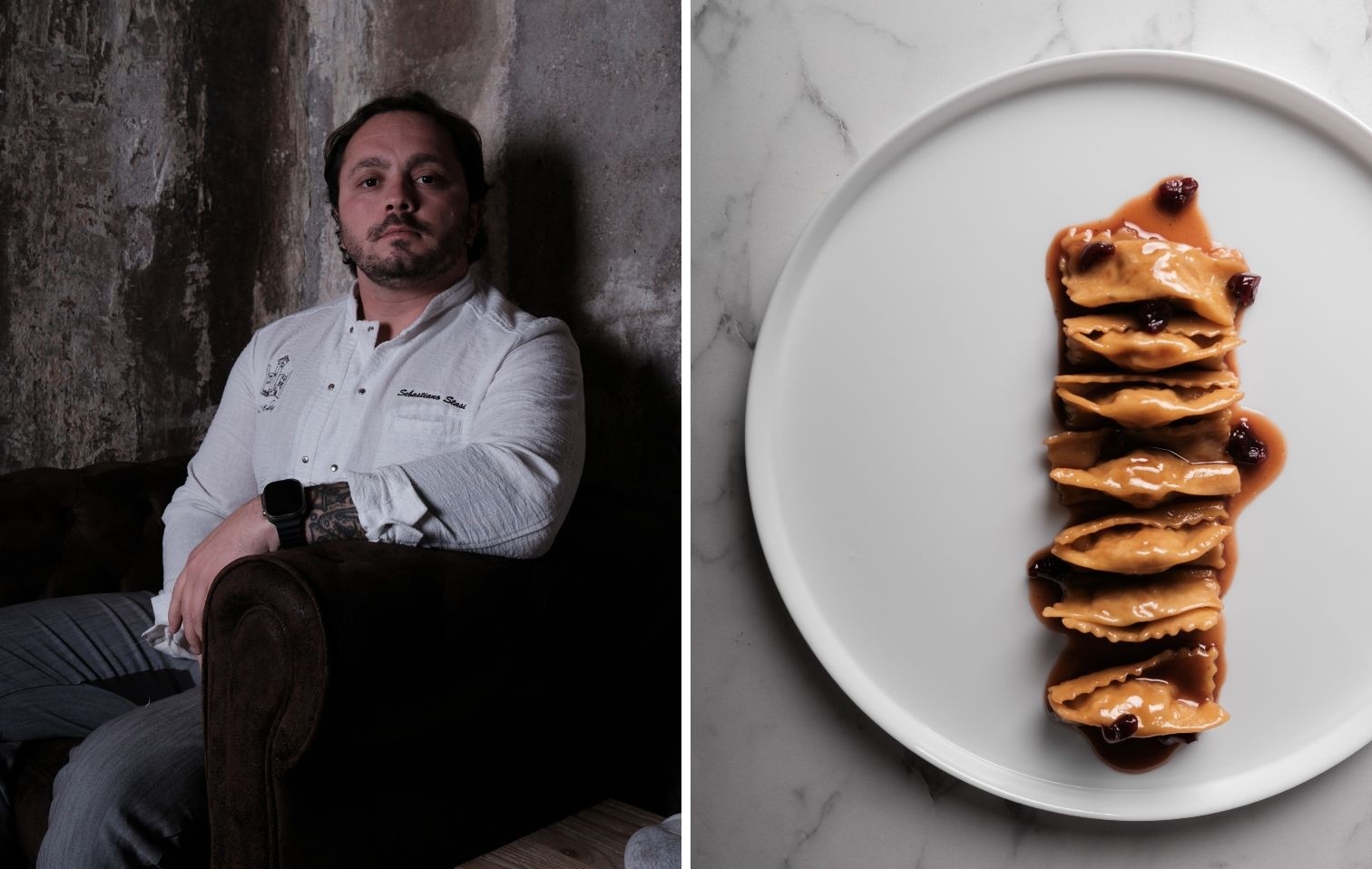
Red pill or blue pill? Traditional cuisine or contemporary cuisine? Sebastiano Stasi offers his own personal take, without having followed a straightforward path or a career built on predictable milestones.
The Chef, the Story, and the Concept
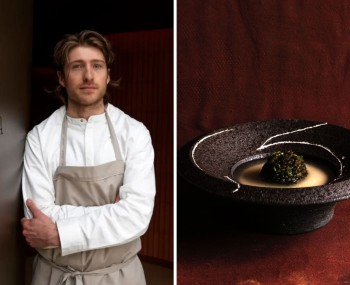
Stasi belongs to a generation of chefs who honed their craft by taking the less-traveled path, where necessity becomes daily practice and curiosity takes the place of rules. Young, direct, in his early thirties, with an approach that shuns rigidity, he is building his own culinary identity starting from a simple, instinctive gesture: cooking for himself, long before doing so for others. “I started cooking out of necessity, not inspiration. At home, the situation was complicated, and at a certain point, I simply had to prepare my own meals.” It was at that moment, far from any kitchen brigade, that his first form of culinary exploration began. “Even then, though, I was experimenting. I enjoyed preparing dishes with whatever I found at home. I didn’t know exactly what I was doing, but I wanted to understand what happened when I mixed different ingredients.”
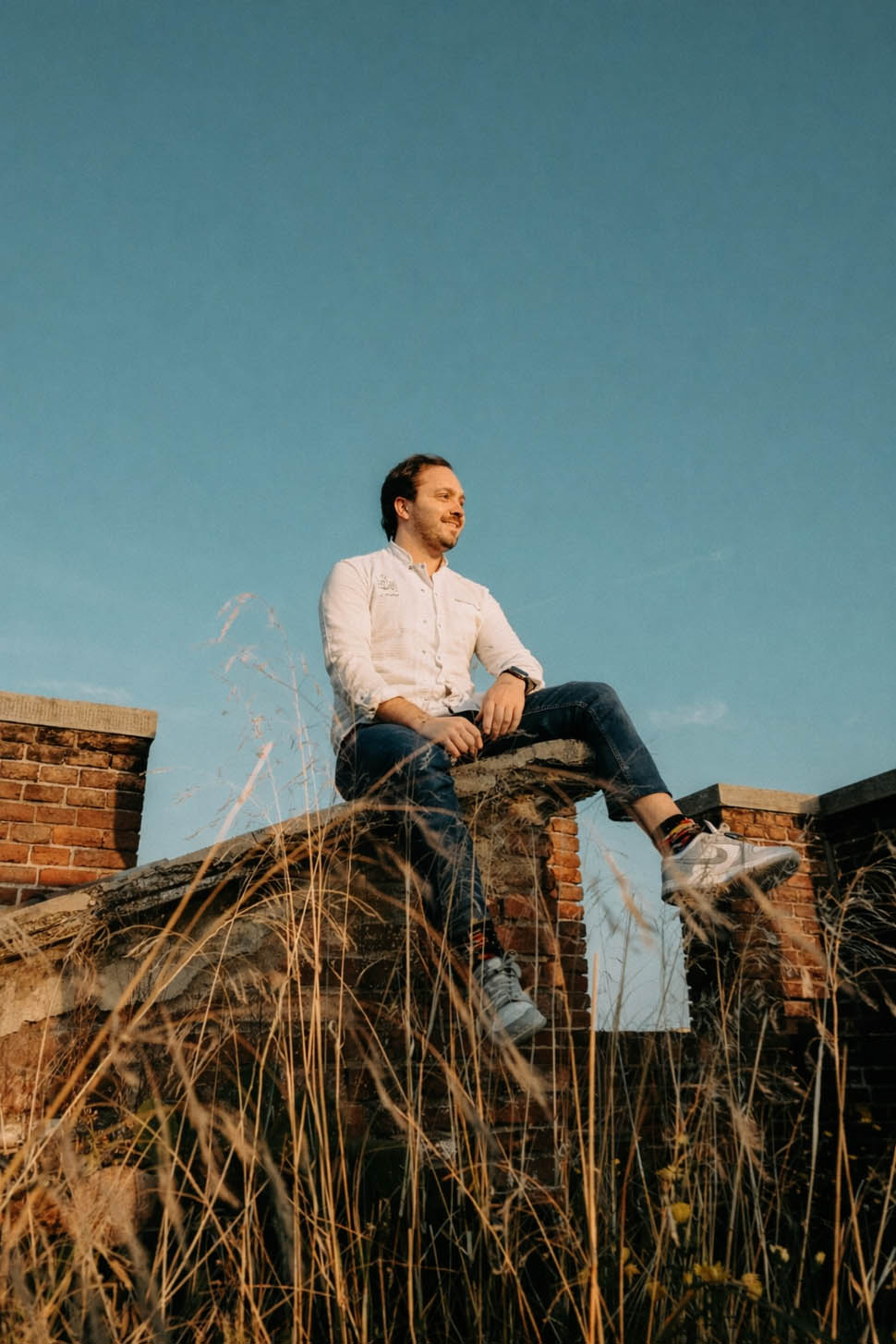
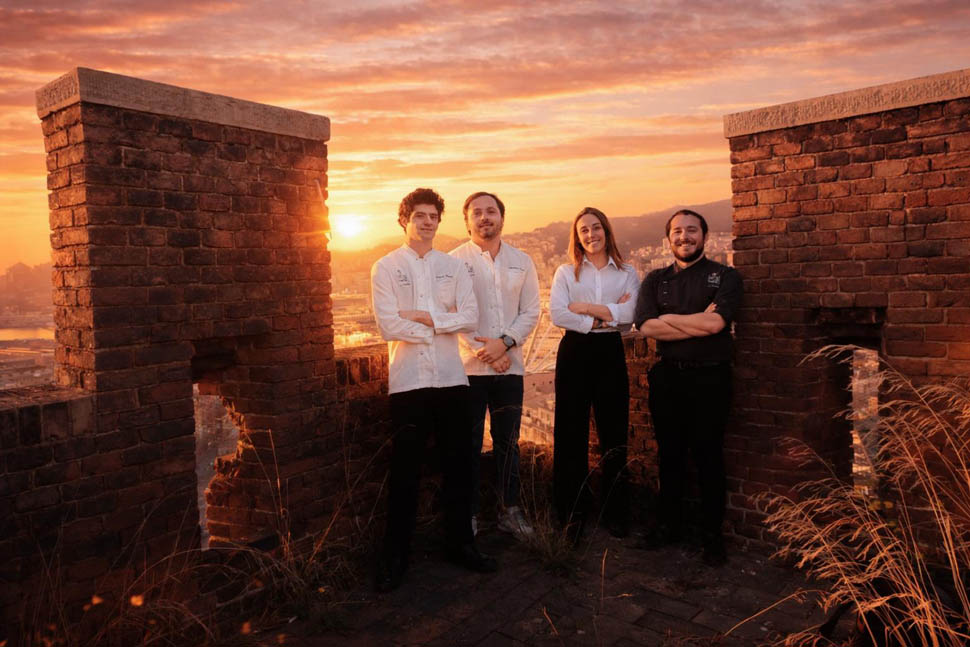
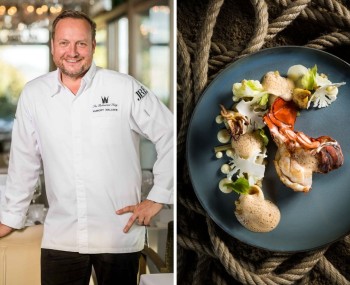
A curiosity that has never waned, but has simply shifted its focus. Today, that same curiosity is reflected in his tasting menus, conceived as journeys to be experienced rather than chosen—true “taste experiences” that guide the diner into another dimension, where each dish opens up a different perspective. An idea that evokes a precise, contemporary, cinematic imagery, and that perfectly captures the character of a cuisine that refuses to be static.
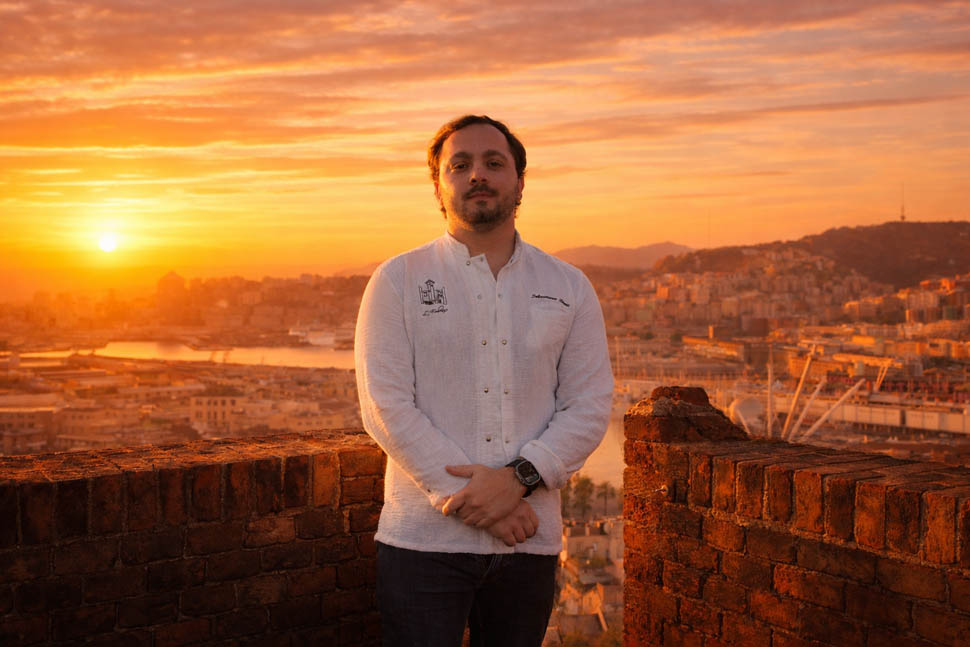
Enrolling at ALMA—considered the most important culinary school in Italy and beyond—marked the transition from instinctive experimentation to a conscious approach. “ALMA gave me the foundation; it taught me the method,” says the chef. Then came his experiences in European haute cuisine restaurants, including Michelin-starred establishments like Gordon Ramsay, where technique and discipline became everyday tools. “I worked in various kitchens; it was essential for understanding how to transform an idea into a dish.” Added to this are his travels, which become an integral part of his culinary language. London, Slovakia, Zurich, and other European stops: every place leaves a mark that resurfaces in his dishes. “I don’t copy what I’ve seen elsewhere; I absorb it. It stays inside me, and then I process it. I’m very attached to the concept of quantum philosophy, so for me, cooking is also a process, not a state of stasis.”
The Experience
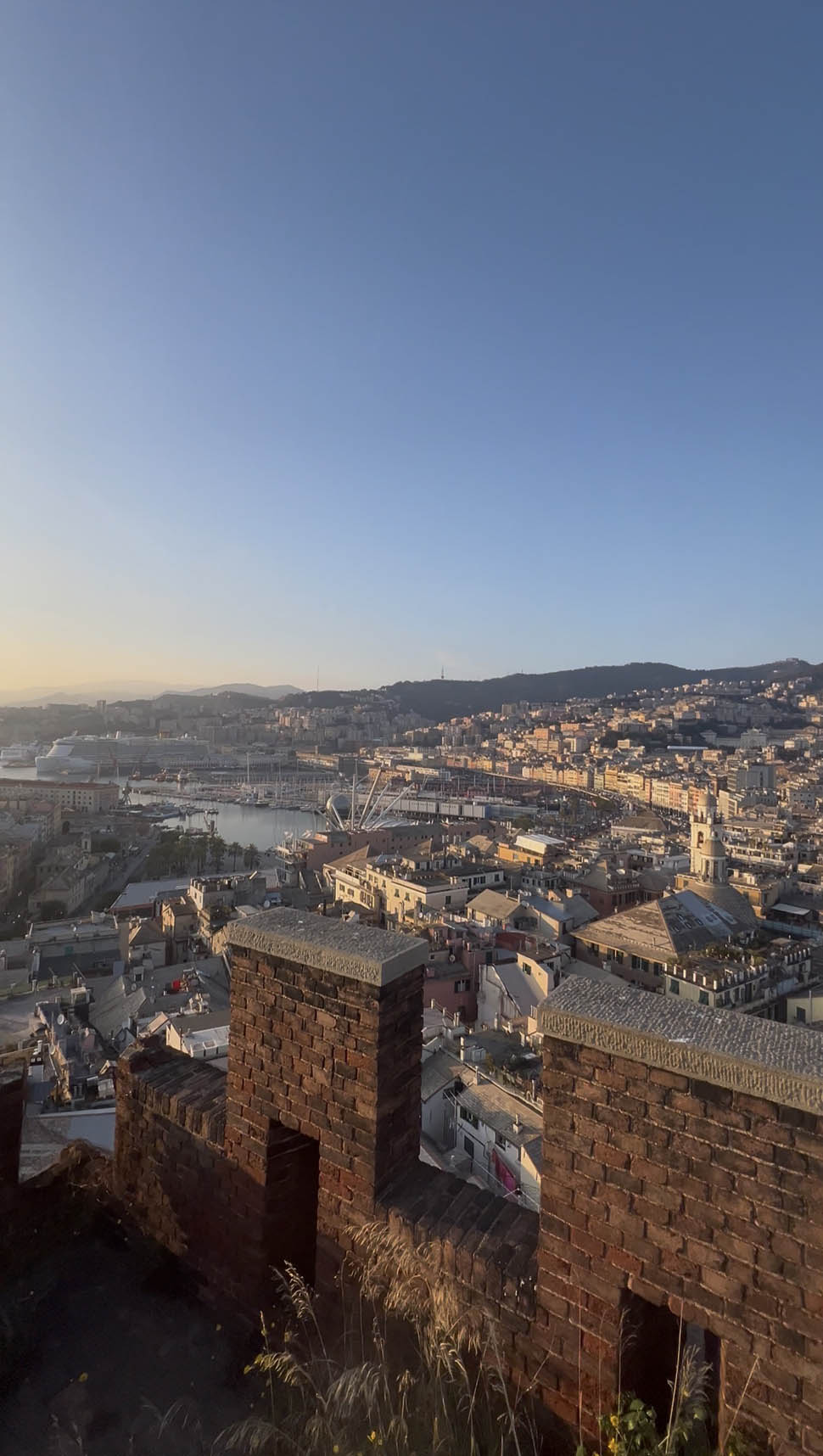
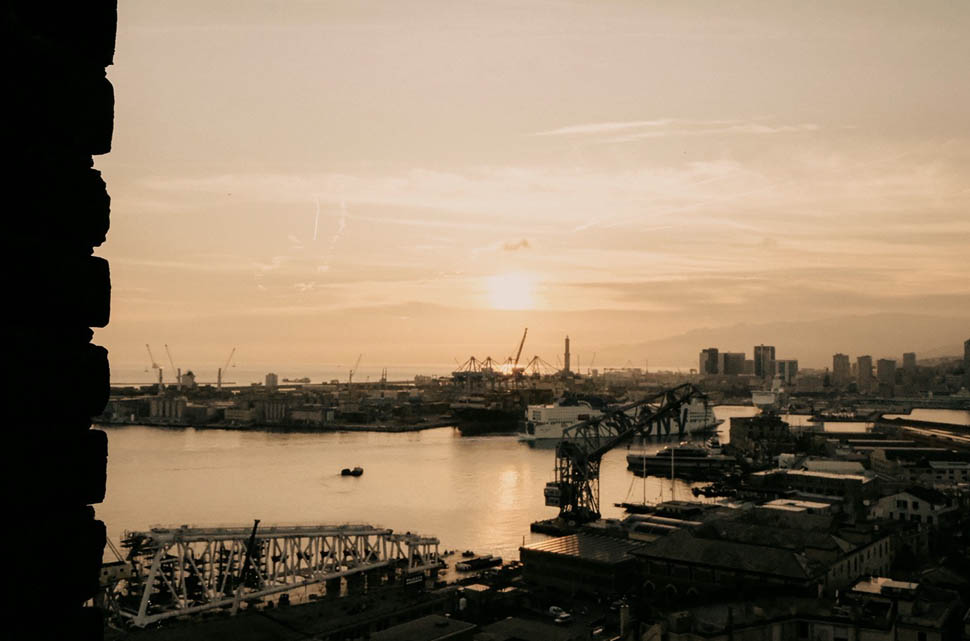
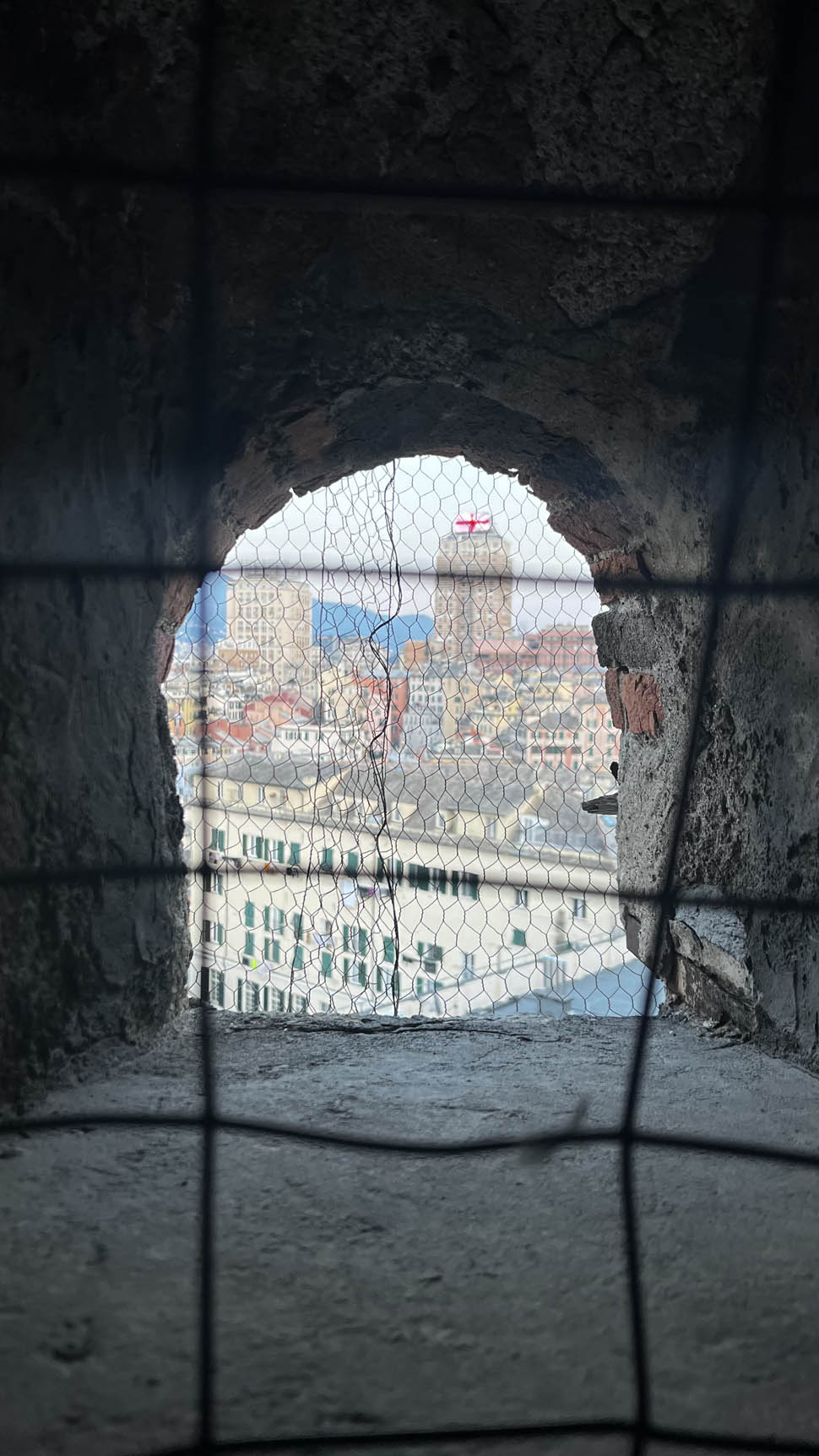
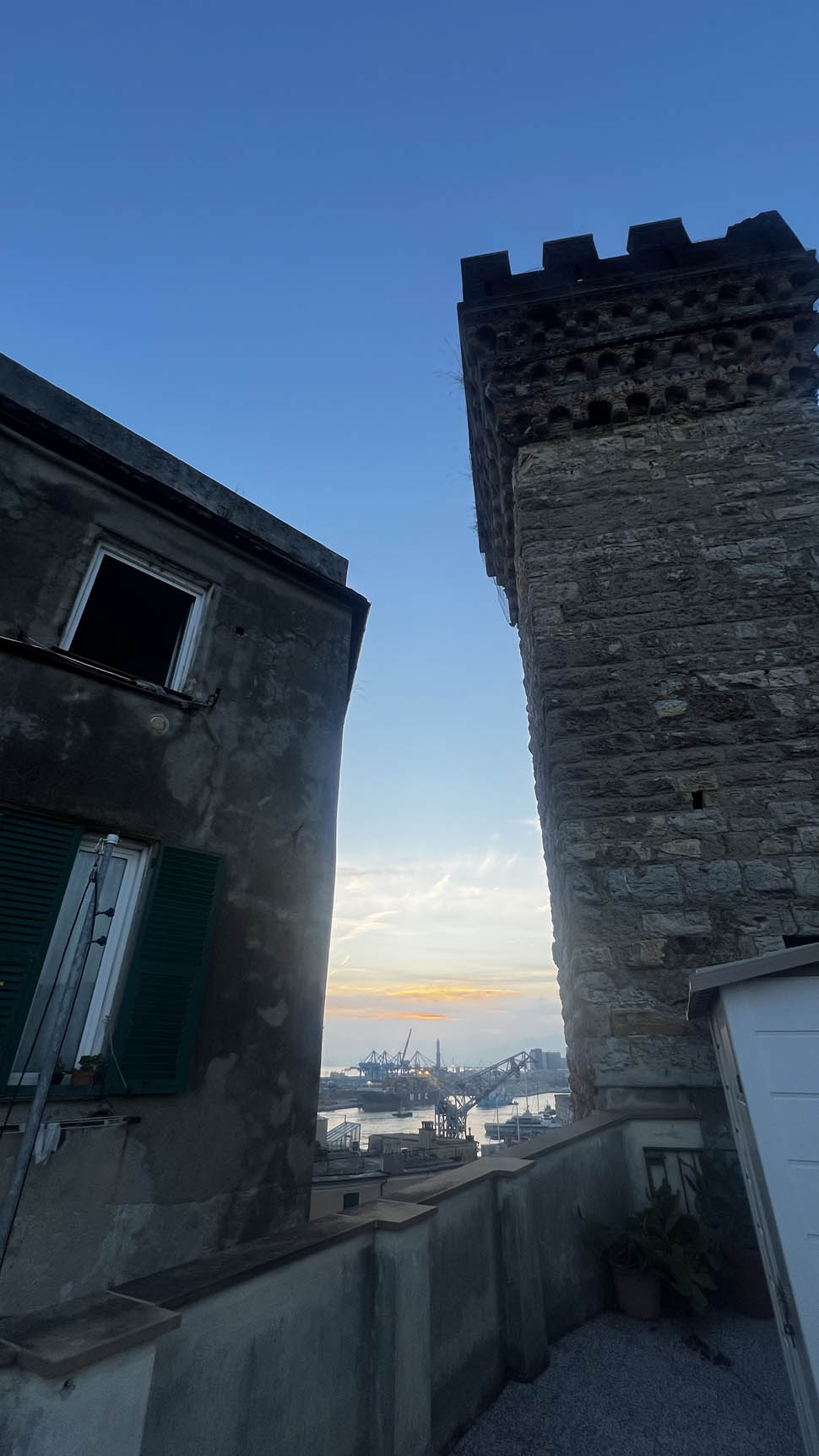
The first impression upon arriving at L’Embriaco isn’t the food itself, but the surroundings of the restaurant. Stone, height, layers. “This restaurant is located in a very special part of Genoa. We’re above the Marina Walls, facing the Torre degli Embriaci. We’re talking about 1099. It’s the only tower in the city that wasn’t cut down, out of gratitude to Guglielmo Embriaco after the conquest of Jerusalem. This is literally a piece of human history, as well as Genoa’s.” The restaurant’s name is linked precisely to this figure, but with a lighter touch. “L’Embriaco comes from Guglielmo Embriaco. It is said that he was an over-the-top character who loved to drink (hence probably the term ‘drunk,’ ed.). I liked the idea of connecting to this story, but with a slightly ironic tone as well.”
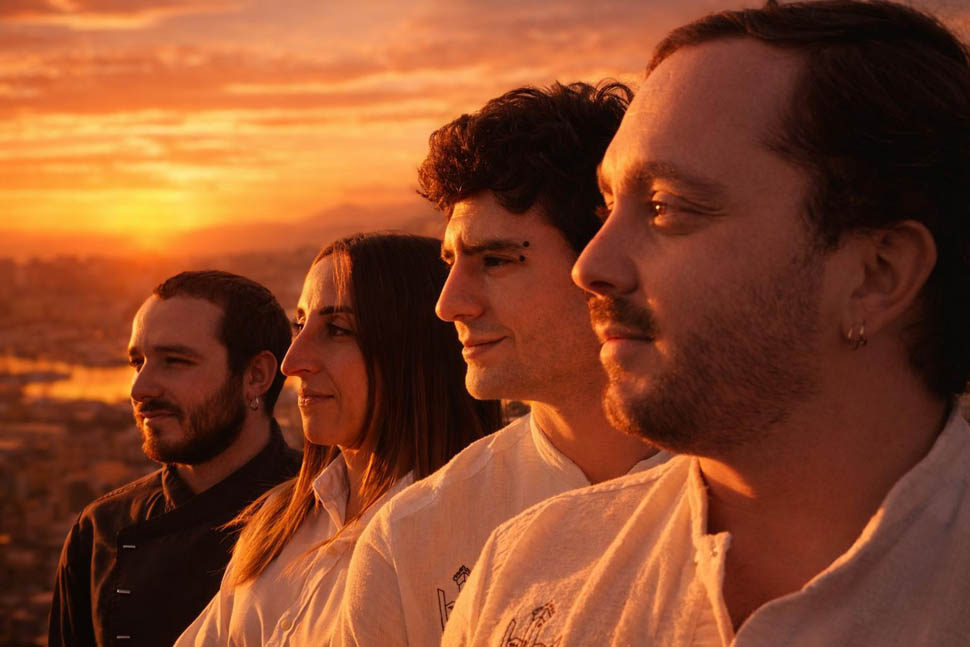
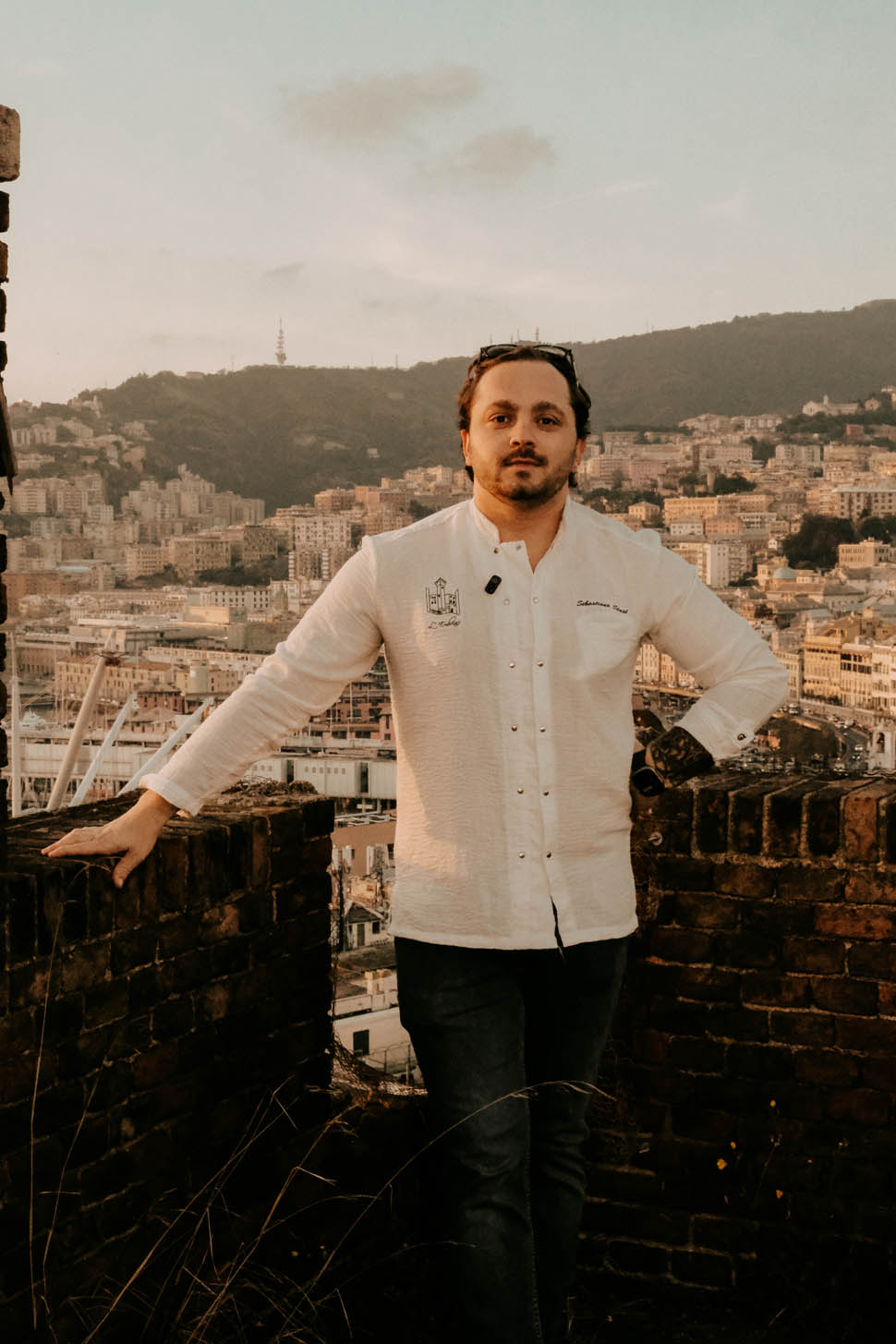
His encounter with this space took place about three years ago, at a pivotal moment in his journey. “When I saw it, I fell in love with it. It wasn’t just the restaurant; it was everything around it.” This gave rise to a project that aims to be not just culinary, but narrative. Returning to Genoa thus became an inevitable step. After years away, Stasi felt the need to bring home what he had built. “At a certain point, I felt the need to return. Not to replicate what I had seen, but to transform it. I would have liked to have had an experience abroad back then; I was thinking of Japan. But life chose a different path for me, and so sooner than I expected, I found myself investing in this project, where I wanted to create a place with its own identity, where the food would interact with the environment and with history. My cuisine has Ligurian roots but looks beyond regional boundaries.” Liguria thus becomes a starting point, never a limit. “Genoa has always been a city of exchange. It would be strange to think of a closed cuisine.”
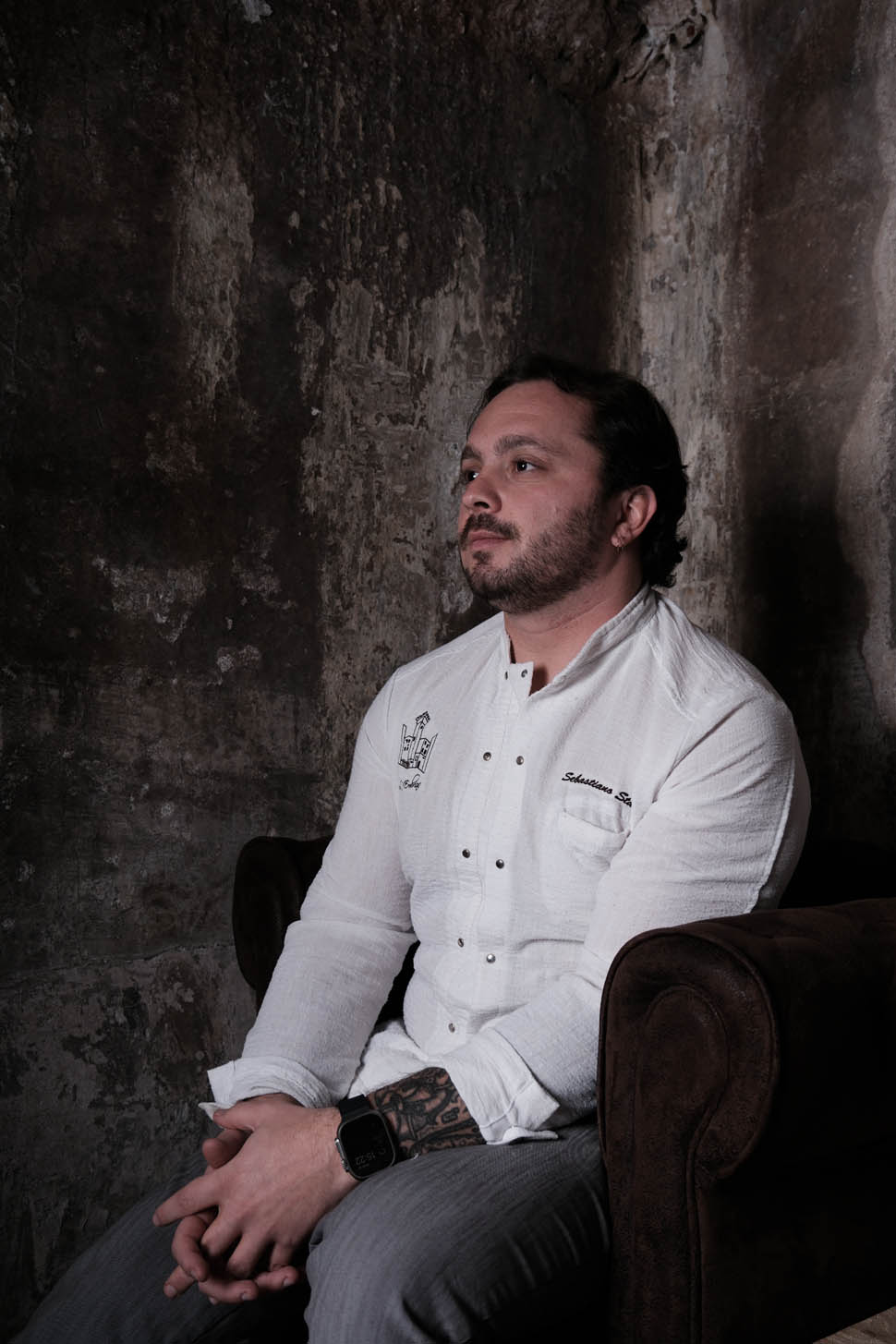
This concept is concretely reflected in the dishes, which become true historical narratives. “Every dish has a connection to Genoa. As a port city, it has always been a hub for trade: spices, plants, and ingredients from all over the world passed through here”. The plin, which still appears on his menu today, for example, illustrates a specific relationship between regions. “Ligurian women would take anchovies to Piedmont and return with rice, which was used as a filling for fresh pasta along with potatoes and onions. It’s a real exchange, and including it on the menu means telling that story.” Similarly, the use of saffron evokes trade routes and the role of port cities. “Spices arrived by sea, just like in Venice. This, too, is part of our history”. This vision takes shape in the three tasting menus, the three options diners can choose from, designed as distinct yet potentially complementary journeys. The first is a tribute to the region: three surprise courses that span the sea and the hinterland. The other two, each consisting of five courses, explore broader maritime influences and a terrestrial dimension linked to woods and fields, respectively.
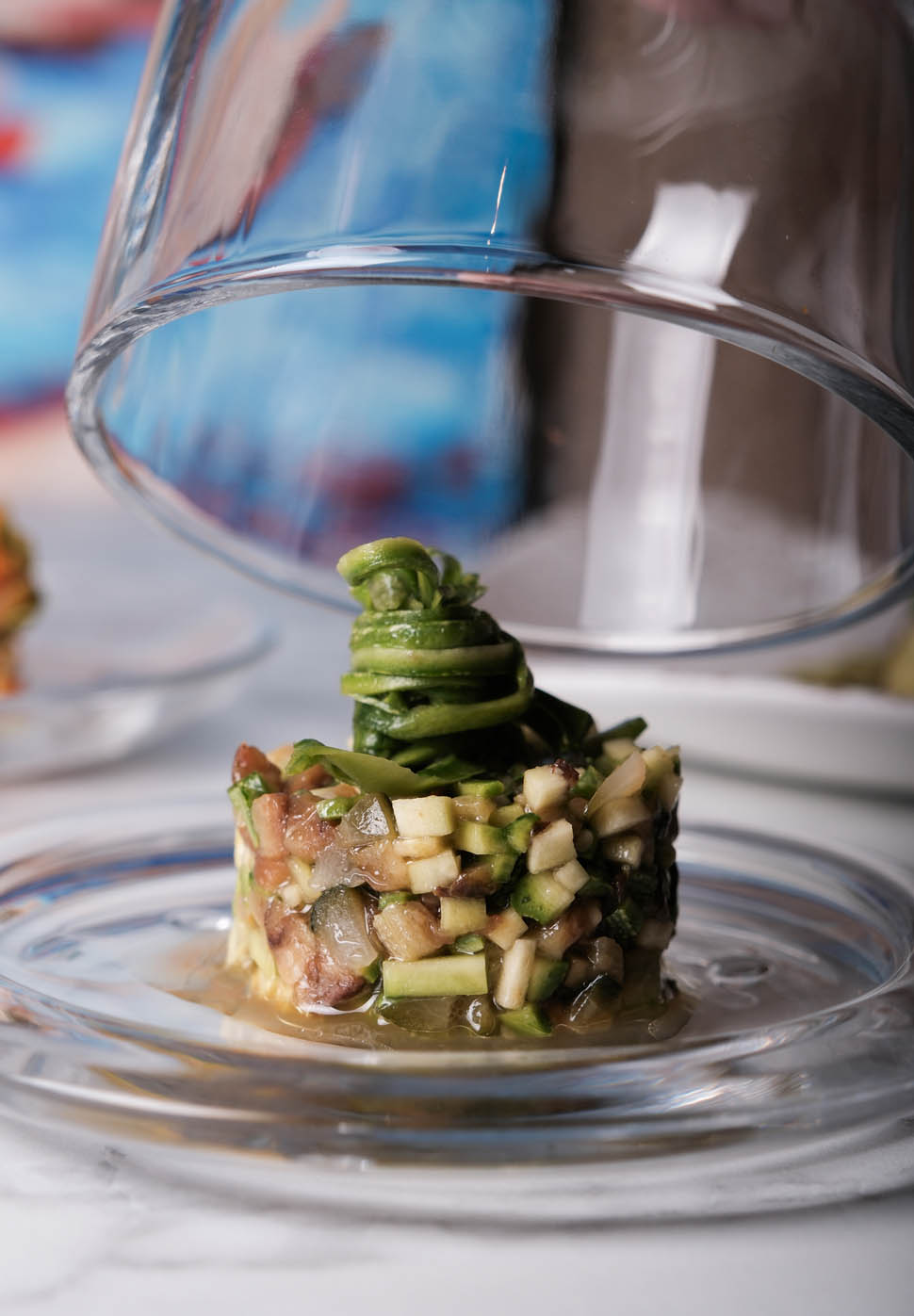
Within this framework, the dishes serve as fragments of identity. The Blót del fiume carries with it a family memory. “That dish stems from my mother’s Nordic roots. It’s a way to bring a part of my history into the menu.” Alongside this personal dimension, interpretations tied to the Ligurian region emerge, such as L’Oro di Portofino, Confine, and Orto e pecora, which work with local ingredients and influences without ever becoming stuck in a nostalgic interpretation. Technical complexity finds expression in dishes like Piccione3. “It’s a dish that reflects the work done over the years. There are different preparations, different textures. It’s complex, but it must remain accessible.” This idea of accessibility is also reflected in his vision of fine dining, which is often misunderstood today. “The restaurant industry is a difficult world. Fine dining isn’t always understood. For me, it’s history, emotion, research, and ingredients. That’s what gives value to everything else.”
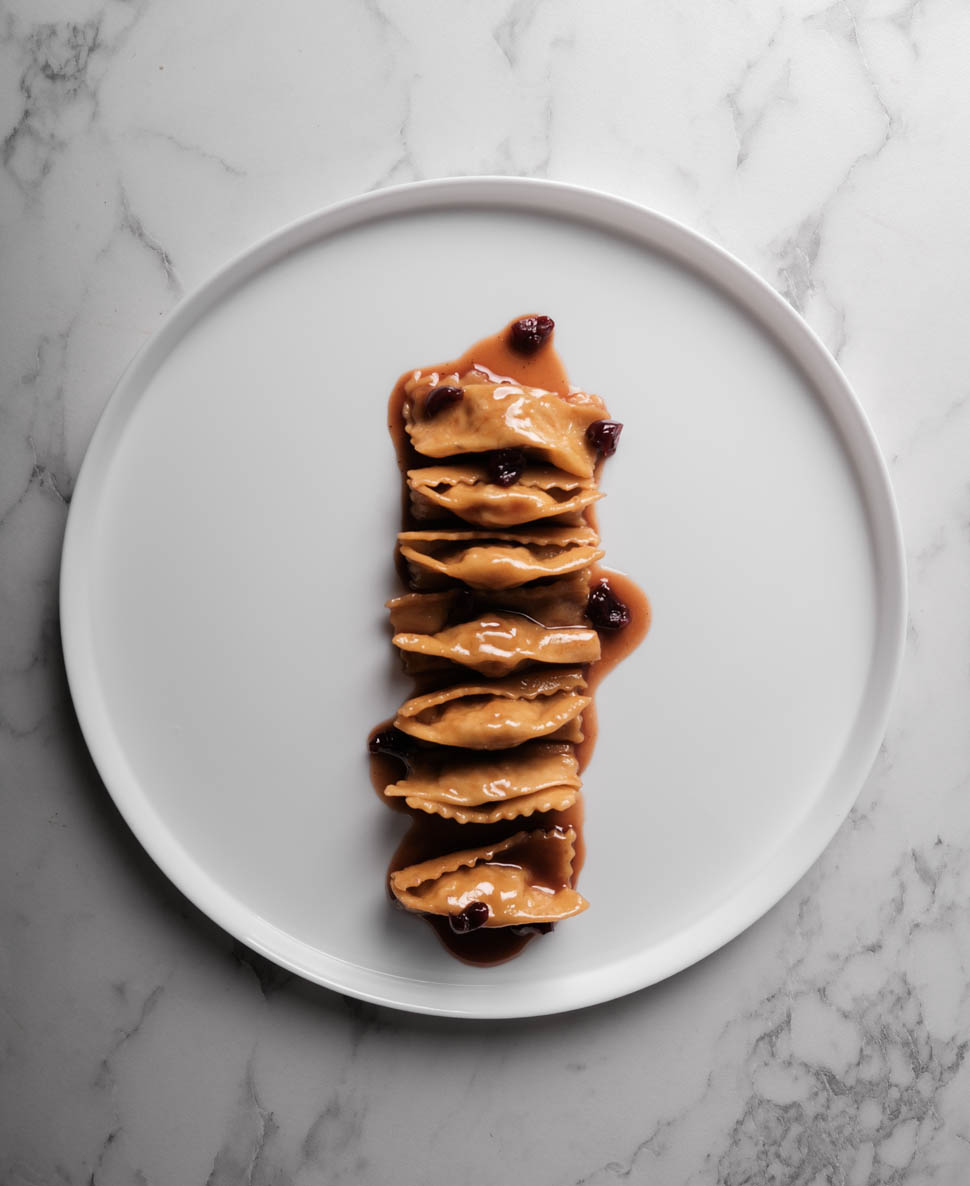
This vision is also reflected in the decision to offer a set menu for the entire table, transforming the experience into a shared moment. “I like it when people share the same journey. It creates a shared narrative”. L’Embriaco is thus built in layers, much like the context that hosts it. Technique, memory, territory, and openness coexist naturally, maintaining a dynamic balance. Genoa remains a constant presence, a city that drives, diverts, and inspires. And L’Embriaco follows the same movement, allowing each course to add a new layer.
Contact
L'Embriaco
Piazza Embriaci, 1, 16123 Genoa, Genoa Province
Phone: 010 471 6666