The word “sakaba” is composed of two kanji characters: sake, which means “alcoholic beverage,” and ba, which translates as ‘place’ or “location.” It is from here that a loan from Japanese culture dating back to the Edo period opens in Bologna on Via San Rocco, offering a different kind of dining experience: fragrant with the Orient, but well rooted in the territory.
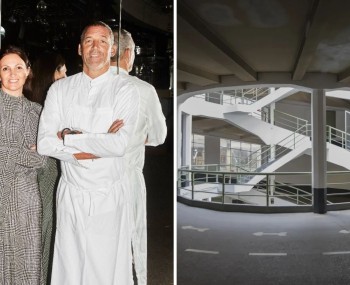
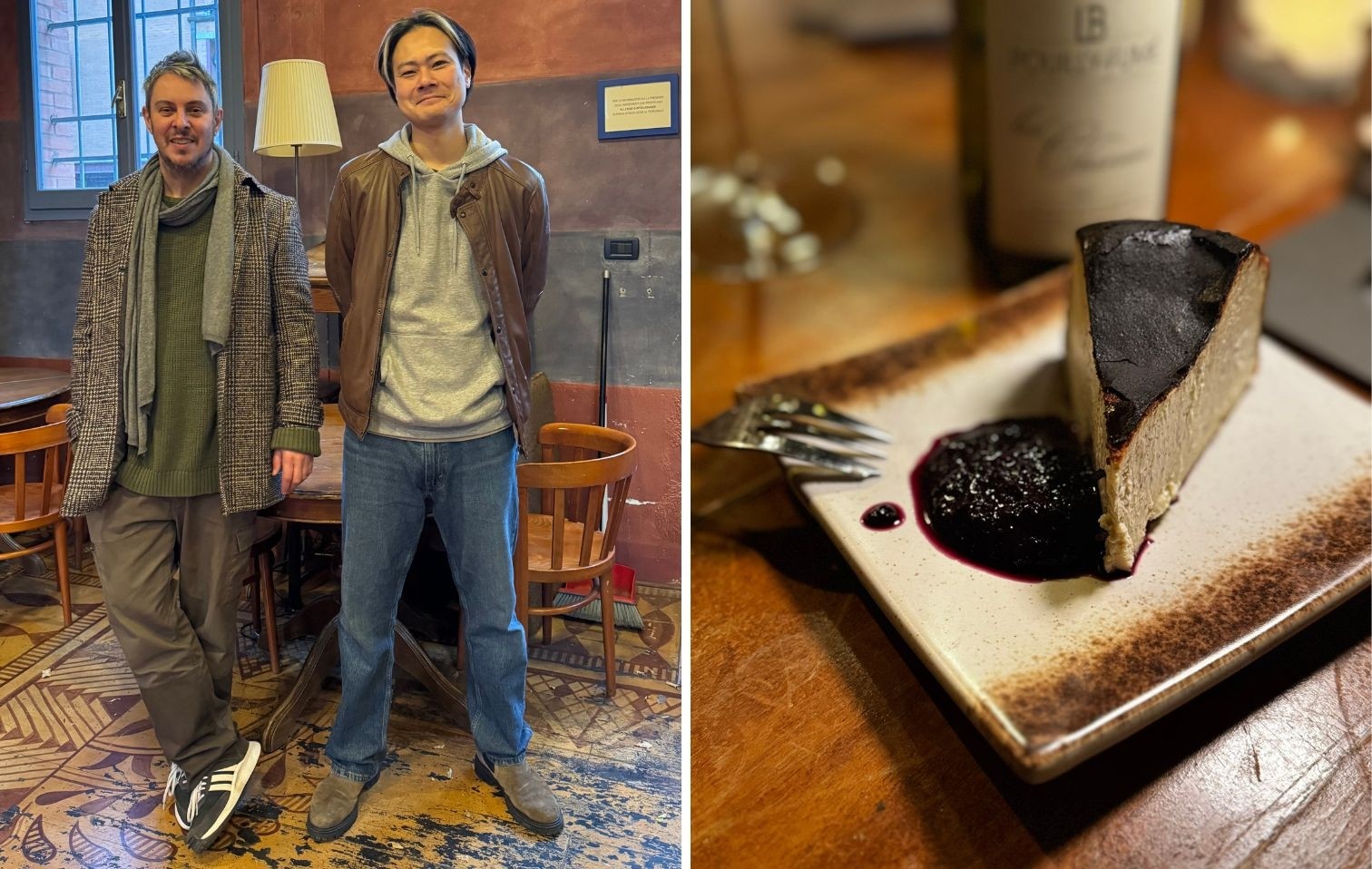
Budou Sakaba Moderna is the new project that Christian Govoni and Takeda Kohei have invested in: opened on March 21, it began to take shape in the fall of 2024. "It was an idea we shared from the beginning: it belongs as much to me as it does to Take, who is now the manager. After in-depth discussions, we decided to combine our skills and imagine something new for the city. Take comes from the world of wine, while I come from a different background linked to craft beer production; however, we both felt the need for new stimuli. This meeting of minds gave rise to the idea of creating an innovative Japanese bistro, capable of bringing an original and contemporary experience to the local scene."
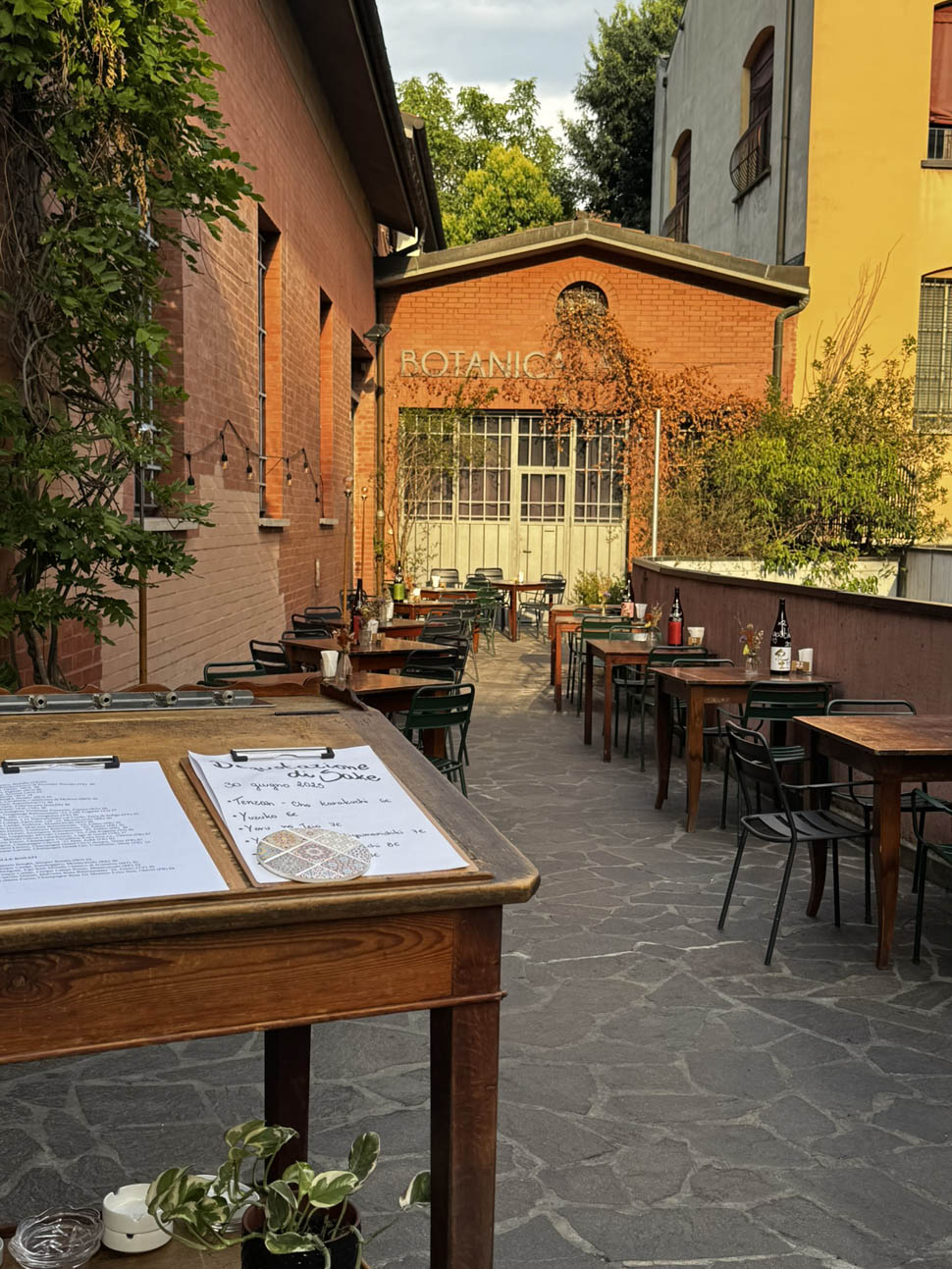
But what exactly is a “sakaba”? It is similar to an izakaya, but more intimate and cozy. The central element is the counter, which is essential for creating an atmosphere reminiscent of a bistro, but in a more familiar, warm, and direct version, where the relationship with the customer becomes an essential part of the experience.
THE ENVIRONMENT AND THE TERRITORY
The logo expresses Budou's intention: a small vine, almost a bonsai, an image that perfectly represents the spirit of the project, inspired by Japanese tradition but with roots deeply anchored in the territory in which the two operate. “For us, this connection is fundamental: about 80% of the products used are local, while the rest come from more distant places that share ethical principles in production and work.”
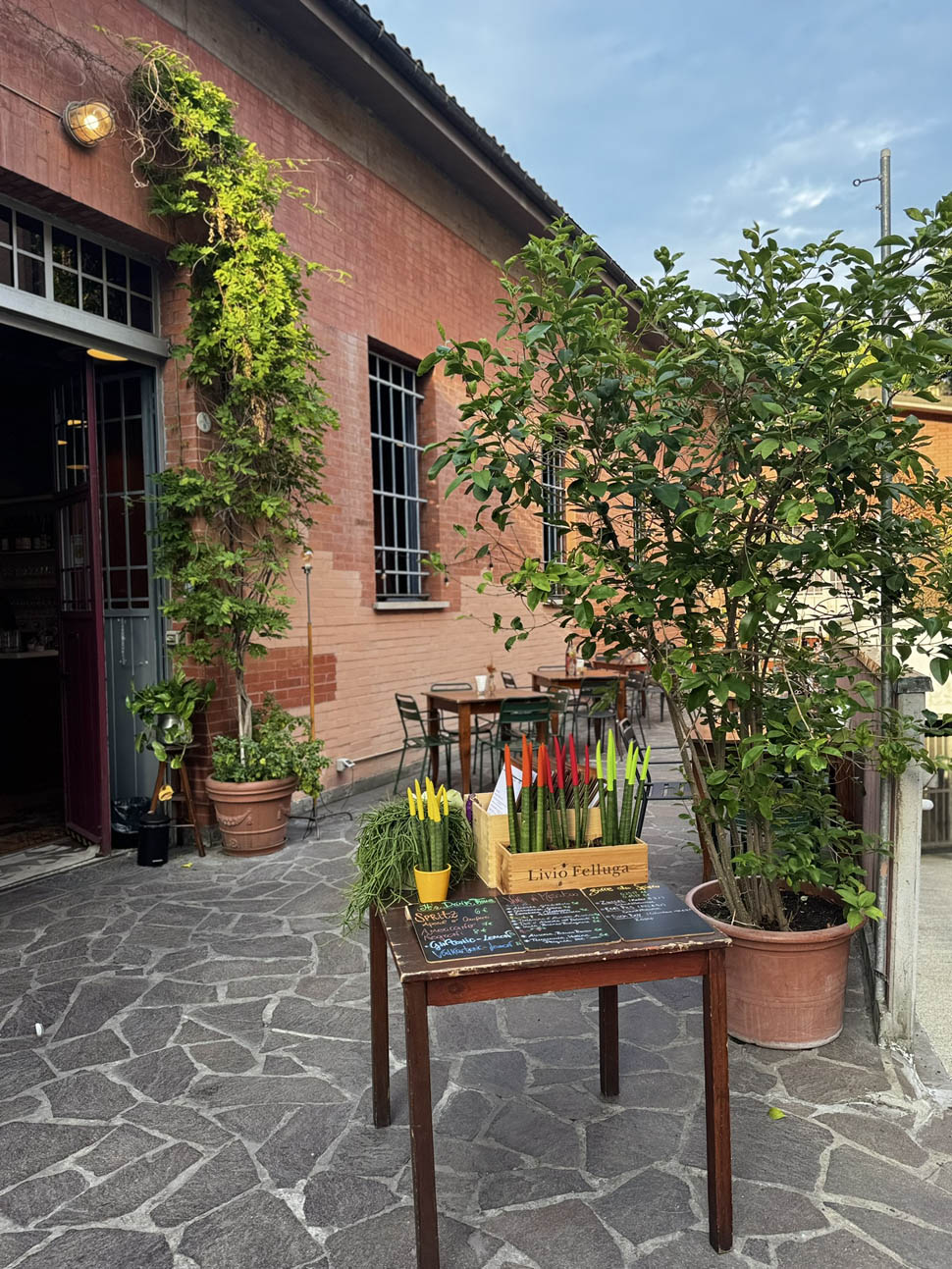
The atmosphere is warm and well-designed in terms of furnishings and details; the space created harmonizes with its previous industrial use, which in this case becomes an added value, giving it character and personality. While izakaya is now a well-known and widespread model in Italy, sakaba is still a novelty. This format is based on the idea of intimacy and, above all, on the continuity between food and drink: not two separate moments, but a single, fluid, and coherent journey.
A NEW MENU CONCEPT
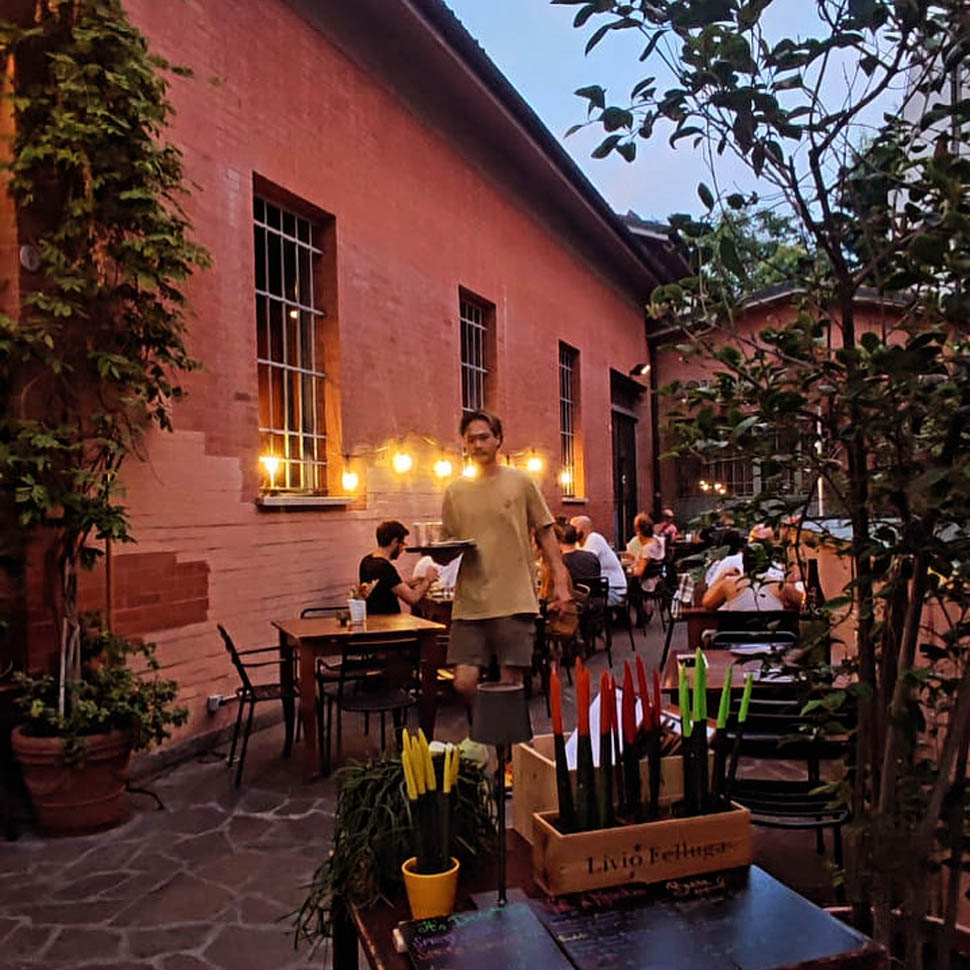
“When we started discussing the menu concept, we immediately ruled out certain dishes: for a project of this kind, it was essential to focus on sharing, and for us this means otsumami, small tapas-style dishes that represent the most interesting and distinctive aspect of the format. While maintaining the importance of the main course, the shared goal is to give more and more space to otsumami, because they are the most authentic expression of the spirit of the sakaba: dishes designed to be shared, not to remain exclusive to the individual who orders them. We did not open with a menu completely focused on this aspect because it requires time and gradual development, both in the kitchen and in the perception of the public. We work with charcoal, which adds value, using vegetable charcoal and focusing most of the main courses on this type of preparation, which allows us to offer aromatic depth and a strong character," says Christian Govoni.
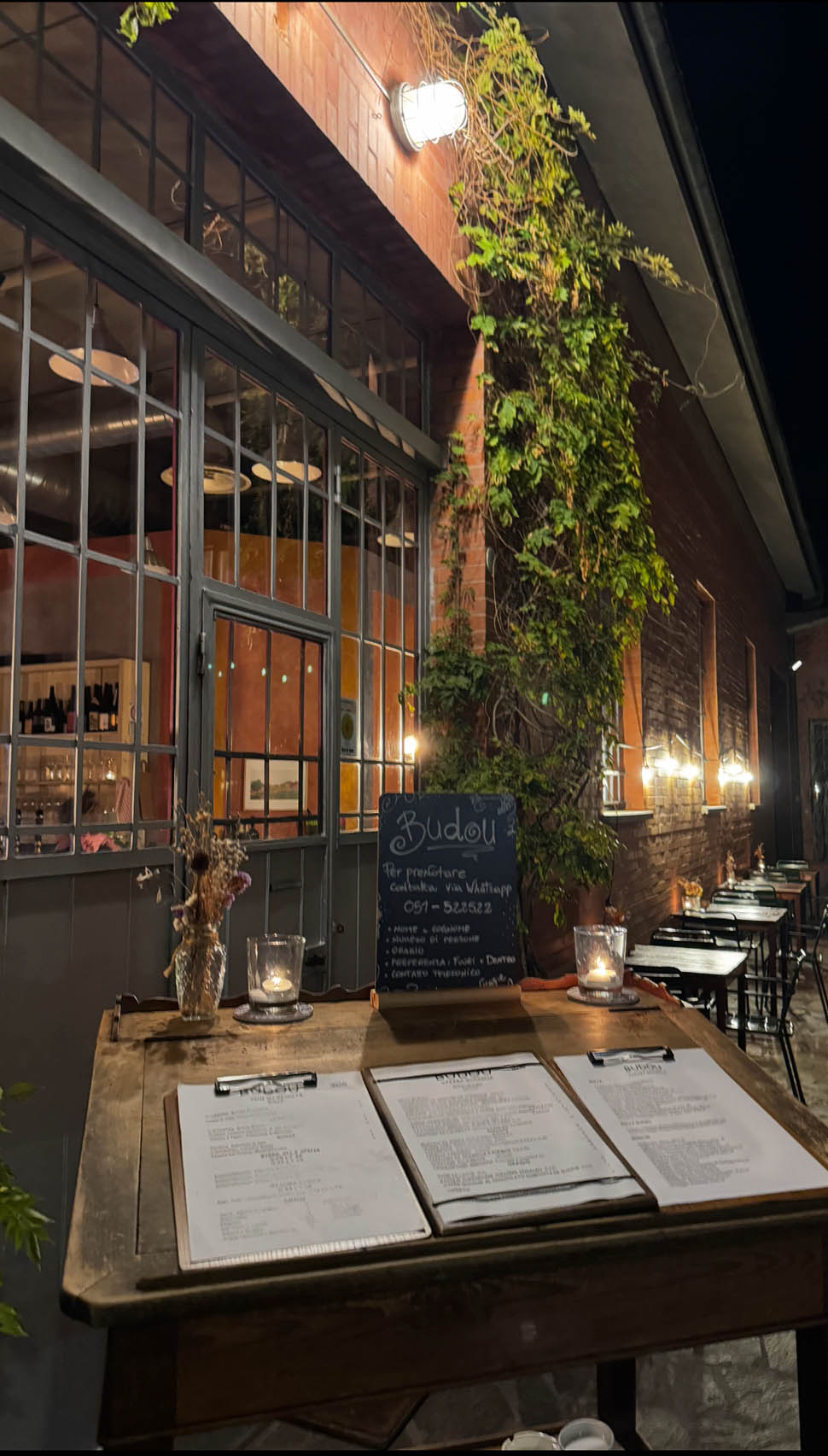
The idea of focusing on dishes that are highly shareable is deliberately designed to maintain a natural balance between the gastronomic offering and the drinking experience. A journey that aims to combine conviviality, attention to detail, and a new way of experiencing dinner. So what can those who sit at Budou's tables expect? Not Japanese cuisine in the strict sense, but a carefully crafted offering, where each dish is born from a deep respect for the raw ingredients and exotic combinations that enhance their flavors and identity. A cuisine that looks to Japan for inspiration, but finds strength and character in the quality of local ingredients and a contemporary sensibility, capable of surprising without ever losing balance and authenticity.
THE CUISINE OF BUDOU SAKABA MODERNA
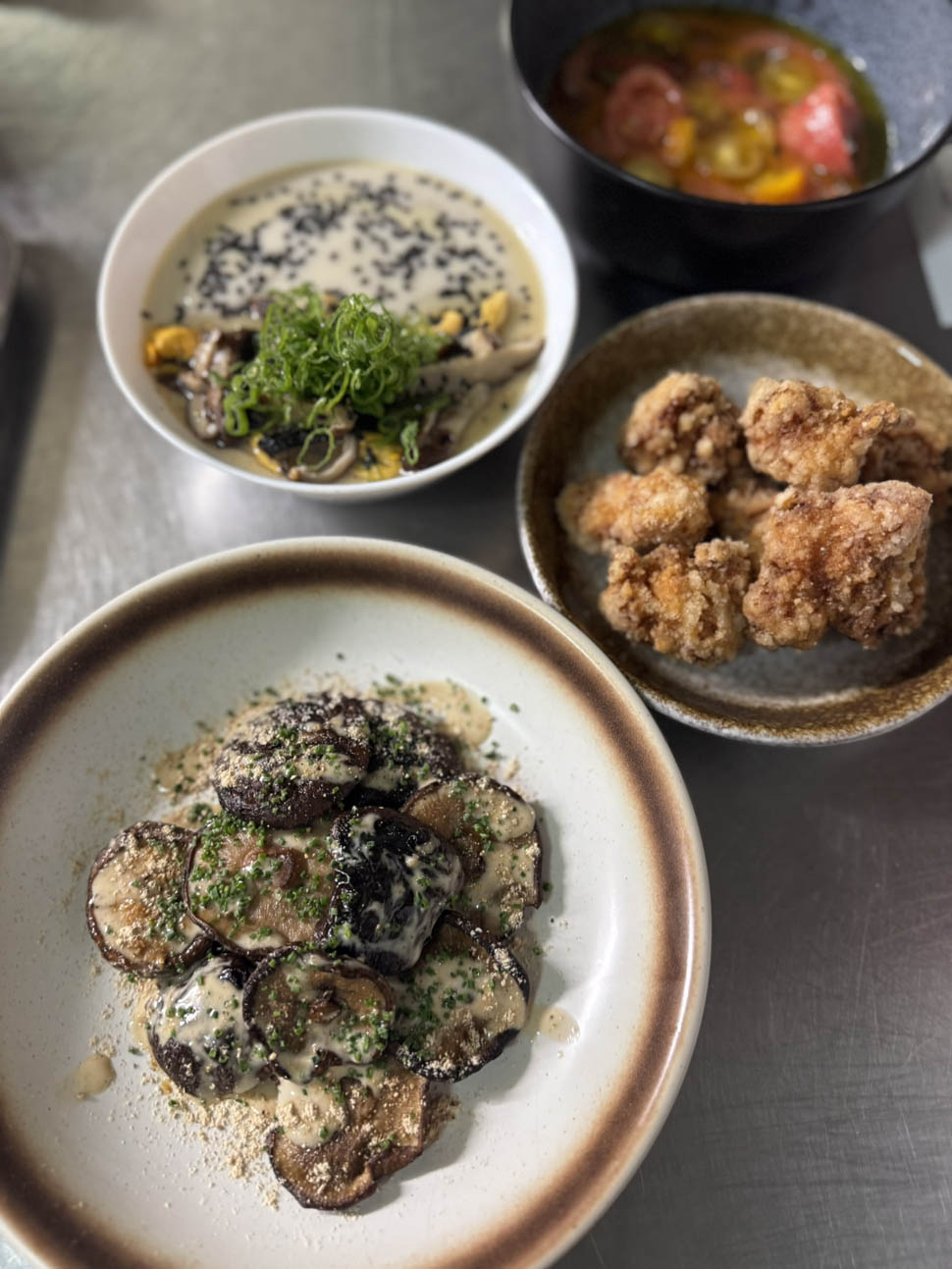
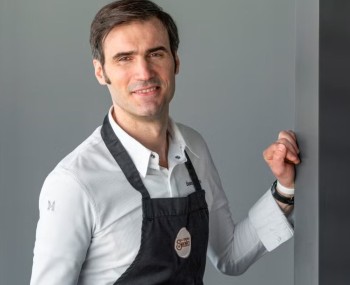
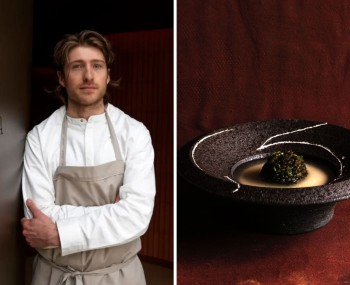
Budou's chef is Filippo Ramosi, who, after various experiences abroad, including at Albert Adrià's Enigma, returned home to his burning passion for traditional cuisine, leading him here: "We started in a particular way: taking over an already established project always involves a more complex process. It takes time to understand where you are, to find a balance without destabilizing what already exists. We work with charcoal, and compared to traditional stoves, it requires a different approach: we have learned to “interfere less” with the dishes to leave more space for this type of cooking. Our cuisine is product-centered, with seasonings designed to align or create harmonious contrasts: a few carefully chosen, sustainable, and accessible elements, because we want it to be a cuisine for everyone, where you can taste different things while keeping the price reasonable. The real challenge is precisely this: defending the territory and being sustainable." Here at Budou Sakaba Moderna, the distances between the kitchen, dining room, and table are eliminated. Everything is meant to be more relaxed and simpler, without compromising on quality.
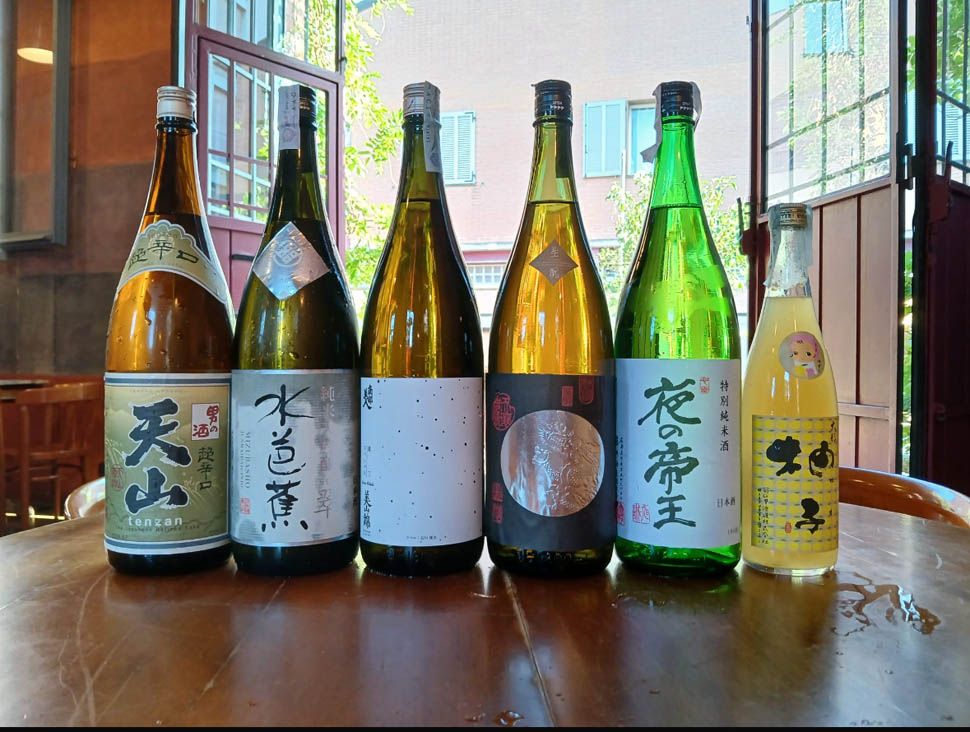
The menu is divided into three parts: Otsumami, Shusai, and Okashi.
Otsumami can be considered Japanese tapas, small dishes that can be shared at the table while drinking sake, and it is with these appetizers that we begin our journey through Budou's menu, with a hot broth made from pumpkin and katsuobushi, obtained from pumpkin peel and katsoubushi, which is served at the beginning to accustom the palate to umami flavors. This is followed by Palamita sashimi, a very delicate but very meaty fish, accompanied by a spoonful of puttanesca sauce. Tomato in persimmon, almond, and elderberry gazpacho is a dish that combines three cherry tomatoes, Piccadilly, Camone, and Datterino, lightly roasted on the outside, marinated in extra virgin olive oil, and served in a gazpacho made from persimmon, almond cream, and elderberry drops. The menu continues with other small courses that are not only appealing to the palate, but each dish is also served with care in both presentation and service.
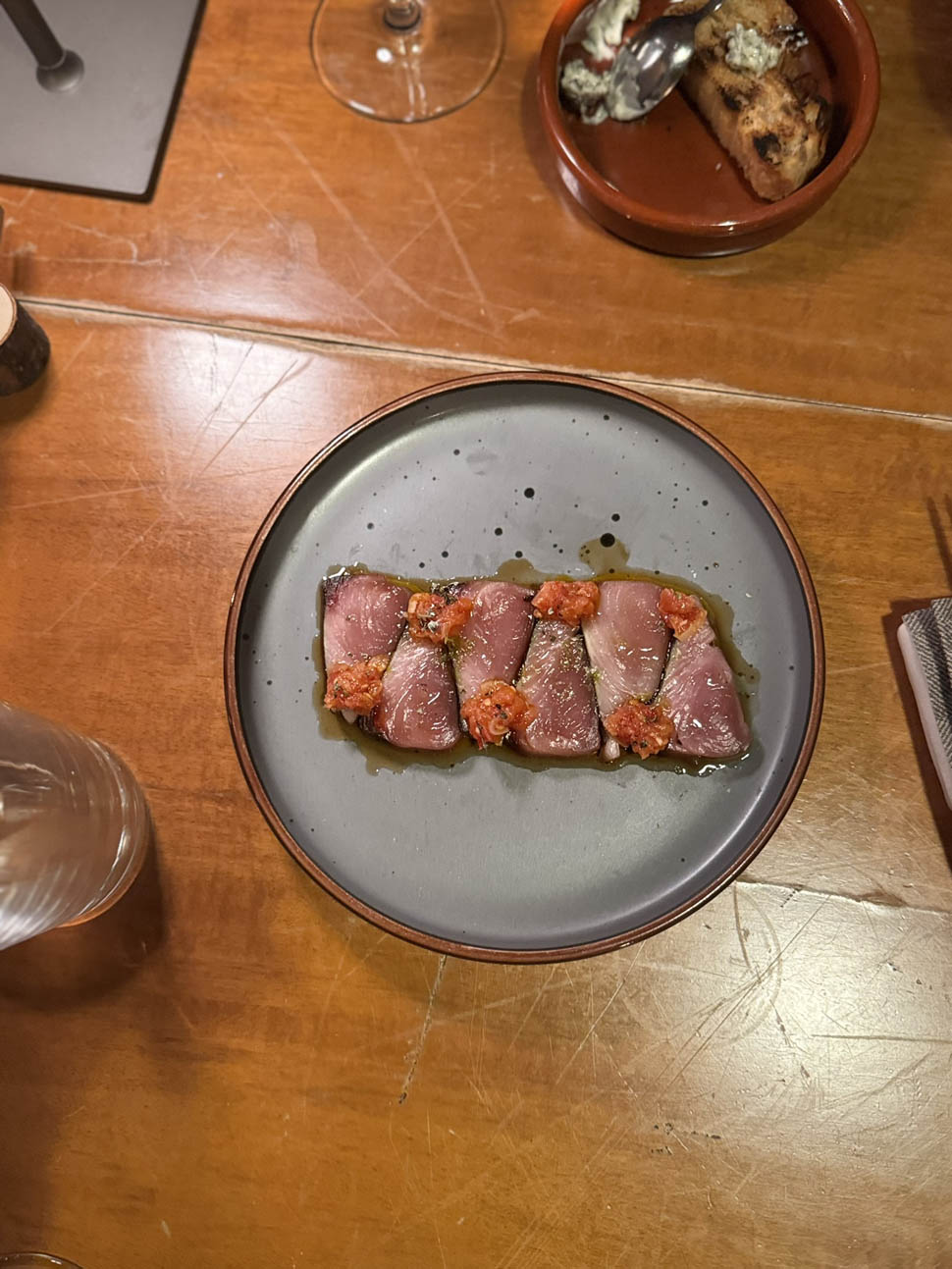
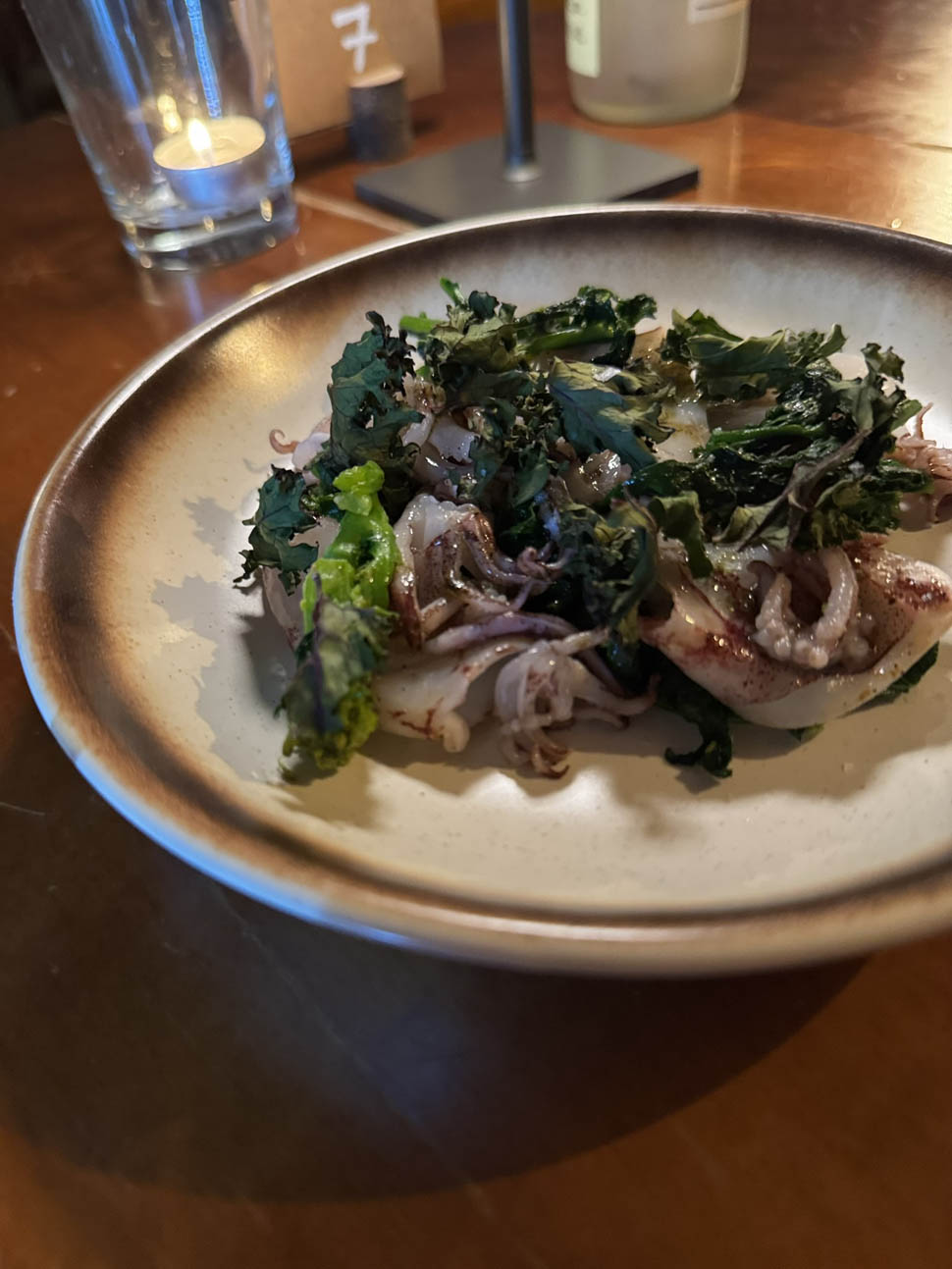
Beef tartare with mantis shrimp tartare is hand-chopped beef tartare served with mantis shrimp tartare and a drizzle of light seaweed oil. Grilled squid is lightly grilled squid served with sweet and sour radicchio. To finish, Sarde Beccafico in kosho sauce, a dish that recalls Sicilian culture, served with a homemade Japanese-inspired sauce, spicy and citrusy, thanks to yuzu and pepper.
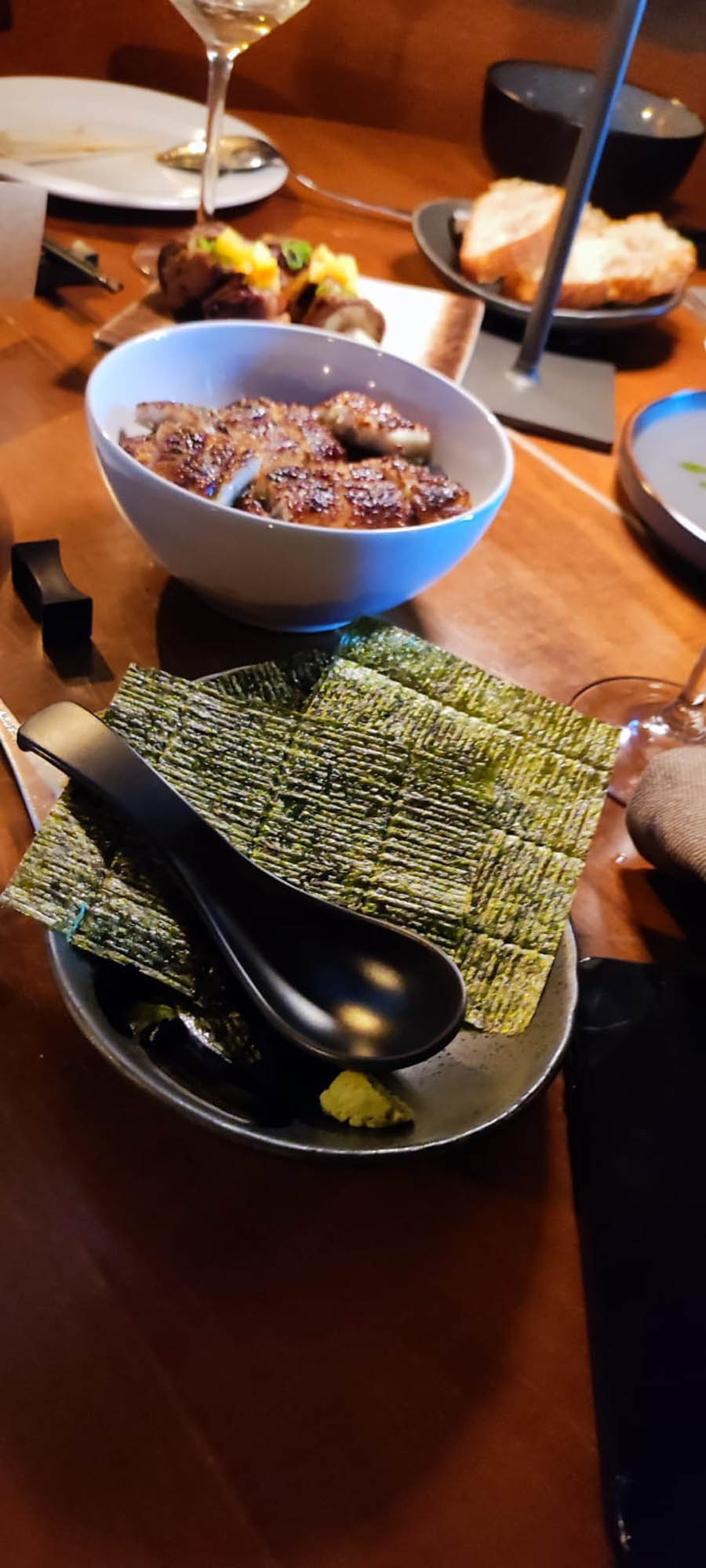
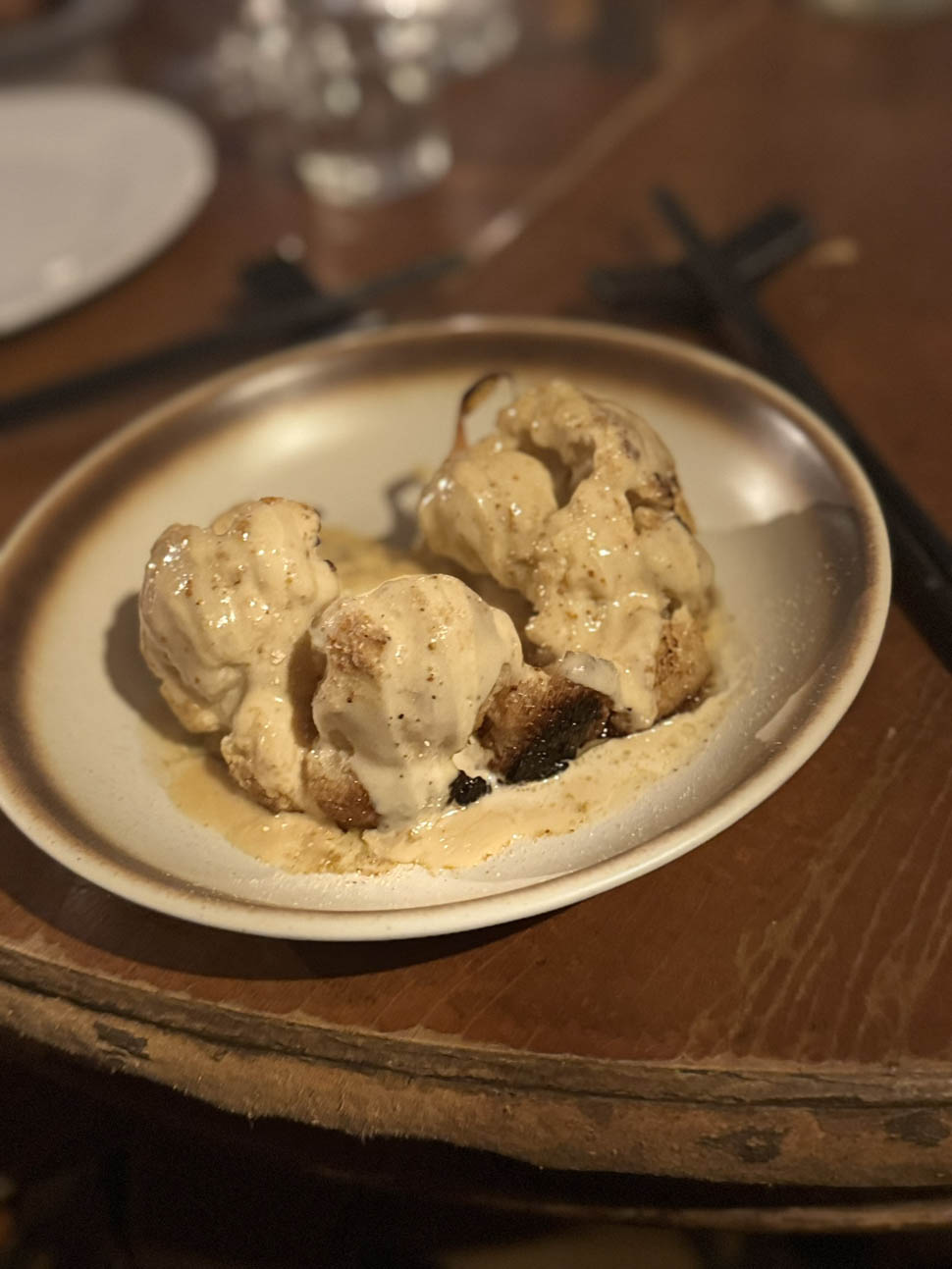
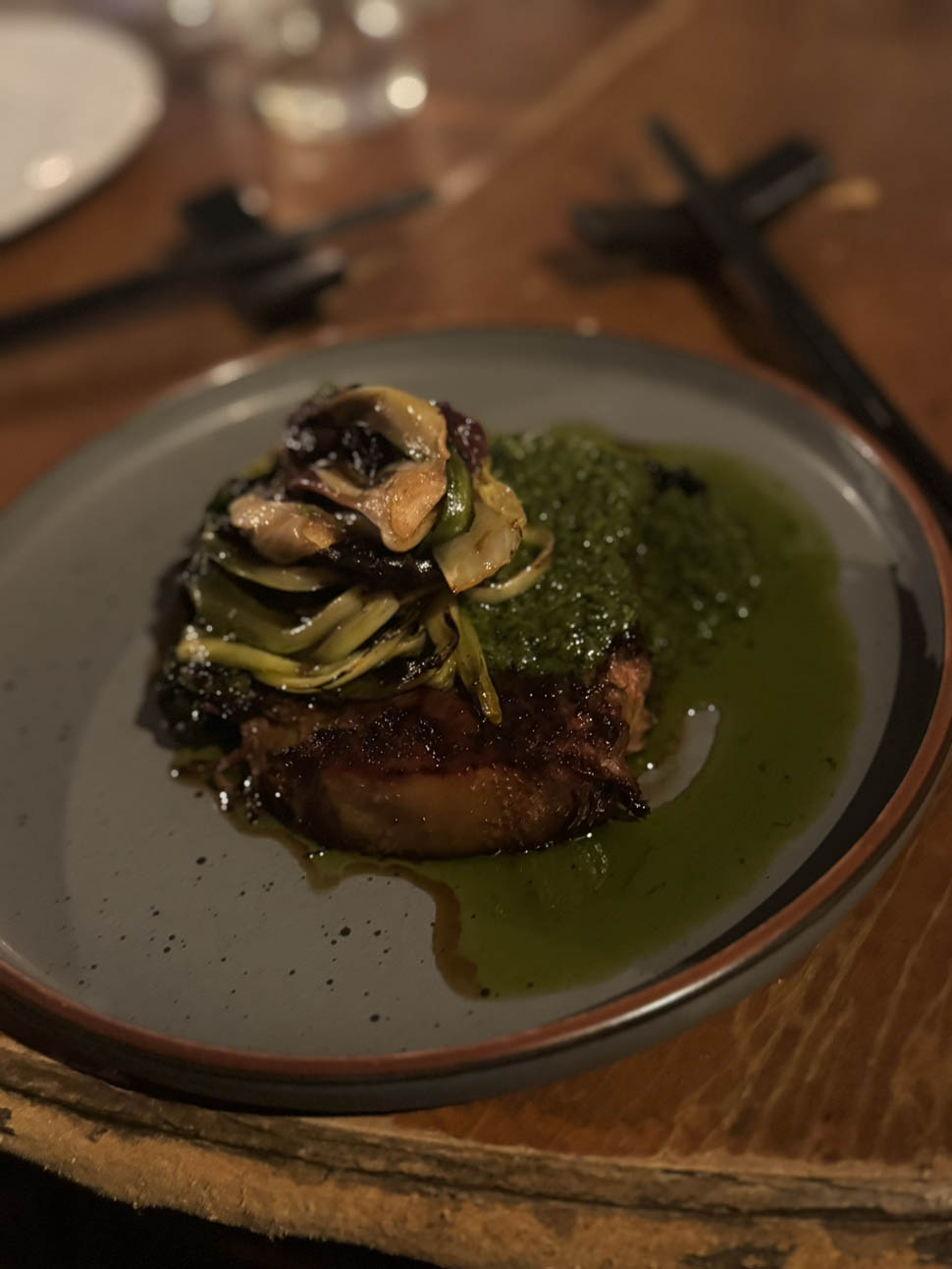
According to Japanese tradition, Shusai is the Japanese term used to refer to the main dish of a meal, which usually includes meat, fish, or eggs. It is part of the typical structure of Japanese cuisine, called washoku, which always combines various elements: rice, soup, and small vegetable side dishes. The Shusai tasting at Budou opens with Pumpkin gnocchi in whey, pumpkin gnocchi, whey milk, sage oil, nutmeg powder and trout egg, followed by Yakiniki tongue and wild radishes, roasted cauliflower with peanut mayonnaise, and finally eel with yuzu kosho sauce, which adds caramelization and texture, served on a bed of rice and nori seaweed, with sanshu pepper, citrusy and balsamic on the palate, to be eaten with your hands in the traditional way, like a temaki.
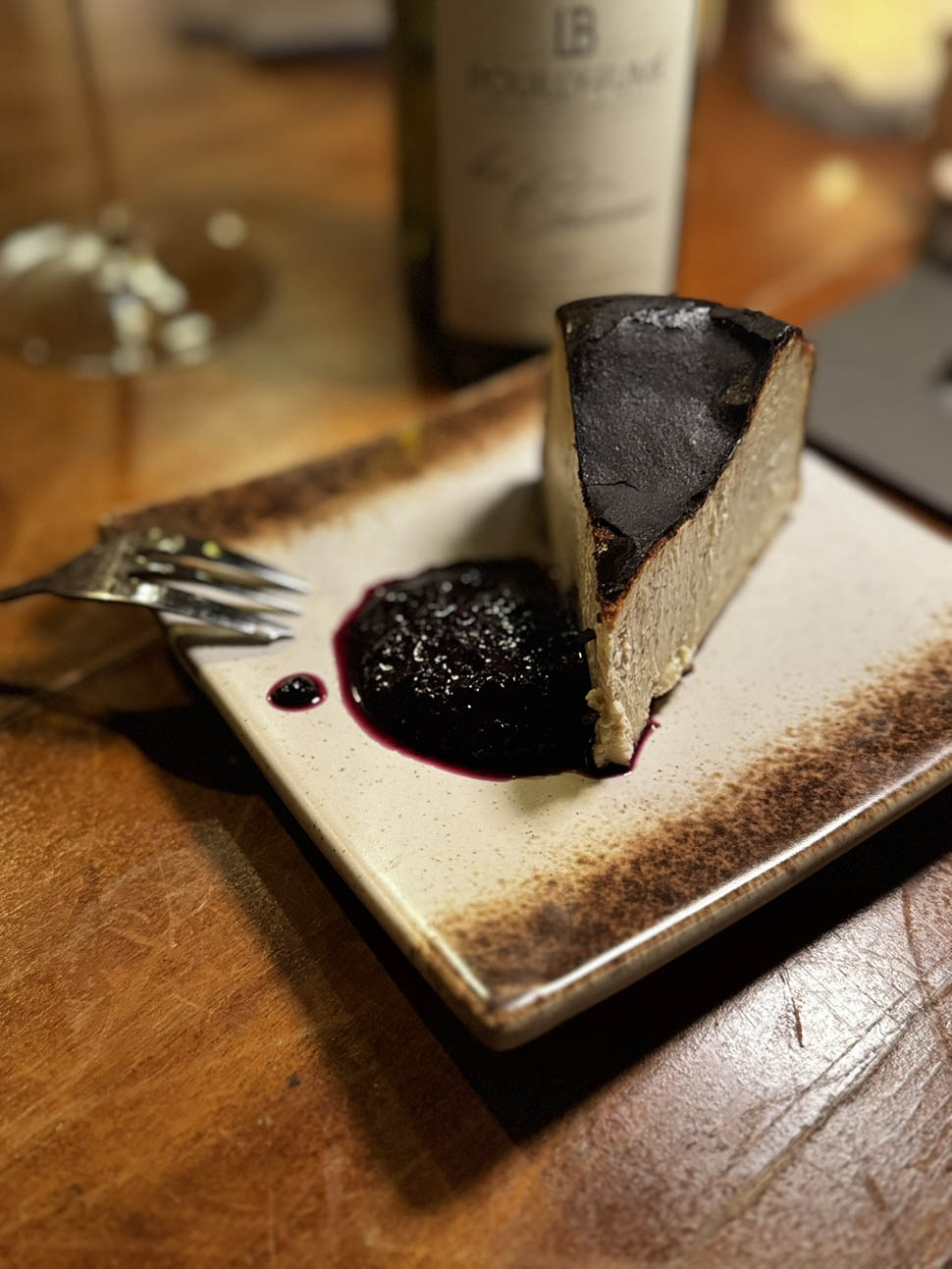
At this point in the menu, the skilled hand of Filippo Ramosi becomes evident. Although originally from Emilia, he does full justice to Japanese tradition. His dishes surprise with their ability to treat the raw ingredients in a clean, respectful, and precise manner, bringing out the best in their flavors and textures. And so we come to the end credits with Okashi, the desserts, which on Budou's menu translate into Pain perdu e cremoso, where grapes are added to a classic French breakfast dish, paired with a creamy whey and grape compote, and ending with Basque Cheesecake, the traditional Basque cake flavored here with Sichuan pepper, pear purée, and balsamic apple vinegar.
A PATH TO GROWTH THROUGH SHARING
Budou therefore declares itself to be a venue in the center of Bologna that wants to stand out and, after eight months of operation, takes stock: "The results are very positive: we have created a strong bond with the people who come here. The idea is unique; sakaba is a new concept in Italy, but it is now understood and is becoming a path of growth for everyone: for those who come to dinner, for those in the dining room, and for those who work in the kitchen. I myself need stimulation, and this project was born with this very intention, to offer a reason for growth. This is the heart of it all, the idea of sharing that is at the center of Budou Sakaba Moderna."
Contacts
Budou
Via S. Rocco, 16a, 40122 Bologna BO
Phone: 051 522522