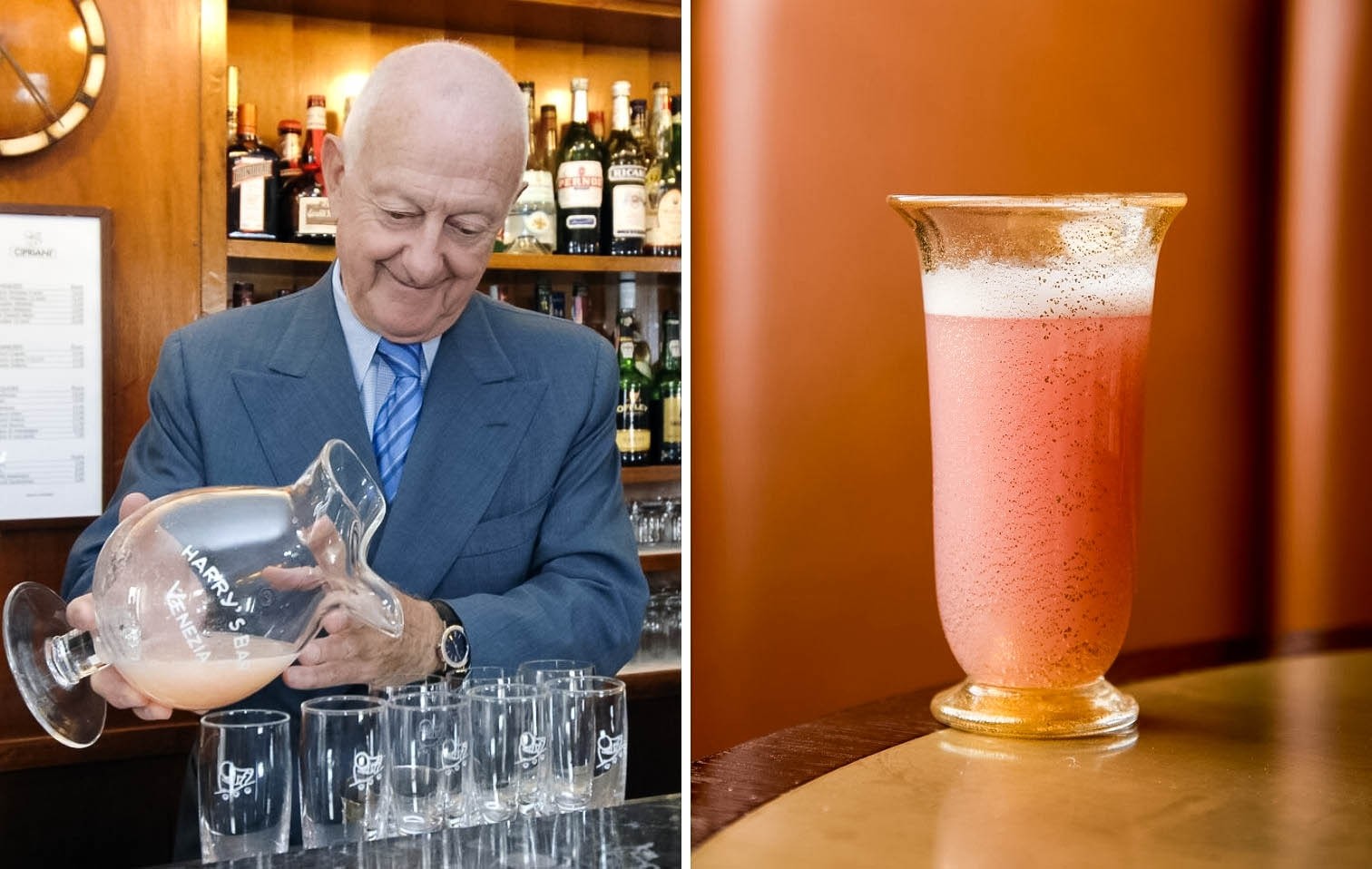
There are icons that need no introduction, but require almost religious care to replicate. The Bellini, created in 1948 at Harry's Bar in Venice, is the emblem of this philosophy: a subtle alchemy that transforms just two ingredients into a liquid experience.
Cover portrait: Luigi Constantini - Associated Press
A color that becomes destiny
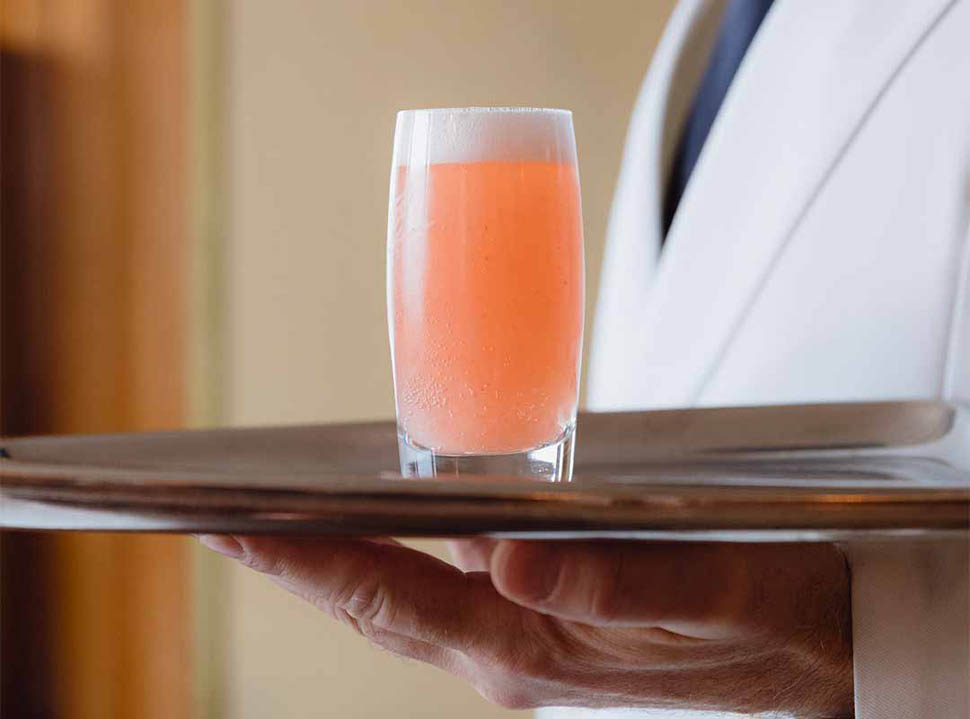
In 1948, within the gilded walls of Harry's Bar, Giuseppe Cipriani was struck by an exhibition dedicated to Giovanni Bellini, known as “Giambellino.” Observing the delicate pink hues of the robes worn by the saints and madonnas in the master's paintings, Cipriani had an intuition: to recreate that particular shade of pink in a glass. The secret? The pulp of the white peach, capable of giving the drink that pastel, ethereal, and unmistakable tone.
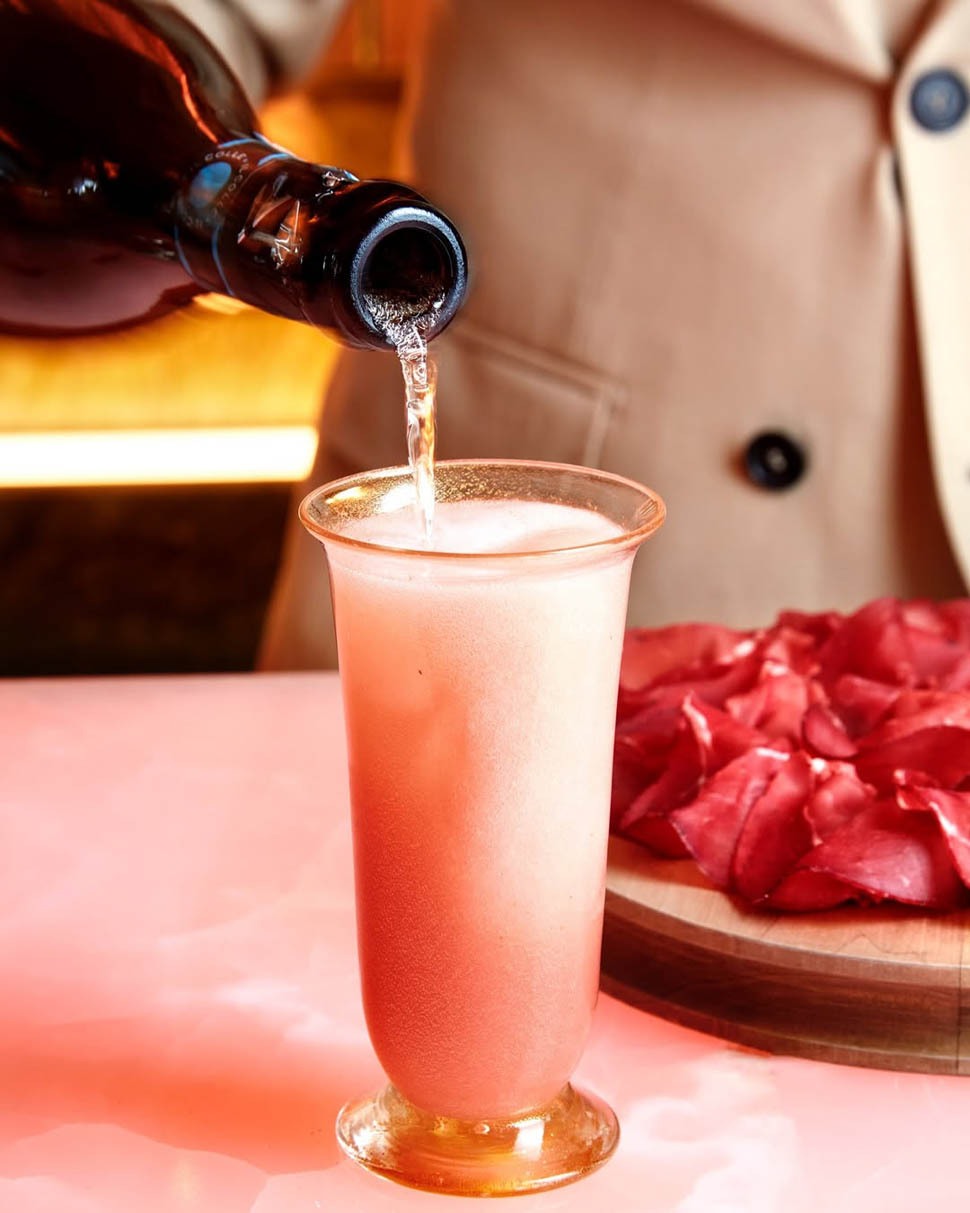
Born as a seasonal experiment linked to the ripening of fruit, Bellini quickly became the symbol of Italian elegance. At the tables of Harry's Bar, this combination of white peach purée and Prosecco quenched the thirst of 20th-century history: from Ernest Hemingway, who considered it an essential ritual of his Venetian stays, to Charlie Chaplin, to the great Hollywood divas.
The hunt for the perfect peach: a question of color and scent
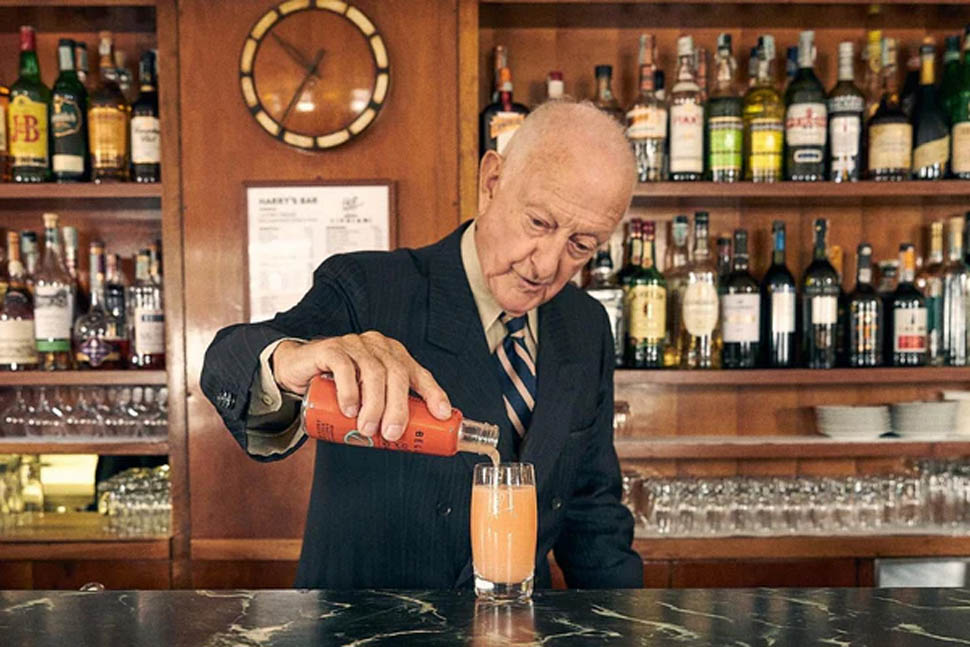
The beating heart of the Bellini is not just any peach. For Giuseppe, and today Arrigo Cipriani, the choice is clear: white peaches. In the pages of his recipe book, Arrigo is categorical: “Never yellow ones.” The secret lies in fruits that are preferably small, with velvety, pinkish skin. While the Venetian region was once the only official supplier, today the geography of taste has expanded to include temperate climates throughout Italy. What matters, however, is the substance: creamy white flesh, veined with carmine red near the pit, capable of releasing an intense aroma and a melting texture that literally blends with the wine.
Bubbles: the elegance of the territory
To support the structure of the peach without overpowering it, the ideal partner is Prosecco, preferably in its most noble expressions such as DOCG Conegliano Valdobbiadene. Alternatively, a quality sparkling wine can also work, as long as it respects the delicate balance of the drink. The golden rule? Bellini is an ephemeral creation: it must be prepared and consumed fresh, strictly on the same day, so as not to lose the liveliness of its aromas.
The “August” factor: when pink becomes magic
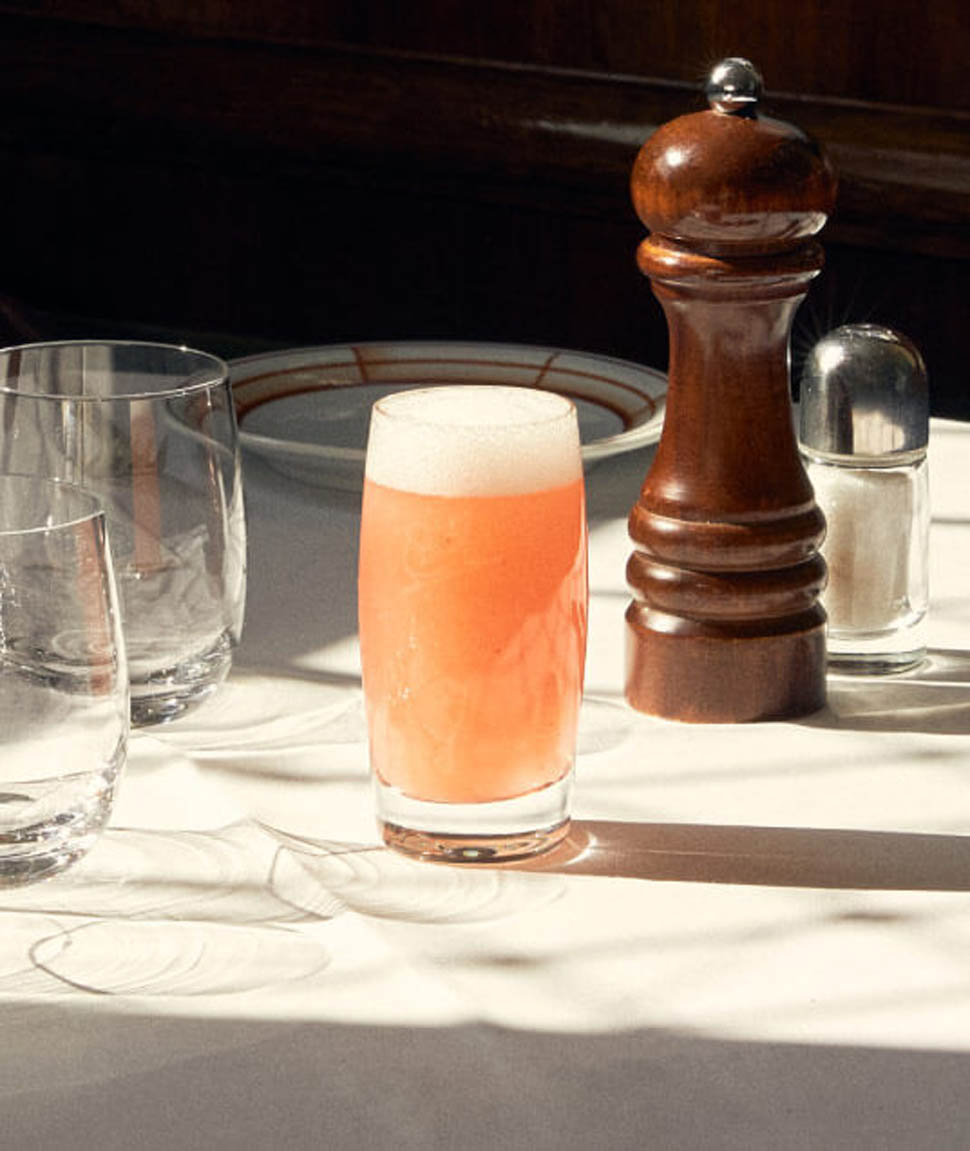
There is a specific moment when Bellini reaches the peak of its chromatic beauty. It is between July and August that white peaches give that iconic pink hue that has made the cocktail famous around the world. It is during these summer months that nature provides the perfect raw ingredients to recreate that “magic in a glass” which, from the post-war period to the present day, continues to offer a moment of pure happiness to those who enjoy it. The professional's touch? The strength of the Bellini lies in its immutability. Don't look for sophistication: true mastery lies in respecting a harmony that has been repeated, identical to itself, for over seventy years.
The Bellini recipe to replicate at home
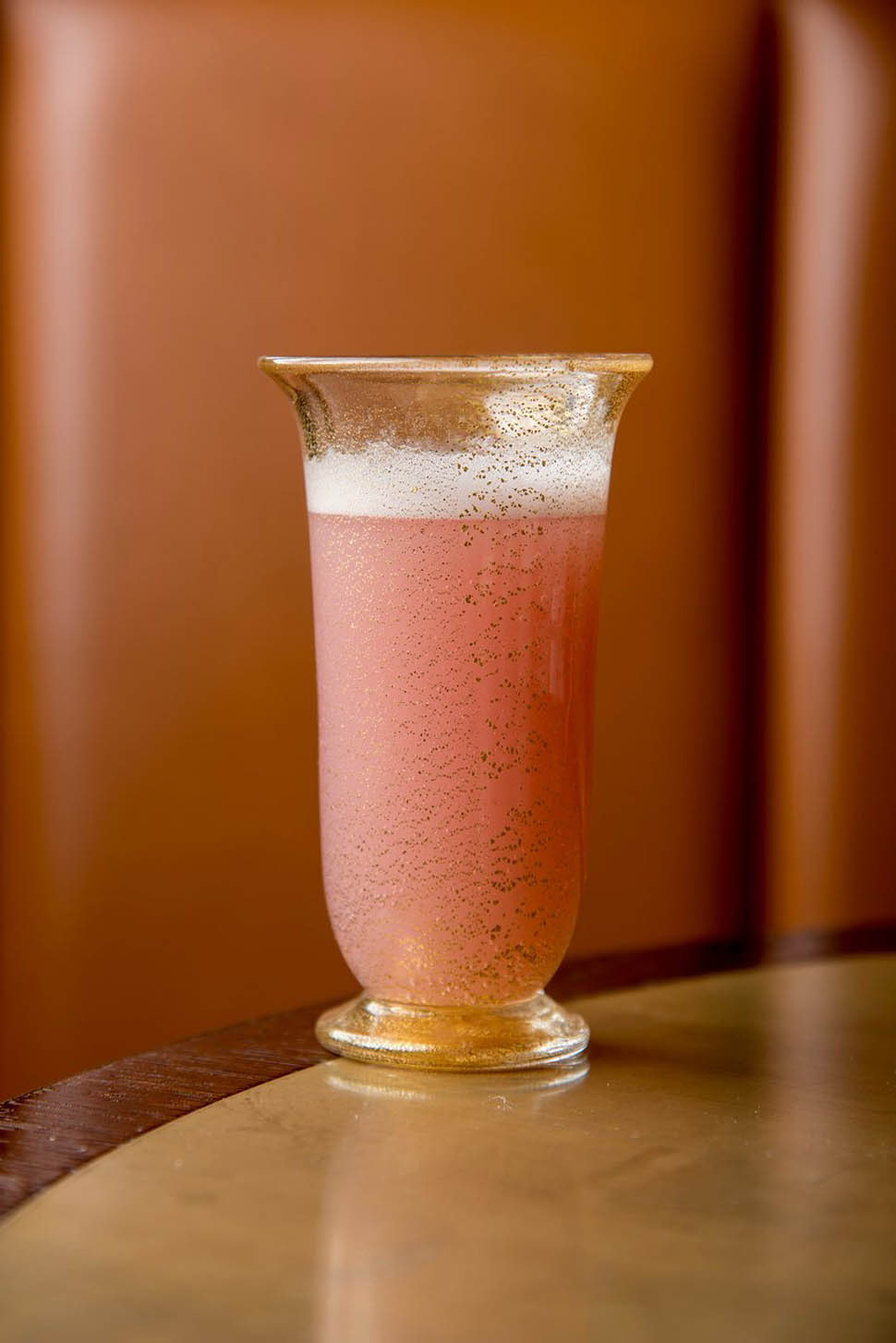
INGREDIENTS
- 1/4 White peach purée
- 3/4 Prosecco
Prepare the peach juice by crushing the fruit with the skin on in a Chinese funnel or with a potato masher. You can also use a juicer, but never a blender, otherwise the juice will mix with air.
Add the wine for the Bellini to the peach juice in the correct proportions (for example: 5 cl of juice and 15 cl of Prosecco) and mix.