In Chicago, Feld has transformed the table into a stage where the land and those who cultivate it take center stage, and where every dish becomes a small act of remembrance and attention.
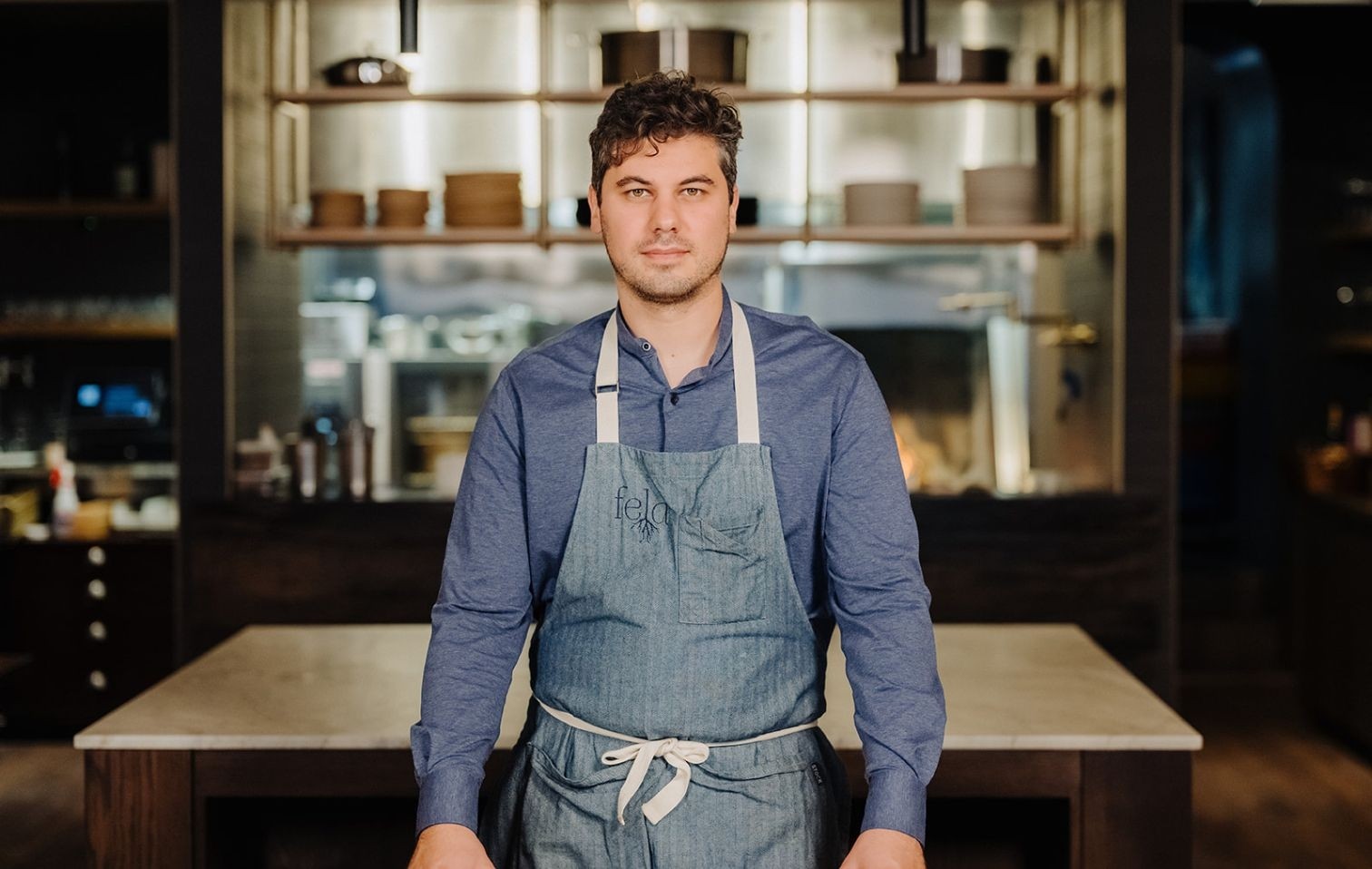
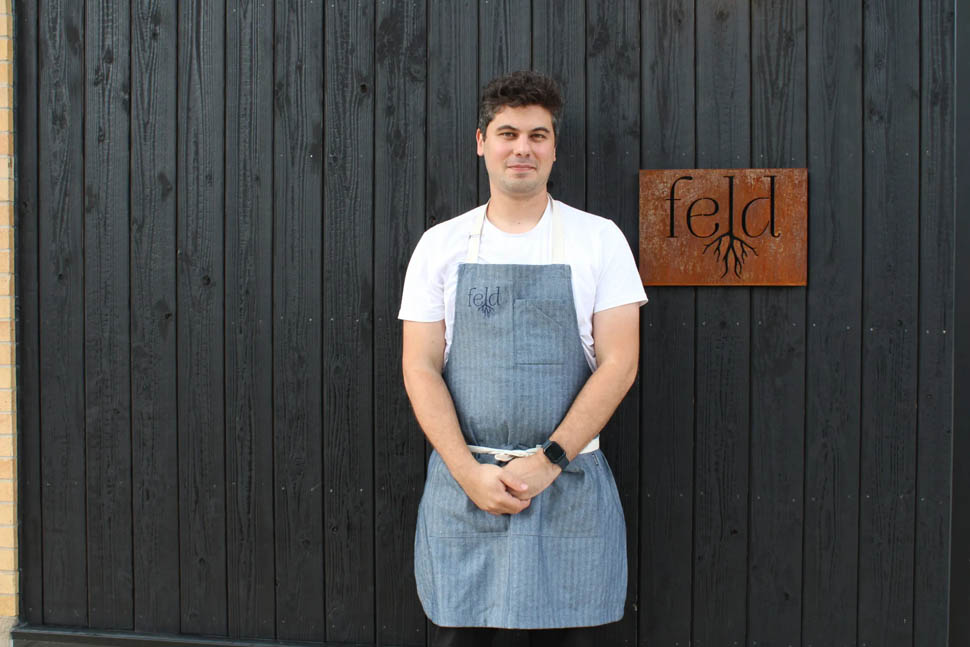
In Chicago, Feld has transformed the table into a stage where the land and those who cultivate it take center stage, and where each dish becomes a small act of remembrance and attention. In less than two years since opening, Feld has earned his first Michelin star, an award that celebrates not only technique or aesthetic elegance, but a gastronomic vision that puts people first, even before the products. Behind the kitchen, as Michelin recounts in a special feature, is Jake Potashnick, a 30-year-old chef who has been immersed in cooking since childhood, surrounded by the recipes of his grandmothers and mother, fascinated by conviviality and the art of entertaining. His idea of cooking stems from a simple yet revolutionary concept: every dish is a window into the work of those who grow, raise, and harvest, and the restaurant thus becomes a bridge between the raw ingredients and those who sit at the table. “Our farmers and my team are my inspiration,” he says, and this sentence sums up the beating heart of Feld. Every vegetable, every fruit, every fillet of fish tells a story, and the chef's task is to translate it without adding superstructures: to let the flavor speak, with respect and precision.
Feld is not a restaurant that follows international trends or fads, but rather a laboratory for building relationships with the local area. Potashnick talks about “relationship-to-table,” a philosophy that translates into menus consisting of twenty-five to thirty courses that change daily, depending on seasonality and the availability of selected suppliers. These limitations become freedoms, allowing creativity to be expressed without distraction. Each dish is designed to bring out the best in the ingredients: Jerry Boone's tomatoes from Froggy Meadow Farm, never refrigerated, cut into thick slices and accompanied by seasoned pork jus, honey, and peach vinegar, a simple and powerful interplay of flavors, where attention to detail is almost obsessive. The concept of a “Feld dish” is not measured in abstract techniques, but in authenticity and intensity of flavor: the guest should remember the raw ingredients even before the culinary composition. The team leader, the quality of the suppliers, and the synergy between the kitchen staff thus become the real secret ingredient. The team is not separate from the customers: they serve, describe the dishes, pour the wine, helping to create an immersive and personal experience. “I am incredibly lucky to have such a talented group,” says Potashnick, and you can feel the gratitude that links every gesture and every taste to their shared passion.
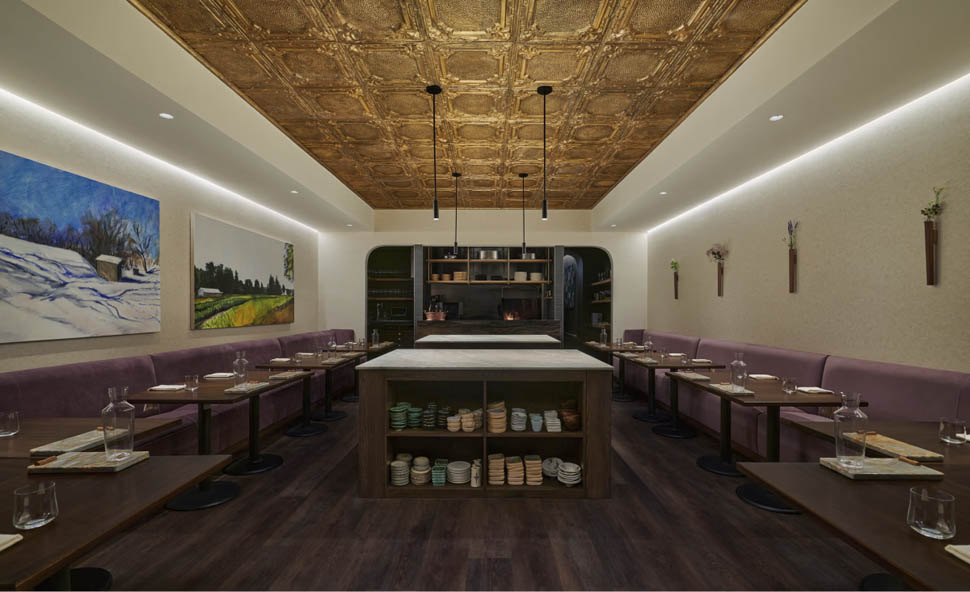
Feld's story is also one of growth and travel: after graduating from Cornell with a degree in Hospitality Business Administration, Jake honed his skills in Michelin-starred kitchens in France, Sweden, Germany, and Japan, from Narisawa to La Marine, before returning to Chicago and founding his own restaurant. This journey has never compromised the essence of Feld, which remains rooted in the simplicity of ingredients and the ability to excite without ostentation. His evolution as a chef is evident in the menu: each season brings new choices, adapted to the rhythm of nature and the personality of the suppliers. Among the dishes that best illustrate this philosophy, the cherry wood-grilled scallops deserve a mention. Sourced from David Tarr, a diver from Stonington, Maine, they are served with four complementary sauces: vin jaune beurre monté, black garlic vinaigrette, raw almond butter, and Magna Carta, a reinterpretation of bagna cauda with mussels instead of anchovies. A dish that seems simple but is the result of a complex harmony between technique, ingredients, and knowledge of the territory. There are also moments of pure poetry with vegetables: Jerry Boone's tomatoes, a German striped variety, are a manifesto of Feld's philosophy: freshness, seasonality, and absolute respect for those who grow them. Each ingredient arrives at the restaurant in its natural state of perfection and becomes the star of a dish that seems simple but actually requires obsessive attention and almost artisanal care. Feld works with a small number of guests per service—twenty per evening—and with limited equipment: a small oven, a four-burner induction hob, and a hearth for the main cooking.
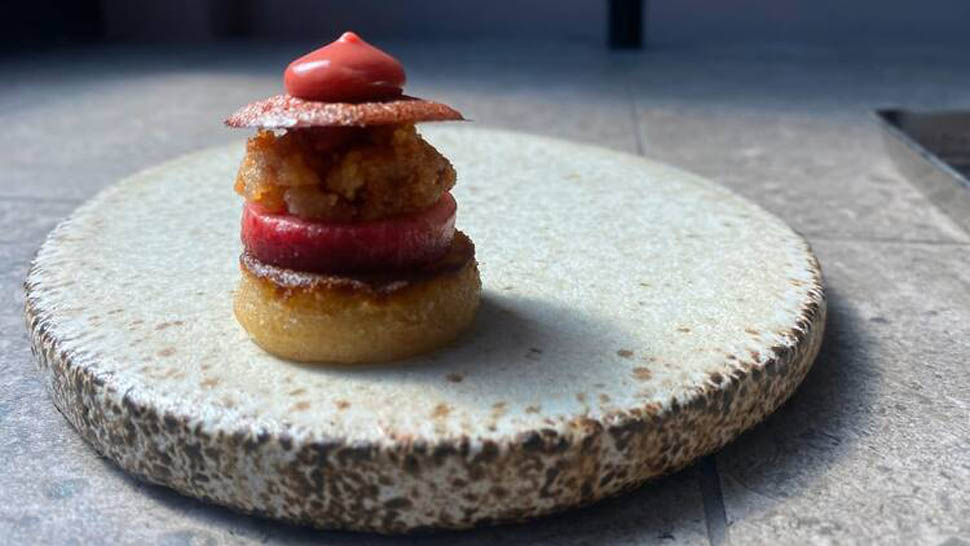
These constraints are not obstacles, but tools that allow spontaneity and concentration, transforming the team into a single entity, capable of expressing ideas and techniques with consistency. The menu changes every day, but the common thread remains: enhancing the raw ingredients, celebrating the work of those who produce them, and telling stories that reach the palate. There are memories that Jake treasures: Oriana Kruszewski, a pear grower for over forty years, is a perfect example of the connection between producer and table. Letting her taste the fruits of her labor in the context of Feld, seeing her enjoy an experience that embodies respect and attention, was one of the most significant moments of the chef's career. The Michelin recognition is not only a symbol of technical excellence, but a validation of Feld's overall approach: an experience built on passion, ethics, storytelling, and a deep understanding of the territory and its people. The Star certifies not only skill in the kitchen, but the ability to create a coherent, exciting, and sensory narrative from the first to the last dish. The beating heart of Feld, however, remains its relationship with those who cultivate, raise, and harvest. Each ingredient is selected for its quality and history, and the restaurant thus becomes a living testimony to the work of farmers, fishermen, and artisans. The focus on seasonality and the choice not to waste energy on unknown suppliers allow Feld to deepen its knowledge, enhance the value of each individual product, and provide customers with a rich and authentic experience.
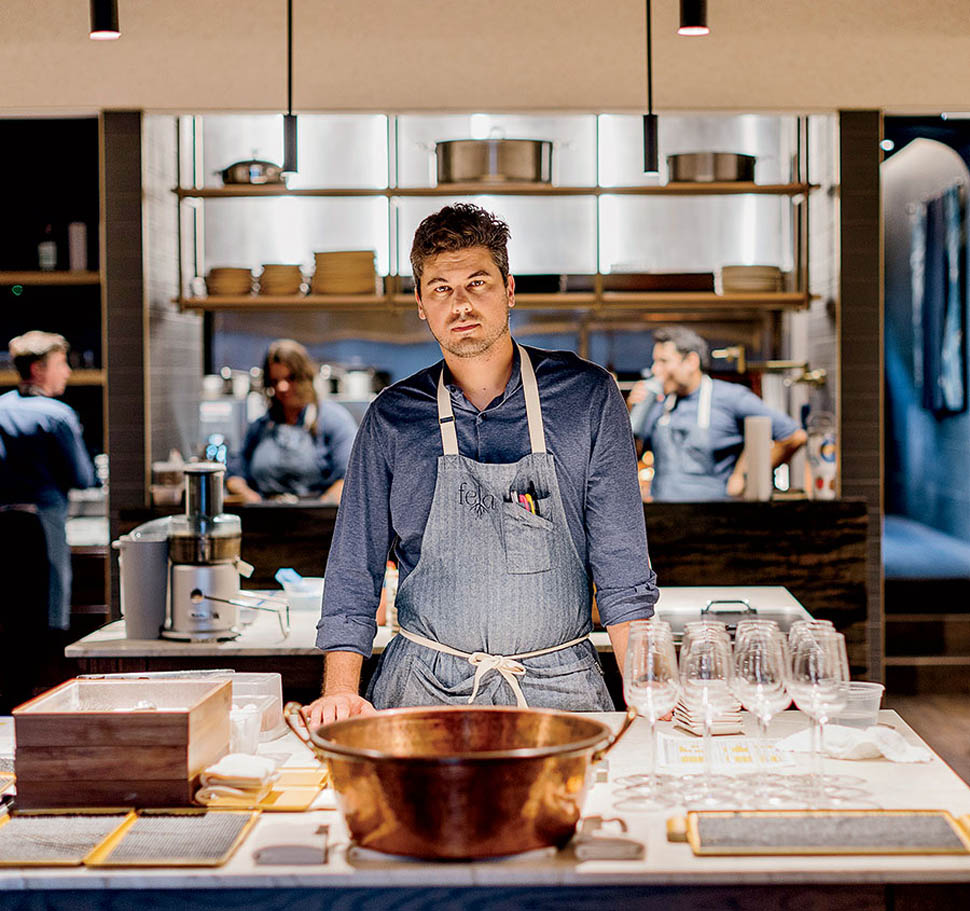
In this kitchen, the simplest gesture, such as slicing a tomato or grilling a scallop, becomes an act of precision and respect, and the raw ingredients are transformed into a voice. The menu, divided into multiple small tastings, works like a novel: each course is a chapter that tells of relationships, seasons, soils, hands, and knowledge. Feld's cuisine does not seek easy applause or theatrical effects, but builds a subtle and powerful dialogue between chef, suppliers, and guests. Jake Potashnick and his team's journey is young, but already extraordinary. Feld is not just a Michelin-starred restaurant in Chicago, it is a manifesto of how cuisine can tell stories of community and territory, how limitations and constraints can become tools of expression, and how passion, when genuine and shared, transforms every dish into an unforgettable experience. And while suppliers continue to carefully cultivate vegetables, fruits, and meats, Feld remains the perfect bridge between the silent toil of the land and the excitement of those who sit down at the table, ready to be guided on a journey through seasons, flavors, and people, one course after another.