In a context where sustainability has become a highly important factor, cuisine is undergoing a significant evolution and the plant world is gaining more and more ground.
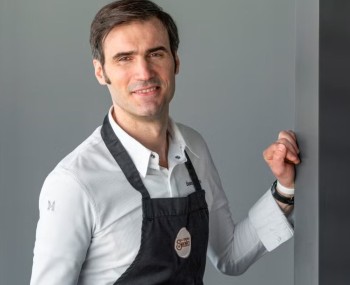
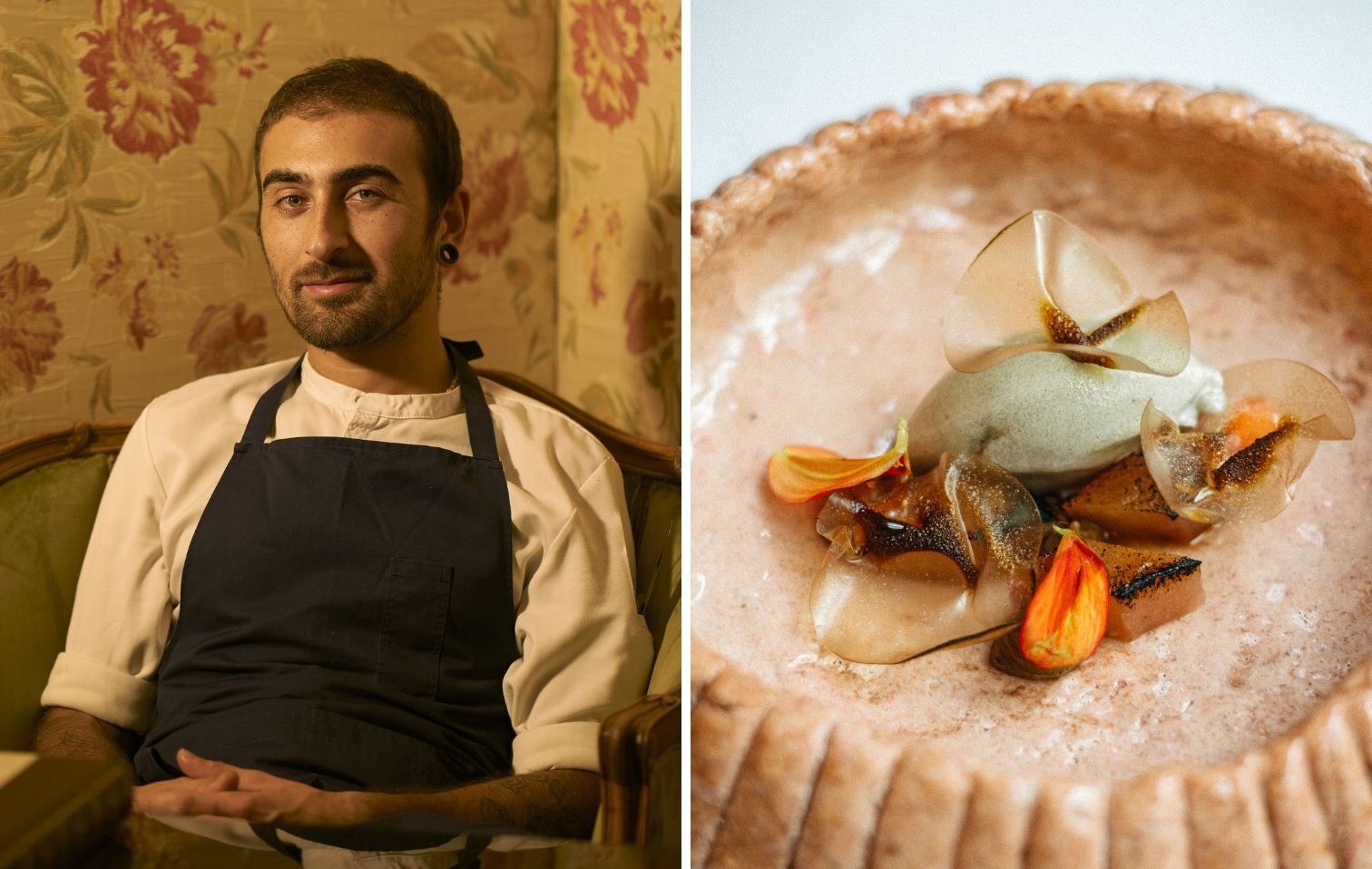
In recent years, many chefs and restaurateurs have been rediscovering the potential of plant-based ingredients and their remarkable versatility—a transformation that involves not only cuisine but also the world of haute patisserie. “For some time now, plant-based pastry has ceased to be an ‘alternative’ exercise and has become a true technical language,” says Federico Andreini, pastry chef at Sustànza in Naples. “Plant-based pastry is no longer just an ethical or health-driven choice, but a field of gastronomic and cultural research.”
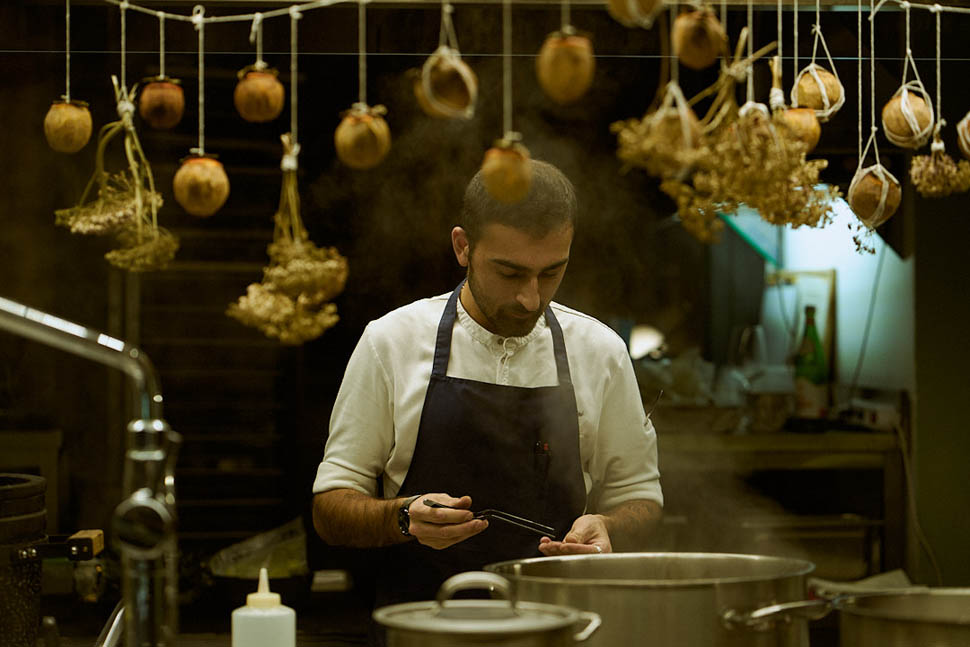
The Value of Plant-Based Ingredients: Precision, Balance, and Innovation in Pastry
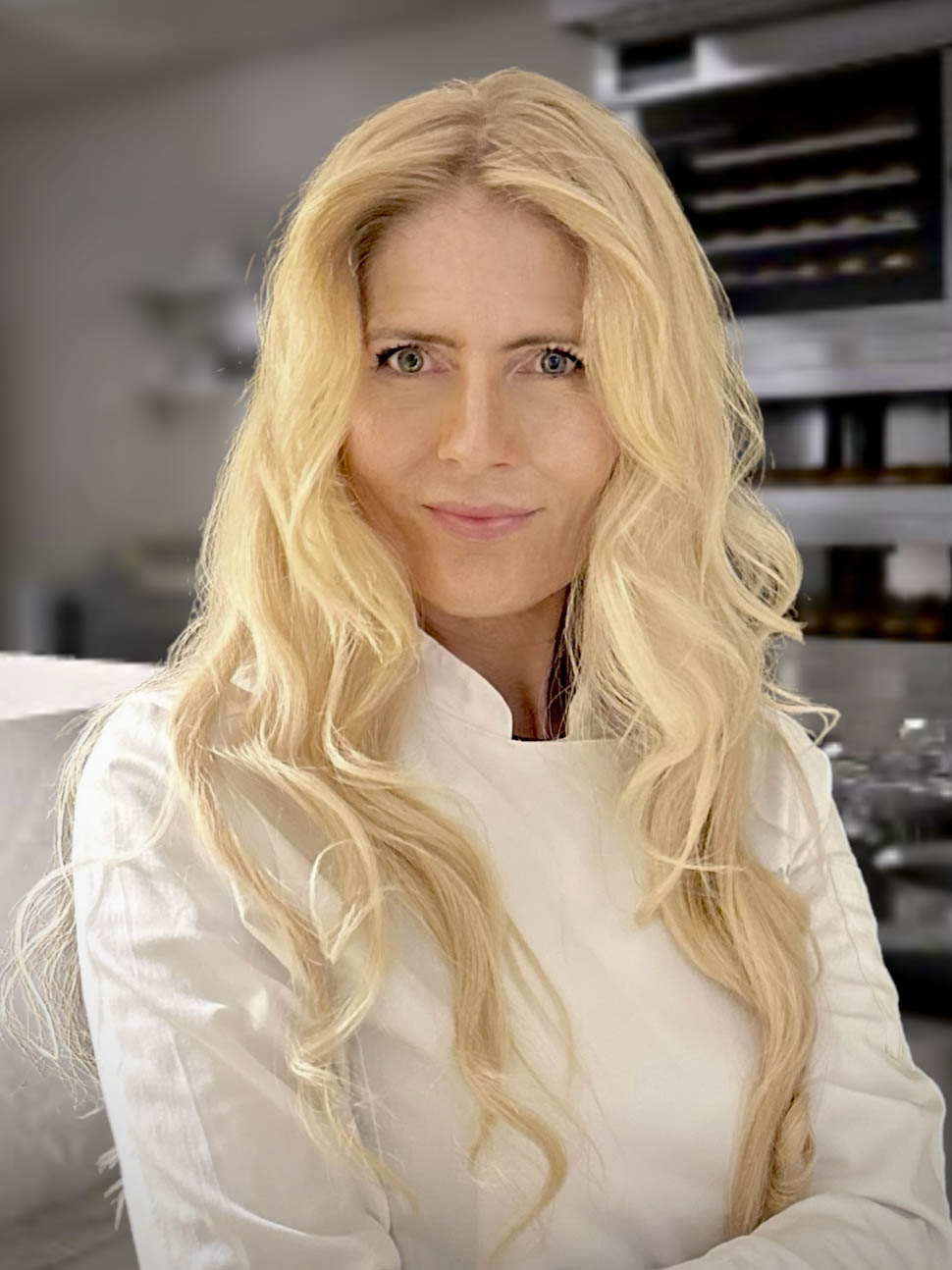
A field in which precision and technique blend harmoniously with a value that is often overlooked but regains its full meaning in the kitchen: respect. In this regard, the concept is made especially clear by the words of Camilla Jesholt Buffatti, Pastry Chef & Dessert Designer: “My green approach is not about excluding certain ingredients, but rather about the idea of respect—respect for the ingredient itself, for those who produce it, and for the balance of the final dessert. Even a classic pastry can be sustainable if it stems from ethical choices, careful technique, and a vision that places value, not excess, at its core.”
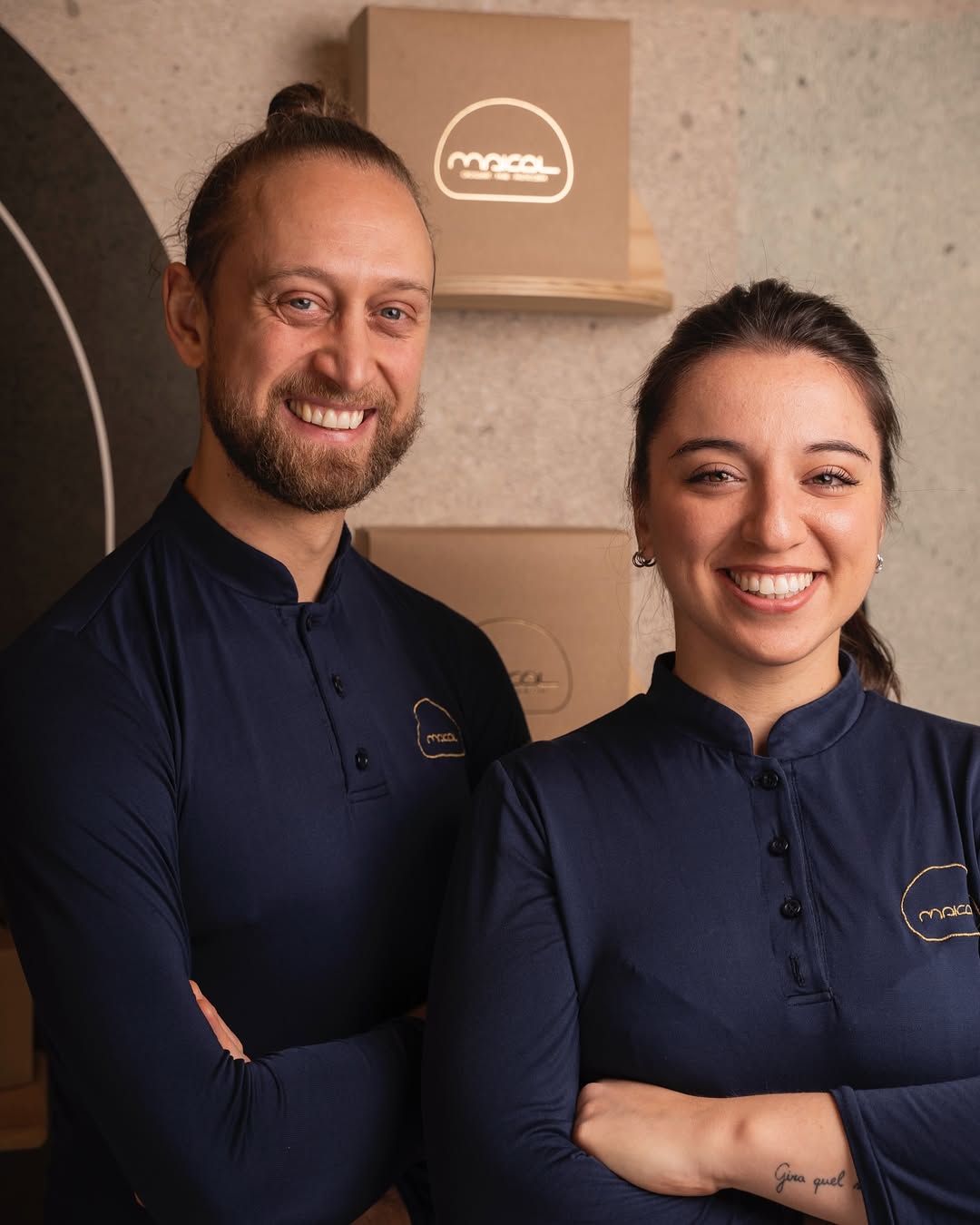
Plant-based pastry has now fully entered the world of fine dining, integrating high-quality plant-based ingredients and forging a kind of non-belligerence pact between complex, refined desserts and traditional preparations—demonstrating that a sustainable approach can coexist with, and even enhance, the excellence of tradition. “Fine dining seeks lightness, sustainability, and aromatic clarity: plant-based pastry responds to these needs with a modern, coherent language. It doesn’t replace tradition, but stands alongside it,” says Maicol Vitellozzi, pastry chef and owner of Maicol Croissant Pane e Pasticceria in Turin. This evolution has encouraged professionals in the field to rethink the foundations of dessert-making, refine techniques and kitchen control, deepen their understanding of specific processes, and carefully attend to the balance among different elements. Camilla Jesholt Buffatti recognizes in this approach a technical and design opportunity, as well as a path for professional growth: “It has allowed me to raise the technical level of my creations, producing desserts that are clearer, more digestible, and accessible to a wider audience, without ever compromising either quality standards or the identity of the dish.”
Andreini, Jesholt Buffatti, and Vitellozzi: Their Approach to Plant-Based Haute Pâtisserie
Federico Andreini, Camilla Jesholt Buffatti, and Maicol Vitellozzi are among the leading figures in contemporary pastry, serving as key references in the green transformation of fine dining and haute pâtisserie. Each interprets the language of plant-based pastry in a personal way, incorporating into their preparations and decorations carefully selected plant ingredients guided by principles of true sustainability and a 360-degree concept of naturalness. For Vitellozzi, the ingredient is central: “I prefer clean flavors, light textures, and technical choices that enhance aroma rather than mask it. The goal is to create contemporary, essential desserts with a strong identity.” For Camilla Jesholt Buffatti, the plant-based pastry approach stems from curiosity: in developing her creations, she focuses on the use of innovative and unconventional ingredients capable of enriching the aromatic profile of her desserts while providing functional and beneficial properties. “To create indulgent, satisfying, and technically sound desserts, but without excessive fats, sugars, or superfluous components,” is her aim—combined with “the objective of conveying emotion, telling a story, highlighting territory and seasonality, and expressing the lived experience that each dish can evoke.”
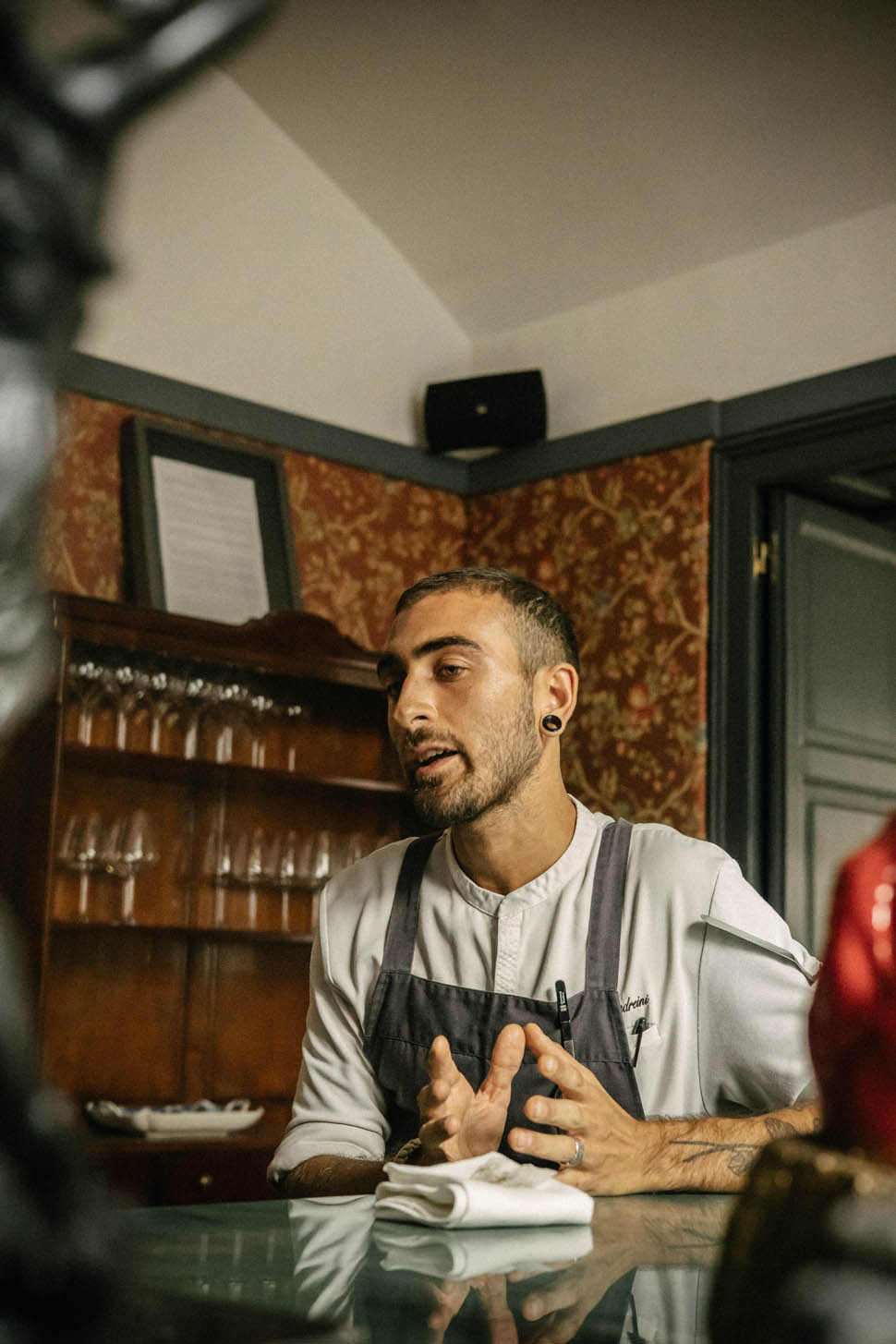
Dessert thus becomes a storyteller: the narrative is the goal, and the ingredient is the essential medium through which it takes shape, imparting meaning, flavor, and identity. Along the same lines, Federico Andreini explains: “My approach stems from a simple yet expansive idea: to tell the story of the cultures, peoples, and rituals that shape the geographic space we know as the Mediterranean. From this perspective, the first limitation of the Italian word dolce emerges—it reduces everything to a single perception: sugar. My philosophy, therefore, is not to simplify but to restore complexity. From there, I identify plant-based ingredients that belong to those same practices or that can give concrete form to conceptual elements.”
The Ingredient at the Center: Koppert Cress’s Expertise in the Service of Haute Cuisine

As has been emphasized, the ingredient is the beating heart, the root of every creation. What emerges is how essential it is for an ingredient to combine versatility, excellence, naturalness, and ethics, without ever losing its own voice—a defined, distinctive flavor capable of clearly and powerfully expressing typicity and identity. Beyond this, it must also be able to meet the need for complexity that the world of haute pastry demands. “Having access to cresses and leaves with clearly defined aromatic profiles makes it possible to build a more articulated flavor syntax,” says Andreini, highlighting how each plant-based element can become a fundamental component in the construction of a dessert. In this context, a virtuous example of plant-based production and a point of reference in the world of fine dining is represented by the microgreens, leaves, inflorescences, sprouts, and powders of Koppert Cress, which prove to be invaluable tools for professionals in haute pâtisserie.

“I start from a precise idea linked to the main ingredient and develop the dessert in a coherent way, working on aromas, textures, and chromatic balance,” explains Camilla Jesholt Buffatti. “Nothing is accidental. Color pairings are always conceived in relation to flavor, the emotion I want to convey, and the final readability of the dish. Koppert Cress products fit naturally into this approach because they can be used both as ingredients within preparations—to provide defined, recognizable aromatic notes—and as decorative elements. In both cases, their role is never purely aesthetic, but always functional. Another aspect that is important to me is using the product in its entirety: beyond employing it as an ingredient or decorative element, I try to enhance every part of it. For example, elements normally considered waste, such as the stems of Apple Blossom—flowers with a red to pink hue and a well-defined flavor with notes reminiscent of green apple and pomegranate—can be dried and turned into aromatic powders for dusting, contributing to both the taste and the aesthetics of the dish.” Plant-based elements that are not merely ingredients but true “design tools”: “precise aromas, natural freshness, balance. They work on both a sensory and aesthetic level, and for me they are never just a garnish, but an integral part of the dessert,” adds Maicol Vitellozzi.

The Plant-Based Universe Inspiring Contemporary Pastry
Koppert Cress offers an extensive catalog—a true universe of flavor—with a range of possibilities that allows professionals to experiment with surprising combinations, expressing creativity and technique without limits. “Such a rich catalog allows you to start directly from the aroma you want to convey. I build the dessert around that botanical sensation, seeking less obvious pairings and a more defined identity on the plate. Vanilla is the ingredient that has inspired me the most. I use it for my flan because it offers a unique, clean, and deep aromatic intensity, thanks to a prolonged infusion in milk and cream,” continues Maicol Vitellozzi. From this approach emerges a true method: starting with a lead ingredient and building structure, textures, and contrasts around it, in order to enhance its aroma, personality, and character to the fullest. In particular, Koppert Cress vanilla stands out as the first produced in Europe, grown using sustainable methods and without the use of chemical substances.
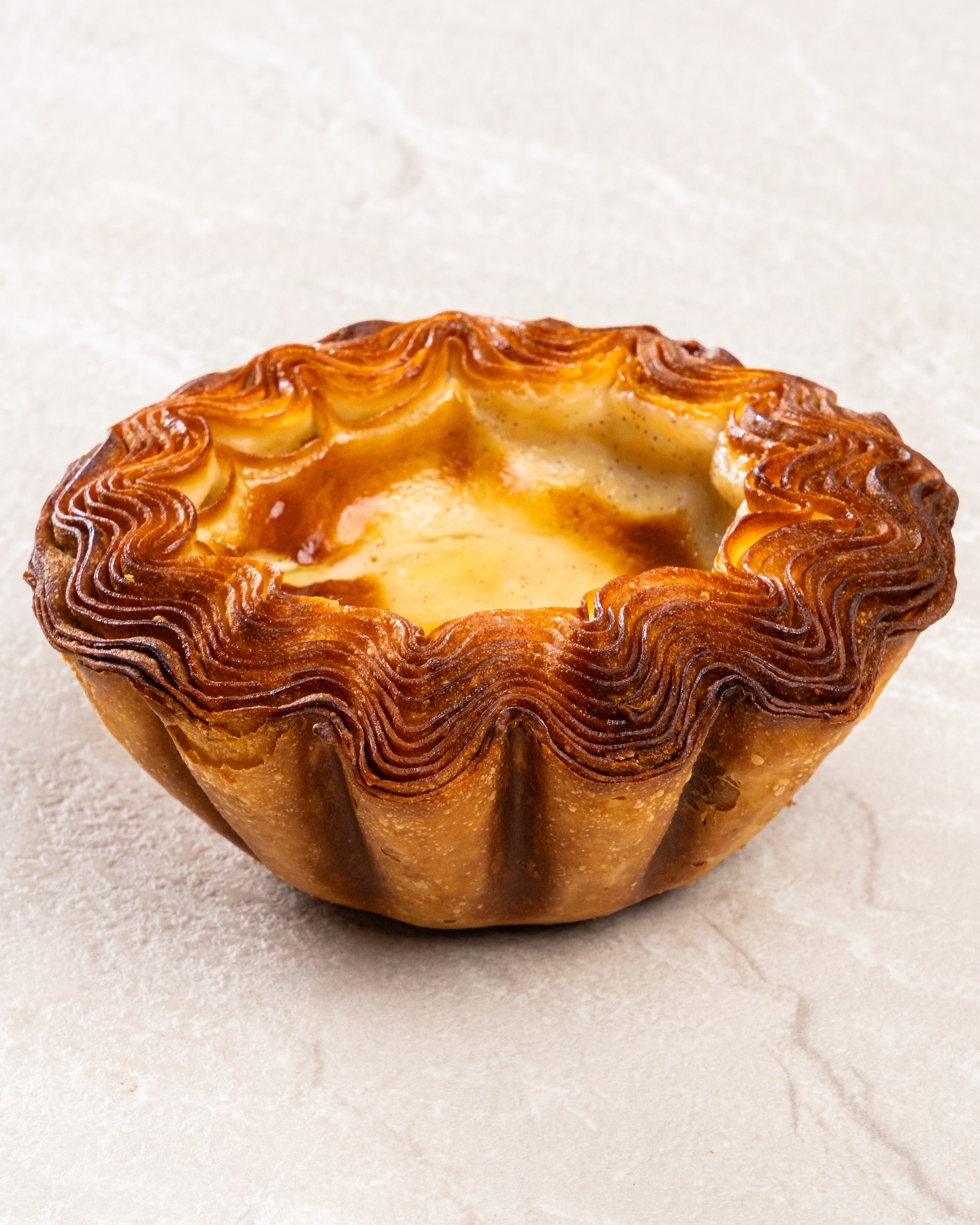

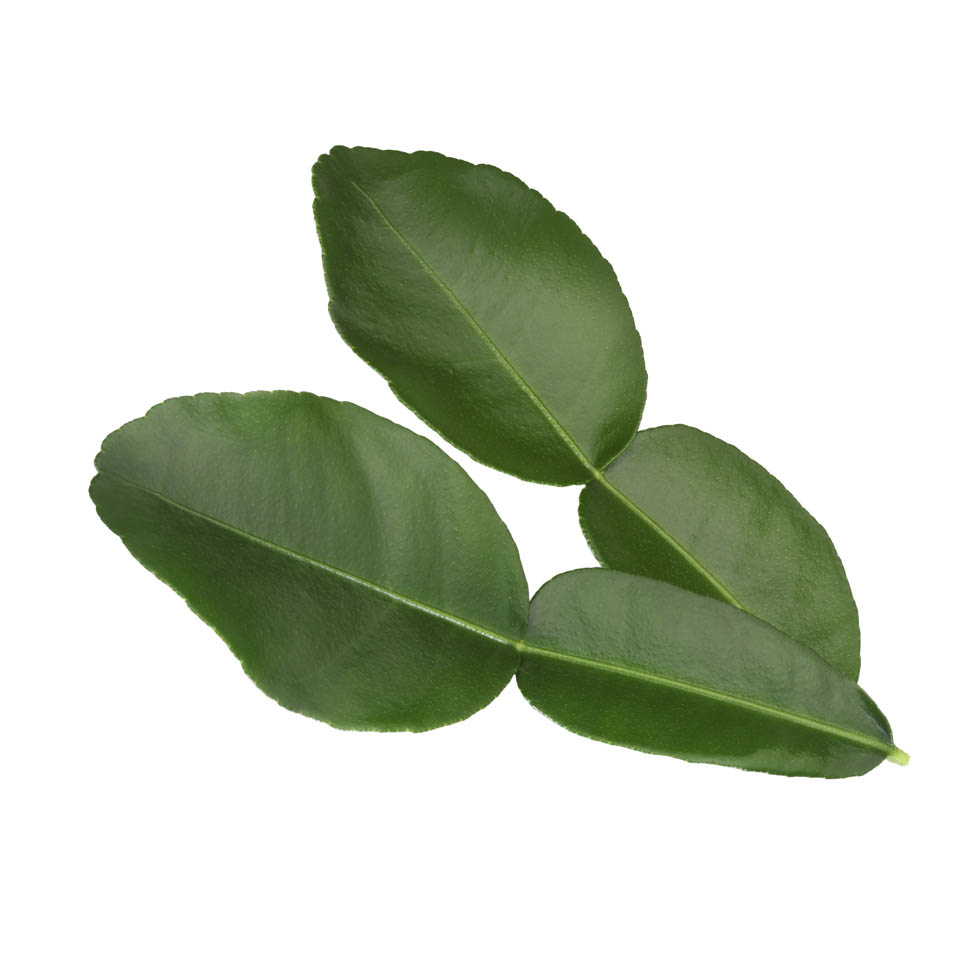
“Having the possibility to choose from so many ingredients is extremely stimulating from a creative standpoint. It offers the chance to explore new and often unexpected flavors, which become the starting point for developing a dessert concept.” Camilla Jesholt Buffatti’s approach is to experiment with multiple techniques on the same ingredient—using it fresh, in infusions, dried, sous-vide, caramelized, or smoked—to highlight different facets. Throughout her research journey, various plant-based ingredients have served as sources of inspiration: Kaffir lime leaves and Jasmine blossoms are among them, prized for their strong and distinctive aromatic identities.
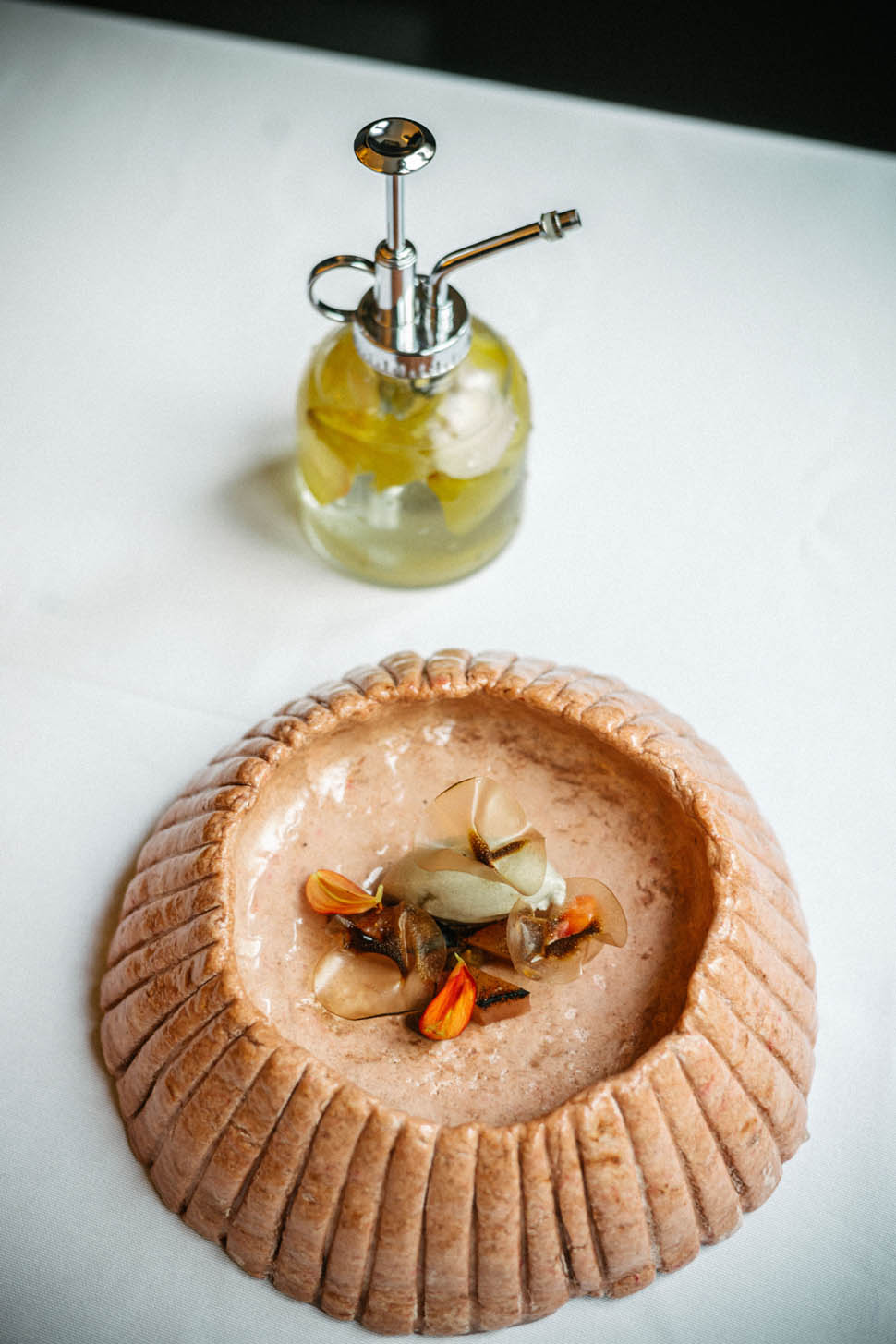
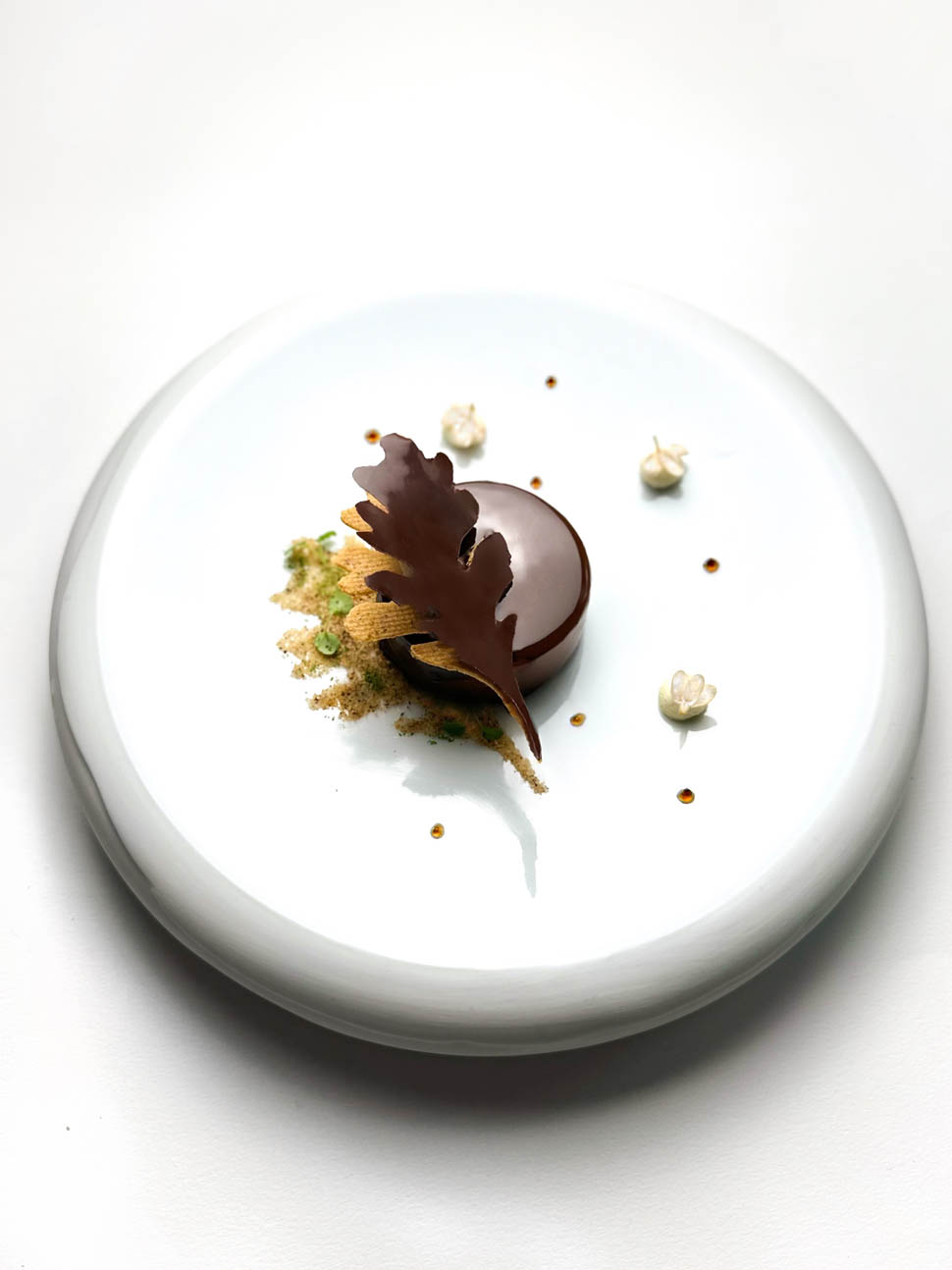
The element that has most profoundly influenced her creative approach has been vanilla, particularly Red Vanilla: “What fascinates me most is its ability to deeply transform the aromatic profile depending on the technique used. Hot or cold infusions, fermentation, roasting, or controlled extraction all lead to very different taste results. The natural presence of tannic compounds further contributes to this complexity, allowing vanilla to take on different roles within a dessert,” she explains. “The possibility of working with textures and temperatures—from creams to ice creams, and even drier or crunchier structures—has made vanilla a true guiding thread in my technical and creative research.” The result of this exploration is Essenza Rossa, a dessert that can be imagined as a snapshot capturing the moment leaves fall to the ground, heralding the autumn season. Warm and enveloping Red Vanilla melds into the dessert, while Jasmine Blossom (jasmine flowers) and Atsina Cress (a cress with sweet, licorice-like notes) add a delicate, almost ethereal touch: “A dessert like a small refuge in the heart of autumn,” concludes Camilla Jesholt Buffatti.
Federico Andreini approaches this catalog almost like an atlas: for the Sustànza pastry chef, “such a wide availability demands rigor—every choice must have a narrative purpose, not merely an aesthetic one. If a cress is used in a dessert, it is because it contributes to a flavor aspect, a reflection on the territory, a material transformation, or a symbol,” he adds, highlighting how vast the world behind a single plant-based element can be. A clear example is Mare Clausum: a raviolo filled with green almonds, marzipan, and coastal herbs, accompanied by a baharat and agresto glaze, pine oil, and a “Mediterranean bitter” granita. The dish is completed with a broth made from Mediterranean algae—both marine and non-marine—including Chlorella vulgaris, used here in its powdered forms, Alga Powder Gold and Alga Powder Emerald from Koppert Cress, “a choice that reflects a precise flavor decision coherent with the concept of the dish,” he concludes.

From the thinking of Federico Andreini, Camilla Jesholt Buffatti, and Maicol Vitellozzi emerges not only the technique and research that guide their work, but above all the attention and care in selecting and working with plant-based ingredients. These ingredients reflect conscious and responsible practices and fully express themselves on the plate, thanks to their versatility and the rich array of flavors they offer. This is not just haute cuisine—it represents a new way of thinking about and experiencing pastry.