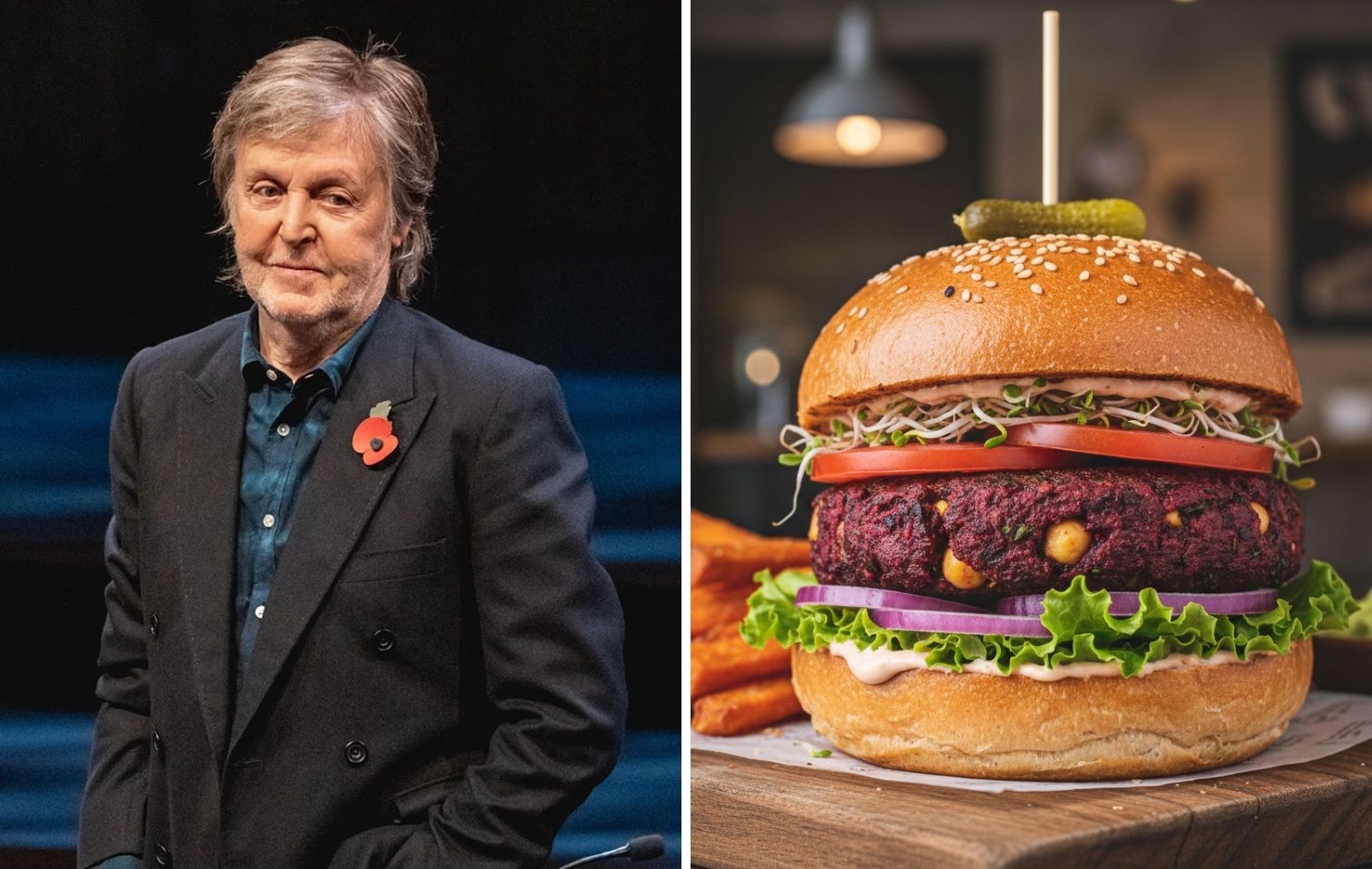
“Stating that burgers and sausages are ‘vegetarian’ or ‘vegan’ should be enough for sensible people to understand what they are eating,” said Paul McCartney. “It also encourages the right attitudes, which are essential for our health and that of the planet.”
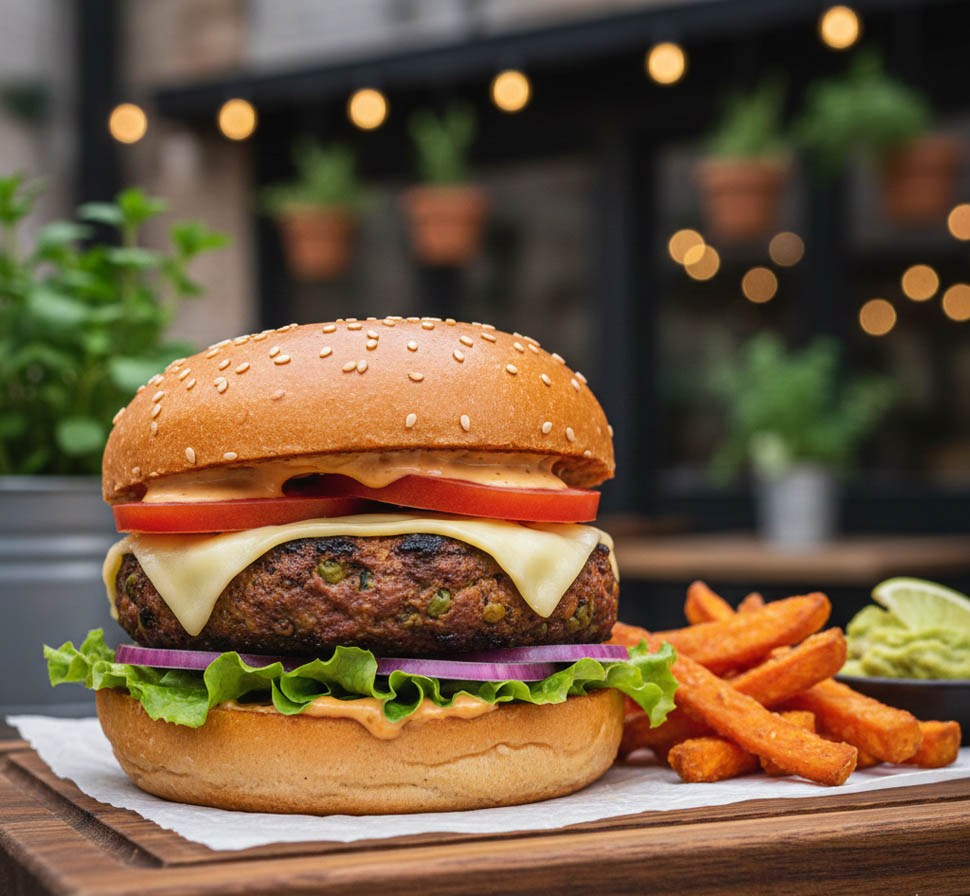
The European debate on the nomenclature of plant-based products is heating up and crossing the Channel. Paul McCartney, a long-time activist and global icon, has joined forces with a cross-party coalition of eight British MPs to urge the European Commission to reject the proposal to ban terms such as “burger,” “sausage,” or “steak” for products that do not contain meat.
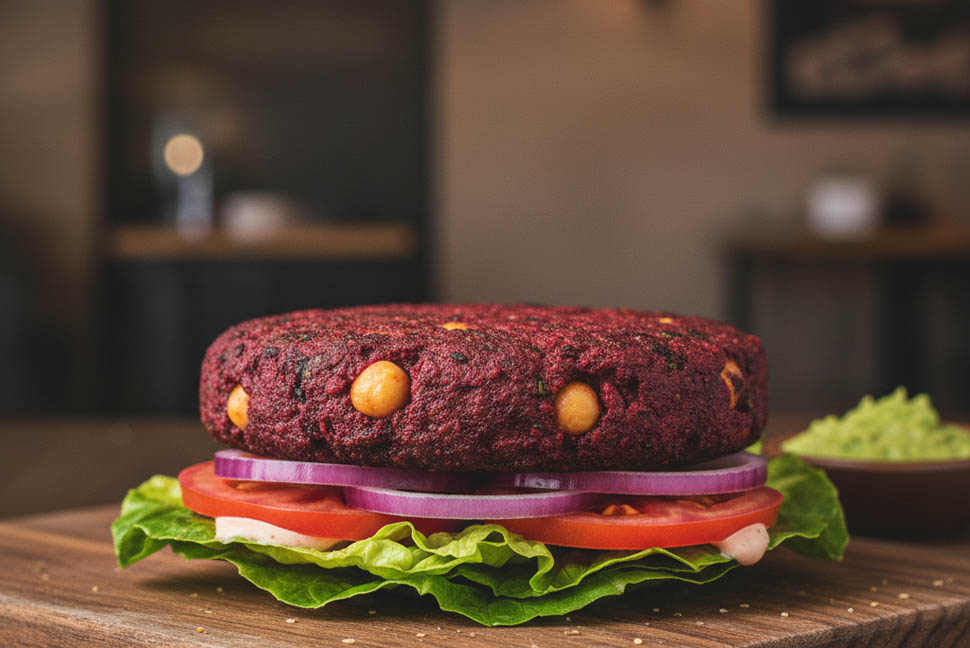
A battle of words (and climate)
The controversy stems from a proposal put forward by French MEP Céline Imart, aimed at limiting the use of traditional butchery terms to animal proteins only. According to supporters of the measure, the use of similar names for plant-based alternatives would cause confusion among consumers. However, the data seems to tell a different story. An open letter, signed by prominent politicians such as Jeremy Corbyn, Siân Berry, and Irene Campbell, cites seven scientific studies that refute the “confused consumer” hypothesis. A recent YouGov poll also supports this thesis: of 2,100 British respondents, 92% said they had never mistakenly purchased a vegan product believing it to be meat. “Stating that burgers and sausages are ‘vegetarian’ or ‘vegan’ should be enough for sensible people to understand what they are eating,” said Sir Paul McCartney. “It also encourages the right attitudes, which are essential for our health and that of the planet.”
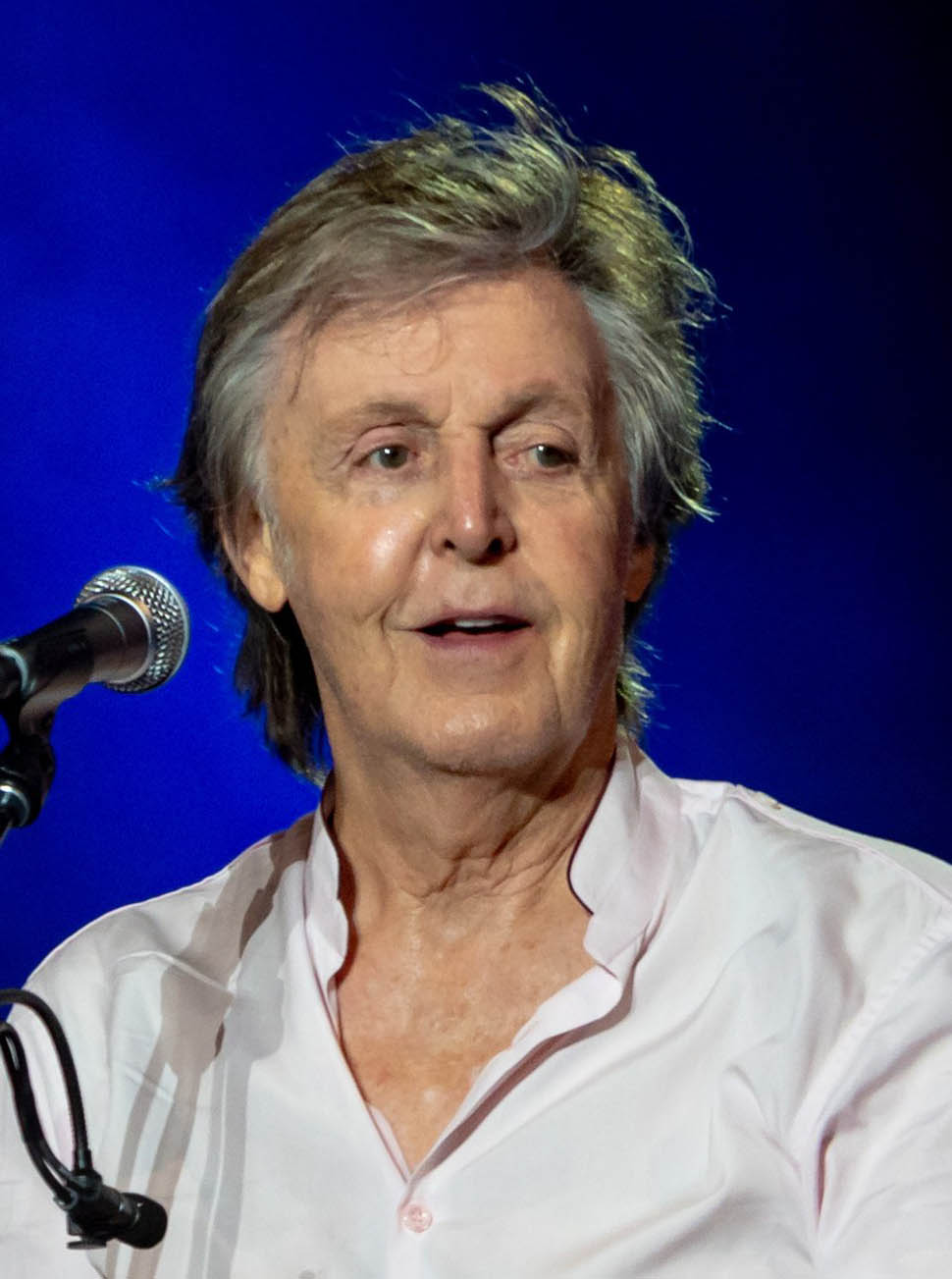
The London-Brussels axis
Despite Brexit, the United Kingdom is paying close attention to the interinstitutional negotiations between the Commission, the Council, and the EU Parliament. The current trade agreements mean that Brussels regulations still have a profound influence on the British market. “Although the UK is no longer a member of the EU, our markets, businesses, consumers, and regulatory discussions remain closely intertwined,” reads the letter from the parliamentarians. The fear is that new restrictions could stifle innovation in a sector where Europe is the world leader, accounting for 54% of global sales of plant-based meat (worth around $6.1 billion). The letter naturally includes the support of the McCartney family, who own a business selling vegan food.
Widespread criticism: “A waste of time”
Opposition to the ban is not limited to the UK. Within the European Parliament, criticism has been fierce. Anna Strolenberg (Volt) called the initiative a “waste of time for everyone,” adding: “We could have been discussing the planet on fire or the wars on our borders. Instead, citizens see their leaders arguing over burgers.” Even Manfred Weber, leader of the EPP (the same political group as rapporteur Imart), was skeptical: “People are not stupid when they go to the supermarket,” he commented laconically.
Sustainability and the future of food
In addition to the terminology issue, those opposed to the ban point to the environmental impact. The European livestock sector is responsible for 84% of agricultural emissions, while providing only 35% of total calories. In this context, the European Environment Agency considers alternative proteins to be a fundamental pillar of food security by 2050. Irene Campbell, a Scottish Labour MP, was categorical: "Increasing plant-based choices benefits people, animals, and the planet. I urge the Commission to prioritize a future that supports these options, rather than blocking them.“ Echoing these words is Jenny Canham of the Vegetarian Society: ”At a time when ethical choices are more important than ever, this is exactly the wrong direction. Restricting these terms could slow down sustainable markets globally."