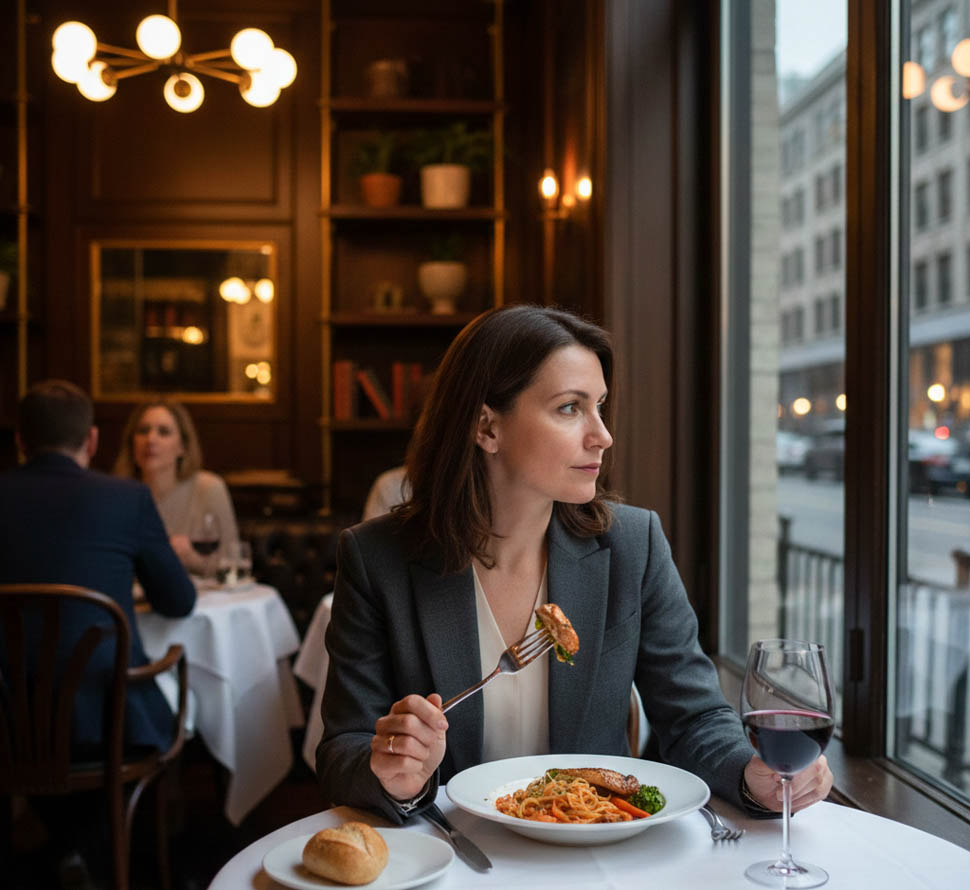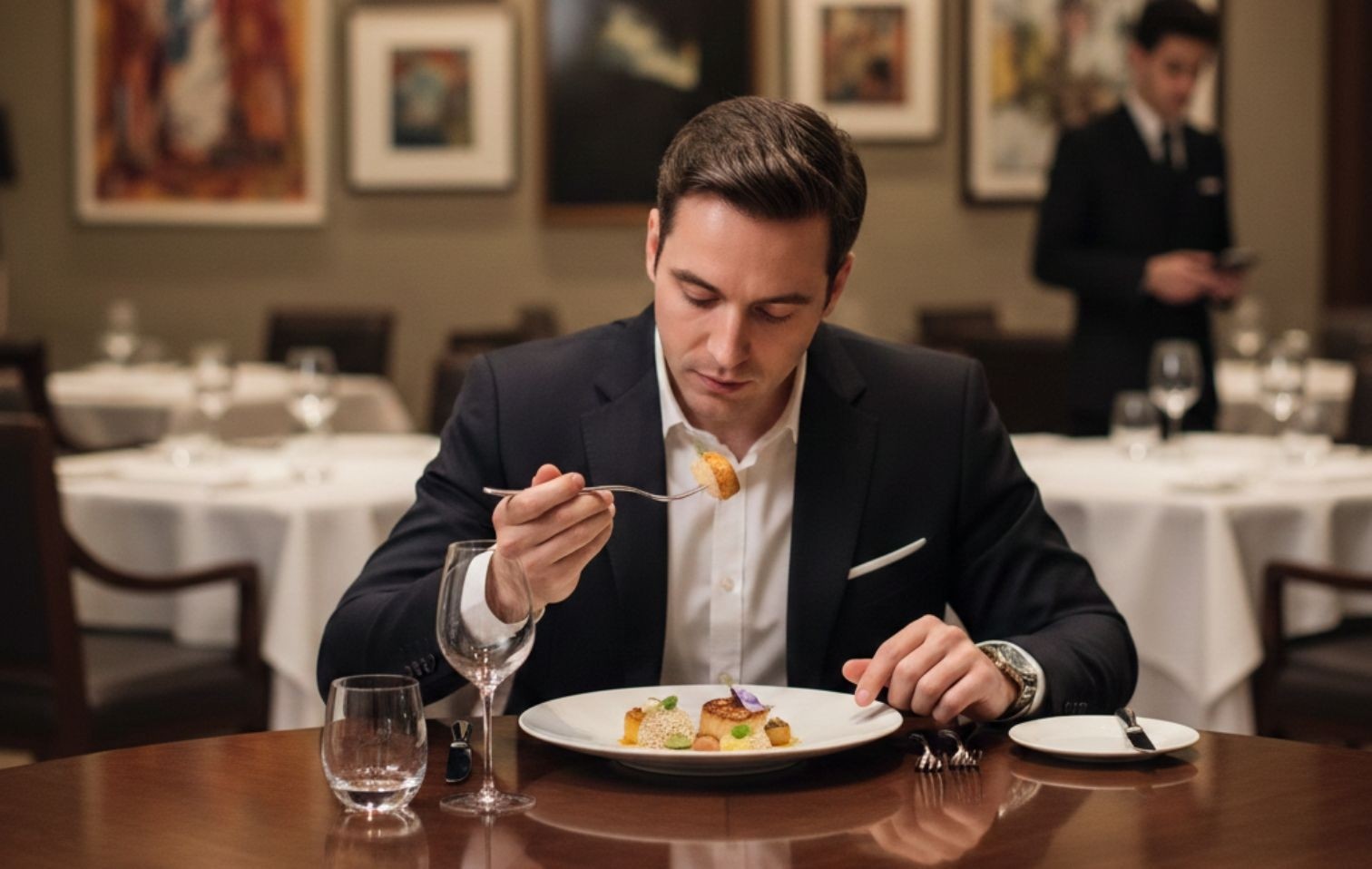
Eating alone is no longer an exception, nor is it a last resort. All over the world, more and more people are choosing to travel and sit down to eat alone, enjoying the experience with ease and pleasure. This is a clear cultural shift, linked to a growing focus on self-care and personal time: being alone is no longer synonymous with isolation, but with listening and freedom.
For those who observe the restaurant industry from a privileged perspective, such as the Michelin Guide inspectors, this phenomenon is now a constant. Eating alone allows you to fully concentrate on the food, the atmosphere, and the details of the experience, making it one of the most authentic ways to get to know a city or region.
How to get a reservation for one
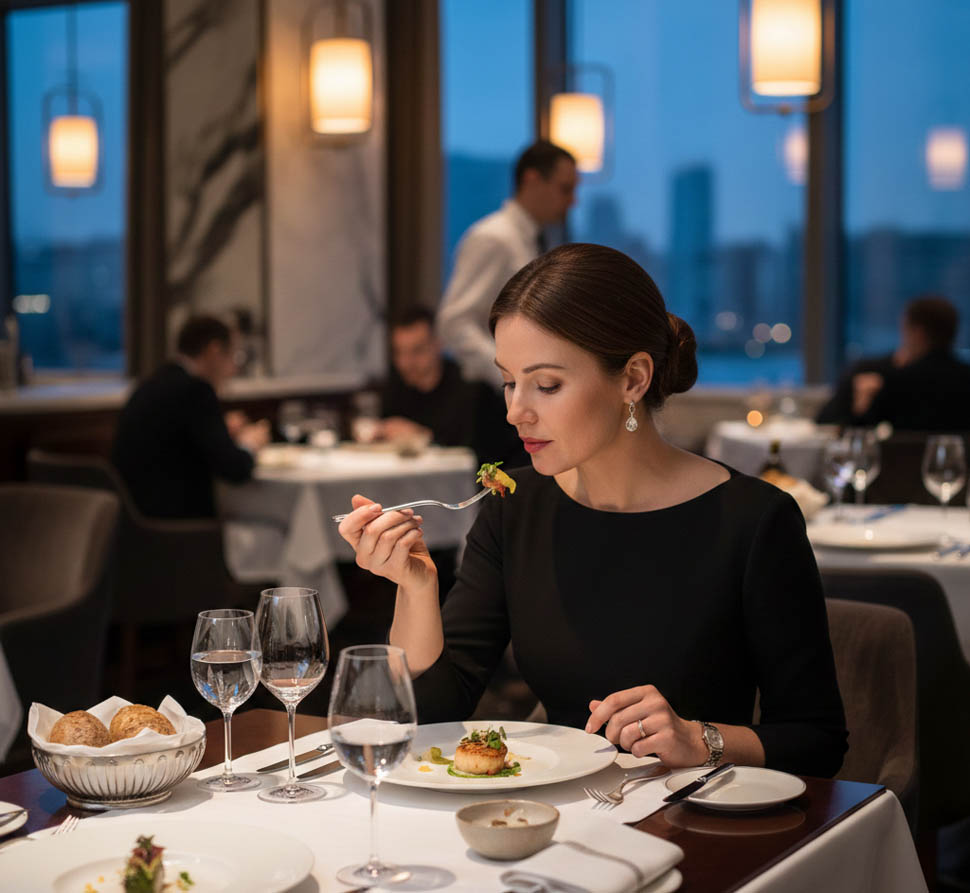
Reservations, as Michelin itself notes on its website, are often the main obstacle for those who want to eat alone. Many automated systems do not provide tables for one person, but there are effective strategies. Writing a direct email to the restaurant, showing flexibility on the date and time, can make all the difference, according to La Rossa: a truly motivated customer is always welcome, especially at a time when no-shows are a serious problem for the industry. Another solution is to return to a more traditional approach: calling. Talking directly to someone allows you to convey enthusiasm and genuine interest, elements that often prompt the restaurant to find a solution. Calling back to check for cancellations is also an option, as long as it is done in moderation. If you live or work nearby, dropping by in person can be even more effective. Direct contact creates a relationship and makes the customer's face memorable, facilitating future bookings and turning a visit into a habit.
Planning is key
Last-minute bookings are complicated for everyone, but for those traveling alone, it is even more important to plan ahead. Signing up for waiting lists or finding out when bookings open allows you to move quickly and independently, without having to coordinate with other people. However, there are more complex times of the year: holidays such as Valentine's Day, Mother's Day, or other celebrations often feature menus and arrangements designed for couples or groups. In these cases, you need more patience or a strategic choice.
Choosing the right restaurant
On busy days, restaurants with a bar counter become valuable allies for those eating alone. A single seat can solve a logistical problem for both the customer and the restaurant. Eating early, before the evening rush, also increases your chances of success. The style of the restaurant matters a lot: it is best to avoid places with large tables and opt for dynamic environments with quick turnover or convivial tables. Alternatively, choosing less “romantic” restaurants on symbolic days can make the experience easier—and often more authentic.
At the table, alone but never out of place
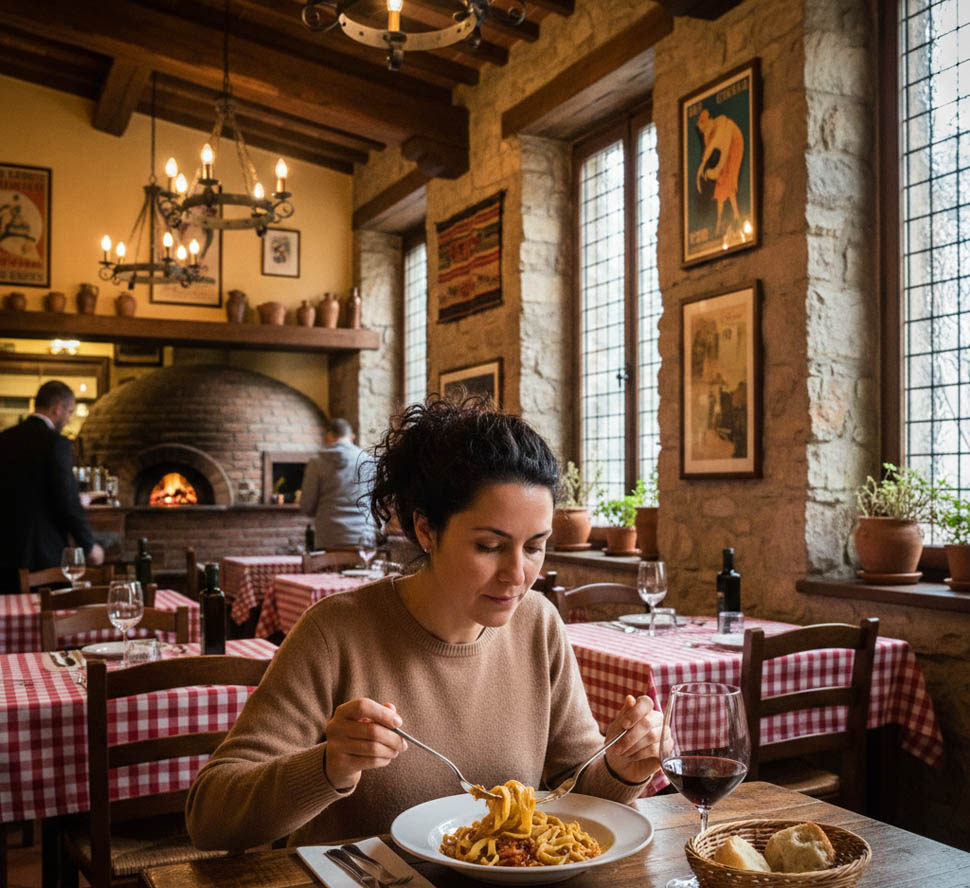
Attentive service will ensure that single customers are seated comfortably, avoiding situations that may be uncomfortable. And if something doesn't feel right, asking for a different table is perfectly legitimate, Michelin notes. Eating alone is a habit that can be developed: it may be intimidating at first, but then it becomes natural, until it turns into a moment of true pleasure. Bringing a book or magazine with you can help beginners, even if only as psychological support.
An invitation to stay in the moment
A restaurant is a slice of life. Sitting down, observing, listening, and experiencing without distractions is one of the greatest gifts that eating alone can offer. Phone in your pocket, attention on your plate, time slowing down. And who knows: maybe someone will think you're a Michelin inspector.