The perfectionism of Michelin-starred cuisine clashed with the brutality of war. Today, the owner of the restaurant “Sino” recounts how the front lines redefined his concept of discipline and the value of food as an instrument of peace.
From the trenches of Kharkiv to the tables of London: chef Eugene Korolev's new mission
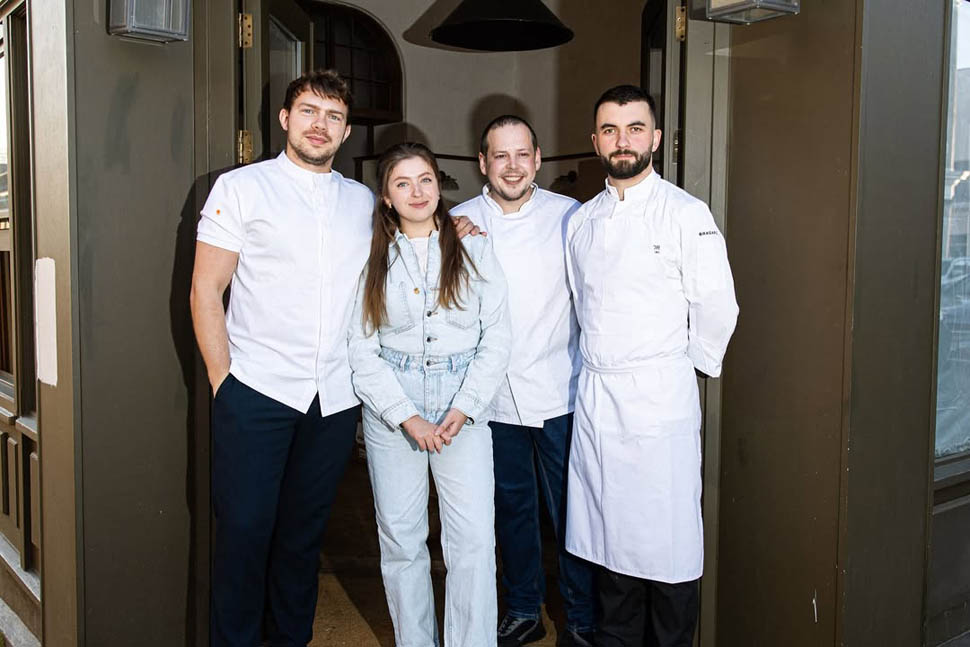
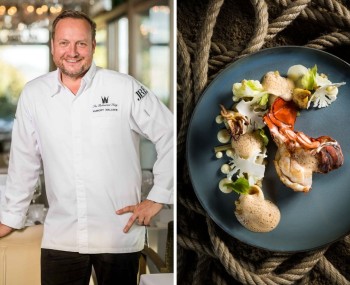
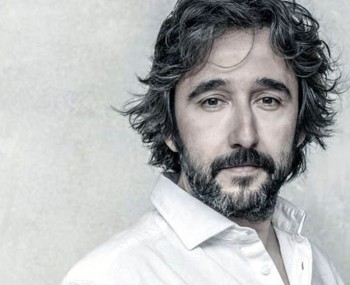
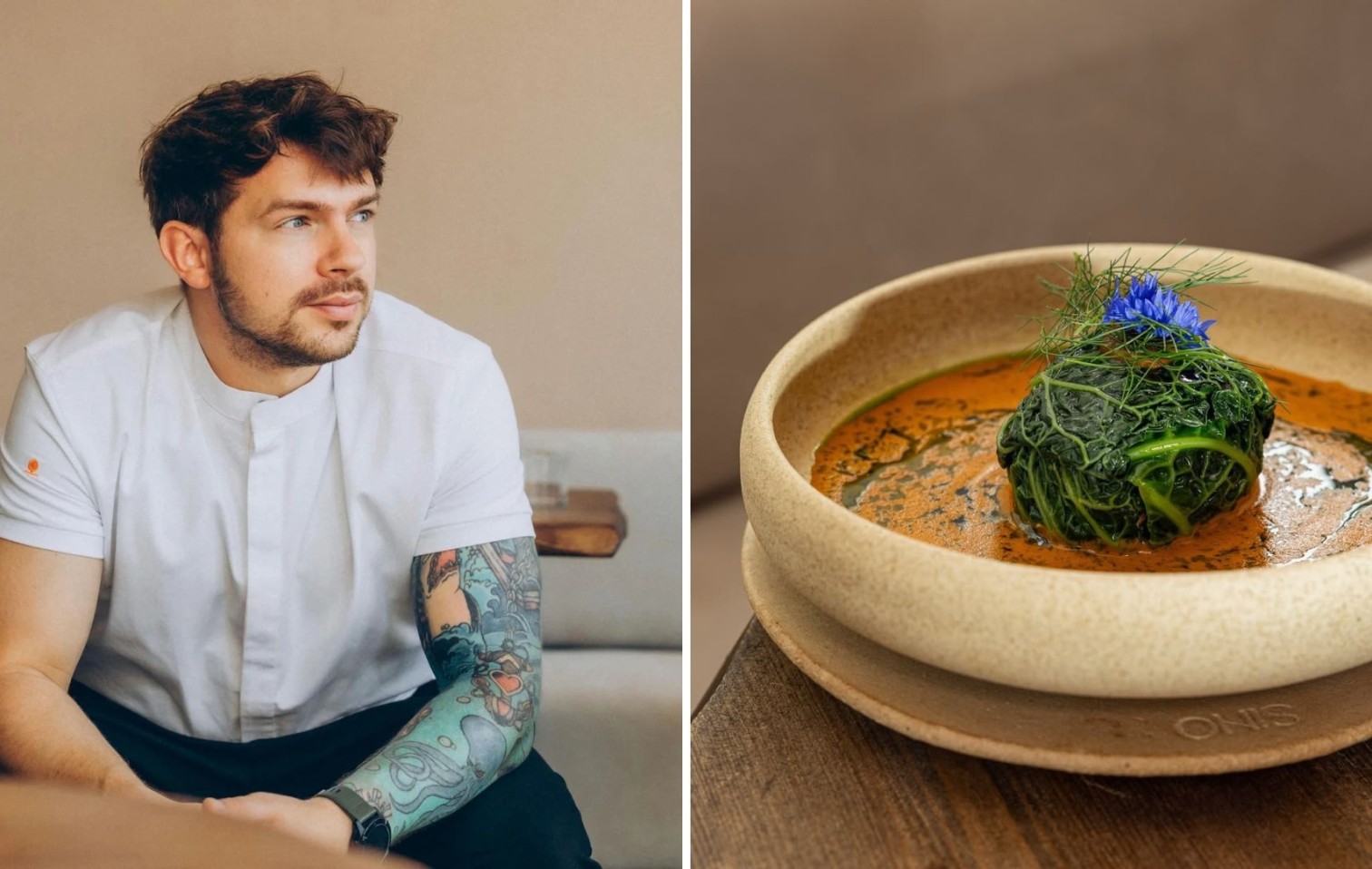
There was a time when Eugene Korolev considered the lack of an ingredient or the breakage of an expensive plate to be an unforgivable disaster. Those were the days when, after years of training in the sanctuaries of European gastronomy, the Ukrainian chef was realizing his lifelong dream: opening his own restaurant in the heart of Dnipro. But history, as often happens, changed his plans. In a moving account collected by The Guardian, Korolev recounts the journey that took him from the kitchen of his restaurant to the trenches of the eastern front, and finally to the opening of Sino, his new culinary outpost in London.
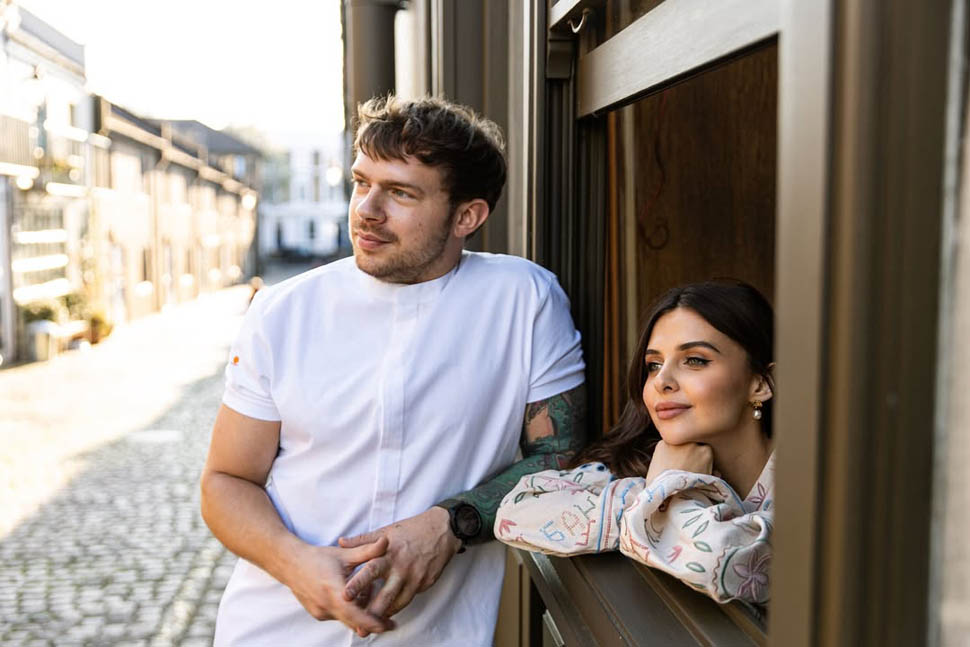
The invasion and the choice of the front
The restaurant in Dnipro had been open for only three months when, in February 2022, the winds of war turned into a storm. Korolev, driven by a sense of duty gained during his previous military service, had no doubts: he was ready to fight. However, his restaurant did not close. “We decided that anyone who hadn't enlisted in the army would keep the restaurant open,” Korolev recalls. In an atmosphere of unprecedented solidarity, the kitchen became a logistics center for hospitals and national guards. Suppliers donated raw materials, and the city's restaurateurs collaborated via chat to feed hundreds of people. It was the beginning of a new, dramatic subsistence economy.
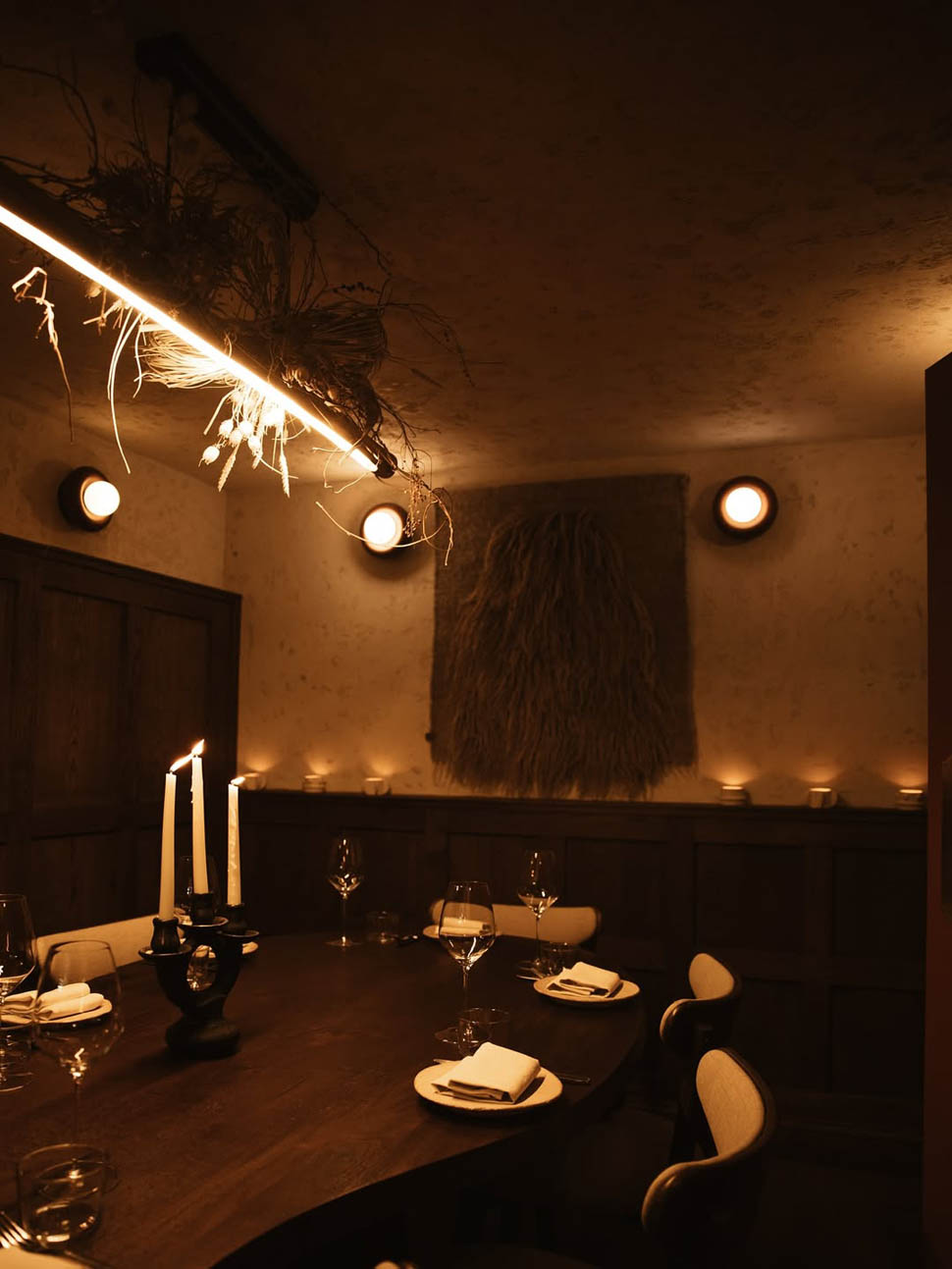
Between missiles and wild flavors
While his colleagues served customers in the air raid shelters of the Dnipro cellar, Korolev was in the Kiev region and then in Kharkiv. Reality consisted of drones, anti-tank missiles, and the constant tension of not knowing whether the aircraft overhead was friend or foe. And yet, even in the mud of the trenches, his vocation never abandoned him. Staying in abandoned houses, Korolev continued to exercise his keen eye for food: forgotten cans of anchovies, salvaged bottles of wine, wild herbs such as sorrel and rosemary gathered from deserted gardens. “Cooking together and sharing food became an important part of our days,” he explains. Even his fellow soldiers knew it: Private Korolev was, first and foremost, a chef.
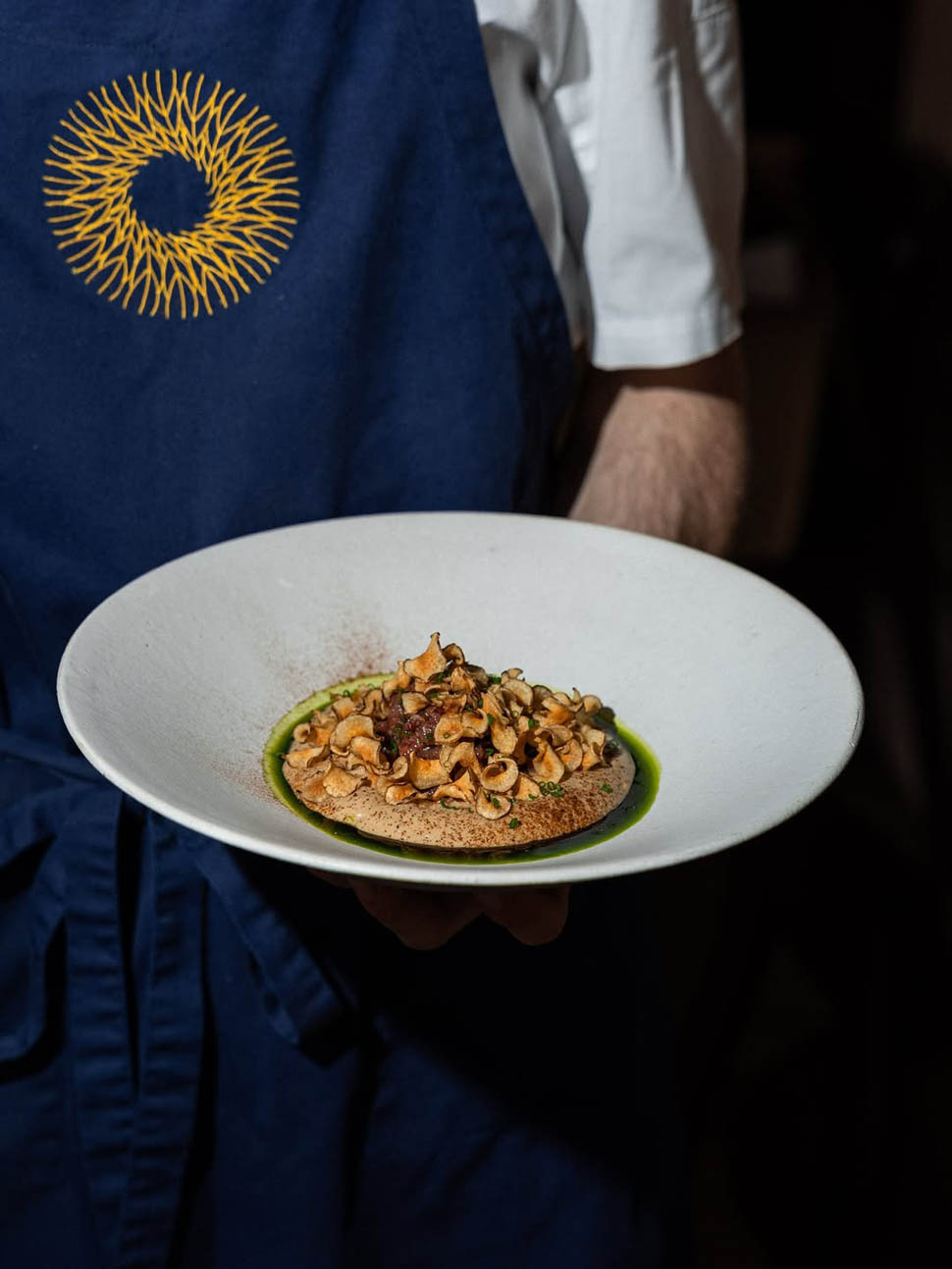
London and Ukrainian “Soft Power”
The turning point came in late 2023. A meeting with Polina Sychova sparked the idea of bringing modern Ukrainian cuisine to the UK. Despite his deep attachment to his unit, his comrades encouraged him to leave. “The guys joked that they were glad I was leaving because they were tired of hearing me talk about food,” he confessed to The Guardian. Today, in London, his team is almost entirely Ukrainian. For Korolev, cooking is no longer just a matter of technique, but a diplomatic mission. He collaborates with embassies and the Ministry of Foreign Affairs to promote his country's culture through taste, convinced that cuisine is a form of soft power capable of reaching where weapons fail.

A new perspective
War transformed the man before the chef. That anxious perfectionism of his early days was replaced by an Olympian calm born of the horror of conflict. “Being in a military unit taught me a lot about discipline in managing a kitchen and in life in general. Fighting and living in war means having a good perspective on what real problems are,” says Korolev. Today, if nuts end up in the pantry, Eugene no longer gets angry. Because, after seeing destruction, he has learned that a broken plate is not a tragedy, but just a piece of ceramic. What matters is what that plate represents: identity, survival, and, finally, a modicum of normality.