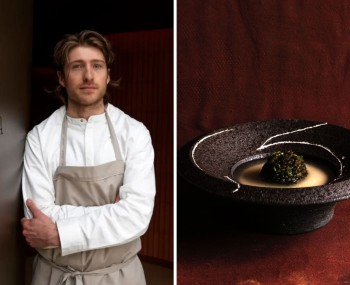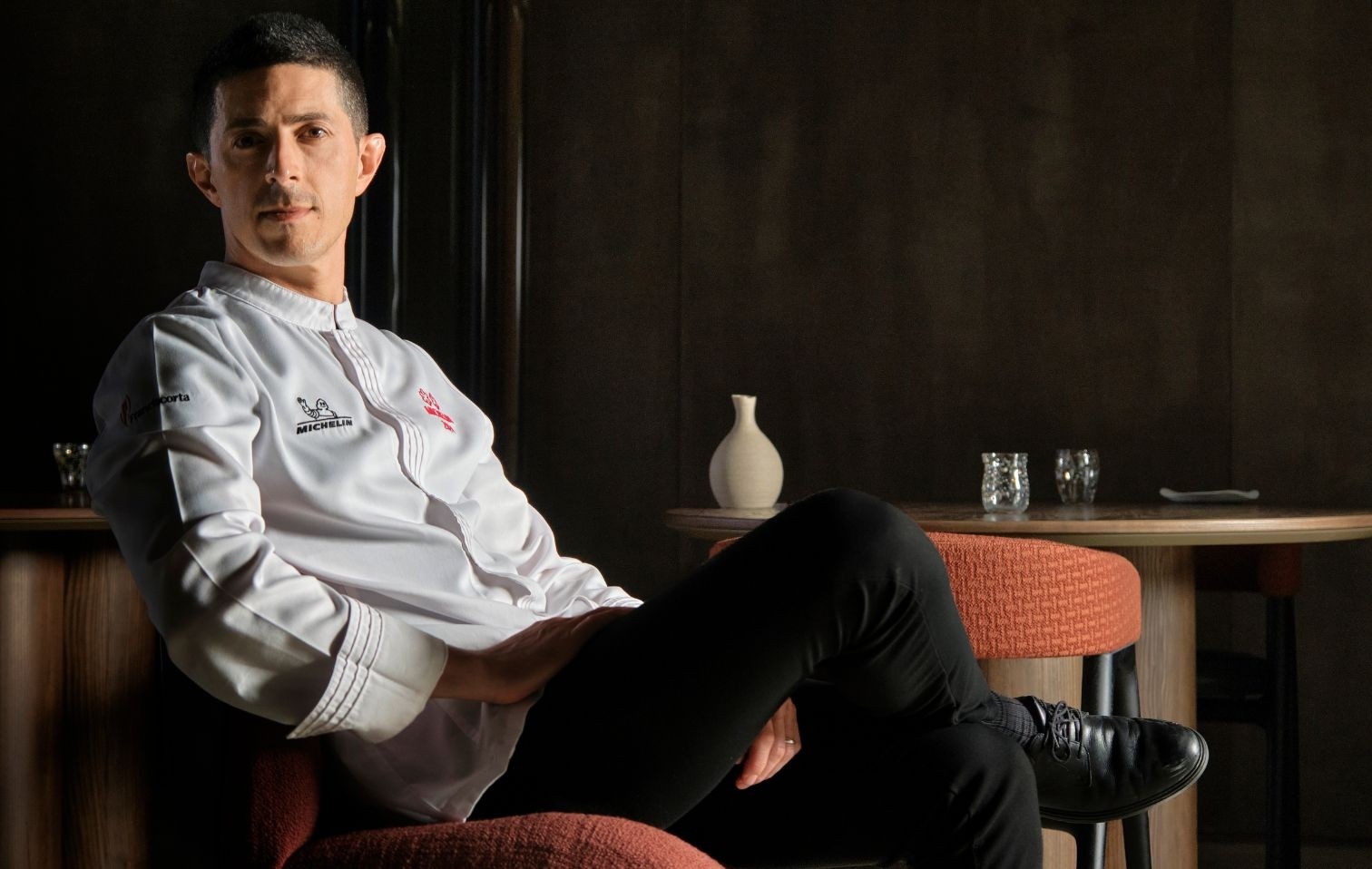
The Piedmontese chef achieved three stars in record time at La Rei Natura at Boscareto Resort, which opened just over two years ago. A cuisine of thought and nature, thanks in part to the rich biodynamic vegetable garden. And three courses: Mad100% Natura, the more traditional Il Mio Piemonte, and the Selvatico travel menu.
The chef
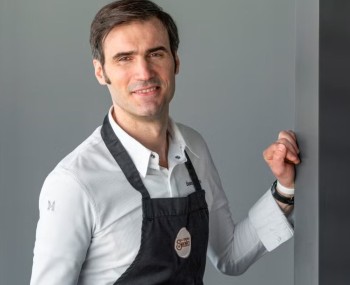
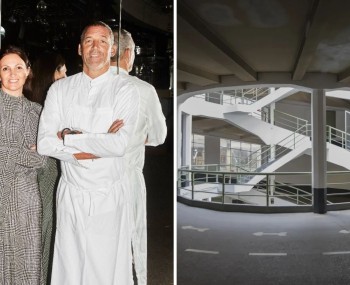
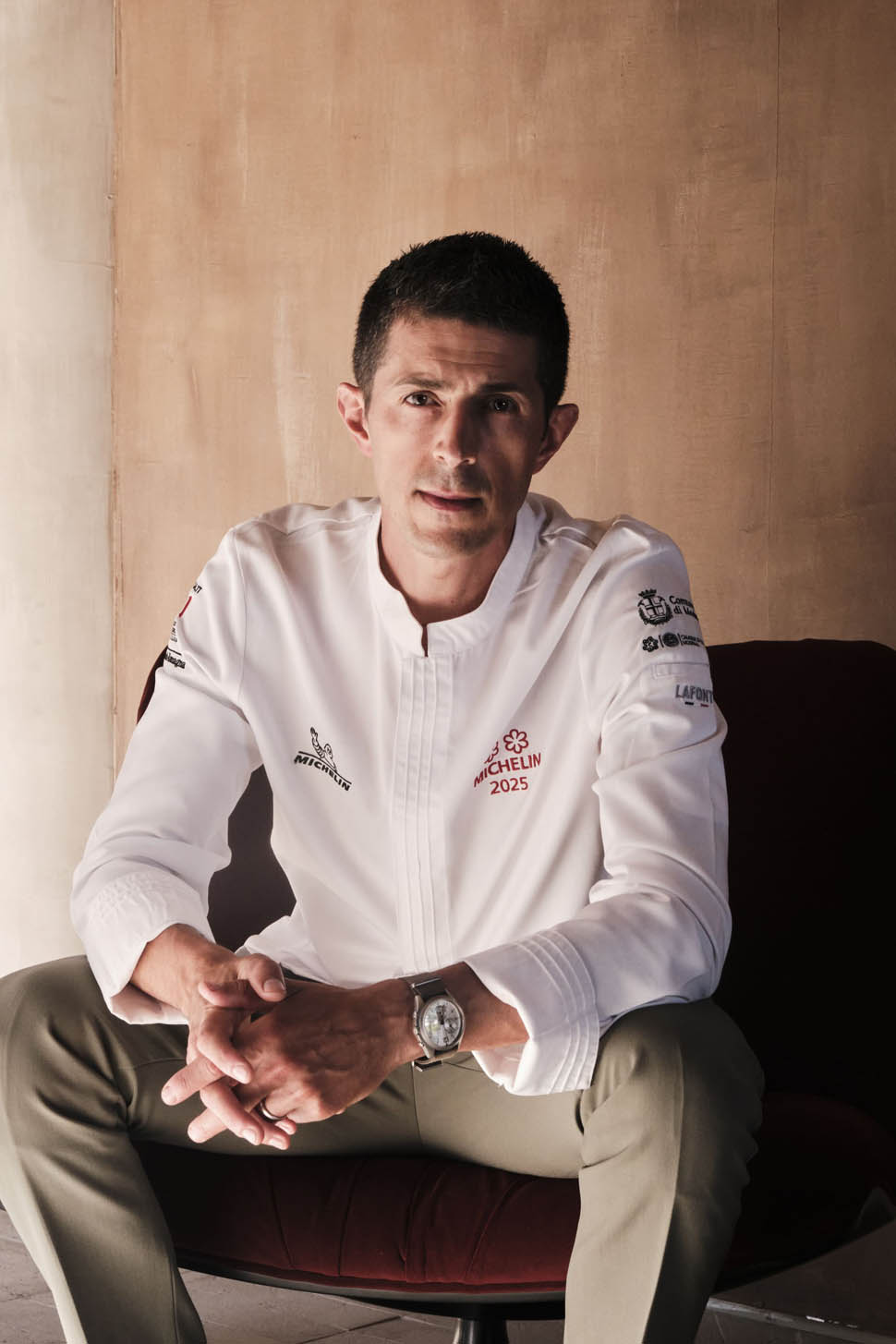
What is self-awareness in the kitchen? And anyway: is it good or bad? In the case of Michelangelo Mammoliti from Giaveno, it is certainly good, very good indeed, given that he has just pocketed three Michelin stars for his La Rei Natura at the Boscareto Resort, somewhere in the Langhe, the restaurant with the enigmatic and grammatically incorrect Latin name that has become the fifteenth in Italy to receive this recognition. He, with his long soul and sharp gaze, seemed surprised, but not too much. It was his goal, and he achieved it.
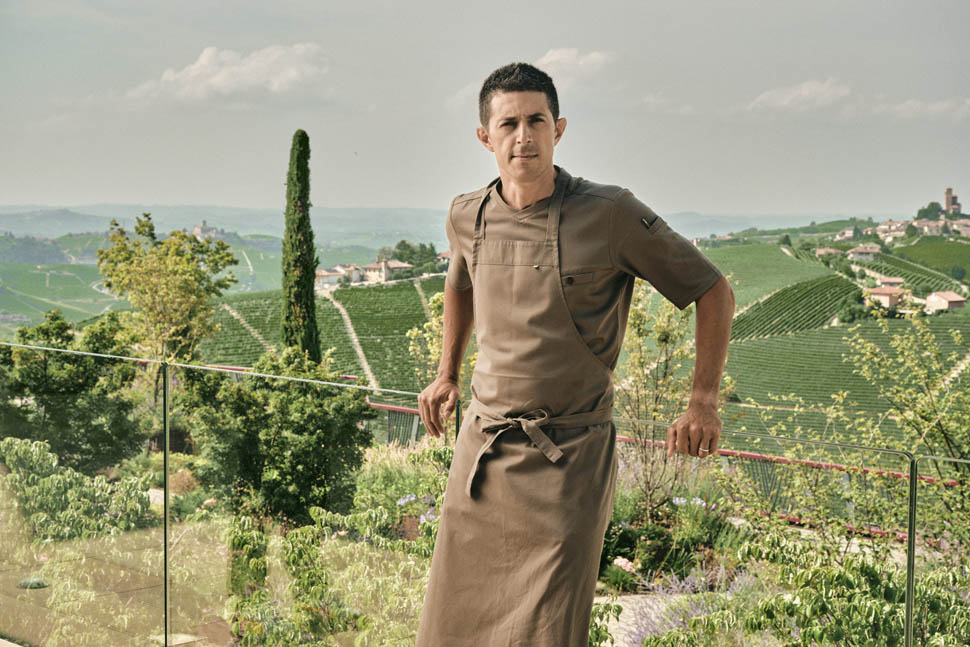
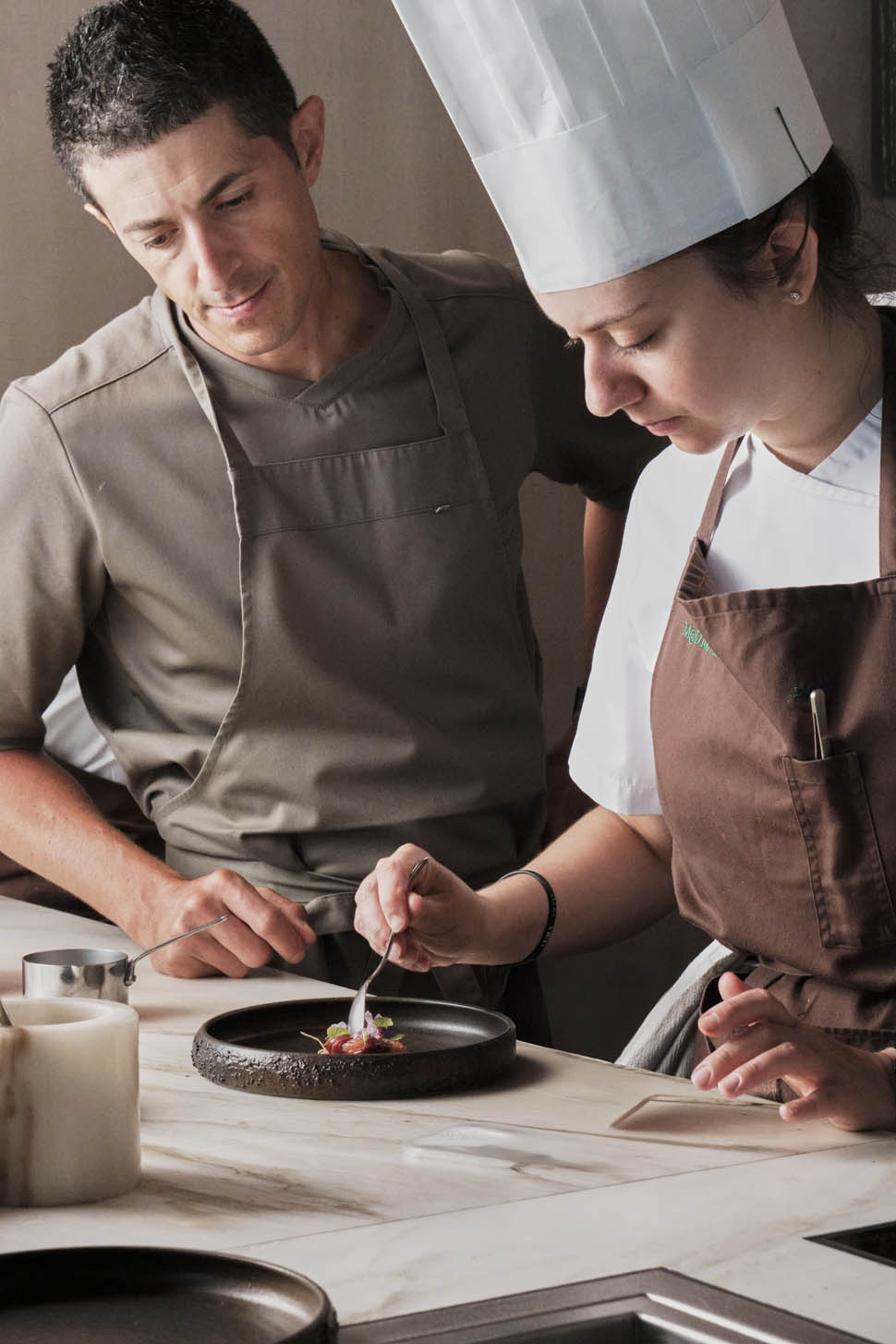
Mammoliti, forty years old, with a wife and daughter, Maia, aged two, belongs to the category of “Renaissance” chefs, a definition which, in my view, encompasses those who do not imprison their lives in the kitchen, but who have their eyes on the world and a precise sense of reality, who are aware of the context in which they operate and who interpret their restaurant as a holistic ecosystem, in which everything is connected and in constant dialogue; which is why he loves to personally take care of every detail of the experience, from the chairs to the colors to the words used to describe it.
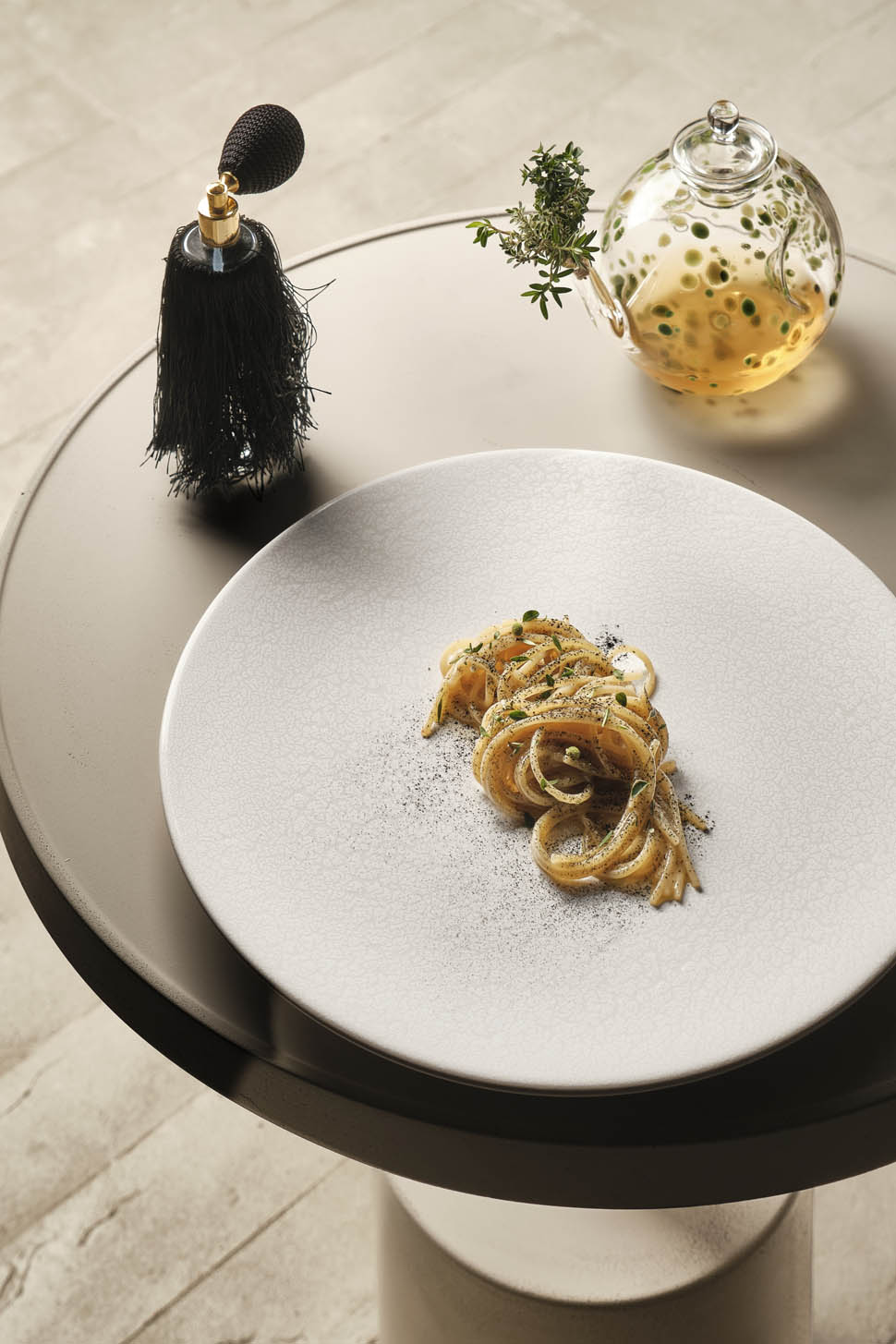
One of his obsessions is neurogastronomy, which aims to bring his childhood memories to life for his guests. This is not pursued in a slapdash manner, relying on improvised emotion, like in Italian comedy, but with rigorous research conducted together with psychotherapist Francesca Collevasone. A fundamental element in this journey is scent: the aroma of the chef's father's barbecues, for example, which finds its home in a spaghetti dish cooked in Cuneo prosciutto, named BBQ. Three steps and a goal.
Mammoliti is all about commitment and keeping his head down. Take it or leave it. He has found a listening ear and trust in the Dogliani family, and that's enough for him. “In this job,” he says, “you need a bit of arrogance, but the good kind. If you work hard, commit yourself, give 100 percent every day, you're bound to get somewhere.”

A rigor that he demands, indeed expects, from those who work with him. “I believe in rules; I need them to ensure that my team does what I want. But I don't set limits on my thinking. I agree with Albert Adrià: 1+1 equals 2, but it can also equal 3. If you step outside your comfort zone, you go further every day.” And he really did go far, without taking any shortcuts: from zero to two stars in just over a year after opening in Serralunga d'Alba, then a third star the following year. Perhaps not even Massimiliamo Alajmo at Calandre in Rubano managed to achieve this so quickly in the late 1990s.
“If you're unhappy, you cook badly,” he says. Evidently, he also puts a good amount of serotonin in his shopping cart in the morning. But of course, good humor alone is not enough. You need technique, which he, the grandson of two grandparents who had a restaurant in Avigliana where he enjoyed spending time (“it was the only place where I felt comfortable”), honed by studying madly and desperately from a very young age in the cookbooks of Michel Bras, a nature-centric chef par excellence, then doing internships here and there, then working in the kitchens that mattered, El Bulli, El Celler de Can Roca, Gualtiero Marchesi's Albereta, already in decline but still with his mastery intact, and Alain Ducasse, Yannick Alléno, Pierre Gagnaire, Marc Méneau at L'Esperance in Saint Père.
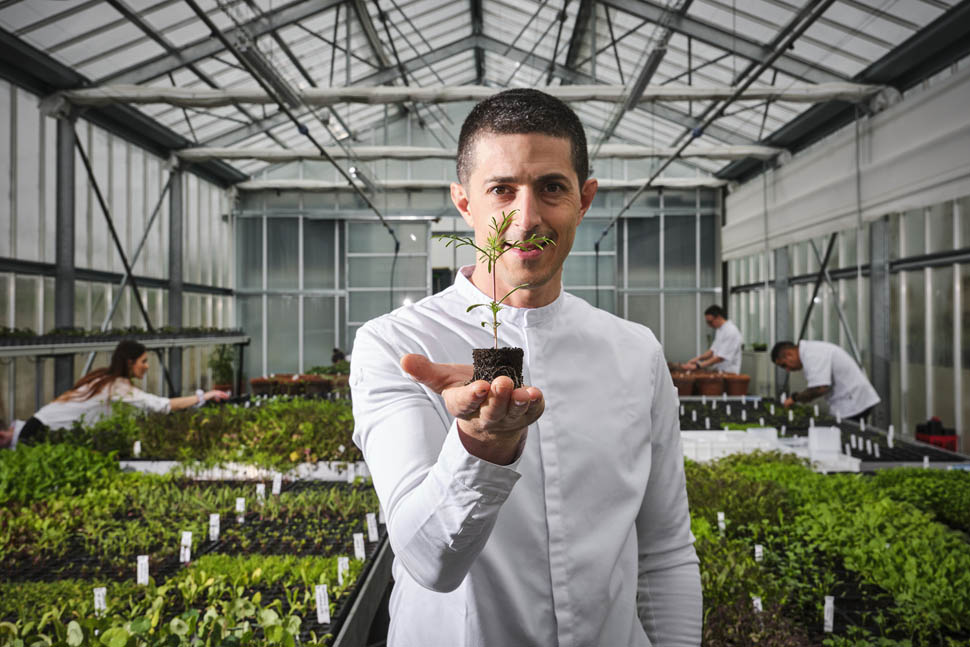
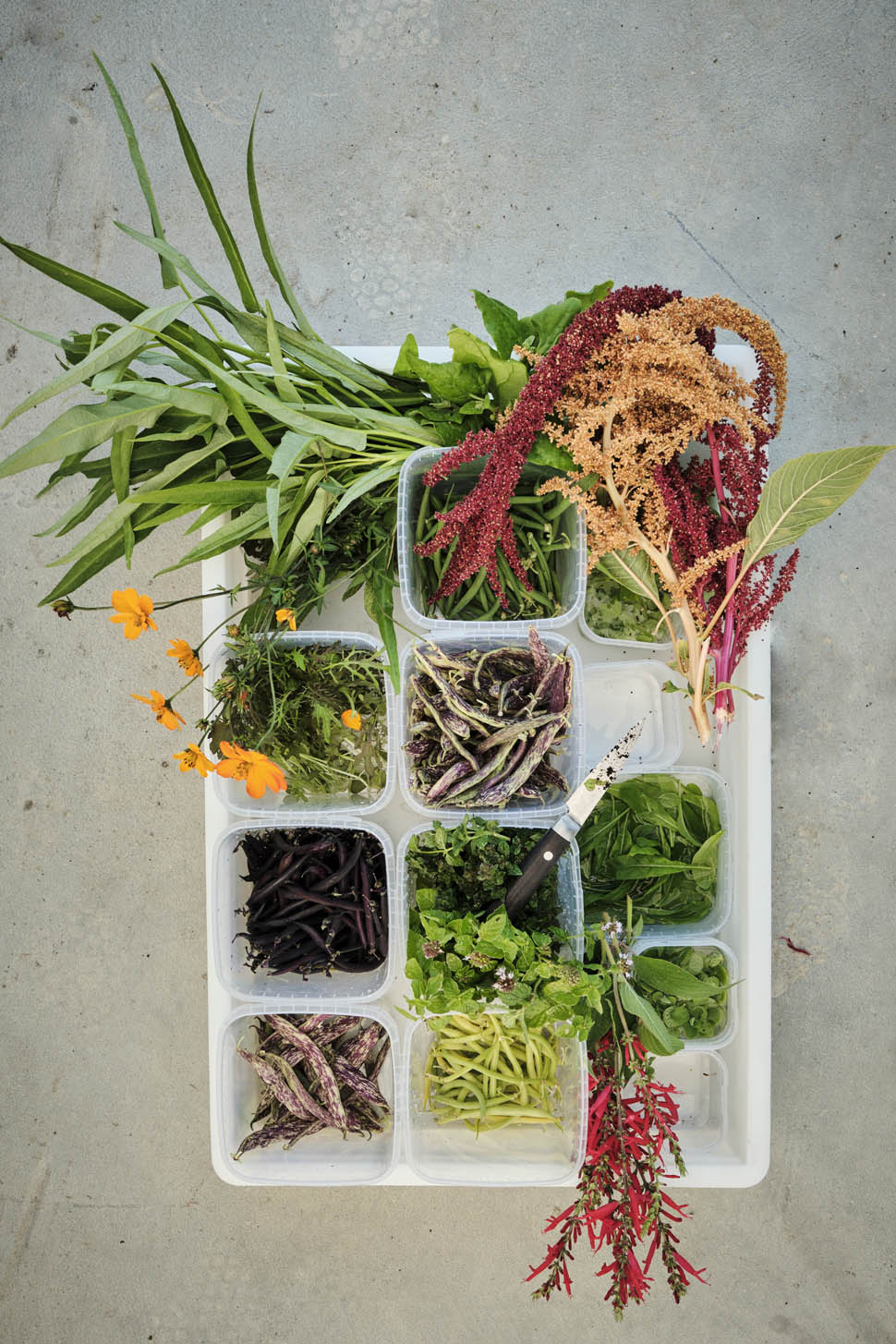
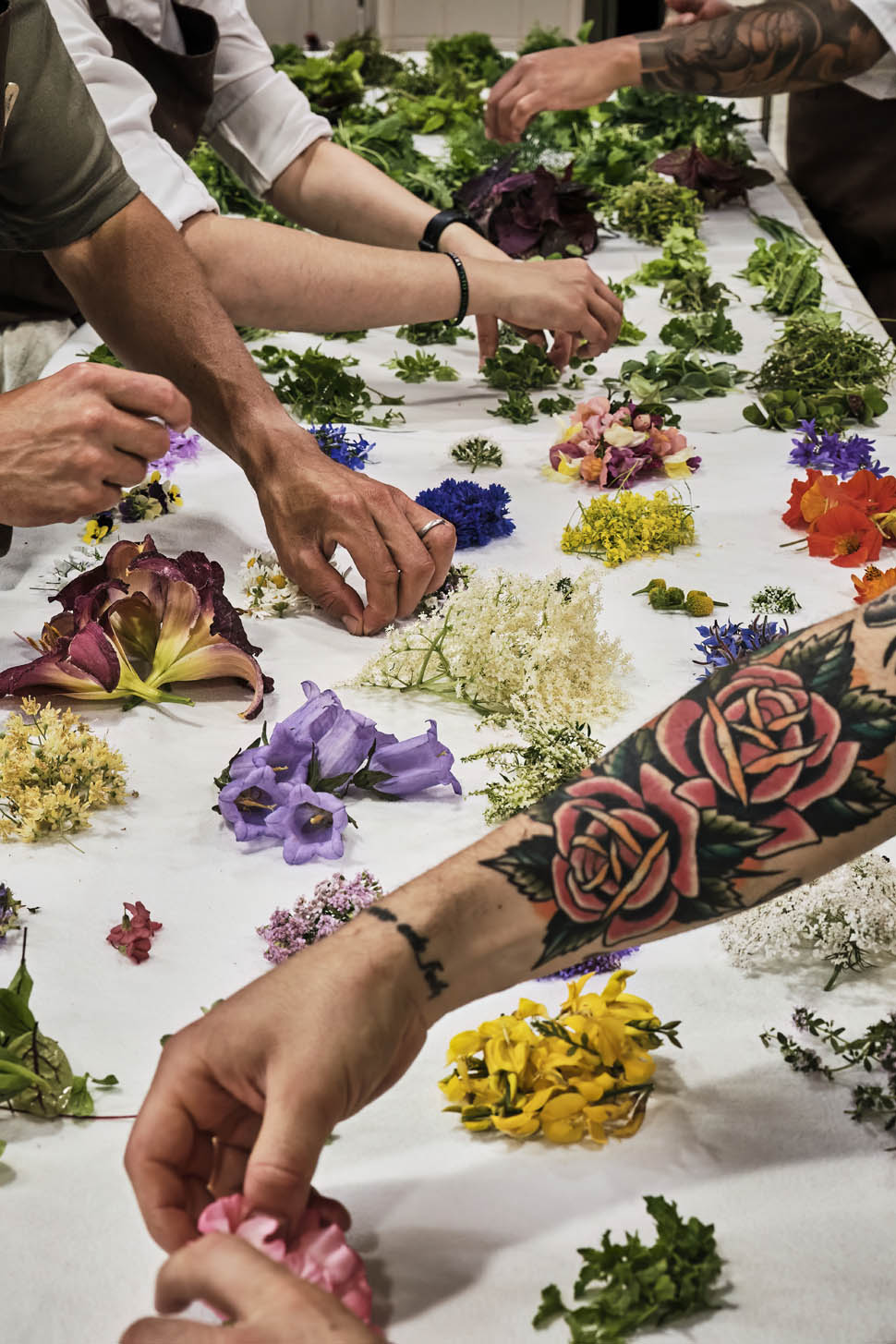
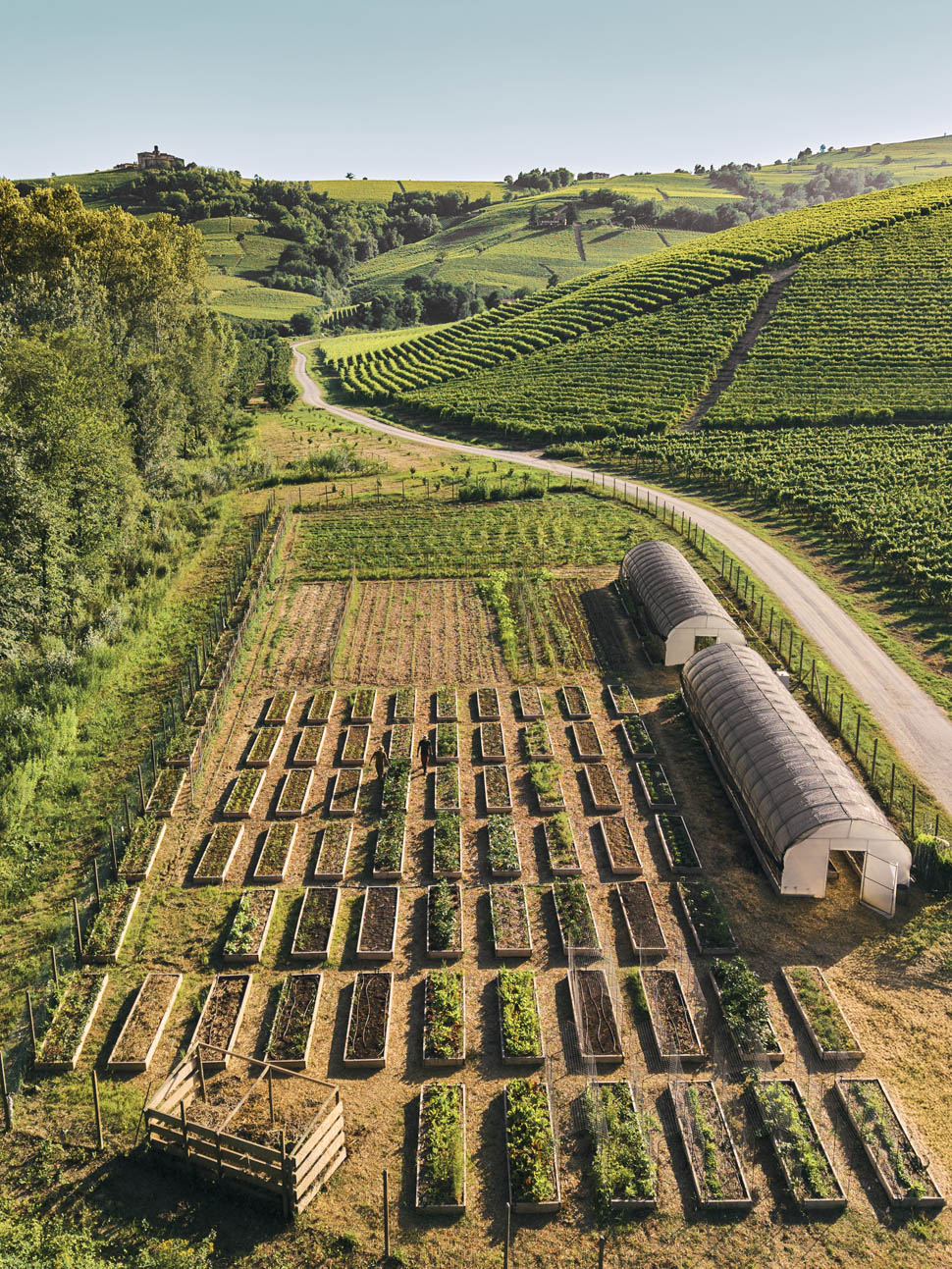
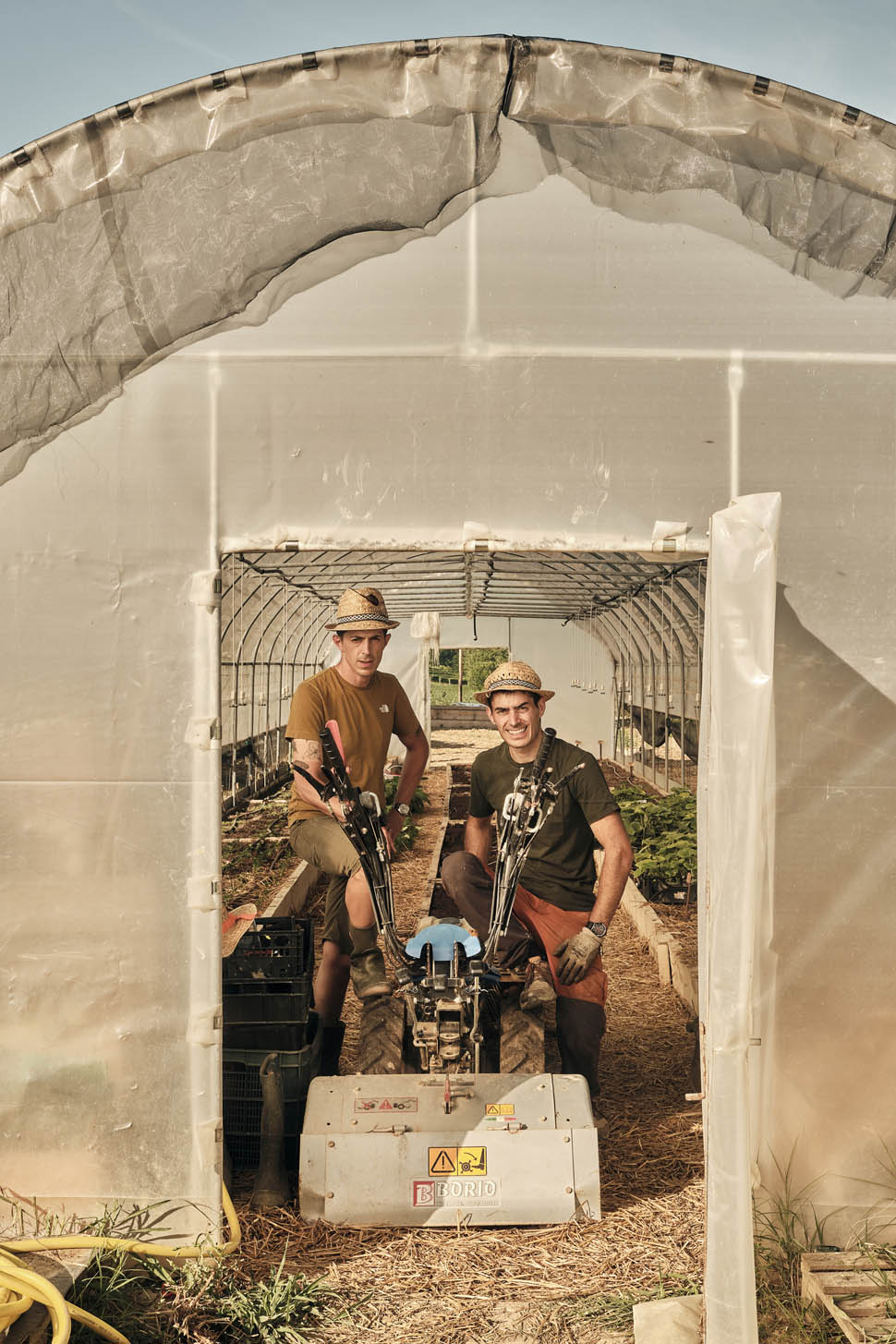
So much France, then the desire to return to Italy, to reconnect with his roots that were in danger of withering away. Eight years at Madernassa, then two years ago the move to Boscareto Resort – opened at the end of summer 2023 – where chef Mammoliti realized his dream of having a vegetable garden where he could grow his own herbs, vegetables, and flowers for his pantry. A treasure that shines all year round and is most productive in summer, with onions, shallots, black salsify and white salsify, 130 varieties of tomatoes, peppers, carrots, daikon, turnips, beets, and okra. But even in fall and winter, it holds many surprises thanks to the agronomic practice of green manure, which increases the availability of nitrogen in the soil, and thanks to a biodynamic approach that encourages greater pollination of plants.
The restaurant
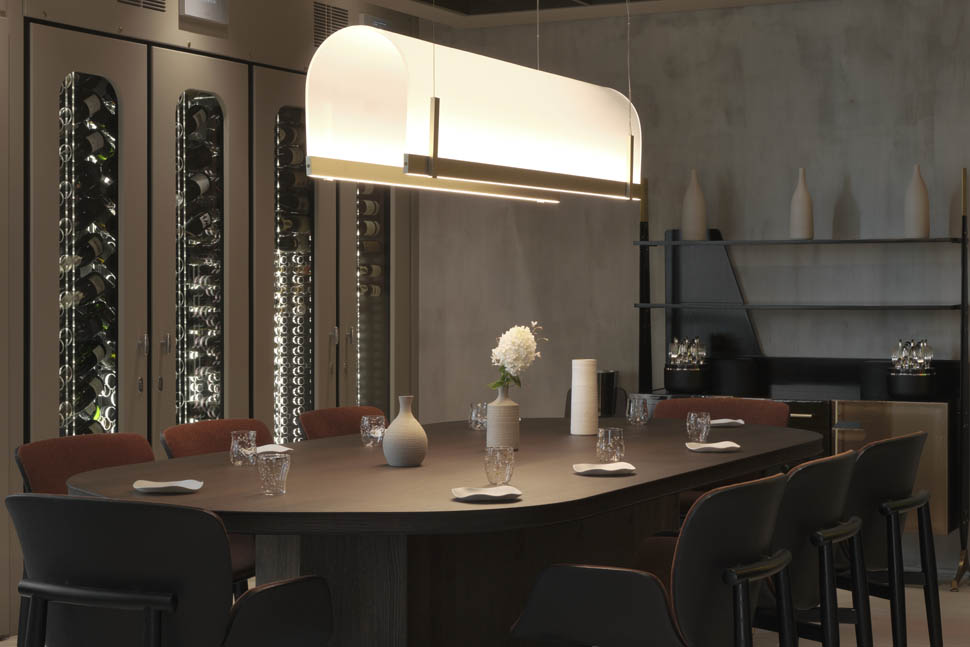
La Rei Natura is a fluid and somewhat restless restaurant, which Mammoliti wanted to be dynamic, finding a pencil willing to satisfy him in designer Stefano Guidotti. There is a first room for aperitifs, a second larger room where the main event, the actual dinner, takes place, and a small, intimate final room where the almost domestic ritual of dessert is celebrated. The meal thus becomes a journey, a mobile fiesta, a dramaturgical stratagem that is not entirely new—it can be experienced in some restaurants in France, Spain, and Denmark, and in Italy at Condividere in Turin, where dessert is served in a separate room—but which is particularly noteworthy here.
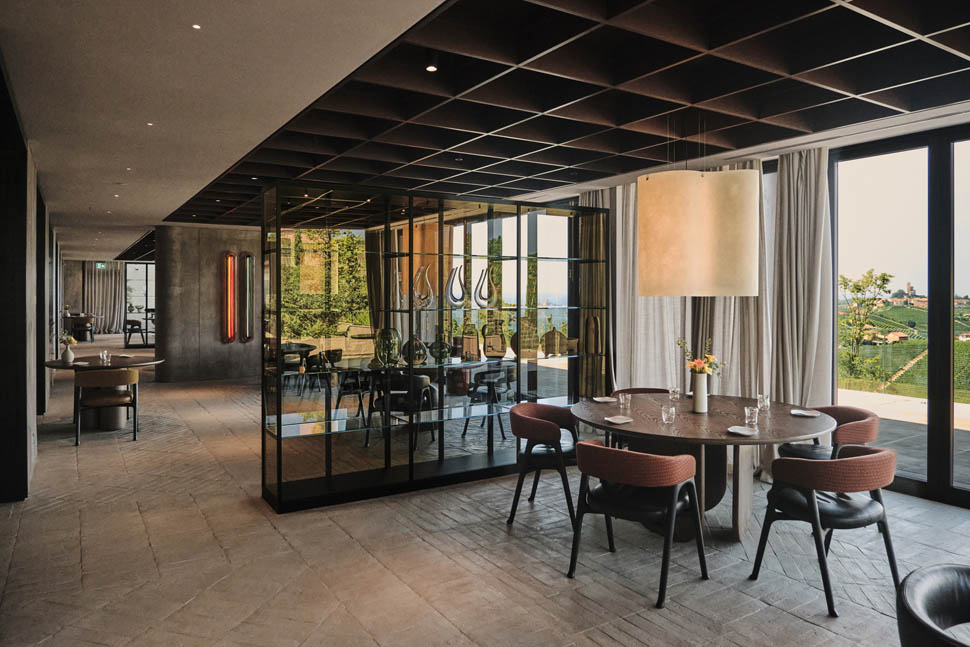
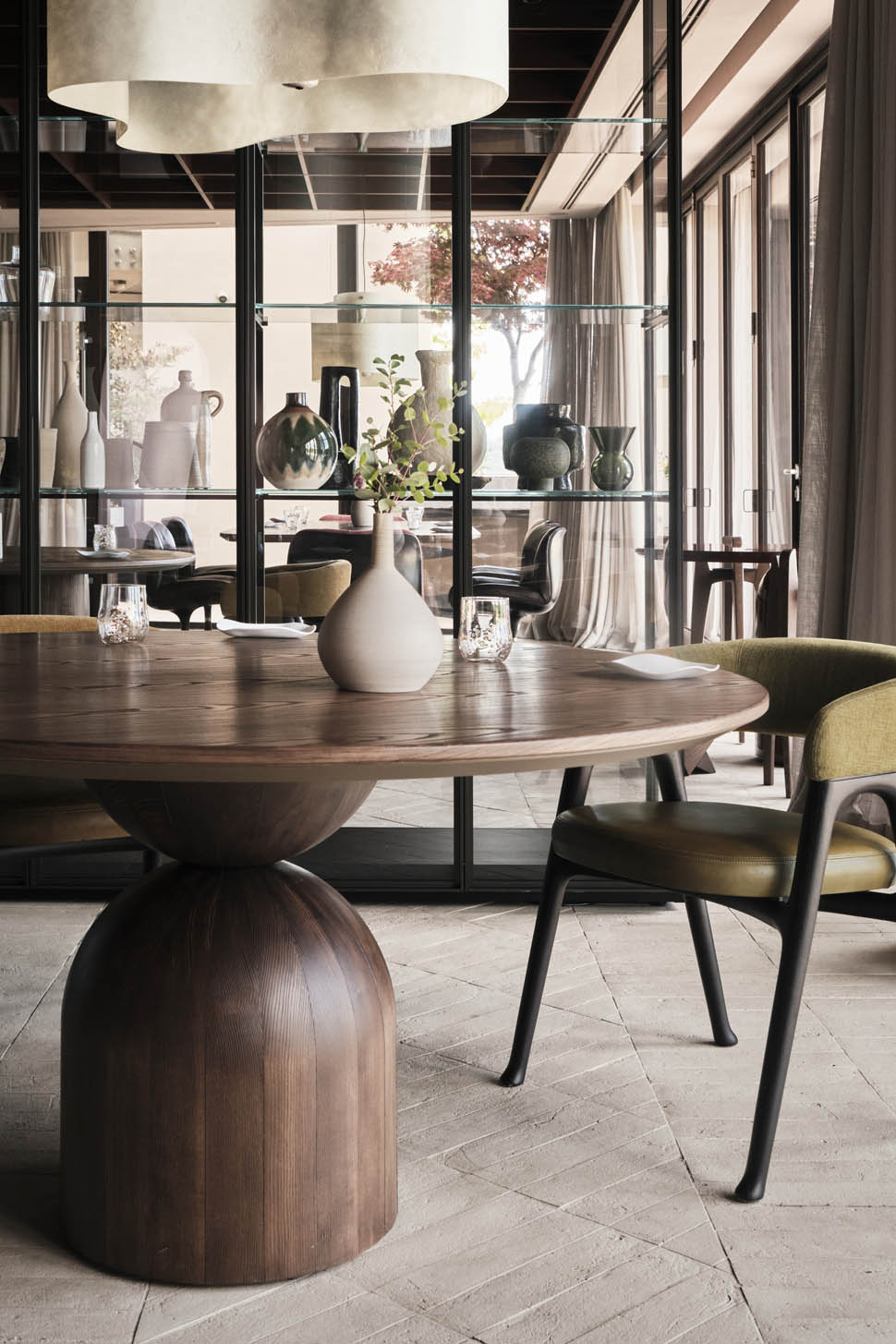
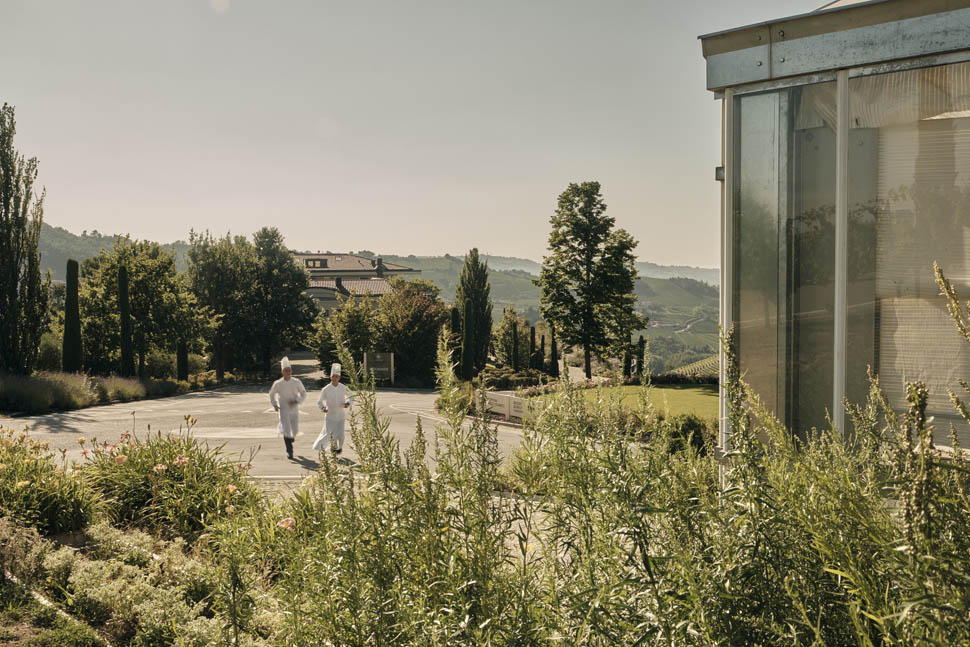
The rooms are textured, minimalist, post-industrial, and post-ideological: raw earth walls, terracotta block floors laid out like a grid of Roman roads, and then curtains, fabrics, resins, and metals, giving the sense of a place devoid of opulence, almost spiritual, which encourages concentration and inner dialogue. And outside, exploring the soul, the feminine and hilly nature of this magical corner of Piedmont.
The cuisine
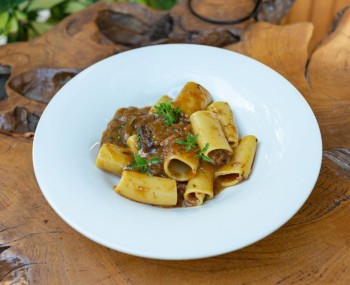
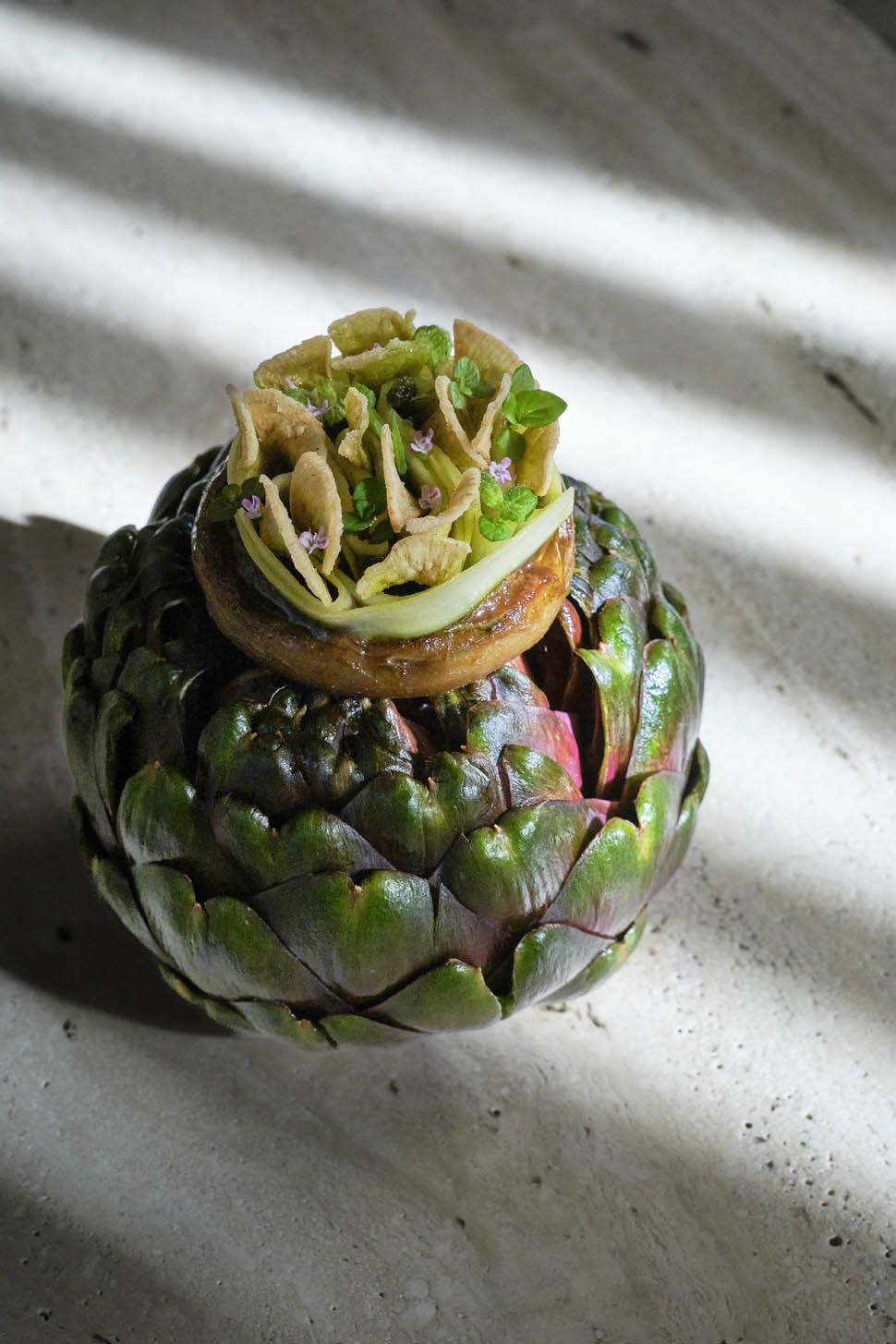
At La Rei Natura, there are always three menus available. The most prominent option on the menu is Mad100% Natura, a ten-course freehand itinerary (€350, with three possible alcohol pairings ranging from €100 to €250) in which the chef reserves the right to do whatever he wants depending on the season, the day, his inspiration, his whim, his thoughts, and his mood. No theme, just freedom. It is certainly the recommended route for those approaching Mammoliti's cuisine for the first time, even if it requires a good dose of trust and open-mindedness and is frankly indescribable. Suffice it to say that you might encounter a wilted artichoke stuffed with grilled artichoke pesto, clarified leaf extract, mint oil, artichoke stem strips, kombu seaweed, and giardiniera '91, a tribute to the chef's first taste of this Piedmontese recipe at the age of six.
For the less adventurous, there is a more reassuring menu, Il Mio Piemonte, €280, which also serves as a la carte, offering a choice of three courses plus dessert for €240 or four courses plus dessert for €260. A more predictable choice, which includes dishes such as Albese (a Capriglio pepper, walnut dressing, and arganier sauce), Mugo (scampi electrified with mountain pine oil and toasted pine nut sauce), and In-Bianco (pappardelle with celeriac ragout and white truffle, simplicity at its best).
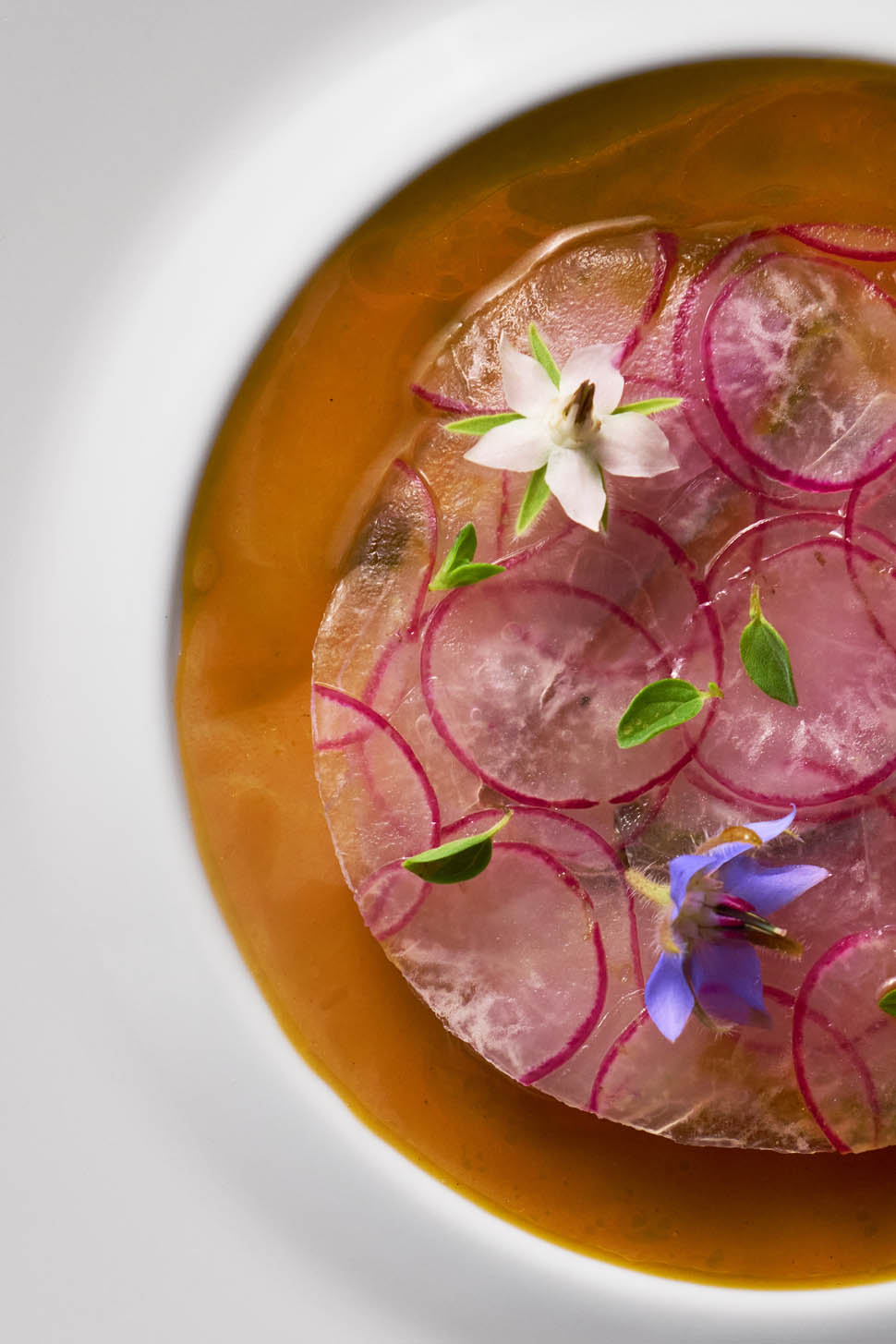
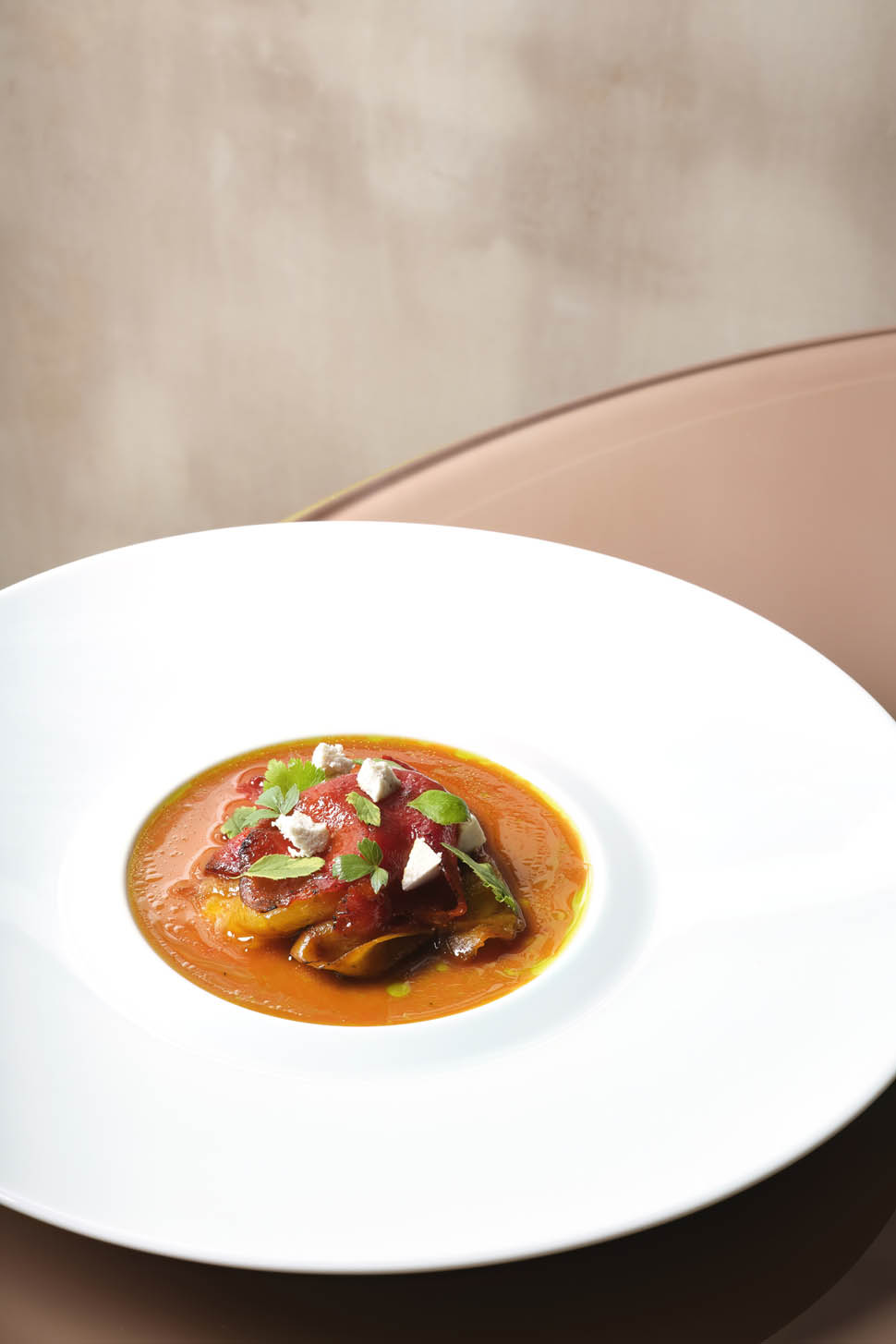
Next, the modernist Cubix, yakitori-cooked eel ravioli with horseradish infusion, Al verde, pikeperch scented with Cantabrian anchovy butter and green condiments, and Piedmontese saltimbocca with sweetbreads and tricolor sauce. To finish, the surprising Huakiwi, kiwi absolute with sumac powder and coconut foam, and the more indulgent Piemonte, a hazelnut soufflé tart with mandarin sorbet and hazelnut crumbs.
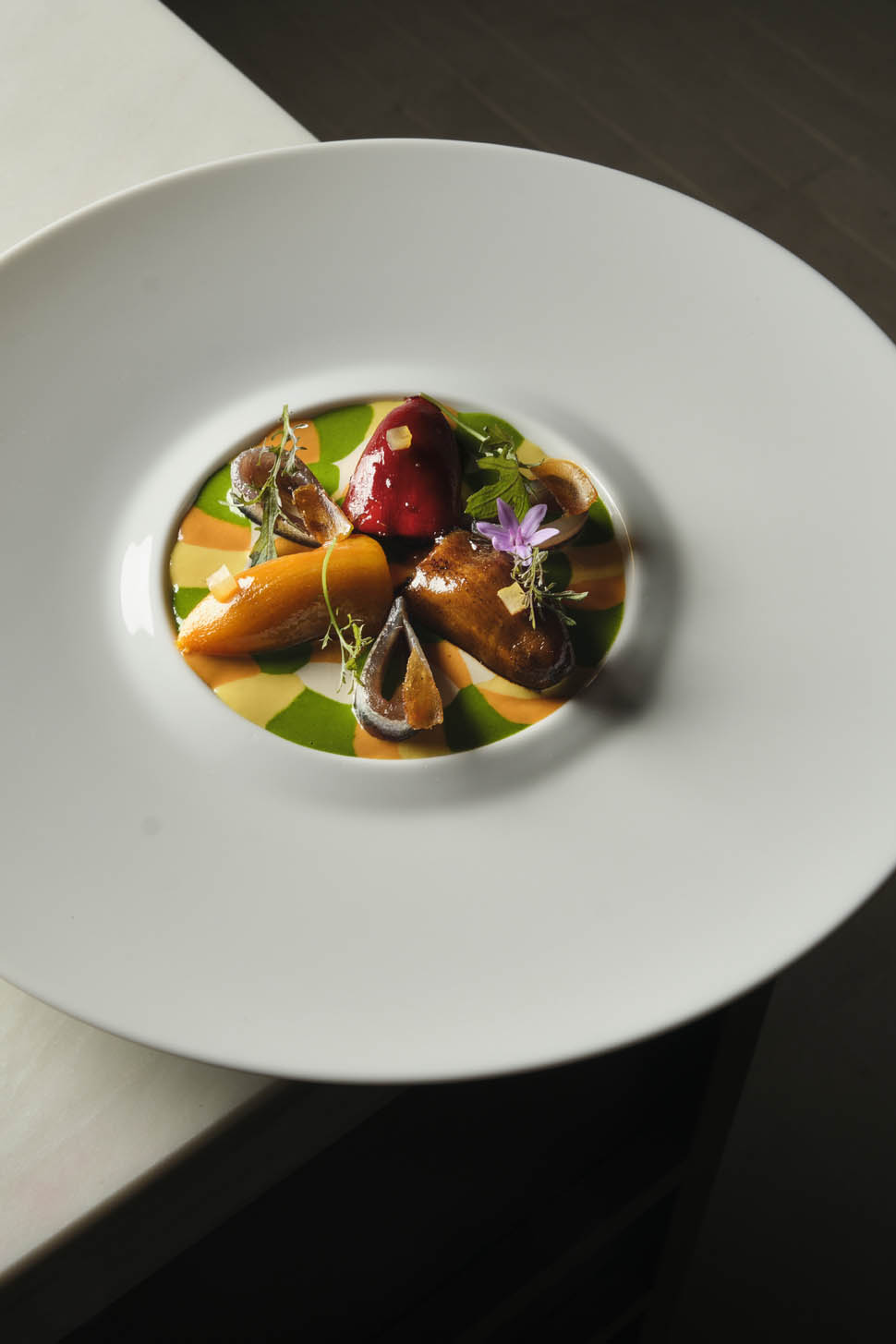
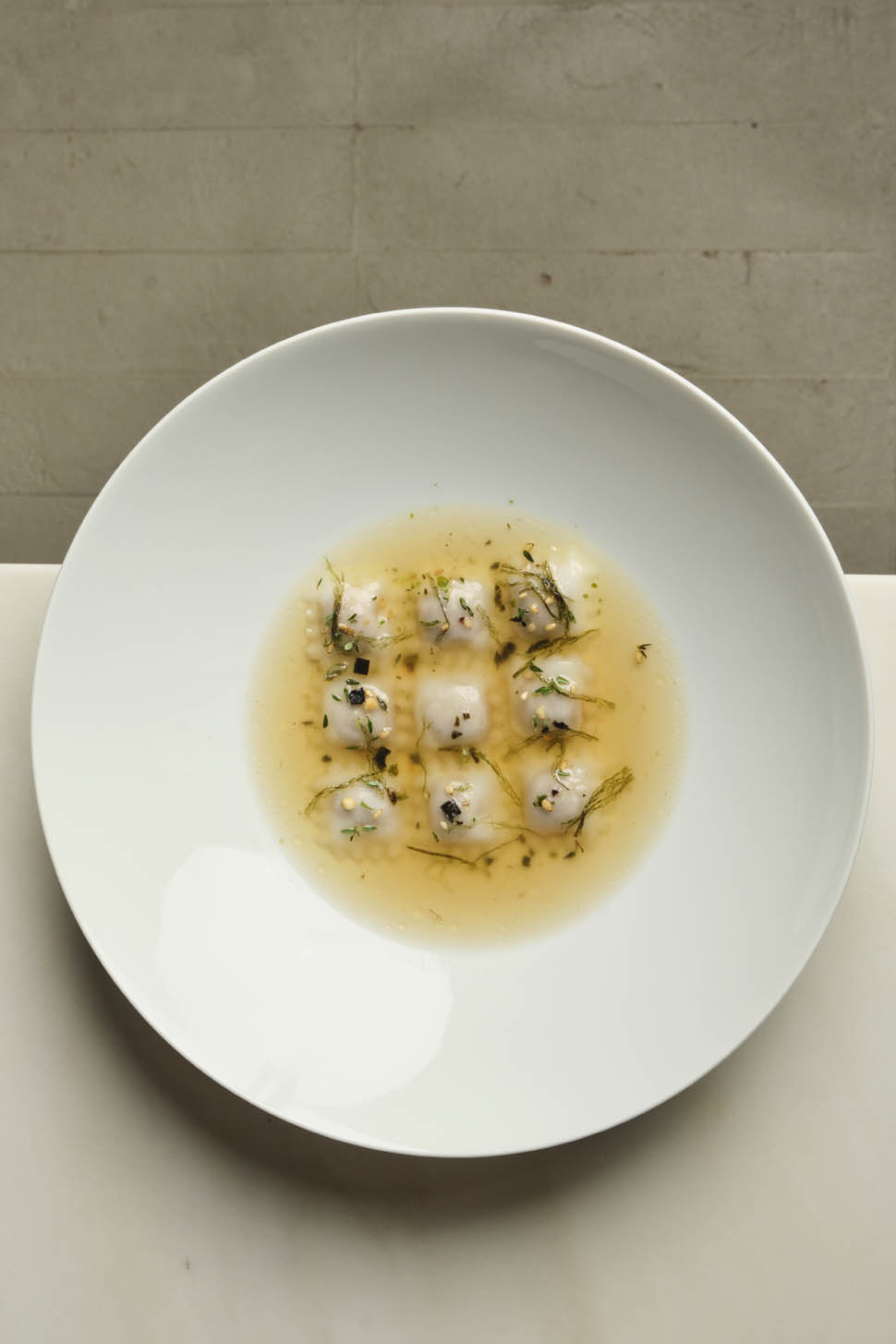
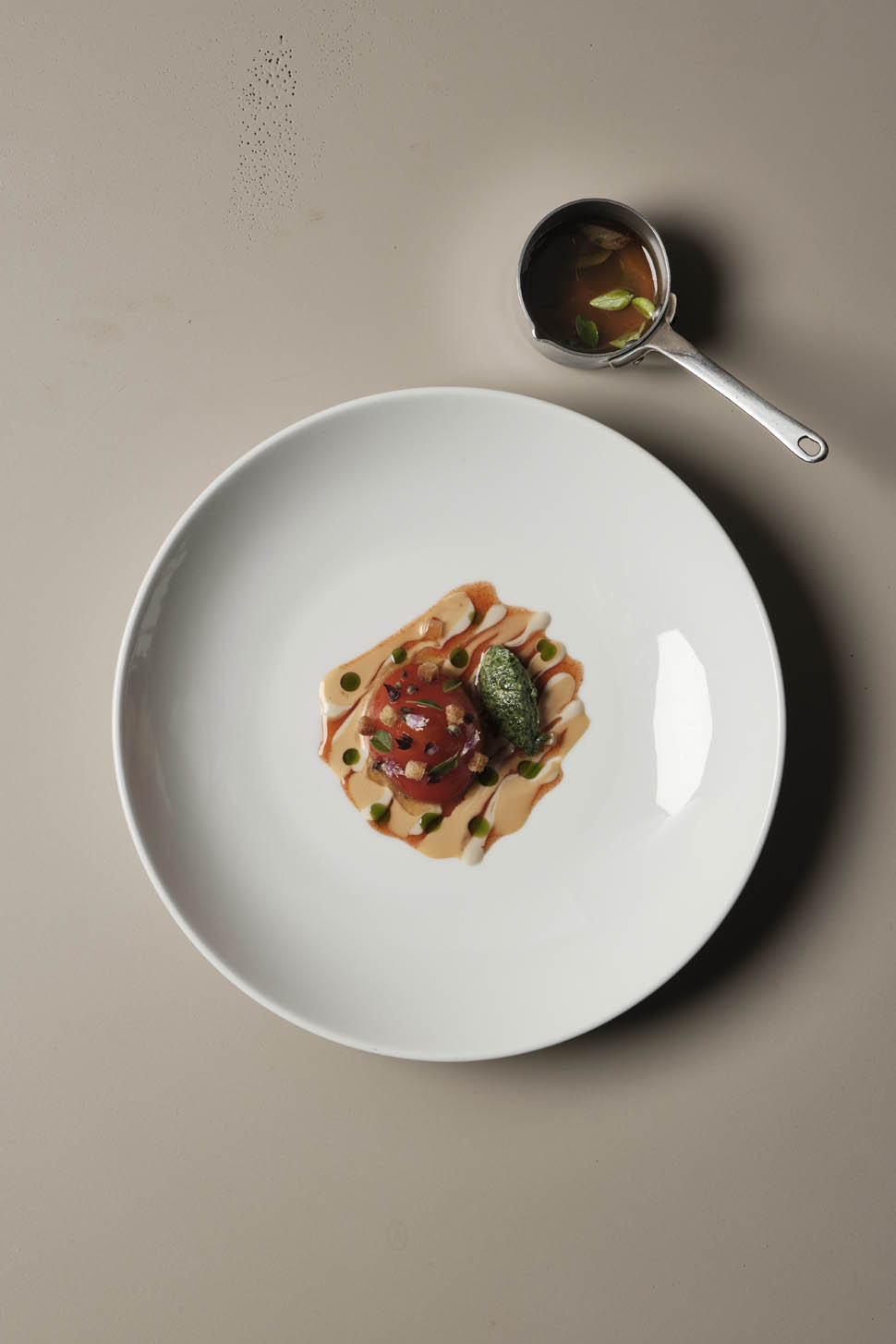
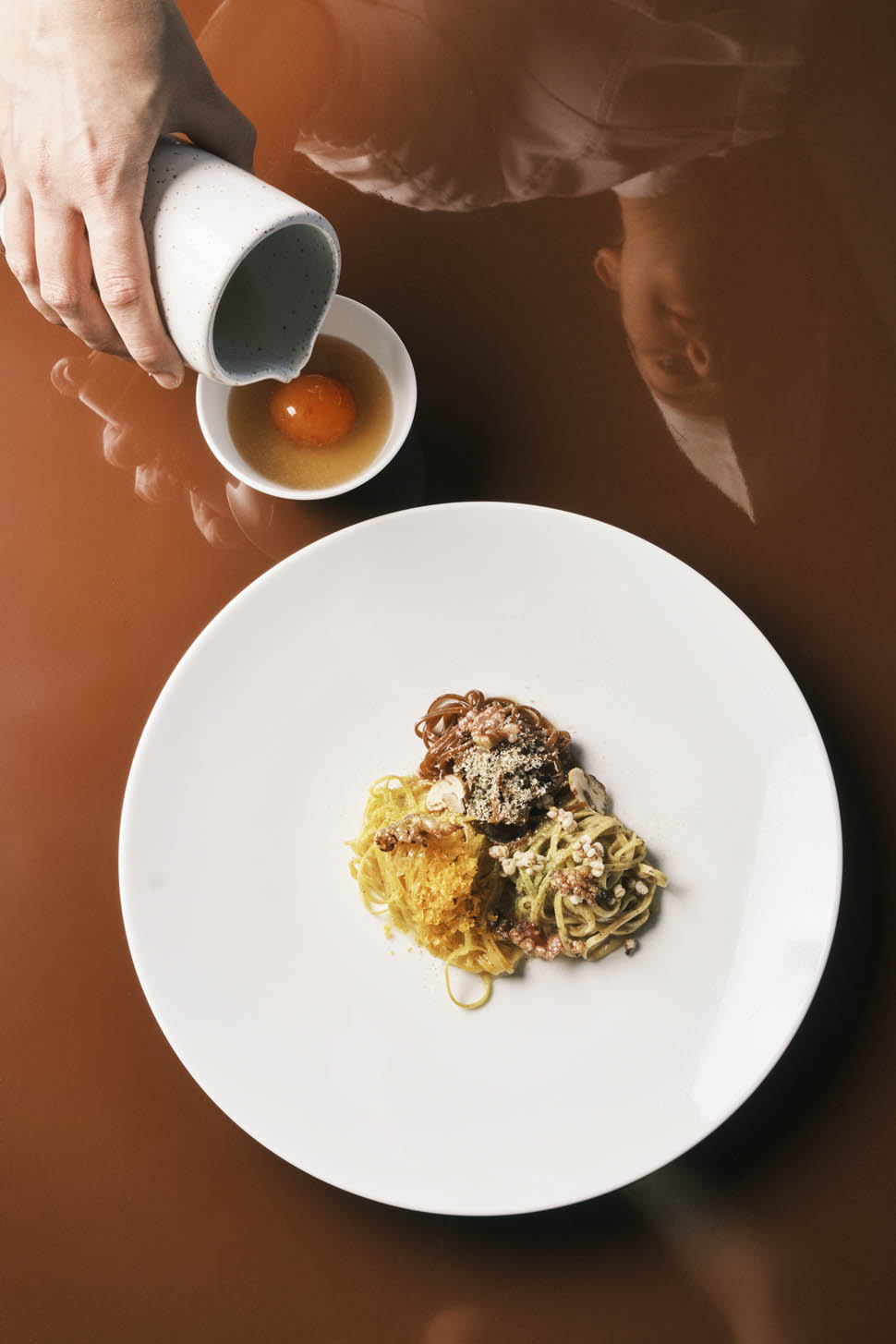
It's not over yet. Every season, Mammoliti indulges in the whim of a traveling menu, and for this fall he proposes Selvatica, a continuous play of mirrors between memories and exotic souvenirs. Roasted porcini mushrooms scented with tarragon and trifolato sauce, the ironic Beautiful Langhe in which roasted foie gras gets into trouble with pomegranate juice and Michelini peaches, Marengo-style pheasant ravioli with porcini zabaglione and vialardi sauce (which is actually bagnet verd), spaghetti that goes to the high altitudes of Monrano, cooked in cypress extract and mountain pine buds, sturgeon pavé scaloppina with lemon, and Diavola, a partridge roasted with juniper and spicy sauce. Finally, a strawberry grape sorbet with beetroot veils and combawa soup (Labrusca) and a triumph of tropicalism, the Thay-Siam, which is a mango confit palet soaked in passion fruit and banana with coconut foam and sticky rice.
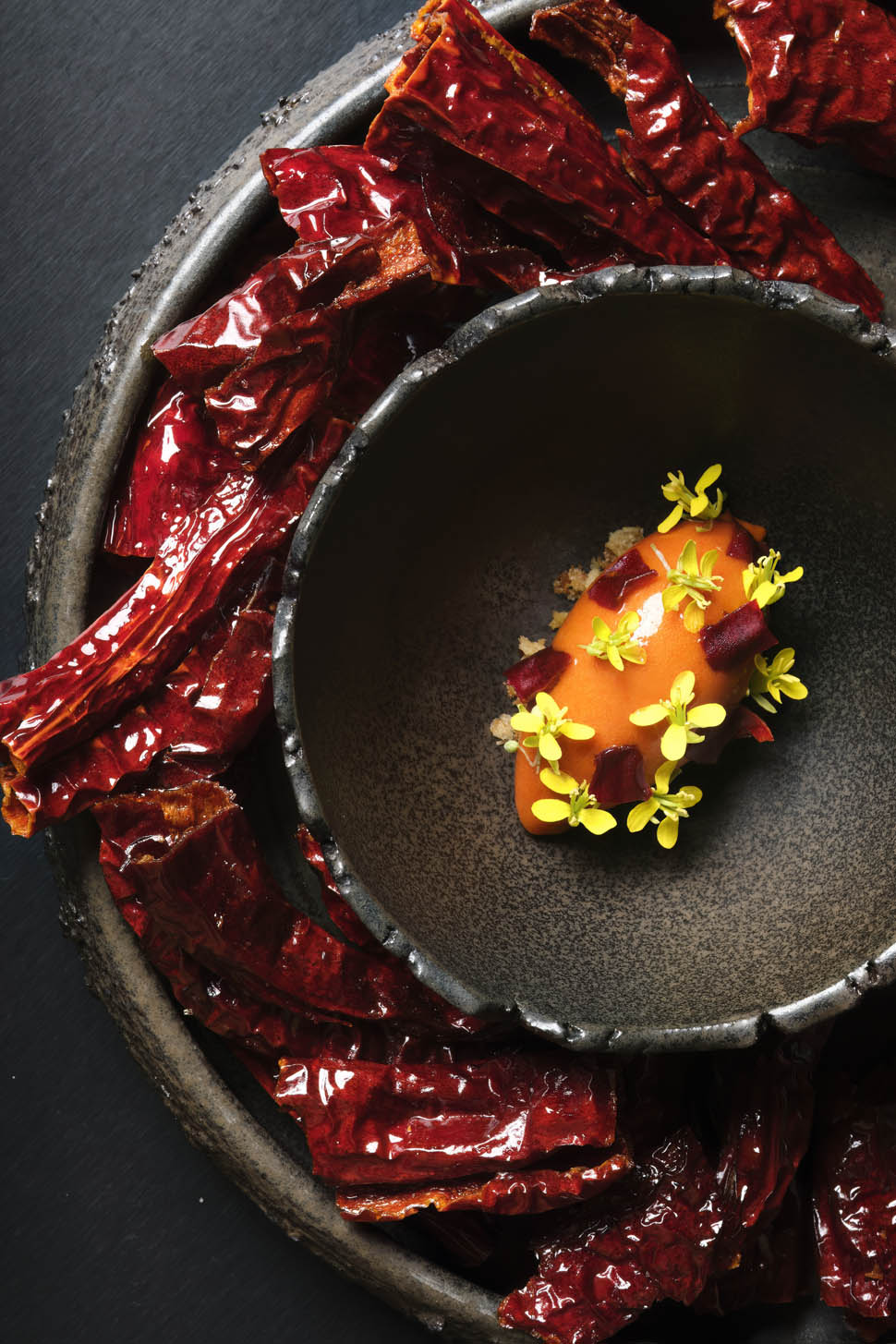
The guest star this season is the Oro Bianco menu, obviously dedicated to white truffles. Here too, you can choose from three “daily” creations plus a dessert for €240, or four for €260. The wine cellar, curated by sommelier Alessandro Tupputi, is extensive and offers 2,400 labels, with a certain preference for prestigious brands (but those who prefer something more rebellious will find wine to suit their taste). There are also numerous non-alcoholic options, such as extracts, kombucha, and other concoctions, but be aware that you will not find dealcoholized wine here, which is considered to lack structure and meaning (and who can blame them?). The dining room is expertly managed by maître d' Alessandro Marcialis.
Contacts
La Rei Natura by Michelangelo Mammoliti
Via Roddino, 21, 12050 Serralunga d'Alba CN
Phone: 0173 613042