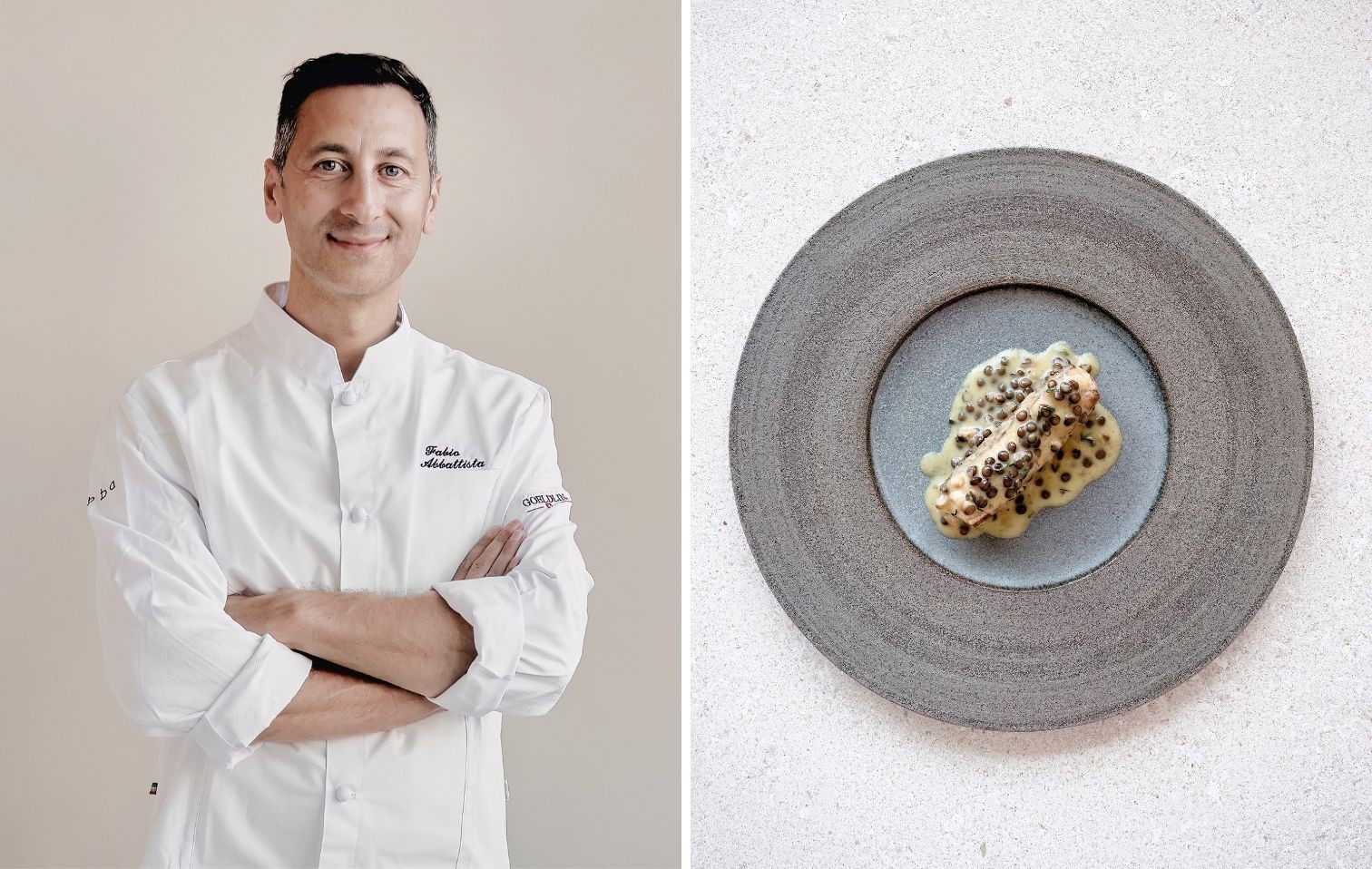
At Abba, Fabio Abbattista's restaurant in Milan's Certosa District, the cuisine expresses itself through taste and elegance in an authentic experience made up of just a few ingredients (maximum 3!), great technique, and a subtle nod to Puglia.
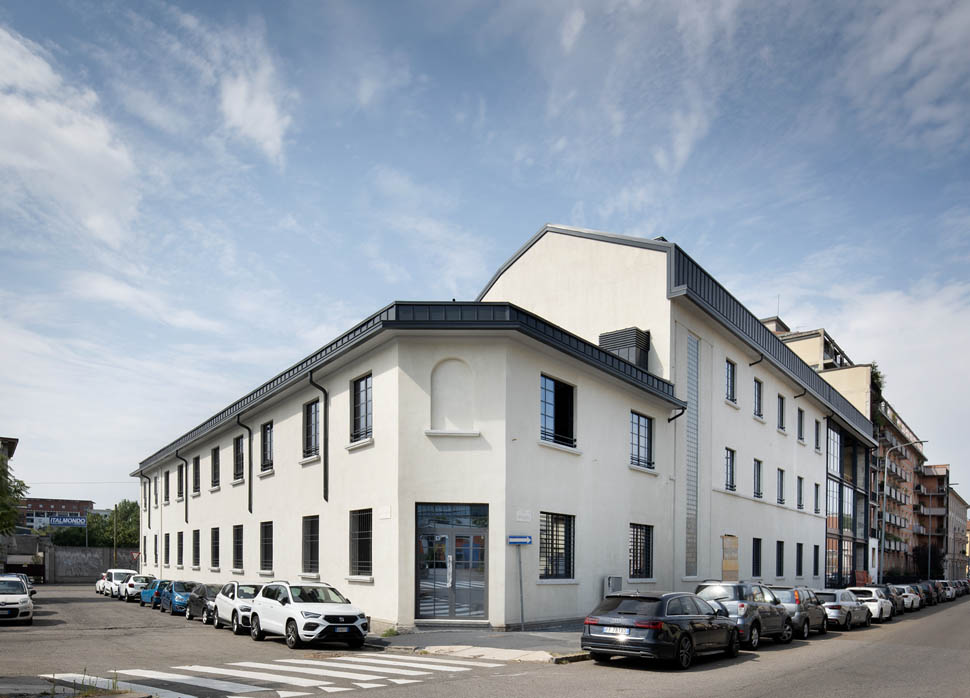
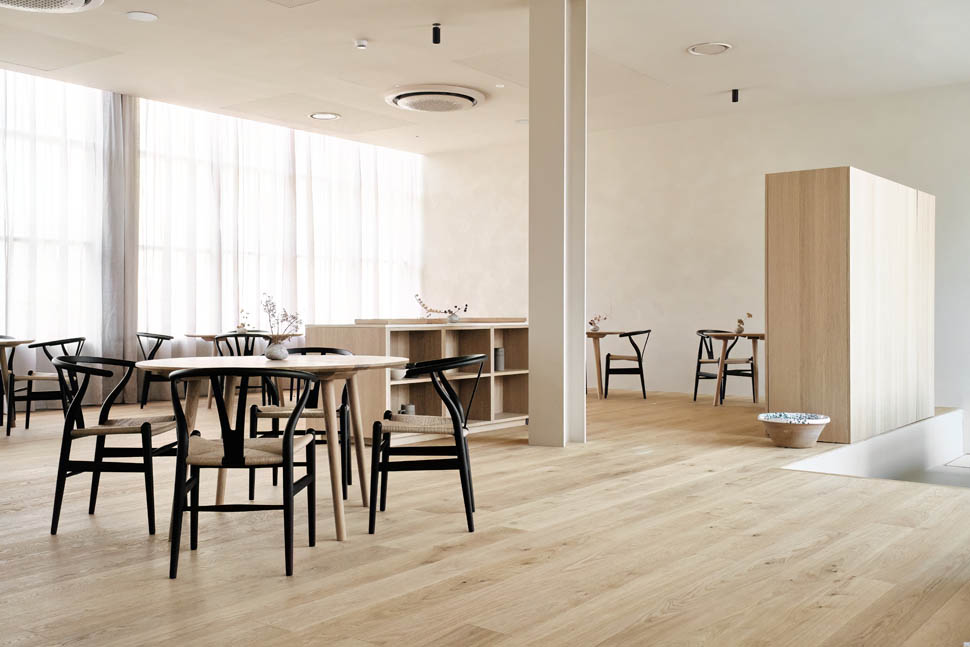
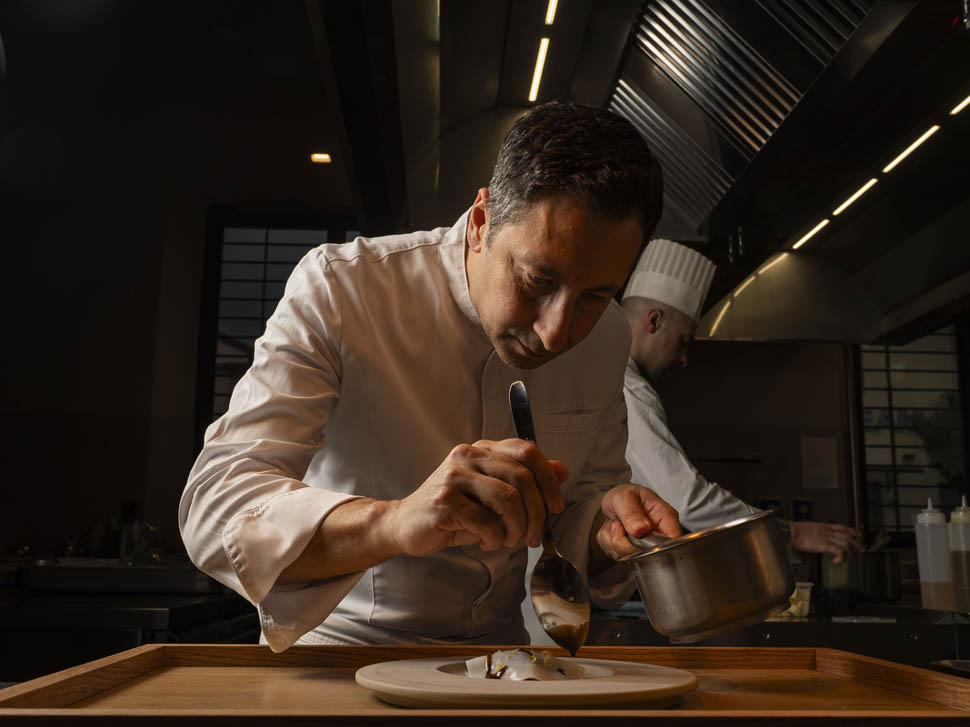
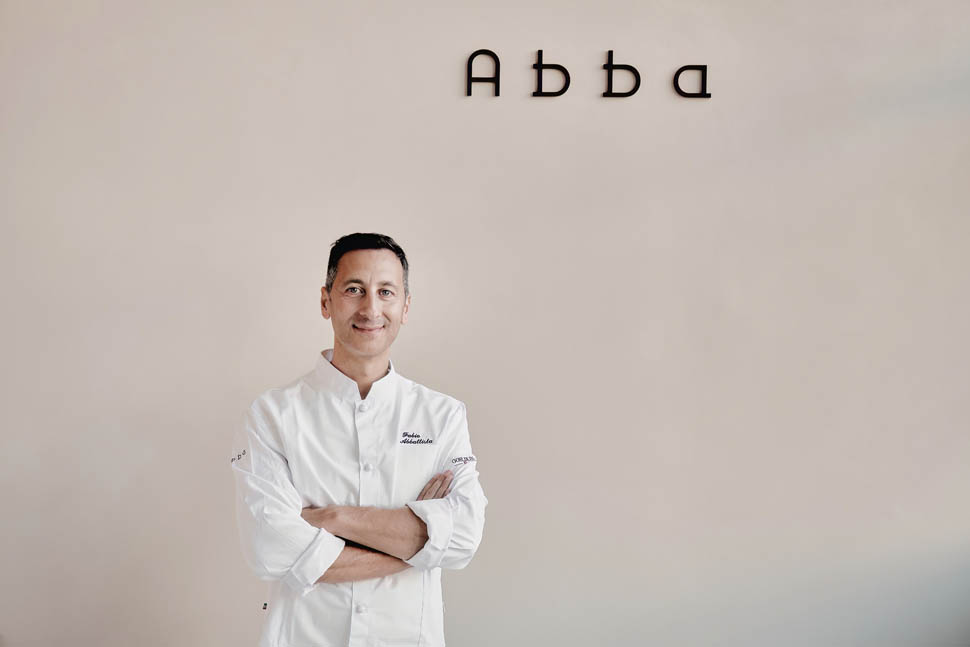
If I were asked to describe Abba in one word, I would say elegance. But the more I think about it, the more reductive it sounds. Fortunately, I have more words at my disposal to describe this place which, despite being in Milan and created by a traveling chef, maintains a discreet reference to Puglia and its authentic flavors. After years spent in some of Europe's most influential kitchens, Fabio Abbattista returned to Milan to build something that truly resembled him. Abba is located in the Certosa District (a new, much-talked-about neighborhood in Milan that we will discuss later) in a former paintbrush factory converted into a restaurant. The minimalist, spacious, and bright location reflects his idea of cuisine: essential, tasty, and focused on the ingredients.
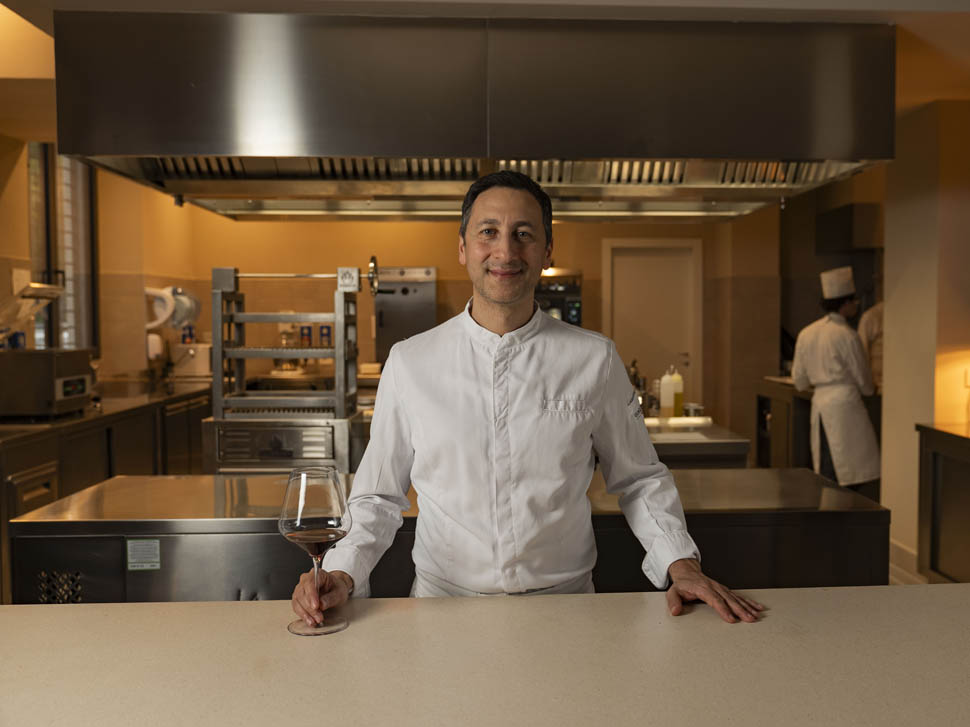
Born in 1977, originally from Molfetta, Abbattista trained at the hotel school in Bari before embarking on a journey that took him to The Halkin with Stefano Cavallini, The Square with Philip Howard, Le Gavroche with Michel Roux, and, no less, Le Spoon with Alain Ducasse. After a stint at the Hotel Gran Bretagna in Athens, he returned to Italy for the opening of Unico in Milan, which earned a Michelin red macaron in just six months. Then came his years in Franciacorta, as executive chef at L'Albereta Relais & Châteaux, and finally his return to the city to give voice to a very personal project.
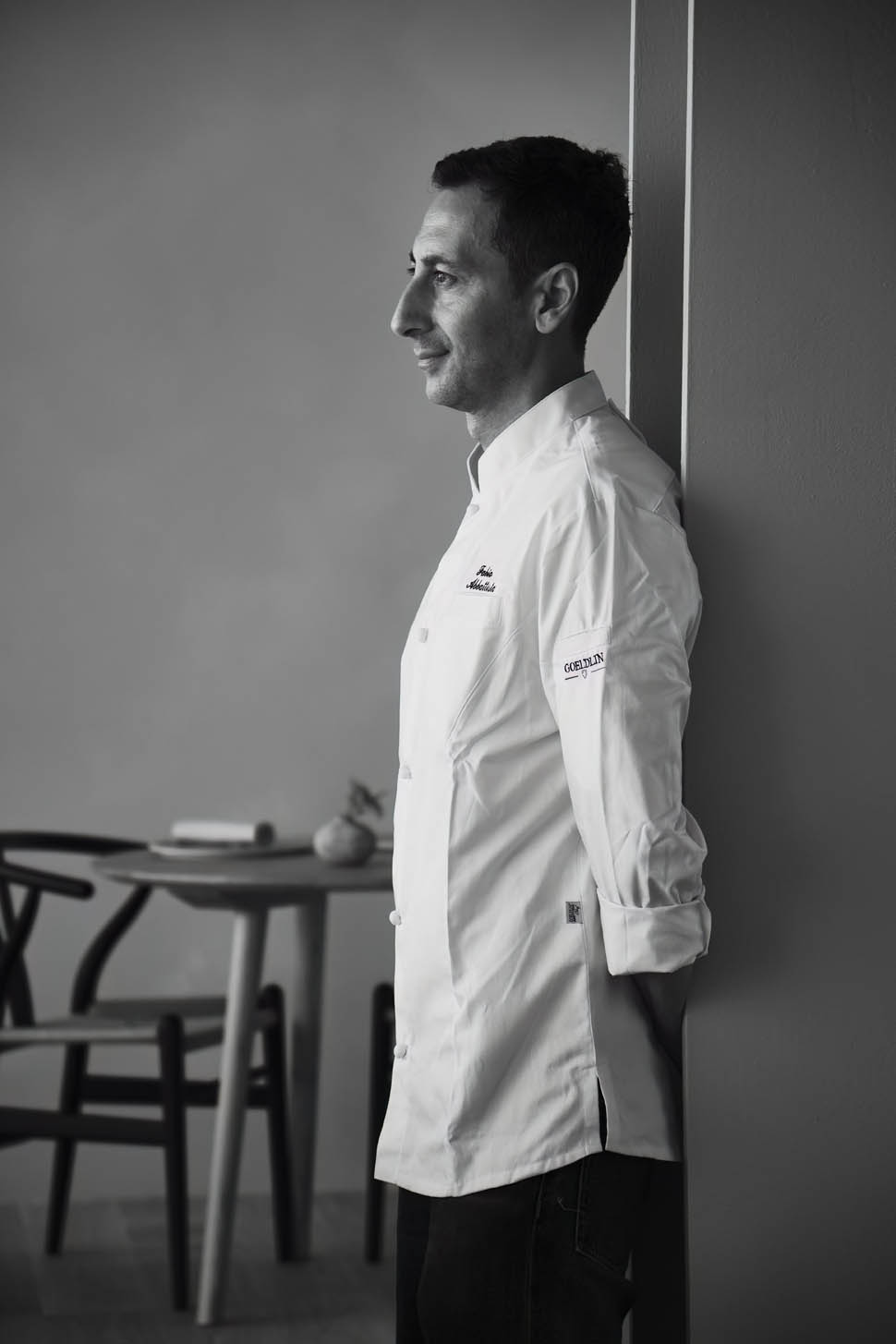
At Abba, technique takes a back seat to a select few ingredients, giving life to dishes of great sensitivity and flavor. The approach is that of a cuisine that works by subtraction, using fewer ingredients but with an intense depth of flavor. There is a particular focus on the plant world, but without ostentation or big words that, it must be said, have become almost grotesque and, frankly, a little tiresome.
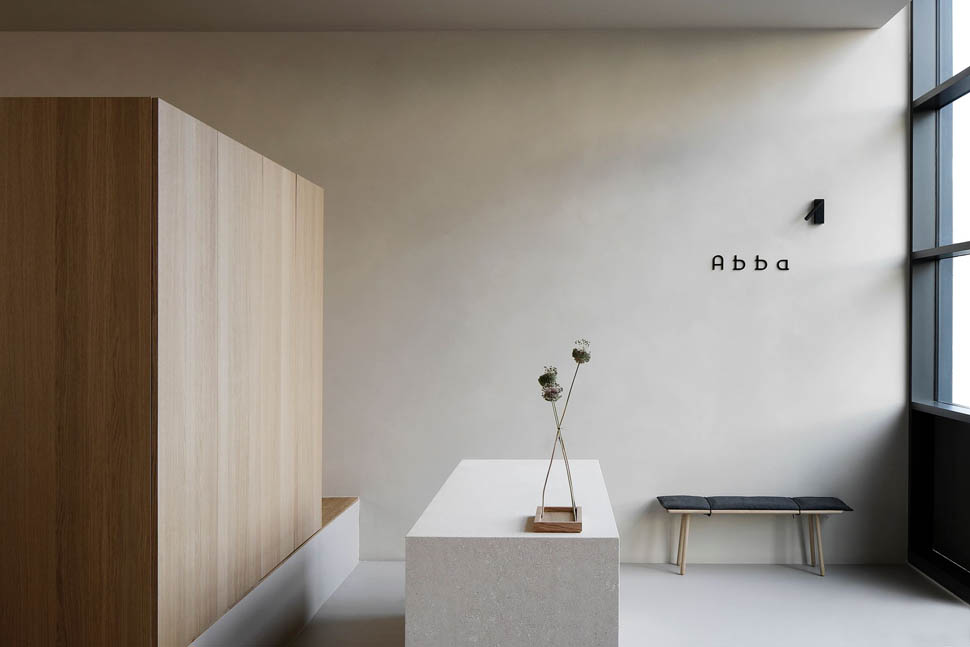
Simplicity as the language of haute cuisine
If you are expecting dishes that will make your head spin and knock you off your chair with spectacular effects, I would say no. After all, as Giorgio Armani taught us, elegance is not about being noticed but about being remembered. Abba is remembered for its delicate presentations, with dominant colors that invite you to taste and secondary nuances that harmonize the balance. Above all, it is remembered for its enveloping, gentle flavors (which does not mean lacking in character, mind you) and sometimes even fun. Abbattista's dishes are delicious and, let me tell you, they will make you leave the restaurant with a smile. Is that not enough? For me, it's a lot these days.
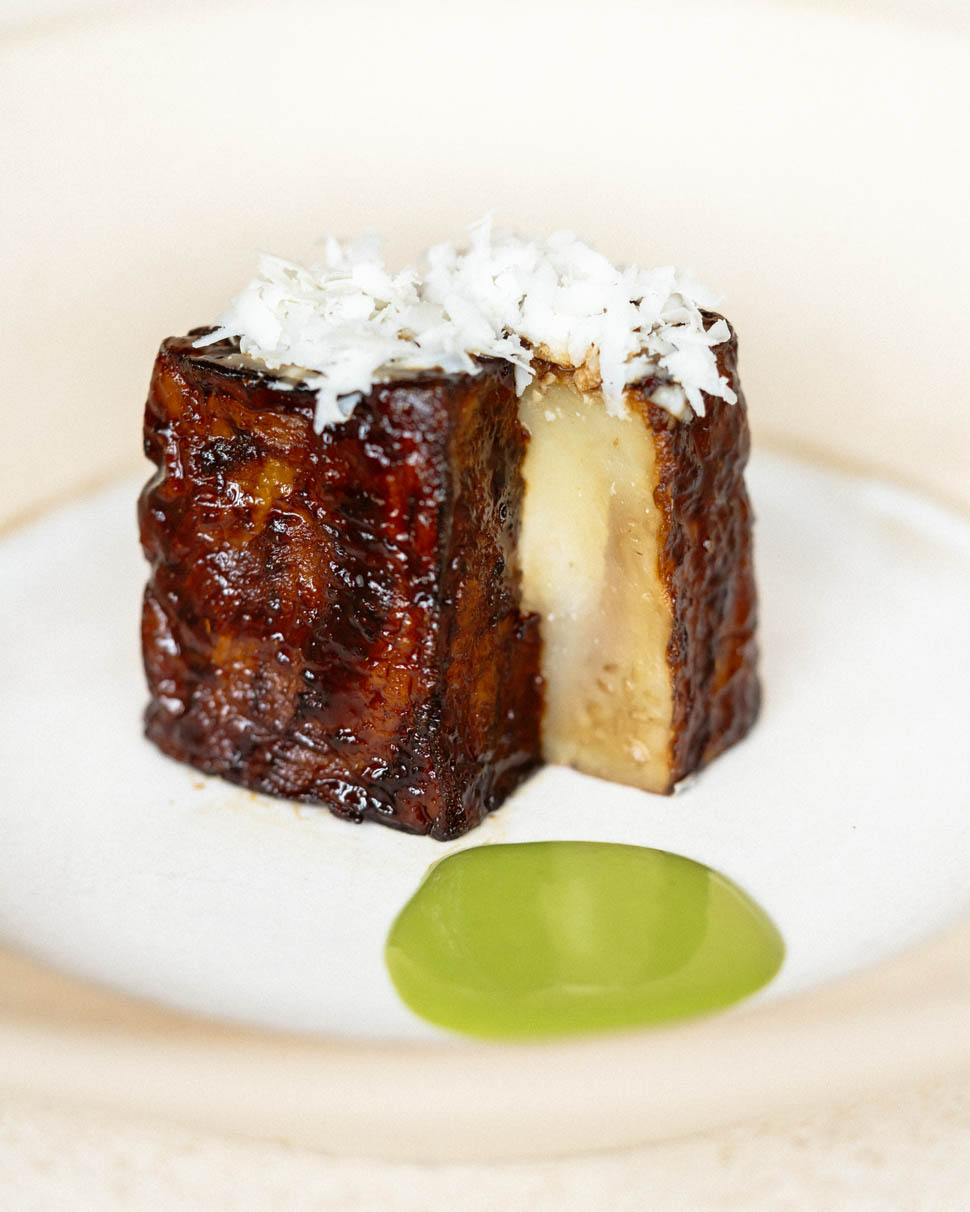
Abbattista's philosophy translates into cuisine that focuses on simplicity. He takes one main ingredient, combines it with two or at most three others (including condiments), and brings out its flavor. He does so without presuming to teach us anything, but with the gentleness of someone accompanying us on a journey down memory lane. Take, for example, the eggplant glazed with fig must, which recalls summer barbecues where meat and vegetables are seasoned with a simple mixture of herbs and garlic.
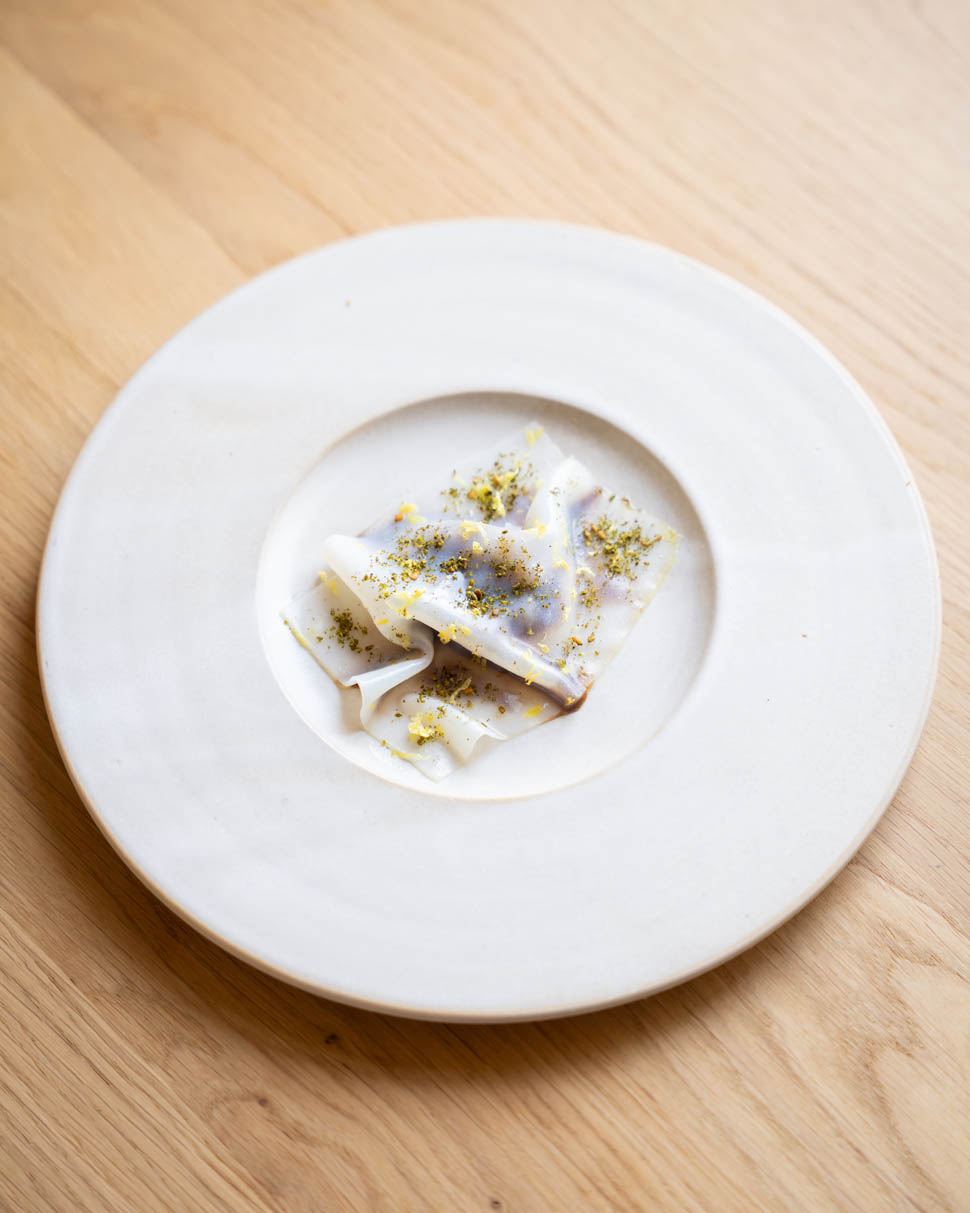
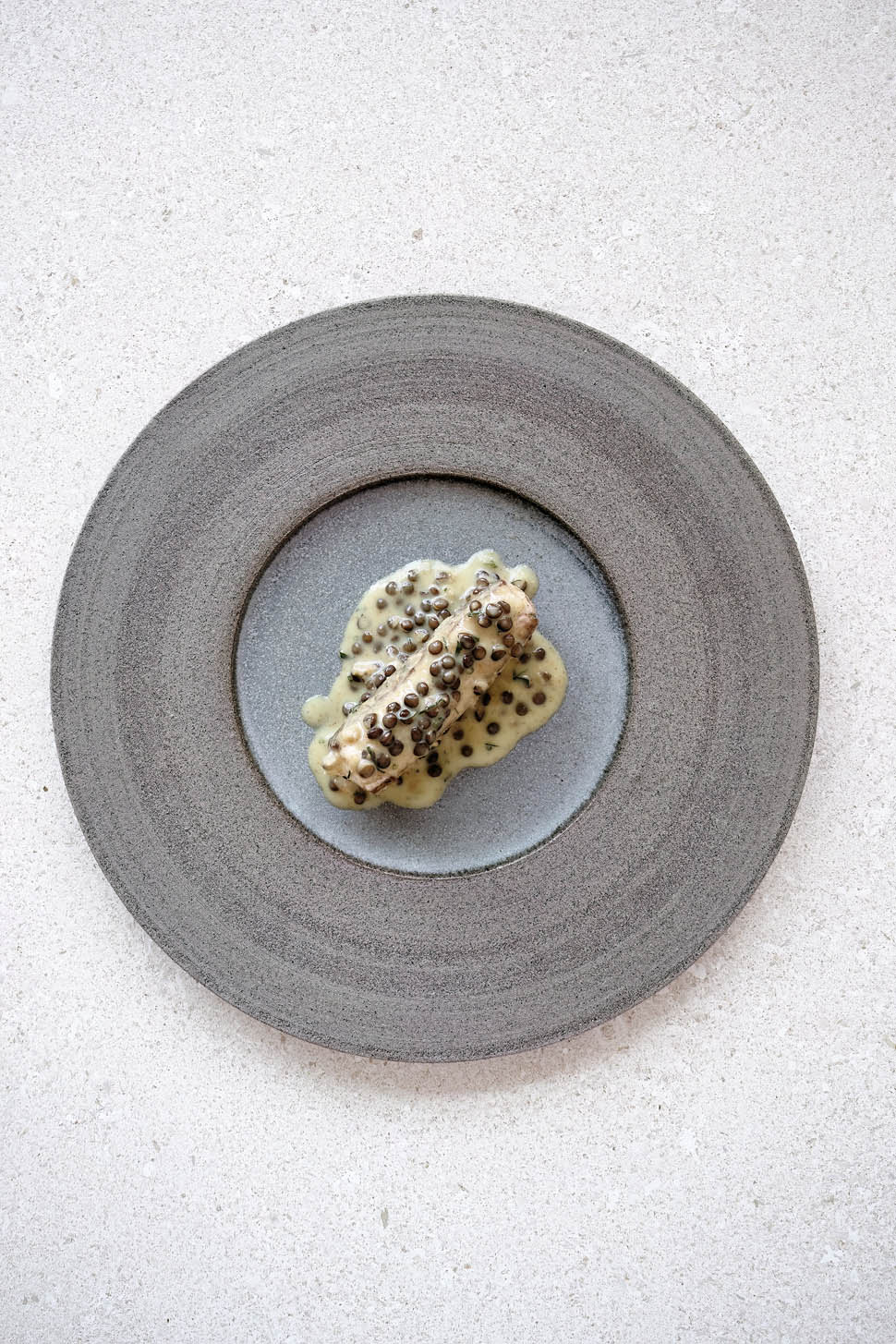
The focaccia, symbol of the restaurant's Apulian identity, opens and closes the tasting menu and, if you decide to eat à la carte (how wonderful are restaurants where you can still choose what to eat without egomaniacal impositions), it will arrive with the bread service together with an exceptional extra virgin olive oil. I said it closes because, at dessert time, you can order it in its sweet version. Another very interesting dish is his Cuttlefish and Jerusalem artichoke. A thin layer of cuttlefish that, unlike many I have eaten, manages to maintain a tender yet firm texture. The concentrated flavor of the sauce underneath, made from cuttlefish heads, is astonishing.
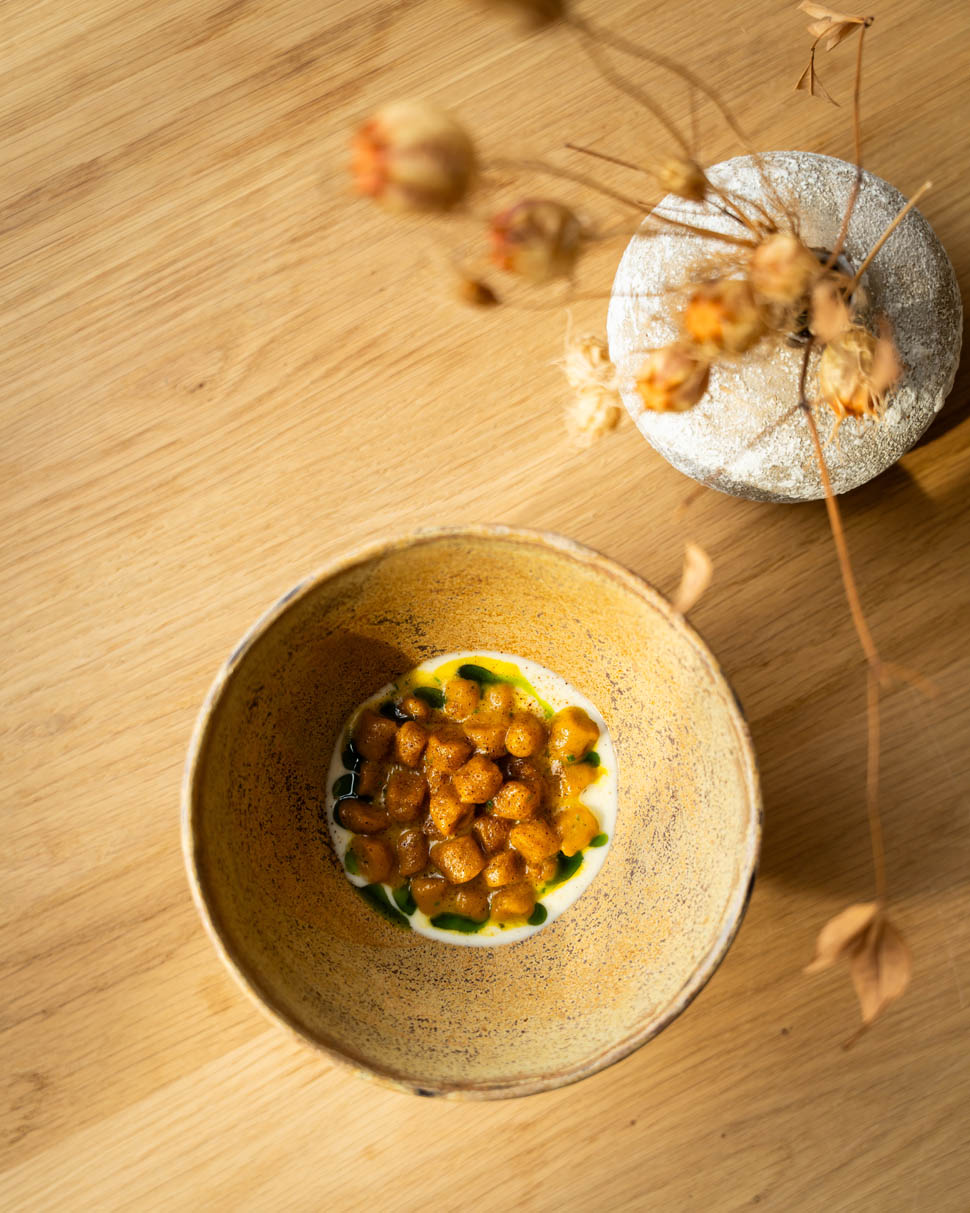
The pumpkin gnocchi with robiola cheese and berberè are delicious and tireless. Sweetness and acidity are rounded off by the skillful use of spices that revitalize the flavor of the dish, enhancing its autumnal notes. But if there is one dish I invite you to try, it is undoubtedly the guinea fowl with chestnuts and quince. No low temperature, no oven cooking, just a strip of breast meat cooked instantly in butter, lots of butter. The color and texture of the meat were moving. This dish was so melt-in-the-mouth that I had to ask the chef twice what cooking technique he had used, as it seemed impossible to me that such tender fillet could have been cooked without even a turn in the sous-vide machine. It reminded me of the classic chestnut-stuffed guinea fowl of festive days, updated with opulent presentation and embellished with the sweet yet slightly tart purée of quince.
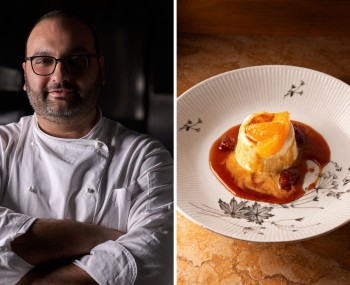
Then there are the desserts. Chef Abbattista has a sweet tooth and readily admits it: “I like desserts that are sweet,” in defiance of those who for years have recited the mantra of the not-so-sweet dessert. Persimmon and cinnamon sorbet, reminding us that autumn also has its fresh side, and sweet focaccia with saffron and citrus fruits. If I may make a comment on the accompanying sauce, I would say that the citrus note slightly overpowers that of the saffron. But nothing really disturbing. I mentioned elegance, a concept that is often associated with exclusivity. Nothing could be further from the truth at Abba, a restaurant that emphasizes in its prices that beauty and taste are for everyone. This is also demonstrated by the Provami tasting menu, in which the chef, with four courses at a very fair price, aims to introduce young people and novices to the experience of signature cuisine.
The location and the Certosa District project
Milanese people live in their neighborhoods and rarely venture beyond their boundaries. In this sense, Abba is at a slight disadvantage because it is located in a somewhat peripheral area. However, it must be said that it is also part of an urban and gastronomic renaissance: the Certosa District, a part of the city that is slowly awakening thanks to numerous new openings. Like all beginnings, this one is a little difficult, but then again, we also had doubts about the now famous NoLo at the time. Abba's dining room is spacious and bright, playing on neutral tones of sand, stone, and wood. It interacts with the kitchen, which is completely integrated into the dining room, creating a connection between the staff and the guests. Every element, from Barbara Arcieri's handmade ceramics to the warm lighting of the evening service, conveys the same idea of balance found in Abbattista's cuisine.
The “ABBA INCONTRA” project
With “Abba Incontra,” Fabio Abbattista transforms his restaurant into a platform for exchange with other chefs. The format, hosted within the Certosa District, includes a series of four-handed dinners where gastronomic paths and visions meet. After Davide Di Fabio (Dalla Gioconda) and Merlin Labron-Johnson (Osip), the third event featured Marcelo Ballardin (Oak, Gent), in a tasty combination of Mediterranean, South American, and Asian influences. Each evening is an open workshop, where technique gives way to cross-pollination and mutual listening. The goal is to create a shared narrative made up of products, ethical producers, and dishes that celebrate comparison rather than performance. The Abba Incontra calendar will continue in the coming months with new Italian and international guests: an opportunity to discover how cuisine, when it opens up, becomes a gesture of shared culture.
Contacts
Ristorante Abba
Via Varesina, 177 - Milano
Phone: +39 02 8568 9735
Email: info@ristoranteabba.com
Website: https://www.ristoranteabba.com