The powerful voice of the 23-year-old farmer who is revitalizing the primary sector.
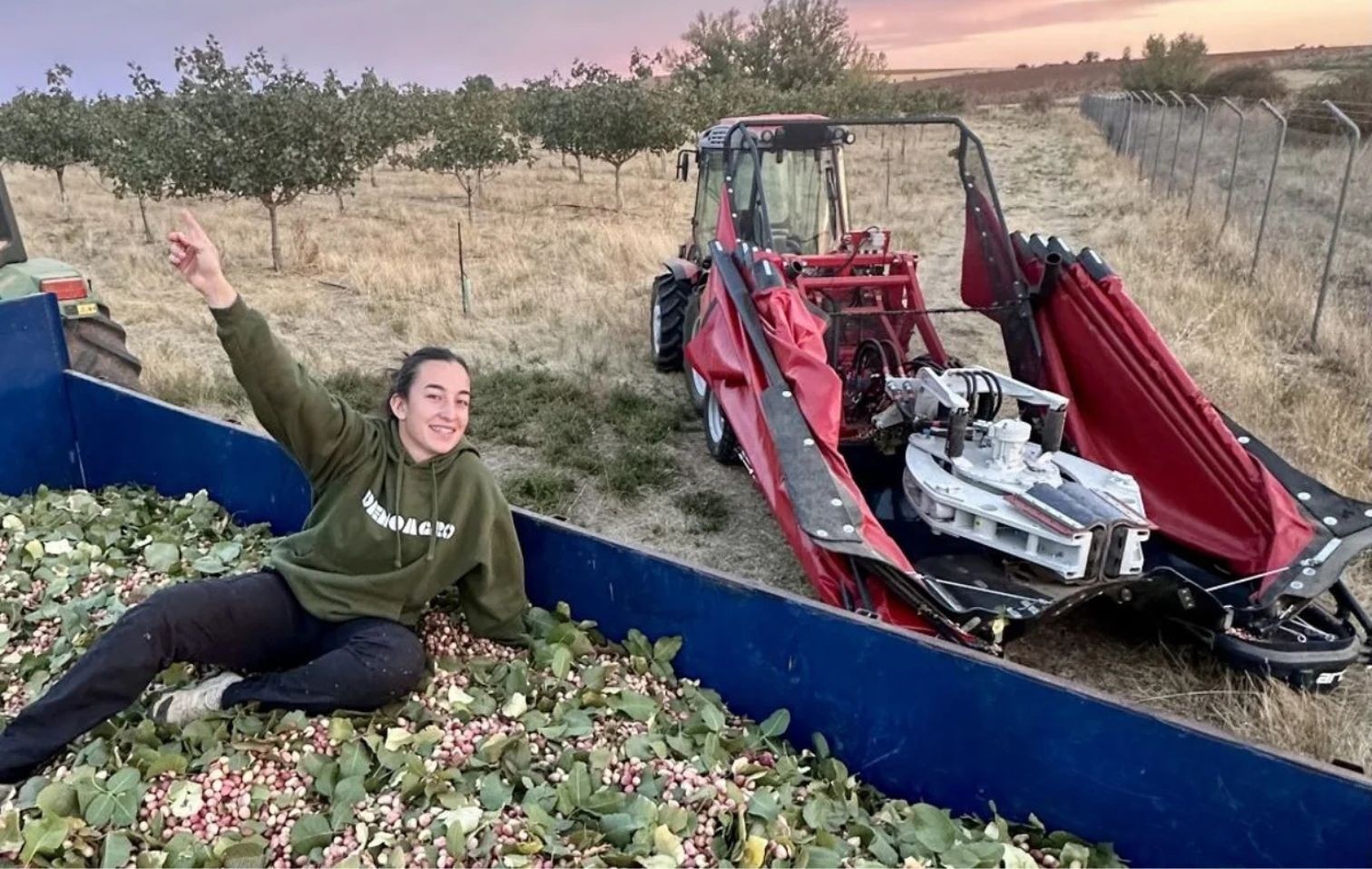
The 51st edition of the National Gastronomy Awards made history by leaving the capital for the first time to celebrate Spain's culinary wealth in the heart of Andalusia, in Granada. But the real surprise of the evening, the one that drew the longest and most sincere applause from an audience of Michelin-starred chefs, academics, and high-profile politicians, came not from a renowned chef, but from a young farmer. At just 23 years of age, Pilar Pascual, an agricultural engineer, farmer, and breeder, received the “Young Talent” award and took the opportunity to issue a powerful warning in defense of the primary sector, which has been silenced for too long.
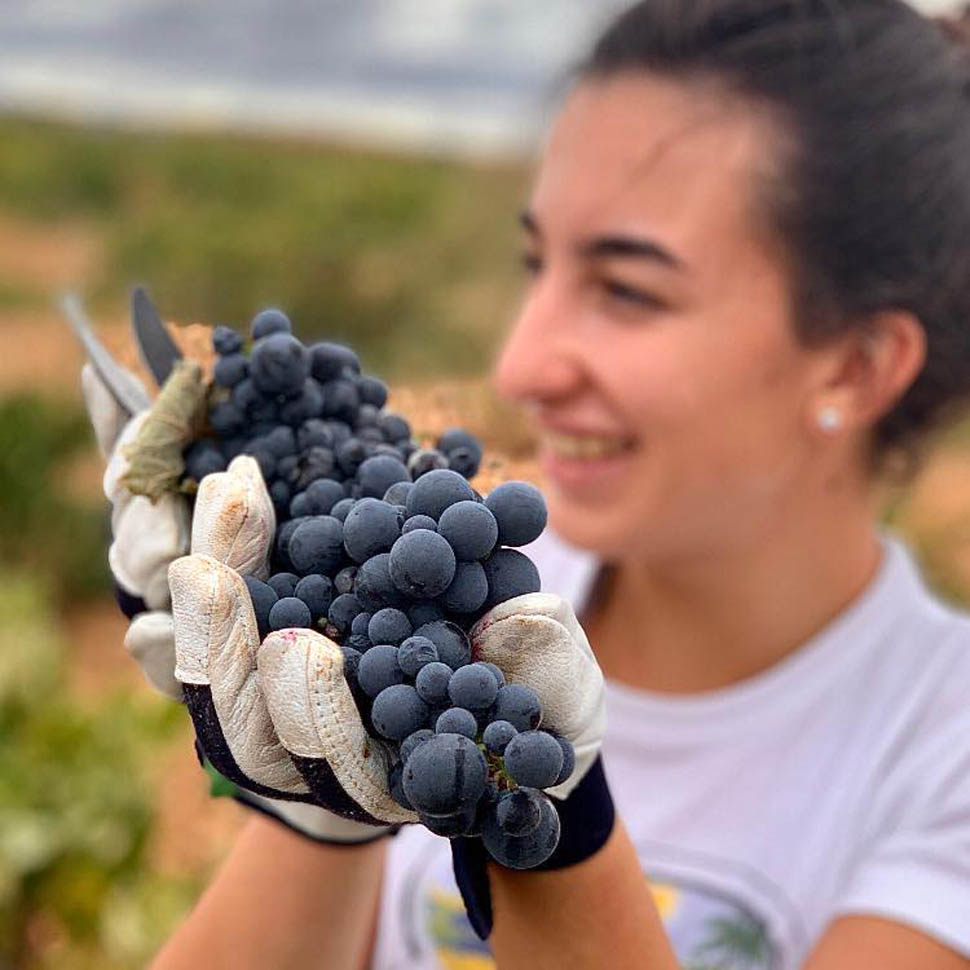
“Living off the land should not be an act of resistance”
Amidst the customary thanks and words of circumstance, Pascual's statement came as a bolt from the blue. “Living in rural areas cannot be an act of resistance, but rather a viable lifestyle choice,” she thundered from the stage, taking advantage of the rare platform to speak directly to politicians and influential figures. The young activist, known on social media as @agripilar, gave a human face to her complaint by showing a photo of David Lafoz, a young farmer who took his own life in July after exposing on social media the “economic, fiscal, and emotional pressure” that crushes small independent farmers. “Being brave shouldn't be so expensive, and producing food shouldn't be something only brave people do,” she exclaimed, sparking a standing ovation that lasted several minutes. The key message? “You may need an architect or a doctor at some point in your life, but you need farmers and ranchers every single day, three times a day.”
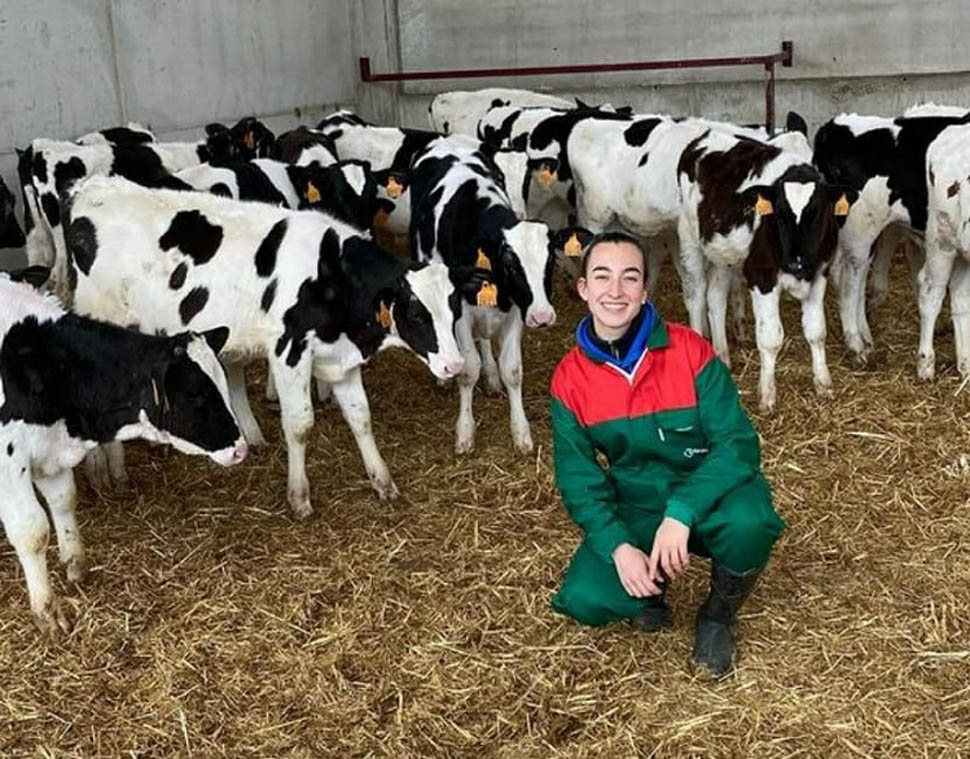
Pascual highlighted a dramatic contradiction: those who “rise before dawn to feed the world” are also forced to deal with “increasingly complicated bureaucracy,” without the social recognition and government protection they deserve. Pilar Pascual's story is one of a radical and conscious choice. Her parents, like many of their generation, were forced to leave the countryside in search of “something better,” breaking the chain that tied her family to the land. After completing her studies in agricultural engineering and traveling, Pilar decided to reconnect with her roots, returning to her village to start her own business.
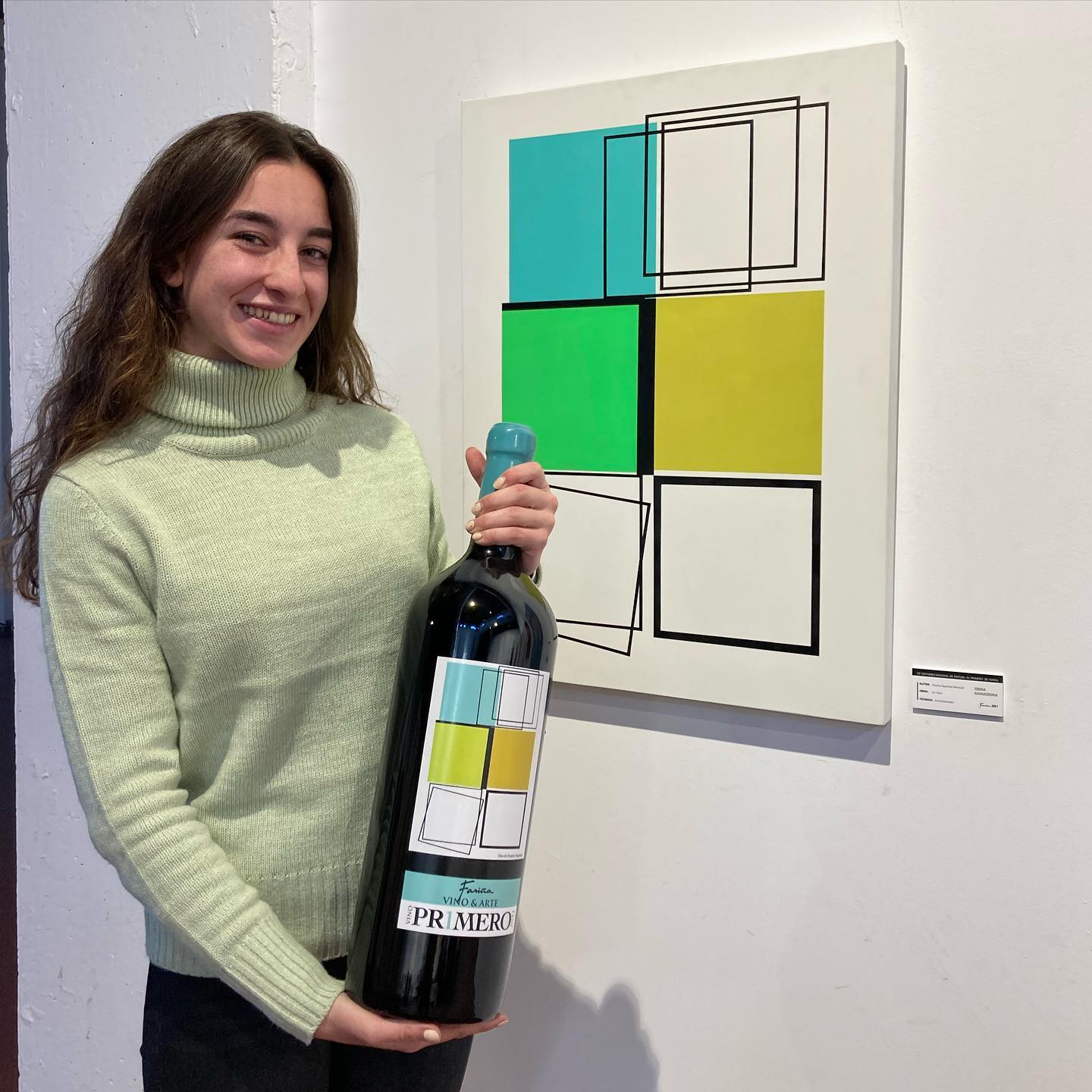
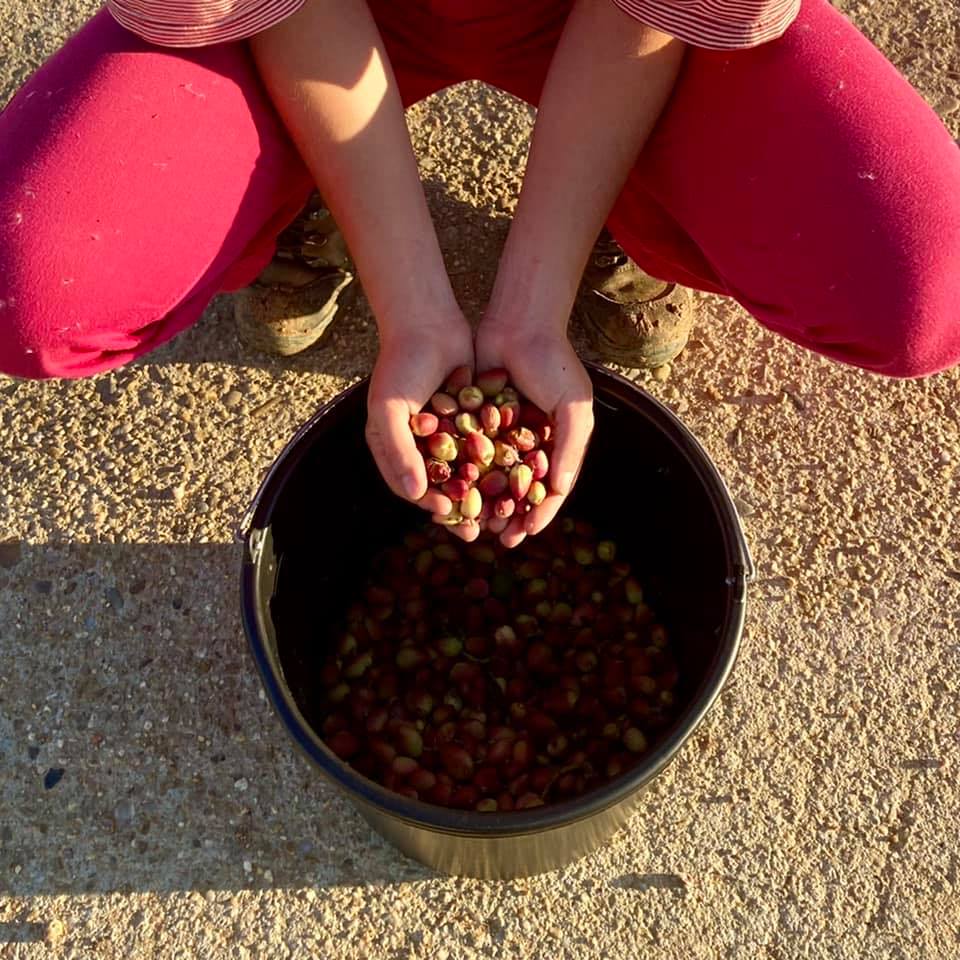
His is a modern farm that combines tradition and innovation: it produces pistachios and raises livestock. The core of his strategy is the elimination of intermediaries. Pascual focuses on direct sales to the end consumer, a method that not only guarantees the economic sustainability of his business, but also avoids the exploitation typical of large-scale distribution. In addition, he has turned social media into an essential tool for promoting his work, accumulating tens of thousands of followers. He uses digital platforms to recount the daily reality of the sector, build a relationship of trust with consumers, and dispel myths about life in the countryside. The “Young Talent” award in a context of haute cuisine shows that there is a generation willing to fight to make a living from agriculture, provided that this courage is supported by a fairer system. The commitment of people like Pilar Pascual to promoting culinary heritage, based on the primary sector, is the real spark of change for rural Spain.