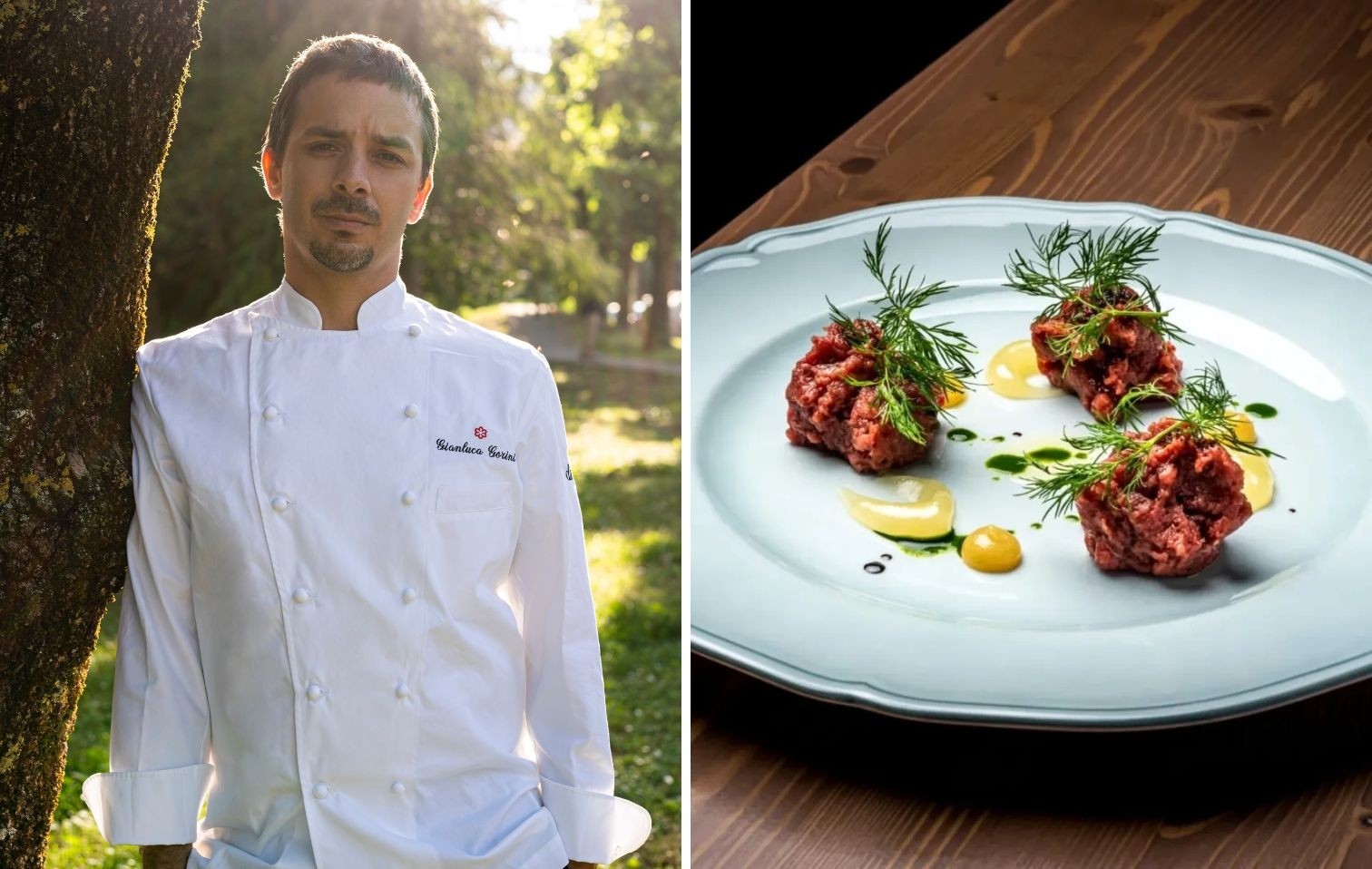
This is not just any restaurant, but a community affair: a place that has given San Piero in Bagno a reason for resilience and identity, something that they defend and talk about as if it were part of their daily lives.
The restaurant
I am one of three gastronauts in search of an aperitif, not glory. Sitting at a wobbly table in a bar in San Piero in Bagno, with a pinsa stuffed with coppa that tastes vaguely rancid and a cremantino that almost makes us regret the spritz, we look around, waiting for the right moment to arrive. We soon notice something unusual: when the locals spot a group of strangers, they don't talk about the weather, soccer, or the price of gas. No, here they all talk about a restaurant. “Da Gorini,” they chant with devotion.
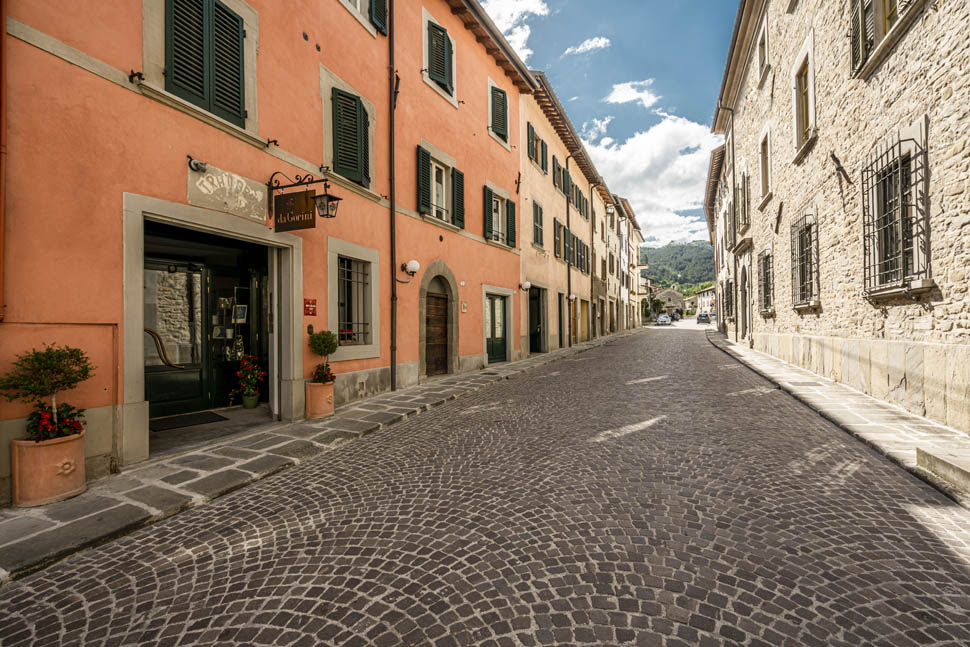
“But what is it about this restaurant that makes you so proud?” I ask quietly, watching the barista who serves us with pride. The woman stops pouring for a moment, straightens up, and replies without hesitation: “Da Gorini is not just a place to eat. It's our calling card, proof that even a remote mountain village can become a landmark.” The three of us exchange half-smiles. We sense that this is not just any restaurant, but a community affair: a place that has given San Piero in Bagno a reason for resilience and identity, something they defend and talk about as if it were part of their daily lives.
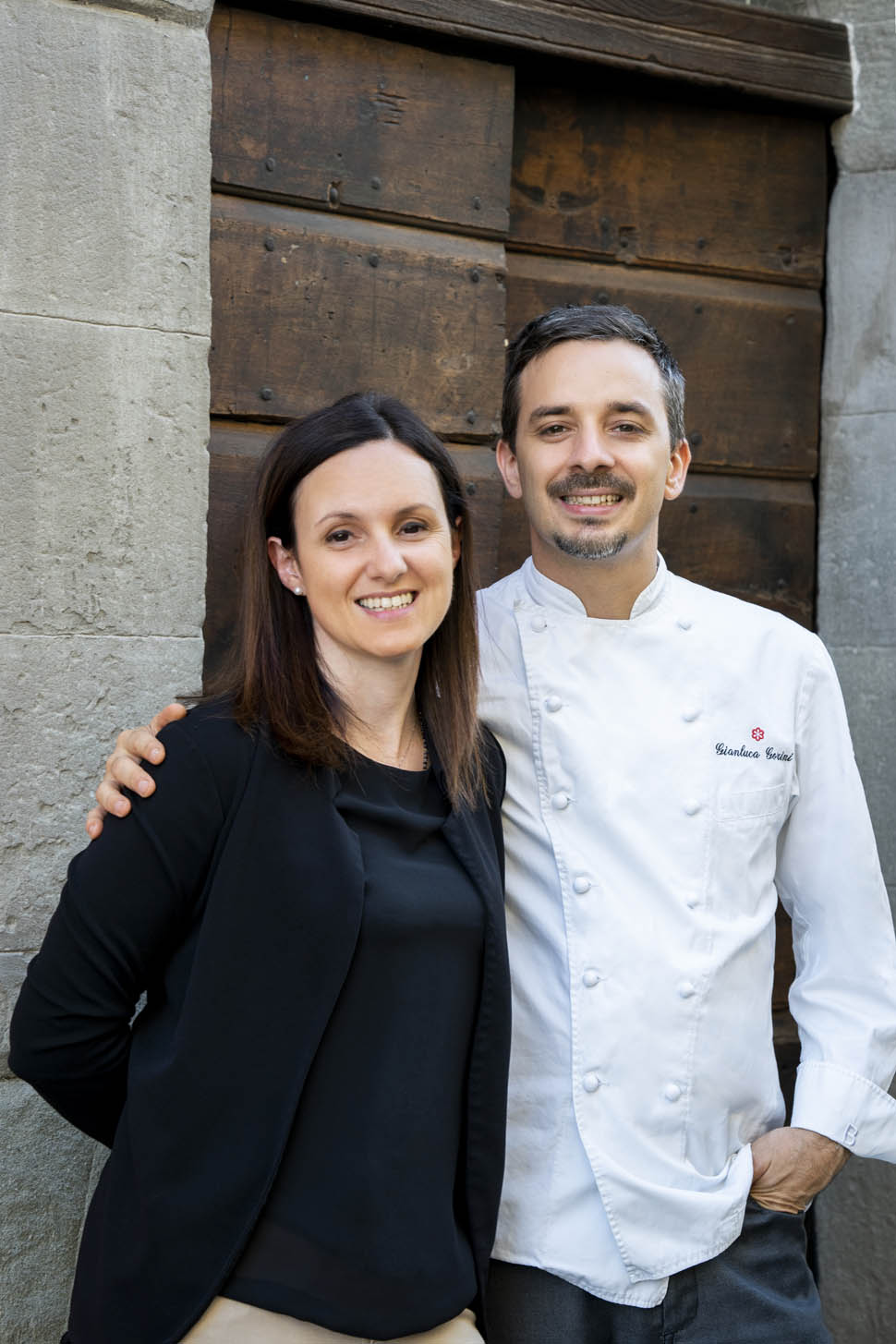
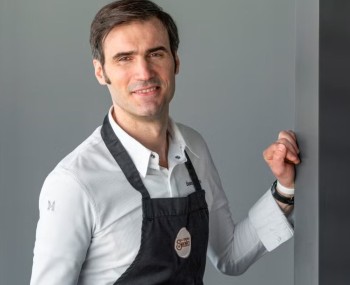
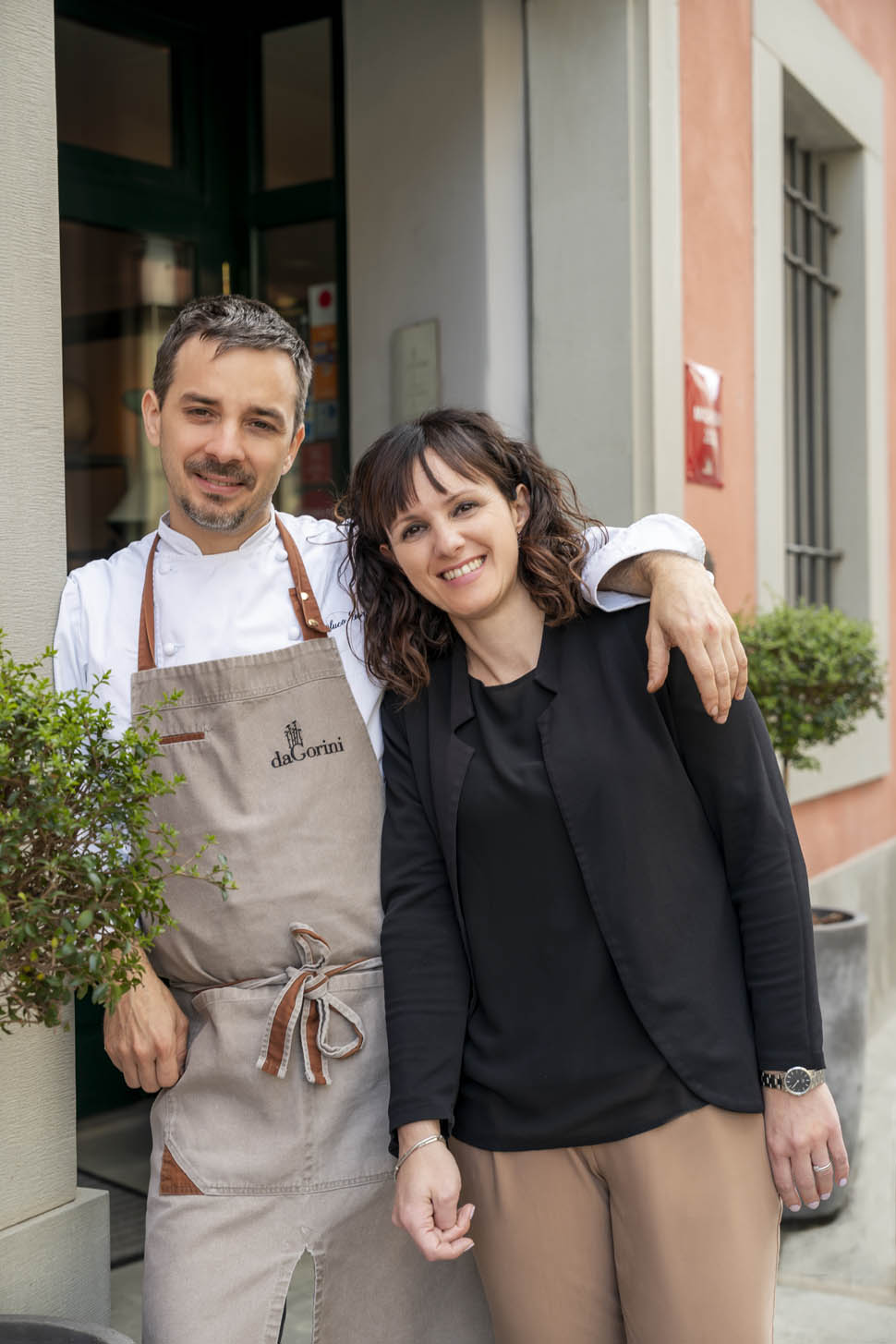
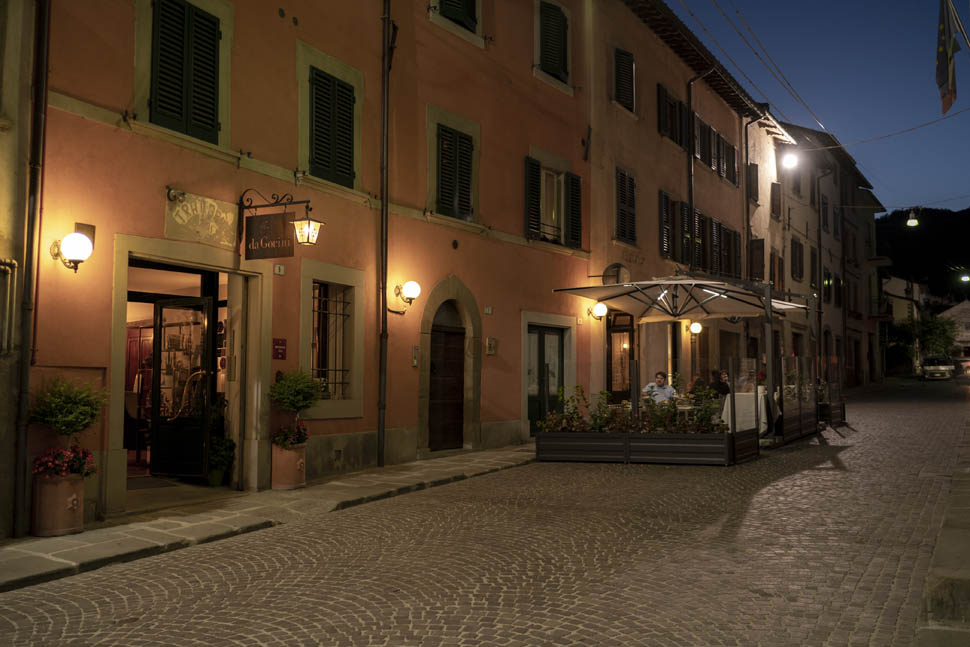
An outpost where the entire community is reflected in the talent of a young man who chose to stay, to cook his land and offer it at the table as if it were poetry. We say goodbye and in a few minutes we are in front of a simple, discreet, almost shy door. Above it, a sober inscription: Da Gorini. A true family business.
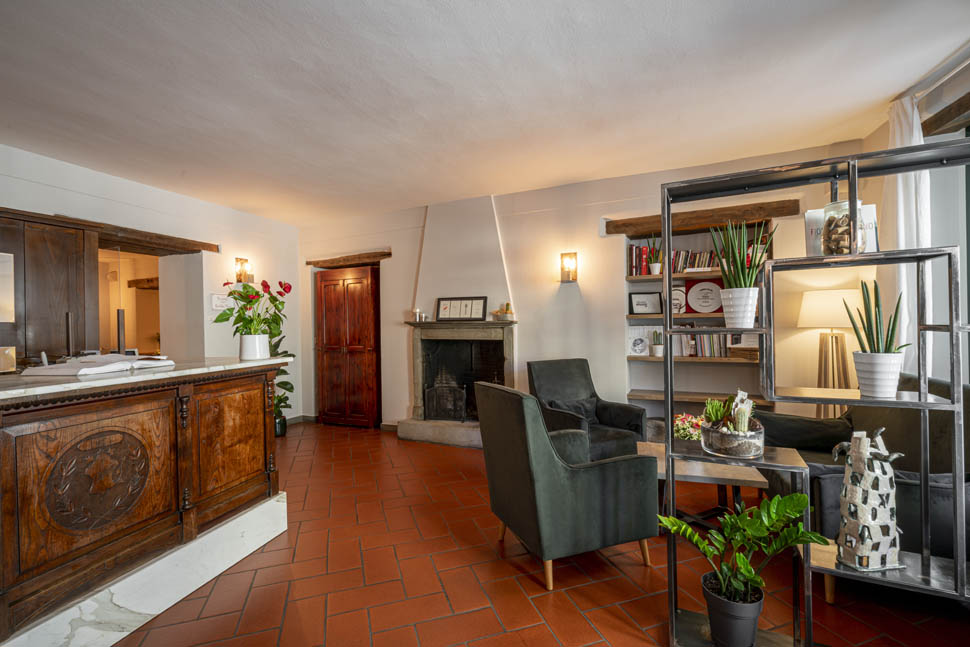
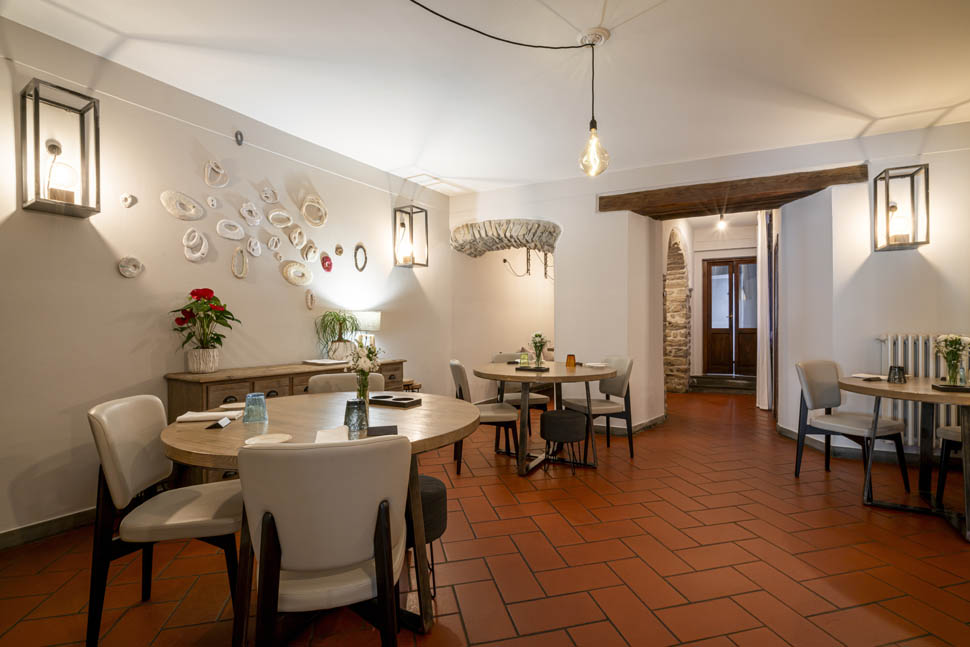
No ostentation, no picture-postcard luxury: just warmth. A fireplace ready to keep watch over the long winter days, a sober atmosphere, well-spaced tables. The air is filled with the scent of stone, resin, and aromatic herbs. We are welcomed by young, smiling staff who are knowledgeable without being intrusive. No forced bows, no pantomime typical of a Michelin-starred restaurant, even though it is one: just the naturalness of those who know that their work speaks for itself.
The dishes
Even before the bread arrives, here comes the aperitif: a prologue that is already a declaration of intent. A Scarlet bitter, surprisingly delicate, barely hints at its bitter verve: it does not scratch, it does not tire, but heralds one of the subtle lines that will guide the entire gastronomic journey. The same spirit returns in the small fried wild herbs, light and crispy, accompanied by an elegant mayonnaise that opens the stomach to an appetizing start. It is a discreet and measured entrance ritual: not a theatrical coup, but a respectful introduction to the menu, its suggestions, and its promises. No complicated explanations are needed: Gorini takes the most authentic Romagna and brings it to the table, with respect and courage.
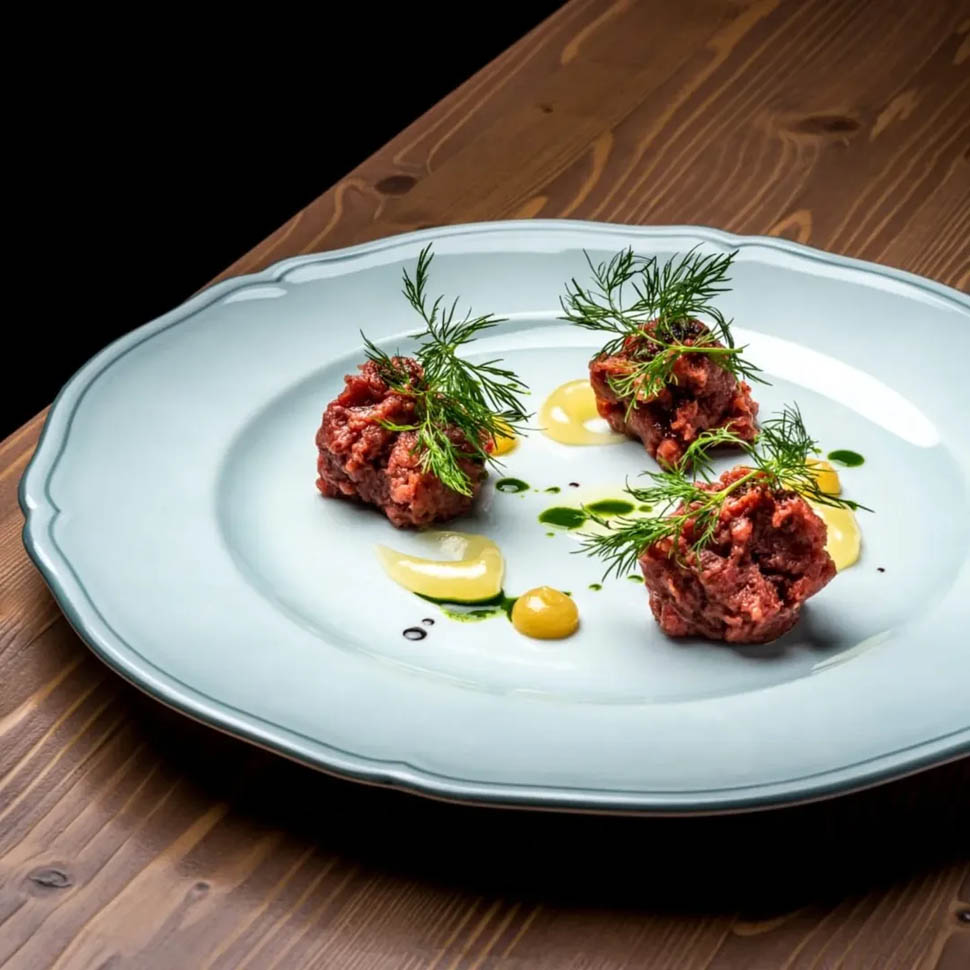
Its menu is a complete work of art, without any flaws. A balanced tension reminiscent of Canova's Three Graces: three figures that support each other, distinct yet inseparable. Thus, three well-defined souls move through the dishes: acidity, which refreshes and enlivens; spiciness, which gives vigor and depth; and bitterness, which accompanies discreetly and ties everything together. A calibrated, sometimes imperceptible interplay that underpins the entire journey and makes it harmonious, necessary, memorable. The taste journey begins with marinated trout, served with its eggs, saffron, and a touch of salted lemon: a start that smells of fresh water and sunshine, based on the balance between savory and fresh.
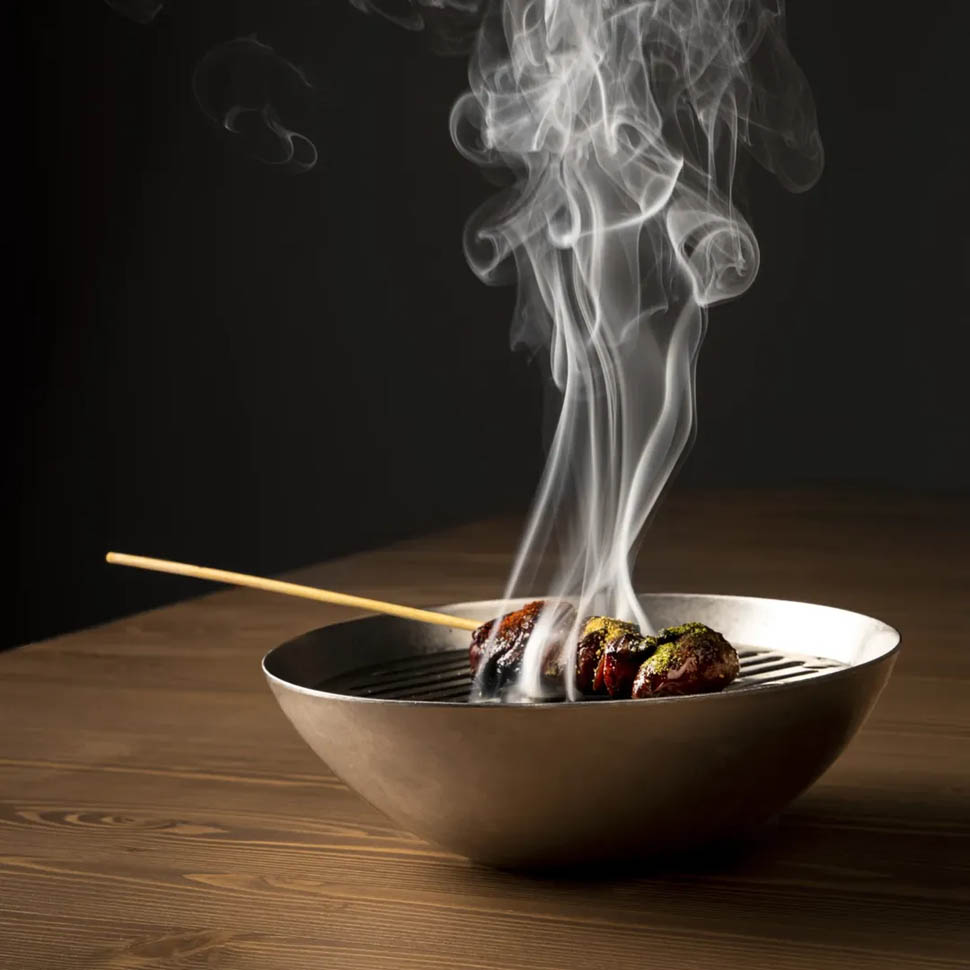
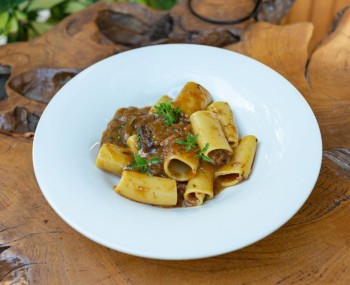
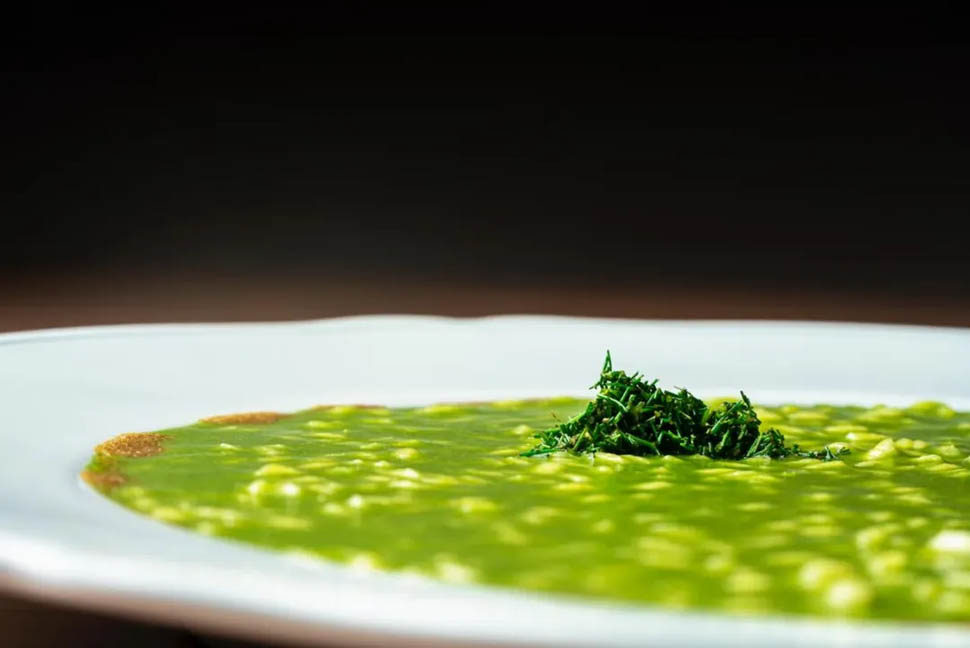
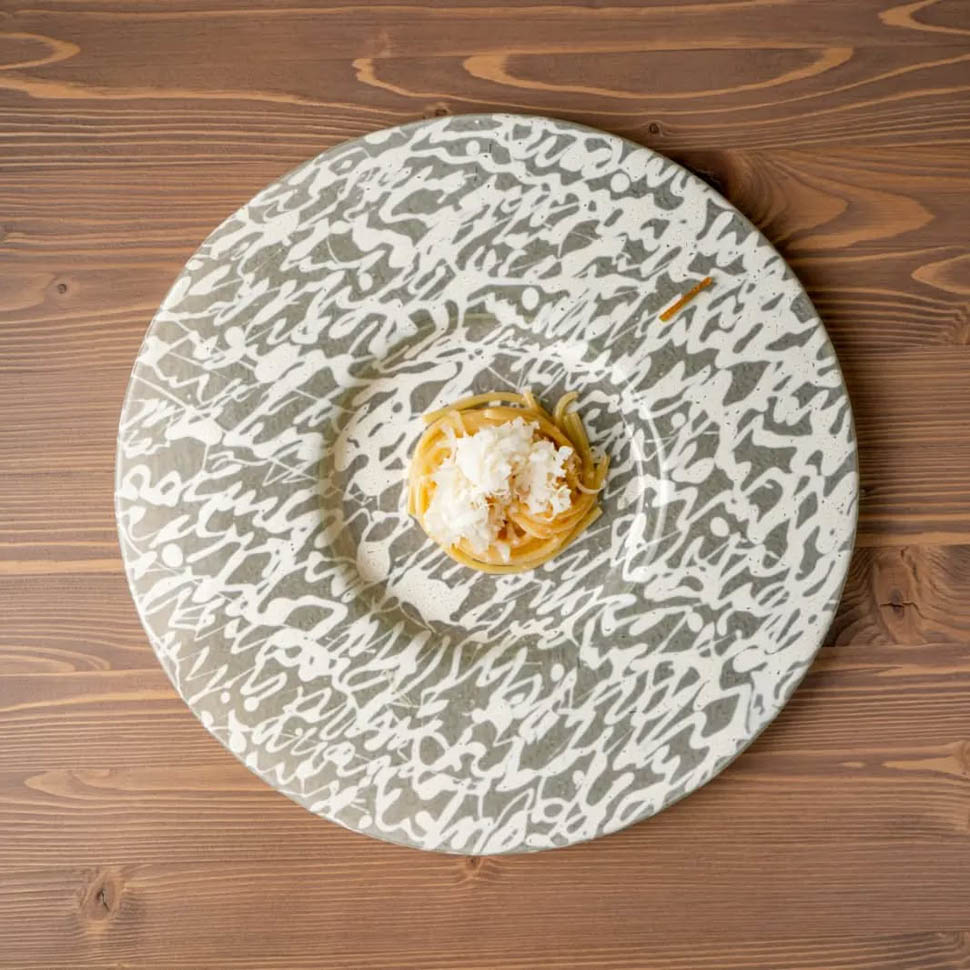
Then there are the chanterelle mushrooms, paired with apricot, almond, and catmint: a dish that evokes both the forest and the orchard, with a surprising and captivating interplay of sweetness and green notes. The fried sweetbread leaves no room for hesitation: crispy and vigorous, but lightened by vinegar and sea fennel, while the mussels bring it back to the breath of the Adriatic coast. The warm mezze maniche pasta with pecorino di fossa cheese, figs, and green pepper amazes with its temperature and intensity: not the classic steaming dish, but a refined balance between creaminess, sweetness, and spiciness. The lavender risotto with grilled tomato concentrate is pure poetry: floral and Mediterranean at the same time, a dish that seems to invent a new alphabet of flavors without betraying its roots.
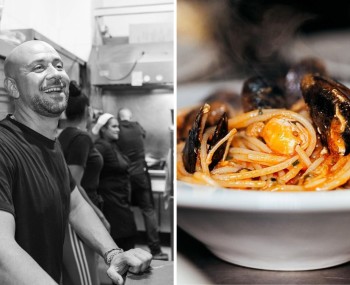
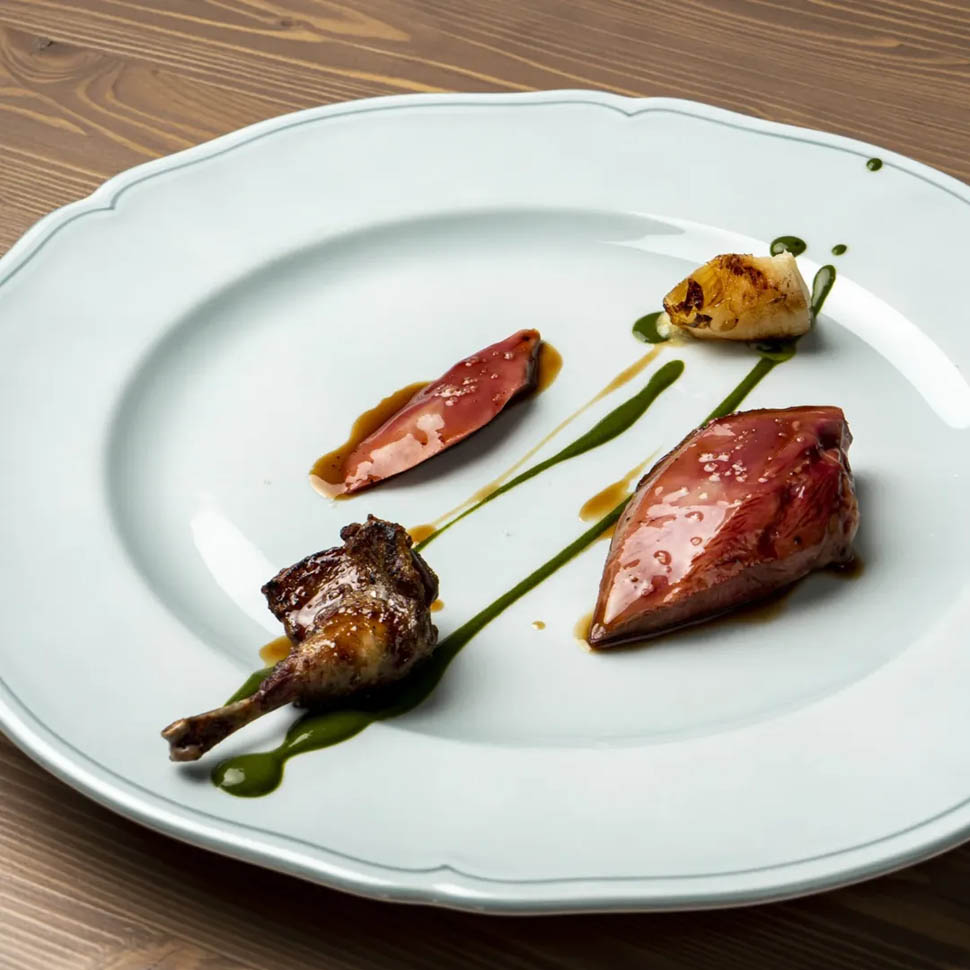
Then the duckling in two courses: first the breast, roasted with strawberry grapes and cloves, fragrant and enveloping; then the thigh, melted in red wine, which brings depth and warmth to the table. The wild boar liver with rosehip pizzaiola is perhaps the most daring dish: wild and delicate at the same time, with the rose sweetening and enhancing its strength. The Spaghetto Tonico is a burst of energy: essential and direct, combining innovation and contemporary vitality.
Finally, the watermelon carpaccio with pink grapefruit, wild strawberries, and chocolate closes the meal with lightness and irony: a dessert that seems like liquid summer, capable of quenching your thirst and surprising you without weighing you down. In the menu description, I chose to remain deliberately vague. I only mentioned the essential features, without revealing how the three main themes—acidity, spiciness, and bitterness—intertwine and chase each other in every course. I preferred to leave the pleasure of discovery intact, because it is in the succession of dishes that the design comes together: a crescendo of audacity and measure, culminating in a balsamic palatal reset, capable of dissolving any preconceived notions and freeing the senses. In that instant, the mind opens up, naked and receptive, and taste becomes the instrument of an unexpected, almost metaphysical flight towards infinity and beyond.
CONTACTS
Da Gorini
Open every day for dinner, except Tuesday.
Open for lunch on Saturday, Sunday, and Monday.
Via Giuseppe Verdi 5, S. Piero in Bagno (FC)
Phone: 0543 1908056
Mail: info@dagorini.it