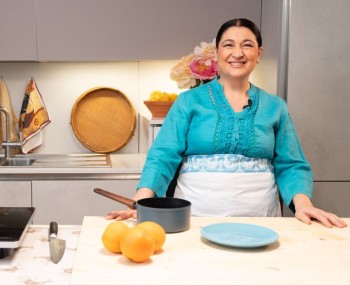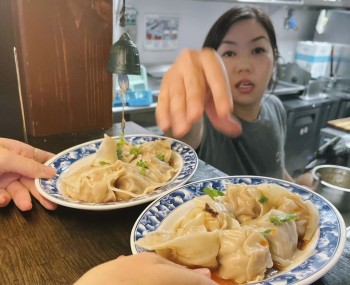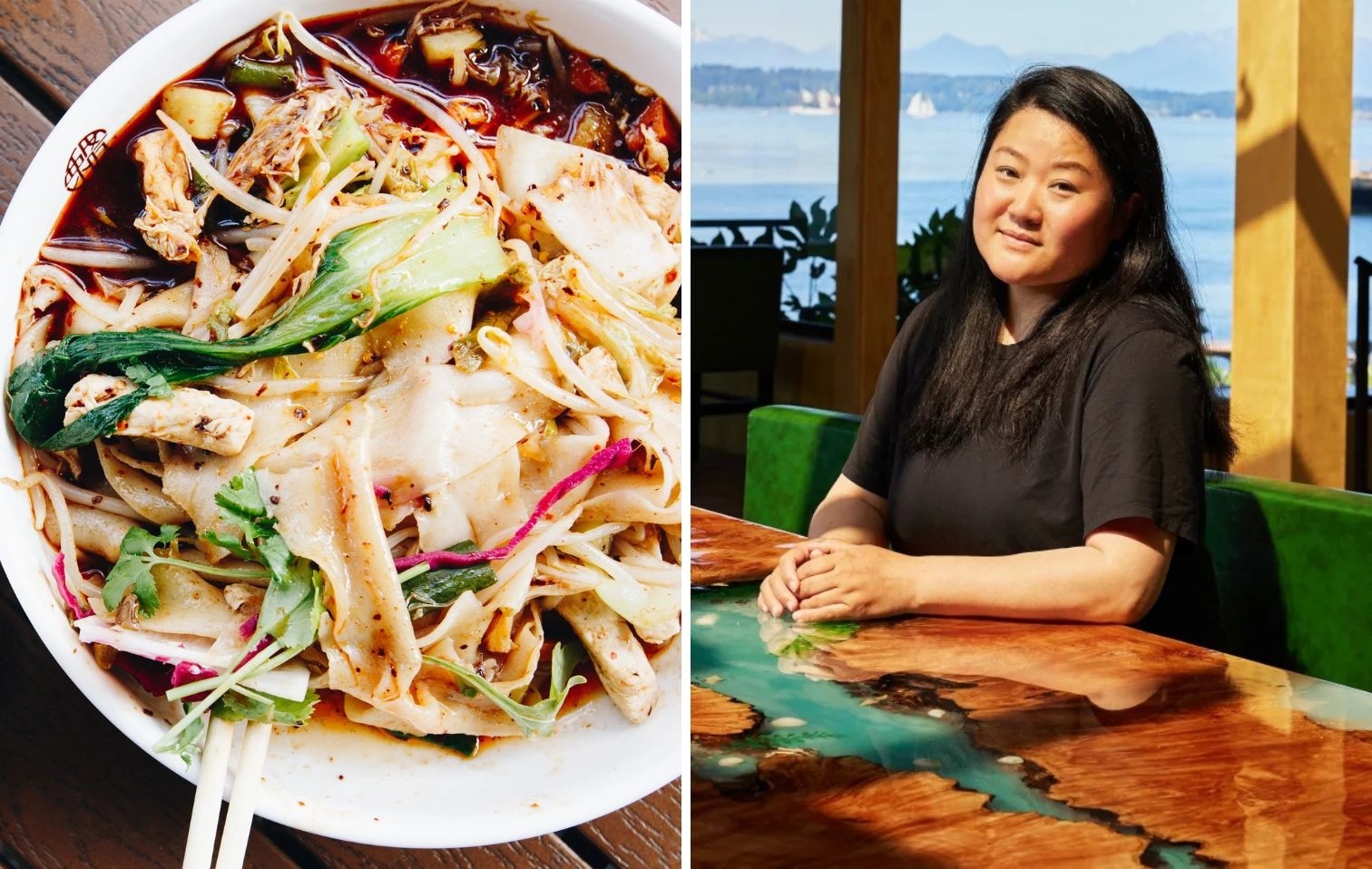
Before even conceiving her culinary empire, Lily worked up to fifteen hours a day as a housekeeper in hotels, never forgetting the lure of biang biang noodles. Years later, she returned to Xi'an to learn the art of authentic dough making, and then she had a stroke of genius: bring those authentic flavors to Seattle, transforming a traditional dish into a city phenomenon.
Cover photo of Lily Wu: Amber Fouts
The story
Lily Wu turned her childhood dream into a culinary journey that combines nostalgia, technique, and entrepreneurial courage. Born in a small village in Jilin Province in northeastern China, Wu remembers the dirt roads, cornfields, and distance from the wealth she wanted to bring to her family. “One day I saw a paved road and a car,” she told Eater, “and I decided I wanted a different life, and to make money to change my family's destiny.” That determination, forged amid dusty trails and frugal meals, is now evident in every dish at her Seattle restaurants.
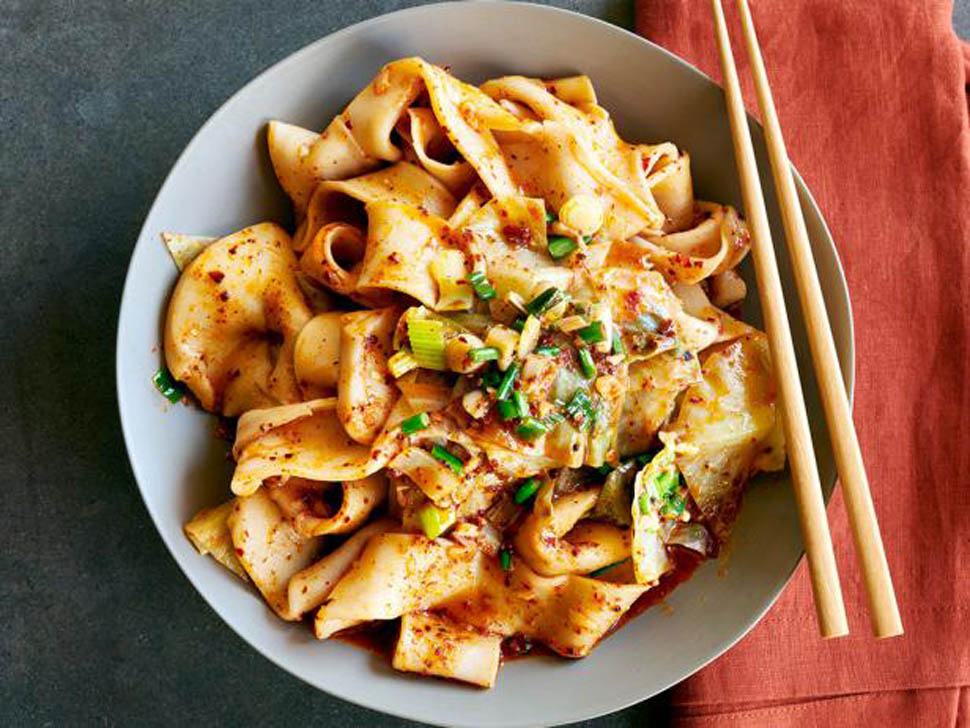
Her journey to America began in 2006, with a student visa and a smattering of English in Brooklyn. Before even conceiving of her culinary empire, Lily worked up to fifteen hours a day as a hotel housekeeper, never forgetting the lure of biang biang noodles—those long, wide, seductive strips of pasta, both soft and chewy, that she had tasted for the first time in Beijing. Years later, back in Xi'an to learn the art of authentic dough making, the stroke of genius came: bring those authentic flavors to Seattle, transforming a traditional dish into a citywide phenomenon. In 2014, the first step was QQ Mini Hot Pot inside Woori Market, a small space that offered customized malatang and allowed Wu to perfect the preparation of biang biang noodles and liang pi. The closure of the shop did not stop her; with determination, she returned to the restaurant business by opening Xi'an Noodles in the University District in 2016, a restaurant that would mark the beginning of a small chain. Every detail of the restaurant—from the decor to the kitchen—was handled by Wu herself: “I didn't have a plan, just a rolling pin and a lot of perseverance,” she says, “but I learned a lot, and every experience, no matter how difficult, enriches life.”
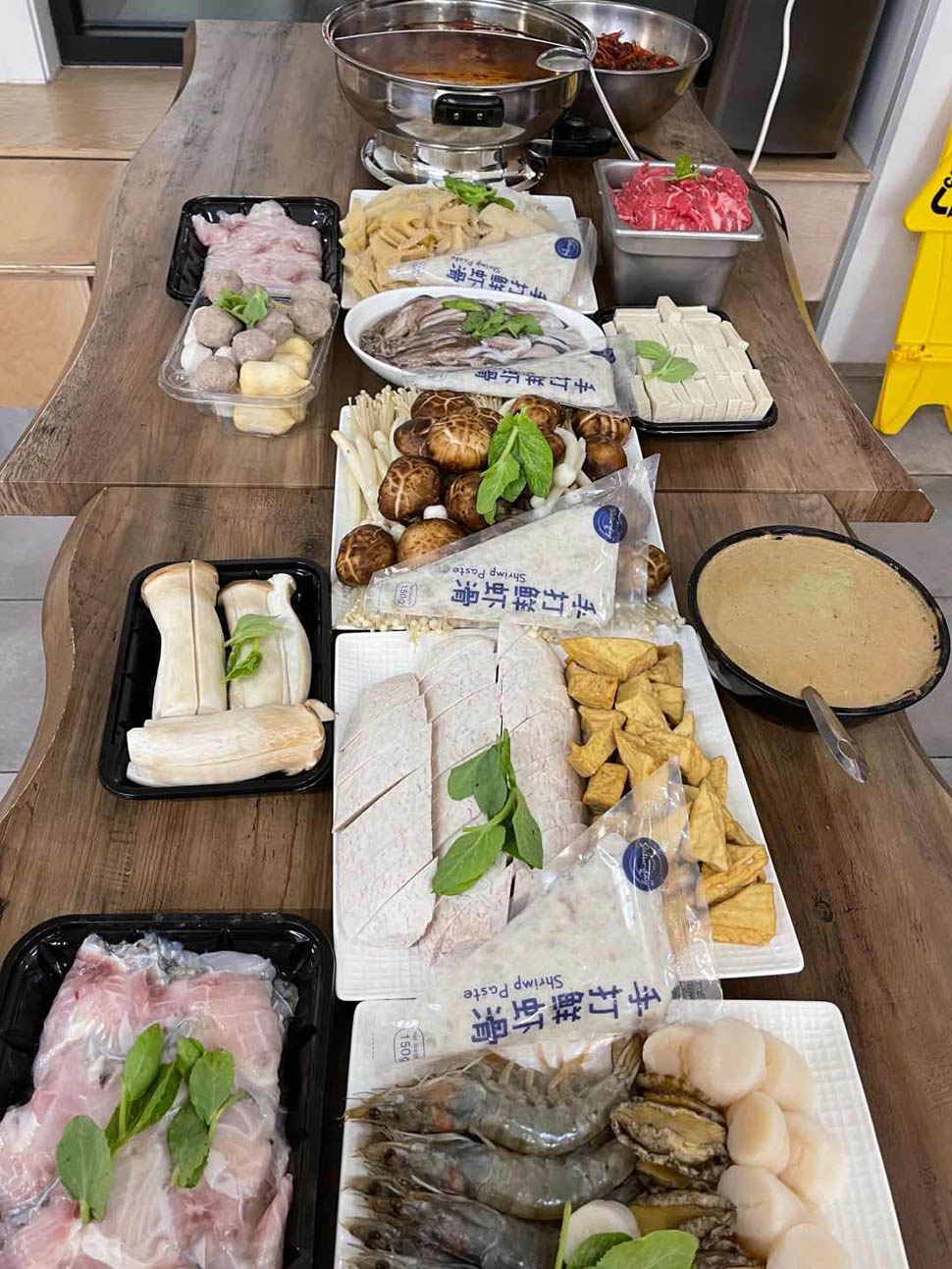
The 2020 pandemic did not discourage the chef; on the contrary, it was an opportunity to renovate the restaurant in the University District. This was followed by openings in Westlake Center and Bellevue, expanding the scope of her business and consolidating Wu's reputation as a modern interpreter of authentic Chinese cuisine in Seattle. But her most ambitious dream was still ahead of her: Happy Crab on the Ballard waterfront, in the space formerly occupied by Anthony's Homeport, which opened in December 2024. Happy Crab is the result of a fusion of Chinese tradition and international influences, such as Cajun seafood dishes reinterpreted with Wu's sensitivity for the taste and texture of noodles. Crab butter on hand-pulled noodles, as well as ma la dumplings, little treasure chests of numbing and spicy flavor, are just some of the creations that reflect years of refinement and research. The philosophy is clear: Michelin-star quality, made accessible, without social exclusions. “I want to create a place where anyone can enjoy the view, the sea breeze, the sunset, and the food,” explains Wu.
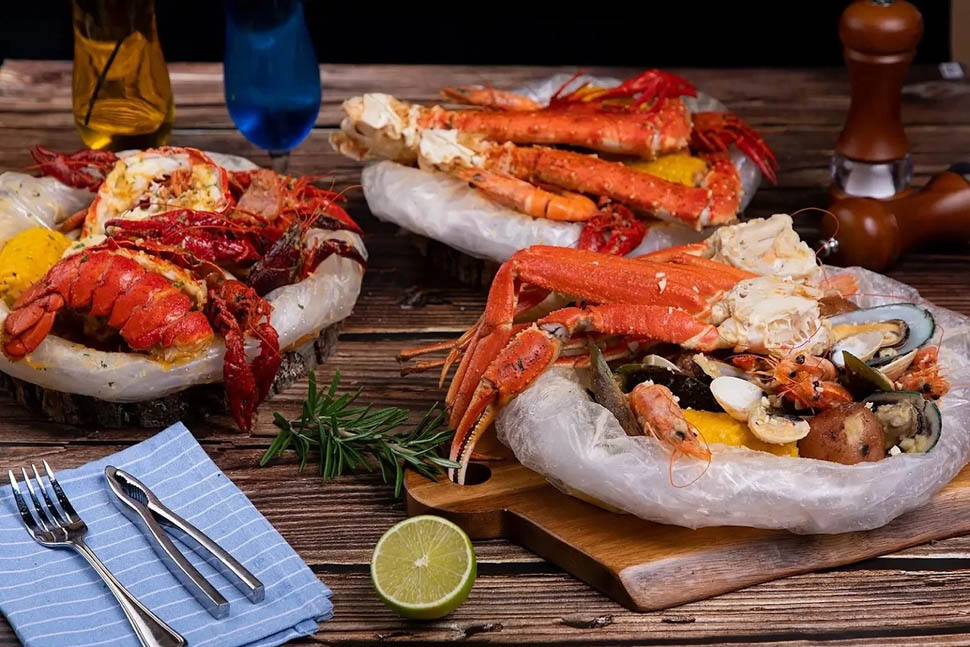
The restaurant's design reflects its cuisine: bright, airy, elegant but unpretentious, with spaces designed to host Resident Chef Nights, an initiative in which young chefs can offer their creations on the menu, sharing their experience and visibility. Wu aims to transform Happy Crab not only into a place of taste, but also into an incubator of talent, a crossroads of opportunities for those aspiring to enter the world of catering. Despite the growth and managerial complexity, Wu's approach remains rooted in simplicity and accessibility. Each dish tells a story of hard work, passion, and the connection between cultures and flavors. The combination of traditional noodles and international influences is never random: it is the result of refined technique, meticulous study of ingredients, and a desire to surprise without intimidating. The same attention to detail that has earned her a solid reputation in Seattle guides her choice of suppliers, the preparation of dishes, and the overall customer experience.
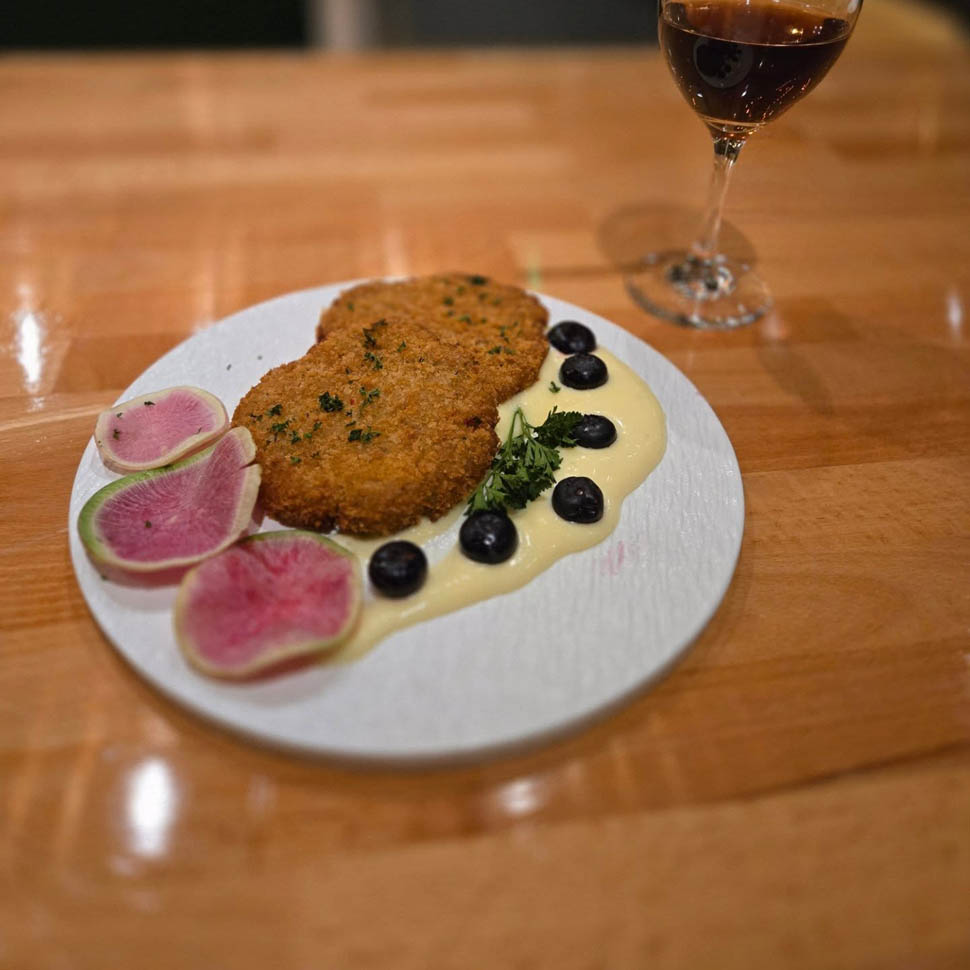
Today, Lily Wu is a shining example of how food can transform lives and communities. Her story is one of resilience, innovation, and inclusivity: from a small village in northern China to a Seattle dining icon, with a small empire of five restaurants and a new waterfront concept poised to impress. Happy Crab is not just a restaurant; it is an invitation to savor life, experience authentic flavors, and celebrate the opportunity to enjoy together, one plate of noodles at a time. Wu demonstrates that great cuisine does not have to be elitist: it can be accessible, generous, and capable of uniting culture, technique, and heart. In every biang biang noodle pulled, in every buttery and spicy crab, there is the story of someone who has turned obstacles into opportunities, passion into art, and hard work into celebration. In Seattle, his success teaches us that food is not just nourishment, but a bridge between people, cultures, and dreams.