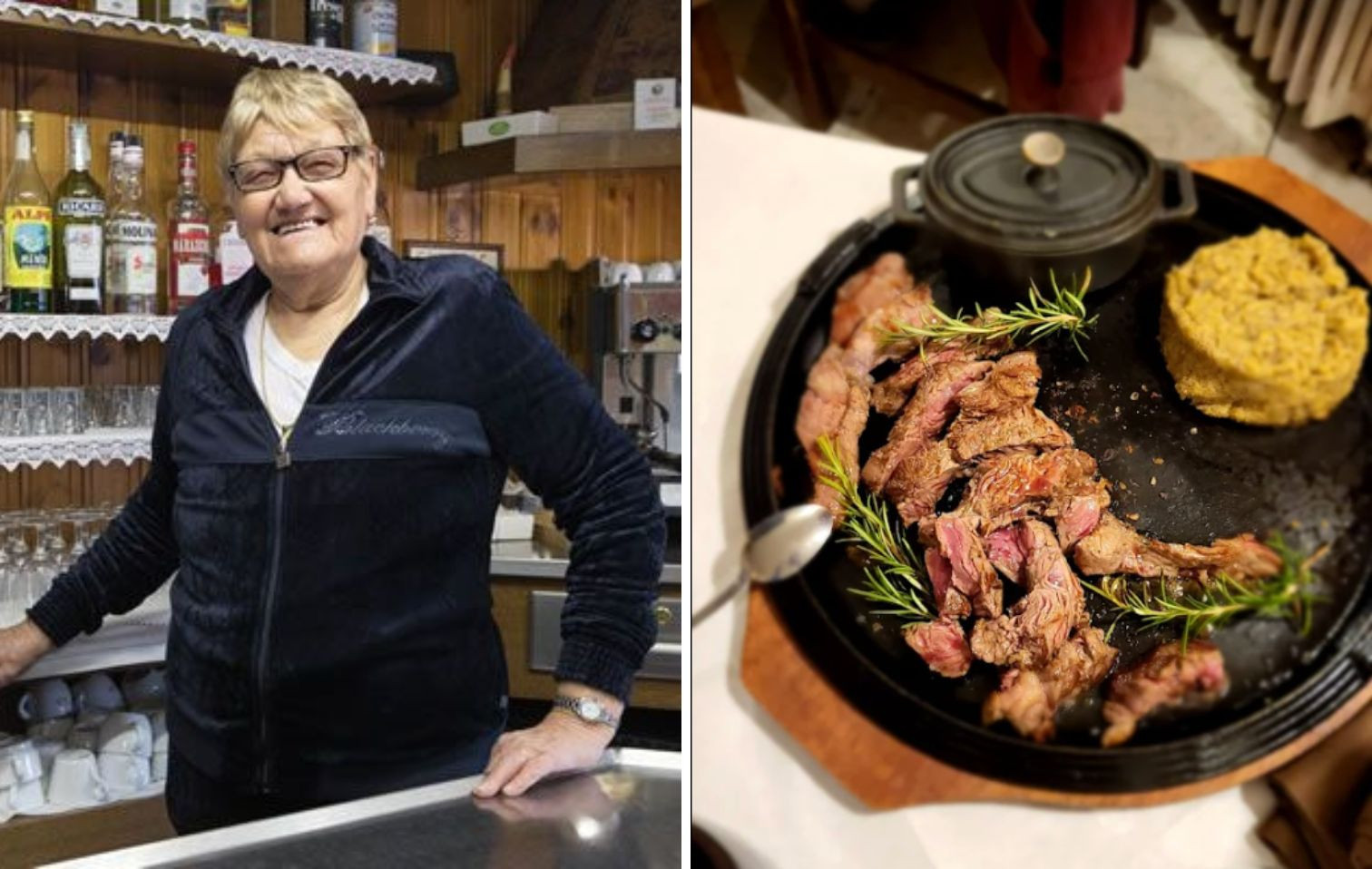
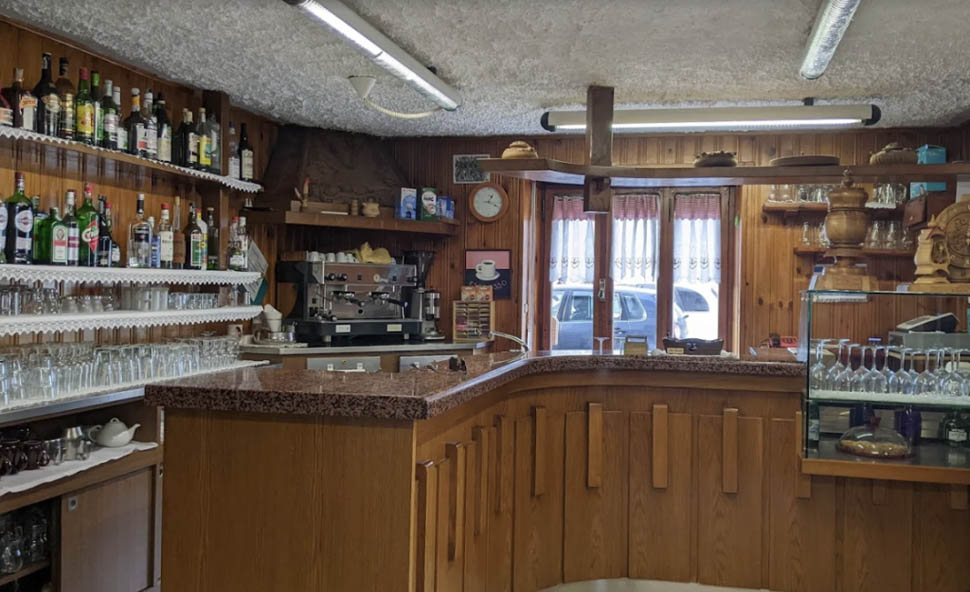
When you enter Trattoria Favre, the first place you come to isn’t the dining room—it’s the bar. It’s a difference that’s only superficial, because all it takes is a few minutes there to realize that the bar is just as much a part of the restaurant’s history as the kitchen. And perhaps it explains better than any menu why the Favre family continues to keep the trattoria open in Petit-Fénis, at 980 meters in the Saint-Barthélemy Valley, with Mount Emilius in front and the Saint-Marcel and Clavalité valleys below.
Cover photo by Centro Valle D'Aosta
The Place and Its Philosophy
The bar still serves the same purpose as village bars of old: you stop in for a coffee, to have a drink, to say hello to someone you know, and sometimes to sit down and play cards. When his work allows, the owner joins the patrons at the table and plays along. It’s a scene that speaks louder than many descriptions of mountain cuisine, because in that moment, the owner stops being the person on the other side of the counter and becomes one of the four players in the hand. La Favre is currently open on Fridays, Saturdays, and Sundays for lunch, with Sunday evenings by reservation. It’s the only way to manage a business that’s becoming increasingly complex, given the difficulties in finding people willing to work.
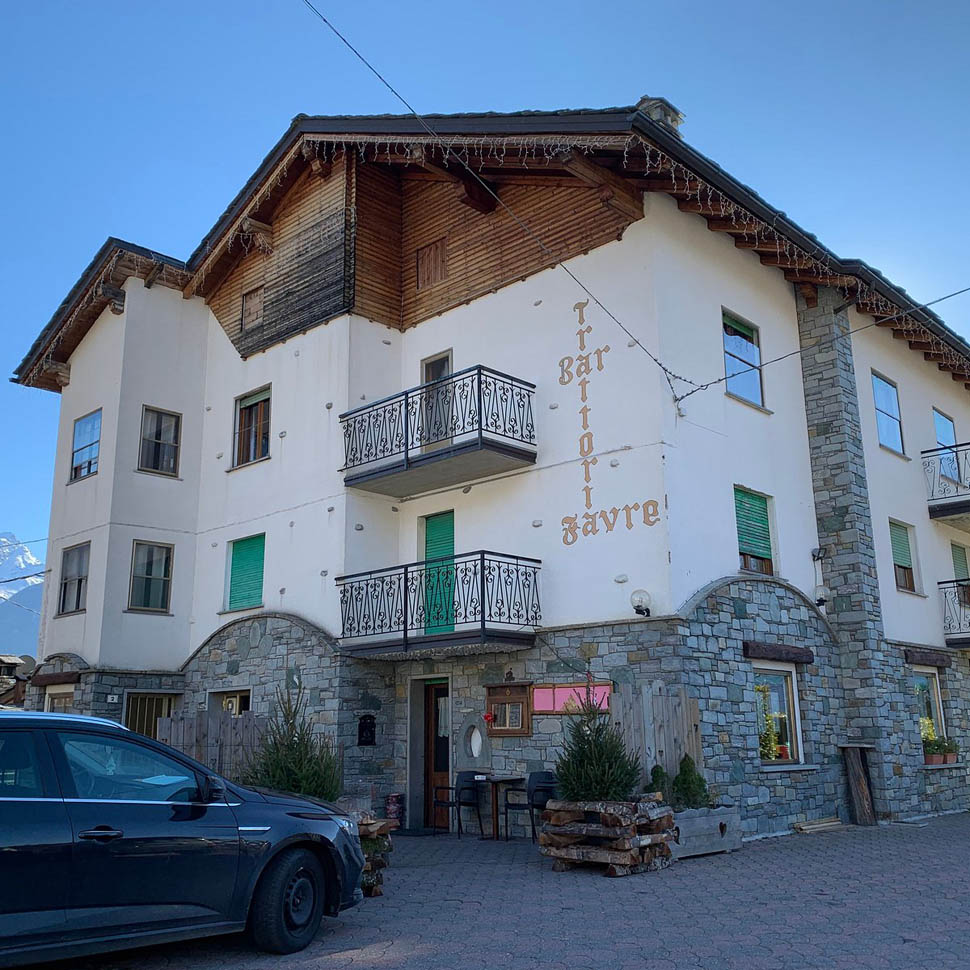
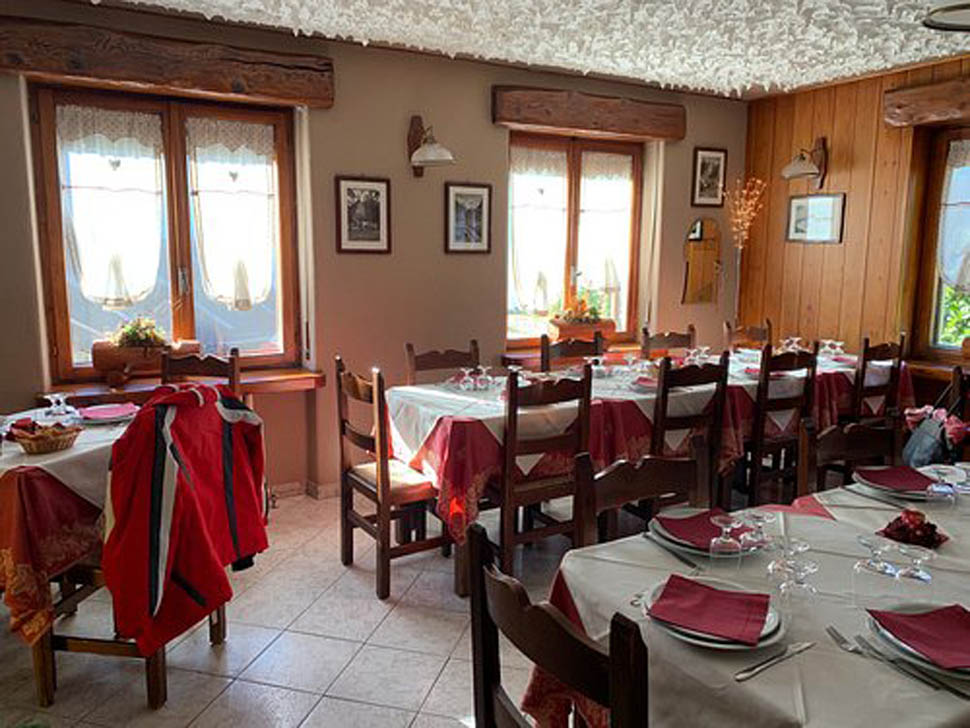
Three days may seem like few if you view the trattoria solely as a business that needs to fill tables. For the Favres, however, that’s all it takes to keep it open, balancing the work in the kitchen with a role that has little to do with the number of seats. The trattoria is also a place where people pass through, stop by, meet others, and play belote. The family supports the local soccer team, and here the card game takes on a very concrete meaning: a team needs players, and players need a place to gather. In this sense, belote is a very serious matter: it forces people to come together and make real, unmediated connections—not virtual ones. Four people, a table, an afternoon or an evening: to play, you have to be there. In a small town, this matters, especially when there are fewer and fewer places to gather and every closure takes away another opportunity to meet. It’s one of the reasons why La Favre doesn’t quite resemble those mountain restaurants that have learned to market themselves as tourist destinations.
The Tasting Menu
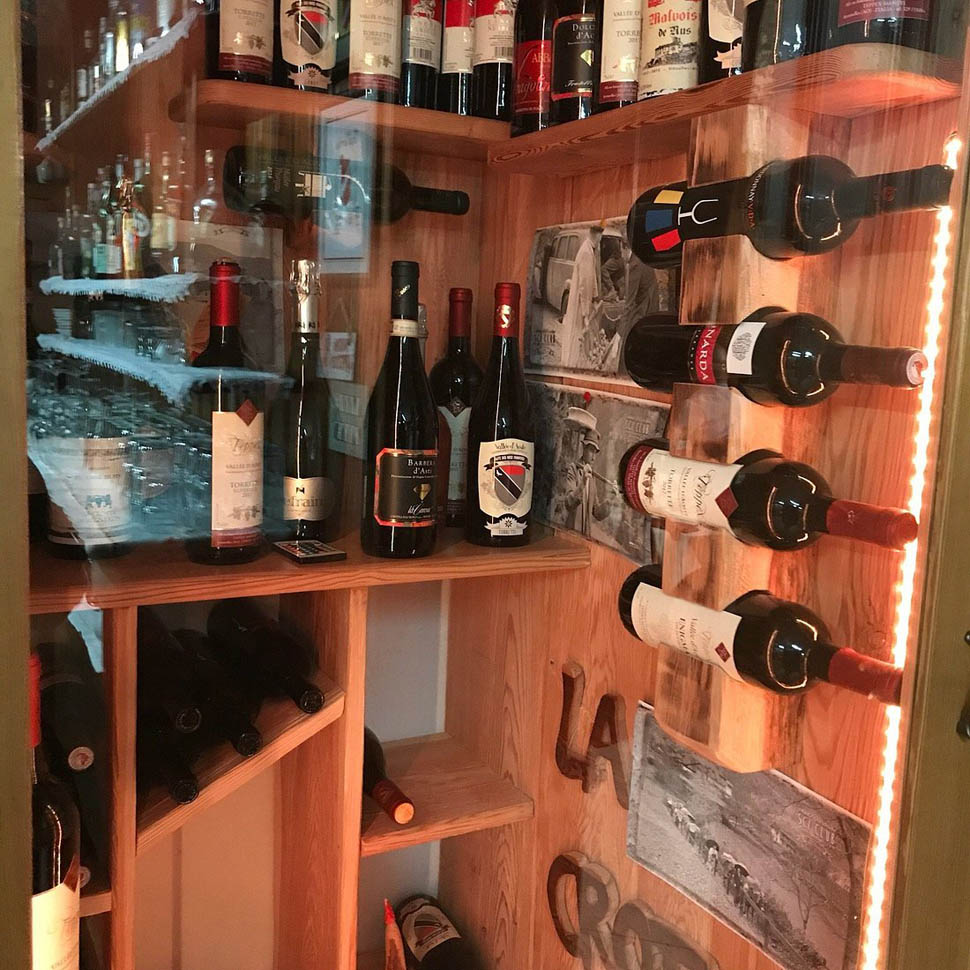
The view is certainly there, of course, and from the terrace you can see Mount Emilius clearly; the Aosta Valley cuisine is also on display, featuring Saint-Barthélemy potato gnocchi, crêpes, meat-stuffed ravioli, polenta with sausage, carbonada, and traditional desserts. Then there are also special events or the chef’s creative flair, which means that an apple fritter with lard and jambon, an apple risotto with Moscato di Chambave, sliced beef with Bleu d’Aoste cream, tartiflette with local vegetables, and bunet with shavings of làble might also make their way to the table. But once the meal is over, the bar remains. It is there that the trattoria reveals its most intriguing side, because the family not only preserves a repertoire of recipes but also keeps alive a place frequented by locals.
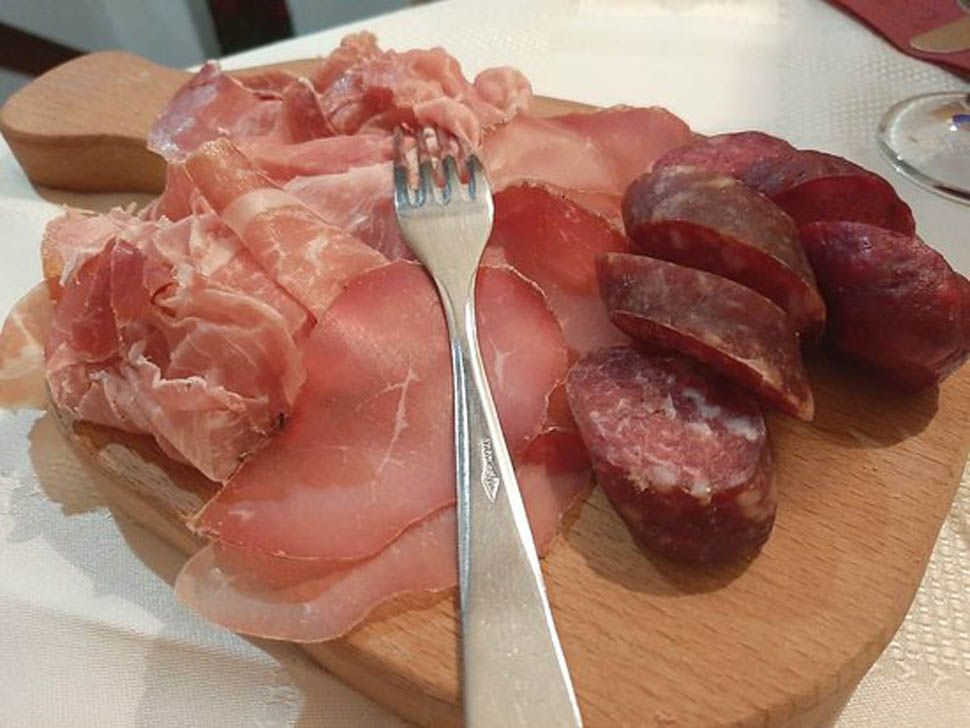
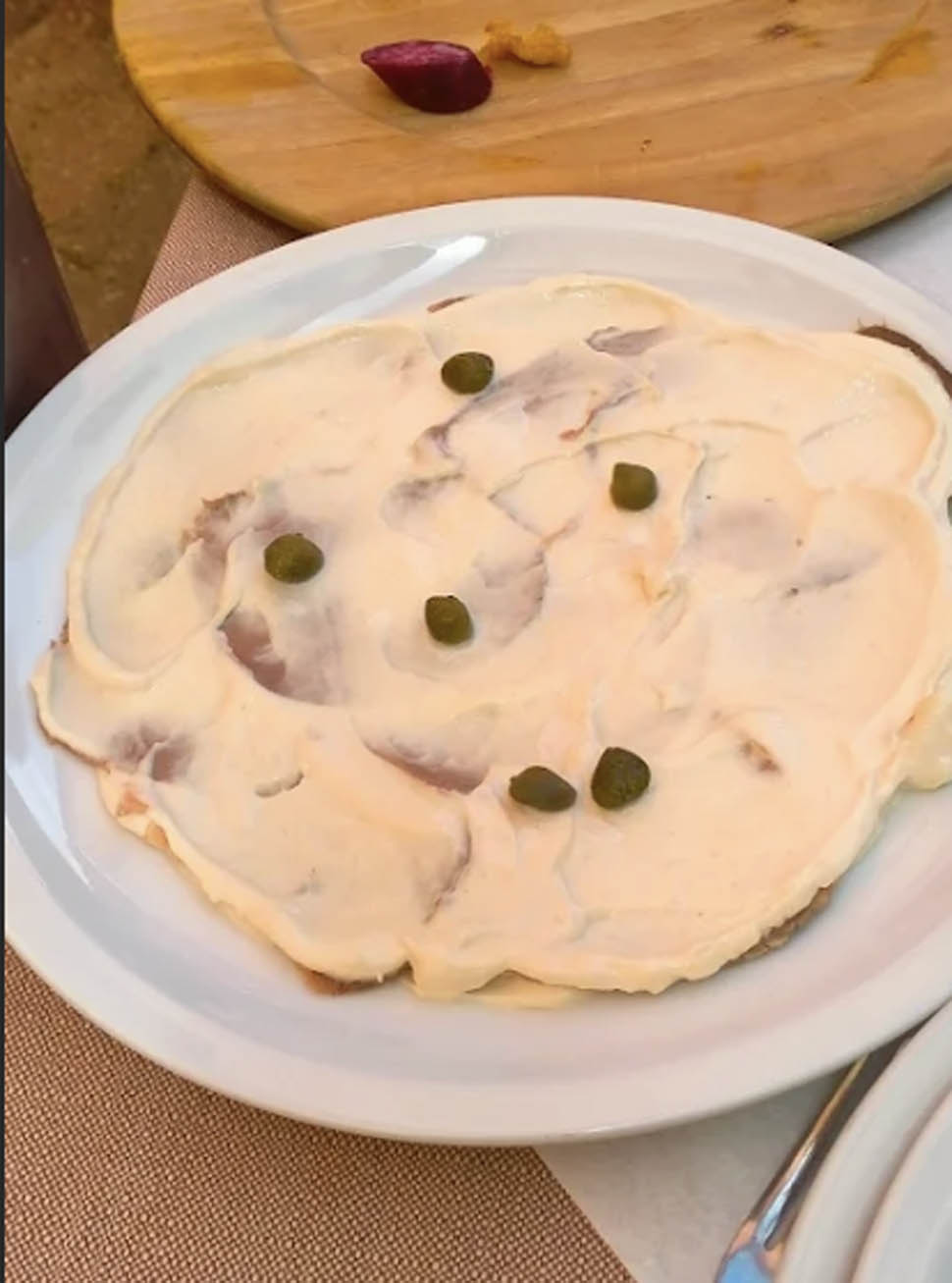
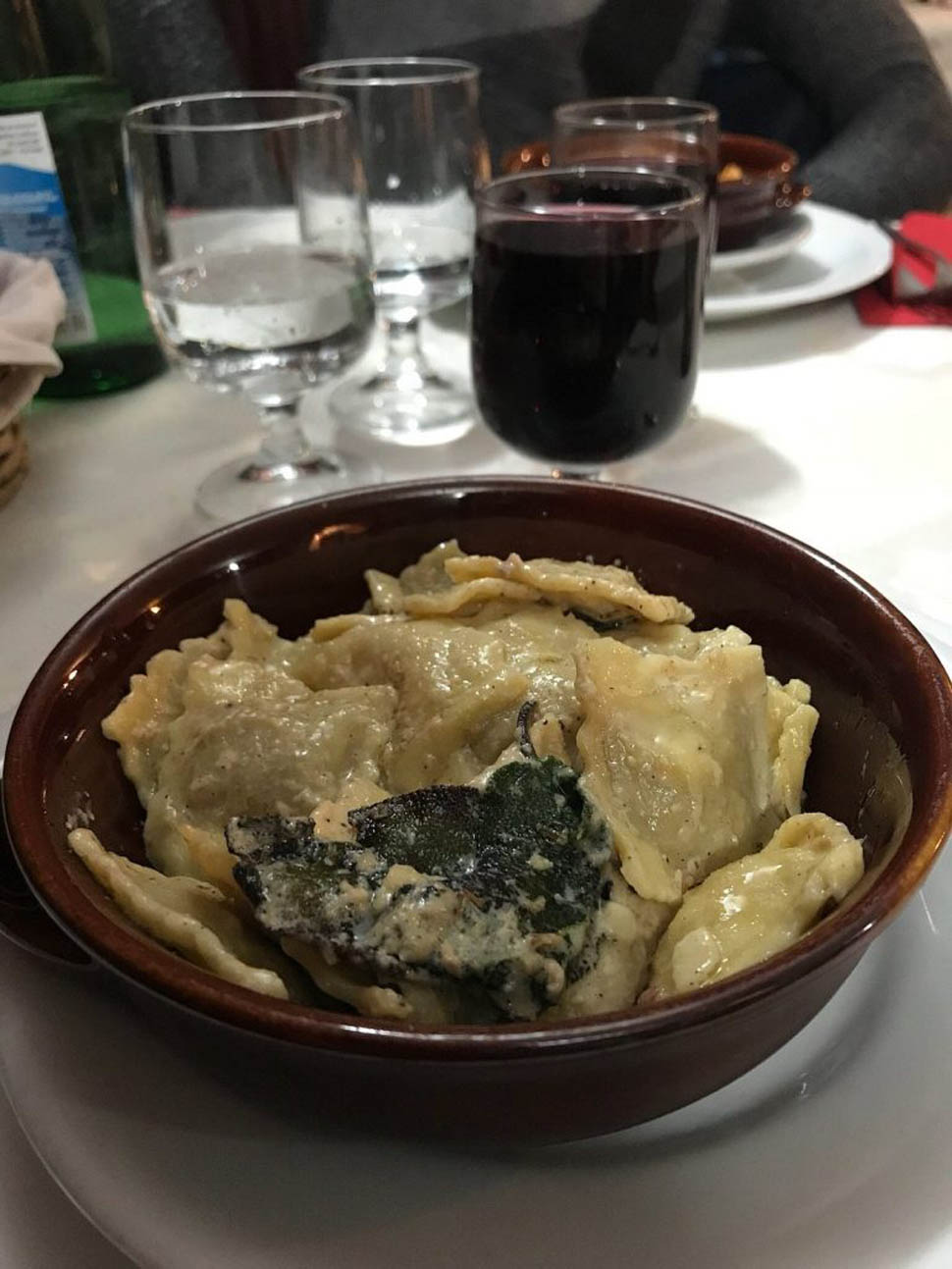
Visitors from out of town are particularly struck by the cuisine and the warm welcome, with special emphasis on dishes that are no longer served at home but evoke nostalgia for flavors at risk of disappearing. The menu ranges from tongue in sauce to crespelle, from Valpellinentze soup to local cured meats; these are the details that show just how much of a family affair La Favre really is, but the most interesting story is one that rarely makes it into a review: the trattoria exists in part because there are still people willing to sit down at a table and play a game.
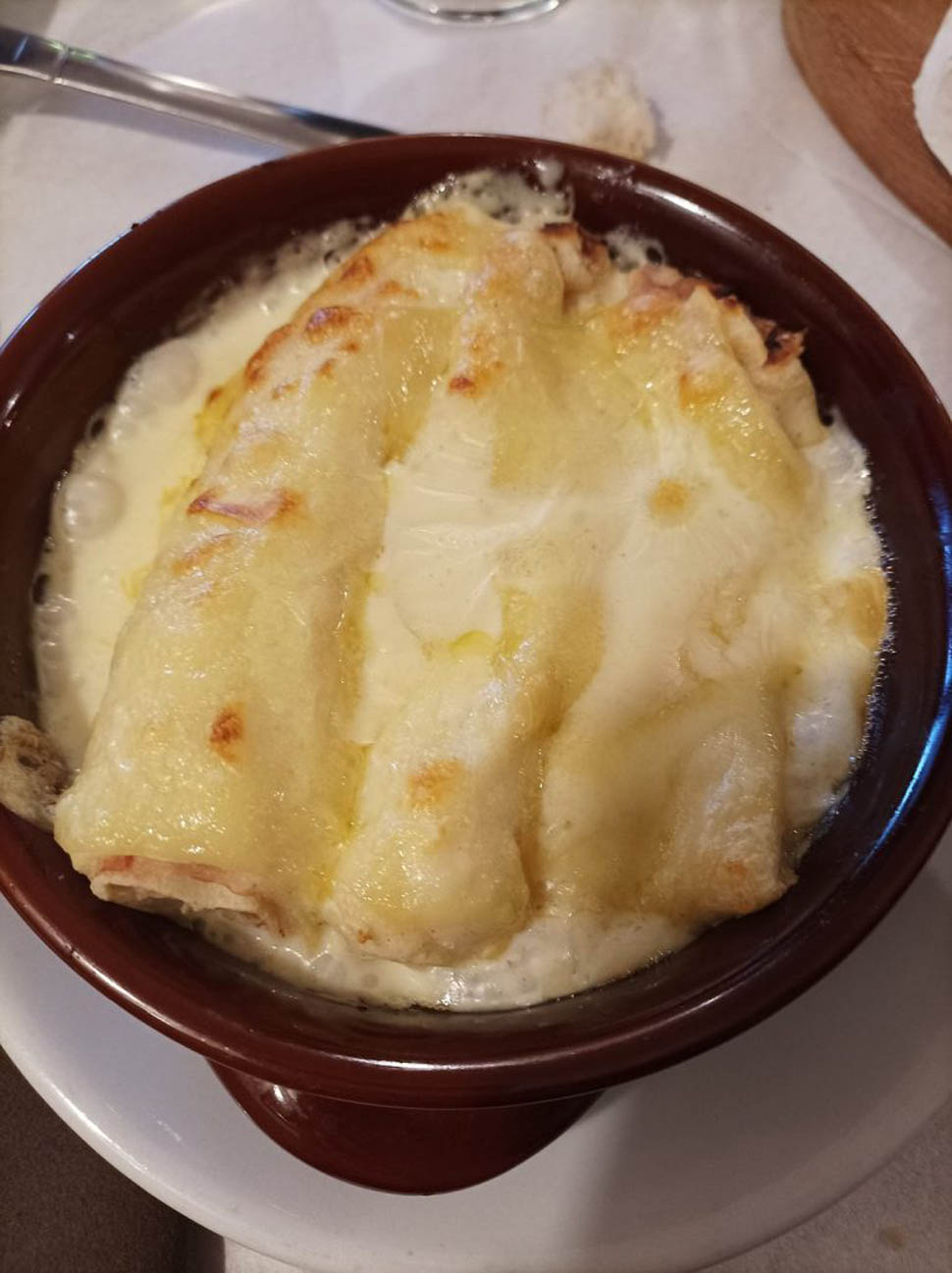
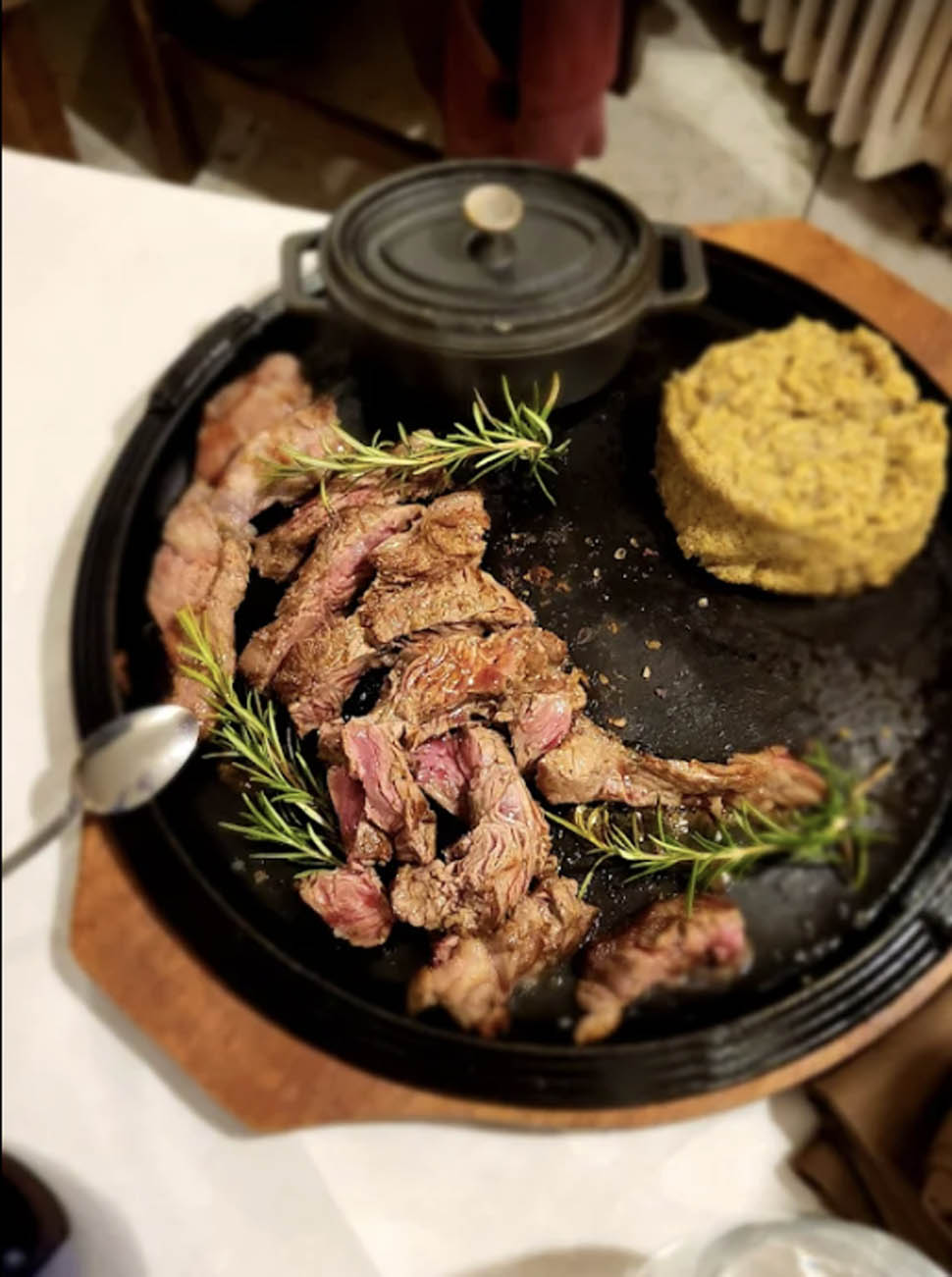
At Favre, the kitchen continues to do its thing, serving polenta, gnocchi, meats, cured meats, and bunet, while the bar at the entrance keeps things running smoothly. Alongside belote, there is also an ancient traditional sport from the Aosta Valley called palet, in which players throw small iron or lead discs, trying to get them as close as possible to a marker or a stake. There are tournaments where teams compete in both games.
Trattoria Favre
Frazione Petit Fenis, 2, 11020 Petit Fenis AO
Phone: 0165 767988