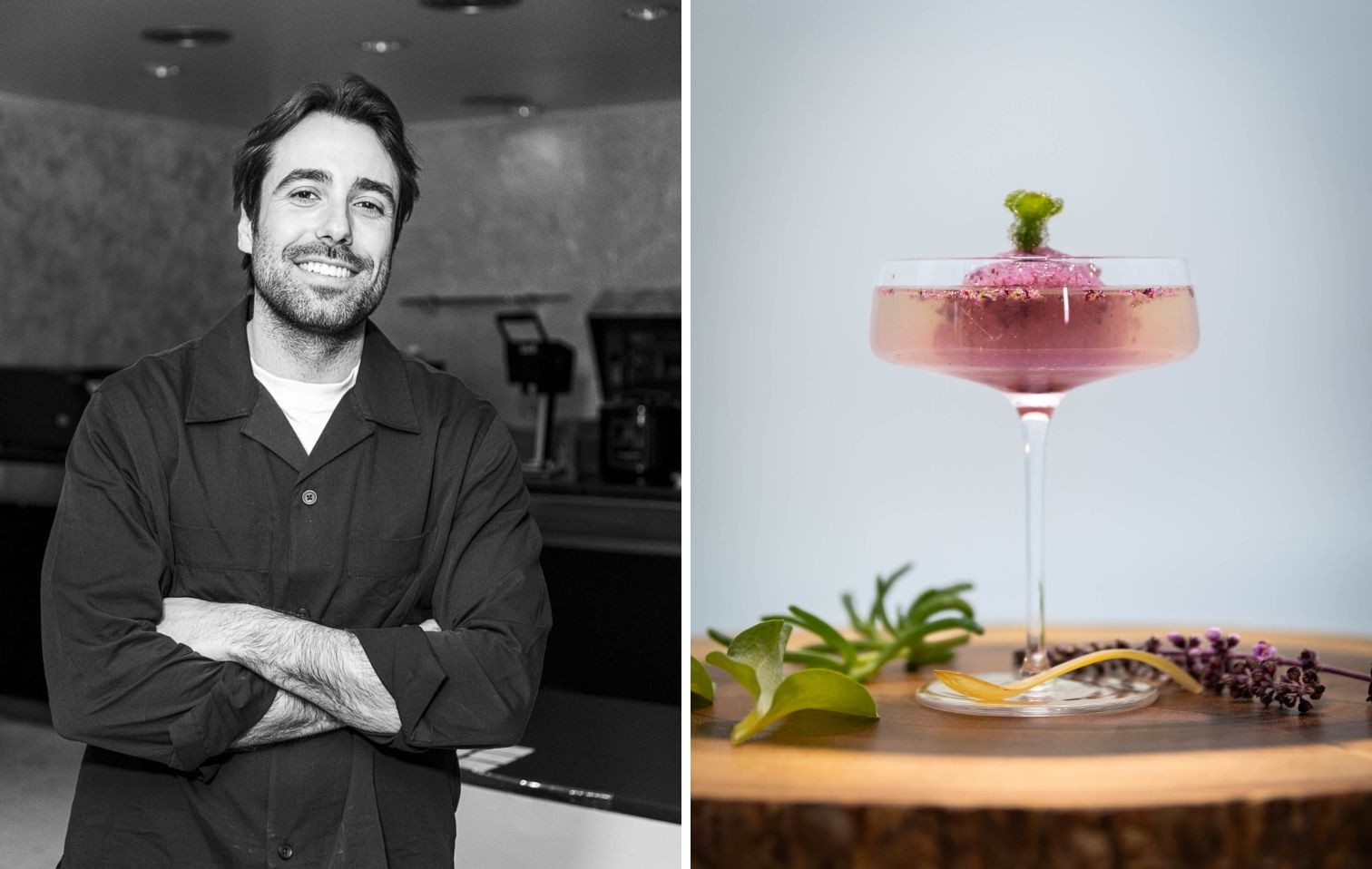
How microgreens are revolutionizing mixology: from the Sichuan Button (“electric flower”) and sansho leaves—used in place of chili peppers—to mustard cress with hints of wasabi, “beverage alchemist” Matteo Ciarpaglini reveals the botanical secrets behind the new generation of drinks to Reporter Gourmet.
*Content with promotional purposes
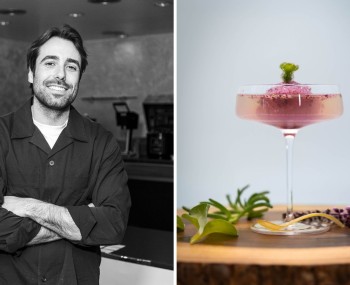
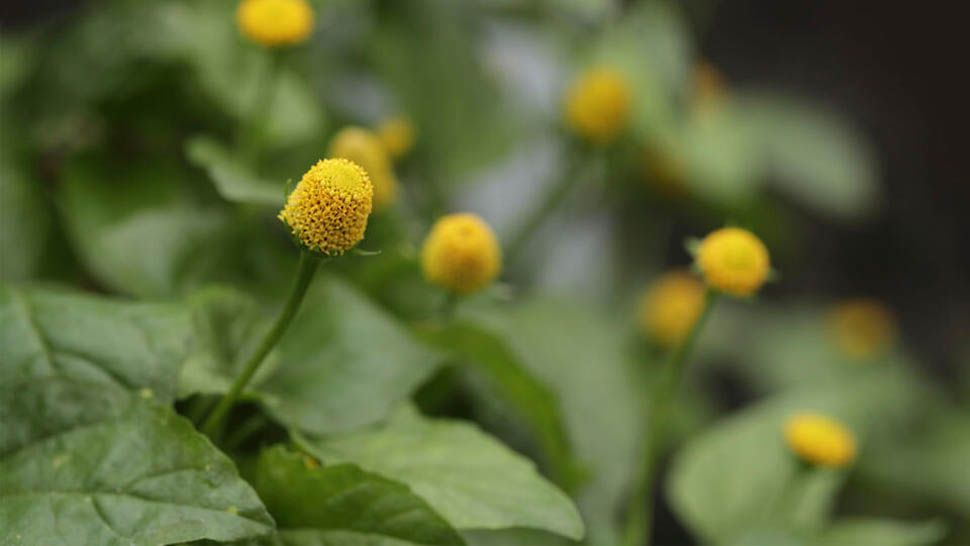
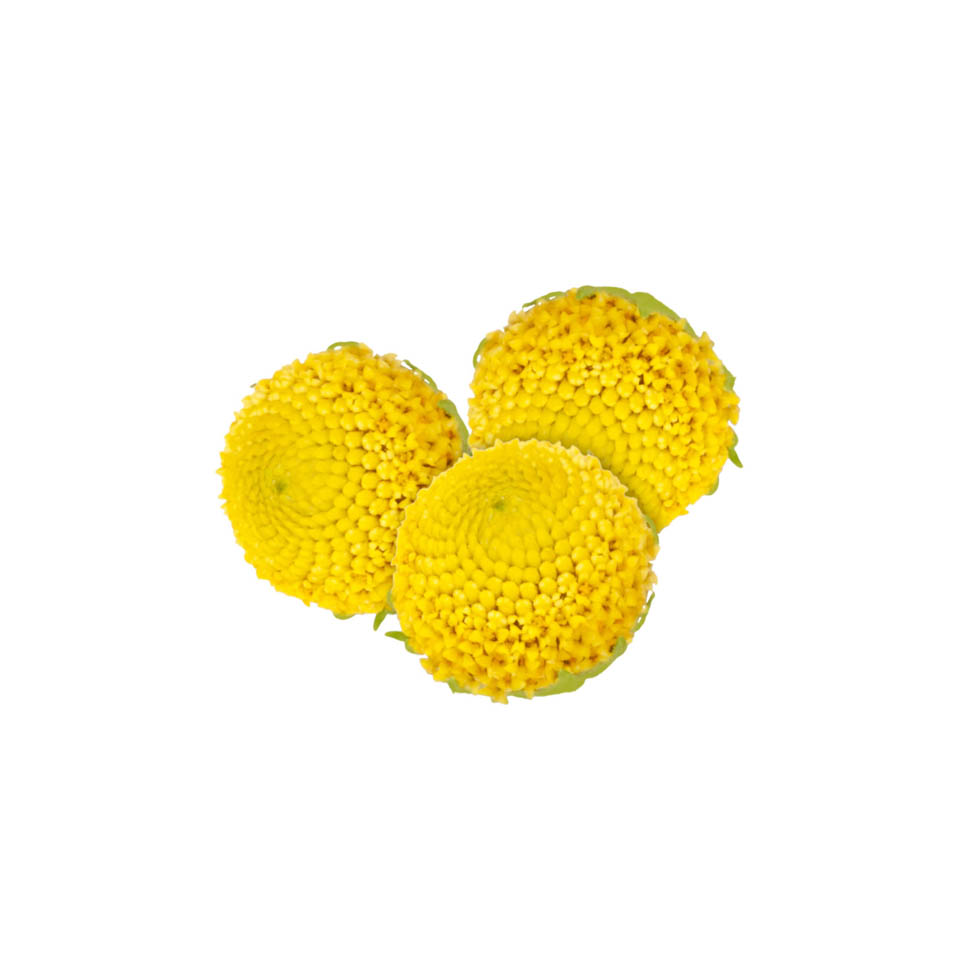
The new challenge in contemporary mixology? Turning microgreens into true structural pillars of flavor. Yes, because a new awareness has emerged in the beverage world: plant-based ingredients aren’t just garnishes, but elements capable of defining clear choices for a distinctive drink (whether alcoholic or non-alcoholic). An example? The Sechuan Buttons, known as the “electric flower,” which stands out for its ability to stimulate the taste buds, delivering a vibrant sensation of electrostimulation in the mouth. This is how Matteo Ciarpaglini, a food technologist with an outstanding career in haute cuisine between Rome and the famous Noma in Copenhagen—who served for four years as coordinator of the research and development department at the Paradiso group in Barcelona (the renowned venue crowned in 2022 as the best bar in the world by the prestigious The World’s 50 Best Bars ranking)—describes it.Noma at Paradiso in Barcelona: Italian mixology ace Matteo Ciarpaglini reveals the latest trends in plant-based mixology! Together with Gianluca Basso (former bar supervisor at Paradiso in Barcelona), he is leading an academic project that is revolutionizing the art of contemporary mixology. Discover all the latest news and green recipes in the article below.
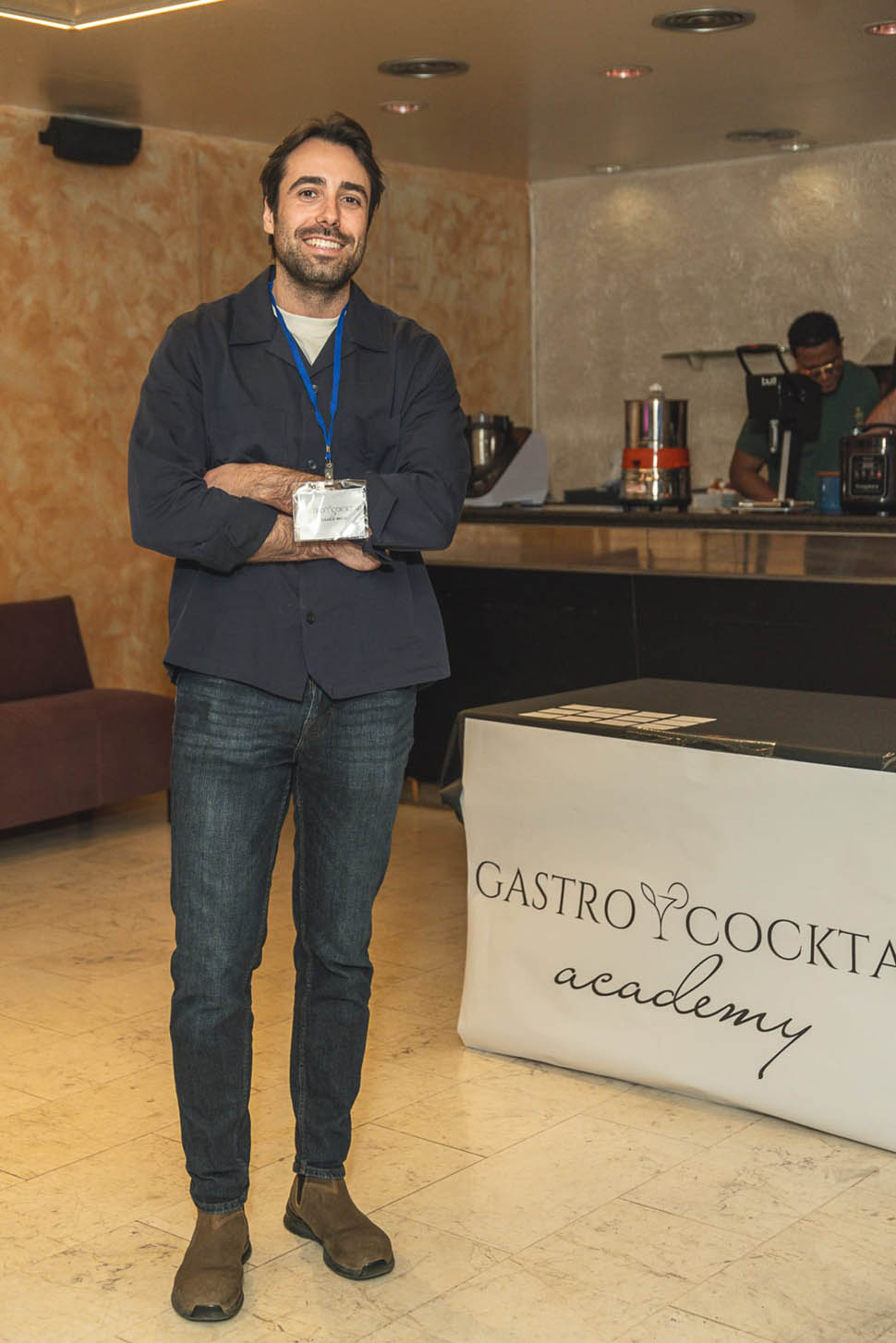
Today, Matteo is the founder—along with Gianluca Basso (former bar supervisor at Paradiso in Barcelona)—of Gastro Cocktail Academy, an academy founded in Barcelona to share knowledge and innovation, featuring a lab designed for research and experimentation. Among the ingredients he works with, the microgreens from Koppert Cress stand out; he describes them as “a concentrate of flavor”: very intense notes of plants we know well in the kitchen, all packed into a small and delicate ingredient.

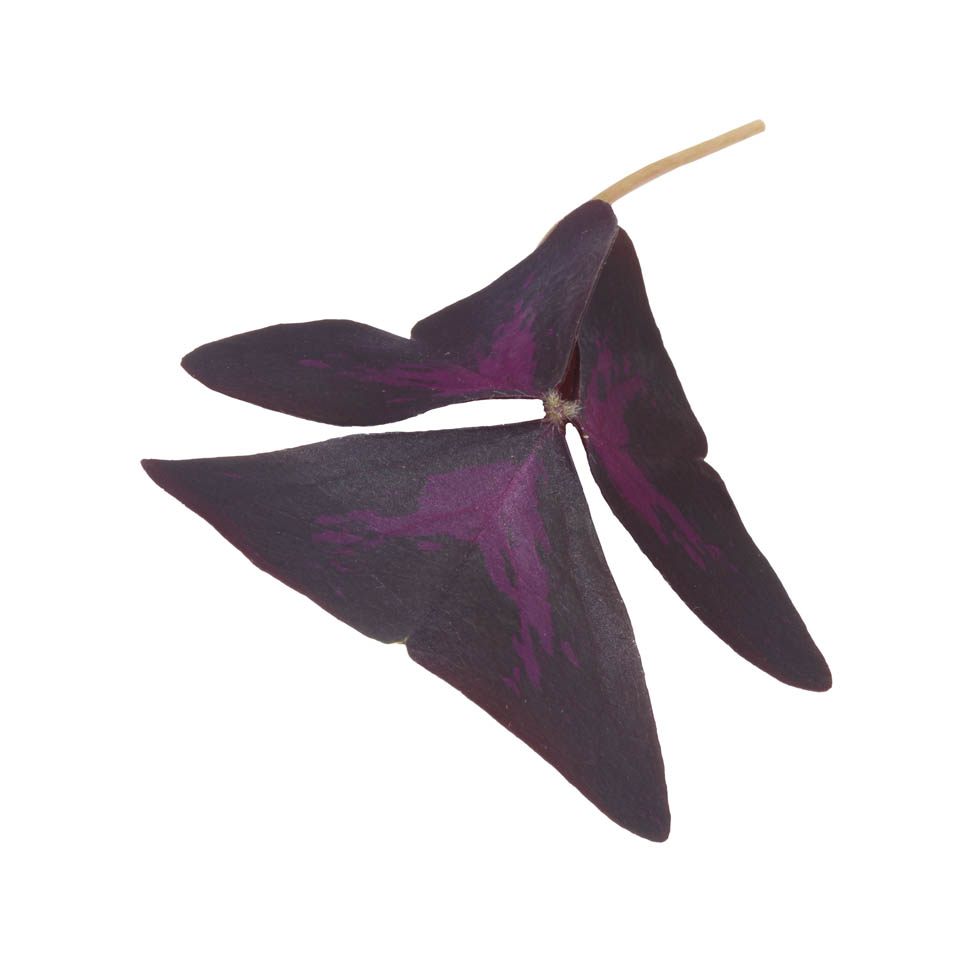
The experimentation encompasses the entire range: while Sechuan Buttons can be used as a flavor enhancer in both alcoholic and non-alcoholic drinks and gives Pink Spicy a unique spiciness—completely distinct from that of ordinary chili peppers—Shiso, in its Green, Purple, and Bicolor varieties, finds its place in the creation of sophisticated cordials, artisanal sodas, and innovative gin- or vodka-based highballs, as well as in infusions or as a “garnish” that enhances the flavor—not just for decoration but also to add taste to the cocktail (as in the Mexican Garden, the recipe for which you’ll find below).
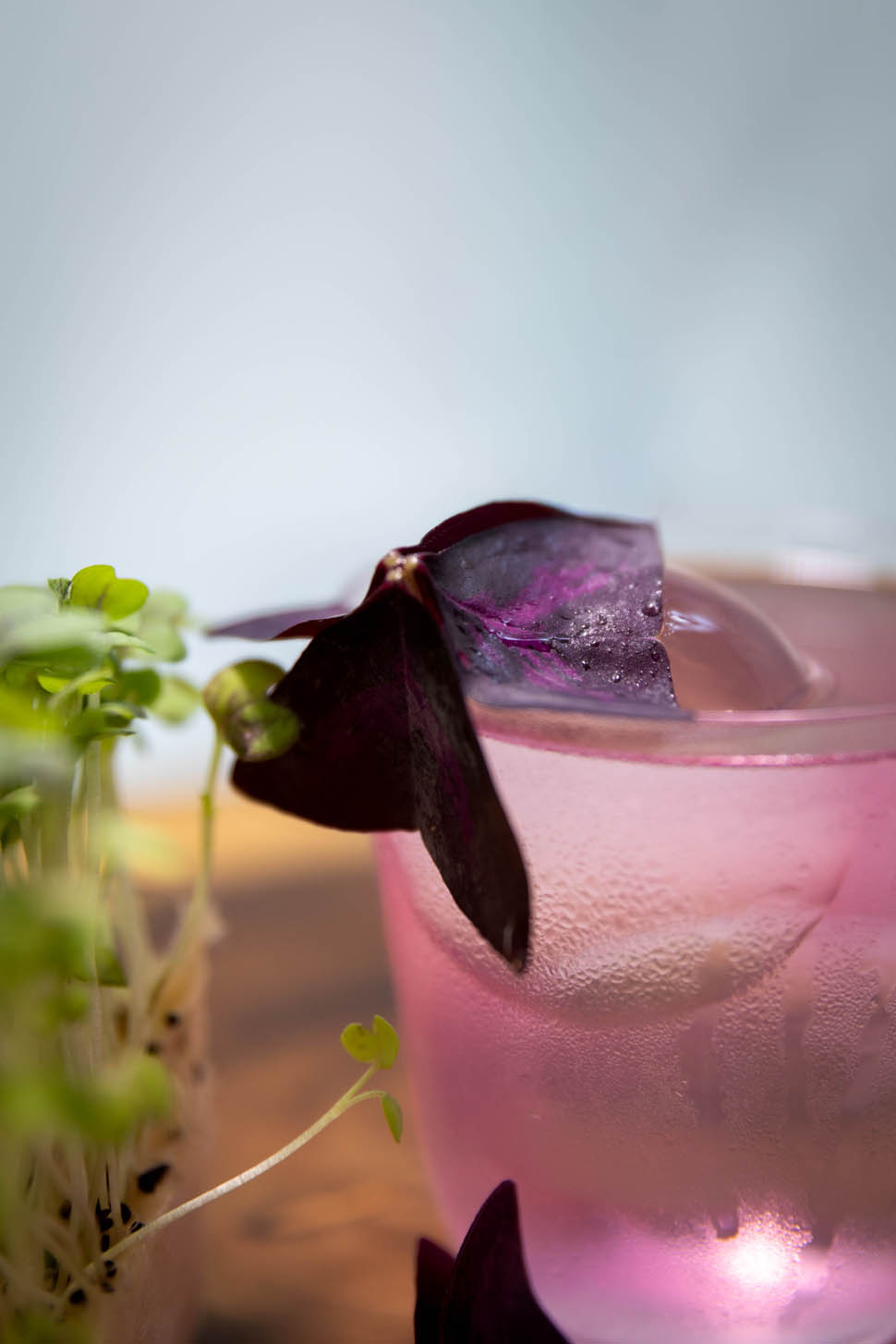
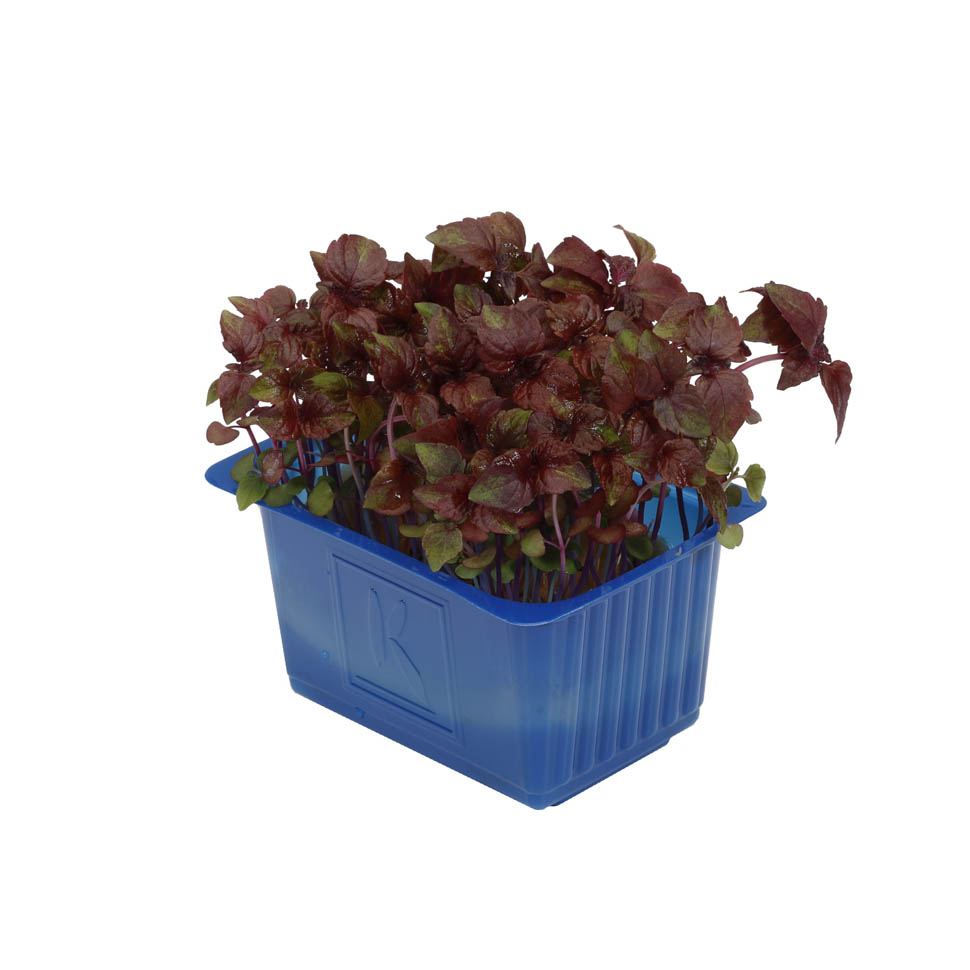
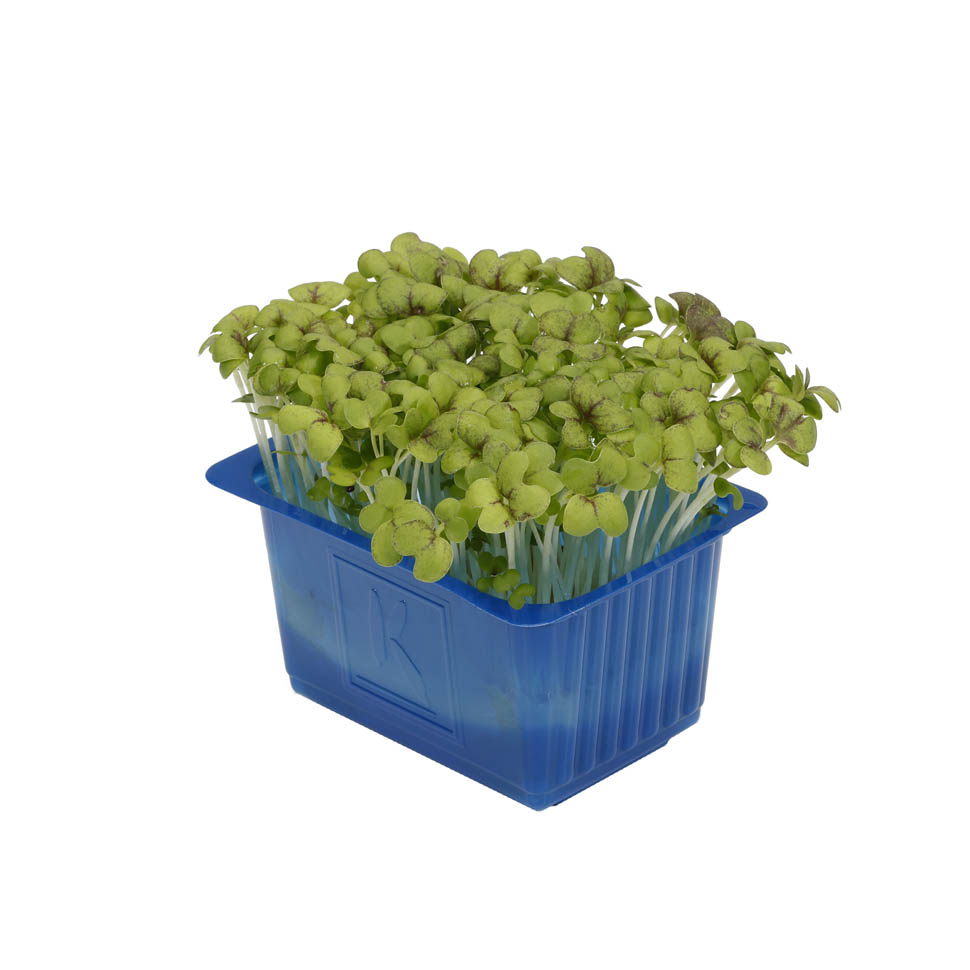
At the same time, Mustard Cress, with its notes of radish and wasabi, adds a spicy, fresh kick—a crisp, pungent burst of flavor—completely transforming the classic Bloody Mary recipe.
TECHNIQUE AND RESEARCH TO PRESERVE THE ESSENCE
Blossom, Leaves, Cress, and Tops are categories that share a distinctive flavor profile, a recognizable aesthetic, and great delicacy. Precisely because these characteristics are so precise, it’s natural to wonder how research should approach these products while highlighting the unique organoleptic and aesthetic qualities of each. “ “The first rule is to treat these ingredients with as little heat as possible: choose equipment and techniques that do not cause excessive temperature fluctuations—since these promote oxidation and risk compromising the product’s key characteristics—and prioritize cold processing. With liquid nitrogen, you can achieve extremely fine grains and prepare pestos with intense flavors, as well as oils, pastes, or creams—all cold-extracted,” explains Matteo Ciarpaglini.

Among the other most commonly used technologies is ultrasound: sound waves that break down the product’s molecules more quickly and make extraction more efficient without raising the temperature. Another method is cold pressing: by adding microgreens to a fruit or vegetable, you can produce a juice with a very clean flavor.
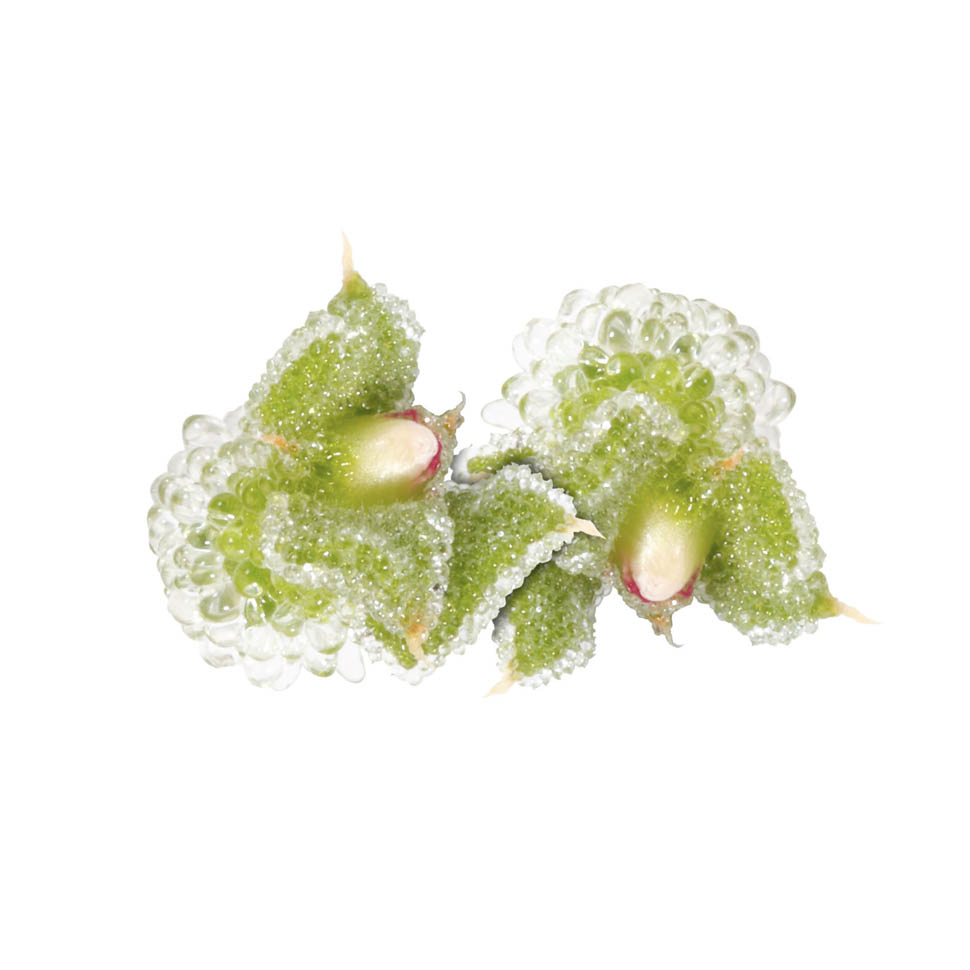
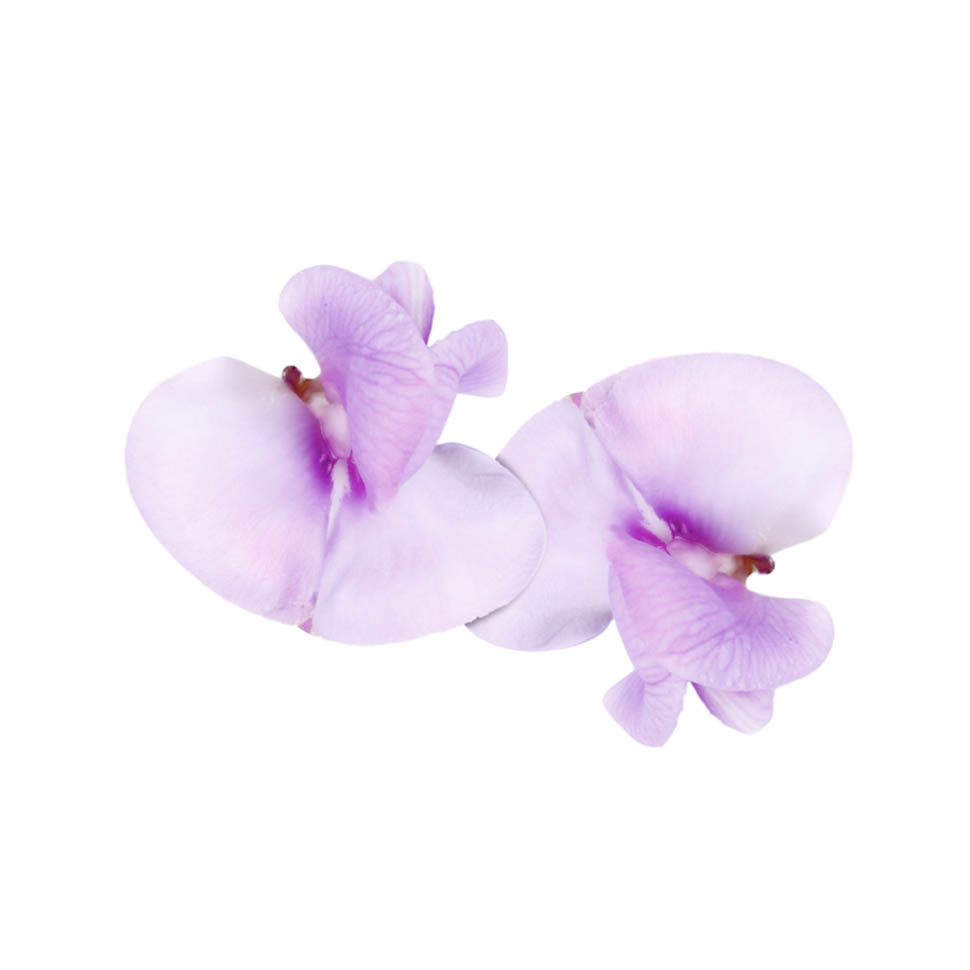
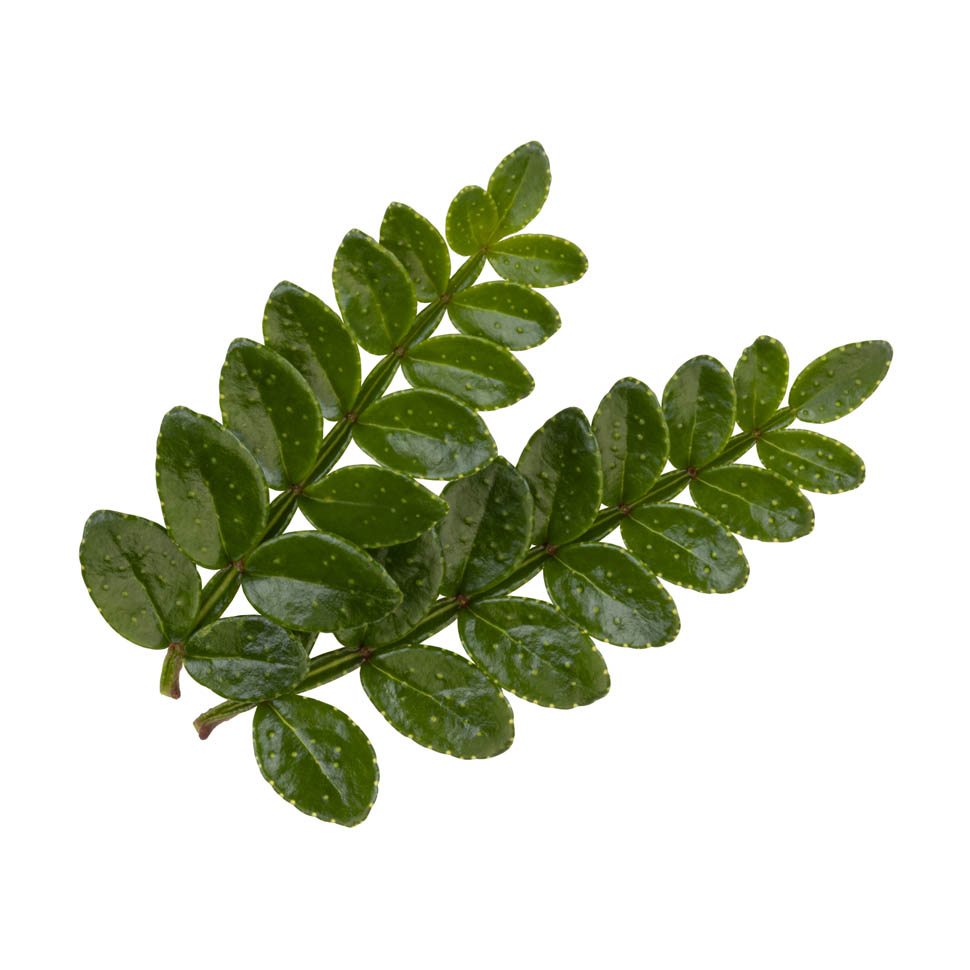
MICROGREENS: FLAVOR AS A FIELD OF RESEARCH
The first step when approaching the world of microgreens is to try them, taste them, and determine whether the best method involves alcohol, water, or fat. The same flower can yield very different results, which is why you must first define your goal and the characteristics of the final product. Once the desired flavor profile is clear, you choose the form: a syrup, an alcohol extract, a foam, an aerated texture, or a garnish. Without neglecting the aesthetic aspect.
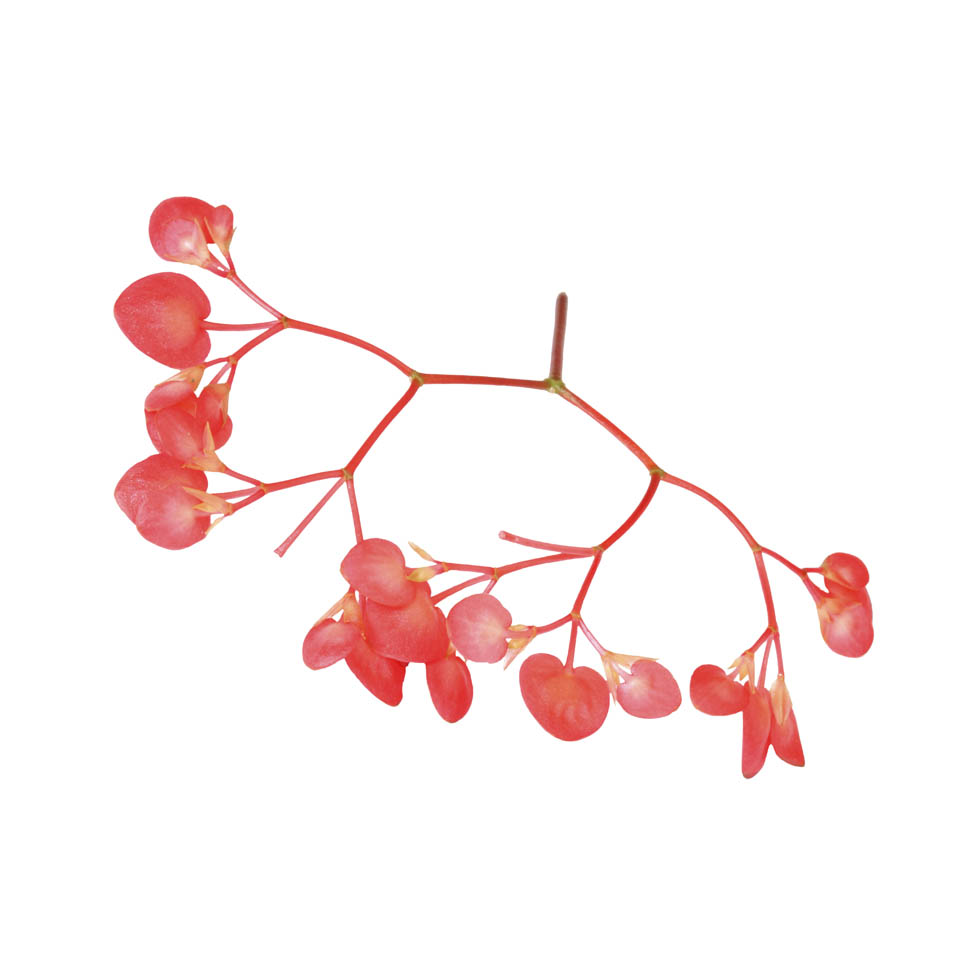
Watercress can be left natural to serve as a decorative element, or techniques can be used to preserve its color as much as possible. This allows you to serve a drink with a very intense color or lighten the extract to create a drink with more delicate hues. The variety in the Koppert Cress catalog opens up a vast field of experimentation for those involved in research and development, from haute cuisine to beverages, including non-alcoholic options.
Ciarpaglini and Basso explain that a non-alcoholic drink is built on three elements: the first is the structure—the heart of the drink—a prolonged liquid infusion, similar to tea. The second is the body, created by a balance of syrup and acidity; the third is the spicy note on the finish. This creates a complexity of flavors on the palate that offers an interesting experience even in the non-alcoholic version. For this reason, he adds, it’s important to know how to use these ingredients with the correct extraction methods and techniques, in order to create cocktails with interesting characteristics.
WHEN PAIRING GOES BEYOND THE BOUNDARIES OF “LIQUID”
In today’s fine dining scene, pairing is an integral part of the dining experience and is no longer limited to wine service; in this sense, the drink takes a step forward: it can serve as a dish—for example, a shaken cocktail or a sour inspired by ceviche that captures the flavors of a South American dish. This is an interesting evolution, because “it breaks down the barrier between the liquid and solid components”: the two dimensions become one and can even overlap; thus, the drink is no longer necessarily just a liquid but can take on different structures and textures on the palate.
“In some Spanish restaurants, culinary techniques are used to reinterpret drinks; a margarita, for example, is transformed into a foam, aerated, and then frozen, and served in a glass accompanied by a spoon.” “On the palate,” explains Matteo Ciarpaglini, “it disappears immediately because it’s so light and melts instantly. It goes from solid to liquid in a matter of seconds, and that’s where the boundary between the two states blurs or is reinterpreted.” Trying and understanding the product is the foundation of everything; defining its characteristics is essential for determining the role of the plant in the drink: “Microgreens are chosen for their flavor, because that’s where the magic happens—it’s how we determine how to highlight them and let them shine,” concludes Ciarpaglini.
The Gastro Cocktail Academy website
Exclusive recipes for Reporter Gourmet: here’s how to recreate these signature plant-based drinks
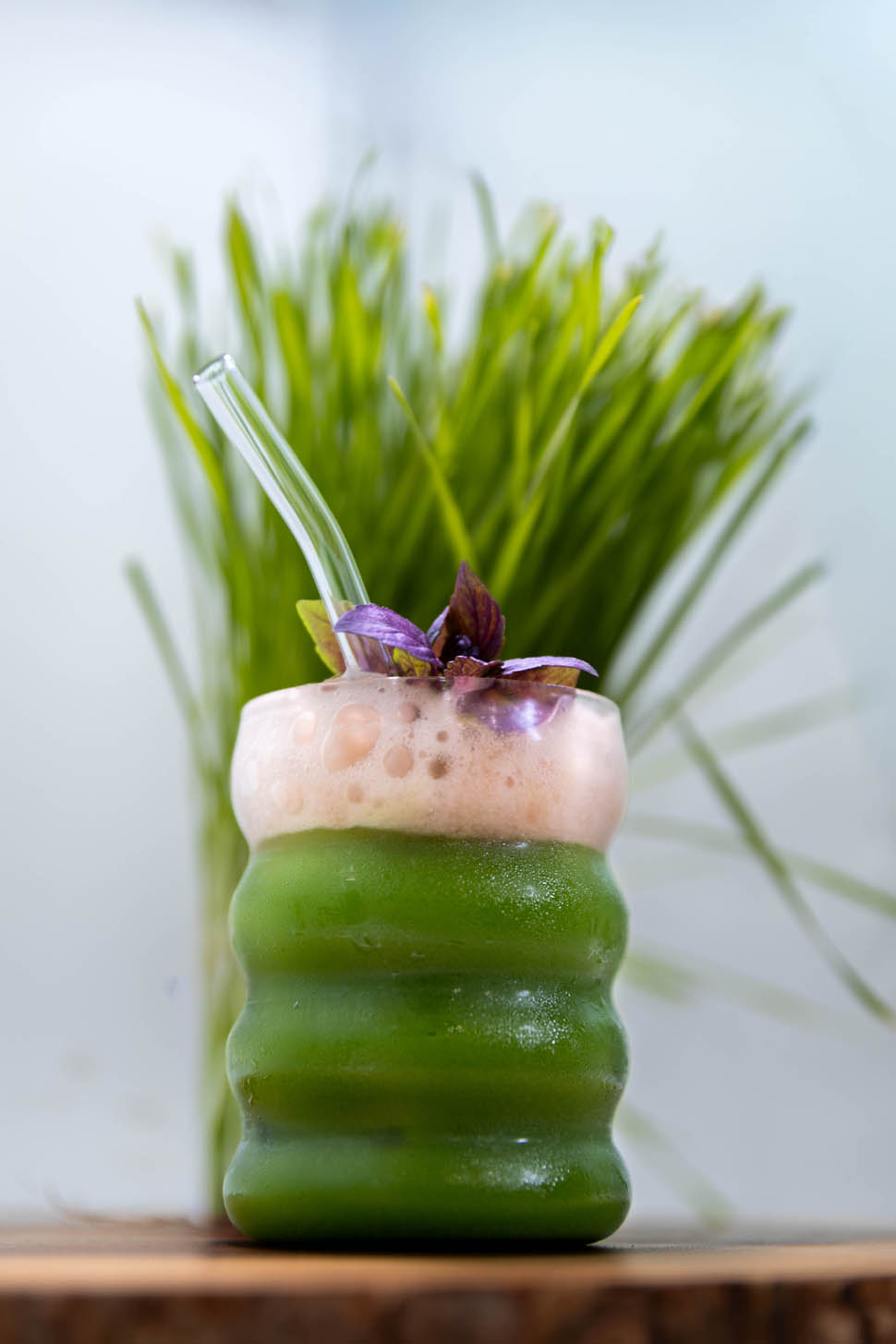
MEXICAN GARDEN
Cocktail details
Glass
Rocks Twist + mate straw
Ice
Cubes
Technique
Build + foam
Garnish
Shiso Purple Cress
Ingredients
Cocktail recipe
• 150 ml Wheatgrass and toasted corn juice
• 25 ml Salted popcorn syrup
• TOP Apple Blossom and Yka Leaves foam
Artisanal Preparations
For the Salted Popcorn Syrup
• 250 ml Water
• 250 g Agave nectar
• 250 g Salted popcorn
For the Wheatgrass and Toasted Corn Juice
• 600 ml Water
• 6 containers of wheatgrass
• 500 g roasted corn
For the Yka Leaves and Apple Blossom Foam
• 1 package of Apple Blossom
• 1 package of Yka Leaves
• 500 ml coconut water
• 0.5 g xanthan gum
• 2 g methylcellulose
Method
For the Salted Popcorn Syrup
- Heat the water to 80 °C. Add the salted popcorn, blend the mixture, and let it steep for 2 hours.
- Strain through a paper filter to remove solid particles.
- Add the agave nectar and stir until a smooth syrup forms.
For the Wheatgrass and Toasted Corn Juice
- Toast the corn in a skillet, seasoning it with salt, pepper, smoked paprika, and sweet paprika, according to the desired flavor profile.
- Blend all ingredients at high speed until a smooth mixture is obtained.
- Strain through a Superbag to achieve a finer, more uniform consistency.
For the Yka Leaves and Apple Blossom Foam
- Blend the Yka leaves and apple blossoms with coconut water. Let steep cold for 1 hour.
- Strain through a paper filter to remove plant residues.
- Blend the infusion with xanthan gum and methylcellulose until the stabilizers are fully dispersed.
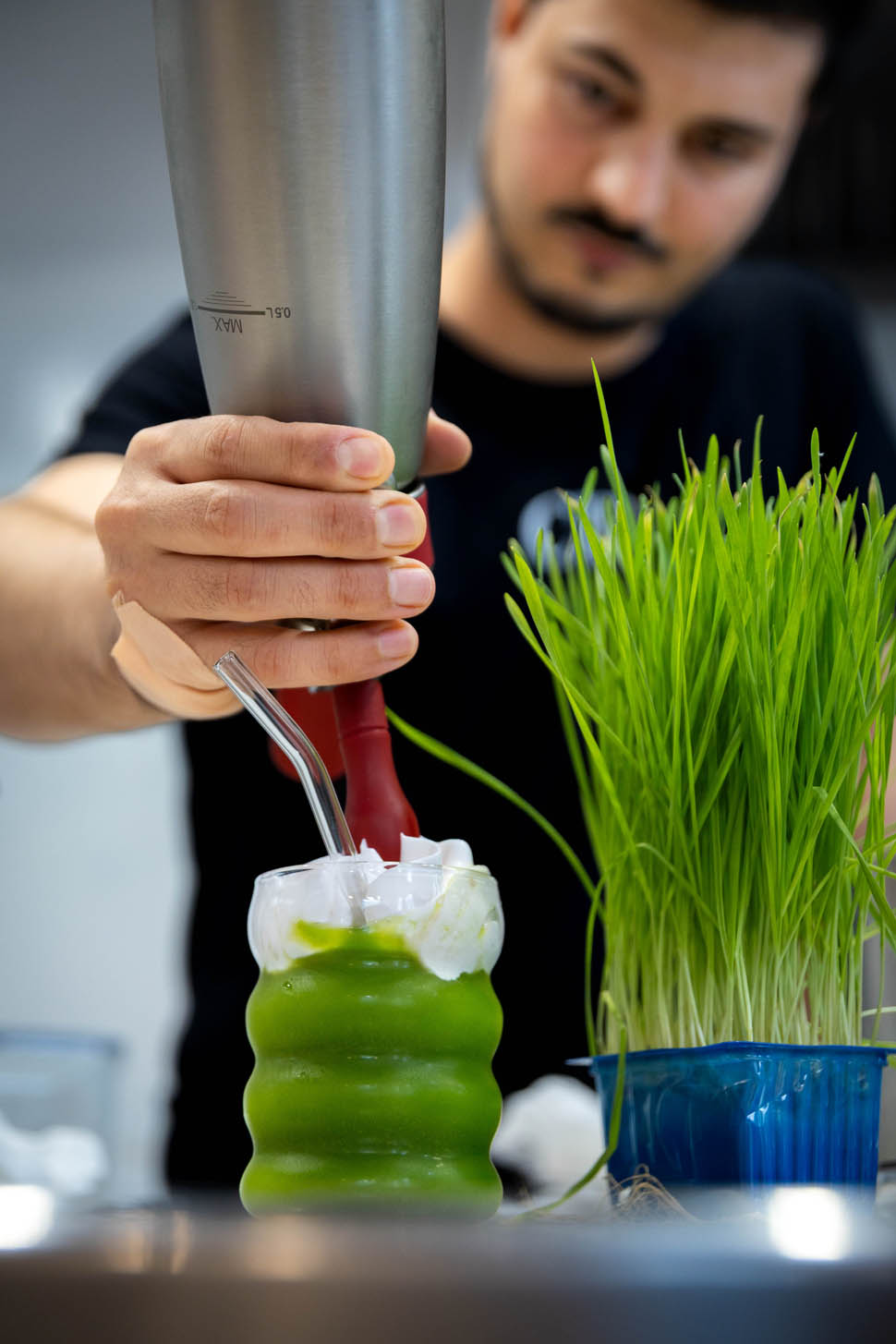
- Transfer the mixture to a whipped cream siphon and charge with two N₂O cartridges.
Assembly and Service
- Chill the glass beforehand.
- Pour 150 ml of wheatgrass and toasted corn juice and 25 ml of salted popcorn syrup into the glass.
- Stir the ingredients and add ice cubes until the glass is full.
- Top off the cocktail with the Yka Leaves and Apple Blossom foam.
- Garnish with purple shiso cress and serve with a mate straw.
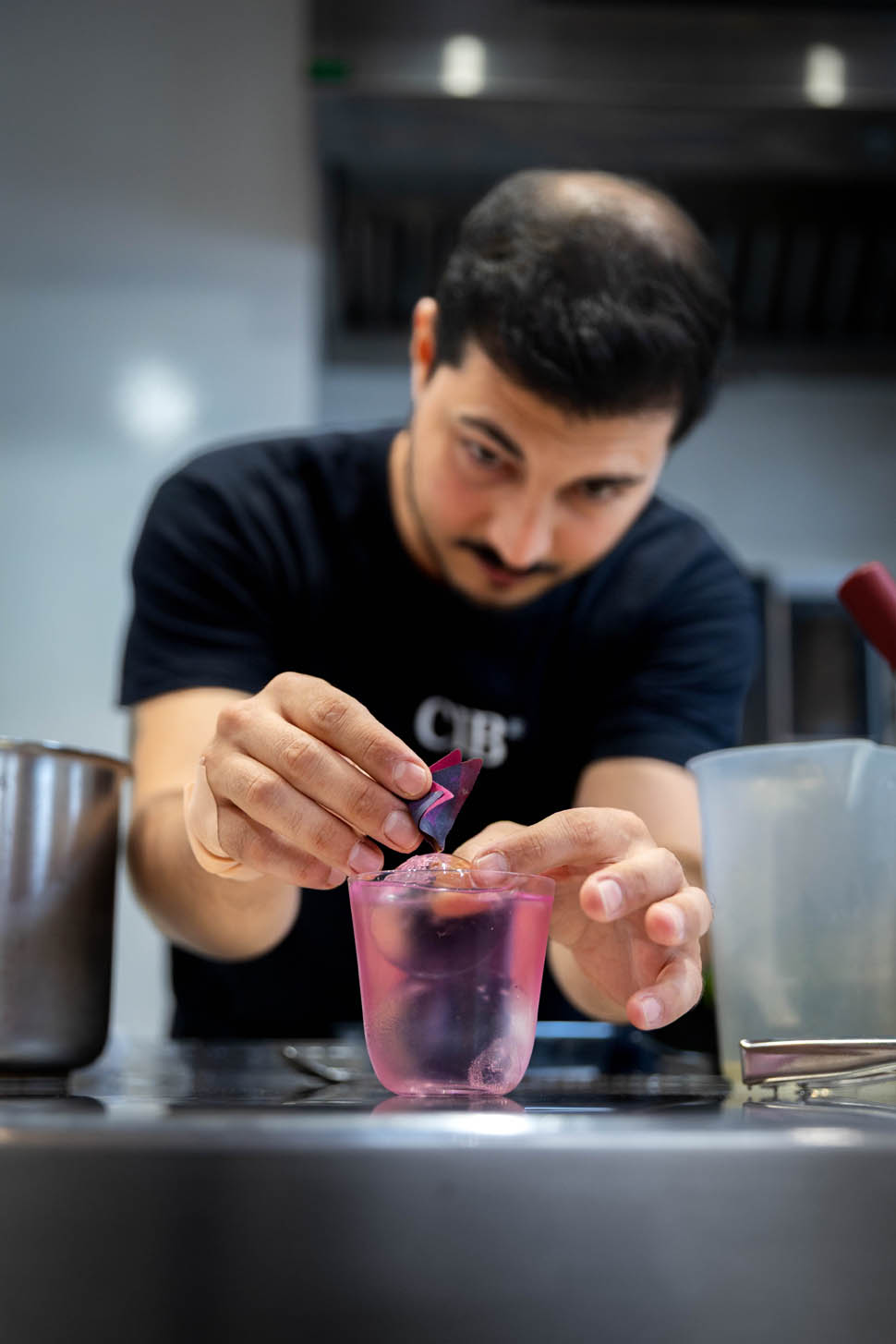
PINK SPICE
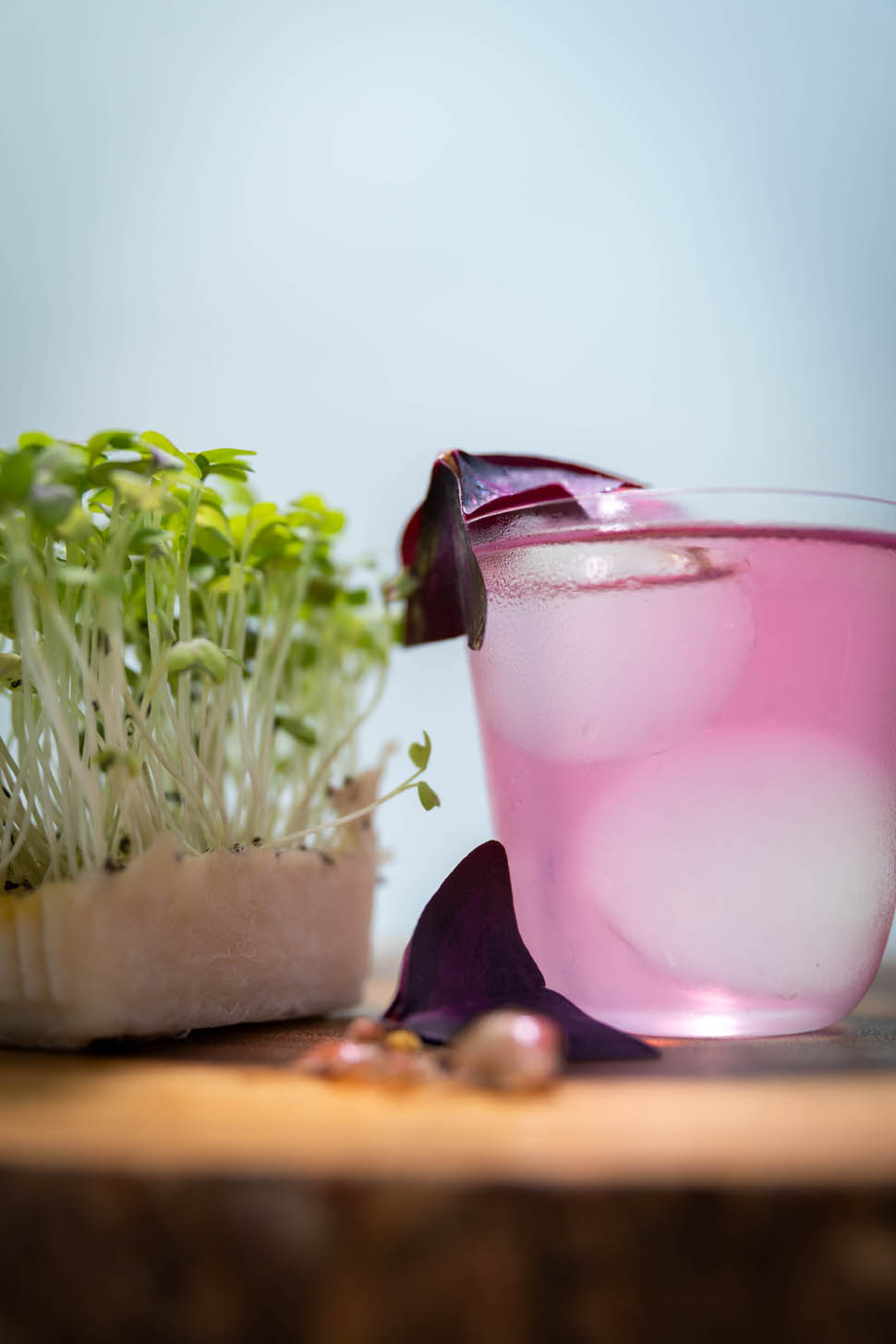
Cocktail details
Glass
Rocks
Ice
2 ice balls
Method
Build
Garnish
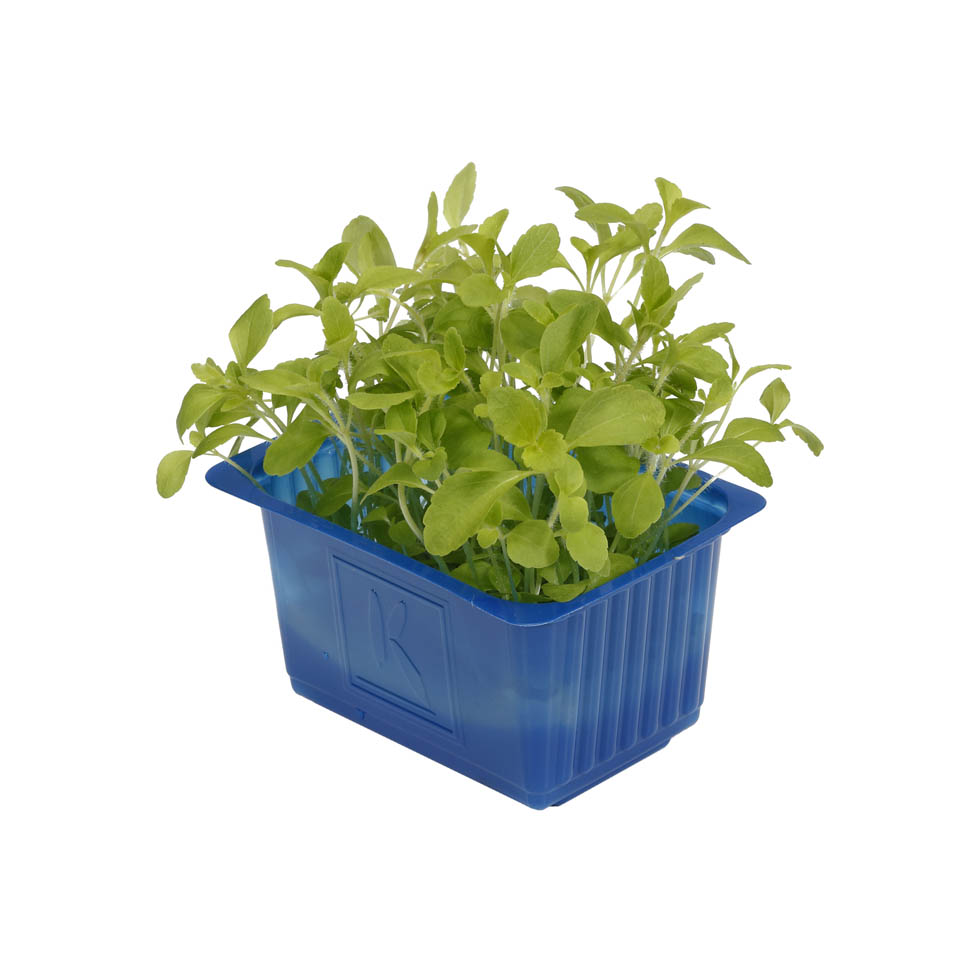
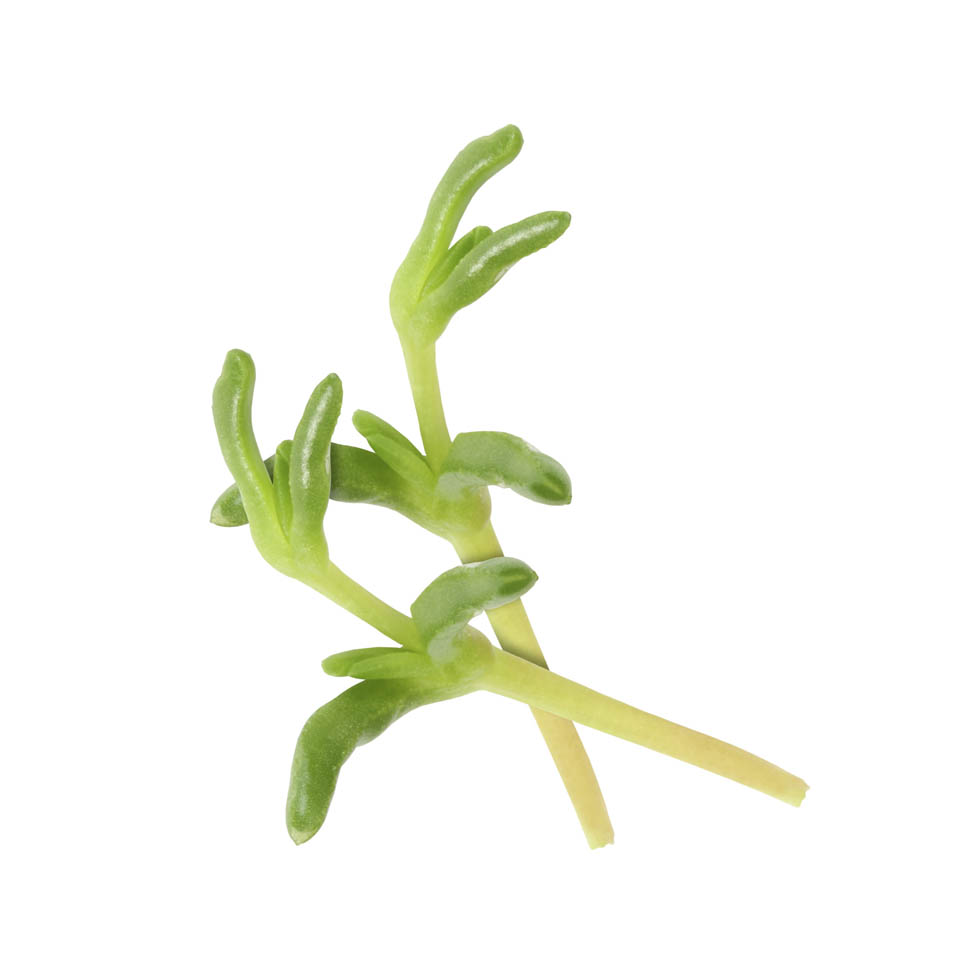
Yka Leaves
Ingredients
Cocktail recipe
• 50 ml Water infused with Mustard Cress, Sansho Leaves, and Honny® Cress
• 35 ml Cordial made with Melissa Cress and Kaffir Lime Leaves
• 25 ml Clarified lemon juice
Handcrafted Preparations
For the Water Infused with Mustard Cress, Sansho Leaves, and Honny® Cress
• 1 L Water • 2 Sichuan peppercorns
• 20 g Honny® Cress
• 25 Sansho leaves
• 10 trays of Mustard Cress
• 1 teaspoon Ascorbic acid
• 0.1 g xanthan gum
For the Melissa Cress and Kaffir Lime Leaf Cordial
• 1 L water
• 8 trays of Melissa Cress
• 300 g sugar
• 3 kaffir lime leaves
• 2 g malic acid
For the Clarified Lemon Juice
• 1 L fresh lemon juice
Procedure
For Flavored Water with Mustard Cress, Sansho Leaves, and Honny® Cress
- Blend the Mustard Cress, Sansho Leaves, and Honny® Cress with the water and ascorbic acid, then add the crumbled Sichuan buttons. Let steep for 30 minutes.
- Strain through a paper filter to remove plant matter. During this process, the liquid will take on a pinkish hue.
- Add xanthan gum, strictly adhering to the specified dosage, to give the liquid a light texture. Blend until smooth.
For the Melissa Cress and Kaffir Lime Leaf Cordial
- Blend Melissa Cress and Kaffir Lime Leaves with the water. Let steep for 1 hour.
- Strain through a paper filter. Add the sugar and malic acid, stirring until completely dissolved.
For the Clarified Lemon Juice
- Squeeze the lemons, collect the juice, and freeze it completely.
- Clarify the frozen juice through a controlled thawing process and filtration through paper. During thawing, the ice matrix and the filter will help trap some of the suspended particles, allowing the clearest liquid fraction to be collected.
Assembly and Service
- Chill the glass in advance.
- Pour 50 ml of water infused with Mustard Cress, Sansho Leaves, and Honny® Cress, 25 ml of clarified lemon juice, and 35 ml of Melissa Cress and Kaffir Lime Leaves cordial into the glass.
- Gently stir the ingredients and add the two ice spheres.
- Garnish with Yka Leaves.
SEA SHORE
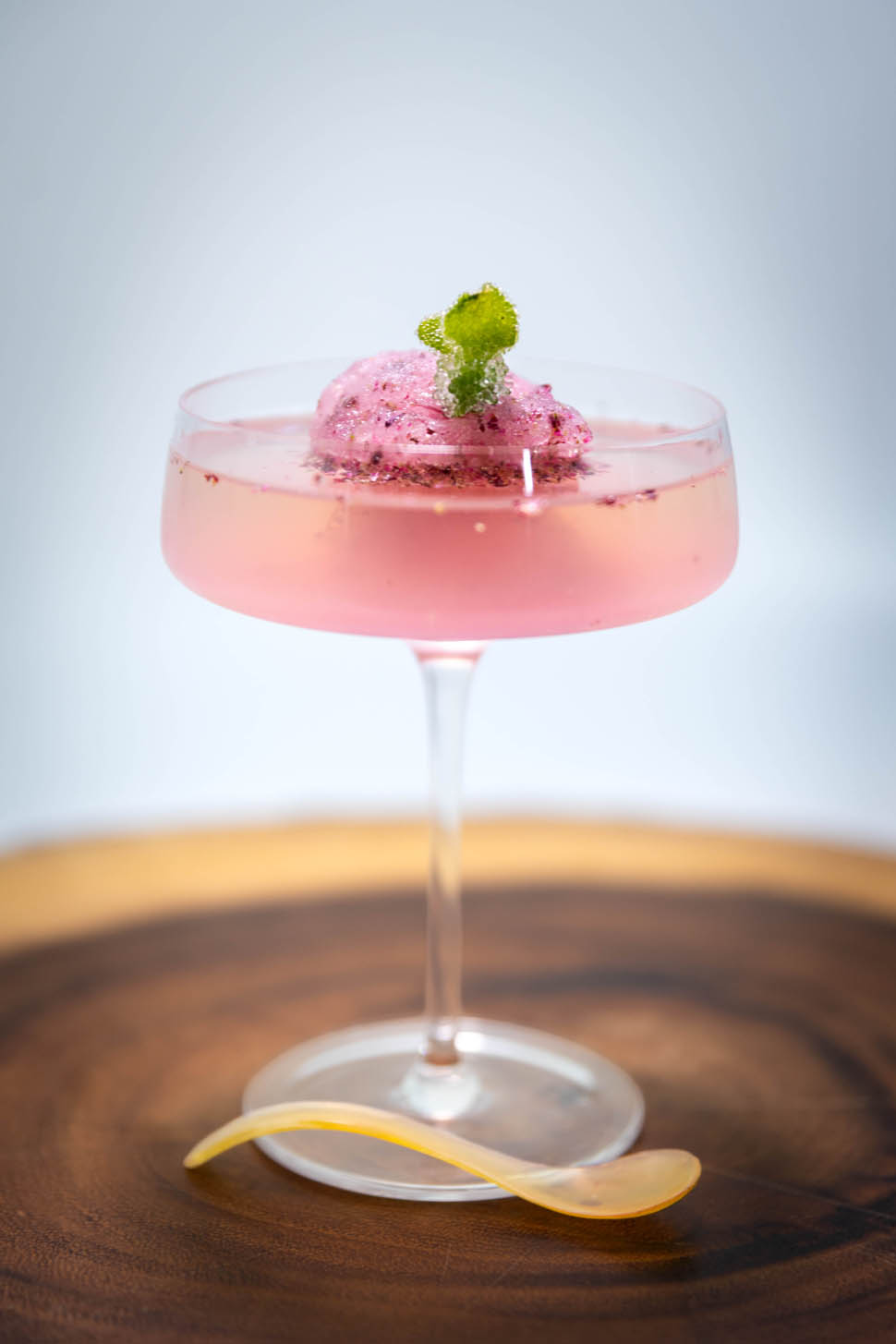
Cocktail details
Glass
Coupette
Ice
None
Method
Build
Garnish
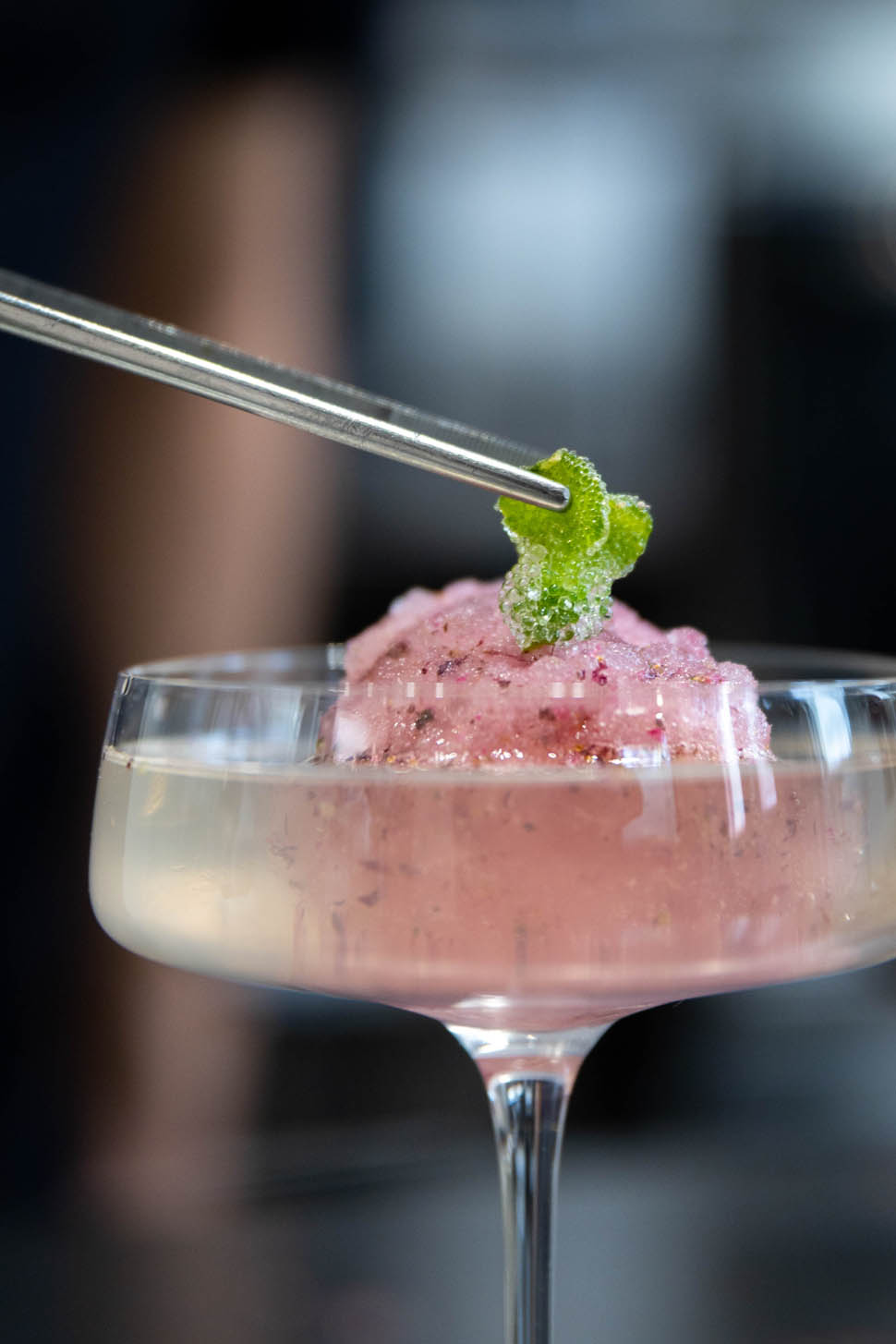
BlinQ Blossom + elegant tasting spoon
Ingredients
Cocktail recipe
• 200 ml Falso Champagne di Mare
• 1 scoop of Lemon and Zallotti Blossom Sorbet
Artisanal Preparations
For the Falso Champagne di Mare
• 1 L white grape juice
• 100 ml Riesling vinegar
• 25 oyster leaves
• 4 containers of borage cress
• 1 package of Salty Fingers®
• 2 g tartaric acid
For the Lemon and Zallotti Blossom Sorbet
• 600 g water
• 200 g fresh, strained lemon juice
• 120 g white sugar
• 75 g dextrose
• 5 g Zallotti Blossom
• 0.5 g salt
Procedure
For the “Fake” Seafood Champagne
- Blend the white grape juice with the Riesling vinegar, Oyster Leaves, Borage Cress, Salty Fingers®, and tartaric acid until a homogeneous mixture is obtained. Let it infuse at room temperature for 1 hour.
- Strain through a paper filter to remove plant residues and obtain a clear liquid.
- Proceed with carbonation using CO₂.
For the Lemon and Zallotti Blossom Sorbet
- Heat 200 g of water with the sugar and dextrose. Stir until completely dissolved.
- Add the remaining 400 g of cold water and let the mixture cool to a temperature below 30 °C.
- Add the Zallotti Blossom and blend for 5–10 seconds. Let it steep for 15 minutes.
- Strain and stir in the lemon juice and salt. Mix until the mixture is completely smooth.
- Pour the mixture into ice cube trays and freeze completely.
- Blend the frozen cubes until you have a sorbet with a creamy, uniform texture.
Assembly and Serving
- Chill the serving cup in advance.
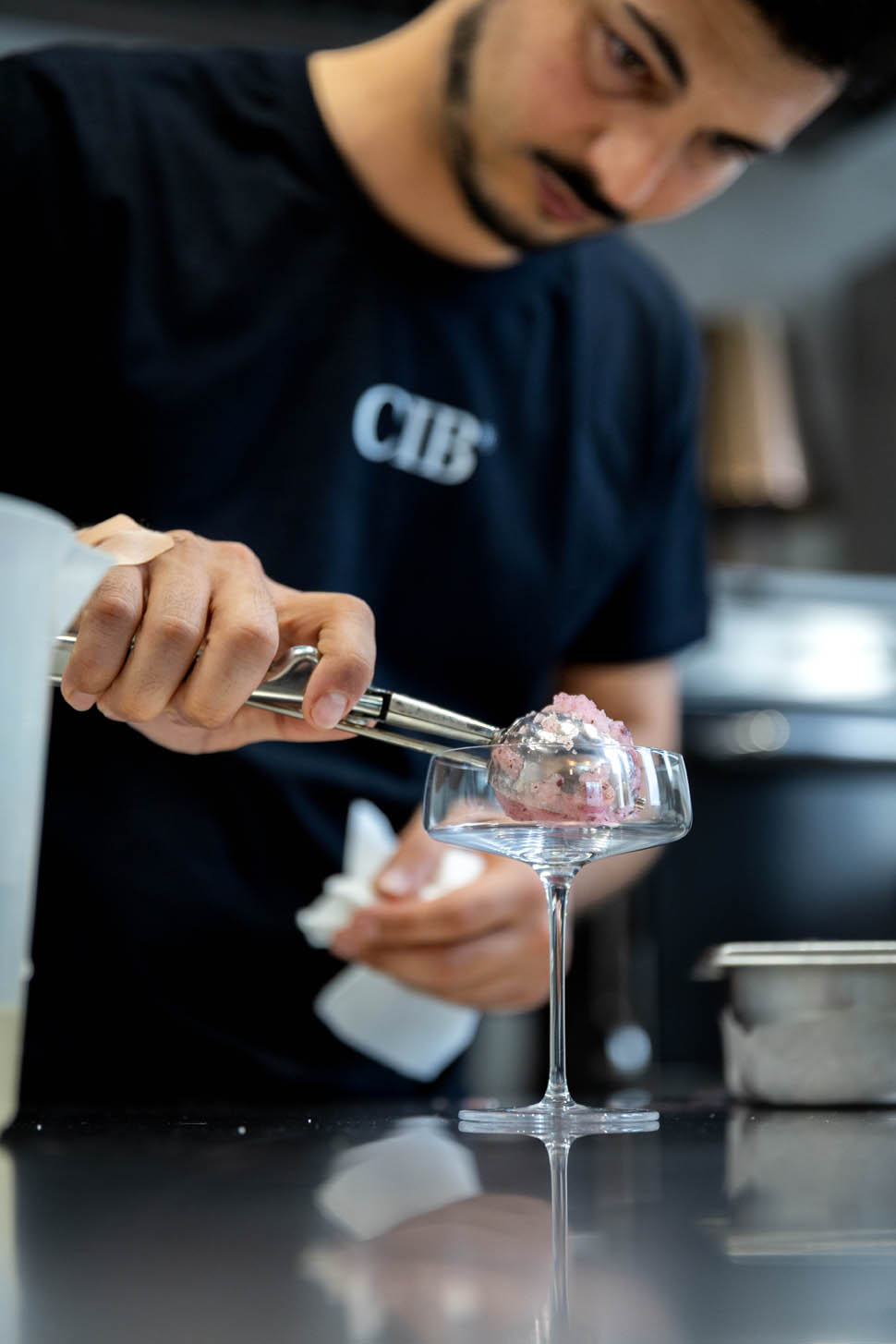
- Using an ice cream scoop, form a sphere of lemon sorbet and Zallotti Blossom and place it in the center of the cup.
- Gently pour the Falso Champagne di Mare, taking care not to disturb the sorbet’s structure and preserving the drink’s effervescence.
- Garnish with BlinQ Blossom and complete the presentation with an elegant tasting spoon.