From her grandmother’s inn in Villamar to her professional experiences in Prague, Paris, Switzerland, and Milan, all the way to the Food Network show *Vita in cucina*: Chef Scano is waging a battle against the sanitized versions of Sardinian cuisine. At the heart of her work are women’s memories, research, and recipes such as fregula and malloreddus, which reveal a Sardinia far more complex than the one imagined by tourists.
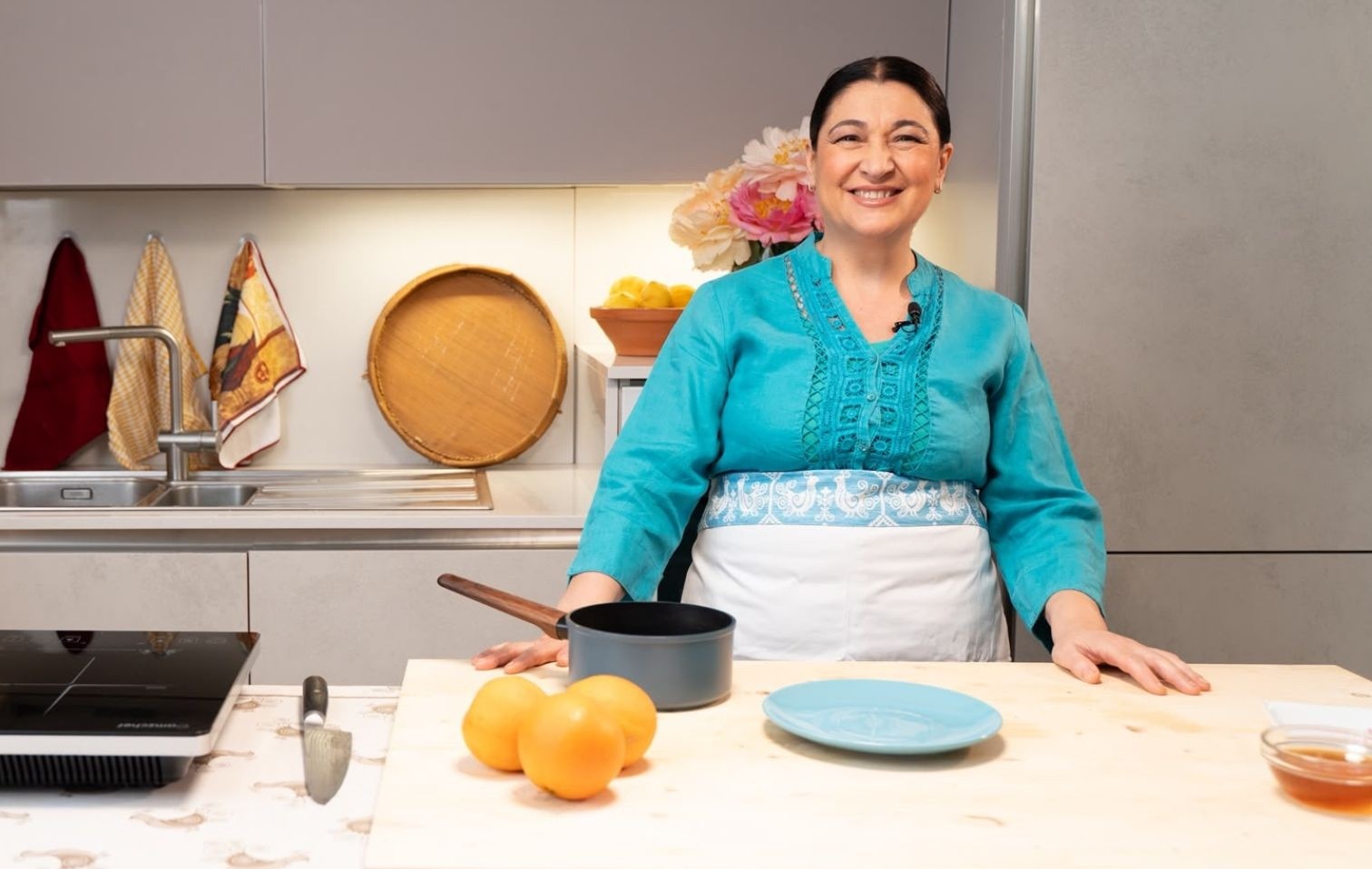
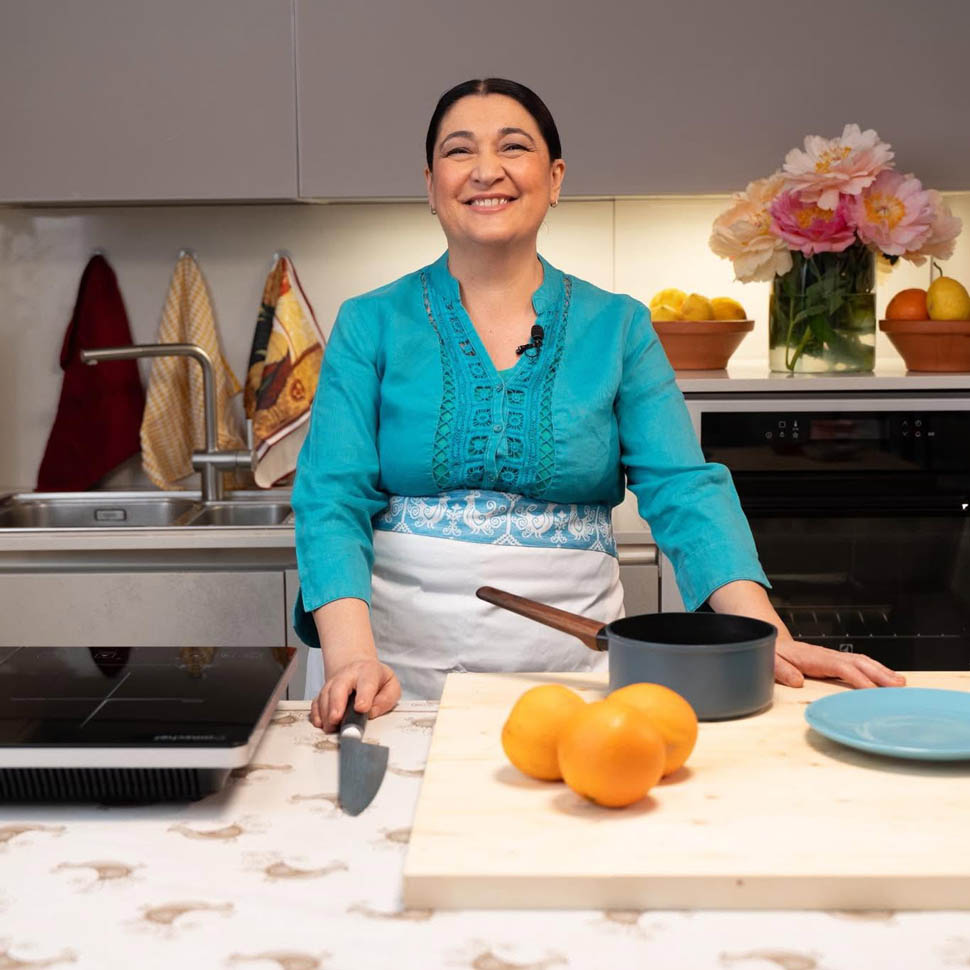
She makes the fregula by hand, and if customers want, they can see for themselves how she prepares it. For Vitalia Scano, a chef originally from Villamar in the Medio Campidano region, it’s not just a specialty to put on the menu. It’s one of the keys to telling the story of an island that risks being defined by just a few dishes that have become popular, while a significant part of its culinary culture remains in the shadows—sometimes even for visitors who have been coming here for years. In 2026, Scano appeared on Food Network with Vita in cucina – “Vitalia Scano’s Sardinian Recipes” (all episodes here, Ed.), a show dedicated to the dishes and ingredients of her homeland. Culurgiones, fregula, pane frattau, seadas, and other specialties feature in the episodes alongside a wealth of family traditions and customs. The television project, however, is merely the latest chapter in a professional journey that began long before the cameras rolled—a journey marked by diverse experiences and a conviction that the chef expresses without mincing words: “Sardinian cuisine is one of the absolute best we have in Italy, one of the best in the world.” “I always think there’s more that we don’t know than what we do know,” she says. It’s a phrase that captures her approach well: curiosity isn’t limited to the experience gained in the kitchen, and tradition isn’t an untouchable formula. We can inherit knowledge from previous generations, but we must also seek it out, explore it deeply, and learn how to share it.
An inn in Villamar, where travelers and shepherds would stop
The first kitchen Vitalia Scano remembers is her grandmother’s, who ran an inn in Villamar. The village was located along a route frequented by people heading to other parts of the island: travelers, shepherds, and workers would stop to eat or simply have a cup of coffee. Even in the middle of the night, the chef recalls, the door might be open. That environment allowed her to observe up close a style of cooking rooted in the availability of ingredients, the need to make do with what was at hand, and the ability to welcome those who arrived. Her grandmother didn’t just pass down recipes: she showed her how to use what was in the house, how to adapt to circumstances, and how to make room for people who brought different customs with them. “I was lucky enough to experience so many different cuisines, so many things,” says Scano, reflecting on that experience. Fish was also part of that repertoire. Today it may seem obvious to associate Sardinia with seafood, but the chef recalls that in her family, fish consumption followed specific customs: fish was always on the table on Tuesdays and Fridays. Alongside the best-known dishes were products and ingredients from other regions, such as walnuts, peanuts, and chestnuts. The home kitchen was a place of preservation, but also of curiosity.
There is another important chapter in her family history, one that the chef only recently discovered. Her father left when she was still very young, and her mother found herself raising six children—five boys and Vitalia, the youngest. To get back to work, her mother took a job in school kitchens. Yet, as her daughter recounts, her mother didn’t want Vitalia to become a cook. She steered her toward studying to become an accountant—a path her daughter completed, though she didn’t find her subsequent job at City Hall particularly fulfilling. She married young, at age 22, had two children, and for a time took care of her family and ran a business with her then-husband. Her passion for cooking, however, did not fade. When her children were old enough to allow her to resume her studies, she returned to school and earned a culinary certification from a hospitality school. It was not a foregone conclusion, nor was it the start of a career that someone else had mapped out for her. “I’ve always paid for everything myself—all the courses,” she emphasizes. It’s a detail she returns to repeatedly, because it illustrates the real cost of her education: investing in herself, seeking out opportunities, and acquiring skills without assuming that anyone would pave the way for her.
From Training to International Kitchens
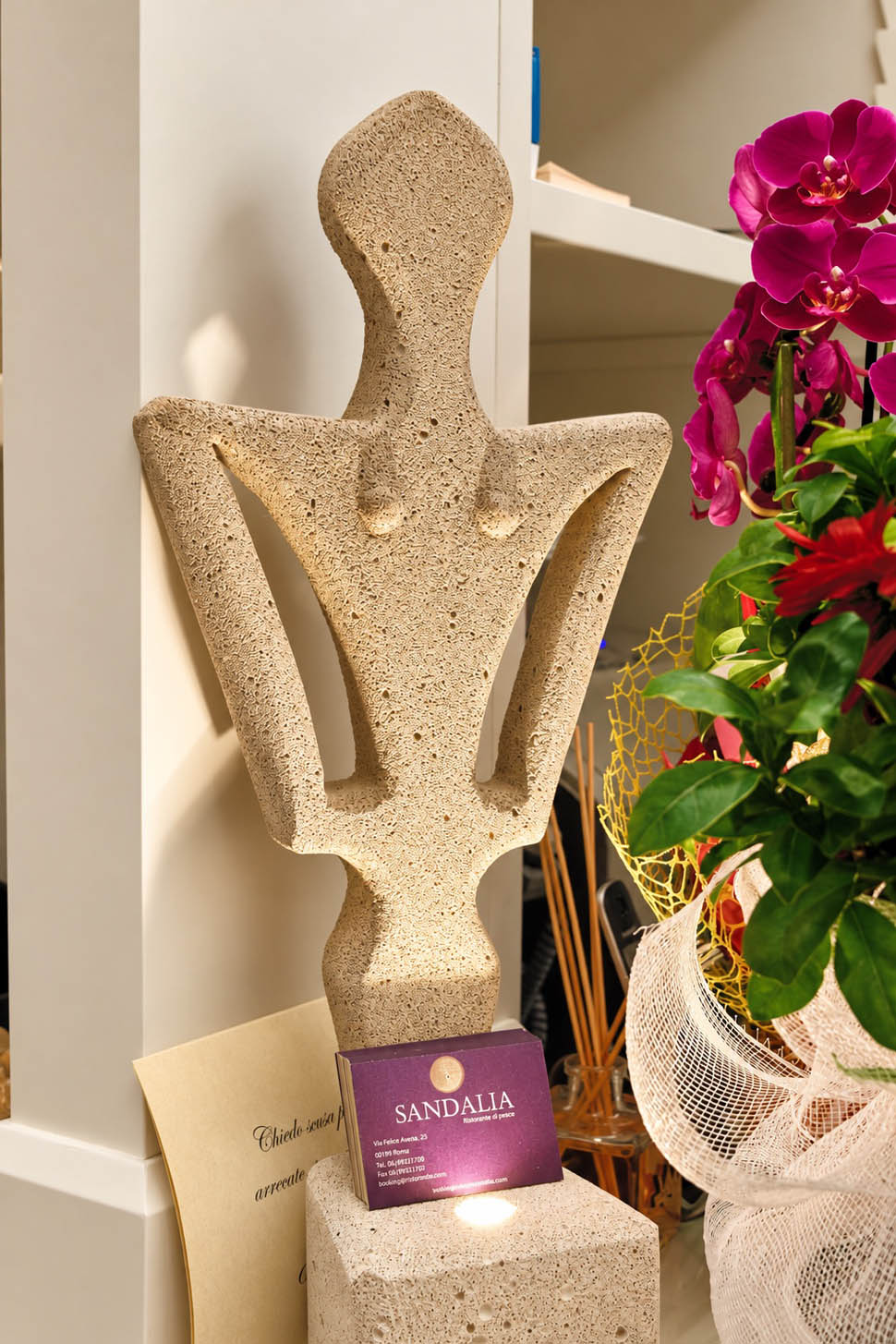
After earning her certification came the seasons, her first assignments, and work in very affluent settings. Scano recounts having had the opportunity to work in diverse professional environments, learning to navigate demands and organizational structures far removed from the home kitchen where she grew up. Her experience as a private chef also took her to Milan, where she worked for a wealthy family. Her journey, however, did not end in Lombardy. During the interview, she recalls having also worked in Prague, where she helped launch new projects, and having gained experience in Paris and Switzerland. “I’ve always loved bringing Sardinia with me wherever I go”, she says. Not only through recipes, but also through the stories of the people who have passed them down: women, shepherds, families, and communities that preserve a body of knowledge often far removed from the more visible circles of the restaurant industry. In 2017, Scano moved to Rome, where she opened the restaurant Sandalia. The capital has become a base from which to continue her work on Sardinian cuisine, through restaurant operations, collaborations, and initiatives dedicated to the island’s gastronomic culture. At the same time, she has participated in television programs and projects, ranging from collaborations with Rai and RaiNews to appearances on Tv2000 and Alma TV, bringing recipes and stories connected to her homeland to the screen. Her professional life has never precluded her pursuit of research. Scano continues to take courses, study, and delve deeper into ingredients and cooking techniques.
“If you ask me for Sardinian cuisine, I’ll serve you Sardinian cuisine.”
It was precisely in Rome that the chef felt particularly keenly the gap between the Sardinian cuisine she wanted to offer and the cuisine that, over time, had adapted to the expectations of a certain segment of the public. The problem, she explains, isn’t just about modified recipes, but the way they’re presented: dishes created to appeal to tourists’ tastes end up being seen as representative of the entire island. Scano speaks openly about a Sardinian cuisine that is “glamorized, even fake in its flavors,” an expression she also uses to describe the image she’s encountered in certain tourist settings. Her disappointment stems from the risk that a “tamed” version will become, in the eyes of outsiders, the only one that exists. The chef also notes the role played by Sardinian restaurateurs who have moved to the capital, many of whom have helped spread the island’s cuisine by adapting it to the tastes of Romans and visitors alike. While this is understandable from a commercial standpoint, it can lead to a distorted representation when these modifications are mistaken for tradition.
His stance is clear: “I might not make what you want, but if you tell me you want Sardinian cuisine, I’ll serve you Sardinian cuisine.” This isn’t a statement against the public or against the possibility of reinterpreting recipes. Rather, it’s a call for clarity: if you’re offering cuisine tied to a specific culture, you need to understand its ingredients, preparation methods, and internal nuances—without replacing them with a simplified version just because it’s more easily recognizable. For Scano, this commitment to authenticity also involves working with raw ingredients and the fundamentals of cooking. Semolina, bread, and pasta are not secondary details, but elements to be understood and, whenever possible, prepared from scratch. At events and gatherings dedicated to Sardinia, the chef makes a point of demonstrating the processes and explaining the techniques, because cooking isn’t limited to the dish served at the table. This perspective is also reflected in *Vita in cucina*. The program reaches an audience that may not necessarily be familiar with the differences between the traditions of the island’s various regions. The goal, in this case, is not to offer a definitive guide to Sardinian cuisine, but to open a window onto recipes, ingredients, and stories that viewers can explore further even after watching the show.
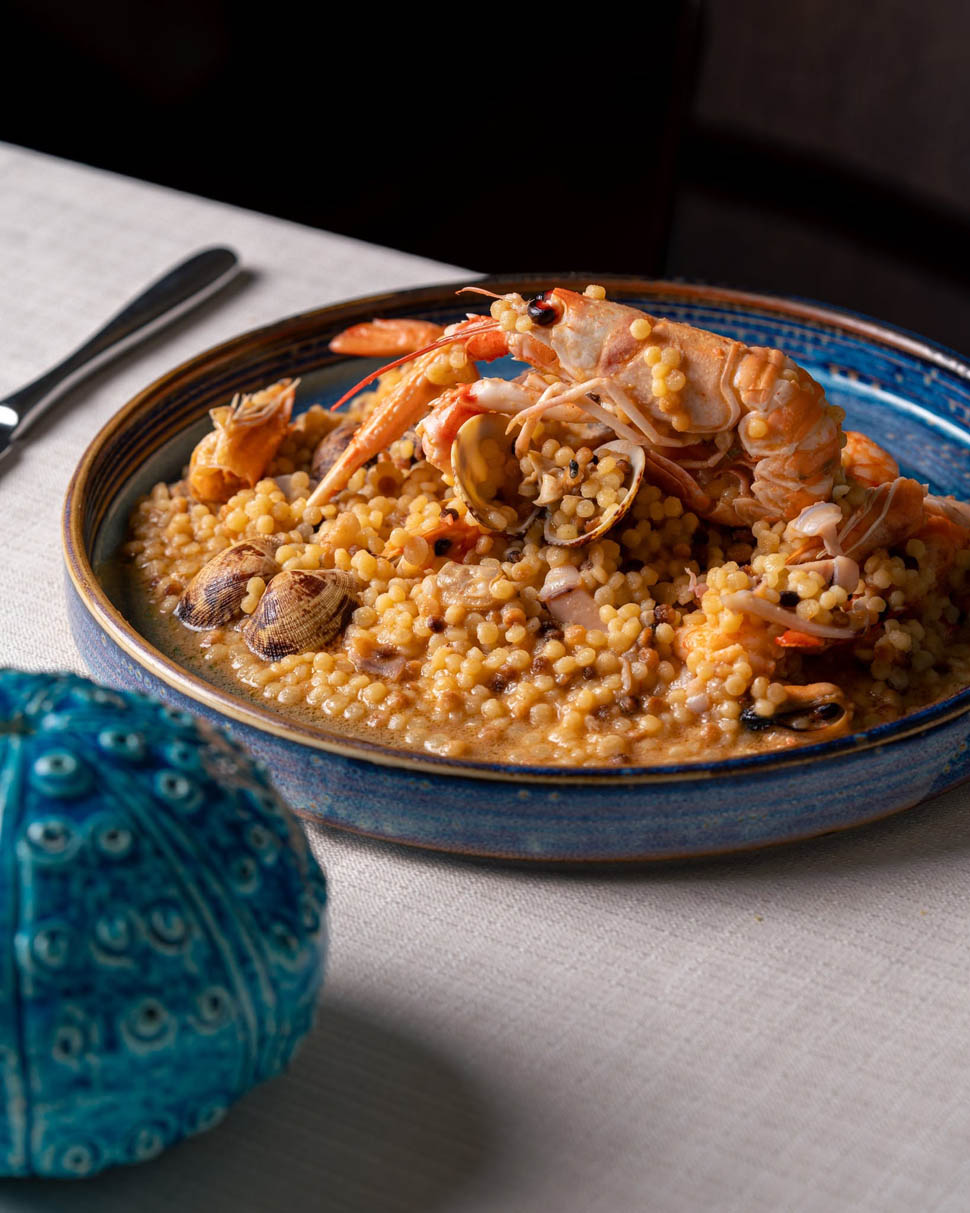
Fregula and Malloreddus: Two Types of Pasta and Many Memories
When asked which dish best represents Sardinia, Scano answers without hesitation: fregula—or fregola, according to one of the most common spellings. The reason is geographical even before it is emotional: she recognizes it as a dish found in various regions, from the south of the island all the way to La Maddalena. The pasta becomes an opportunity to highlight a tradition that risks disappearing behind ready-made products: the shaping of the grains, the movement of the hands, and the skill required to achieve a uniform texture all demand practice and knowledge. Her favorite version is fregula with sausage and porcini mushrooms, a dish that also holds family significance: it’s one of her daughter’s favorites. This dish combines the character of Sardinian pasta with ingredients that create a richer flavor, without the recipe becoming a display of technique for its own sake. Alongside fregula are Campidanese-style malloreddus, linked to another family memory. Scano recalls his grandmother’s version, in which the sauce was made with sun-dried tomatoes instead of salt. This detail reveals much more than just a home-style variation: it shows how a recipe can incorporate customs and solutions developed within a specific context, becoming part of a family’s identity. This is also why Scano is wary of the idea of a single, unchanging Sardinian recipe. Preparations vary from region to region and from household to household, and often these differences aren’t mistakes to be corrected, but traces of history.
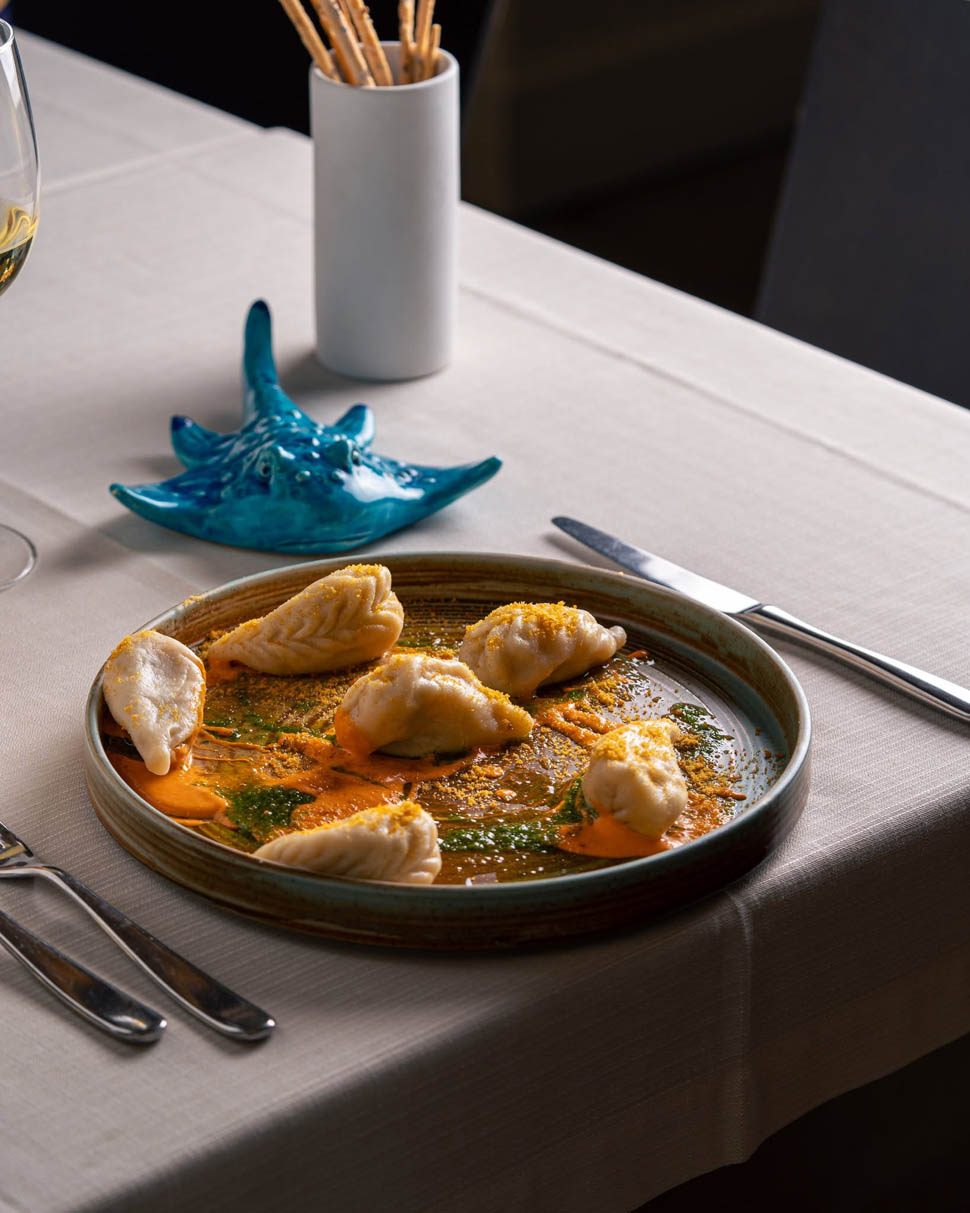
Grazia Deledda: Food as a Cultural Document
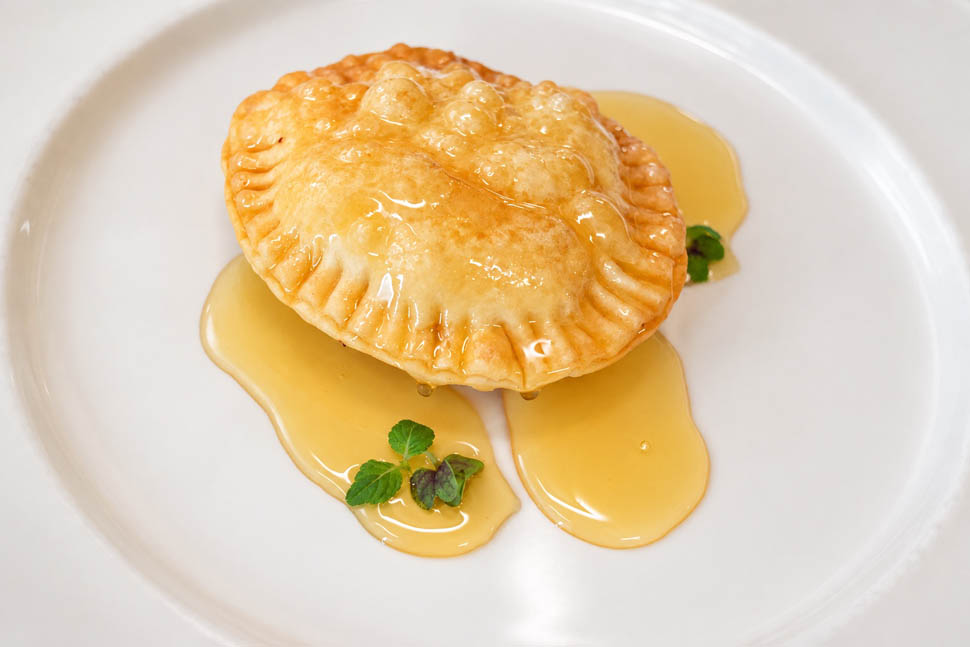
The connection between cuisine and memory finds another expression in the “Menù Deleddiano,” a project that draws on the gastronomic references found in Grazia Deledda’s works and translates them into culinary creations. The research was initiated by Vincenzo Palimodde and Tonina Biscu; Scano, president of the association behind the initiative, helped develop its traveling component and bring it beyond Sardinia. The project stems from a specific idea: in Deledda’s novels and short stories, food is not merely a decorative element. It can describe a setting, suggest a social status, convey a custom, or illustrate the relationship between a community and its territory. Recreating the dishes mentioned in her works therefore means interpreting literature through material culture as well. The Deleddian Menu reached Brussels in 2023, during Italian Cuisine Week Around the World, bringing dishes and demonstrations rooted in Sardinian tradition to an international audience. Among the dishes presented were specialties such as pane frattau, filindeu, casadinas, and seadas.
Women’s Work and Cooking as an Opportunity
In 2025, Scano participated in the FAO World Food Forum in Rome, speaking on the topic of women working in the kitchen and food sustainability. “The kitchen has always belonged to women,” she observes, noting how many techniques and recipes have been passed down by mothers, grandmothers, and cooks who worked in homes or cafeterias, often far from the spotlight. Their expertise did not necessarily stem from formal training but was based on years of practice, observation, and the ability to organize their work. This is also the basis for her emphasis on solidarity among women. “We should learn to support one another, because we truly are a force,” she says. The message isn’t just for chefs or established professionals, but also for those who need an opportunity to enter the workforce. Scano explains that she is involved in programs aimed at providing culinary training to women from various countries, helping them build skills and opportunities for independence.
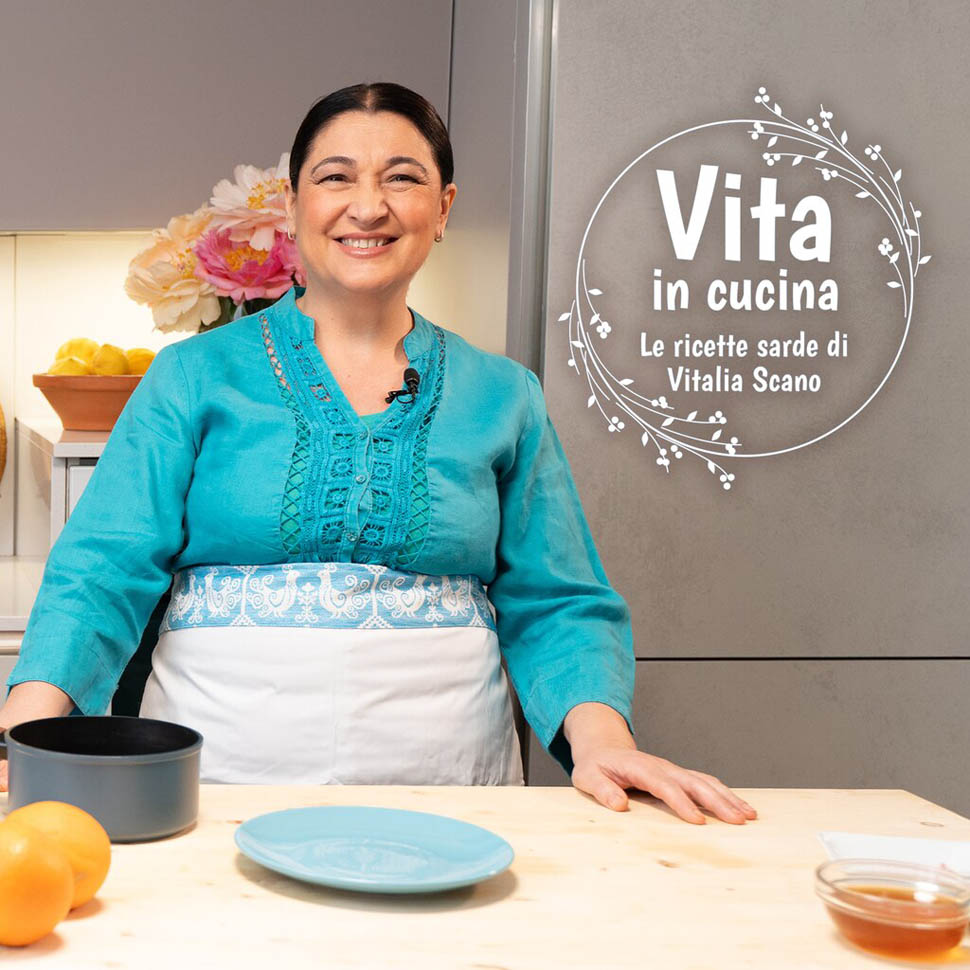
A phone call in February and a week to write the script
The opportunity to appear on the Food Network came unexpectedly. Scano remembers the exact date of the phone call: February 10, 2026. At first, she says, she was even wary, because she often received sales calls and didn’t want to accept offers that required her to pay to participate. When she realized it was a television proposal, she agreed to look into it further. After initial contacts and a meeting with the production team, the project quickly took shape. “I wrote the whole thing in a week,” she says. Writing wasn’t entirely new to her; she had already prepared materials and content for previous collaborations. This time, however, she had to create a show that would seamlessly blend recipes, personal storytelling, and educational content. Filming took place in April. There was no shortage of excitement: during one of the first days of work, she even cut her finger—a minor accident she recalls with a touch of humor and that stuck with her precisely because she wasn’t used to working in the kitchen under those conditions. Appearing on camera also required some adjustment: a Sardinian swear word, she says with a laugh, was edited out during post-production. Beyond the unexpected twists, the show represents an opportunity for her to broaden the narrative of Sardinia. She doesn’t claim to cover the island’s cuisine exhaustively in a series of episodes, nor to establish once and for all how a specialty is prepared. On the contrary, Scano invites viewers to share their own versions of the recipes—including those passed down through their families—because comparing them can bring out differences that deserve to be heard.