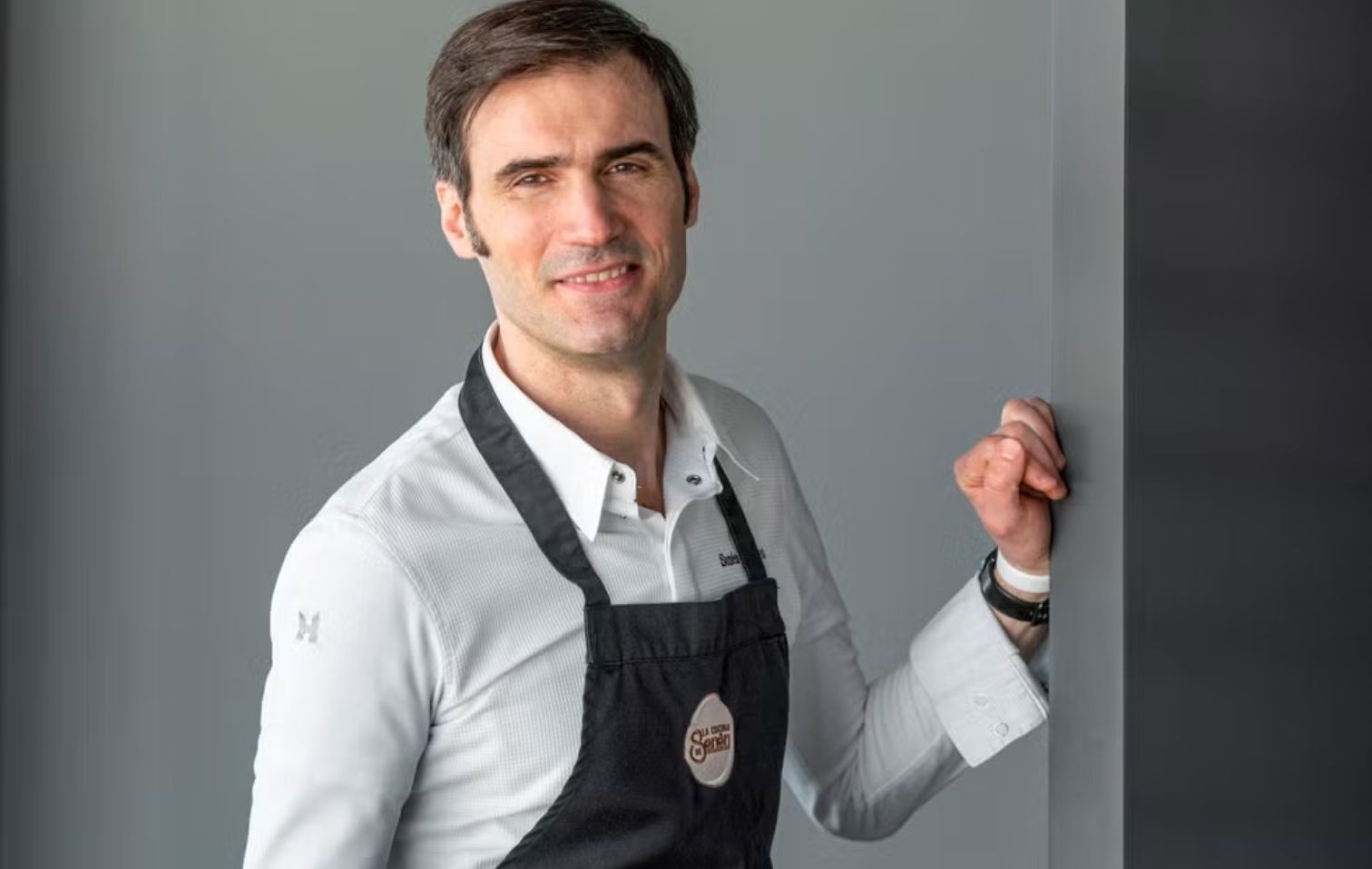
High rents, expensive raw materials, and staff shortages are putting a strain on those who invest in the restaurant industry. From specialization to margin control to revenue diversification, the experiences of some entrepreneurs show how to build a sustainable business model.
The News
Opening a restaurant requires much more than a passion for cooking. With rising operating costs, difficulties in finding staff, and increasingly intense competition, a restaurant’s financial stability also depends on decisions made before it opens: which customer base to target, what to offer, and how much to invest. In Spain, according to data from the Anuario de la Hostelería cited by El País, the sector—which includes restaurants, bars, cafés, and pubs—employs 1.39 million people and generates revenue of approximately 116.2 billion euros, equal to 4.7% of the national GDP. Yet, according to statements by Marcel Planellas, honorary professor at ESADE, six out of ten restaurants close before reaching their fifth anniversary.
A distinctive concept, without endless menus
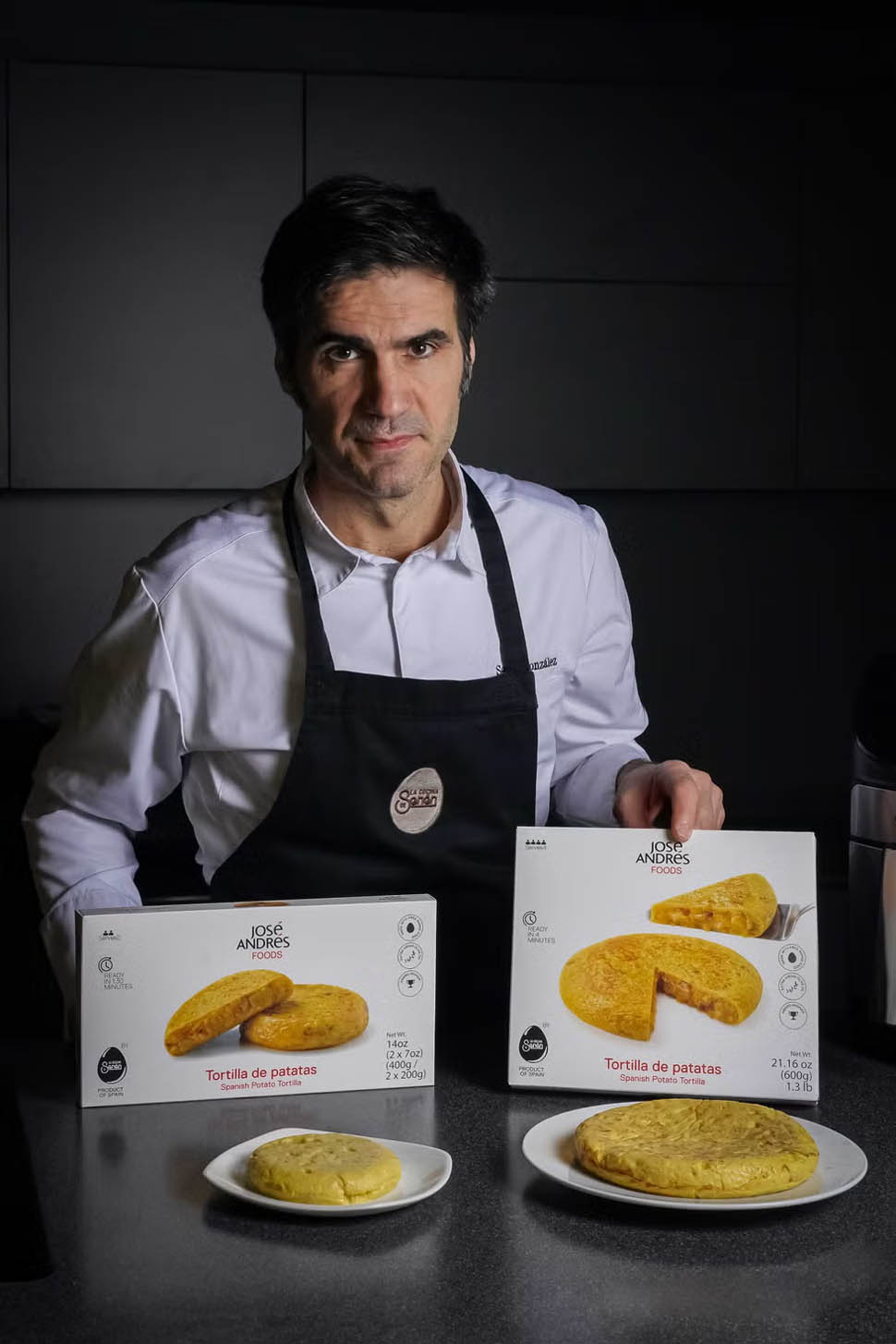
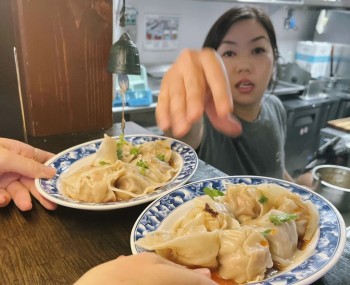
Senén González, who runs Sagartoki in Vitoria, has built his career by focusing on sophisticated pinchos and culinary innovation, even developing a tortilla recipe to be finished at home, which won an award in 2010. After a fire destroyed the restaurant in 2012, González managed to get back on his feet: today, he reports annual revenue of 10 million euros and a team of 80 employees. His first piece of advice for anyone opening a restaurant is simple: “You can’t have an extensive menu; you have to do a few things, but do them well,” he told the Spanish publication. Specializing helps focus resources and makes the offering recognizable. But it’s also essential to stand out from the competition: according to Planellas, copying an existing format without adding anything new is one of the most common mistakes. Meanwhile, high rent costs are pushing entrepreneurs to seek alternative solutions. Hot Burger, in Vitoria, uses the kitchens at the Gran Hotel Lakua to prepare part of its menu for home delivery. Dum Dum, on the other hand, has chosen to focus on a single product: dumplings. These two models demonstrate how a business can adapt to its available resources without losing its identity.


Costs Under Control and Returning Customers
Knowing how to cook doesn’t necessarily mean knowing how to run a business. Izaskun Zurbitu, coordinator of the Management Department at the Basque Culinary Center, emphasizes the importance of regularly monitoring the costs of ingredients, staff, and rent, comparing them to revenue. Margin tracking, she notes, should be done weekly, not just at the end of the month. A common mistake is investing too much upfront in the kitchen and furnishings without verifying whether revenue will cover the expense. It’s equally important to understand how much each visit generates and how often customers return. Customer loyalty, in fact, can impact profitability just as much as cost reduction.
Diversify to Cope with Slow Seasons
To keep the team active even during slower months, some restaurants have developed complementary activities. Güeyu Mar, in Asturias, produces preserves to offset the decline in customers during the winter. As also highlighted by El País, the Roca brothers, on the other hand, have expanded their gastronomic universe beyond the three-Michelin-starred El Celler de Can Roca, with ventures that include the hotel and chocolate shop Casa Cacao, the ice cream shop Rocambolesc, and other restaurants and event spaces. Nandu Jubany has also launched a production line of cannelloni and croquettes for distribution, supplying chains such as Ametller Origen, BM, and Marks & Spencer in the United Kingdom.
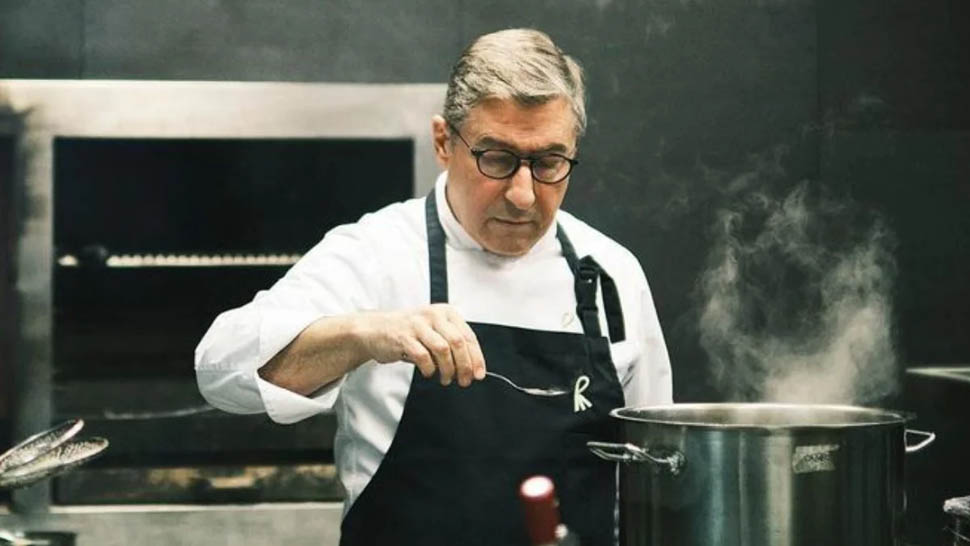
Diversification can therefore generate new revenue, but it must be based on an economically sustainable model. It can also help retain staff, one of the industry’s most pressing challenges. The Roca brothers, for example, introduced a two-shift system to make work schedules more manageable. As Joan Roca explained: “Commitment, yes; sacrifice, no.” The challenge for those opening a restaurant is to find a practical balance between culinary identity, sustainable costs, and actual demand. Passion may spark a project, but it’s the numbers that determine its longevity.