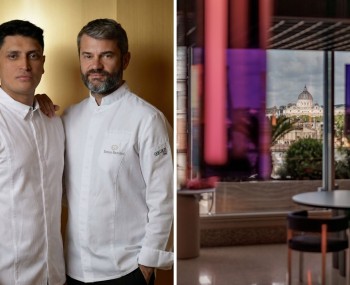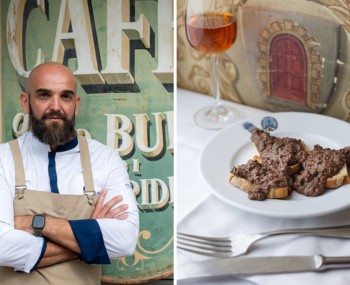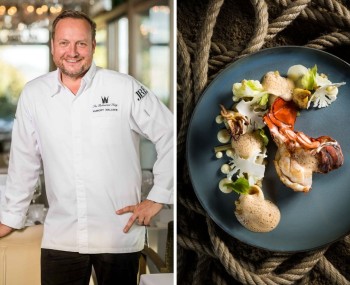
From Wicky Priyan’s Japanese tastings to the fiery flavors of Chongqing, from Cantonese dim sum to steaming ramen: ten spots to explore the diverse facets of Asian cuisine in Milan—beyond the usual sushi.
Milan has learned to wear a kimono and play the guzheng, yet even now it struggles to recognize truly high-quality ramen. Enough with overcooked steamed dumplings, enough with plastic-tasting sushi, enough with an “Asian” cuisine that promises a little bit of everything but lacks flavor and meaning. Let’s move away from the most predictable formulas to discover just how reductive this gastronomic landscape really is. A pork broth with noodles tells a different story than that of an omakase; the heat of Sichuan cuisine has nothing to do with the delicacy of Cantonese dim sum; Japanese cuisine that engages with Italian ingredients follows yet another path. Milan’s Asian scene becomes interesting when it stops being a label and lets the individual cuisines, their techniques, and the stories of those who bring them to the table speak for themselves.This selection includes both restaurants for special occasions and spots where you go primarily to relax and experience one of the most sacred rituals: that of respect for recipes.
1. IYO, Japan Meets Milan
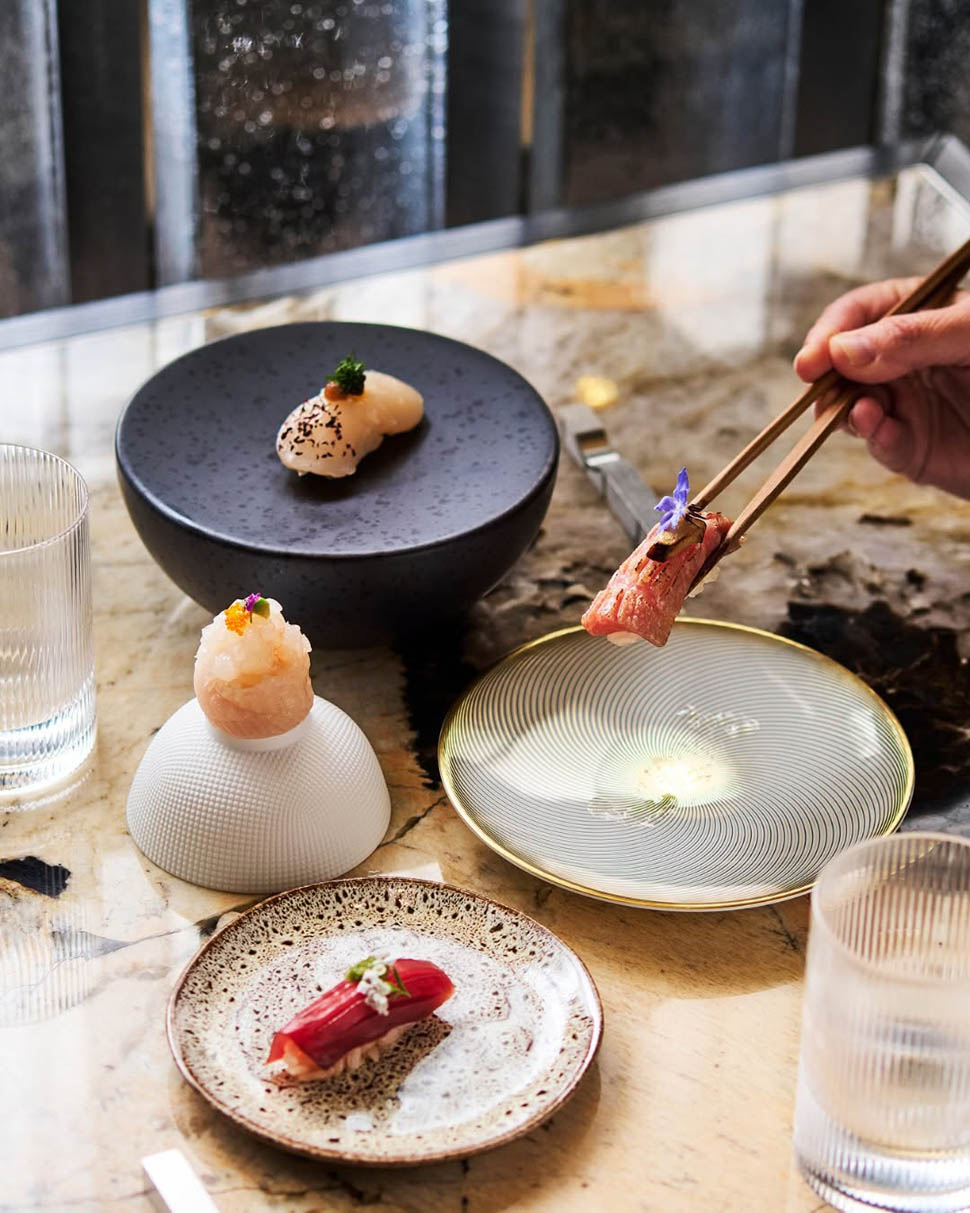
In 2007, Claudio Liu opened IYO, at a time when high-end Japanese cuisine in Milan did not yet have the widespread popularity and recognition it enjoys today. The restaurant has become a benchmark for a culinary approach that doesn’t merely replicate the conventions of Japanese cuisine but thoughtfully blends them with international sensibilities and ingredients. It was the first Japanese restaurant in Italy to earn a Michelin star, a significant milestone in the history of Asian cuisine in the country. Sushi and sashimi remain central to the experience, but to limit the story to just these two words would be to tell only a fraction of the story.
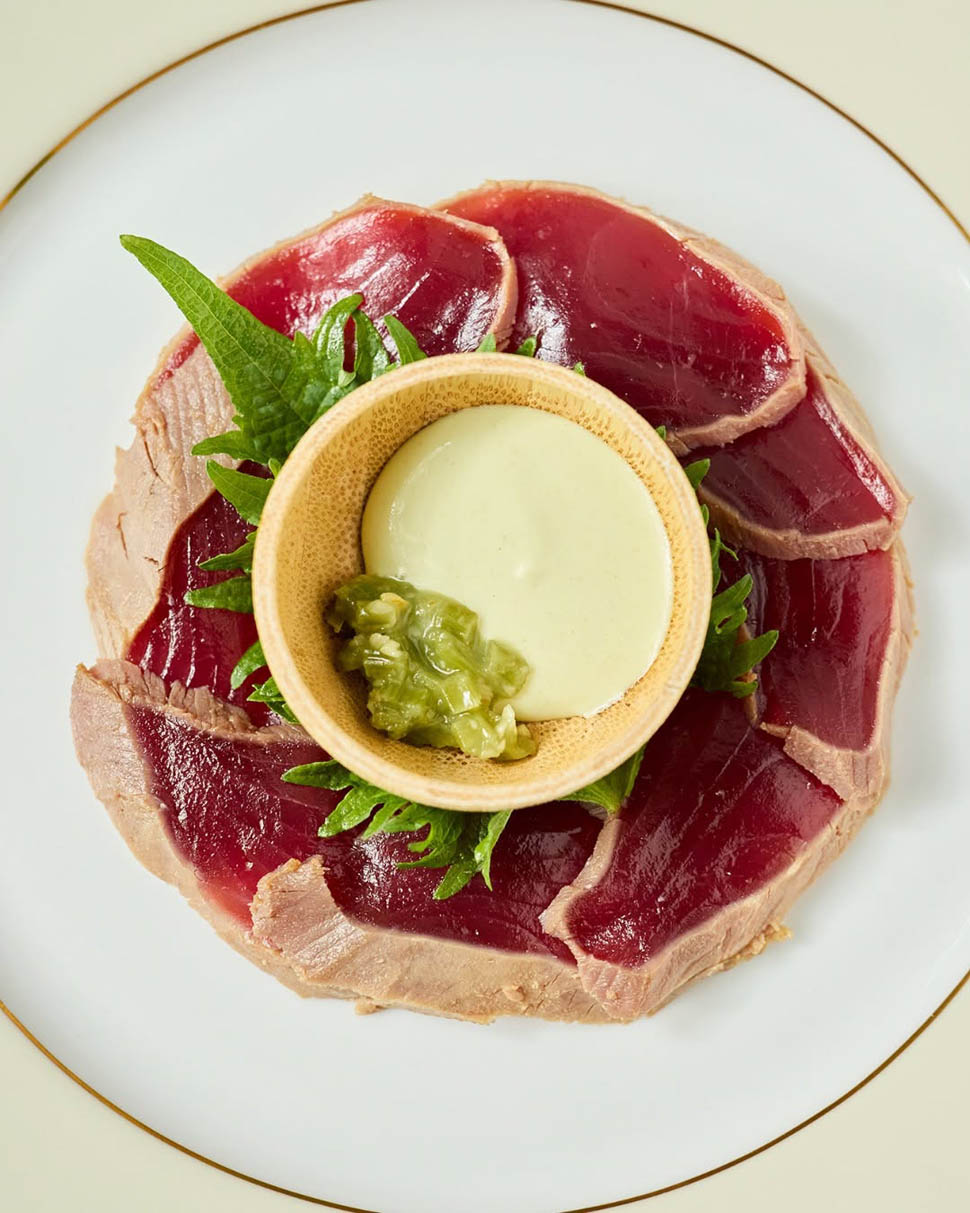
The menu features tempura, robatayaki dishes—a Japanese grilling technique—and dishes in which the fusion of Eastern and Italian cuisines becomes a deliberate gastronomic choice. Notable among the offerings is the now-iconic Ika Somen, featuring shredded raw squid, quail egg, Royal Oscietra caviar, crisp vegetables, and soba dashi sauce; however, the menu—which is as varied as ever and constantly evolving—has also featured creations such as sea bass with red shrimp from Mazara del Vallo, bottarga, and seasonings inspired by Japanese cuisine. IYO is the place to go when seeking a tasting menu crafted with ambition, with a price tag befitting the quality of the offerings. Its unique approach isn’t to mix ingredients from different origins simply for the sake of surprising diners, but to seek a balance where the Japanese foundation remains recognizable even when it meets flavors familiar to Italian cuisine.
2. Ba Restaurant: A Contemporary Take on Chinese Cuisine
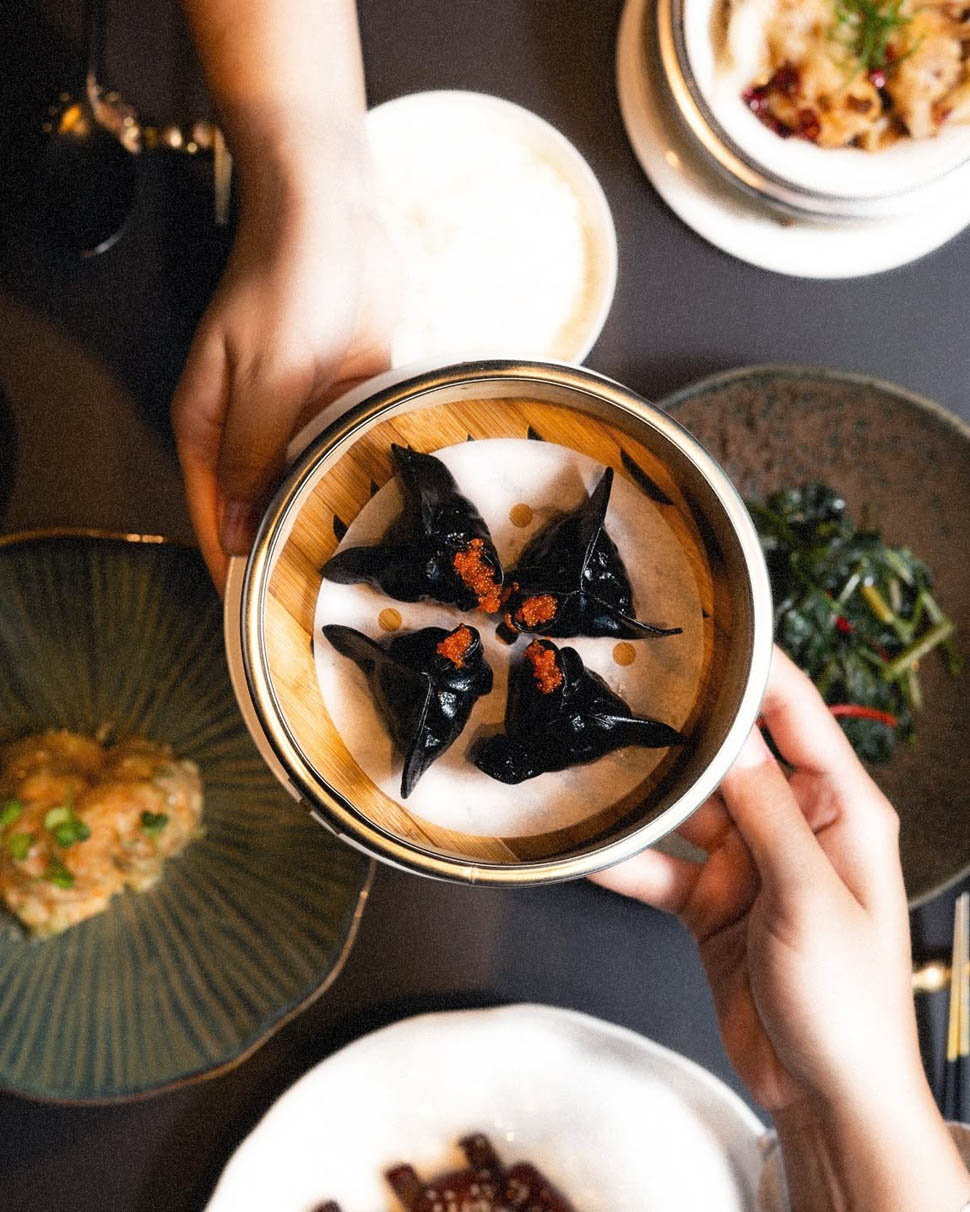
Chinese cuisine boasts a regional diversity that no general definition can fully capture. Ba Restaurant tackles this complexity through a contemporary approach, where traditional elements coexist with refined presentations and carefully selected ingredients. The restaurant belongs to the group associated with the Liu family, along with IYO, but has developed its own distinct identity, with a menu that differs from those of the other locations. The dining room is recognizable for its large red chandeliers and small lanterns on the tables, while the kitchen specializes in dim sum and reinterpreted Chinese recipes that remain true to their roots.
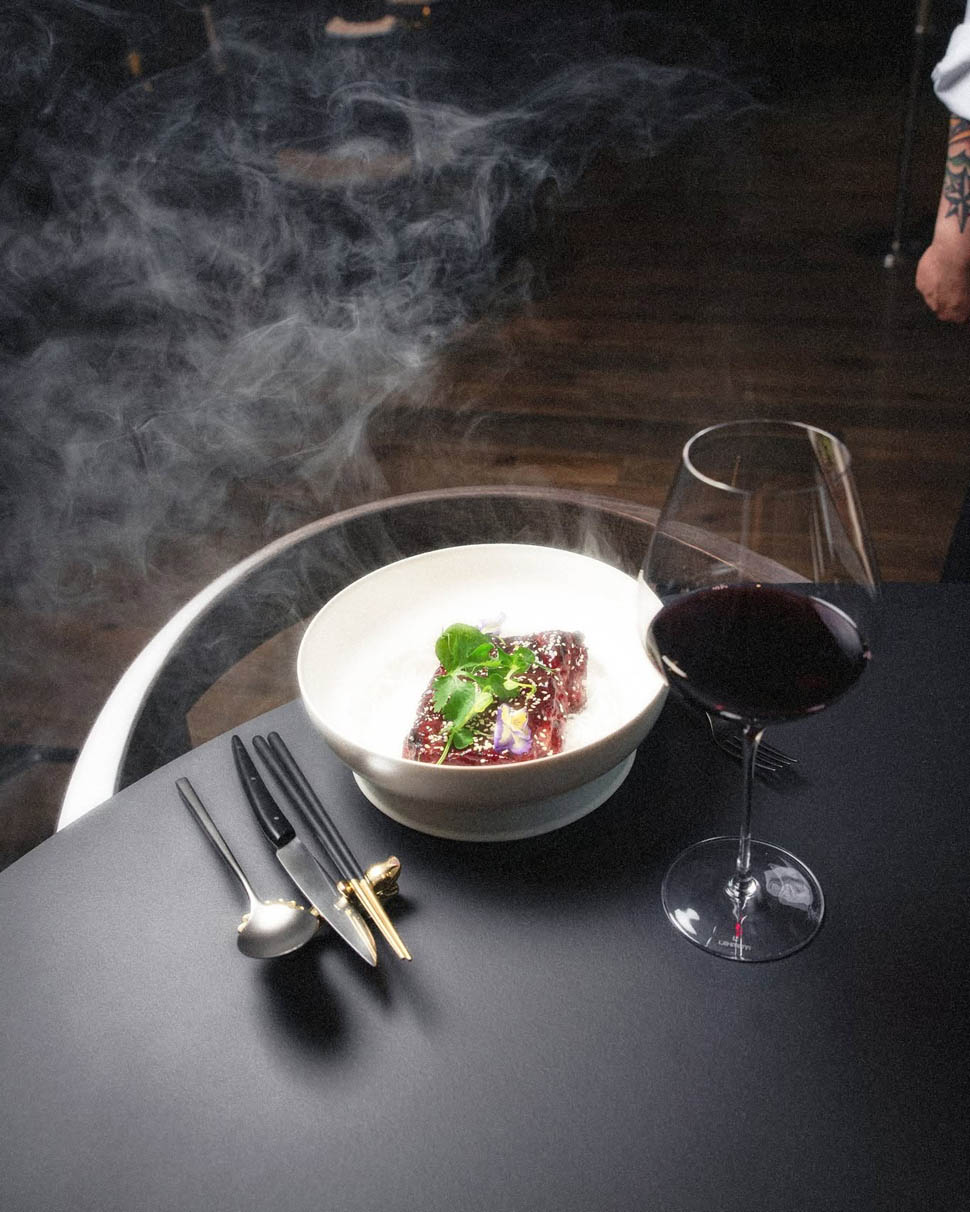
Among the standout dishes are scallops with XO sauce, asparagus, foie gras sauce, and cured ham chips: a creation that clearly demonstrates the chef’s quest to forge a dialogue between different ingredients and culinary traditions. Ba is an appealing choice for those who want to experience a more nuanced take on Chinese cuisine than the usual fare, without sacrificing an elegant setting and high-end restaurant service. It’s best to arrive with a curiosity to explore the menu, rather than expecting a succession of familiar dishes.
3. Gong: When Chinese Cuisine Looks Beyond Its Own Borders
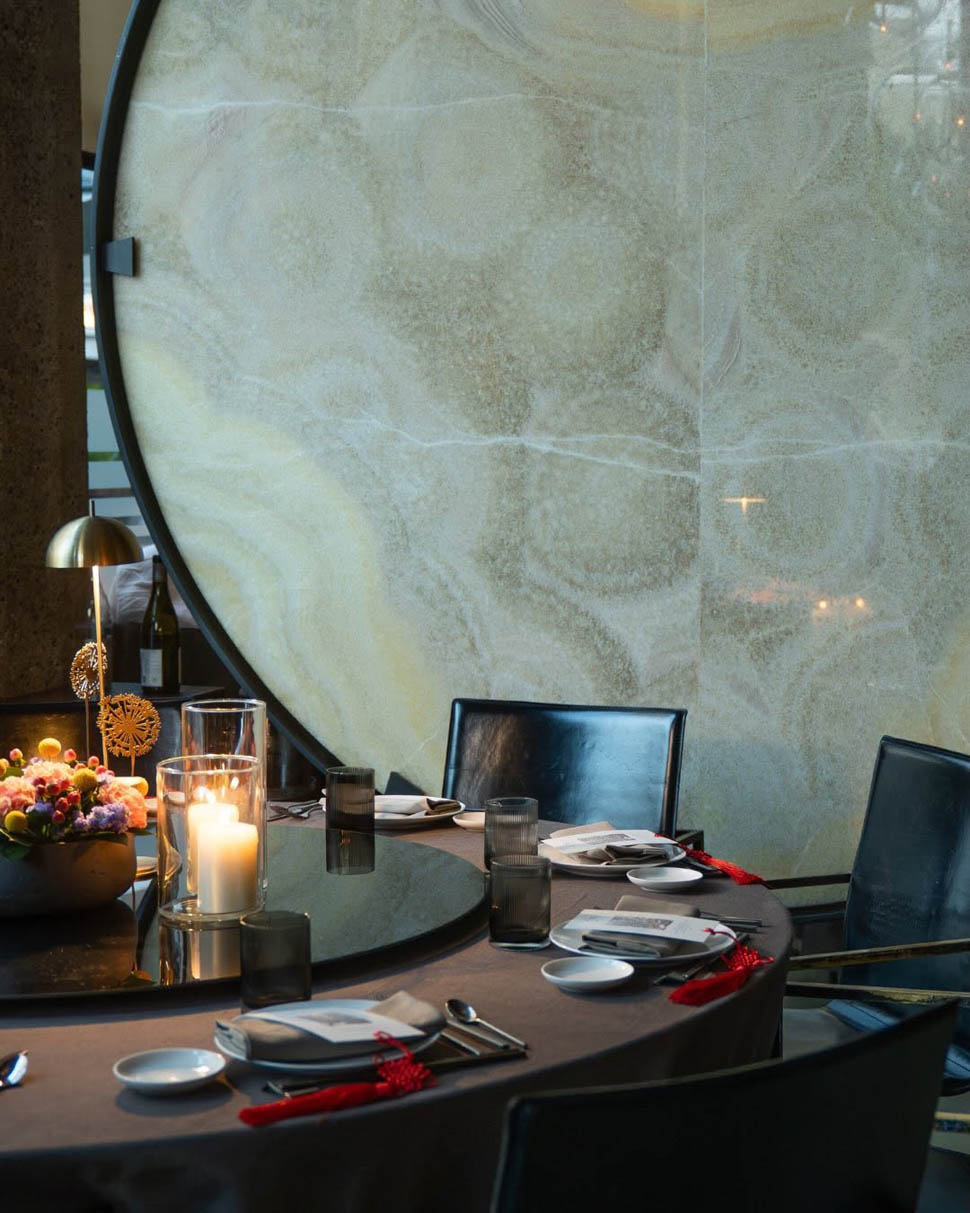
While Ba focuses on understated elegance, Gong brings a more theatrical dimension to the forefront. The imposing gongs that characterize the dining areas are not merely decorative elements: they echo the restaurant’s name and define its visual identity. Here, too, the connection to the Liu family is part of the restaurant’s history, but the culinary offering has a distinct character of its own. The kitchen takes Chinese recipes as a starting point for dishes that incorporate international techniques and ingredients.
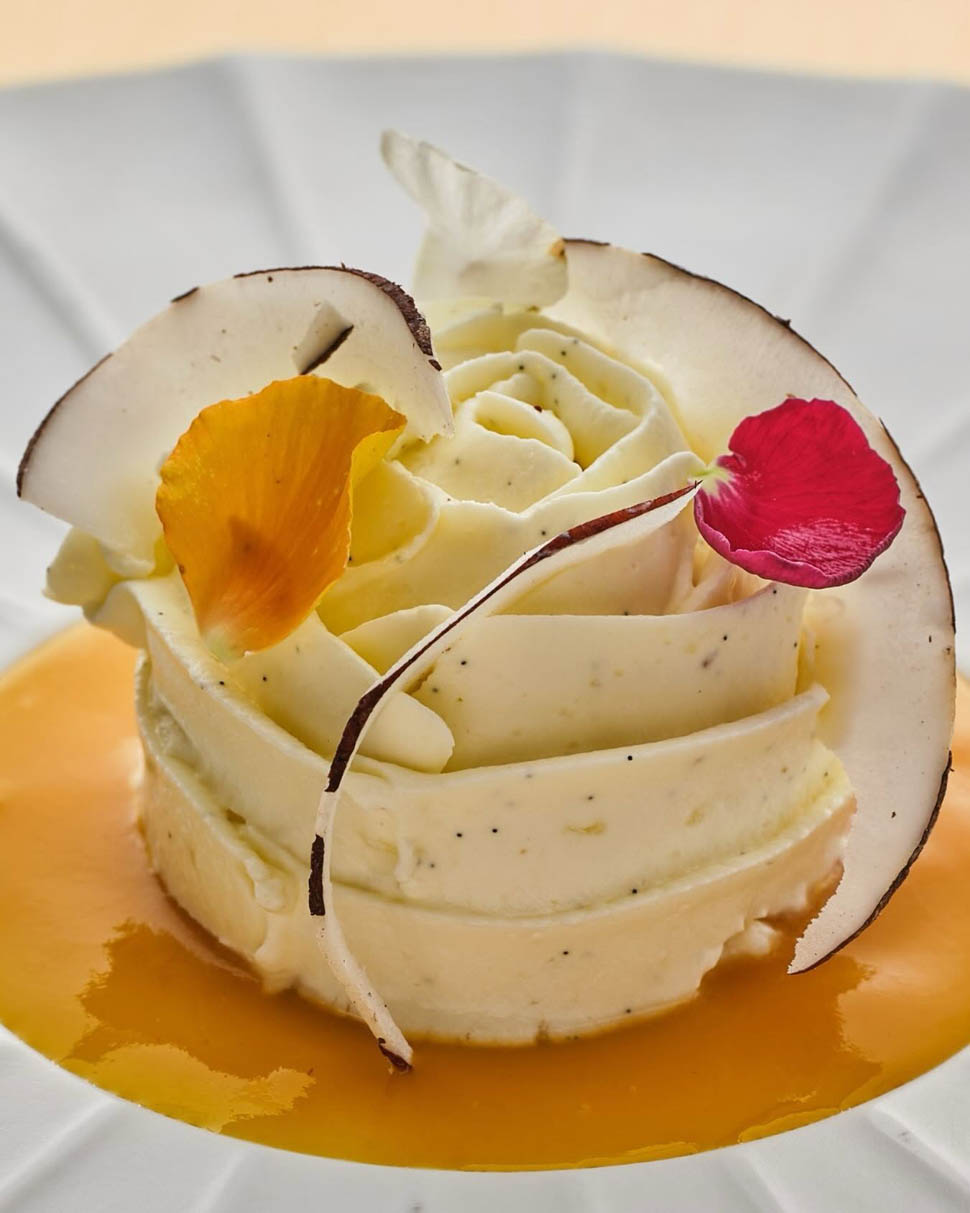
Signature dishes include the Raviolo d’Oro with ossobuco and saffron, Wagyu dim sum, and Peking duck—the latter of which is also the centerpiece of one of the tasting menus. Gong is ideal for those seeking a memorable dinner or a gastronomic experience where presentation also plays a significant role. Its cuisine does not claim to be a philological repertoire of Chinese tradition: the style is unambiguously contemporary, with influences that become an integral part of the dish.
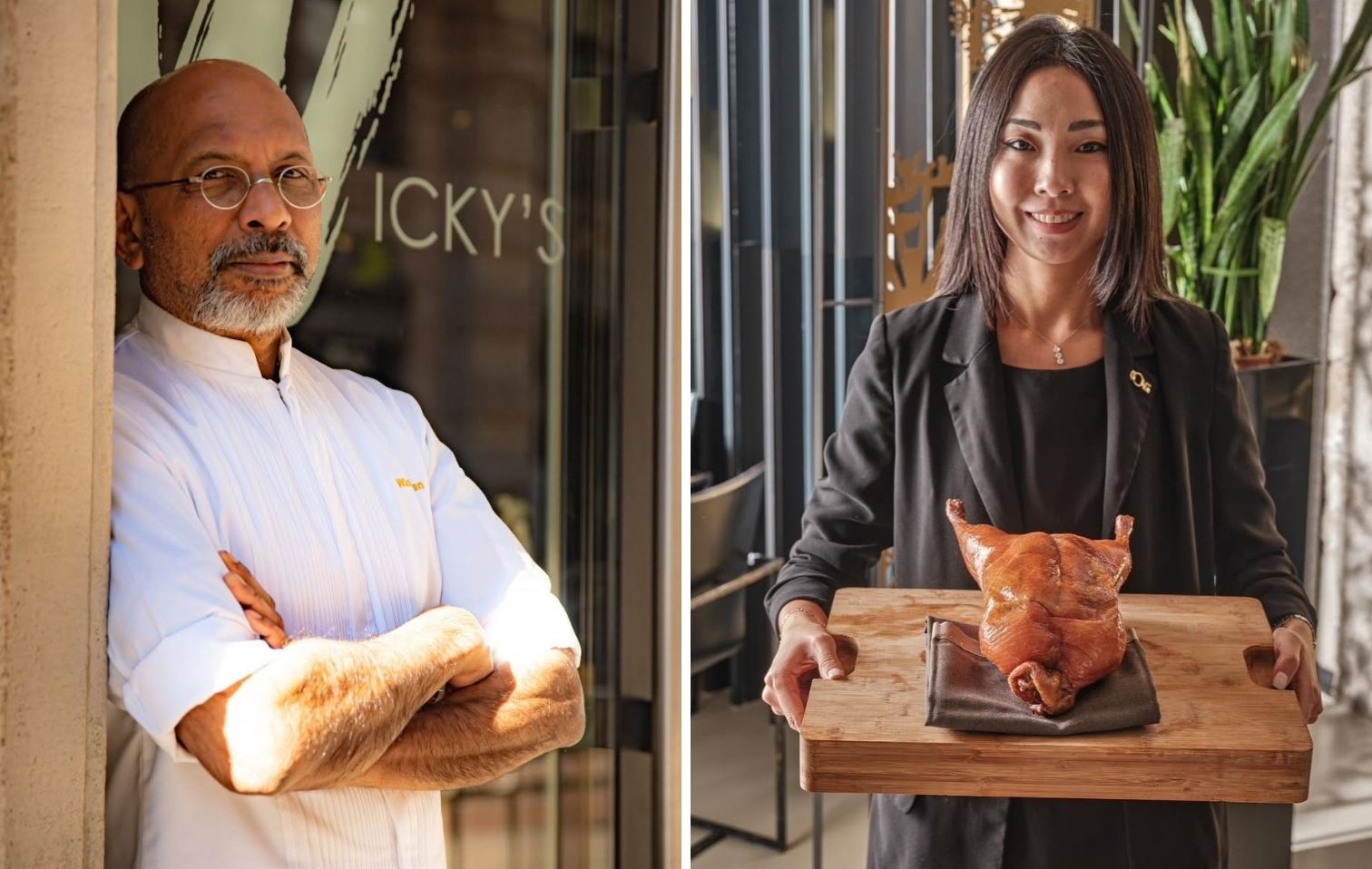
4. Wicky’s Innovative Japanese Cuisine: Japanese cuisine meets the Mediterranean
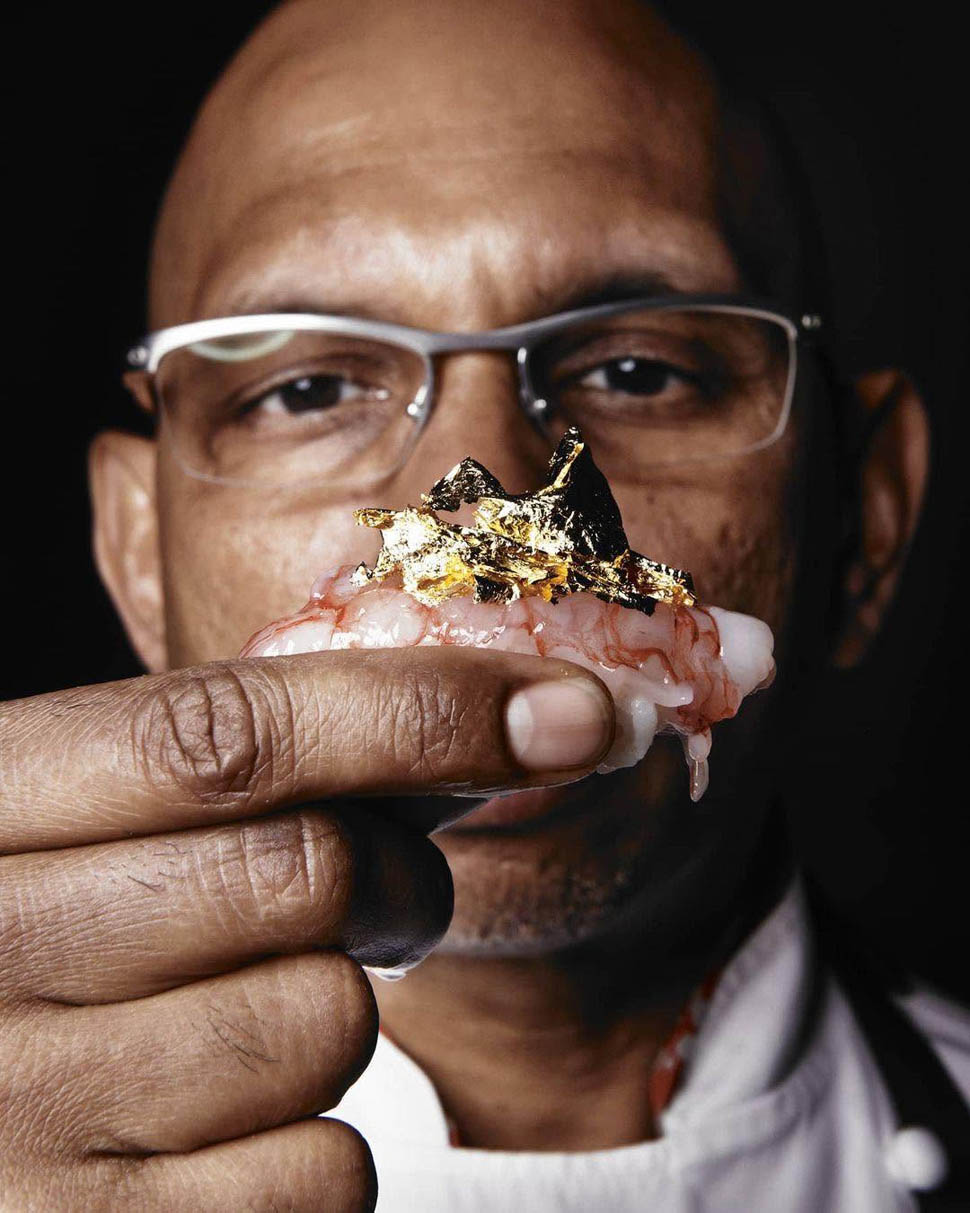
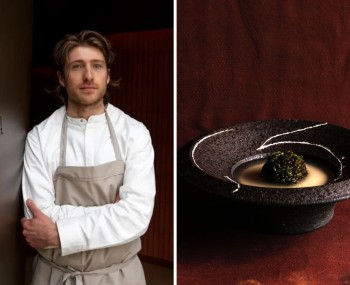
Wicky Priyan’s cuisine stems from the fusion of Japanese techniques and Mediterranean ingredients. The result is not a conventional sushi restaurant, but a personal take on cuisine where fish, herbs, citrus fruits, and ingredients familiar to Italian cuisine come together in Japanese-inspired compositions. This is one of the restaurant’s distinctive features, which also features an open kitchen and a sushi bar. The best way to approach the menu is to opt for the evening tasting menu when you’re looking for a more comprehensive dining experience. This choice allows you to follow the chef’s vision without reducing your visit to a mere succession of tastings organized by category.
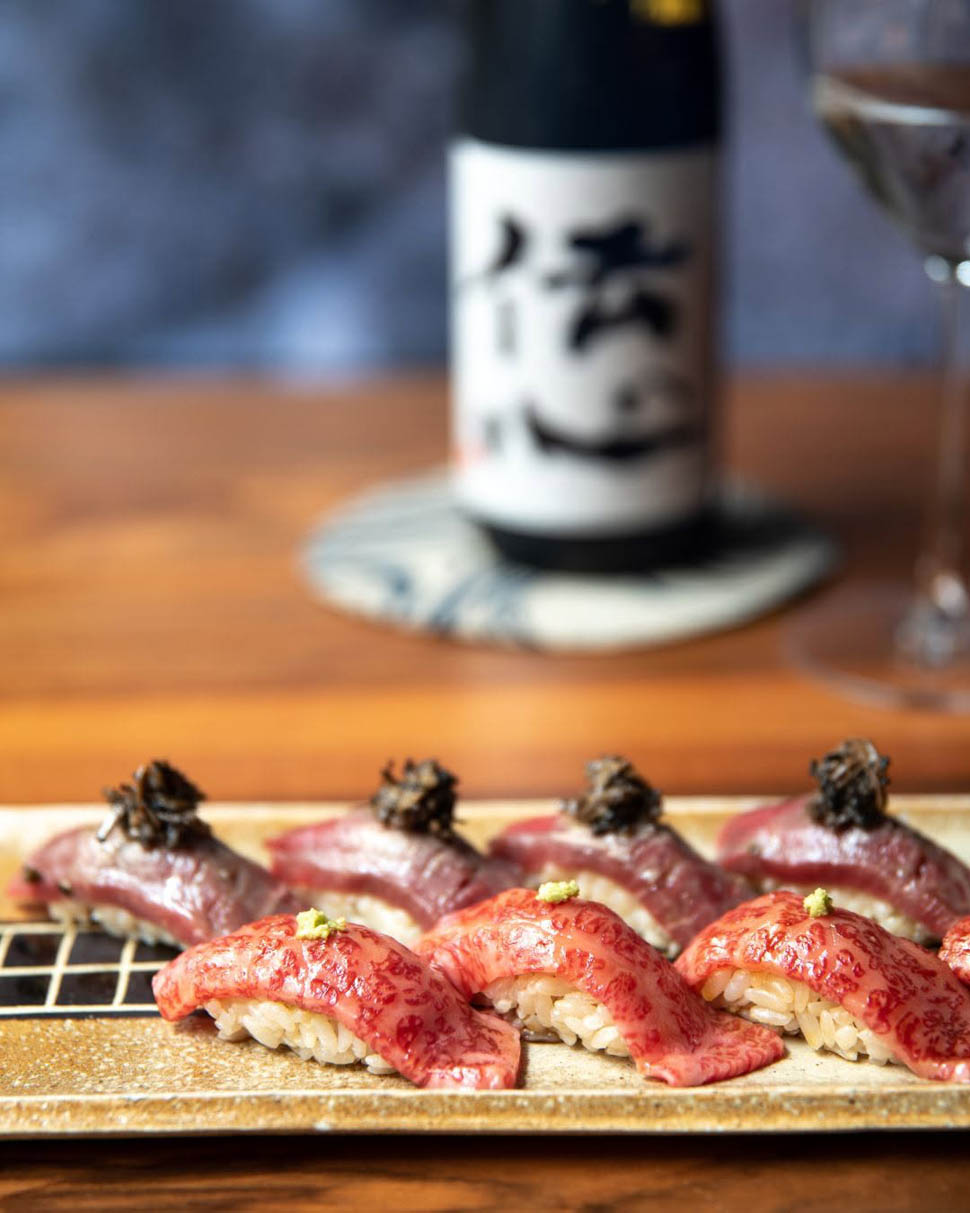
The dining experience focuses on the composition of the dish and the interplay of flavors, with an approach that may appeal both to those familiar with Japanese cuisine and to those seeking to explore a less orthodox interpretation of it. Wicky’s deserves a place in this roundup because it offers a distinct voice compared to the Liu family’s other restaurants: here, the central focus is the chef’s individual creative exploration and the dialogue between two culinary cultures. It’s not the right choice for those looking for a casual Japanese eatery or a traditional menu without any deviations, but rather for those who want to see how a technique can take on a new form when it encounters a different culinary culture.
5. Bon Wei, a journey through China’s regional diversity
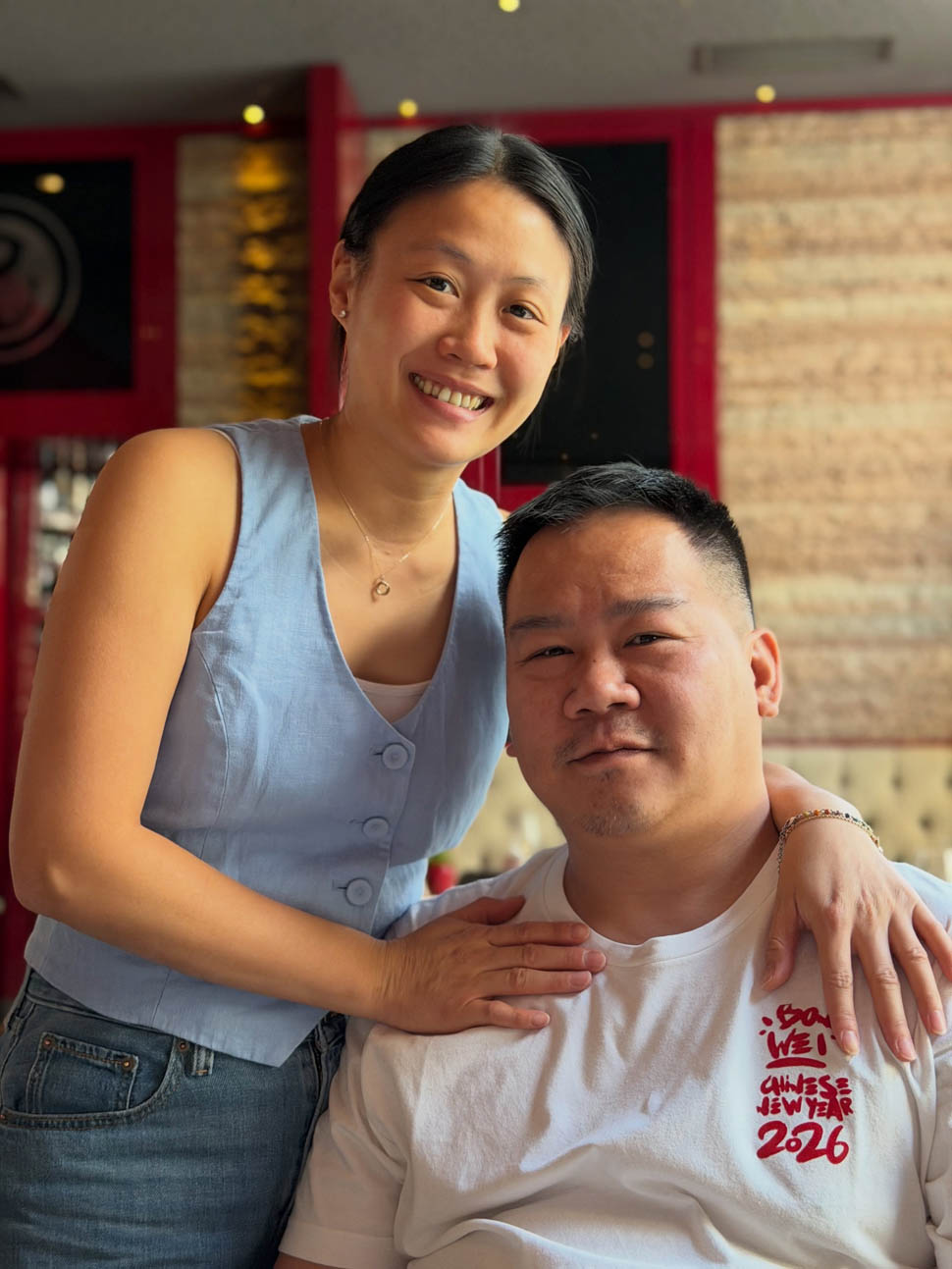
Bon Wei is a must-visit for anyone who wants to explore Chinese cuisine in depth without reducing it to a single tradition. Since 2010, the restaurant has been offering a menu that spans various regions of the country, featuring specialties from eight distinct culinary areas. China does not have just one cuisine: techniques, spices, the use of chili peppers, textures, and the balance between broths, noodles, meat, and vegetables all vary. A regional menu helps dispel the notion that Chinese cuisine is limited to the few dishes now familiar to Italian diners. The offerings include dumplings, noodles, meat dishes, and specialties from diverse traditions—ranging from the fiery flavors of Sichuan to the more delicate tastes of Zhejiang.
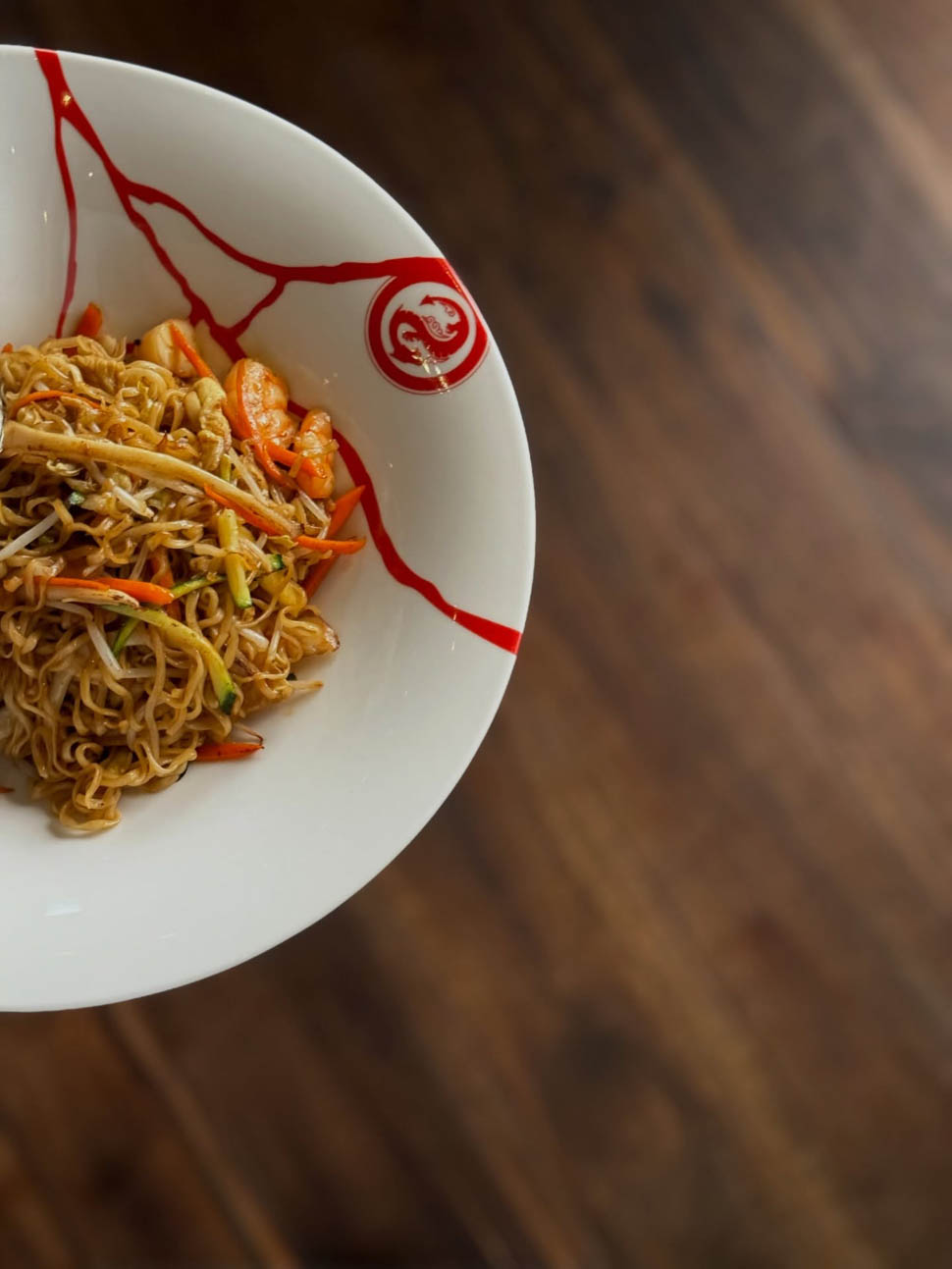
A strong connection to traditional recipes, high-quality ingredients, and contemporary presentations—without making fusion the dominant theme. Bon Wei is a great choice for a dinner where curiosity matters just as much as the destination: instead of ordering only what you’re familiar with, you can build your meal by exploring the differences between regions. For those who want to understand the variety of Chinese cuisine in Milan, it’s one of the places to keep in mind.
6. Azabu 10: Japan Outside the Box
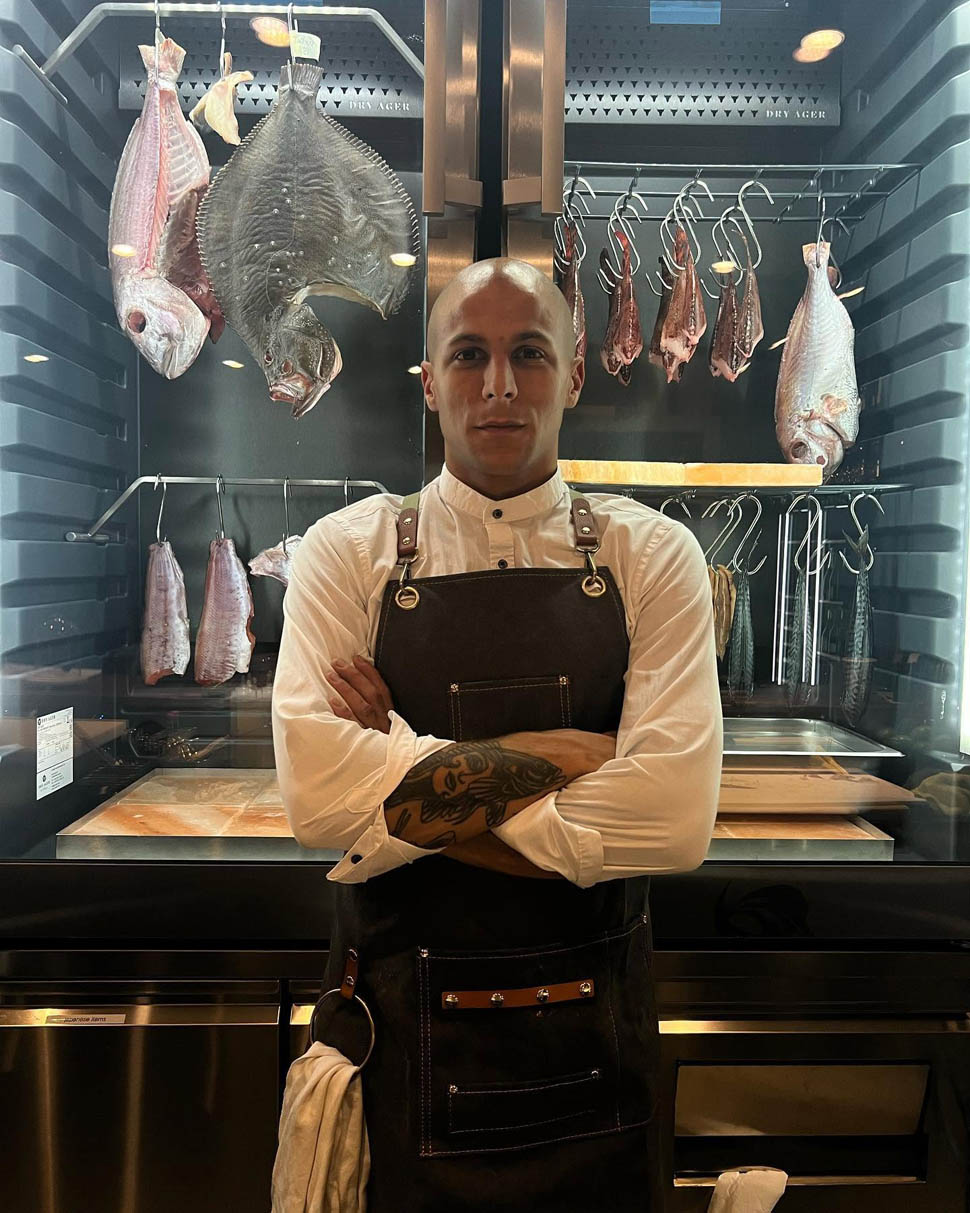
In Bicocca, far from the city center’s most popular spots, Azabu 10 offers Japanese cuisine that doesn’t view tradition as an insurmountable barrier. The concept focuses on innovation—especially in the realm of raw dishes and sushi—and on the use of techniques drawn from different culinary cultures. Fish aging is one of the restaurant’s hallmarks: a process that involves time and raw ingredients, altering textures and aromatic intensity, and elevating the dish beyond a simple raw preparation. The cuisine does not merely replicate the most well-known classics of Japanese dining. The menu explores combinations of different proteins and preparation methods designed to enhance the flavors of the ingredients, with a contemporary and experimental approach.
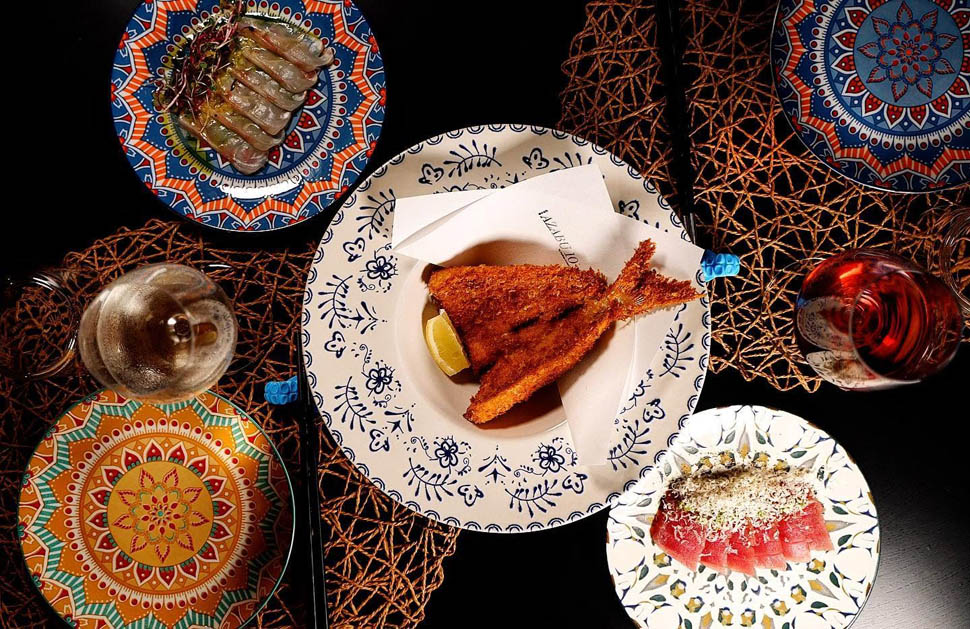
This is a place worth considering for those who love fish and want to move beyond the predictable lineup of uramaki and nigiri, making room for less conventional creations. Azabu 10 adds a different flavor to the selection compared to IYO and Wicky’s: its approach focuses on ingredients and preparation techniques, with a freedom that challenges some of the standard practices of the sushi bar.
7. Le Nove Scodelle: Sichuan cuisine that isn’t afraid of chili peppers
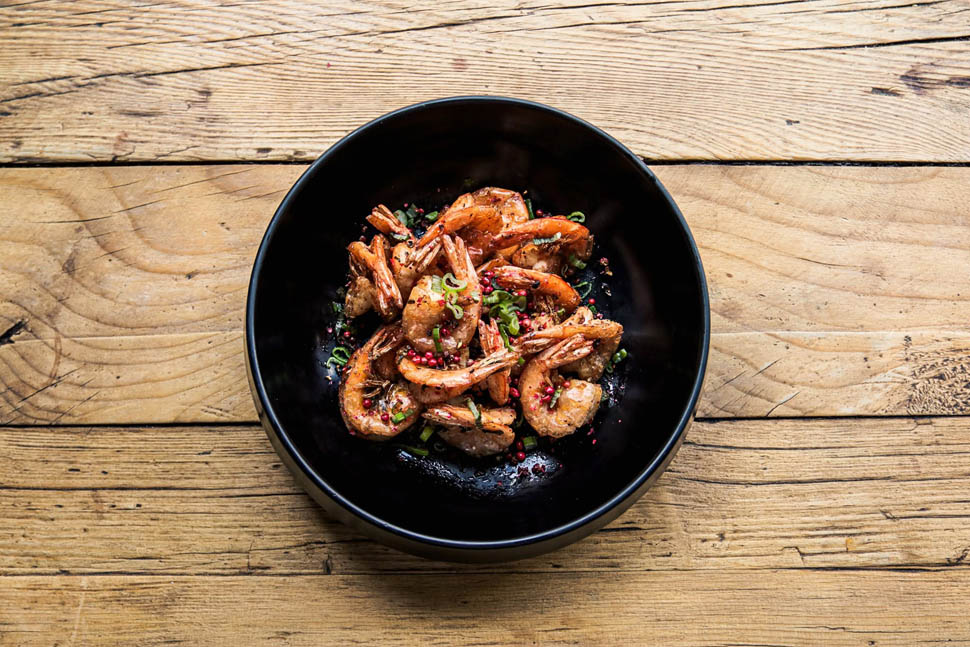
Here, Chinese cuisine takes on a whole new flavor. Le Nove Scodelle focuses on specialties from Sichuan, a region in southwestern China whose cuisine is known for its use of chili peppers and Sichuan pepper. The name evokes the bowls used in traditional banquets, but what really matters is what arrives at the table: spicy, intense cuisine built on aromas and sensations that don’t try to tone down their flavor to suit every palate. The menu indicates the different levels of spiciness, which is useful information to help you decide before ordering. Heat, however, isn’t the only element to look for: Sichuan cuisine combines aromatic notes, savory flavors, varied textures, and a use of spices that can add depth to dishes beyond the simple sensation of burning.
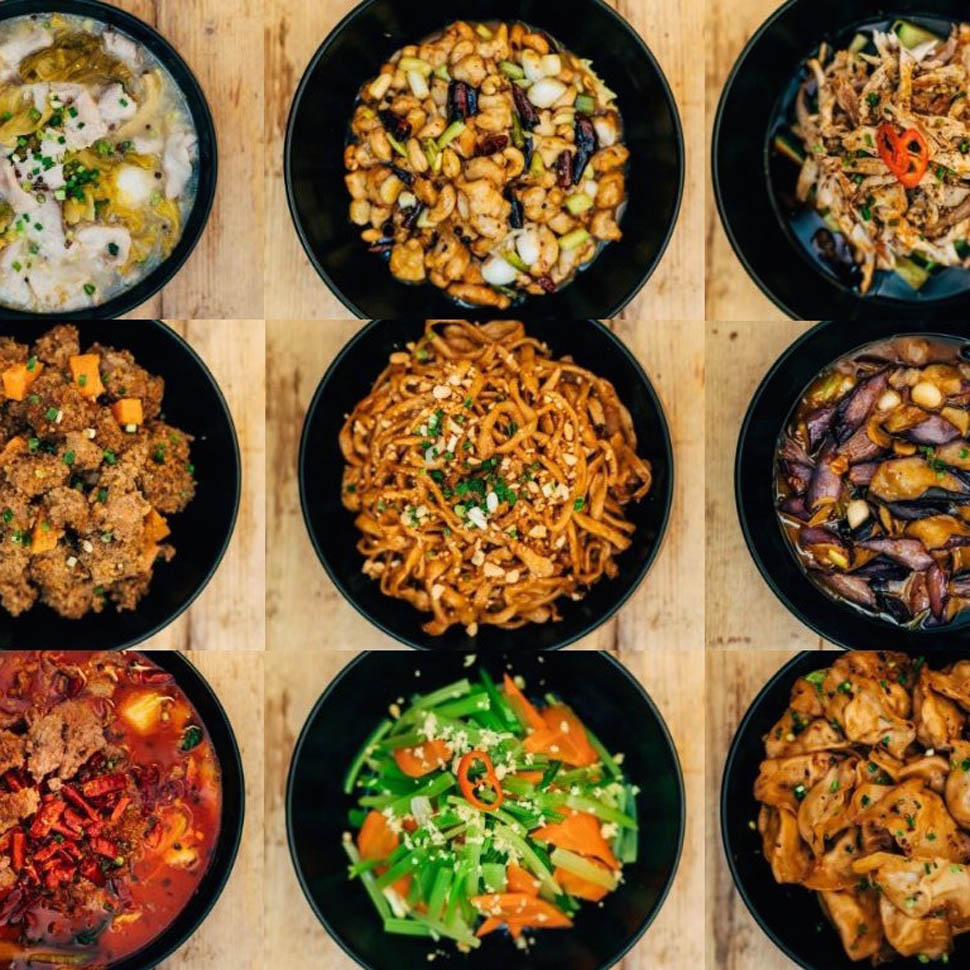
This is a cuisine to approach with curiosity and a bit of awareness of your own preferences, especially if chili peppers aren’t a regular part of your diet. Compared to the more formal restaurants in the selection, Le Nove Scodelle has a simple, unpretentious atmosphere and a modest price range. It’s the perfect spot for those who want to expand their Chinese culinary repertoire beyond dim sum and Peking duck, focusing on a distinct regional tradition.
8. Ichikawa: Japan Through the Hands of the Master
Haruo Ichikawa is a historic figure in the popularization of Japanese cuisine in Italy. After decades of work in the industry, he opened the restaurant bearing his name in Milan in 2019, showcasing sushi techniques and a deep understanding of Japanese cuisine honed over time. Guests can choose between the à la carte menu and a tasting menu served at the counter, where the sequence of courses is determined by the day’s offerings and the chef’s inspiration. Omakase—leaving the selection up to the chef—is the ideal option for those who want the available ingredients and the chef’s artistry to determine the sequence of courses.
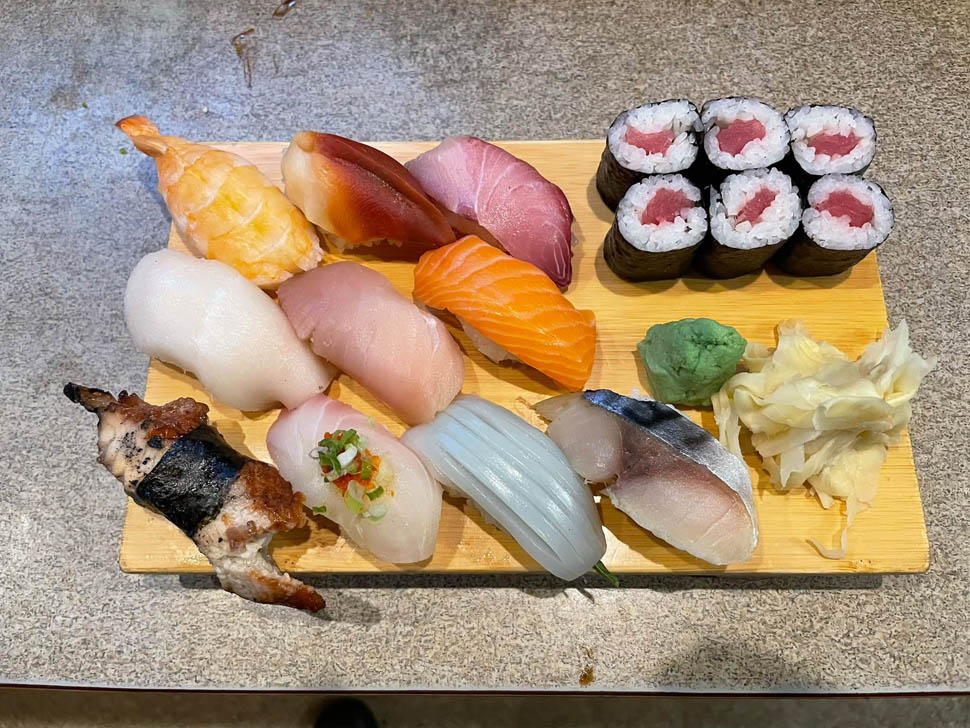
Sushi and sashimi take center stage, but the menu also includes lesser-known dishes and hot dishes. The quality of the rice, the preparation of the fish, and the precision of the chef’s movements are essential aspects of a cuisine that doesn’t need to overload the plate to demonstrate its ambition. Ichikawa is the place to go for a Japanese dining experience focused on technique and ingredients, especially if you’d like to sit at the counter and watch the chef at work up close. It offers a different take on haute cuisine compared to the fusion-oriented approaches of Wicky or IYO: less concerned with blending different traditions, and more focused on the precision of Japanese cuisine.
9. Il Gusto della Nebbia: Chongqing on a Plate
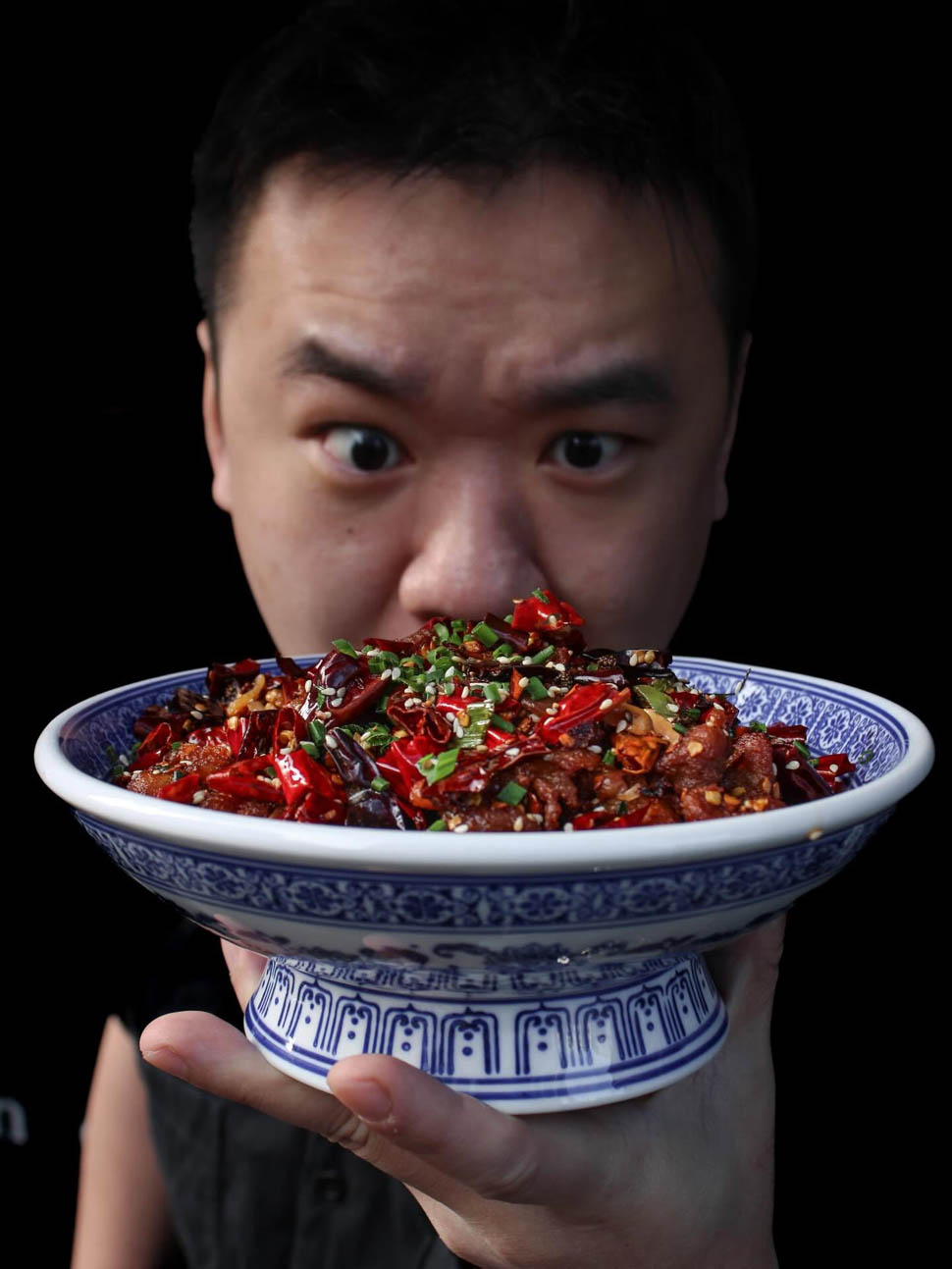
Sometimes all it takes is a bowl of noodles to realize just how vast Chinese cuisine is. Il Gusto della Nebbia brings the flavors of Chongqing—a metropolis in southwestern China and the hometown of chef Lampo Wu—to Milan. The restaurant’s name evokes the city, which is often shrouded in fog, but its identity is most evident in its dishes: here, the star is xiao mian, a regional noodle specialty served in broth or dry, with or without meat. The restaurant also clarifies an important detail for those arriving with ramen in mind: here, you’ll find Chinese noodles from Chongqing, not Japanese ramen. The specialty, in fact, is the central role of the noodles, which aren’t relegated to the role of a side dish or just one variation among many. The texture of the noodles, the seasoning, and the broth form the foundation of the dish, while the spices define the character of Chongqing cuisine.
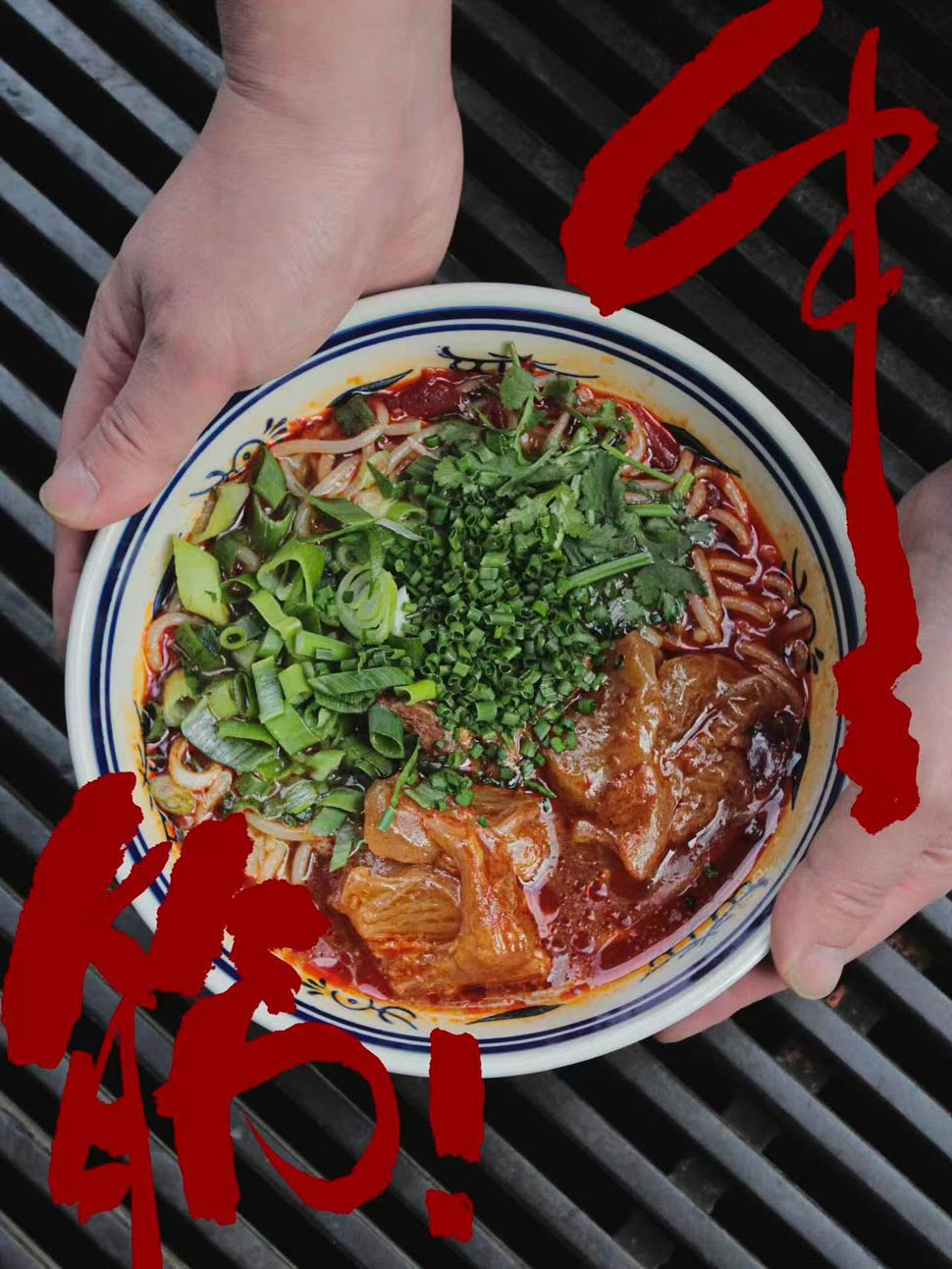
The cuisine features intense flavors, spices, and chili peppers; among the restaurant’s recommended dishes are the century egg, tofu served in a very spicy broth, and beef in a spicy soup, accompanied by white rice. These dishes offer a chance to explore a regional tradition distinct from Cantonese cuisine or the Chinese cuisines most commonly found in Italy. This is the place to go for those who love bold flavors and want to discover a lesser-known aspect of Chinese cuisine. If you can’t handle spicy food, ask the staff for recommendations before ordering: many dishes are also available without chili peppers.
10. Casa Ramen, a Japanese bowl in Isola
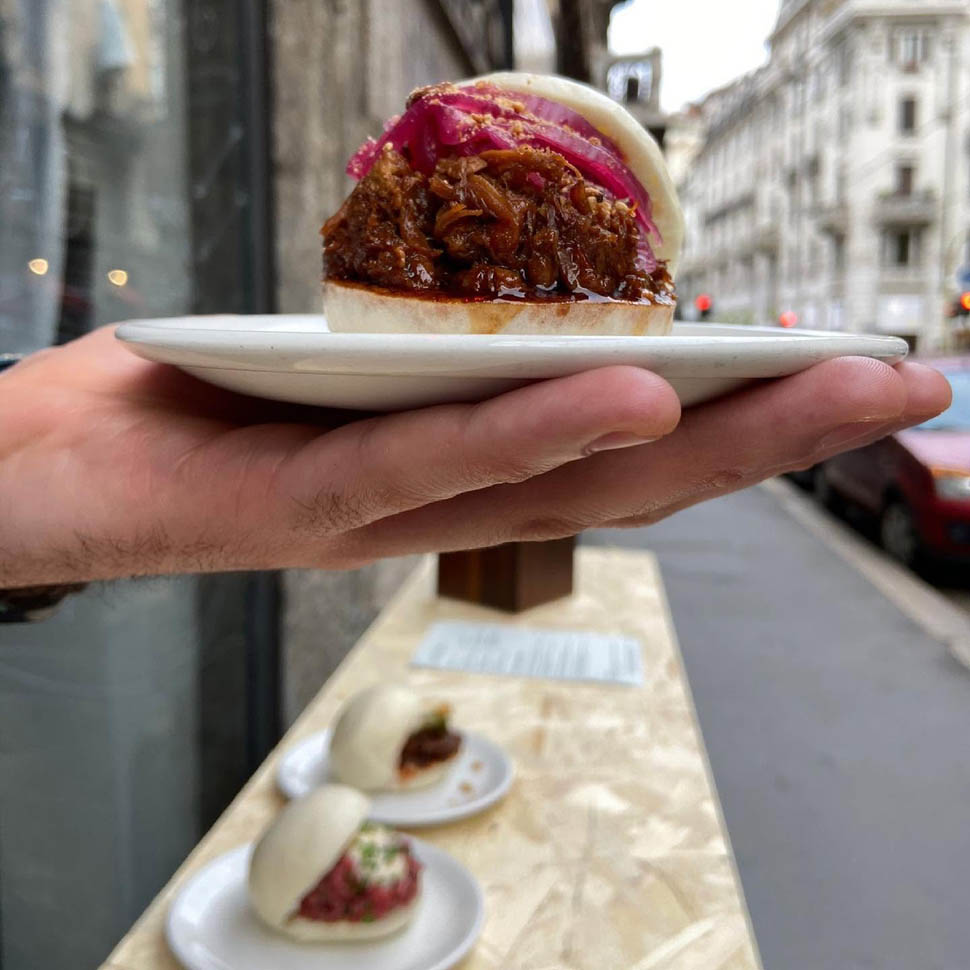
Ramen has taken Milan by storm in part because it manages to transform just a few ingredients—broth, noodles, seasonings, and toppings—into a complete dish that can vary greatly depending on the recipe. Casa Ramen, in the Isola neighborhood, has chosen to specialize in this Japanese specialty in an intimate setting, with a menu that centers on pork broth and noodles, complemented by small dishes inspired by Japanese-Italian fusion. The restaurant’s philosophy moves away from the idea of an endless menu: ramen is the centerpiece, and the dishes around it are designed to accompany the bowl or serve as a starter. The approach is that of a ramen-ya—a Japanese restaurant specializing in ramen—with a simple, informal atmosphere. It’s a concept that invites you to focus on the dish itself, on the richness of the broth and the texture of the noodles, rather than on a long succession of courses.
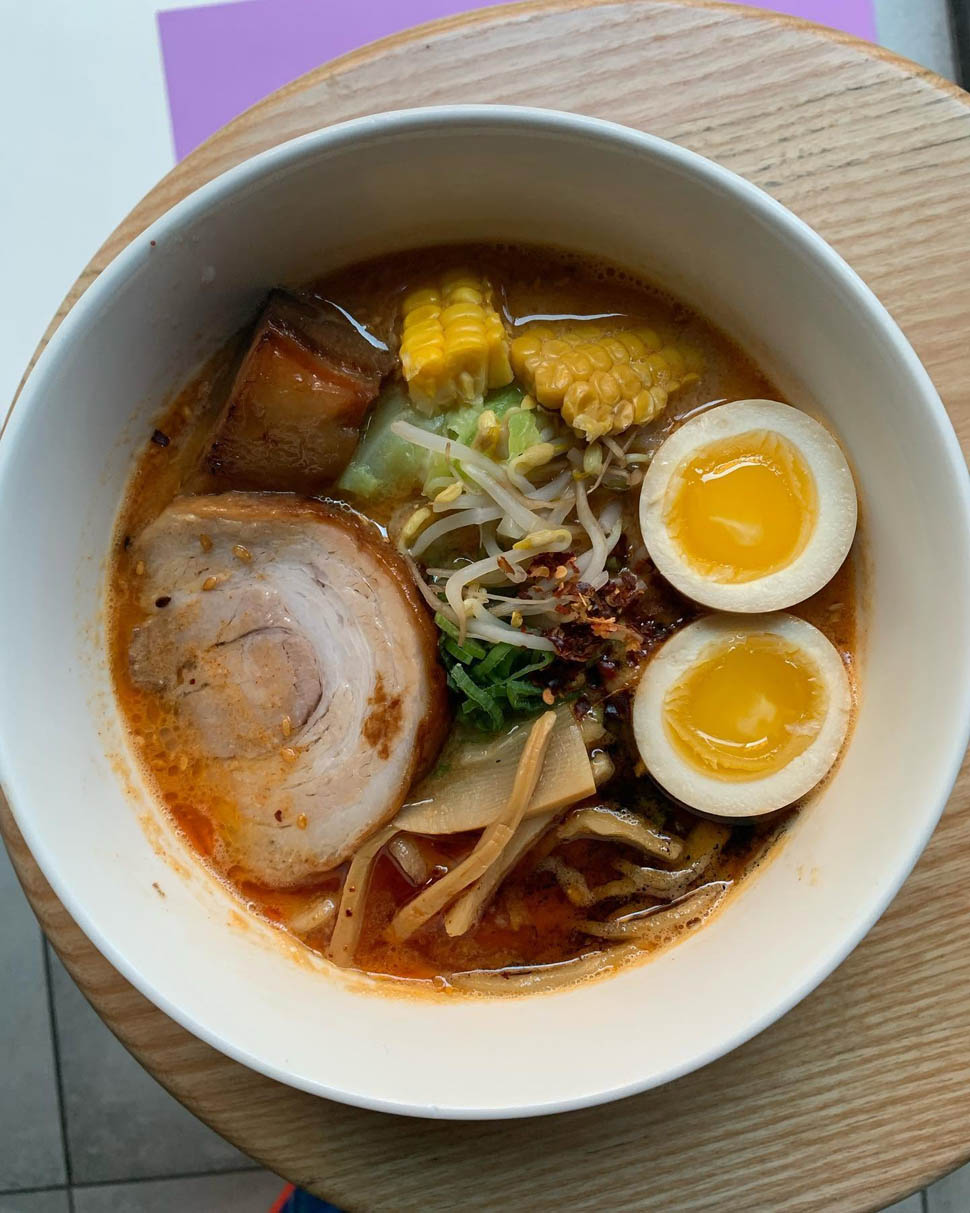
Casa Ramen is ideal for a hearty lunch break or a casual dinner when you’re looking for familiar, well-defined cuisine. The noisy slurping of noodles—often considered inappropriate in other settings—is welcome here, just as it is in Japanese ramen-ya. The restaurant does not accept reservations; it operates on a first-come, first-served basis, so you may have to wait during peak hours.
Ten spots, ten different ways to explore Asia
The choice depends on what you’re looking for: a curated tasting menu, a dinner to share, a counter seat where you can watch the chef at work, or a steaming bowl to dig into without any fuss. The point isn’t to expect the same experience from all these restaurants, but to let each one tell its own culinary story. In the delicate dough of a dim sum, the aroma of Sichuan pepper, the precision of a nigiri, or the depth of a broth, distinct culinary worlds come to life. It is these differences—rather than a generic idea of Asian cuisine—that define the richness of Milan’s culinary scene.