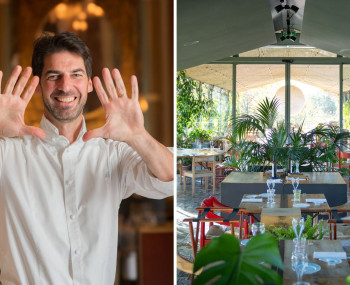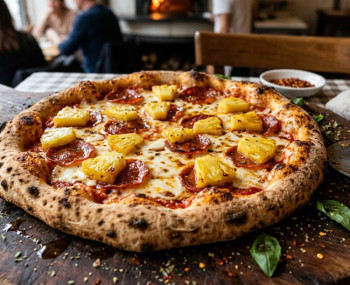
The legendary Danish restaurant is back in the spotlight in 2026. Between cutting-edge research labs and René Redzepi’s new, monumental guide to flavors, contemporary gastronomy transcends all boundaries: transforming nature into pure sensory essence is no longer science fiction.
Photo by Chef Ditte Isager
Nature as a Palette: The Alchemy of the New Noma
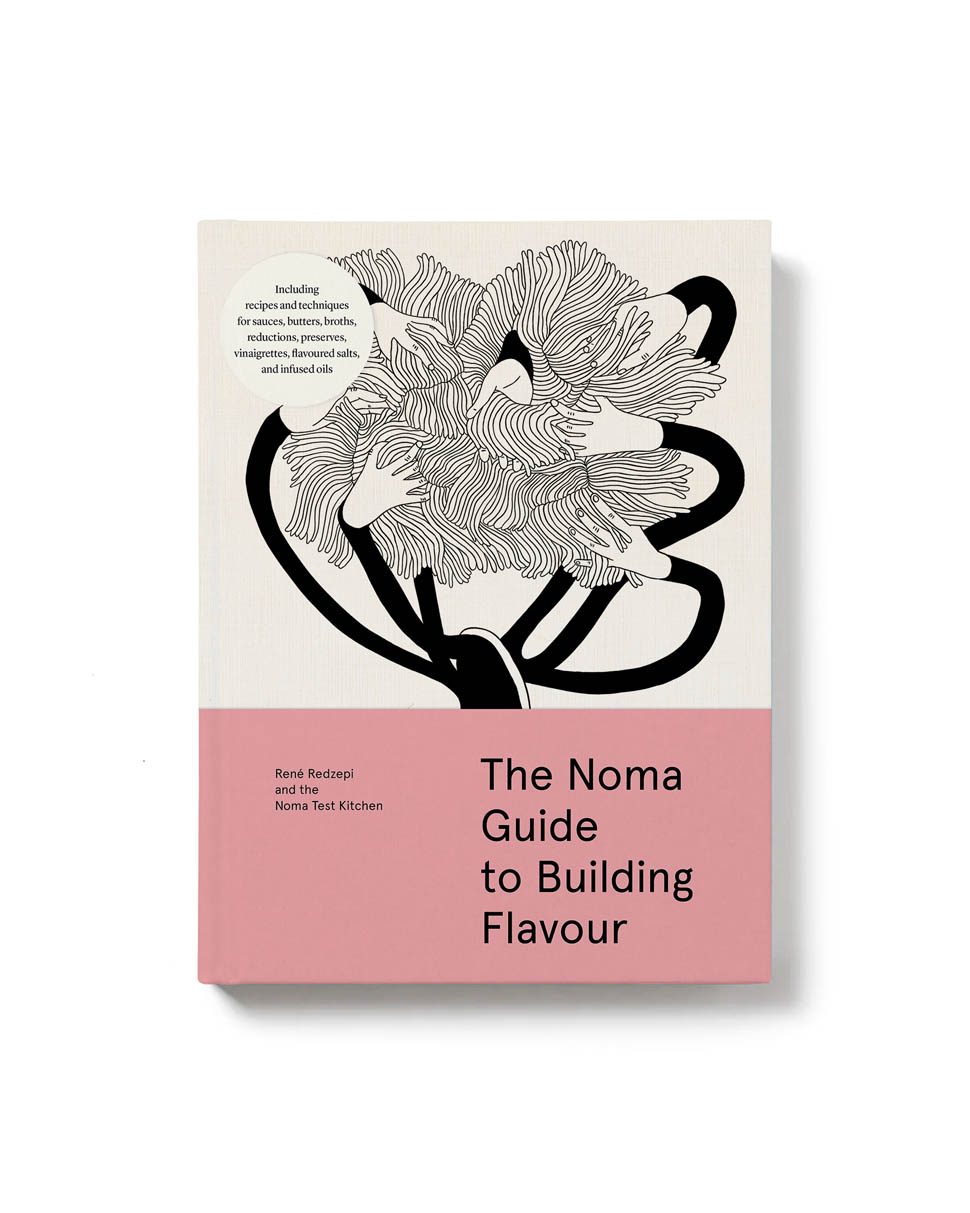
In the international gastronomic scene, the line between the kitchen and the botanical laboratory is growing thinner by the day. The Danish temple of haute cuisine—famous for its three Michelin stars and for redefining the standards of global taste—returns to center stage with projects that hint at the future. At the heart of this revolution lies the latest monumental publication by René Redzepi and the team at the renowned Test Kitchen: The Noma Guide to Creating Flavor (published by Neo Person). This is not merely a cookbook to be idly leafed through, but a manifesto of culinary archaeology and modern food science. Over twenty years of trials, enlightening failures, and visionary insights condensed into a volume that explores raw ingredients to their very core, demonstrating that the haute cuisine of 2026 no longer seeks only precious ingredients, but knows how to extract gastronomic gold from what surrounds us.
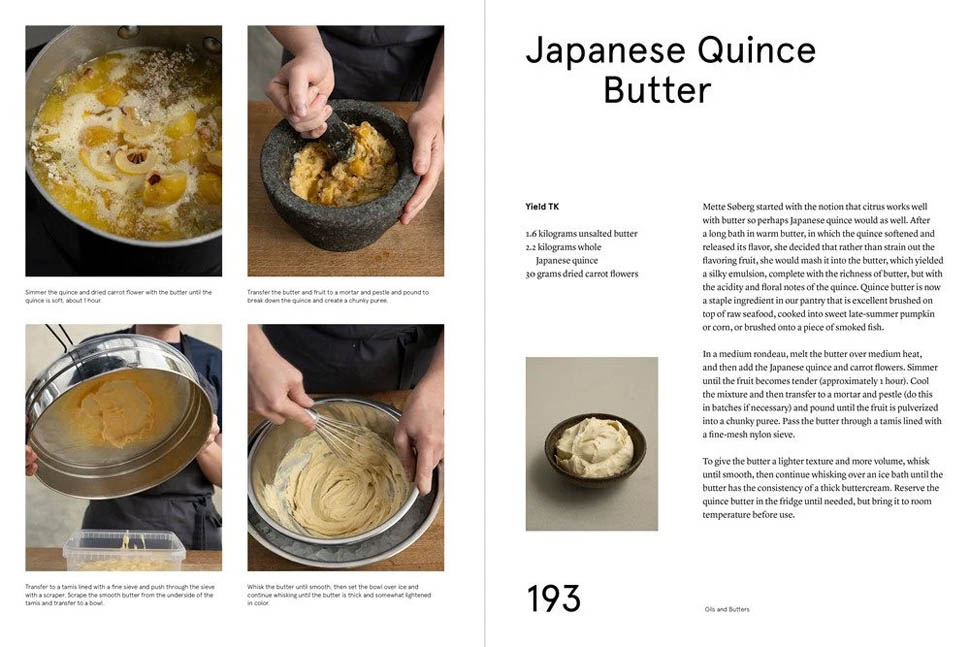
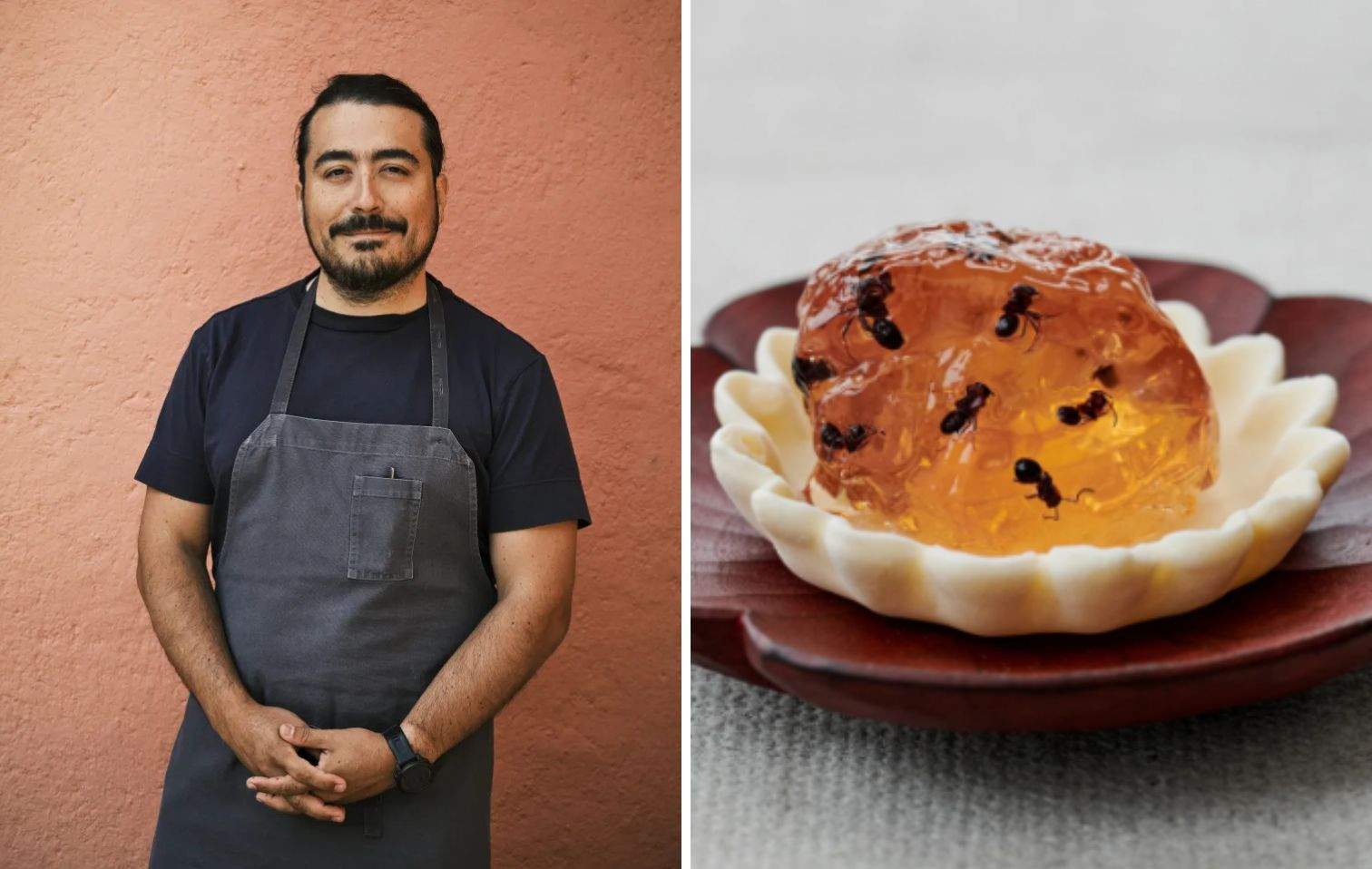
From pine cones that mimic olives to ant honey: groundbreaking recipes
What makes the creations unveiled in the new book unique is the brazen audacity with which the chefs manipulate natural elements. Forget traditional pantries: here, biodiversity becomes an atlas of sauces, butters, fermented foods, and reductions with explosive character.
- The Miracle of Conifers: Through complex transformation processes, ordinary pinecones are processed until they lose their woody texture, becoming olives that are intense, delicate, and surprising on the palate.
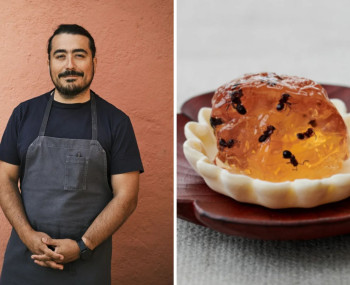
- Wild Notes: Ranging from the balsamic scent of candied resin to the unexpected nuances of ant honey, the book opens sensory doors that have remained unexplored until now.
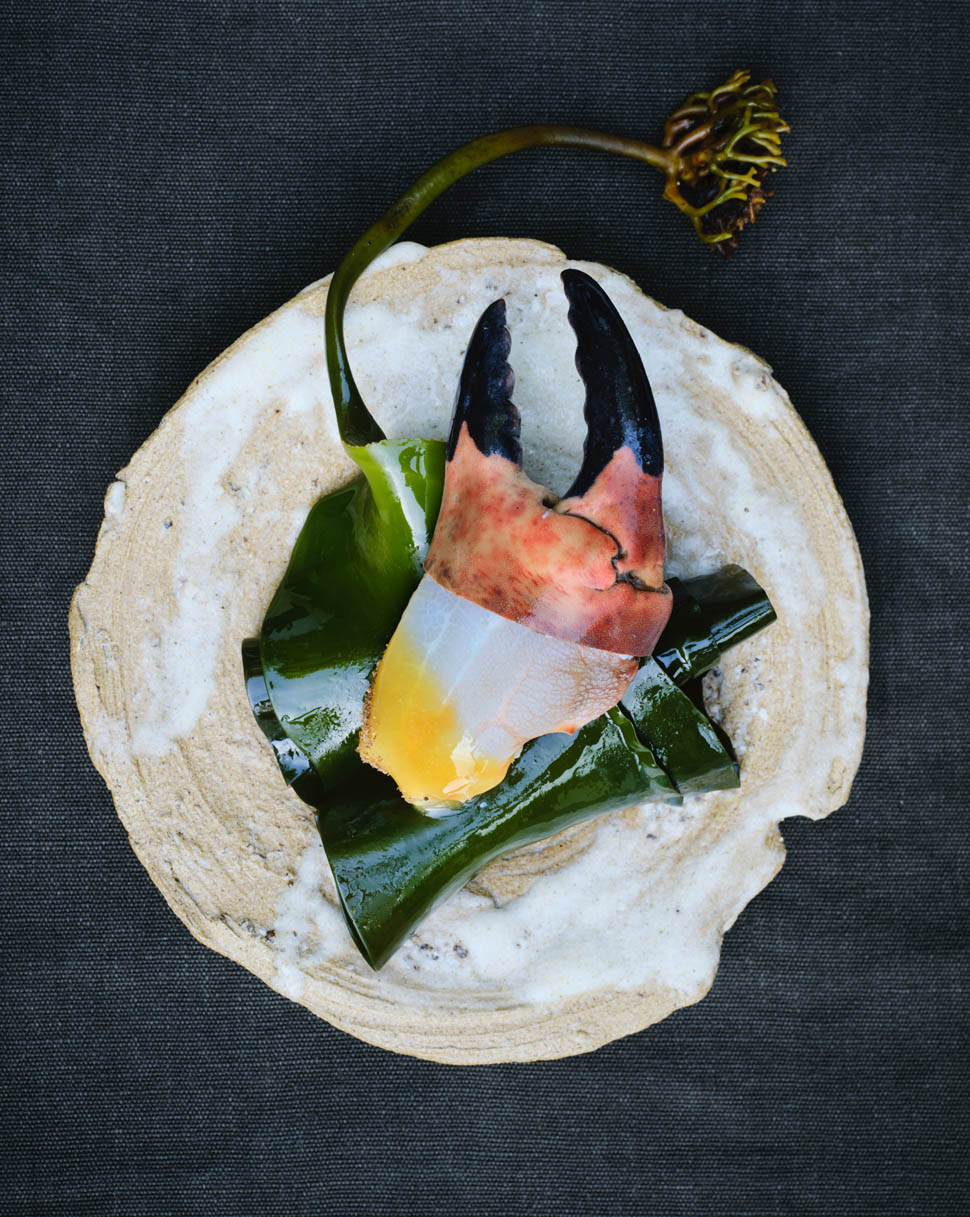
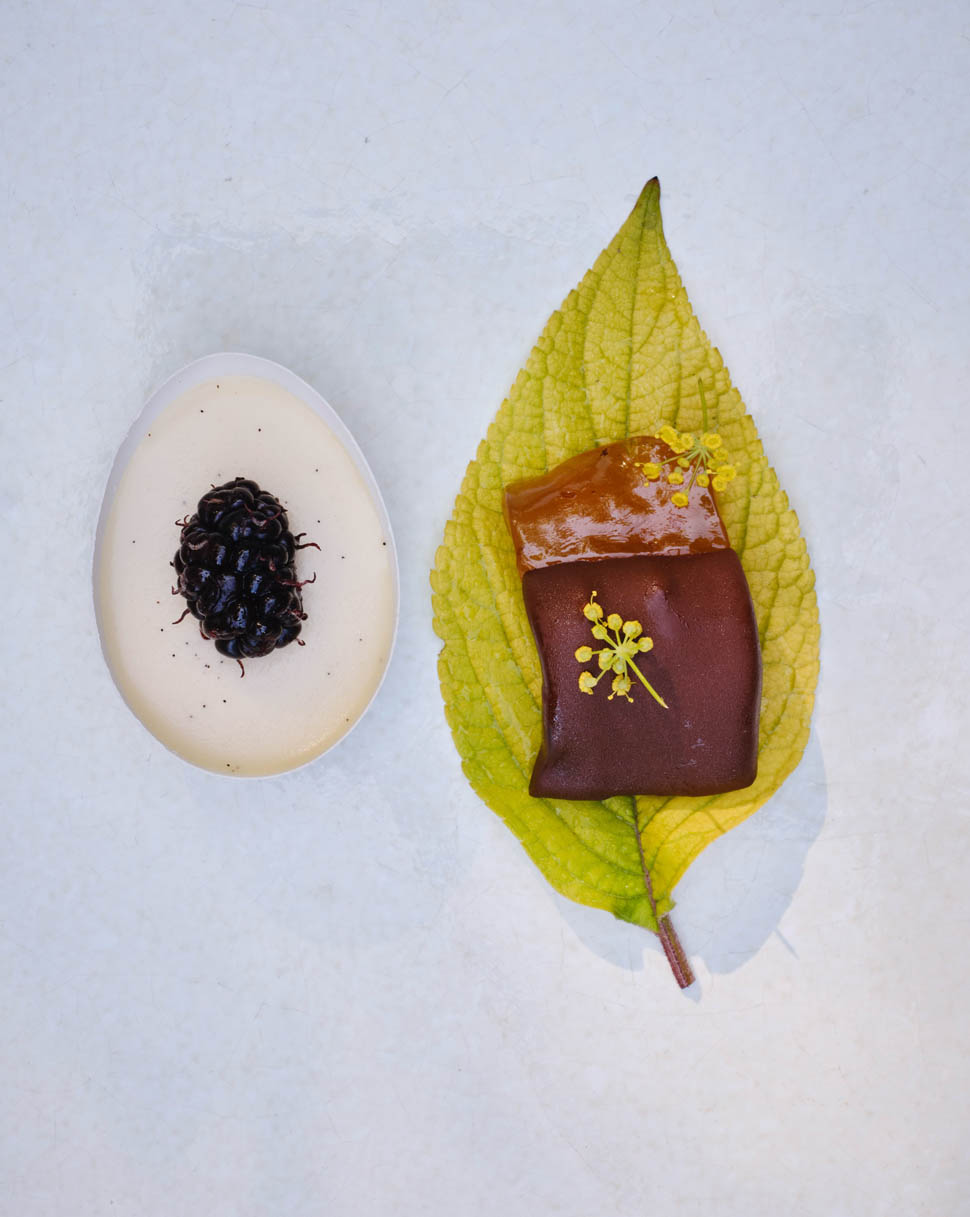
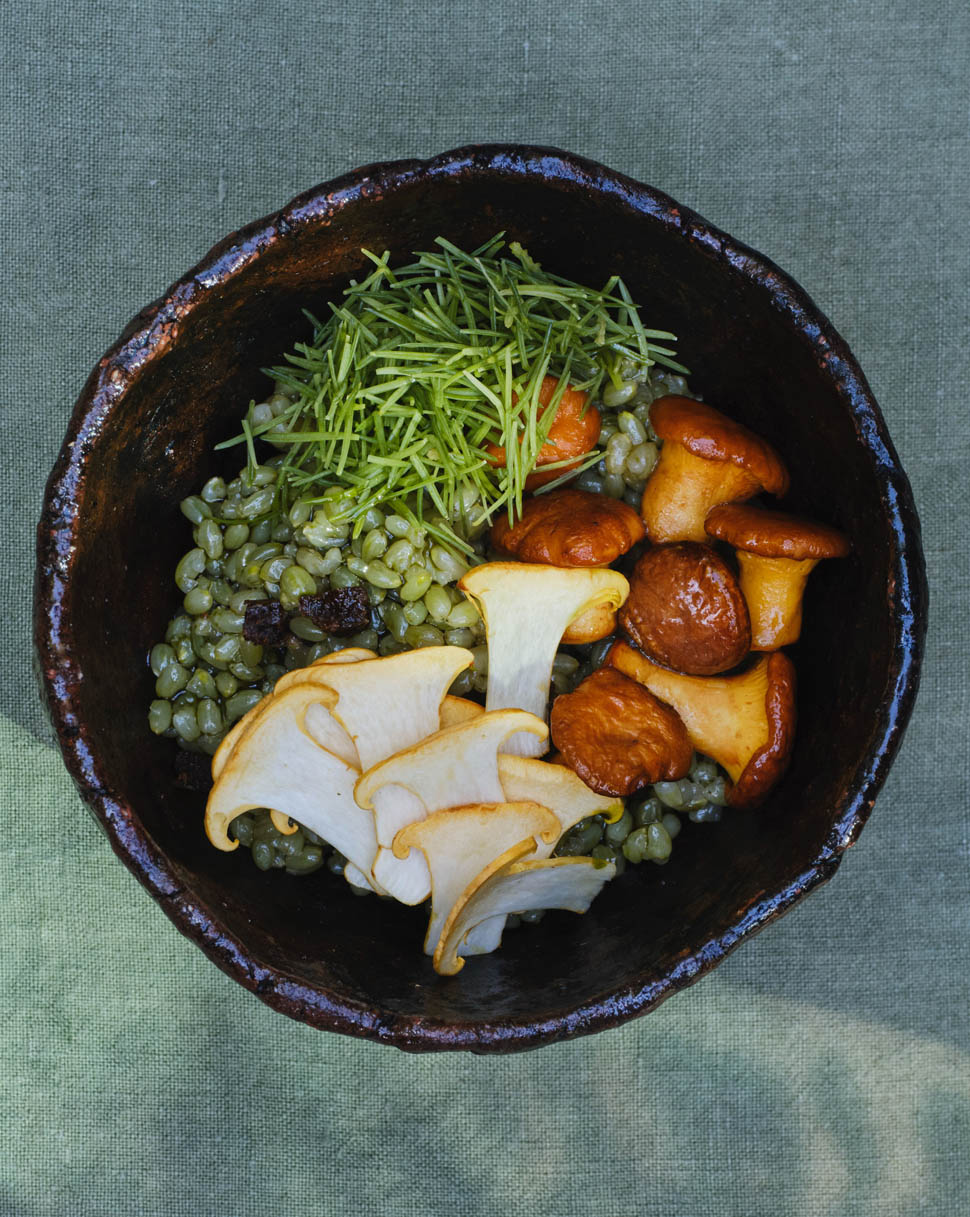
- Foundations and Contrasts: From fried eggs resting on a sauce of seaweed, mushrooms, and truffles to fresh peas brushed with smoked butter, grilled, and finished with koji and horseradish juice, each dish is an exercise in precise balance between ancestral technique and the art of flavor.
The book’s layout itself reflects this rigorous philosophy: minimalist pages, understated photographs, and a profound narrative that delves into the secrets of lactic fermentation, milk caramelization, and the art of the bushi. The final section, renamed “Gastronomique,” reveals the restaurant’s most closely guarded aromatic secrets.
A story with deep roots (and an eye toward the future)
The passion for decoding flavor, however, did not arise by chance. The pursuit of hedonistic pleasure linked to the table has its roots in the history of gastronomic thought. As early as 1825, the pioneer Jean Anthelme Brillat-Savarin reflected in *The Philosophy of Taste* on the need to find identity and fulfillment through food, inaugurating a tradition of study that today fills entire library shelves with sensory atlases and encyclopedias. Today, works such as Noma’s stand alongside major international reference texts—from Arielle Johnson’s *Saborama* to Raphaël Haumont and Thierry Marx’s atlas of flavor combinations—offering professional chefs and food enthusiasts the tools to decode the future of the dish.
And speaking of preserving the essence of what we love, the Danish team offers a small and surprising practical tip, perfect for anyone who loves precision cooking: “If you want to preserve the flavor and aroma of food, put it in the refrigerator. The more you chill it, the more flavor and aroma it will retain.” An intimate, almost homely reminder that shows how, behind the most extreme alchemy of molecular and natural cuisine, there lies, at its core, the deepest respect for living matter.