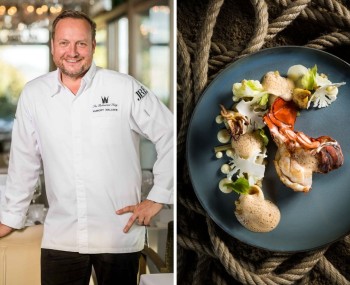
“Nothing will be as it seems,” the chef teases. And indeed, the new menu at La Rei Natura plays with multiple layers of perception, creating an interaction between the tables and the kitchen. A complete experience, from the idea behind each dish to the tasting itself.
Photos by Marco Varoli
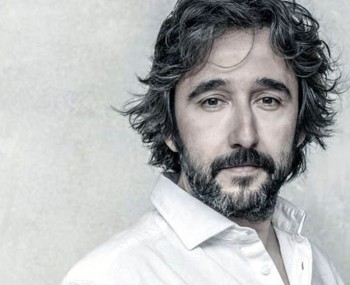
Mammoliti, Nature That Remains on the Plate
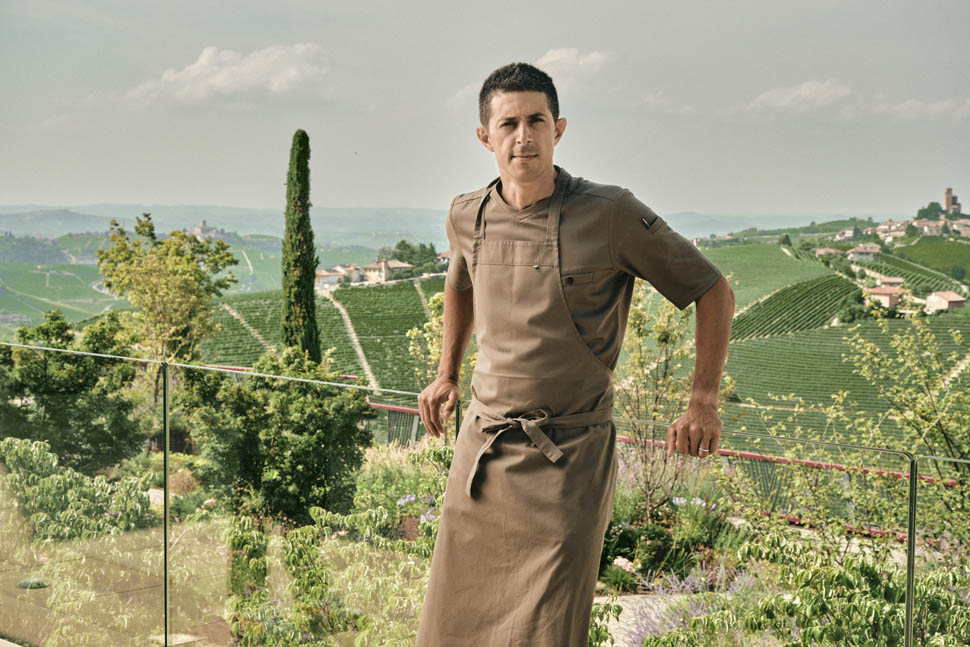
The menu is not read before the meal begins; it is discovered. One dish at a time, the journey takes shape, and only after tasting it do you understand where Michelangelo Mammoliti wants to take you. There is no list of courses to follow, but rather a sequence of images, aromas and flavours that gradually come into focus. This is how the chef tells the story of his cuisine: through ingredients, certainly, but above all through the memories those ingredients are capable of evoking.
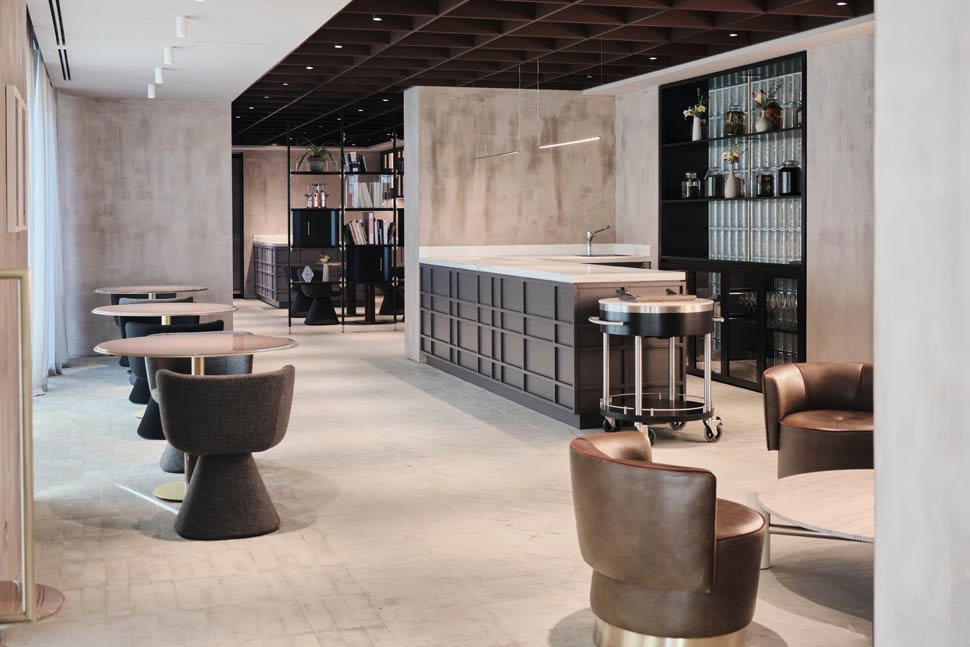
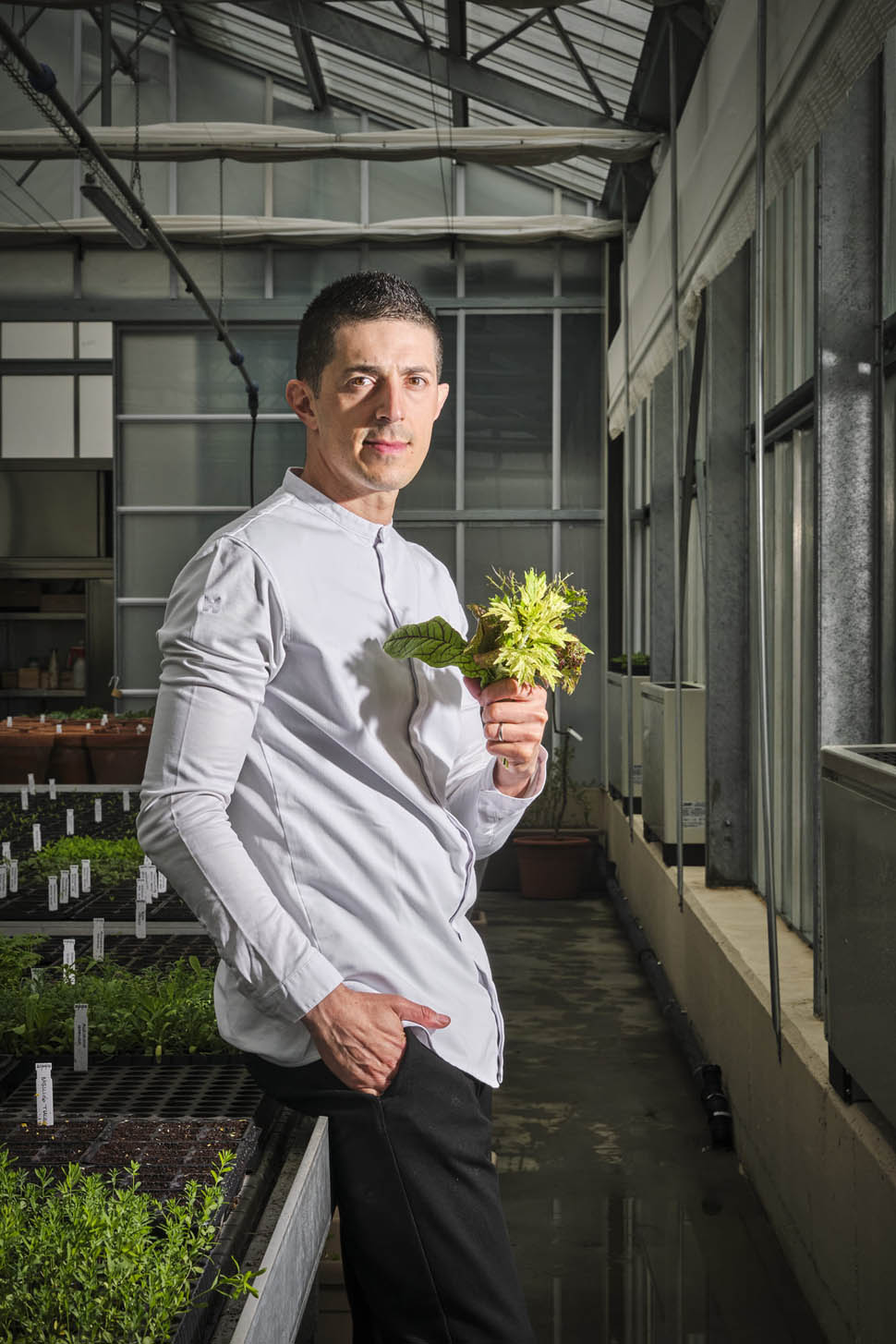
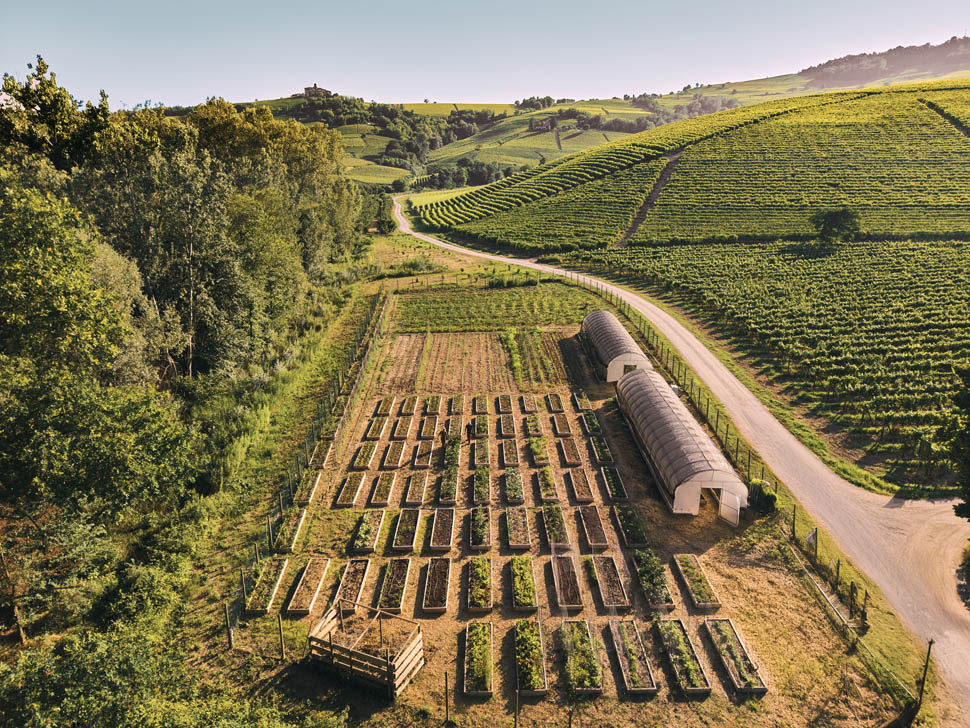
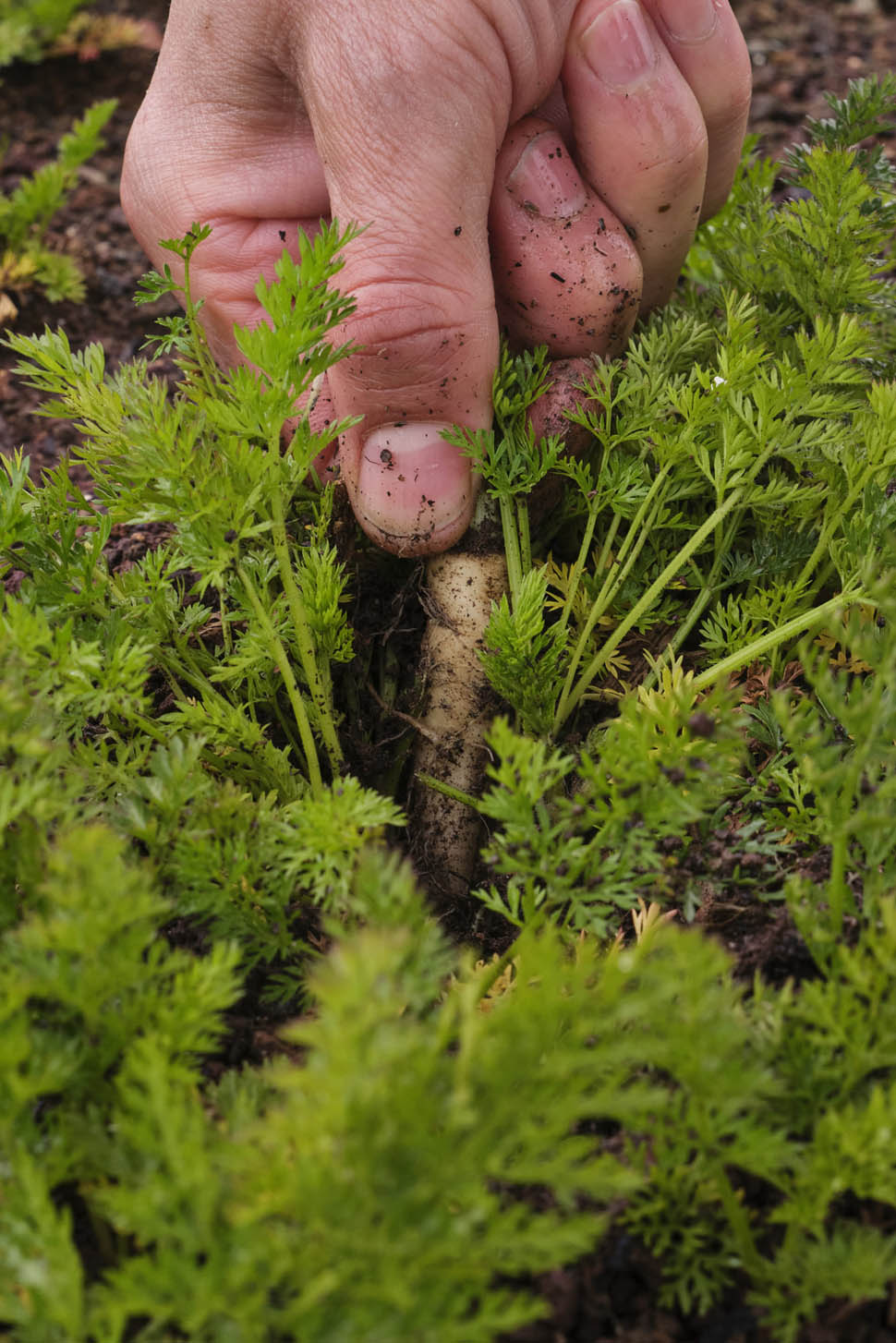
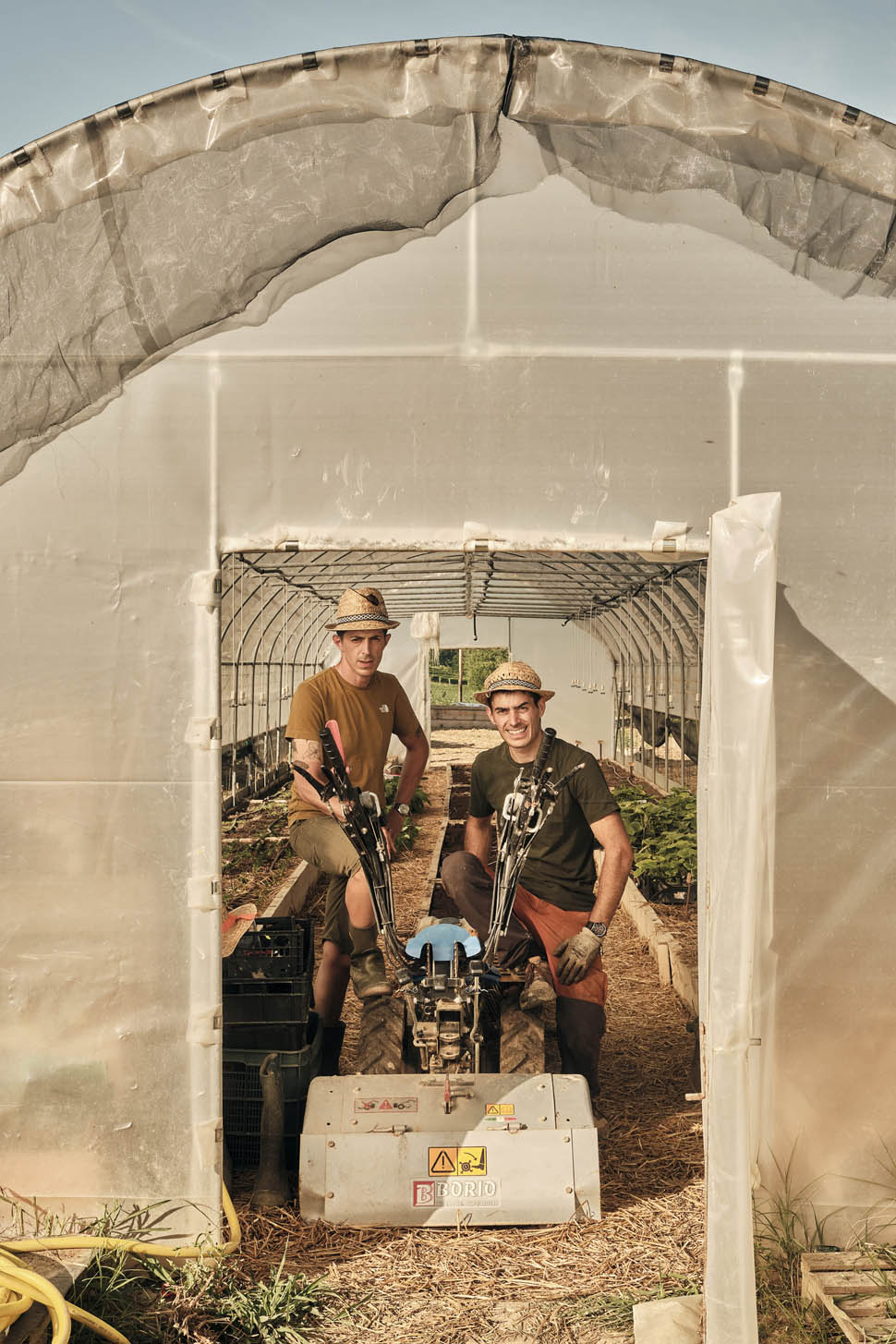
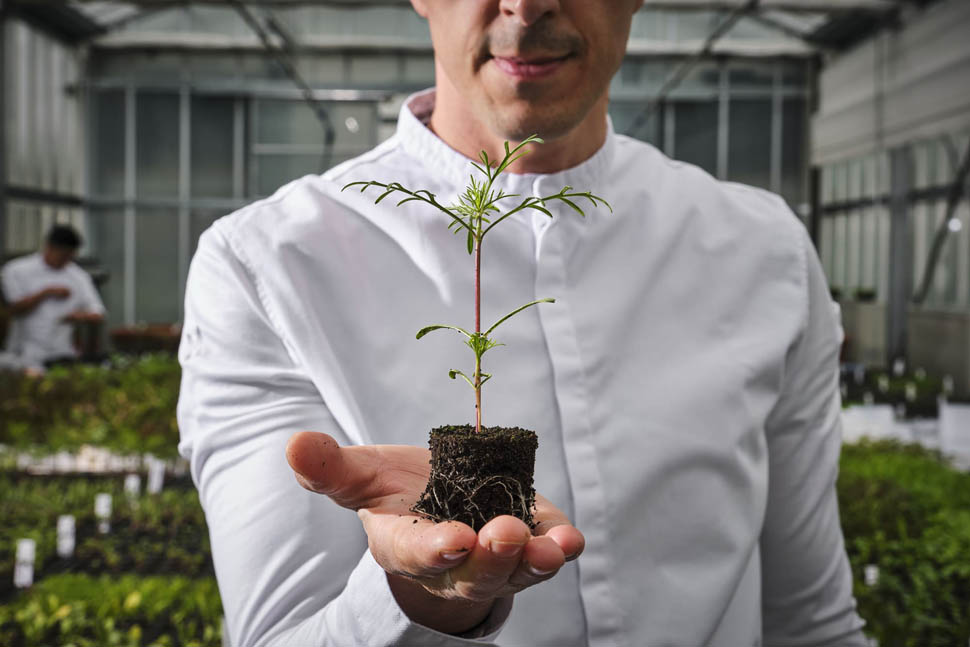
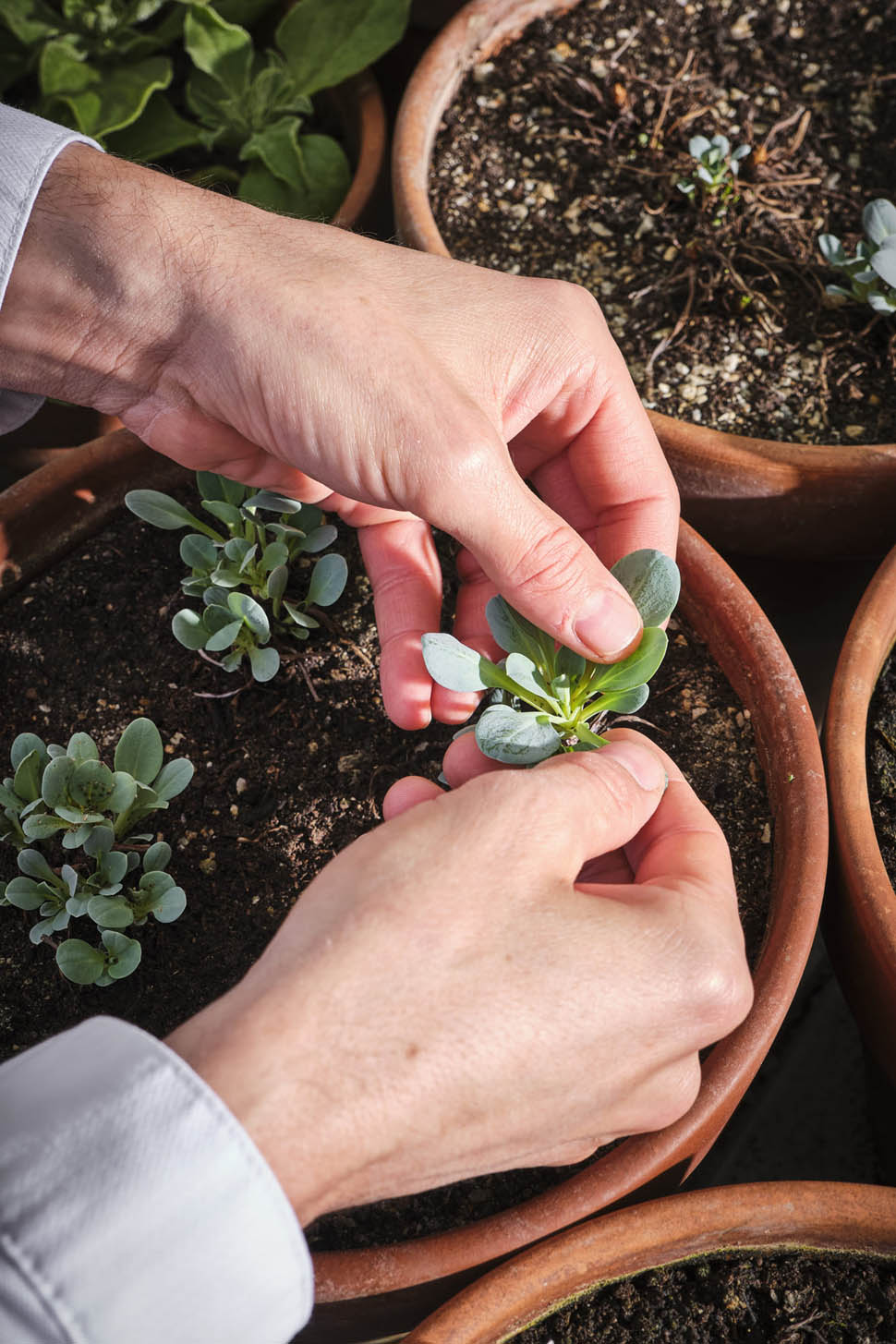
“I chose to draw inspiration from a rural way of life, whose rhythms and habits were shaped by the changing seasons,” the chef tells us. There is no nostalgia in this idea. Rather, there is a belief that the future can be built on deep-rooted foundations. Techniques evolve, technology provides new tools, and service becomes more precise; what remains unchanged is the attention paid to the ingredients and to the people who produce them.
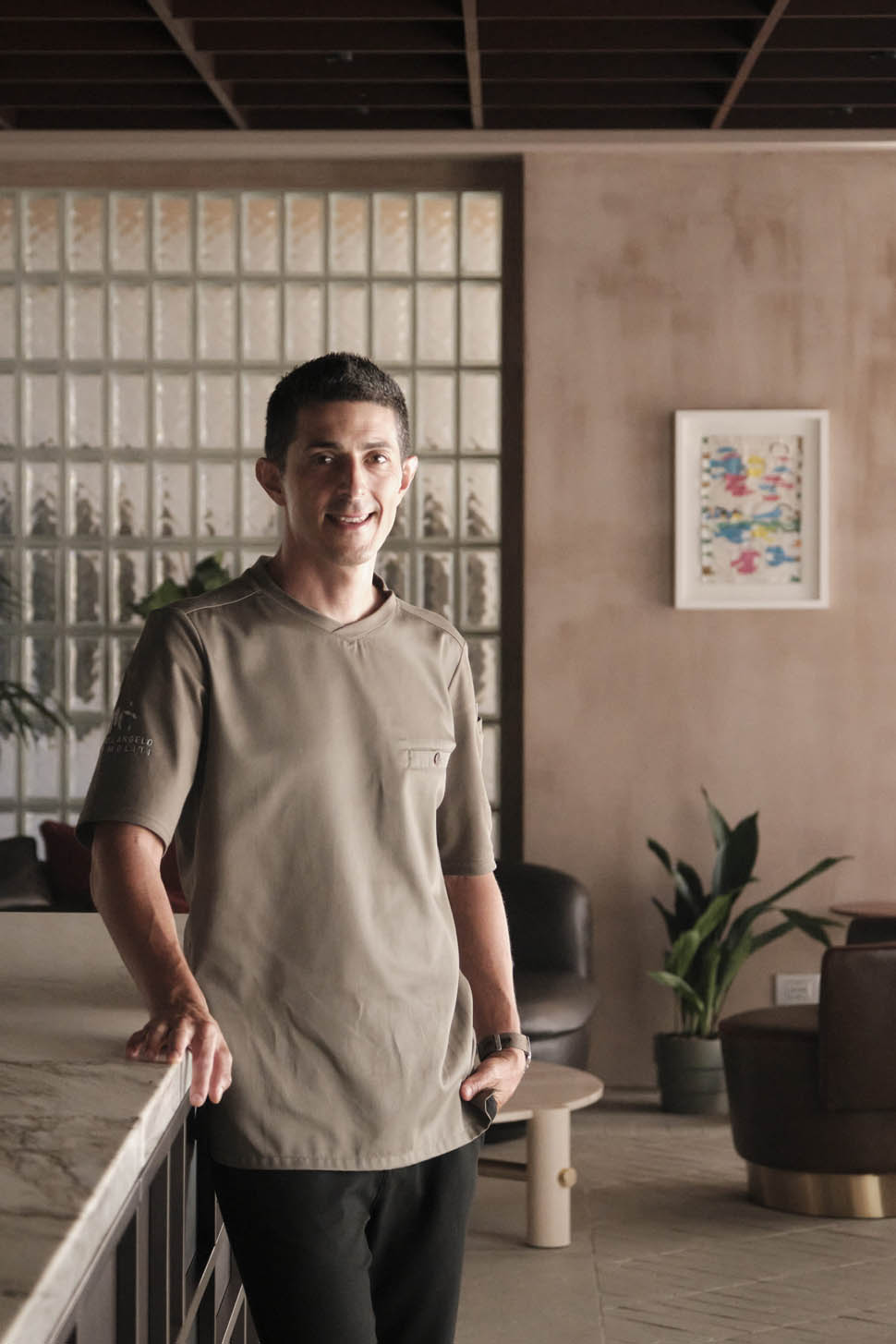
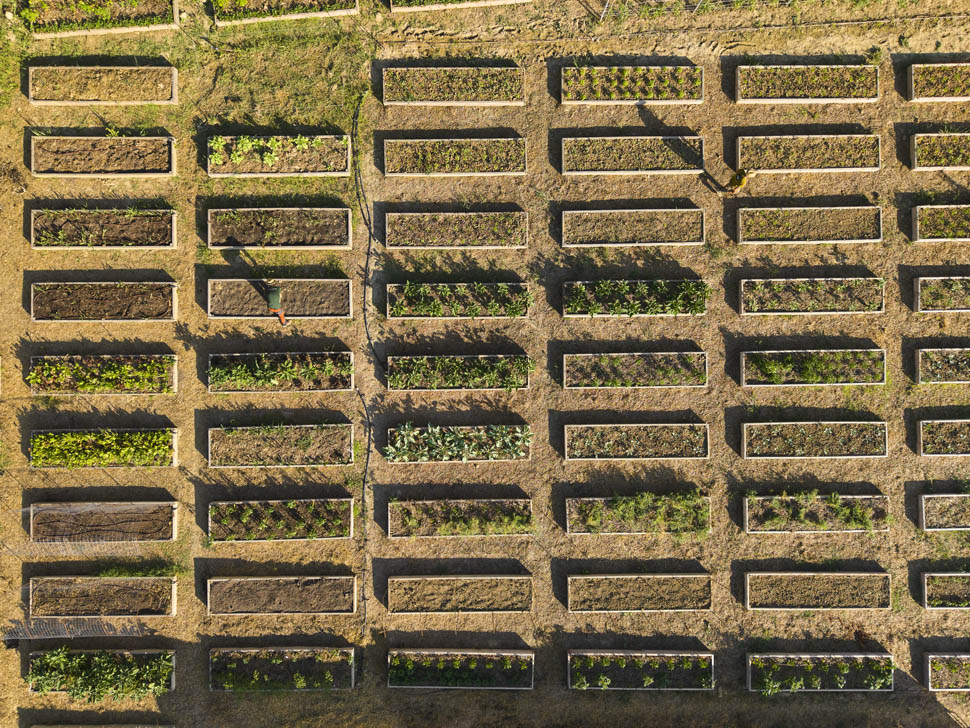
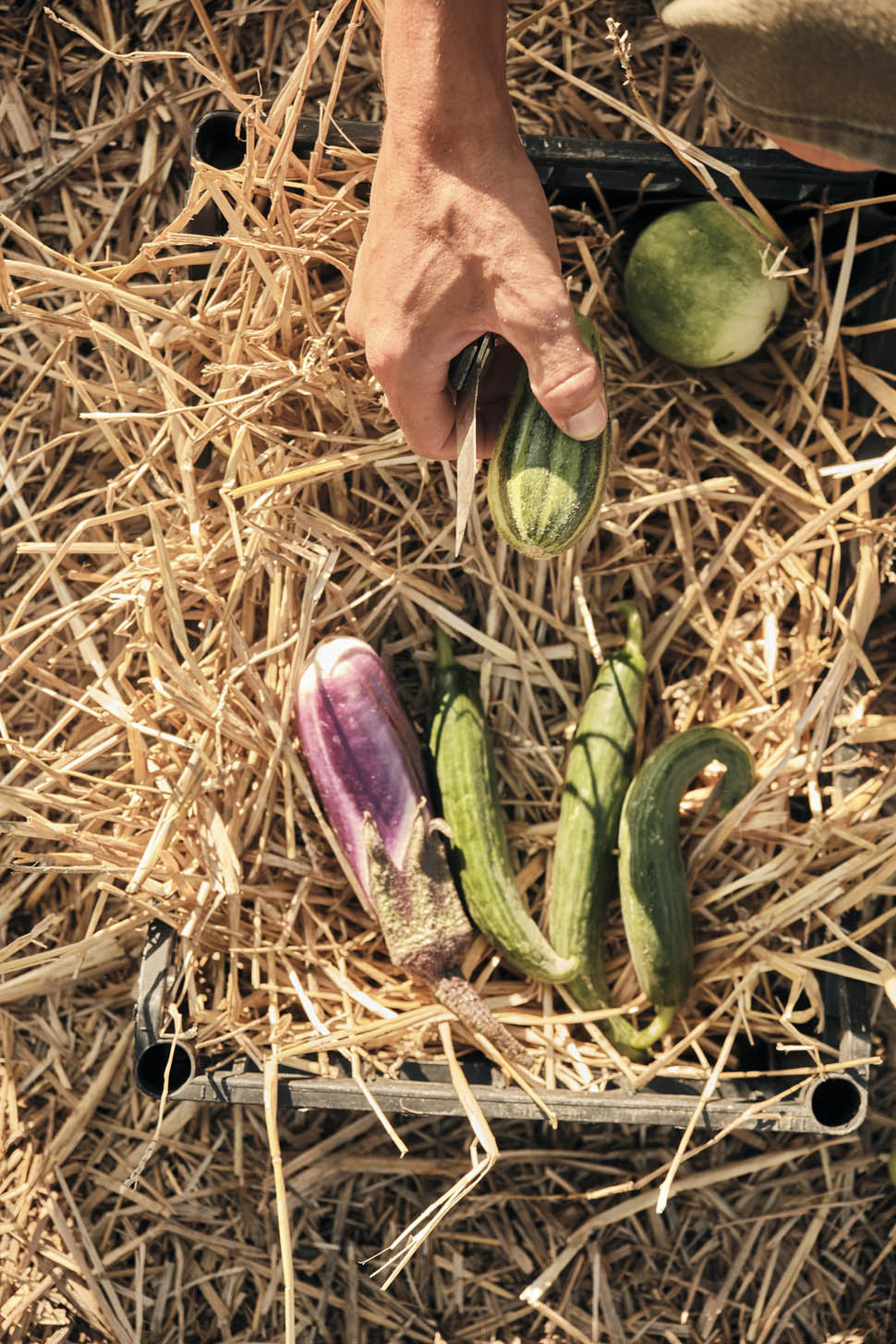
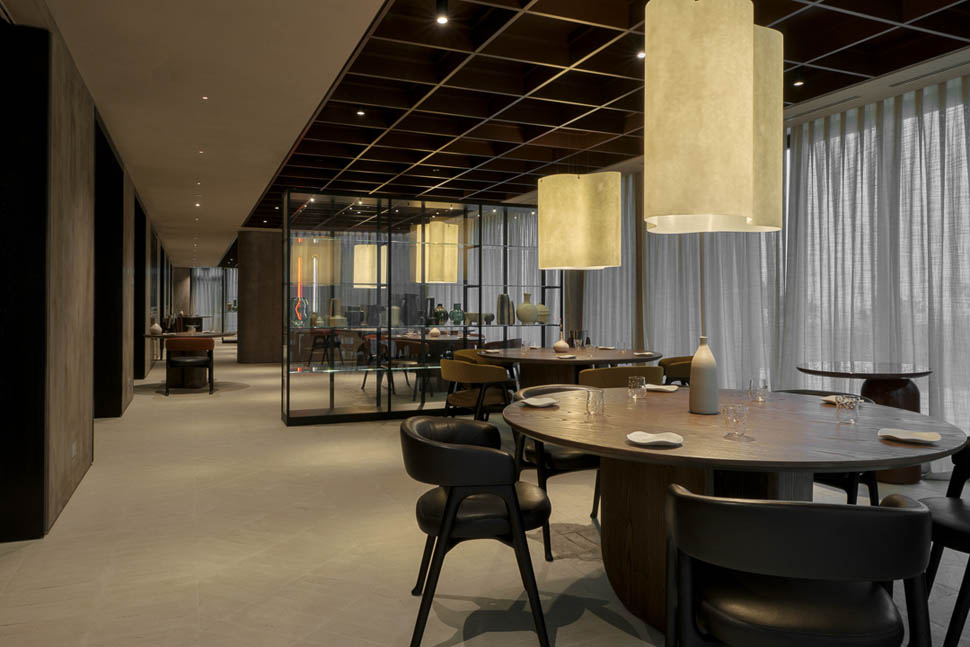
Perhaps this is precisely what stands out in the MAD 100% Natura journey. Not the technique, although it is clearly there. Not the journey, although it is very much present. Nor even the element of surprise, which is certainly not lacking: it is the feeling of having encountered ingredients before encountering dishes.
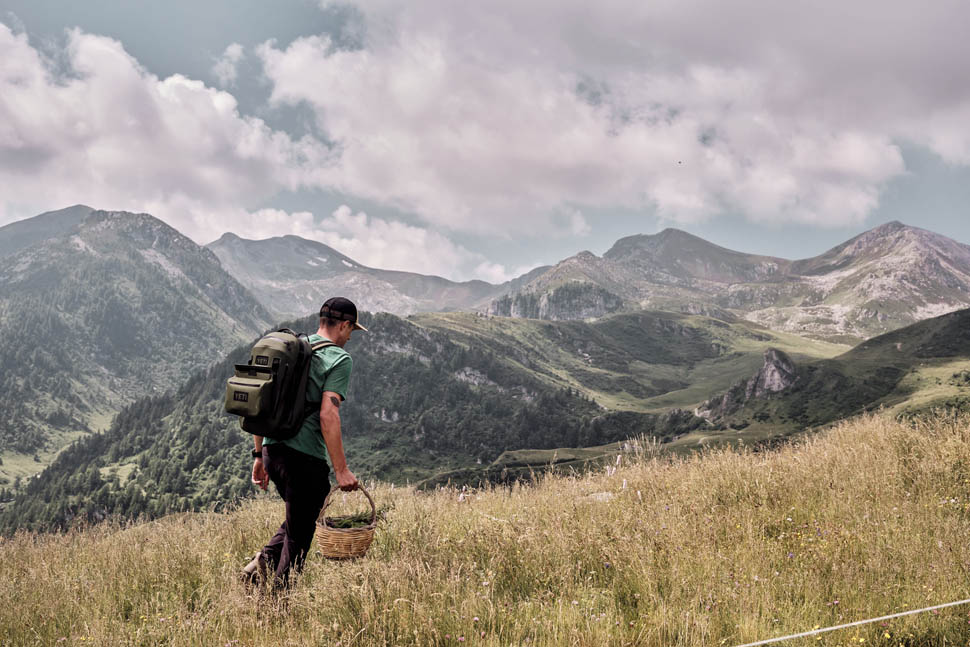
A courgette that tastes like aubergine. A monkfish that recalls rabbit. A spaghetti that smells of wood fire. A fig that, by the end, seems to have become many figs. That strange, pleasant feeling that something is still happening even after the plate has already been taken away.
The Experience
It begins with Funghetto. An Albenga courgette served as though it were aubergine prepared al funghetto, with fig, smoked pike-perch, fig oil and a courgette reduction. This seems to be precisely the kind of game Mammoliti enjoys: not concealing a flavour, but shifting it. “Nothing will be as it seems,” the chef tells us in advance. And indeed, a courgette becomes a memory of aubergine.
With Phu Quoc comes the baby aubergine, charred on the skin, marinated and served with small Piedmontese ramassin plums and black curry. The journey is there, but never put on display. Thailand, Japan, Lebanon, Mexico and France all played a role in Mammoliti’s training, leaving him with techniques, aromas and a sense of balance. He gathered them up and then brought them home, until they became part of his own personal language.
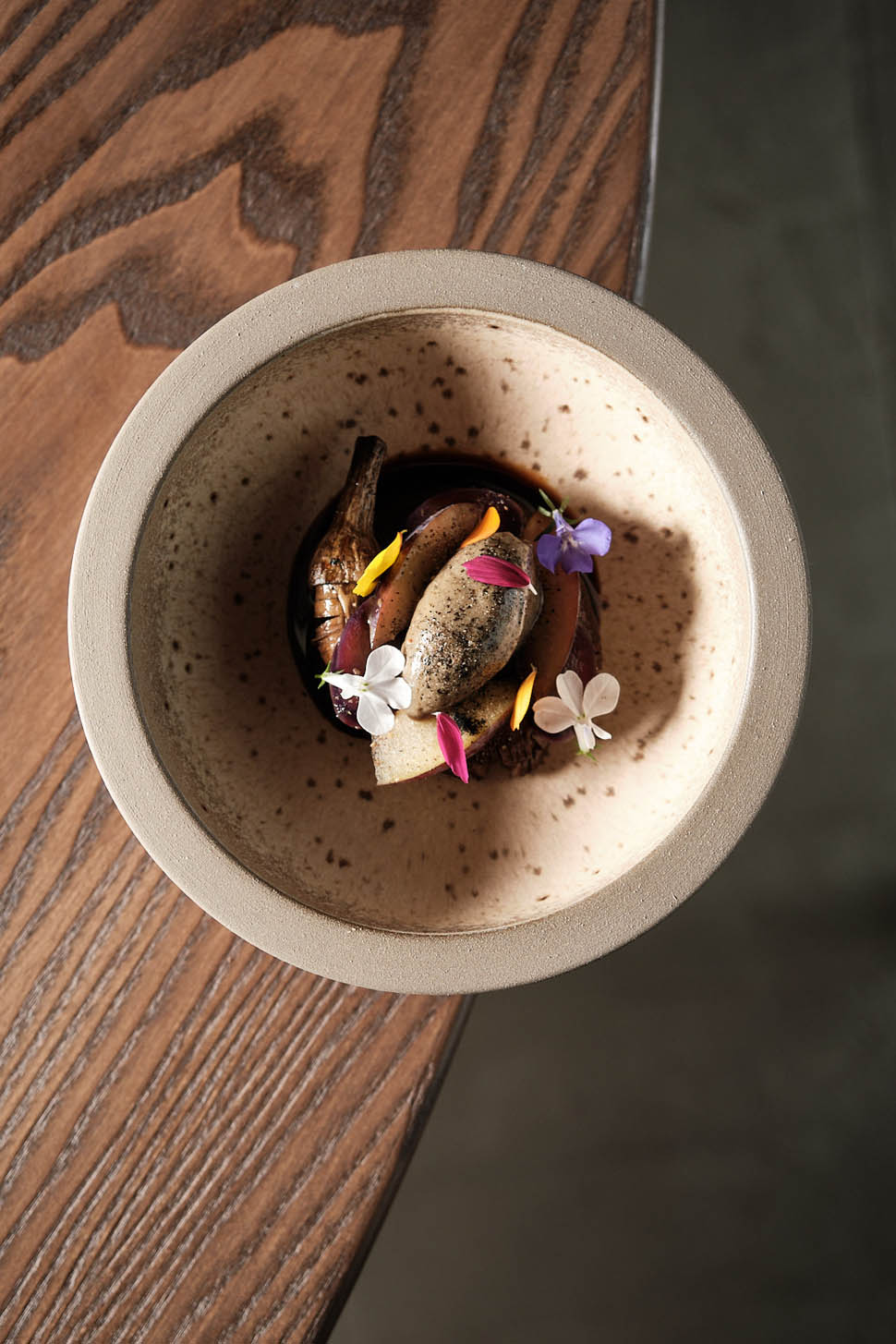
One of the things that becomes clear when tasting his cuisine is precisely this: for him, travelling does not mean accumulating references, but allowing them to settle and take root.
Sanremo brings a Tropea onion to the table, gently cooked with anchovy, tomato and sardenaira. The Ligurian focaccia (sardenaira) accompanies the dish and also suggests how to eat it: alternating, going back and forth, changing the pace.
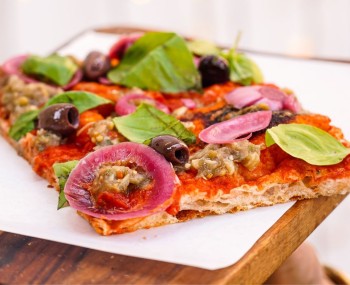
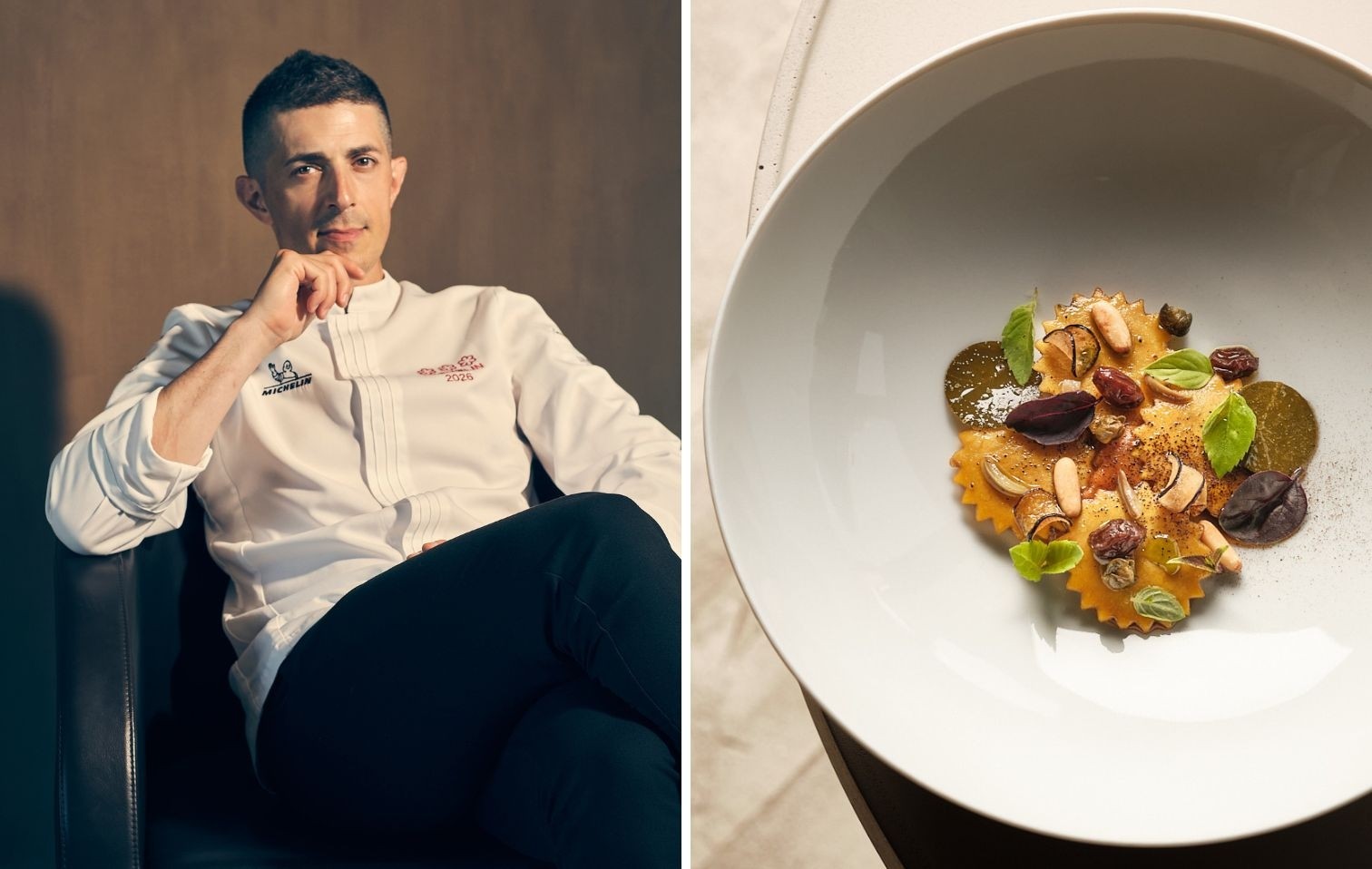
In-Caponata comes in the form of an egg-pasta raviolo that seeks to contain Sicily, while leaving its unmistakable traces on top: capers, olives, pine nuts, basil and aubergine.
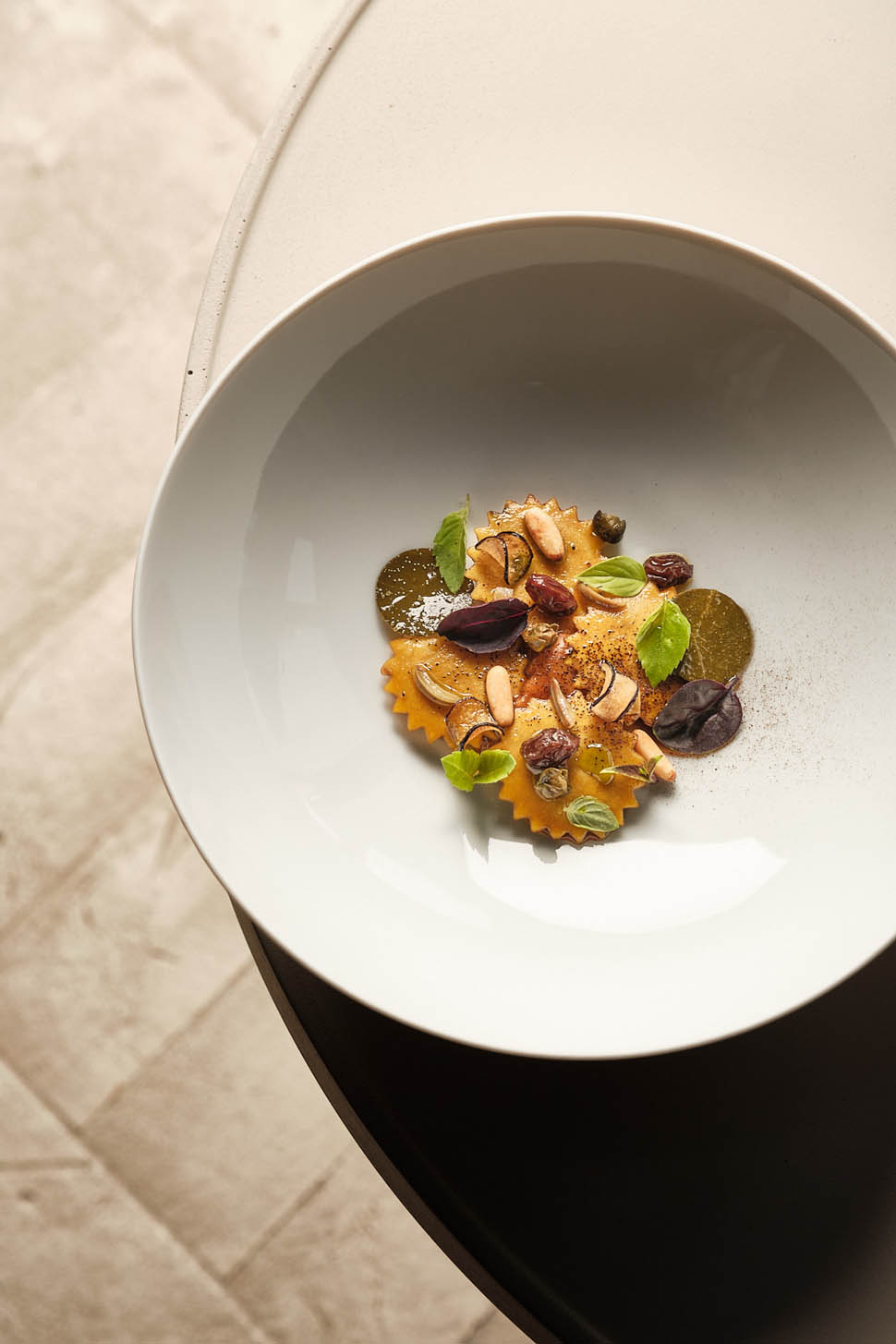
This is where I realise that, in Mammoliti’s cooking, the territory is never a geographical statement: it is a recognisable flavour that can change shape.
At this point, the smoke arrives. BBQ is a spaghetti cooked in an extraction of mild-cured ham, finished with smoked butter and breadcrumbs. You can smell it before you even taste it. A distinct, remarkably striking aroma, almost physical, carrying the scent of embers with it. Suddenly, that spaghetti evokes a Sunday, a barbecue, a family kitchen: the memory arrives without being summoned.
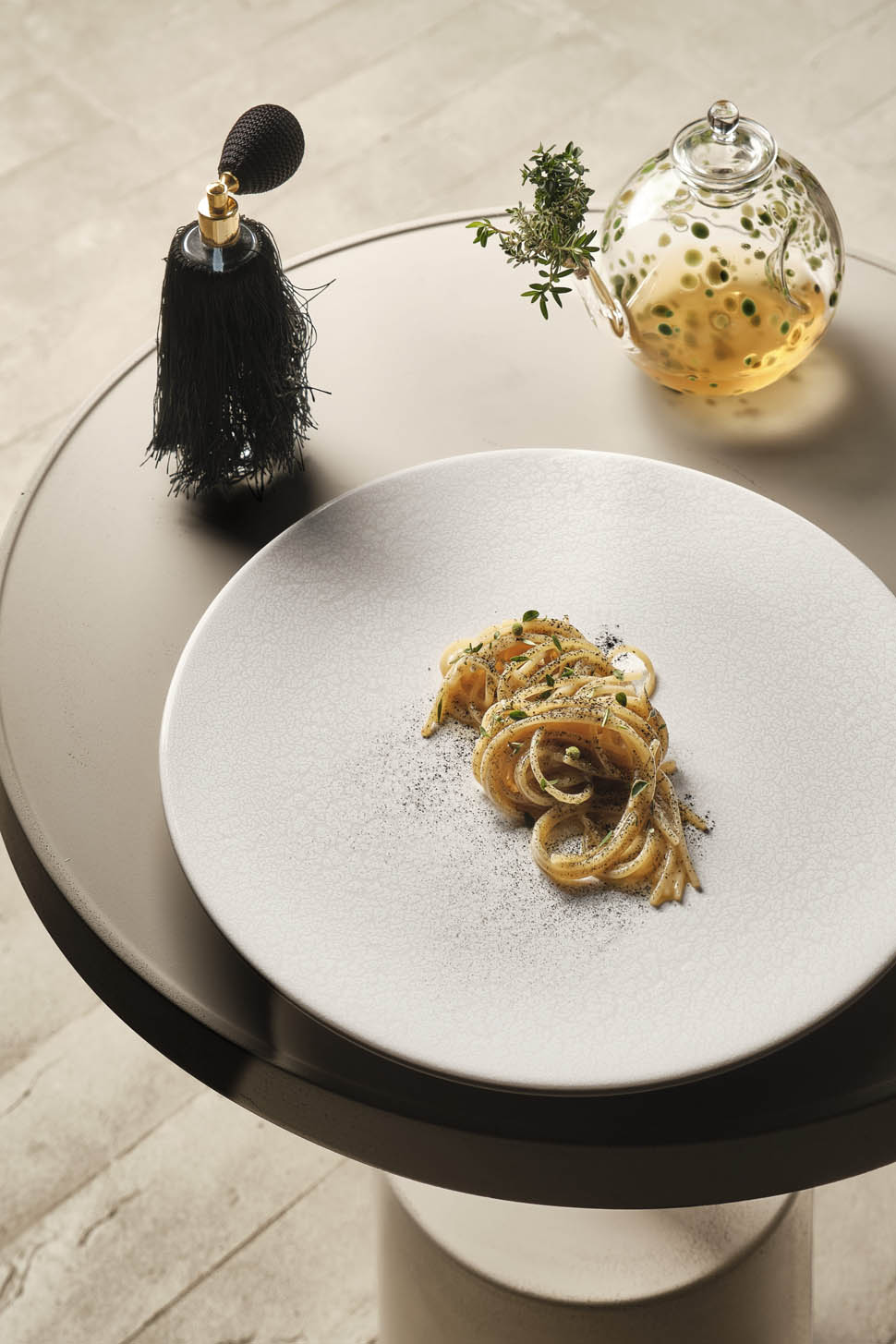
Perhaps this is where Mammoliti’s cooking becomes most intriguing: when it stops being merely a technical construction and begins to work on the memory of the person eating it. Mieloso, a pepper risotto with sweet, spicy and acidic notes and crispy cod tripe, continues along the same lines. The pepper is extracted, concentrated and transformed; technique serves to make its presence more distinct.
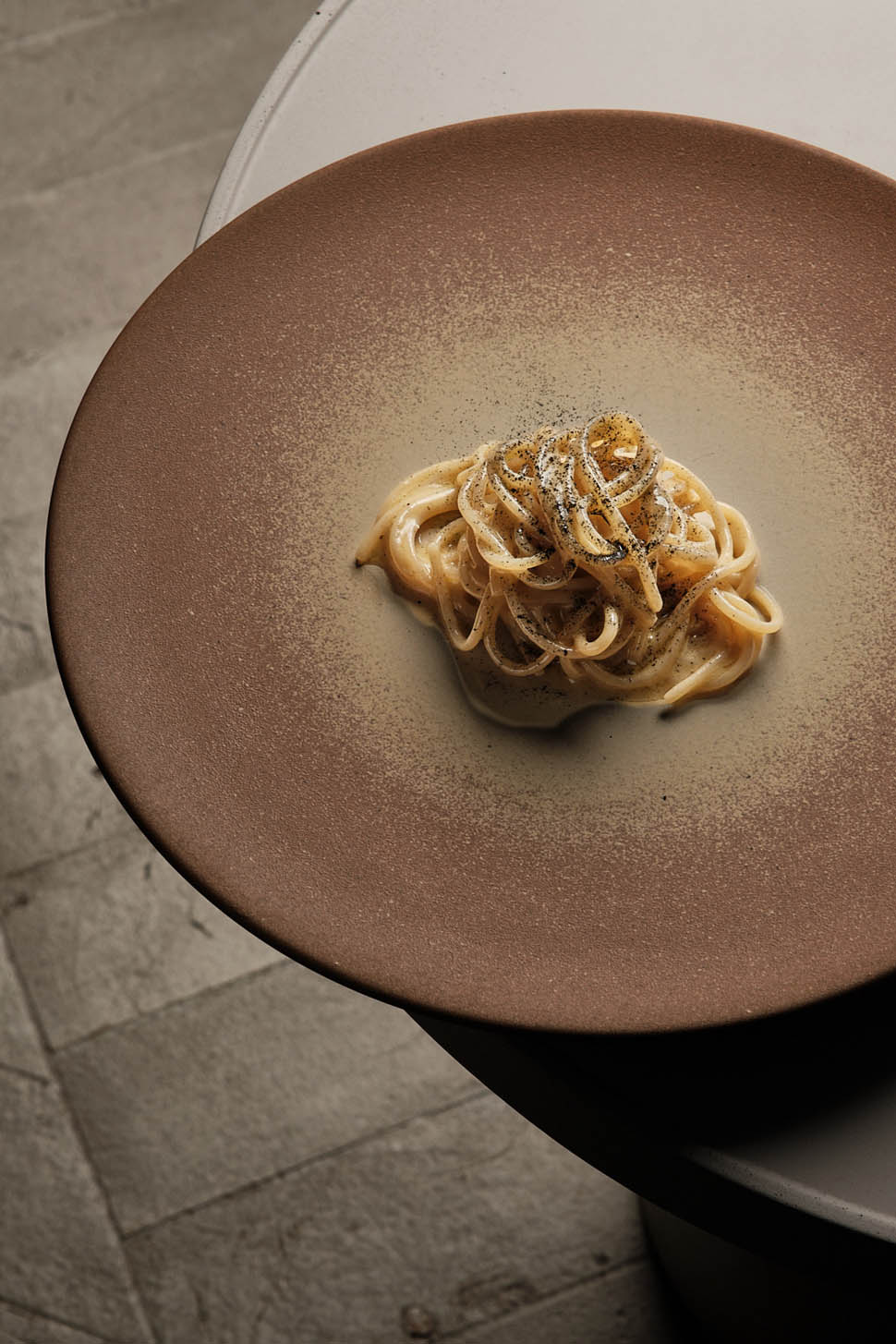
“Cooking is about reflection, but also chemistry.” And you can feel it. Not as a display of technical prowess, but rather as control, precision and the pursuit of balance.
After the enveloping Refresh, with cucumber, almond and meadowsweet ice cream, comes Ligure. The monkfish is treated like Ligurian-style rabbit, with pine nuts, raisins and tarragon. The dish makes me think about how subtle the boundary between memory and invention is in this cuisine. You do not need to recognise the rabbit: it is enough to recapture its character.
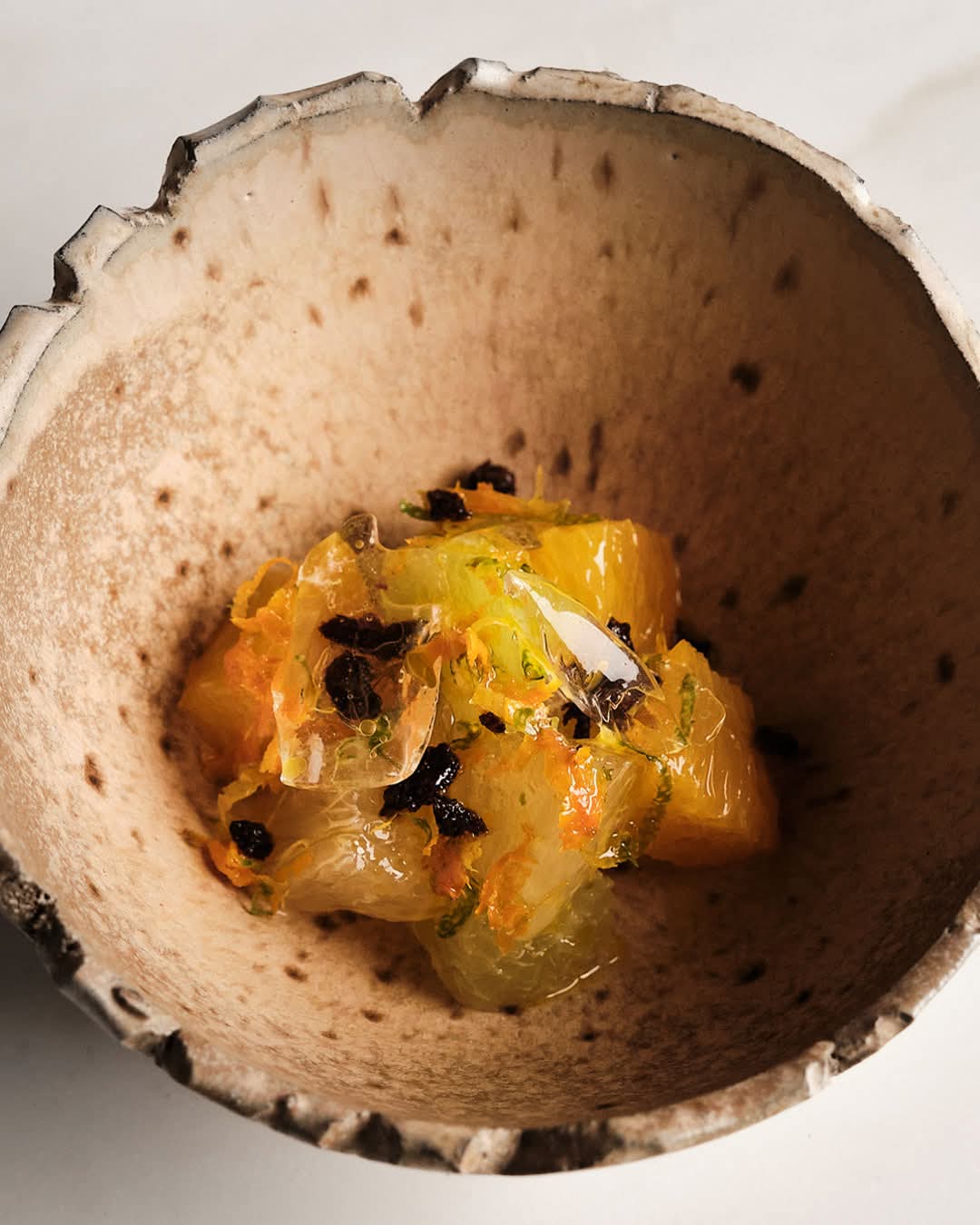
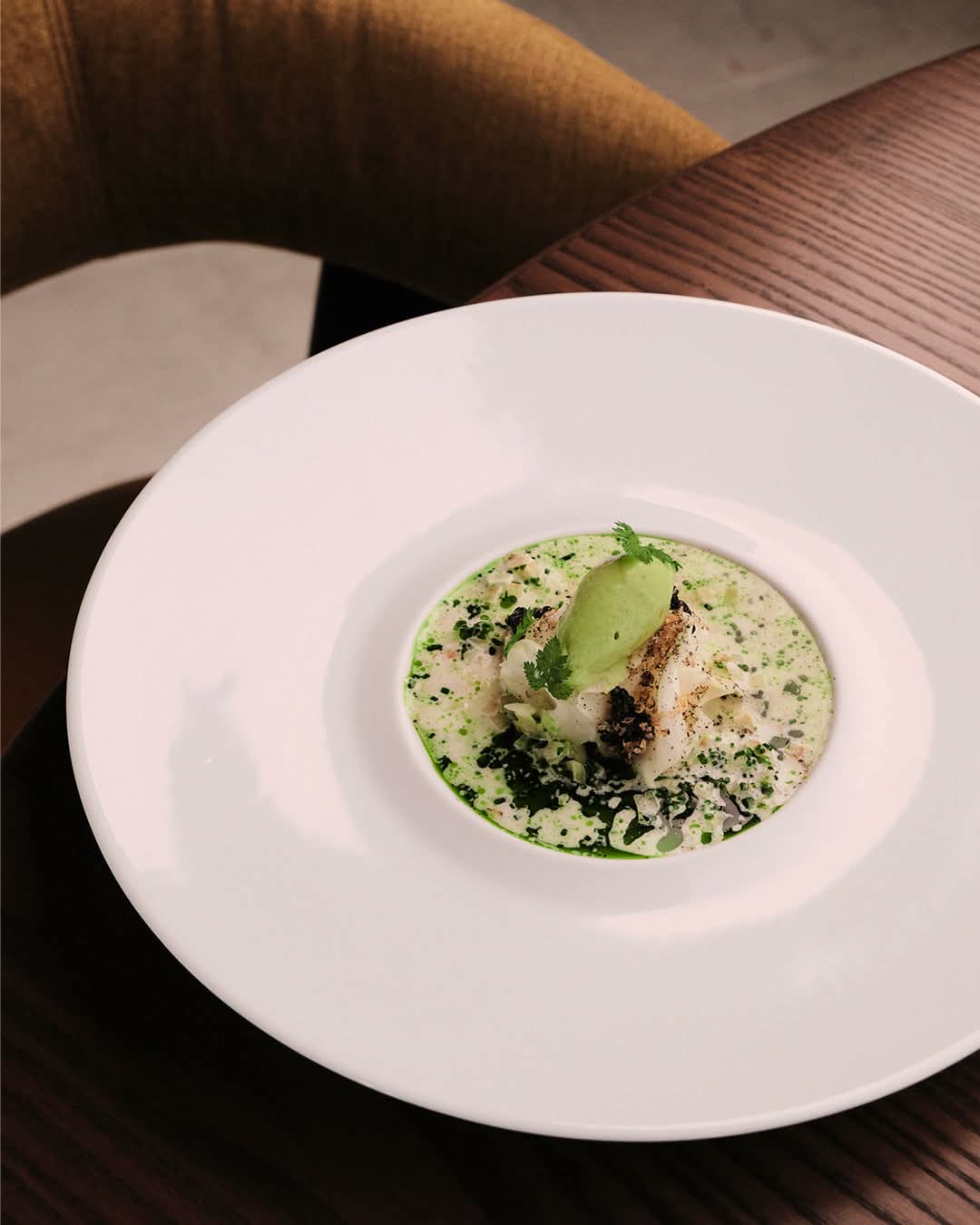
With Parmigiana, the game becomes even more precise. The sweetbread is cooked in an aubergine parmigiana extraction, with the gratinated element at the base and a beef choux flavoured with basil and aubergine, turning the traditional preparation on its head. The vegetable leads the dish, while the meat becomes a surface through which the story is told.
This is precisely where the meaning of the MAD 100% Natura menu becomes clearer. It does not mean eliminating animal protein, but rather placing it within a system in which plant-based ingredients play a central, at times dominant, role.
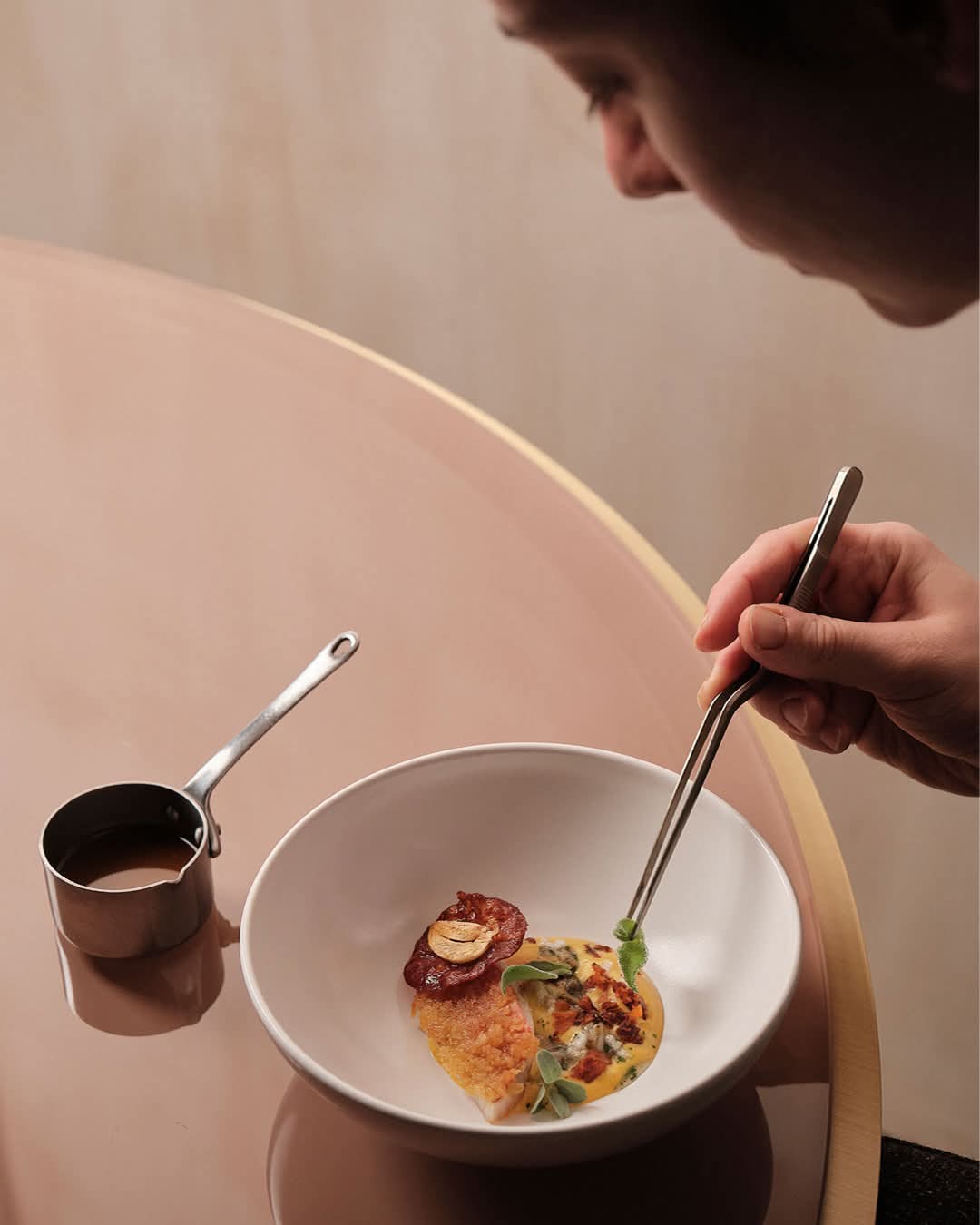
Mammoliti speaks of cooking in terms of family and home. When you taste it, you realise that these really are the two poles of his work: on one side, what comes from the earth, the water and livestock; on the other, everything humans can do with it without betraying its nature. The desserts follow the same direction.
Shiso is incredibly fresh, herbal and tangy: mangosteen and shiso sorbet leave the palate clean. With Sei pronto a fare il fico, the fruit almost seems to tell its own story through all its possibilities: fresh, composed, dehydrated, rehydrated, fermented and sweet-and-sour. There is the leaf, the foam, the powder, the brick pastry and, at the centre, a citrus sorbet that brings everything back into balance. Once again, the same ingredient is explored from different perspectives.
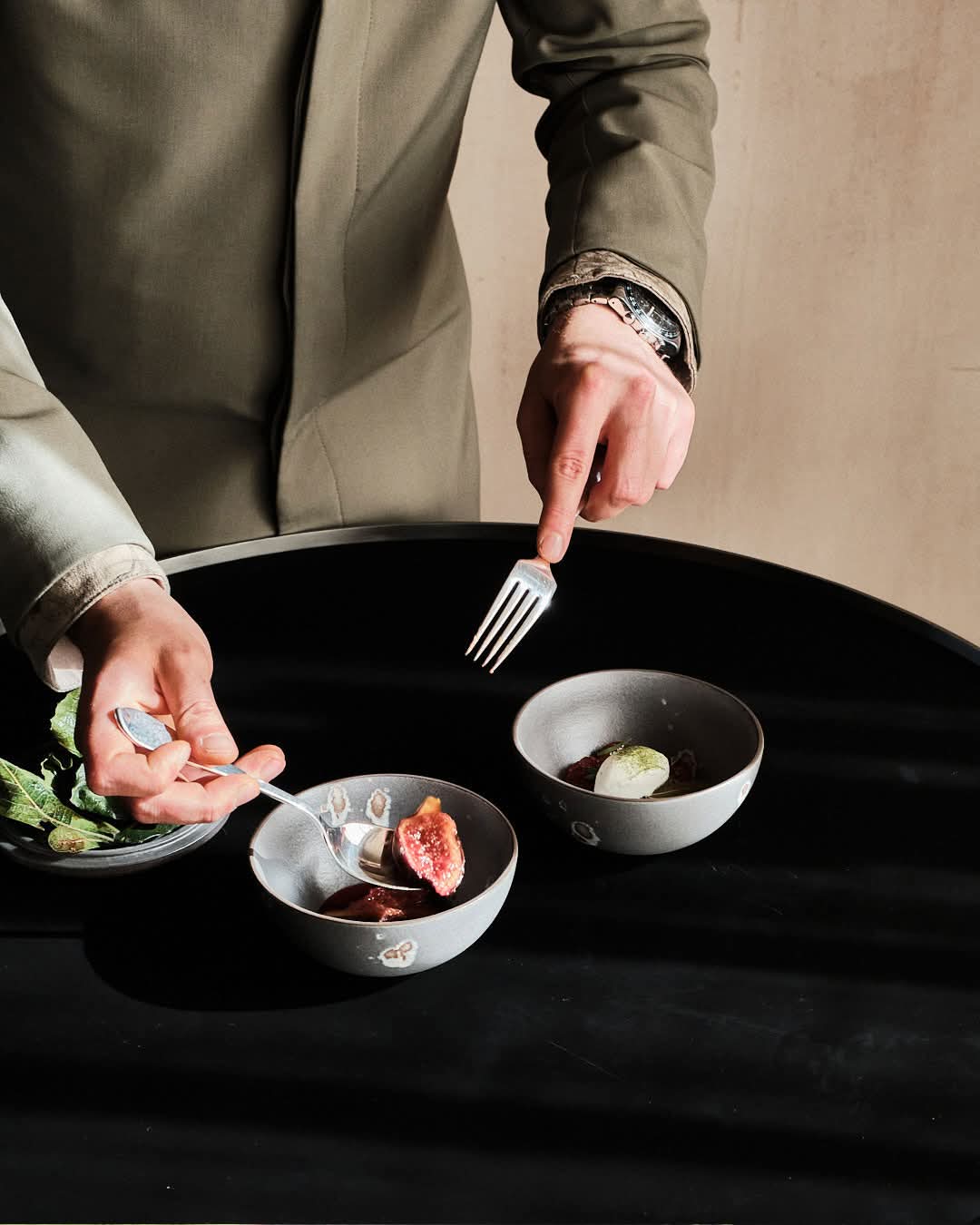
Very recently, Mammoliti was appointed an Ambassador of Italian Cuisine as UNESCO Intangible Cultural Heritage by Francesco Lollobrigida, Italy’s Minister of Agriculture, Food Sovereignty and Forestry. At the table, however, it is not a title that tells his story. His dishes do. And above all, the way they leave something in our memory that we never ordered once the meal is over.
Contacts
La Rei Natura by Michelangelo Mammoliti
Via Roddino, 21, 12050 Serralunga d'Alba CN
Phone: 0173 613042