Who said that a warm, welcoming dining experience has to involve tantrums, high chairs, and pork cutlets with fries? A heated debate is raging in Brianza, where the pursuit of a cozy atmosphere clashes with dining etiquette and the needs of families.
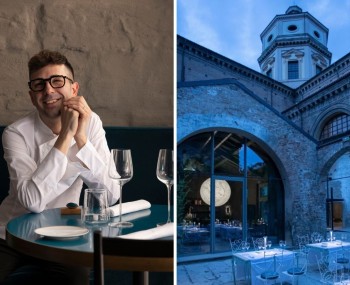
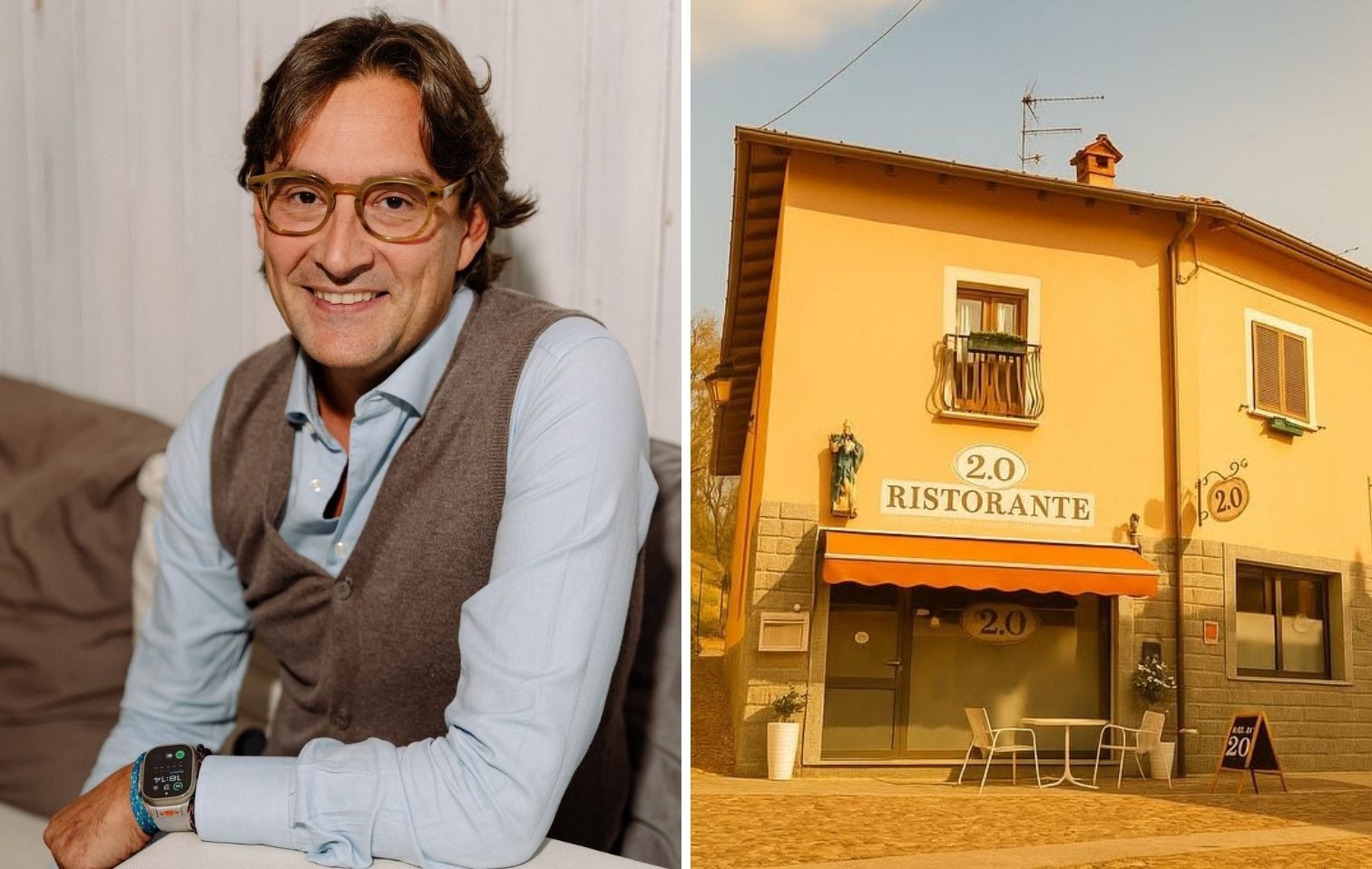
The restaurant that sparked this trend in Brianza is Hostaria 2.0 in Lesmo, run by 48-year-old Alan Sampietro. The owner’s formula is clear: quiet, intimacy, carefully curated pairings, and a dining room designed almost exclusively for couples. No “baby-sized” half-portions, no child-related accessories, and an atmosphere crafted down to the smallest detail to ensure a break from the chaos of everyday life. The restaurateur summed up this approach on social media with a striking slogan, calling himself the first child-free establishment in the area.
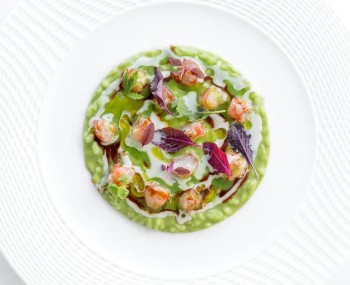
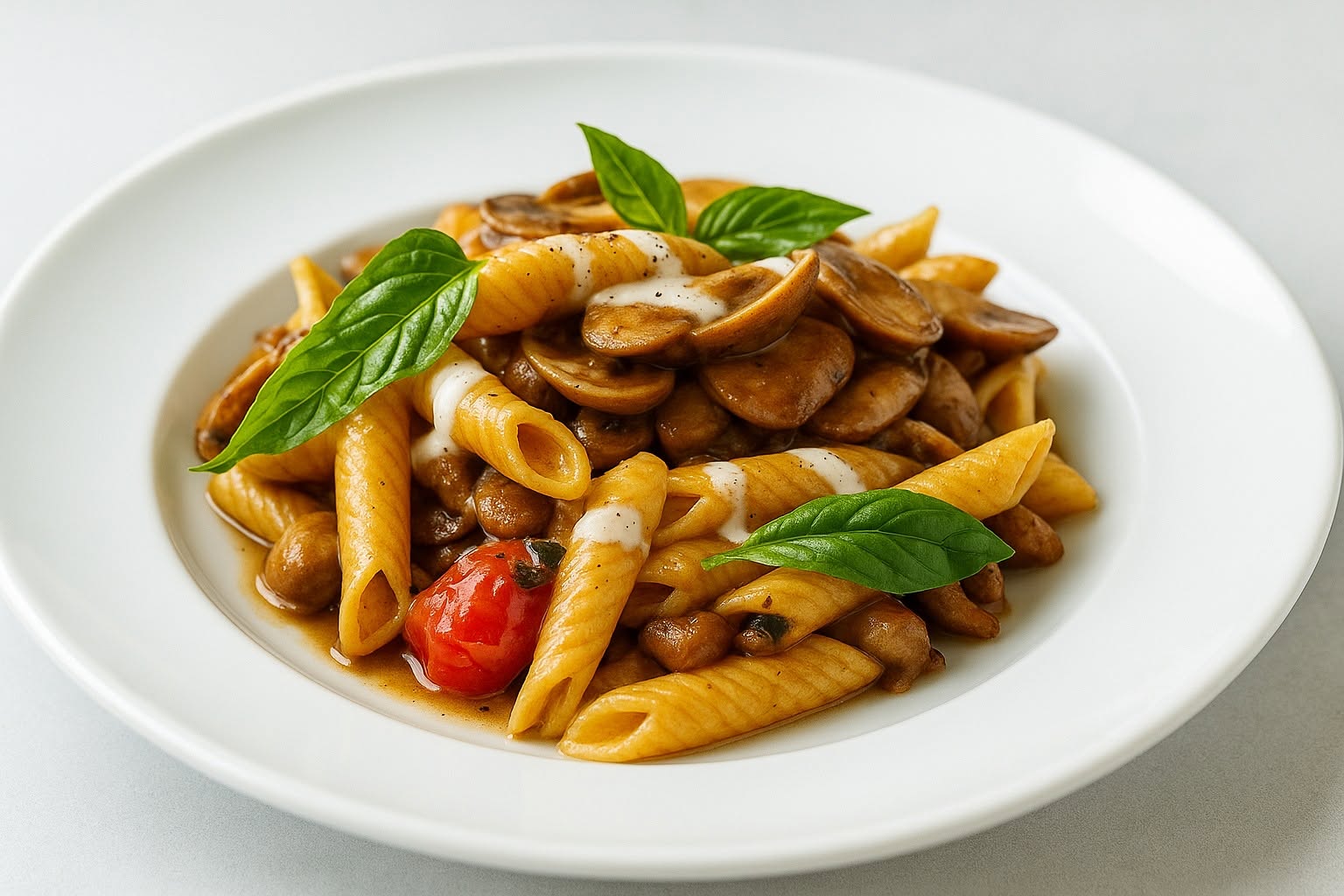
A dish you eat first with your eyes (and your ears)
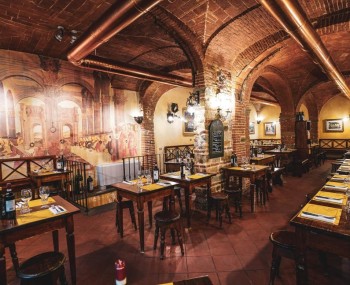
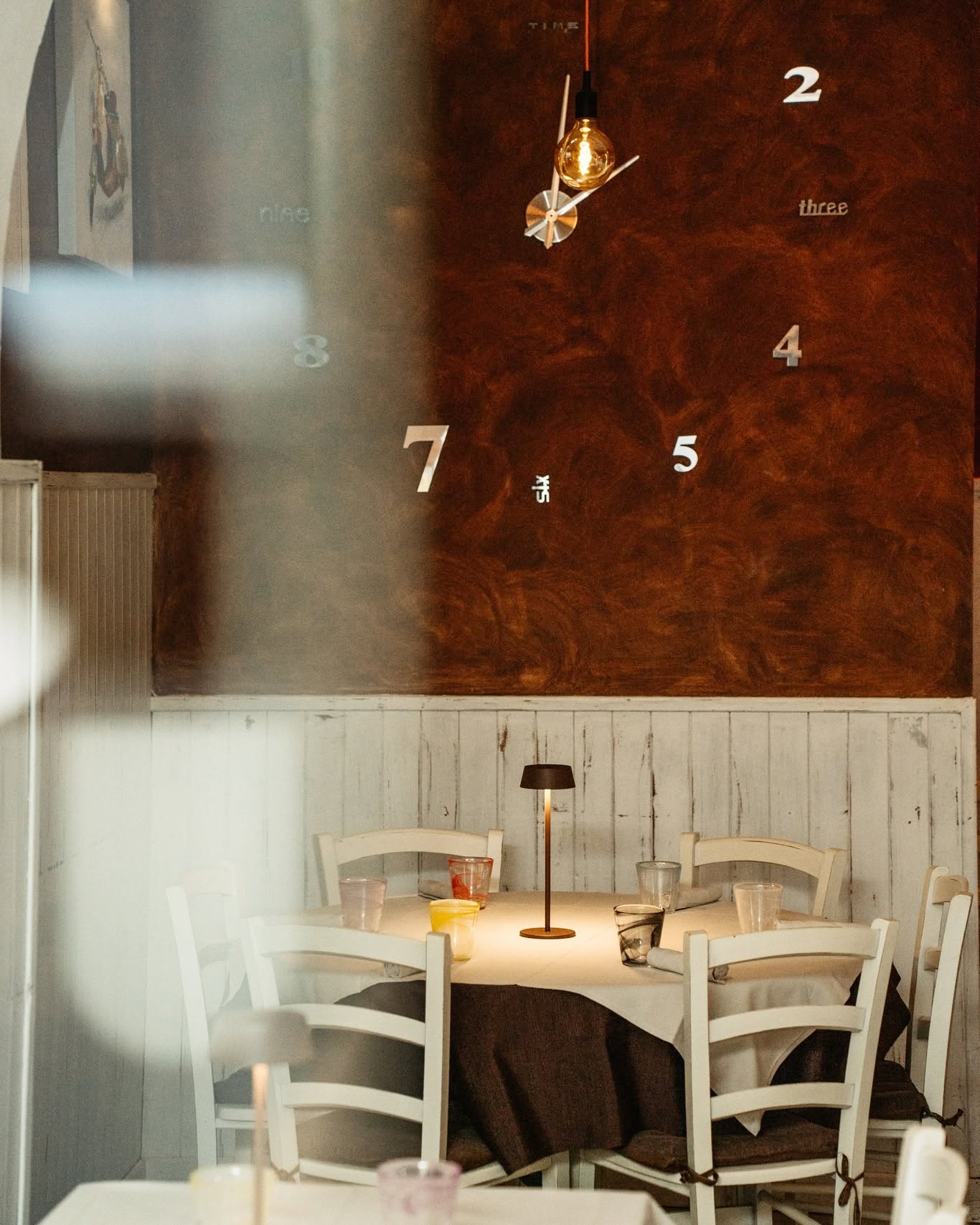
This decision isn’t driven by a crusade against young children, but rather by a specific vision of hospitality and customer experience. Hostaria 2.0 is, in fact, a cozy spot measuring just 70 square meters and seating only 28 diners: an intimate space that was recently redesigned—even removing ten chairs—to create more breathing room between tables, most of which are set up for two people. The catalyst for this shift dates back to early last summer. After yet another complaint directed at a couple of parents because of a young diner who was decidedly too boisterous—which inevitably led to the classic negative review at the end of the evening—Sampietro decided to draw a clear line. If the harmony of a candlelit dinner is ruined by shouting, the dining experience for all the other guests risks being compromised.
The controversy on review platforms: gourmet vs. family-friendly
The video ad posted online by the owner sparked a veritable media firestorm, dividing users and food enthusiasts into two irreconcilable camps. On one side are the advocates of the “right to relax”—gourmets and diners who demand the chance to enjoy a tasting menu without distracting background noise; on the other are families, who view the “children-free” label as discriminatory and exclusionary. Sampietro, for his part, is trying to calm the situation and clarifying the details of his proposal: there will be no “no children” signs or doormen at the entrance, but the menu, table layout, and atmosphere of the Hostaria will remain tailored exclusively for adults.
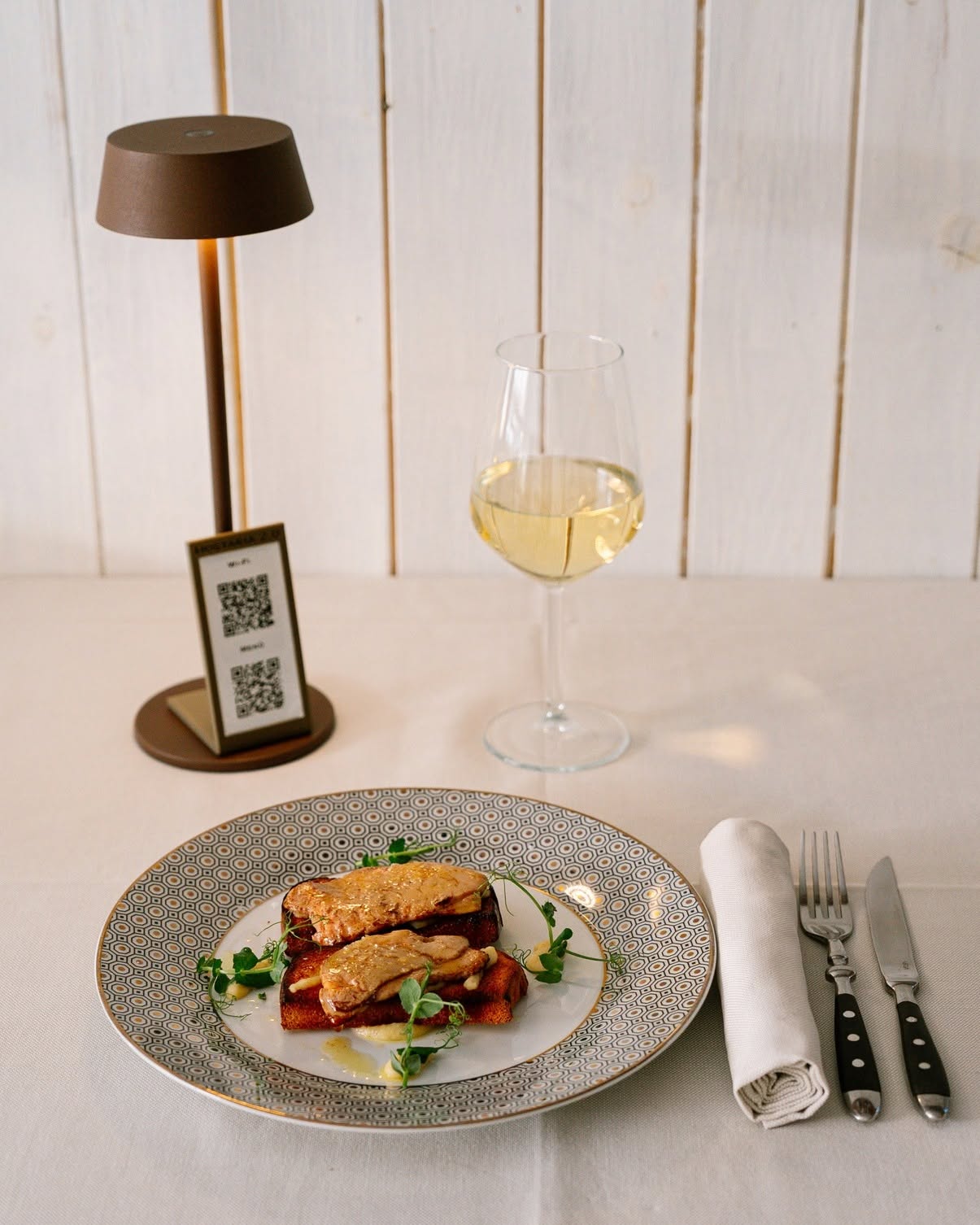
This case brings to the forefront a question that is increasingly relevant in the world of modern dining: To what extent can a restaurant tailor itself to a specific niche audience without sparking public debate? Between a glass of vintage wine and a dining room that calls for silence, the discussion remains wide open.