A place where the cuisine has remained rooted in the land without becoming a prisoner of tradition: Simone Maglioni’s “taste den.”
The Story
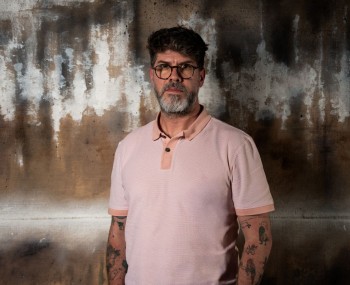
On October 30, 1987, Simone Maglioni joined La Tana degli Orsi, thinking he would stay for a while. He was in his early twenties, had little money, and held the rather simple idea that this job could be a way to save up some money before deciding what to do with his life.
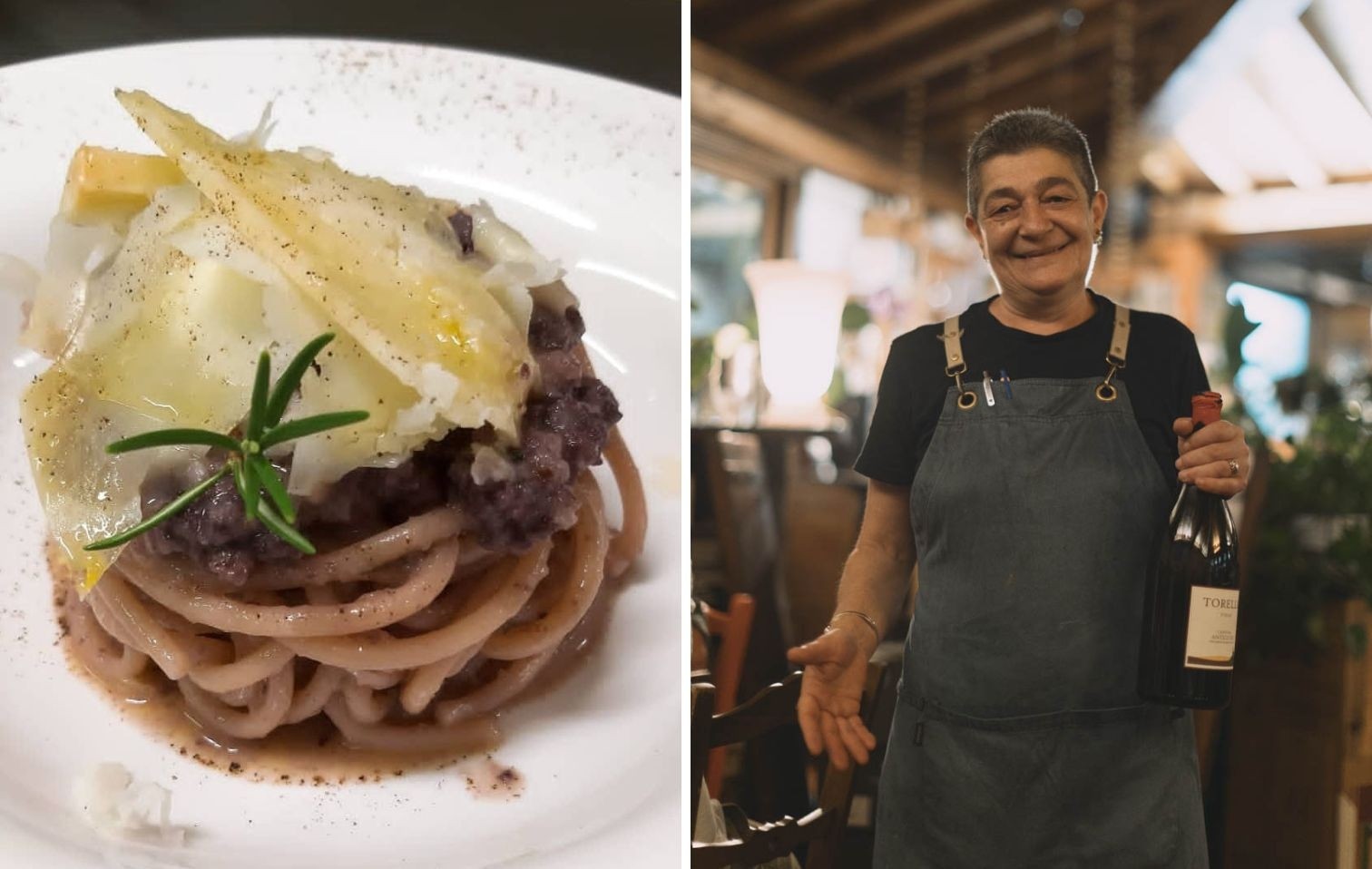
He was barely familiar with the place in Pratovecchio, even though his mother had been there before. To him, it was almost a foreign place, even though it was just a few kilometers from home. A friend, saying goodbye, left him with a remark that sounded like a joke but would turn out to be a prophecy: “Be careful, because here you risk staying for thirty years without even realizing it.” Today, Simone can only smile. Nearly forty years have passed.
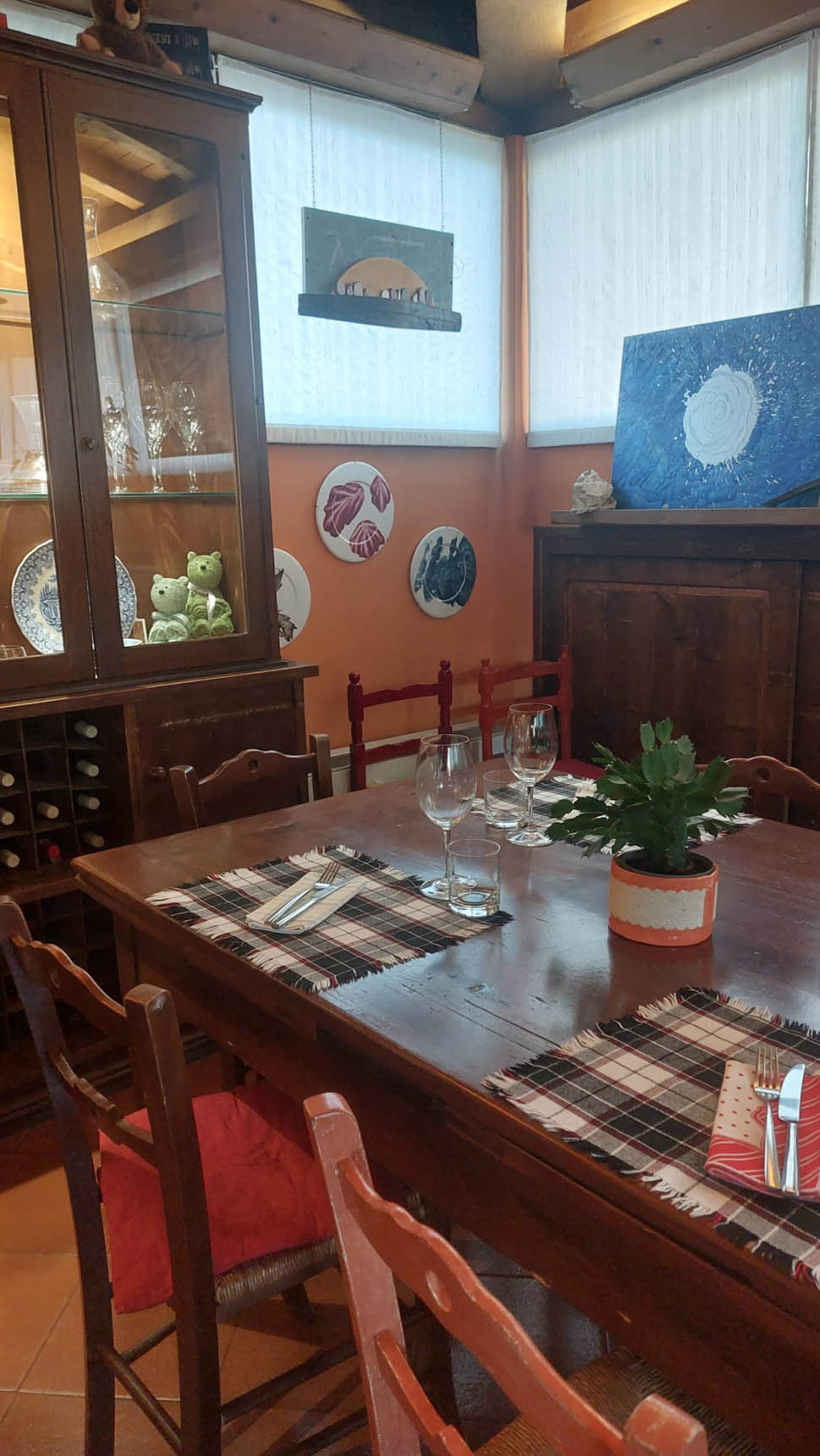
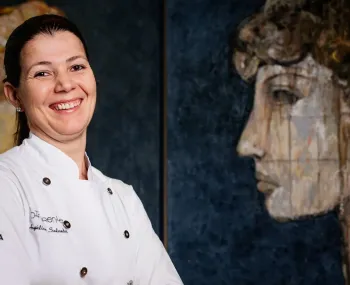
In 1989, Caterina Caporalini, the owner’s daughter, arrived. She left her job at a local factory to try her hand at the restaurant business, and what might have been just a brief interlude turned into a lifetime. La Tana degli Orsi became their home, while Pratovecchio and the Casentino region slowly transformed, from a workplace into something much harder to define. Simone wasn’t born in this valley—his mother was—and perhaps that’s precisely why his relationship with the area has grown into a sense of belonging, forged over the years through the people he’s met and those mountains that make the Casentino a secluded land, still capable of maintaining its own sense of scale.
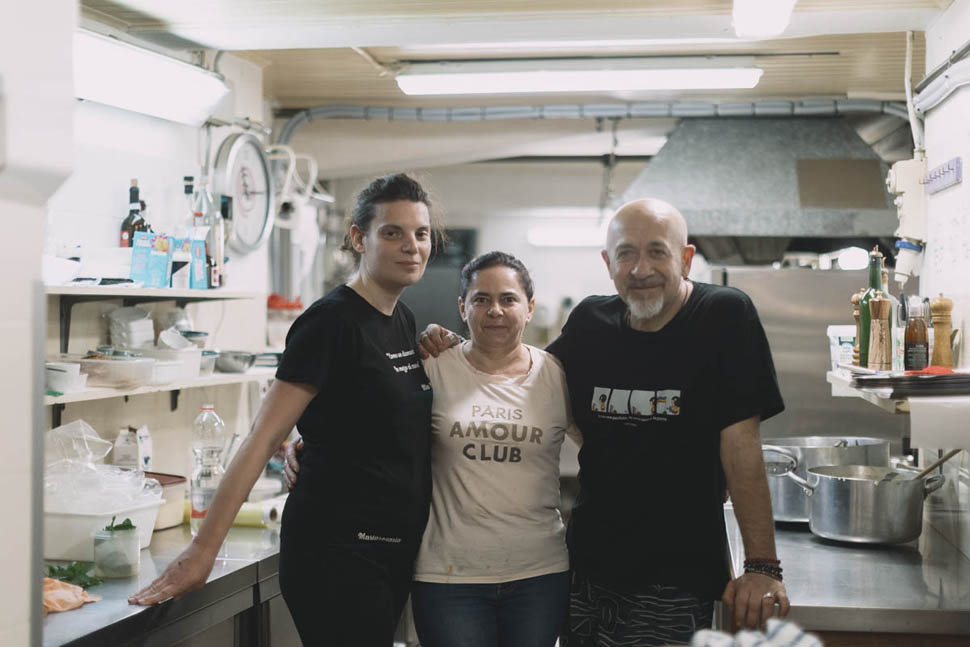
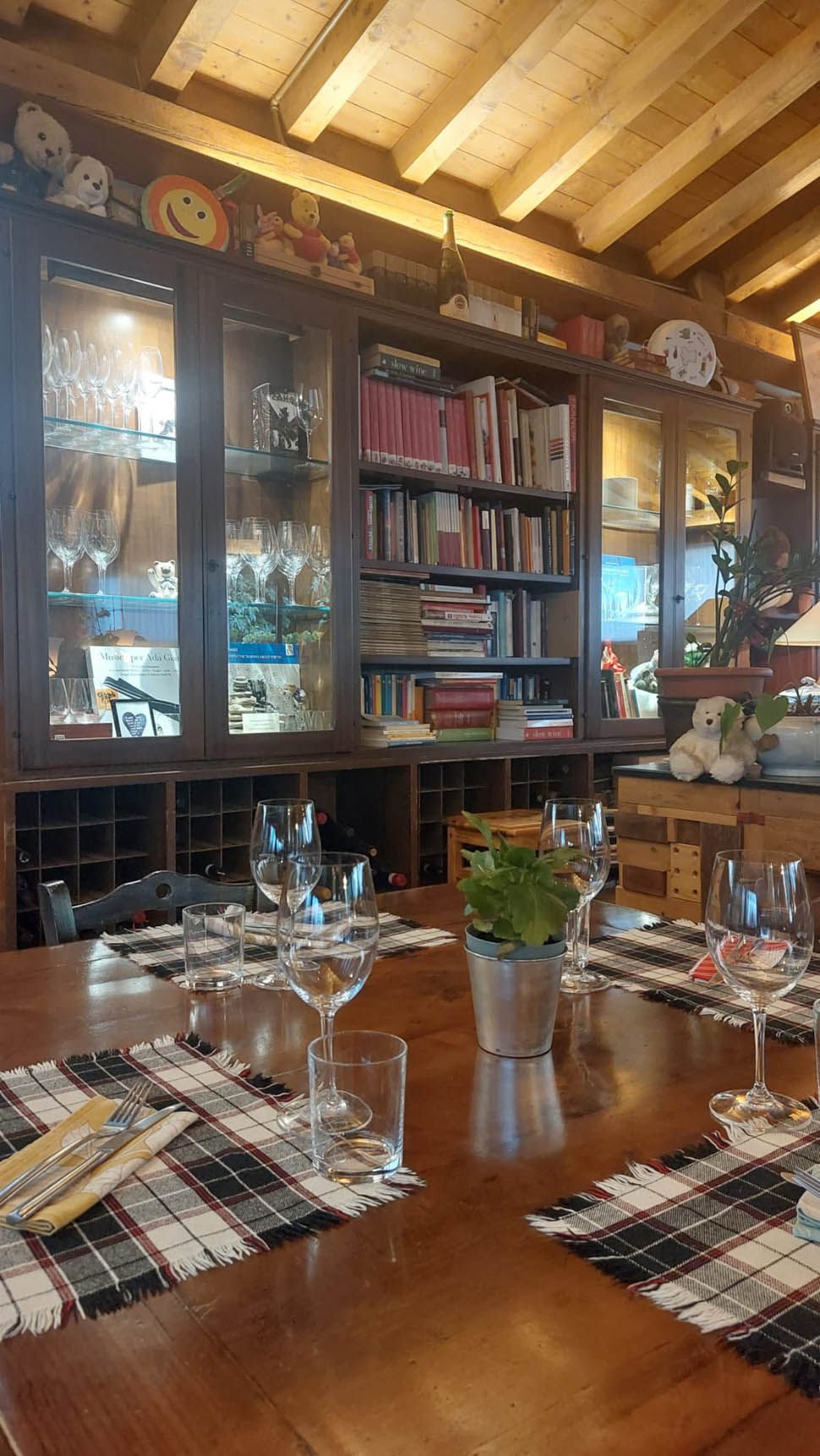
A valley that has also had the advantage of lying somewhat off the beaten path of Tuscany’s busiest routes—and which has become a sort of privileged vantage point for La Tana. From there, they’ve watched customers, friends, chefs, musicians, winemakers, trends, and different generations come and go, while the restaurant evolved alongside them. La Tana, in fact, has never been just a trattoria. For a time, it was also a “cantineria”—an old-fashioned term that back then referred to gathering around bottles of wine until late into the night.
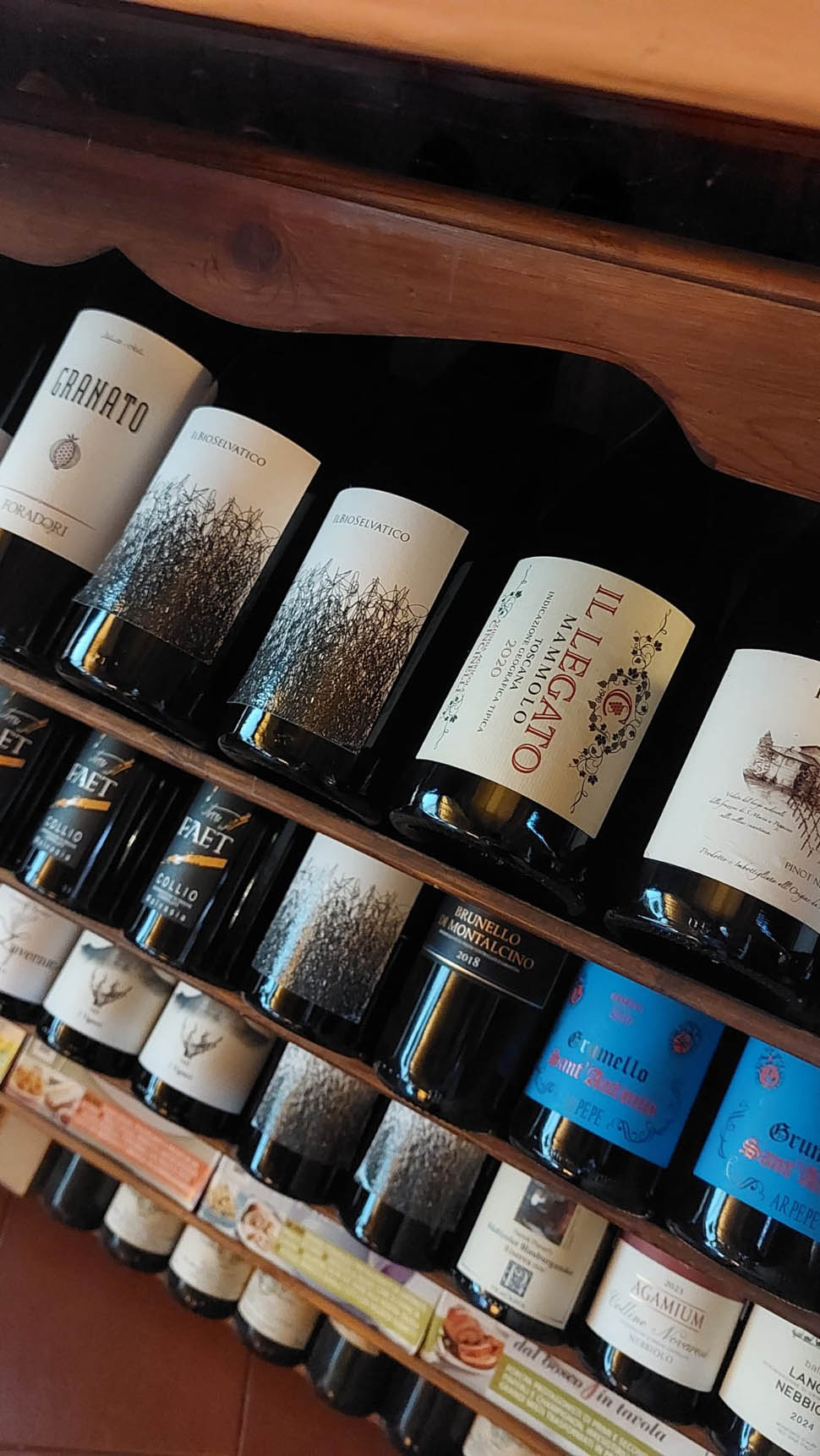
Their passion for wine began in the early 1990s, almost entirely through self-study, with technical books, early guides, and trips to Chianti with others so they wouldn’t get lost on the country roads. Castell’in Villa, Isole e Olena, Monsanto, Riecine, and Lilliano were names that, for two twenty-five-year-olds, represented a constant discovery. “We’d visit the producers, taste the wines, buy the ones we liked, and head home with the bottles.” Then came their experience at Fuoriporta, in Florence, a modern wine bar that was a revelation for Simone and Caterina. There wasn’t even a proper kitchen; cold cuts and cheeses were served on paper plates, and wine seemed to be the centerpiece of it all. Back in Pratovecchio, they tried to create something similar based on their own vision, adapting it to La Tana.
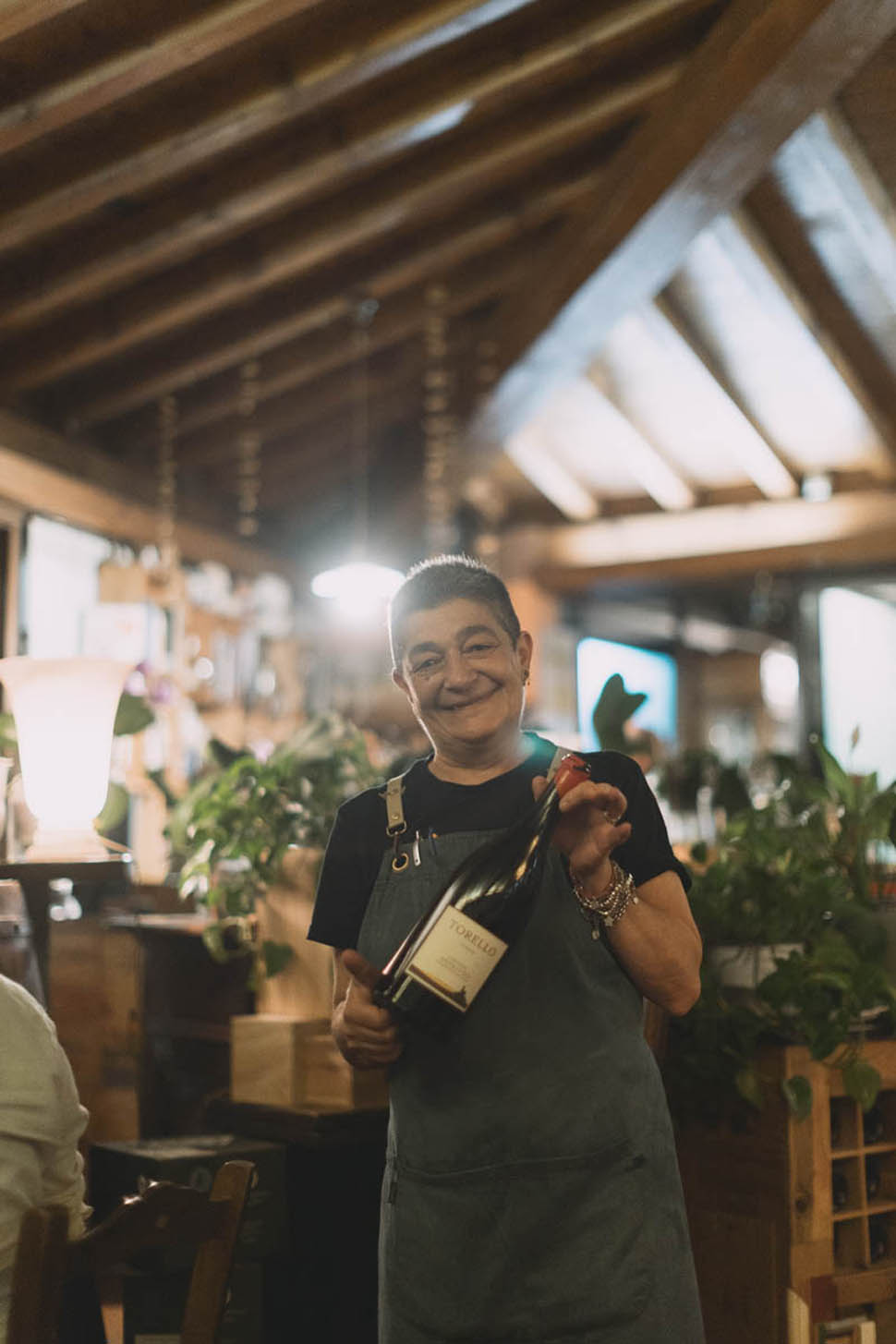
The restaurant had just eighteen seats and closed its first shift at 10:30 p.m. From that moment on, a whole new world began, one that could last until 2:30 in the morning. The surprising thing is that in a town in the Casentino region, they even had as many as seventy people coming in on weekends. We opened a lot of bottles and worked with minimal markups, in an era when it was still possible to build a clientele based on curiosity about a bottle and the desire to talk to the people who had produced it. Then came Vinitaly, which at first seemed like a huge playground but which, over time, was approached with greater method—researching wineries, choosing whom to meet, and building relationships. When producers from all over Italy—contacted directly—began arriving at La Tana, it became clear that this small venue in Pratovecchio had by then established its own credibility.
That marked the beginning of more than twenty years of wine tastings. Over three hundred evenings, hundreds of winemakers—some already established and others still unknown—made their way to Casentino because that table had become a place where wine was taken seriously without turning into a lecture. The evenings often had a second half, which began when the guests left and only the winemakers and a few friends remained. They would discuss and taste, sometimes until seven in the morning. Lasting friendships were forged, along with relationships among winemakers who helped shape a chapter of Italian wine’s recent history. La Tana thus found itself, almost without planning it, at the heart of the birth of that movement that would bring natural wine into the spotlight. Simone and Caterina followed its growth with enthusiasm and with that touch of skepticism typical of those who observe a phenomenon as it’s emerging and are already wondering what will happen when the spotlight falls on it.
Then, slowly, the world changed. Drinking habits changed, breathalyzer tests were introduced, the clientele changed, and even that way of experiencing the restaurant until the early hours of the morning began to become less sustainable. Above all, the age of those on the other side of the bar had changed. A passion that had consumed every moment of the day for twenty years had begun to take its toll. Meanwhile, music had also arrived. And a festival—“Naturalmente Pianoforte”—was born from the idea of a group of friends who wanted to carry the name of the Casentino region beyond the valley and bring music into the places themselves, without turning them into mere backdrops. The idea was almost paradoxical in its simplicity: to take the piano—perhaps the least practical instrument to transport—and bring it right into the midst of the people. Simone and Caterina joined the festival’s organizing team, and that new experience opened a door to a world that, until then, had remained outside La Tana. Suddenly, work was no longer everything. There were people, of course, but there was also the local area, music, friends, and the chance to look beyond the restaurant’s door.
COVID has accelerated a change that was probably already in the works. The late-night dining scene has disappeared, hours have been cut back, the number of days the restaurant is closed has increased, and Sundays have become a day dedicated to lunch. Having three evenings off now also means the chance to get back out and see what’s happening outside the restaurant world. It may seem like a small thing after spending a lifetime behind a counter and in front of the stove, but for those who started at twenty thinking that job would last just a few months, it’s almost a revolution.
The Menu
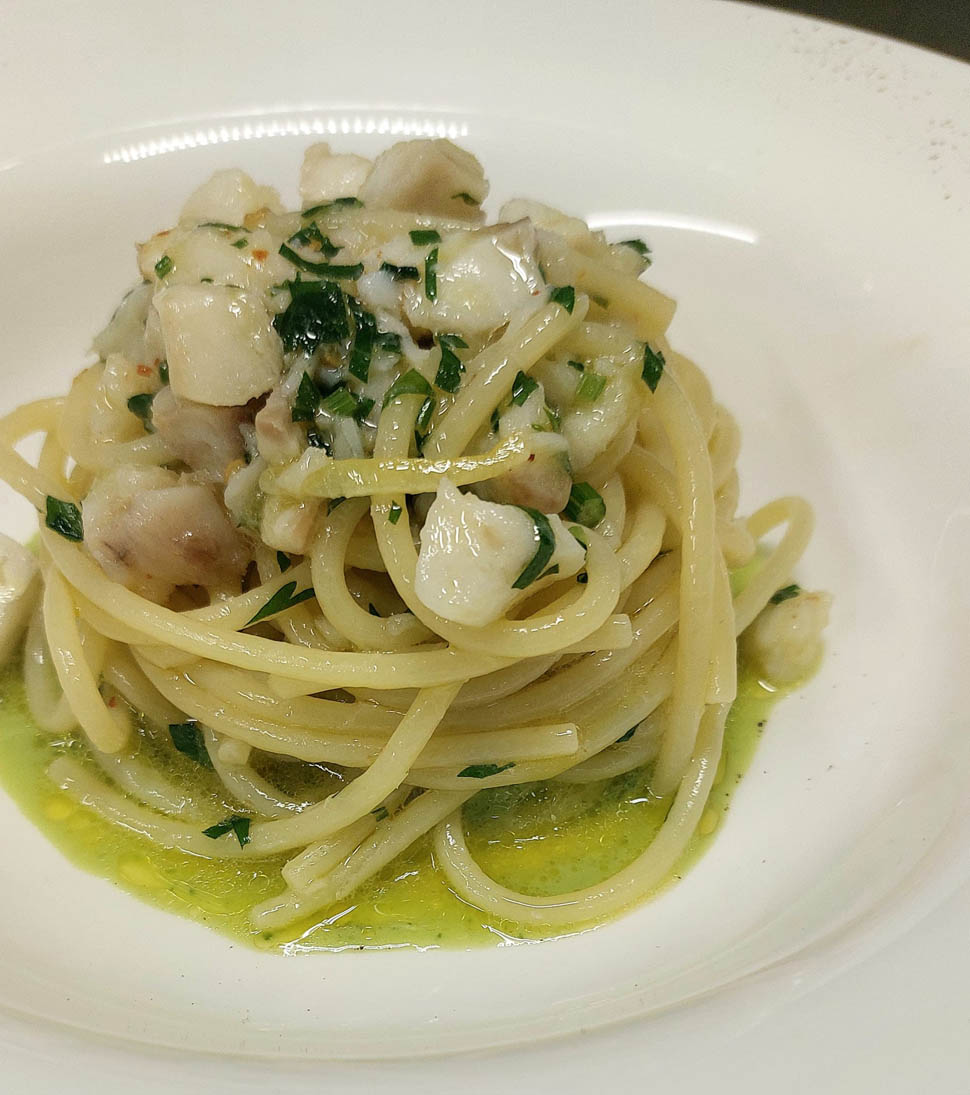
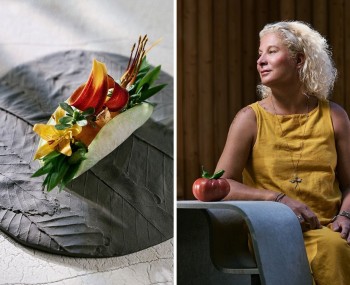
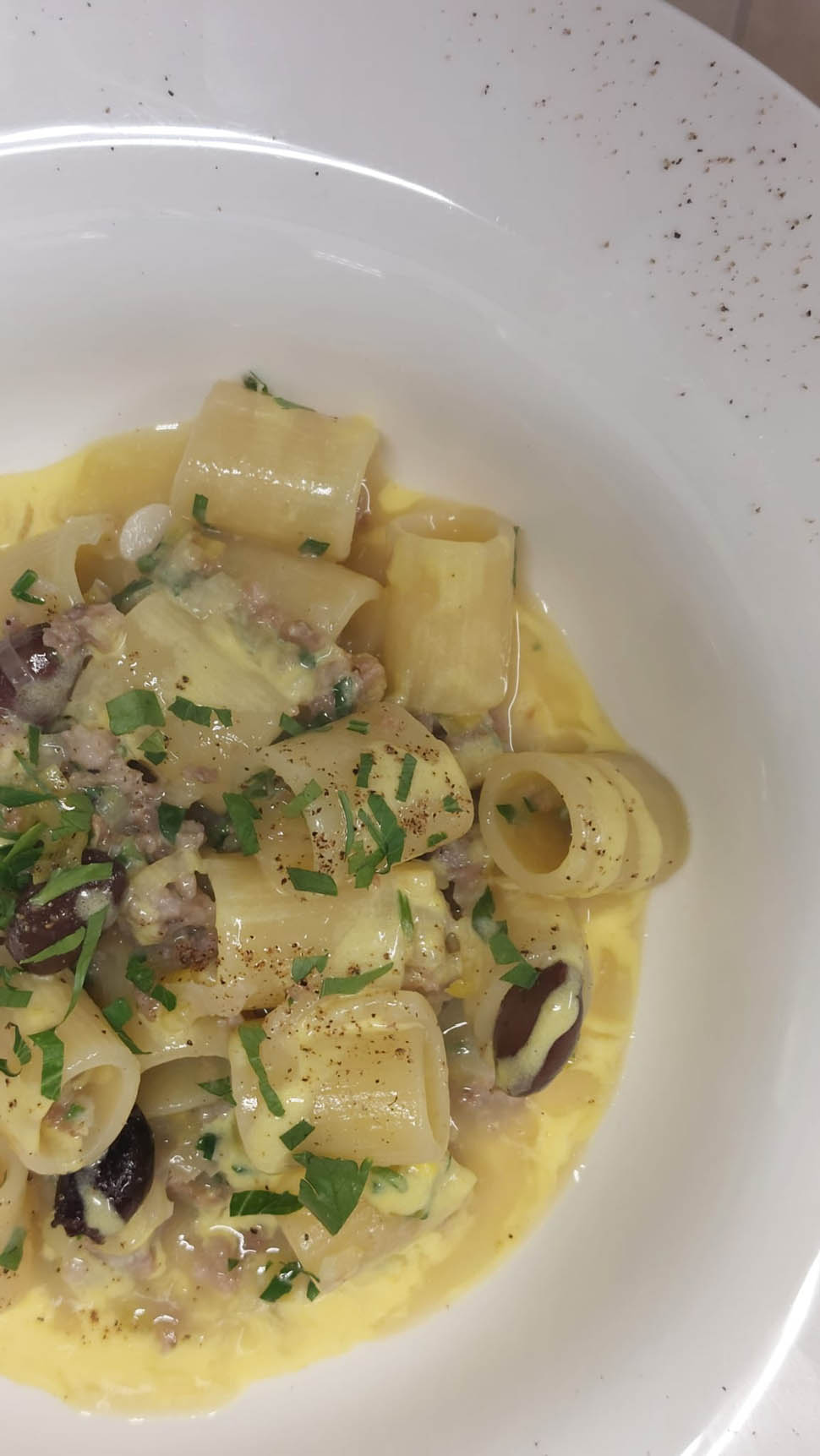
The cuisine, meanwhile, has remained rooted in the land without becoming a prisoner of tradition. At La Tana, they don’t like to single out a signature dish, because over nearly forty years, the recipes have evolved along with the people who’ve cooked them and those who’ve sat at the tables. Today, you can start with the Chianina veal round with porcini mushrooms, a unique take on veal with tuna sauce featuring a porcini mushroom sauce, followed by either a risotto with Parmigiano and burrata, eggplant purée, tomato confit, and basil pesto or spaghettone with garlic, olive oil, and chili flakes, served with salt cod, lemon zest, and zucchini purée.
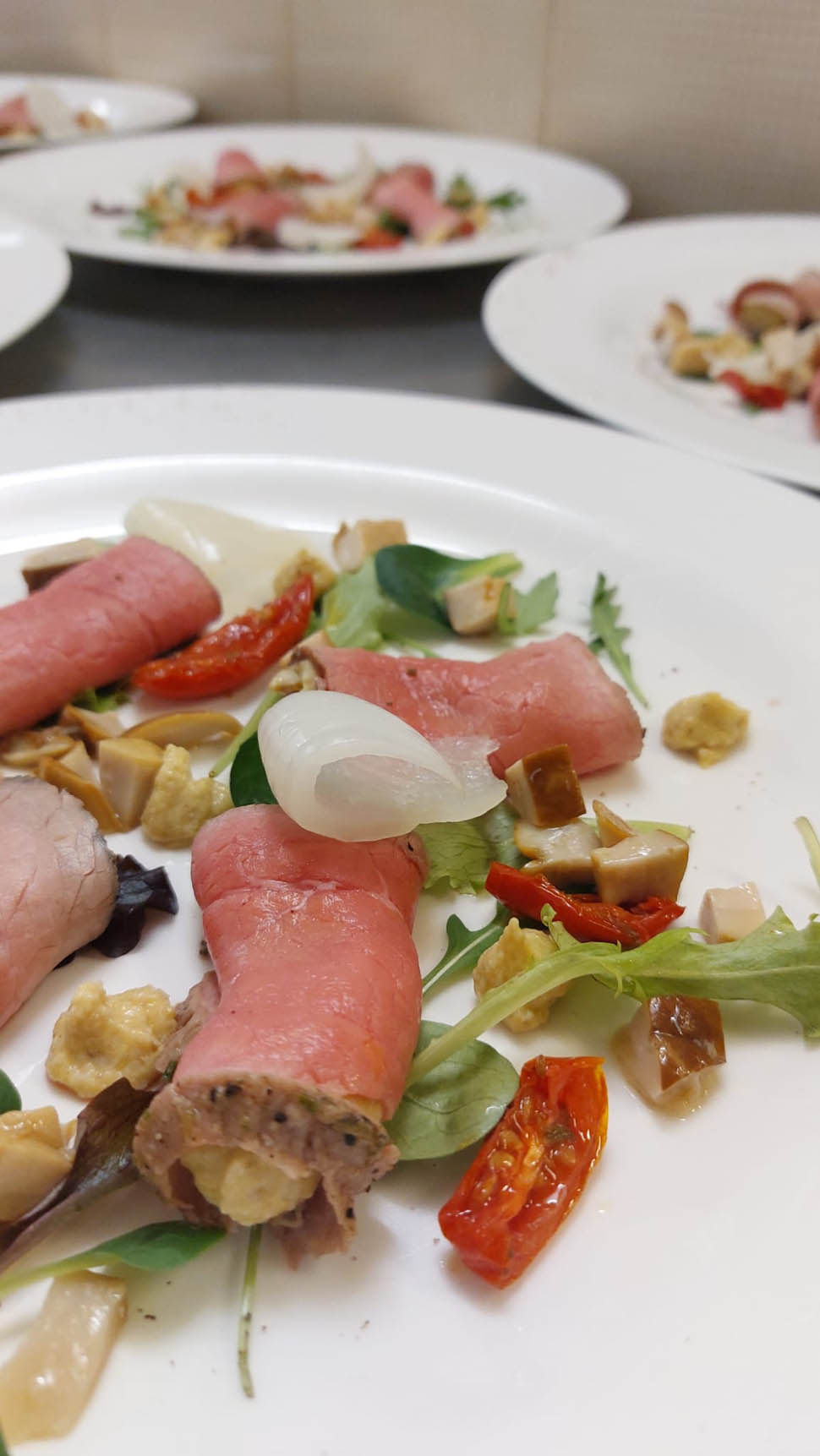
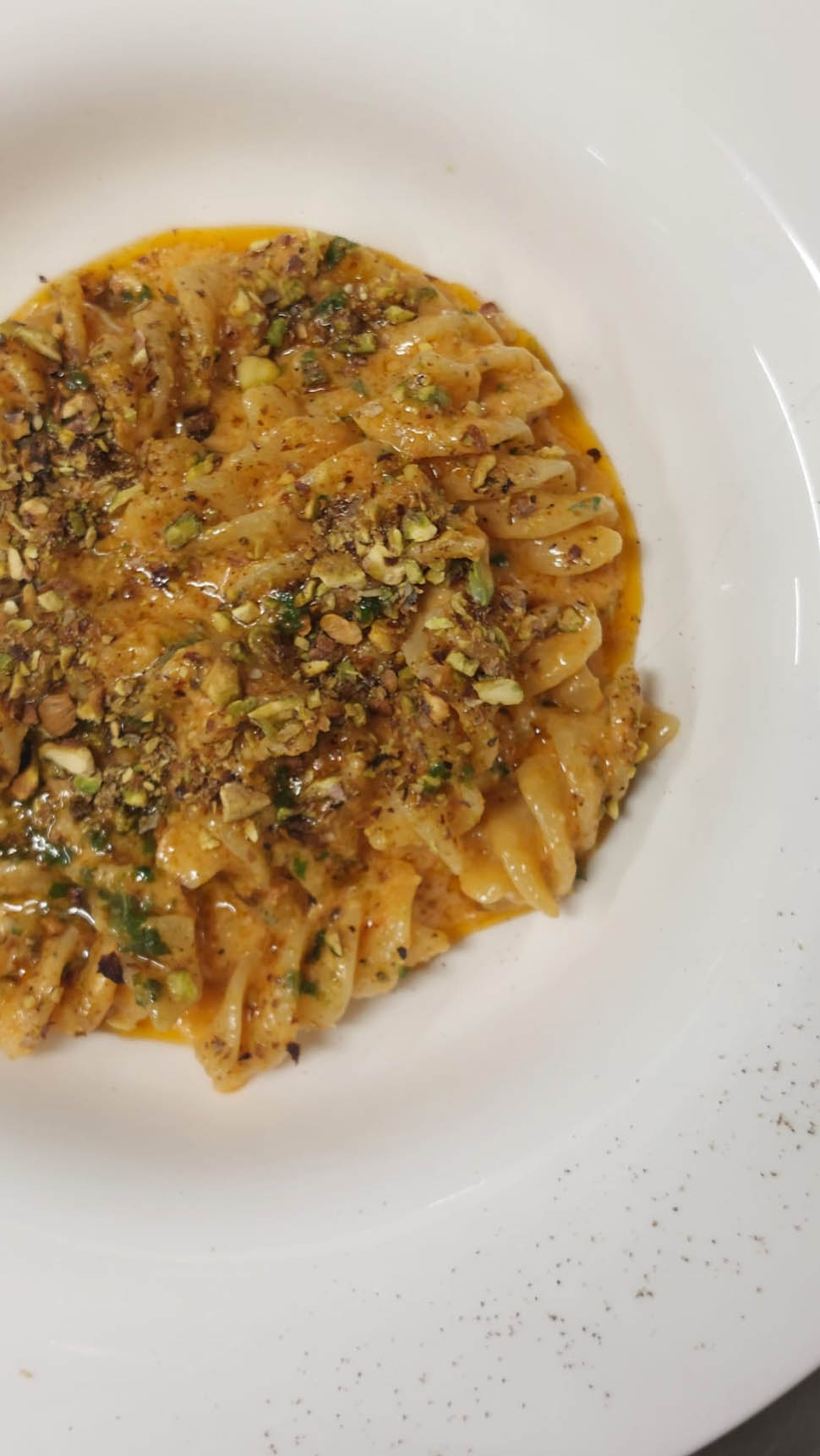
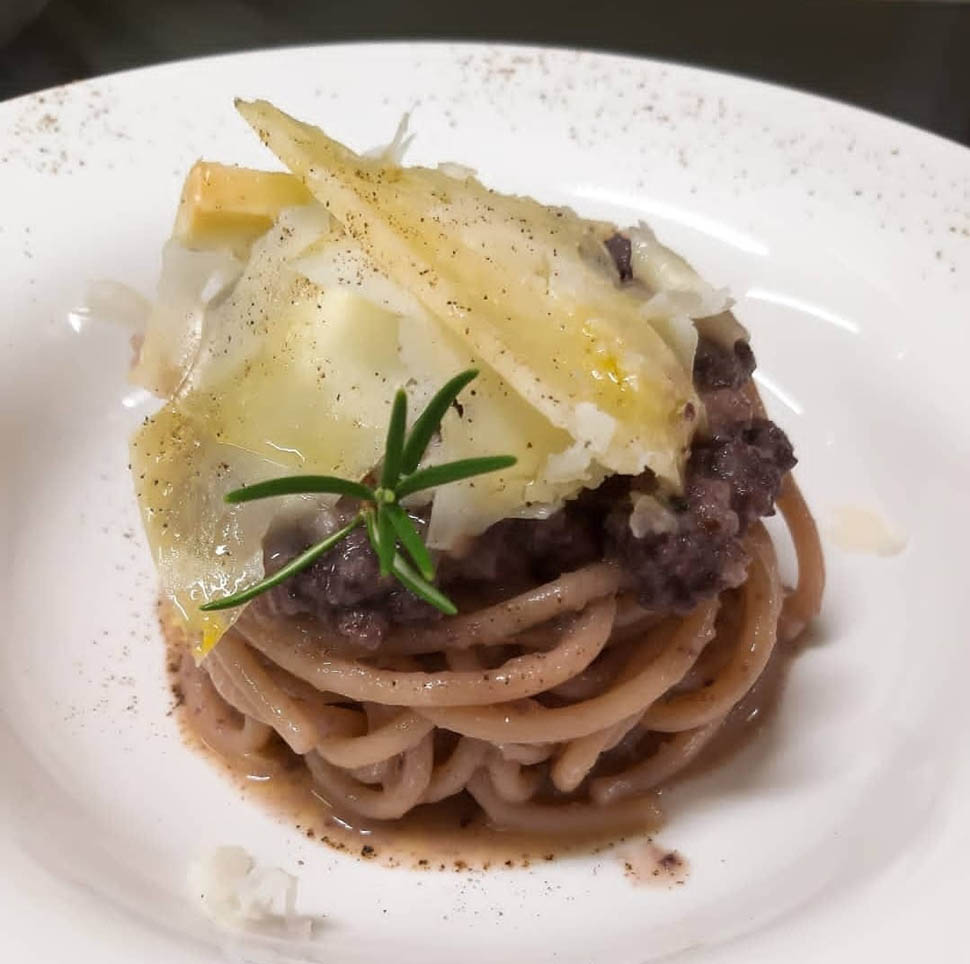
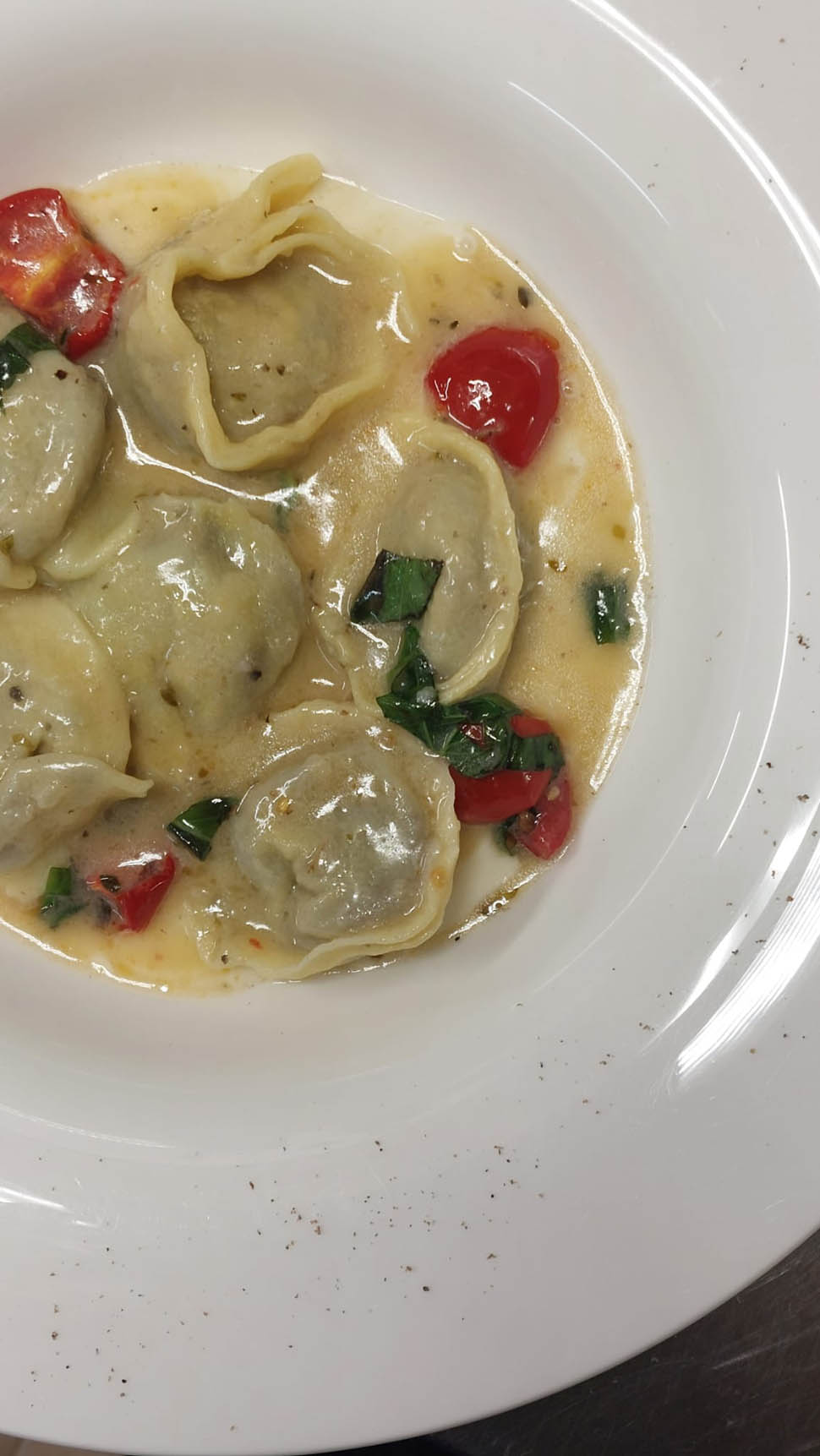
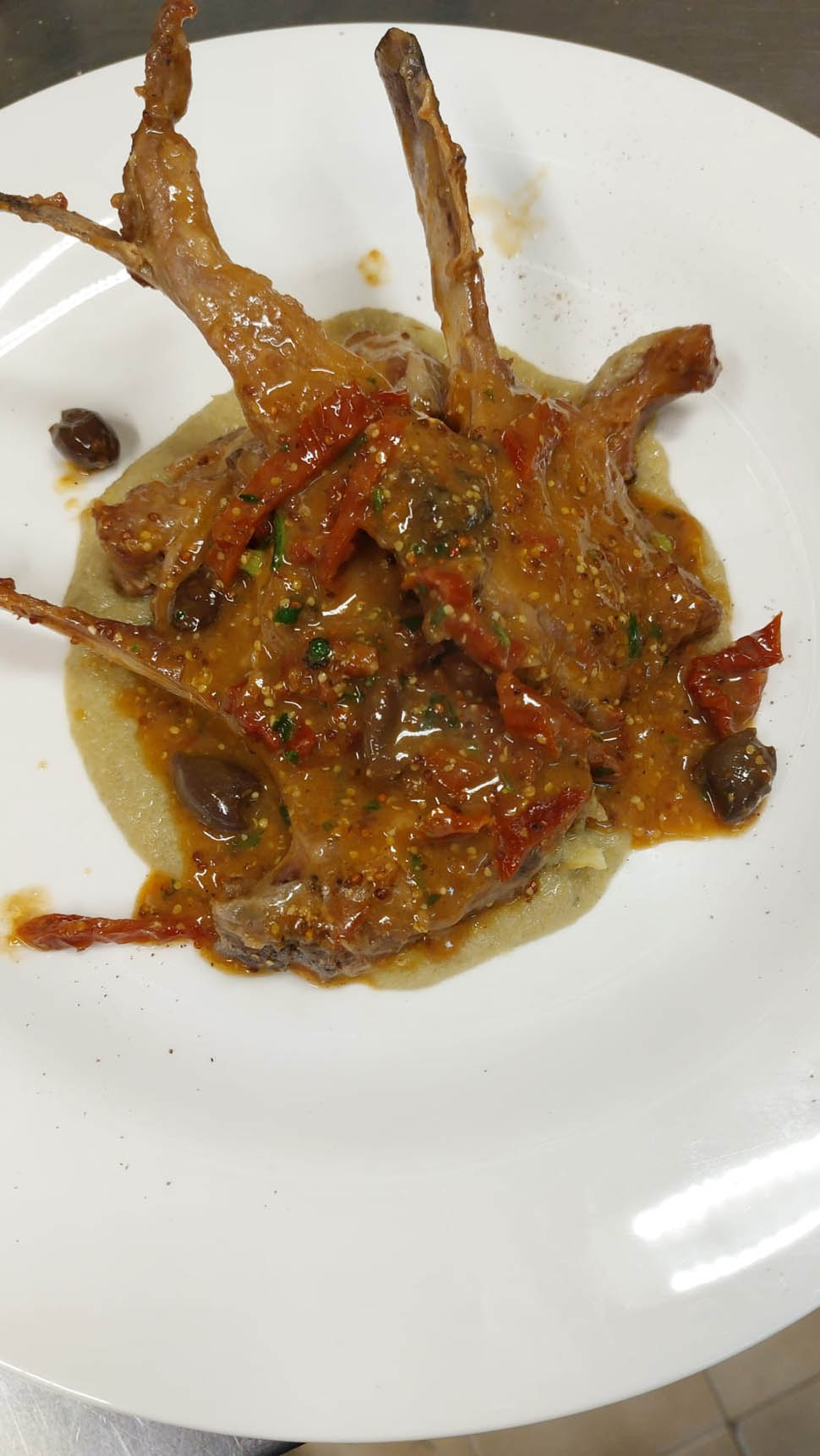
But it is perhaps in the meat dishes and the bolder flavors that the connection to the region is most evident: venison peposo with Parmigiano potato purée, for example, or chicken liver bonbons served with strawberry coulis, fig compote, white onion, confit cherry tomatoes, and pistachio cream. The eggplant tortelli with butter, basil, confit cherry tomatoes, and Parmigiano fondue take a different approach, while the bucatini with black kale and pine nut pesto over a Parmigiano fondue and crispy prosciutto is a must-try. Also not to be missed, when available, are the lamb chops with sun-dried tomatoes, mustard, and black olives over an artichoke cream.
The meal concludes with a reimagined zuppa inglese, which remains one of the desserts most easily recalled by those who have dined here. There’s no need to build a theory around every dish: La Tana’s cuisine is best understood when it arrives at the table. Simone joined Tana degli Orsi to earn some money and see what would happen next. Caterina joined him two years later, and together they transformed that restaurant into a place capable of evolving many times over without losing its identity.
Tana degli Orsi
Viale Roma, 1, 52015 Pratovecchio Stia AR
Phone: 0575 583377