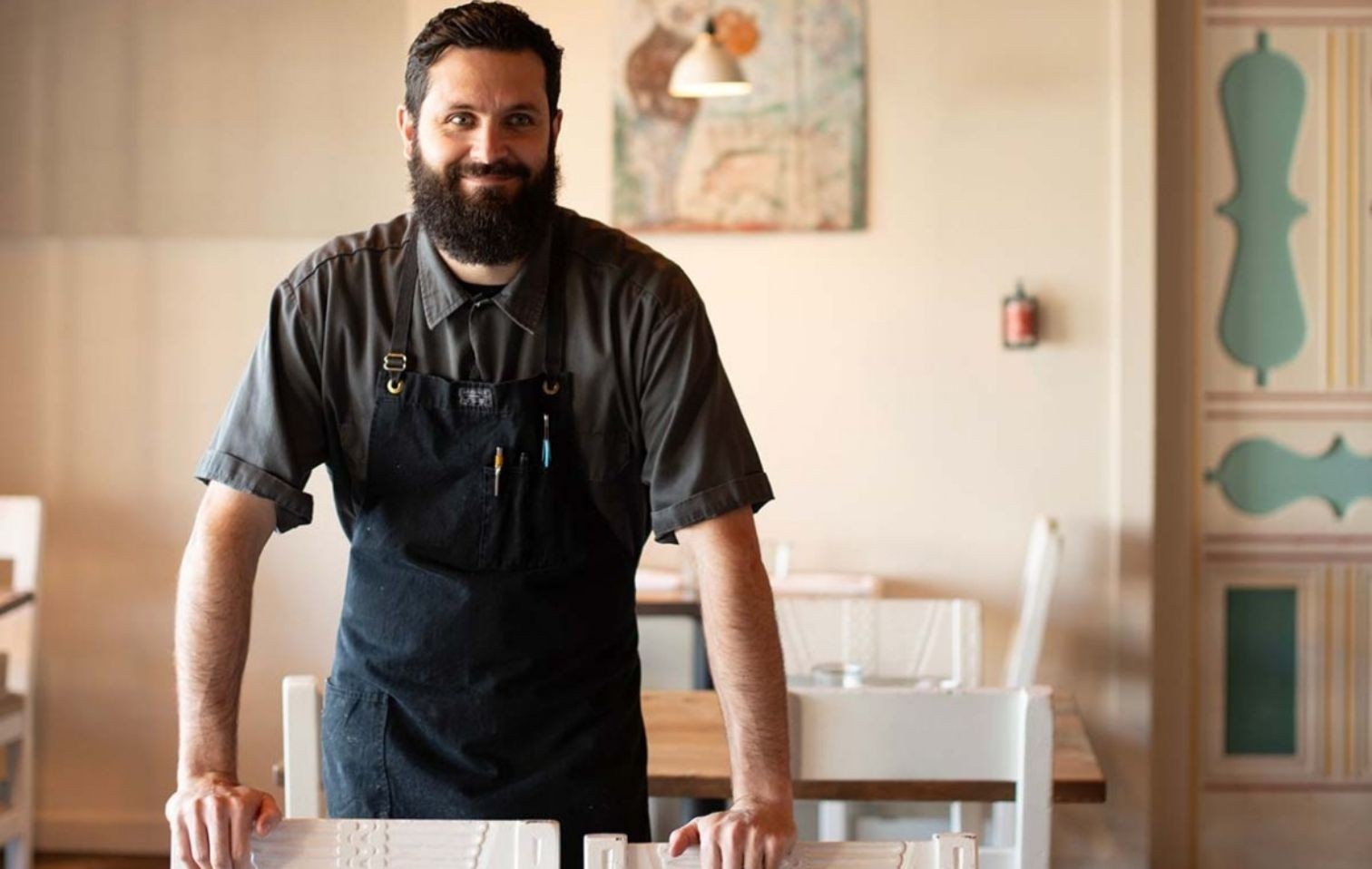
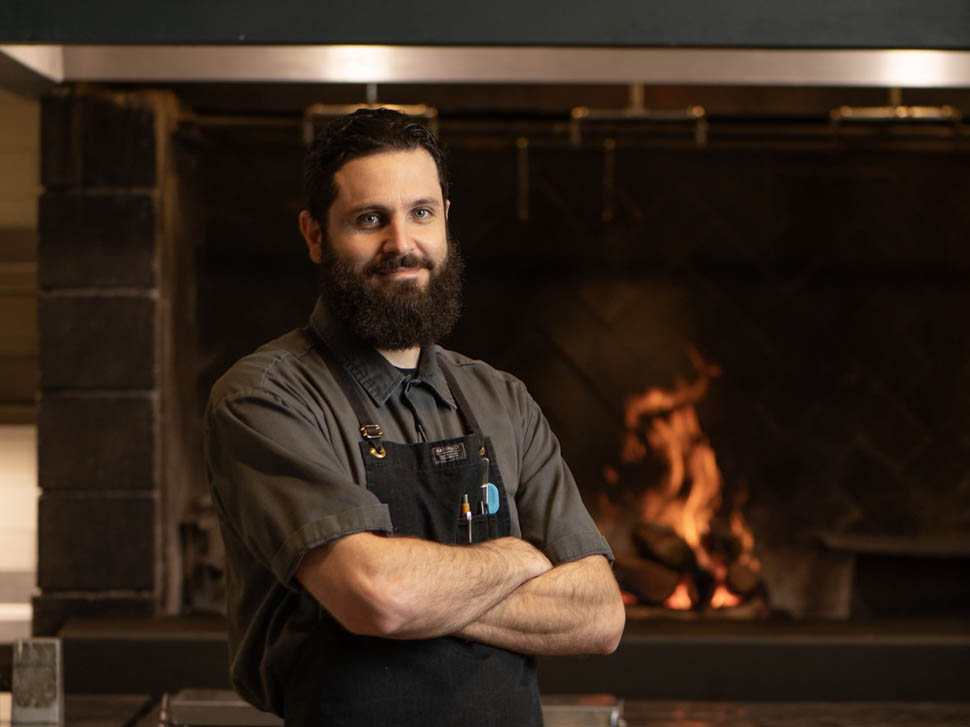
At Campo in Los Poblanos, in the Rio Grande Valley, chef Chris Bethoney creates a cuisine deeply rooted in what grows around the restaurant. Vegetable gardens, local producers, personal memories, and preservation techniques become the tools for telling the story of New Mexico, to the point where the chefs themselves become servers and storytellers at the table.
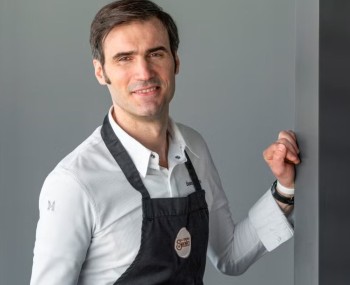
On the outskirts of Albuquerque, in the heart of the Rio Grande Valley, Chris Bethoney’s cuisine begins long before you reach the restaurant’s door. It begins on the 25 acres of vegetable gardens and fields at Los Poblanos, amid lavender, ancient poplar trees, and the Sandia Mountains in the background. It is from this land that many of the ingredients used at Campo at Los Poblanos, a restaurant housed within the historic Los Poblanos Historic Inn & Farm—a property that also includes a working farm, a gin distillery, an apiary, and a bar—are sourced. For Bethoney, executive chef at Campo, having all of this at her disposal means being able to create a cuisine that doesn’t just use local produce, but follows it through the seasons and weaves it into a more personal narrative. “You have a little bit of land, and not many restaurants can say they have that,” he explained to the Michelin magazine. It is precisely that small piece of land—along with the people who cultivate it and the producers who work nearby—that represents the most precious part of the project for him.
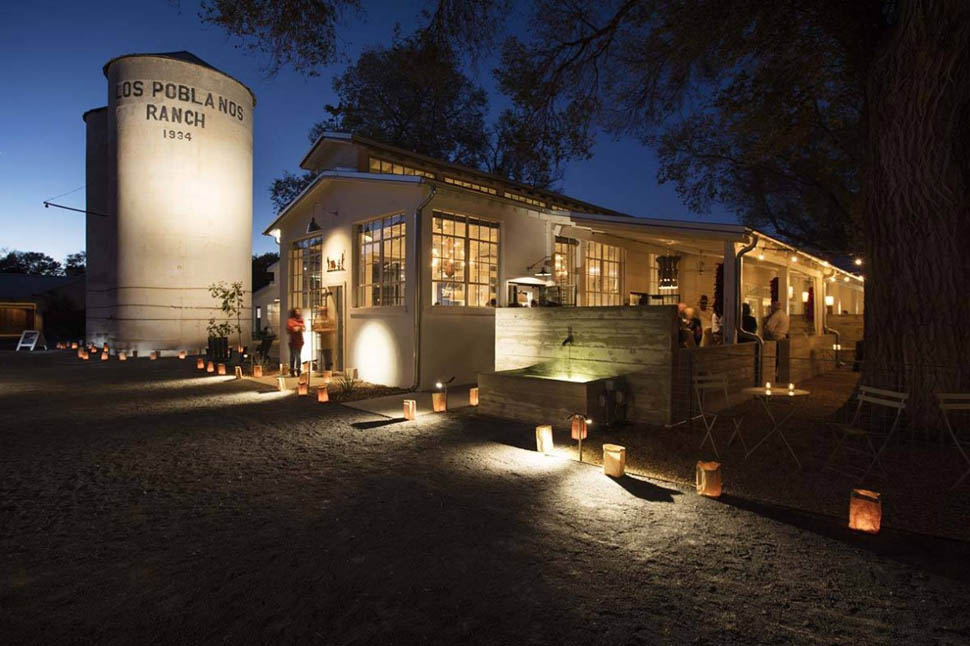
Bethoney’s connection to gardening dates back to his childhood. As a child, he cooked with his family, and at one point asked his parents if he could have a vegetable garden. He doesn’t even remember whether it was about planting or weeding at first, but from that summer on, gardening became a constant presence in his life. In high school, after also getting a taste of cooking, he realized that this passion could become a career. He then left New Mexico to attend the Culinary Institute of America in Hyde Park, New York. He returned to his home state in 2017, when a potential opportunity as a chef at a brewery brought him back home. A friend who worked at Los Poblanos then offered him an internship at Campo. Just seeing the property and everything that was happening there was enough to convince him. “When I saw the property and everything that was there—all that potential—I knew that was where I wanted to be,” he tells La Rossa today.
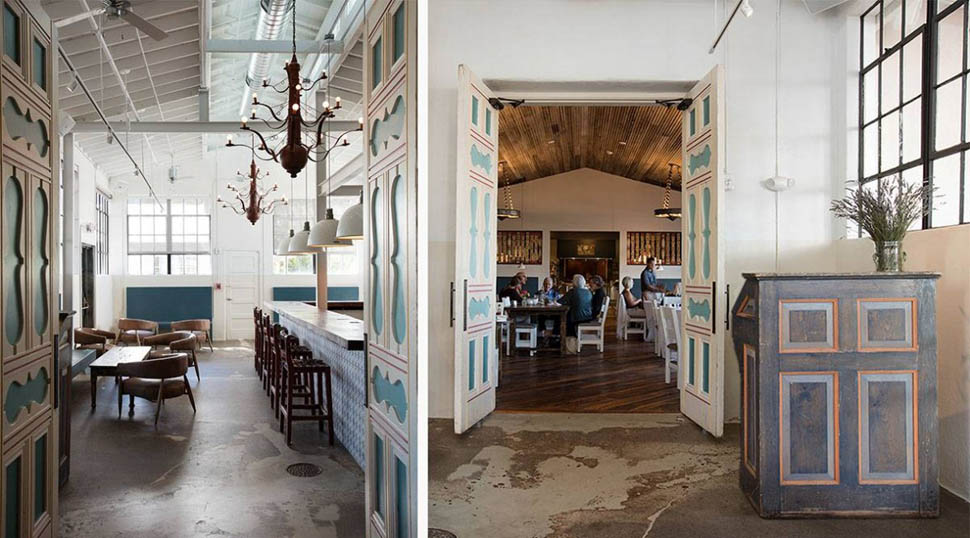
Teamwork: The kitchen staff is also the dining room team
For Bethoney, the dining experience shouldn’t end when the dish arrives at the table. At Los Poblanos, guests can tour the farm and gain firsthand insight into the work that normally remains invisible to the consumer: the challenges farmers face, the concept of seasonality, what’s working, and what’s becoming more difficult. Even more unique is the Chef’s Table, reserved for four people. Here, the service takes on a completely different perspective: the guests are served by the very chefs who prepared the menu. They are the ones who bring the dishes to the table, describe them, explain where the ingredients come from, and detail the techniques used. A dish of beets roasted in the ashes thus becomes a story to tell. The chef can point to the open hearth behind the guests and explain that those beets were under the embers just a few hours earlier. Diners thus witness the transformation from raw ingredient to finished dish and can ask questions directly of the person who cooked it.
The kitchen steps out of the kitchen—literally. The chefs become servers, but also ambassadors of the local region and their craft. And the table becomes the place where agriculture, the seasons, culinary techniques, and personal memories come together, without the distance that normally separates those who prepare a dish from those who eat it.
The Ingredients: From Supplier to Kitchen
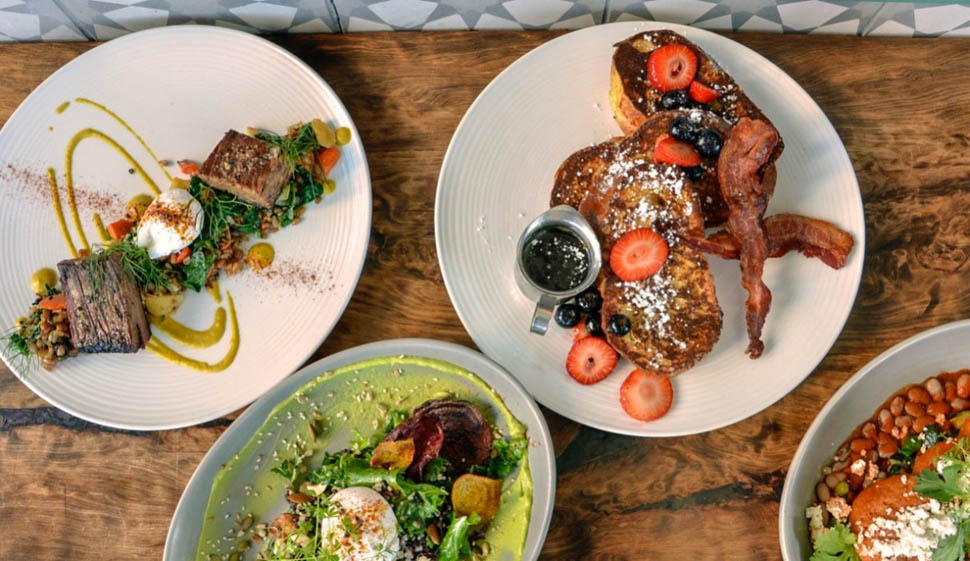
The restaurant’s philosophy today can be summed up in three words: local, seasonal, and meaningful. These are the three criteria Bethoney encourages his team to consider when creating a new dish or even just an amuse-bouche. “Local” means knowing where an ingredient comes from and, whenever possible, knowing who produced it. “Seasonal” means asking what the land is offering at that precise moment: blackberries, cucumbers, tomatoes, and the other produce that changes throughout the year. “Meaningful,” on the other hand, is the broadest concept: it can refer to something that holds personal value for the chef or that is part of the region’s memory and identity. It is precisely this third element that allows Campo’s cuisine to also tell Bethoney’s personal story. The chef, for example, describes himself as culturally very diverse. He has no Italian roots, but he deeply loves making pasta and considers that part of the menu particularly important. In a restaurant that aims to represent the Rio Grande Valley and New Mexico, pasta can therefore coexist with local ingredients.
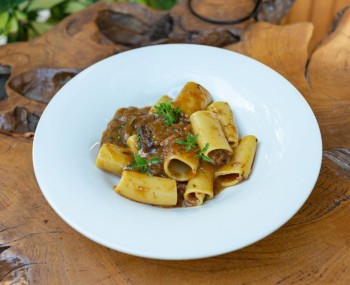
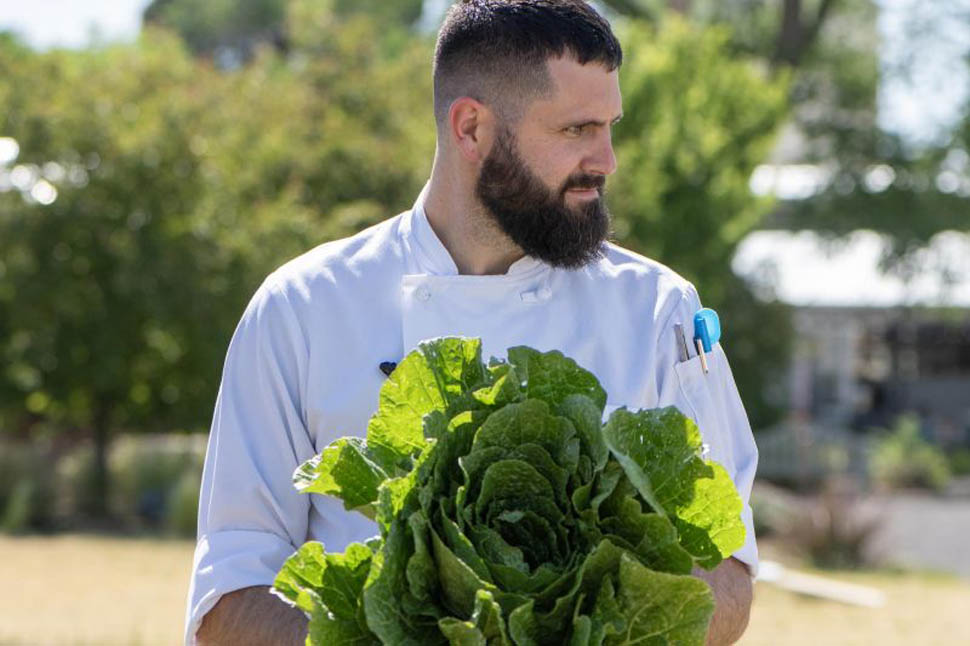
One example is spaghetti with tomato leaves, in which the leaves are incorporated directly into the dough. Tomatoes, Bethoney explains, are tied to his childhood memories: using them this way therefore brings together a personal passion, a seasonal ingredient, and something that is part of his memories. The same care is given to what grows right here at Los Poblanos. Herbs are among the most important ingredients, partly for family reasons. On his father’s side, Bethoney has Lebanese roots and grew up eating dishes like tabbouli, which features generous amounts of mint, parsley, and basil. Having a vegetable garden allows the kitchen to dedicate even a small portion of the land to these crops and harvest a huge quantity of produce. Herbs can thus be used much more generously and, according to the chef, have a different flavor profile than those purchased from a regular supplier.
Another decision stems from a desire to support the communities living in the area. Most of the beef used at Campo comes from the Native American Beef Program, a cooperative involving about 40 families and some 20 tribes in New Mexico and the Four Corners region—which spans Arizona, Colorado, New Mexico, and Utah. Bethoney believes it is important to support those communities, which were present on those lands before many other inhabitants and are often marginalized today. Buying from this network means contributing to the local economy and the future of the people living in those areas. And, the chef adds, many of the producers Campo works with are Native Americans themselves: using locally sourced ingredients is therefore a choice that is an integral part of the restaurant’s identity. Seasonality, meanwhile, also requires finding ways to preserve what the land offers in abundance. Bethoney loves to ferment, pickle, dry, and freeze. This last technique is particularly important for green chili peppers: they are harvested and roasted during their season and then frozen for use in the following months. At the peak of availability, Campo purchases about $30,000 worth of chili peppers, which must be preserved to last through the rest of the year.