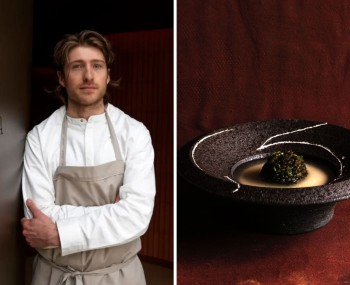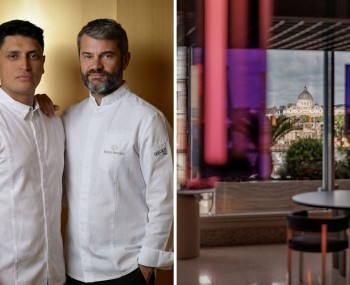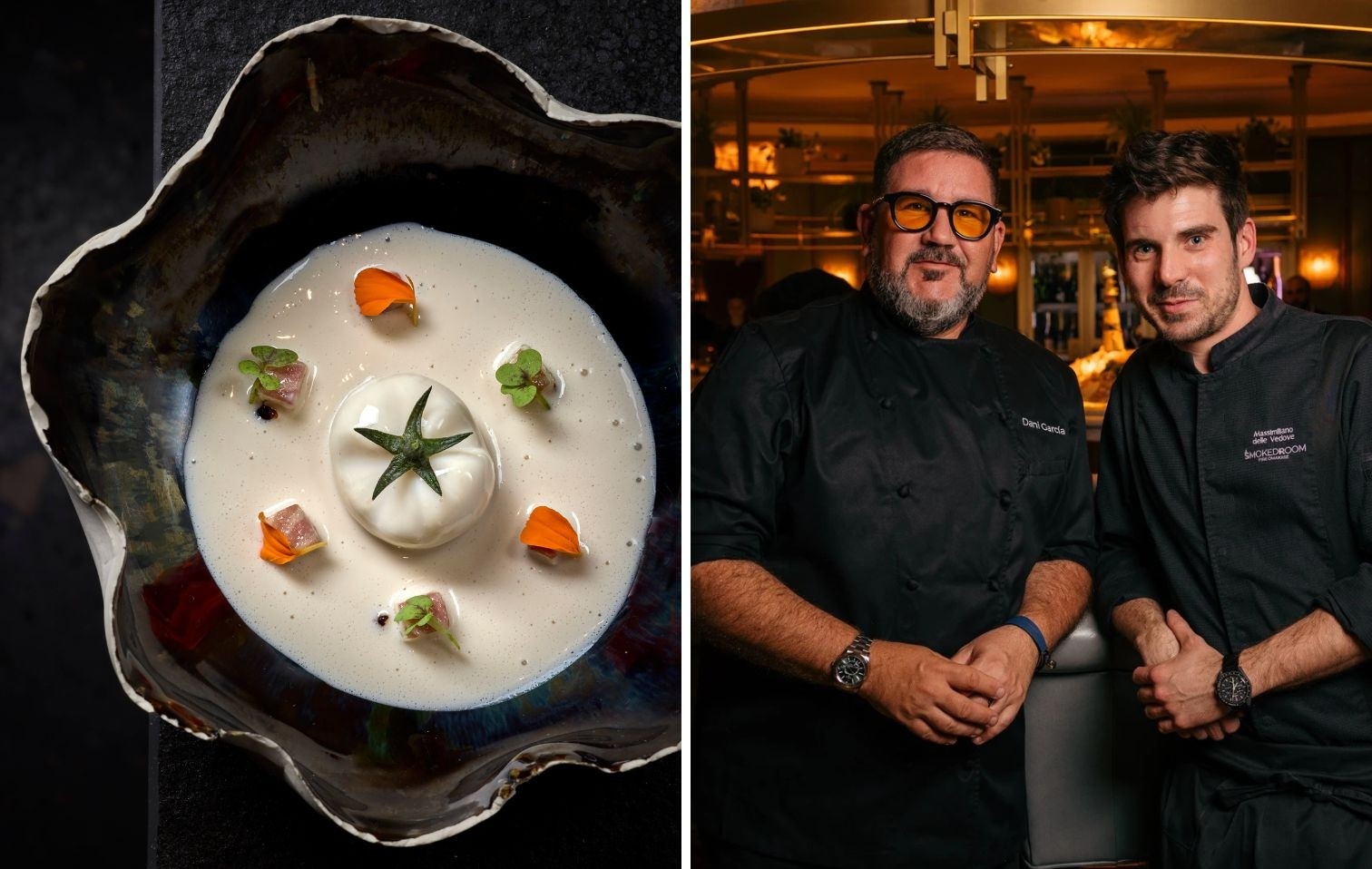
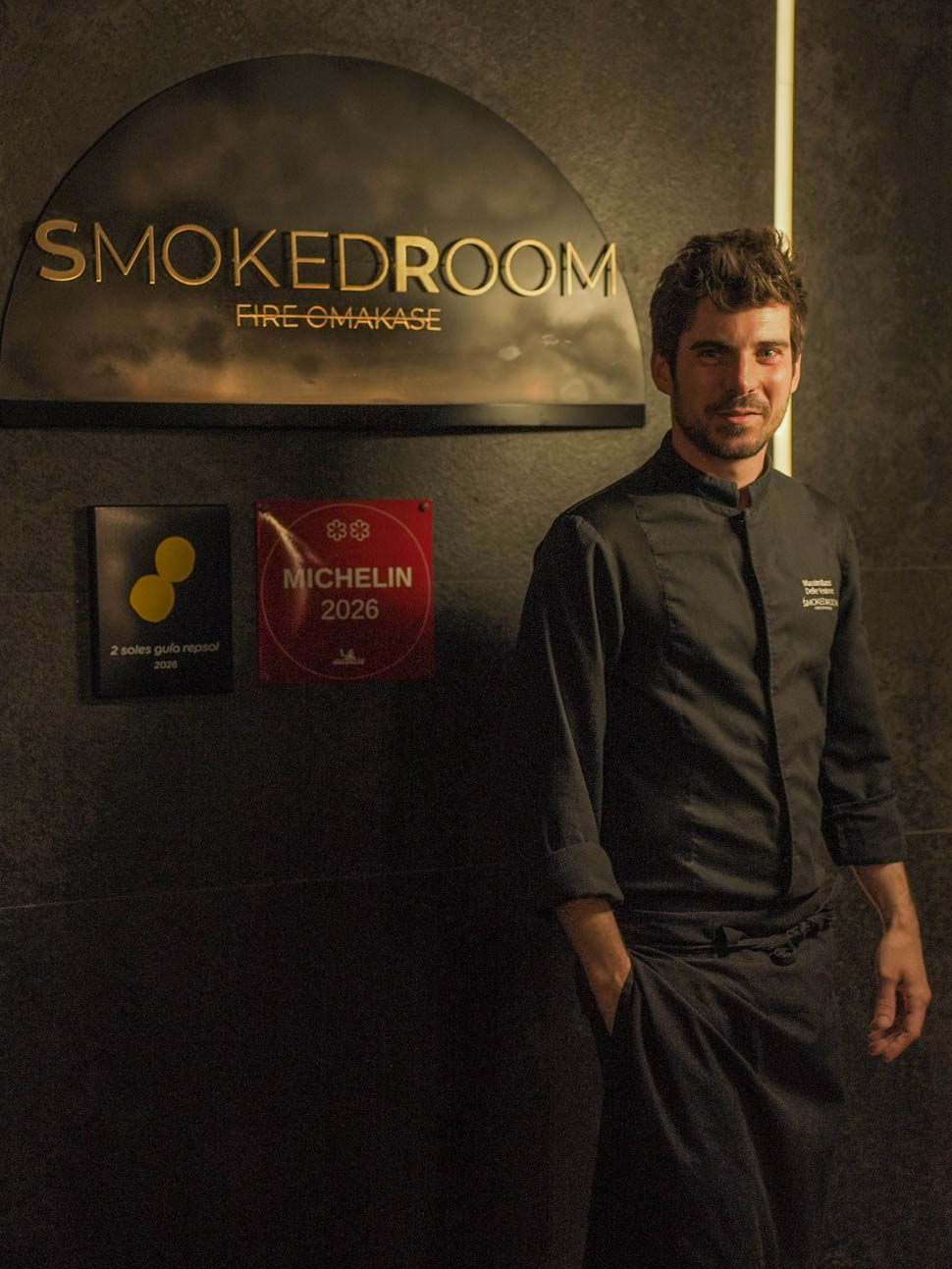
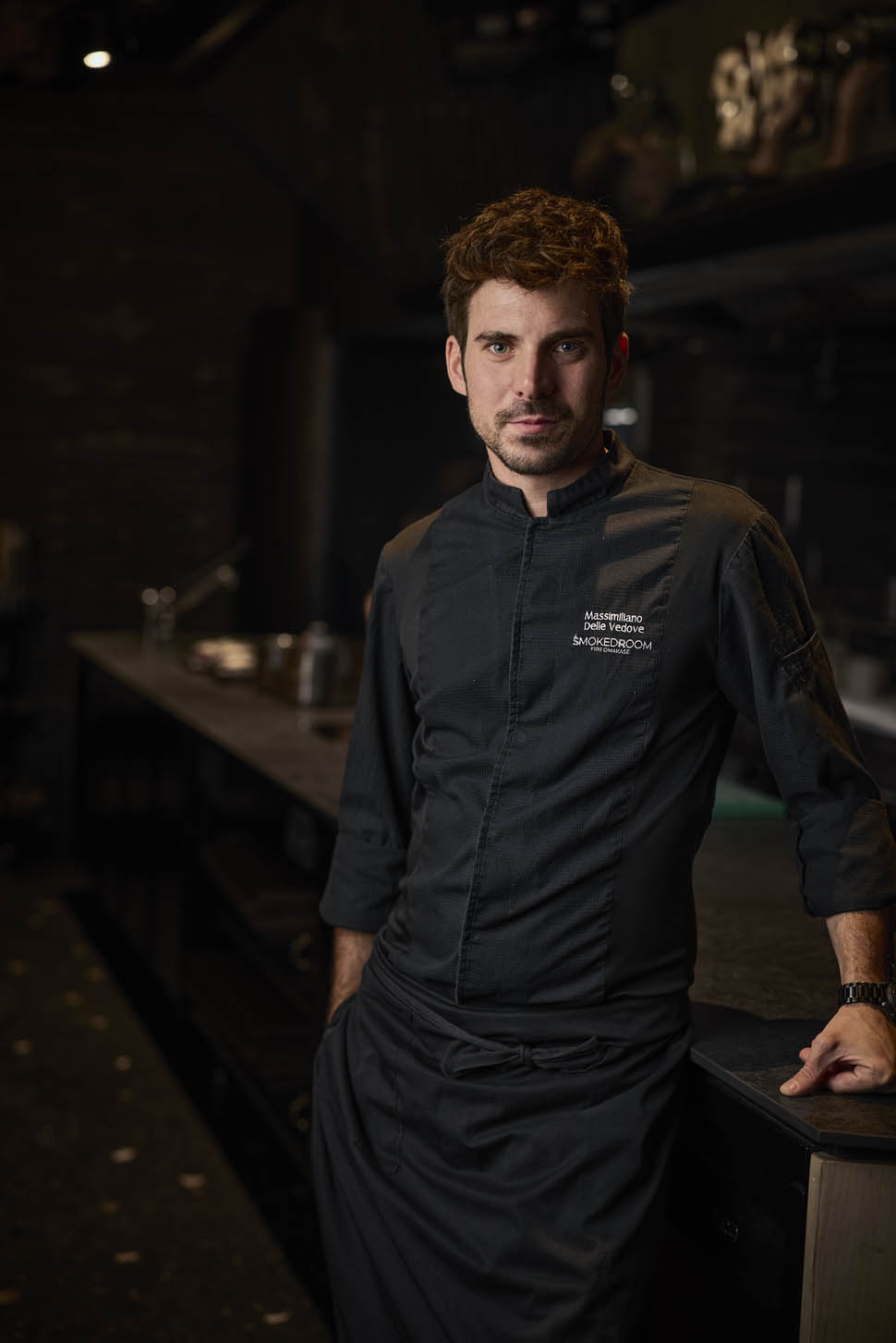
Smoked Room was born from a radical idea: to make fire and smoke the very heart of the kitchen. It is the most intimate and experimental project by Dani García, the renowned Andalusian chef who, after earning three Michelin stars in Marbella, decided to close that restaurant and embark on a completely new chapter in his career. Thus, Smoked Room opened in Madrid in 2021 and earned two stars in just six months. At the stove—and it’s fitting to say so—is a young Italian, Massimiliano Delle Vedove.
The restaurant
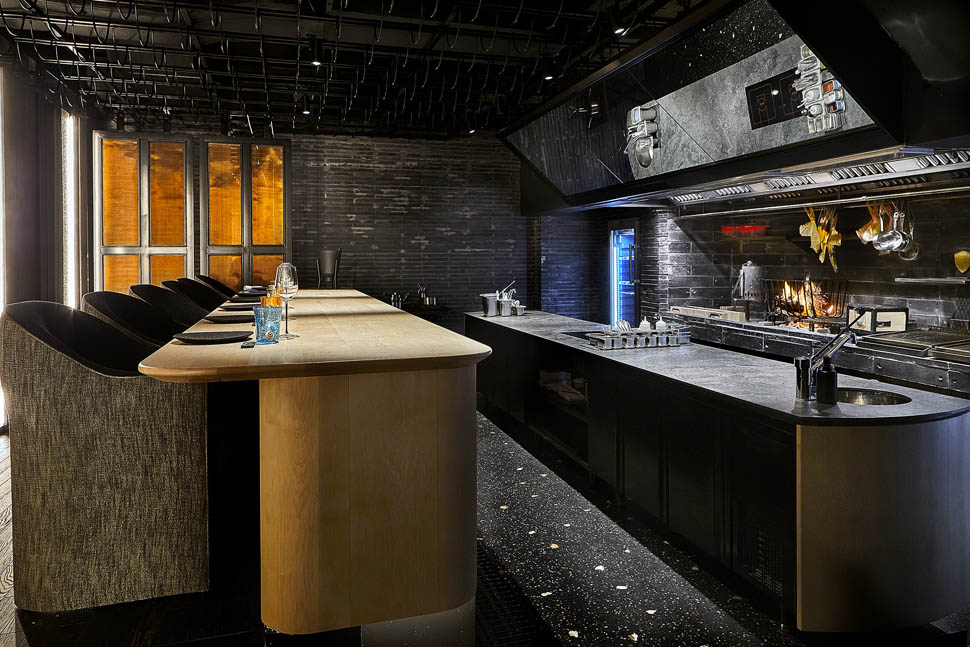
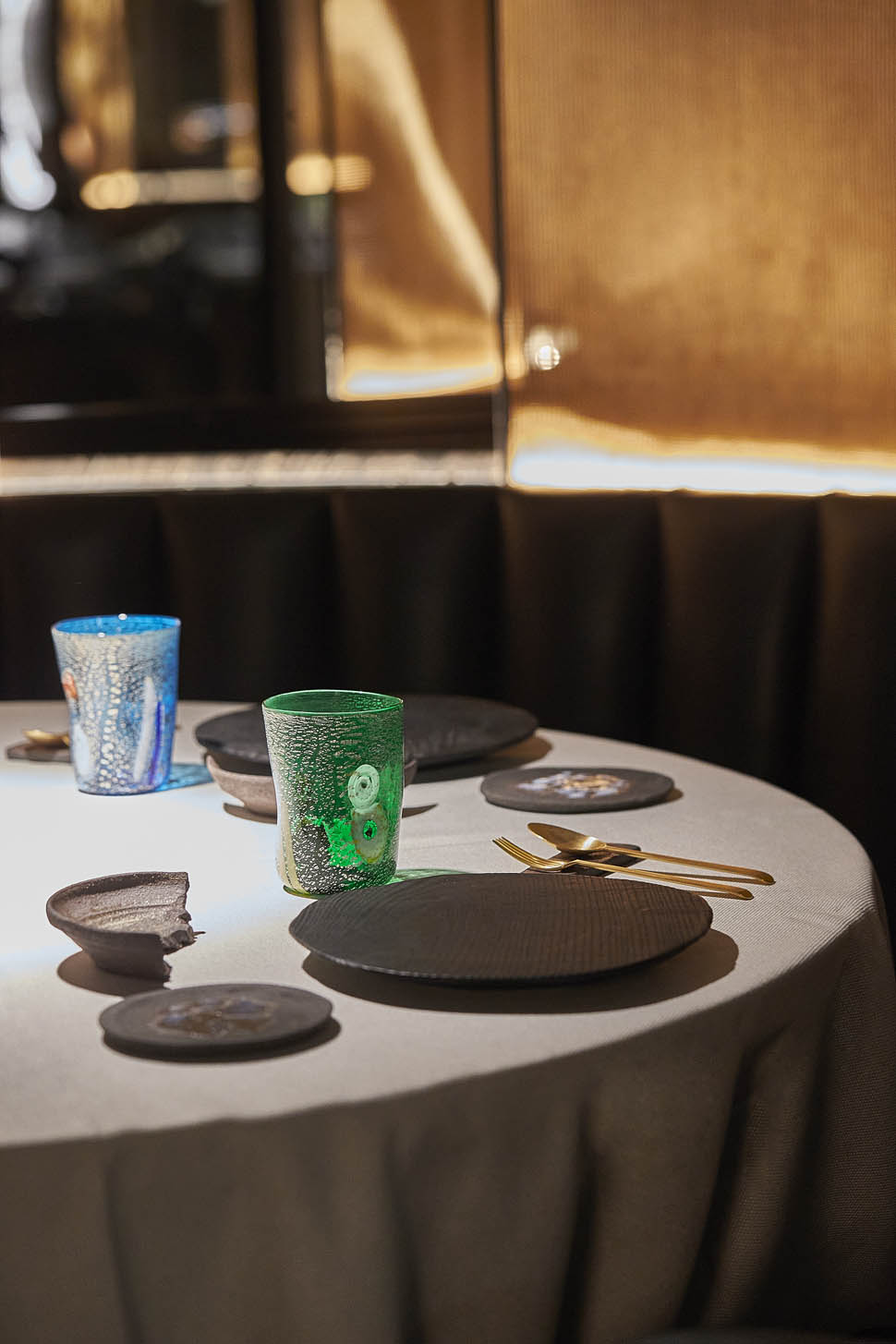
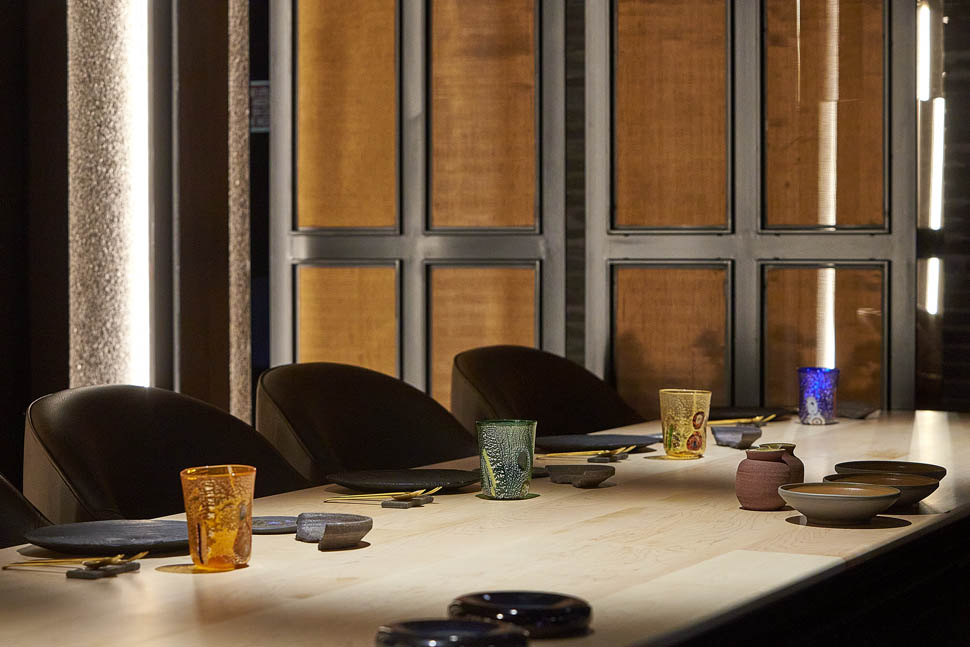
The interior of Smoked Room is quite consistent with the message conveyed by the cuisine: dark, intimate, and in some ways theatrical, designed by Astet Studio to evoke the world of fire. Against an almost monochromatic backdrop, materials emerge that reflect light and evoke the glows and sparks of fire. Above the tables are luminous elements, described as lava spheres or meteorites: it feels as if you’re inside an elegant crater. A truly fascinating place.
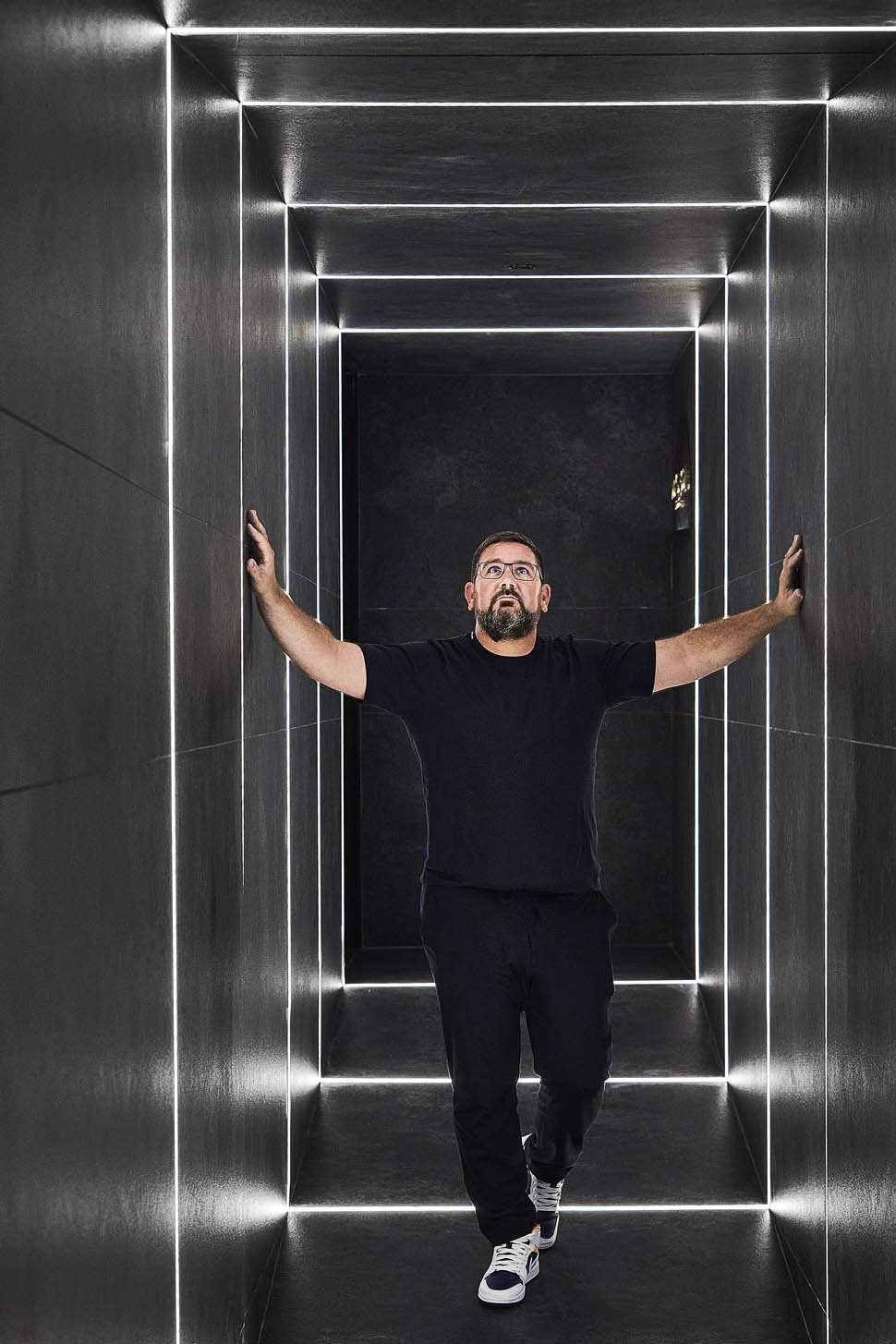
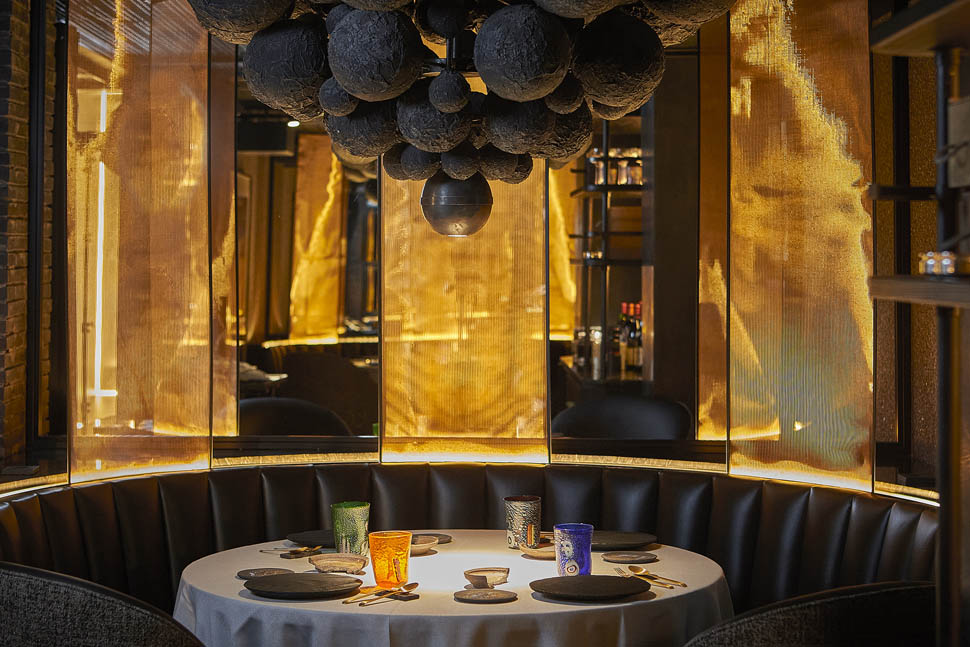
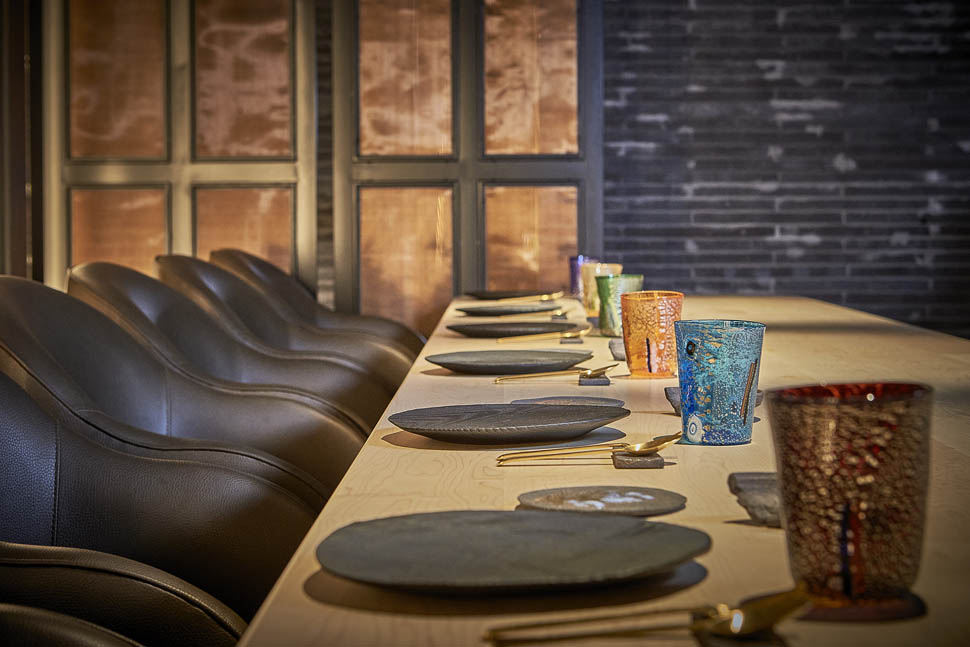
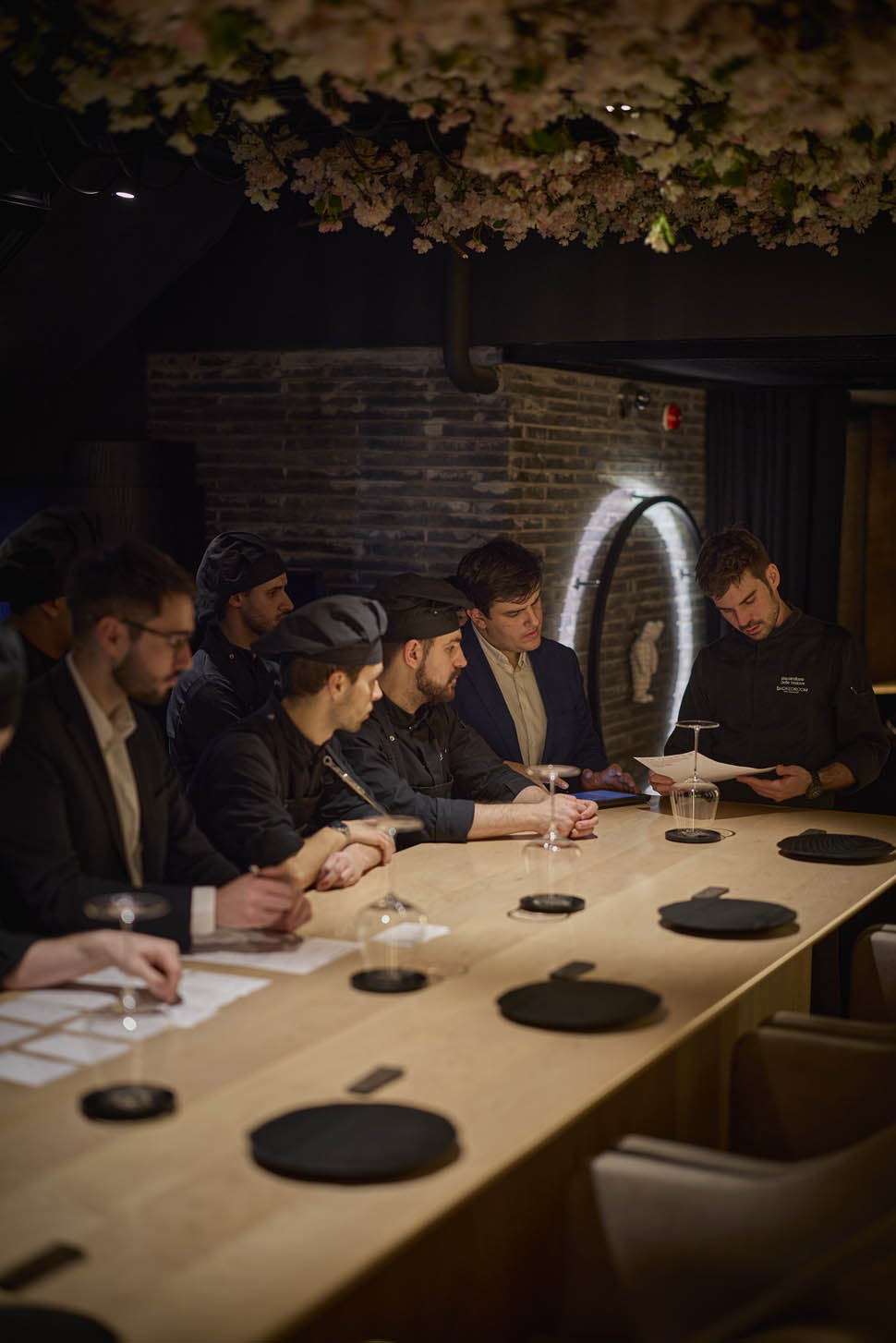
The restaurant is tucked away inside Leña, at the Hyatt Regency Hesperia, and you reach it through a dark corridor, creating a speakeasy-like atmosphere. The space is compact, seating just 14 guests: it was Astet’s design that won the “Small Space” category at the 2022 Restaurant & Bar Design Awards. A Japanese maple counter faces the open kitchen and the large grill. A large angled mirror allows diners to watch the chefs’ movements and the plating process from above.
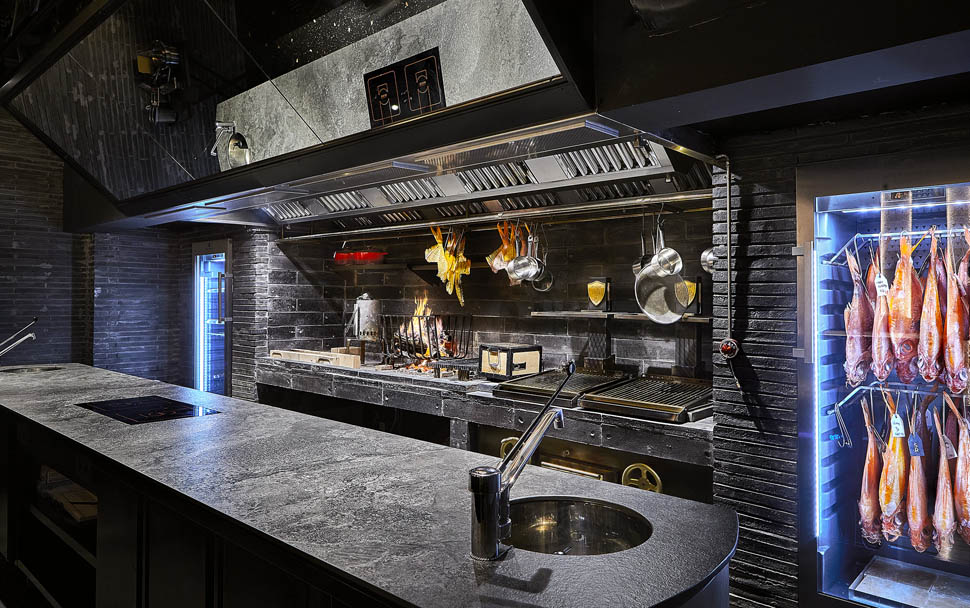
García has described the philosophy of Smoked Room as “high cuisine stripped down,” in which the embers serve as a precision tool and the smoke modulates the flavors without homogenizing them. They work with different types of wood—including oak, cherry, and holm oak—selecting the intensity and duration based on what is being cooked, in the Fire Omakase format. While the concept was created by the renowned Spanish chef, in Madrid the key figure is Massimiliano Delle Vedove, the head chef who leads the restaurant.
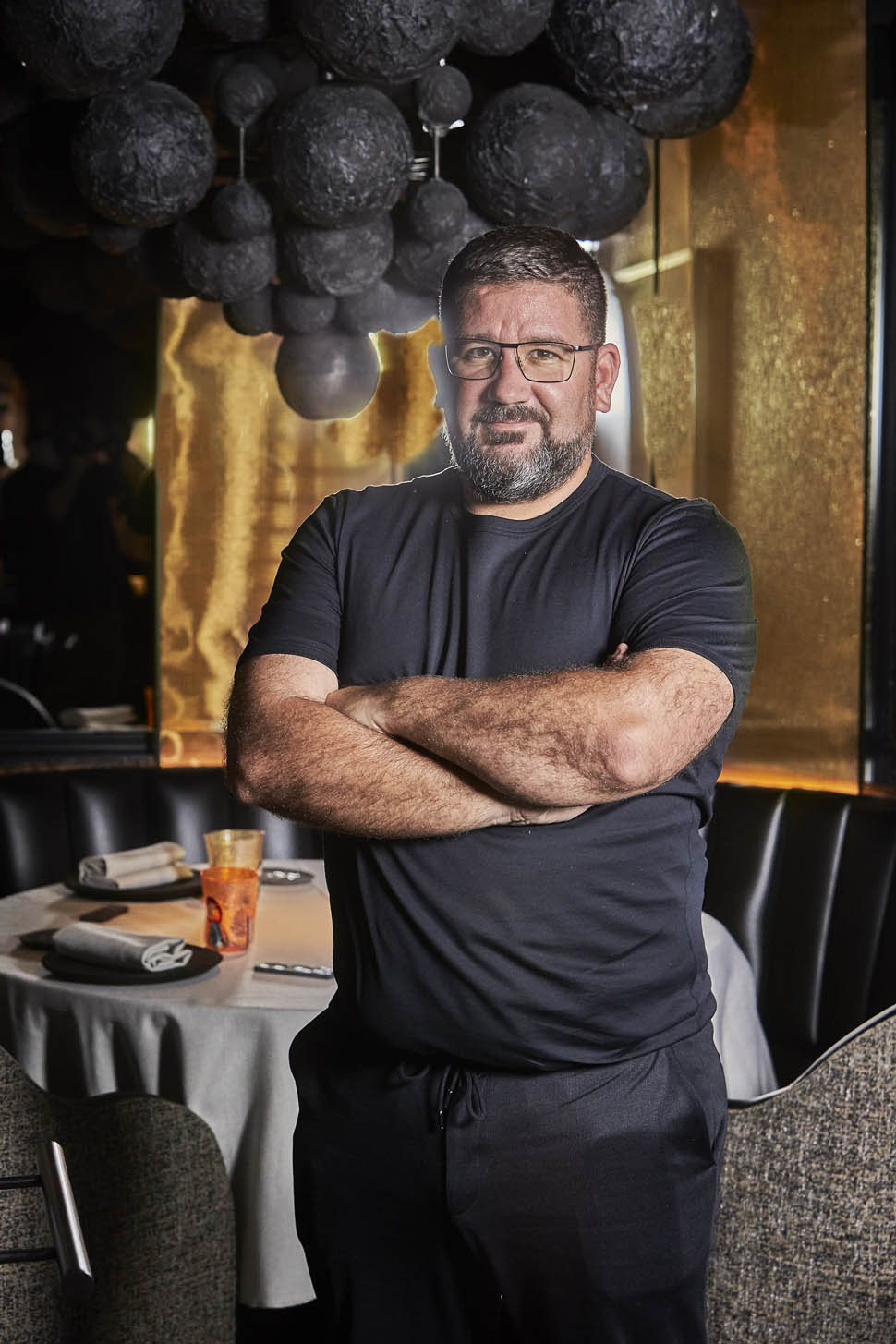
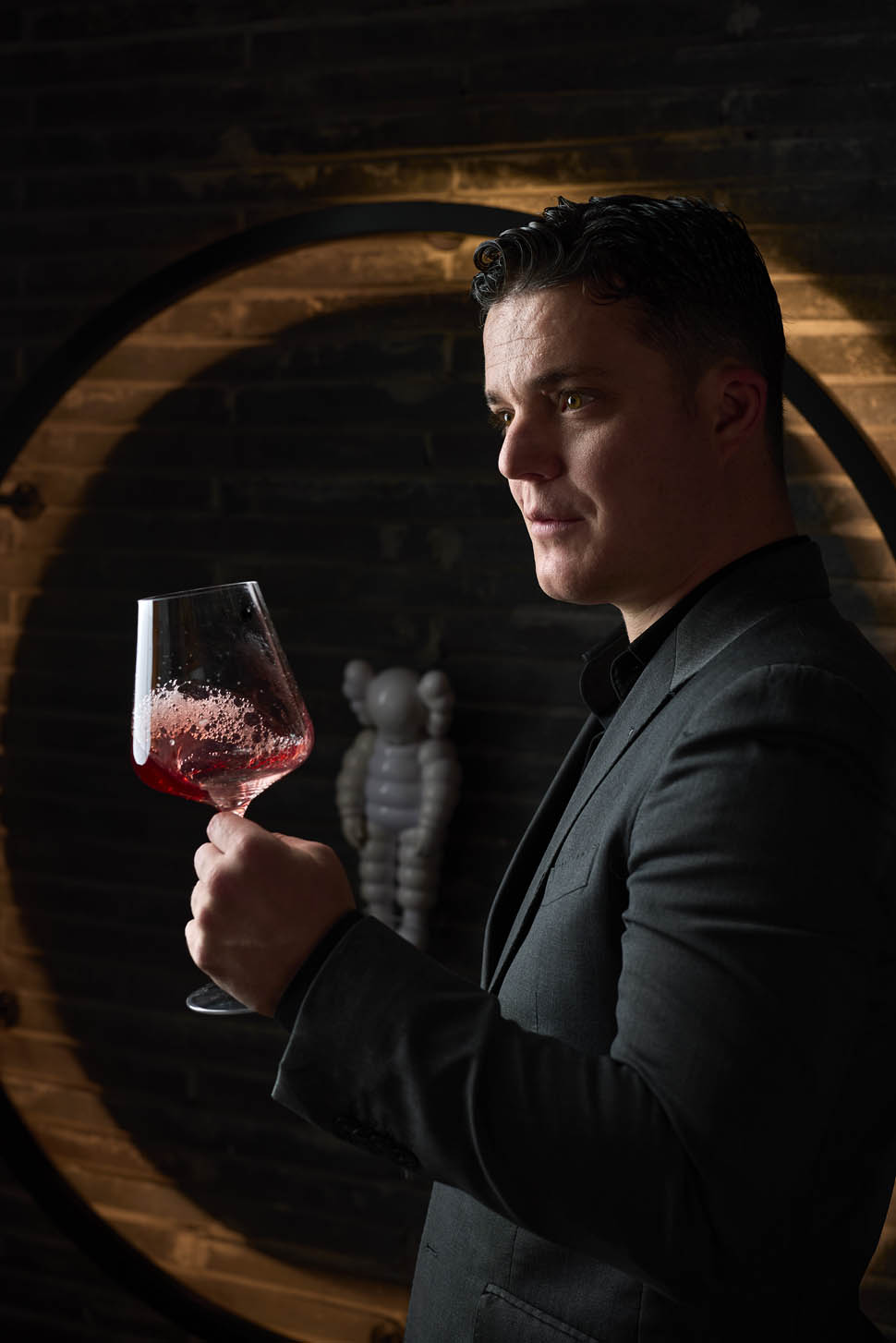
Next to him is Luis Baselga, the cellar and wine-pairing manager, who received a special award from Michelin for sommelier excellence.
The Head Chef and His Culinary Philosophy
The Italian arrived in Spain 15 years ago, at the age of twenty-four: “I ended up here because, at the time, I thought it was sort of a Mecca for any chef—especially Barcelona. As the years went by, I realized that, in my opinion, there’s no such thing as the best place in the world. And we travel a lot with the group: thanks to Dani García, we’ve traveled all over the world. And over time, I’ve come to realize that the best ingredients are right here at home, in Spain.”
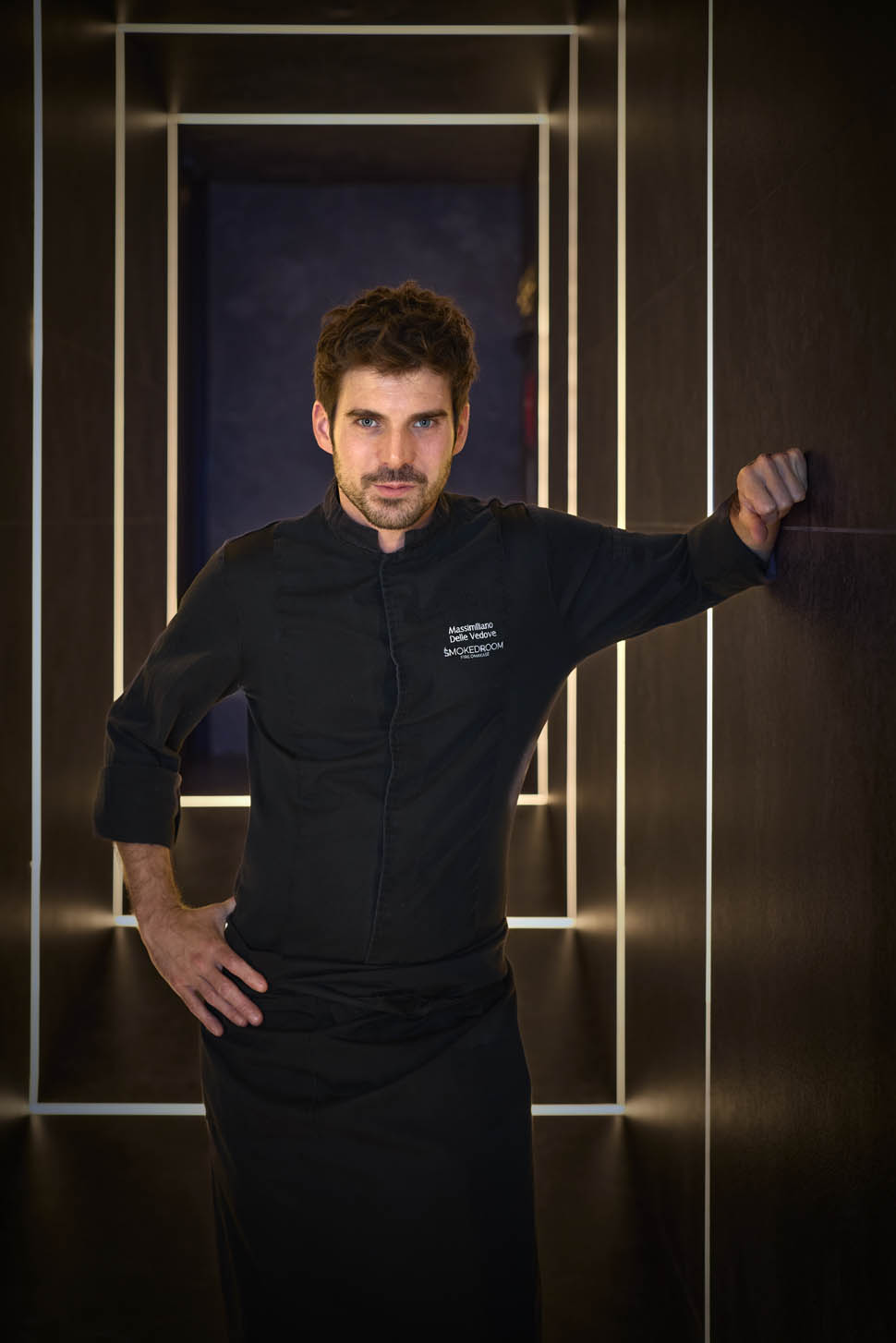
But how did you get started in the kitchen, Massimiliano? “My first experience definitely had a huge impact on me, because I didn’t start—I wouldn’t say by chance—but it wasn’t a calling, and oh my, the story about my grandmother who used to cook… we can save that for another time (he smiles—Ed.). The only true anecdote is that my mom was a teacher at the hospitality school in Villa Santa Maria for years, so maybe when I was little she’d take me to school with her, and we’d go to the chefs’ festival. Anyway, that was perhaps the only connection I had with cooking as a child. Then it all started by chance, out of the need to start working—and since I hadn’t been studying much in my final years of school, they already had me working in the kitchen at the beach resorts.”
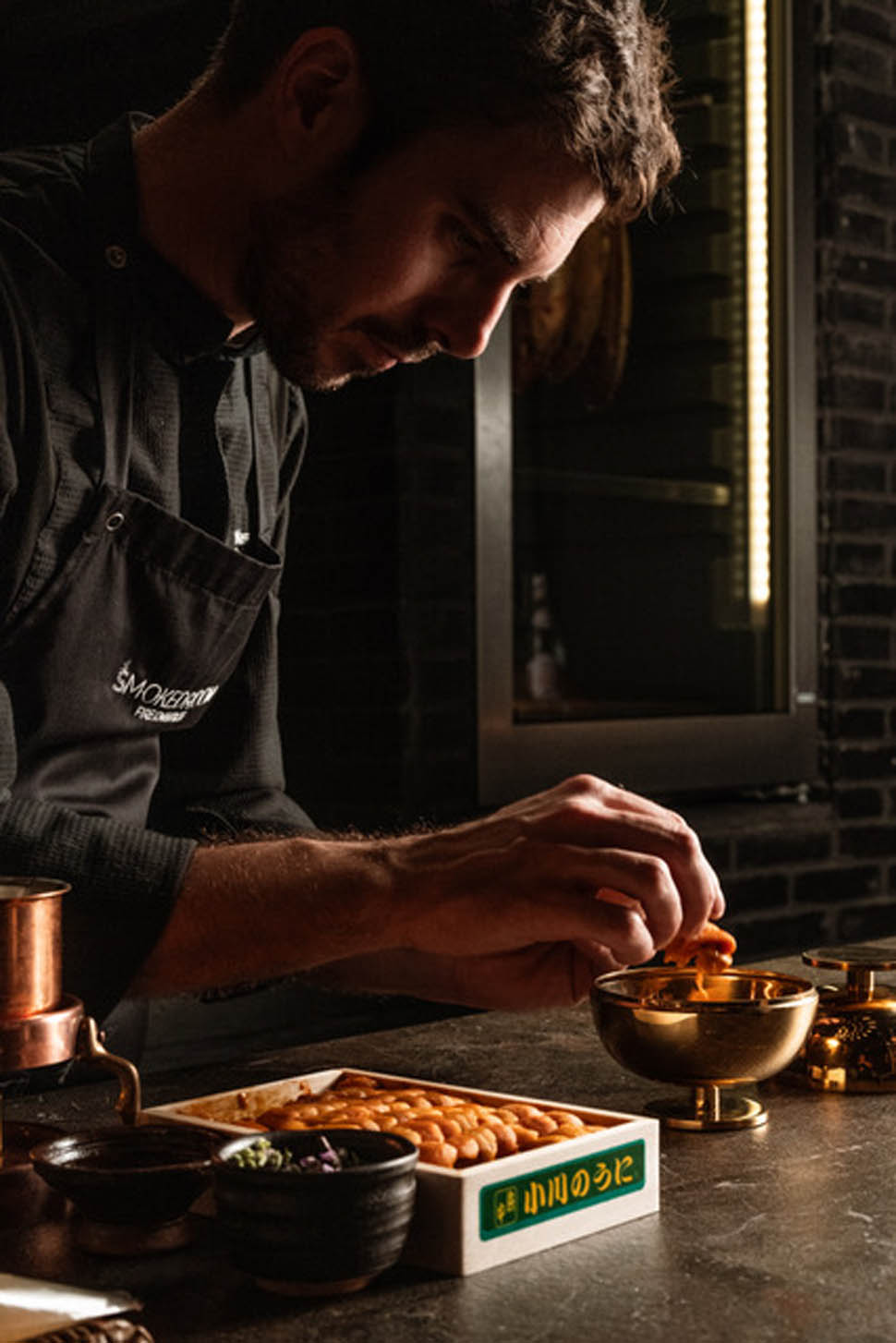
After finishing high school, I started working at a small hotel in Abruzzo, the Hotel Rigopiano, sadly known for the avalanche that swept it away a few years ago: “And then, like everything in life, I think that sometimes that little bit of luck is essential. There was an excellent manager there, a man from Tuscany. He explained certain concepts to me and helped me understand certain things: ‘If you really want to learn this trade and get to know this world, I’ll take you to another restaurant. Don’t stay here.’ So I moved to Tuscany, to Il Colombaio, a one-star restaurant, and there I discovered a world that I really came to love, even though it was a very tough season—my first time working in a Michelin-starred restaurant. But in my opinion, the most difficult experiences are the ones that teach you the most.”
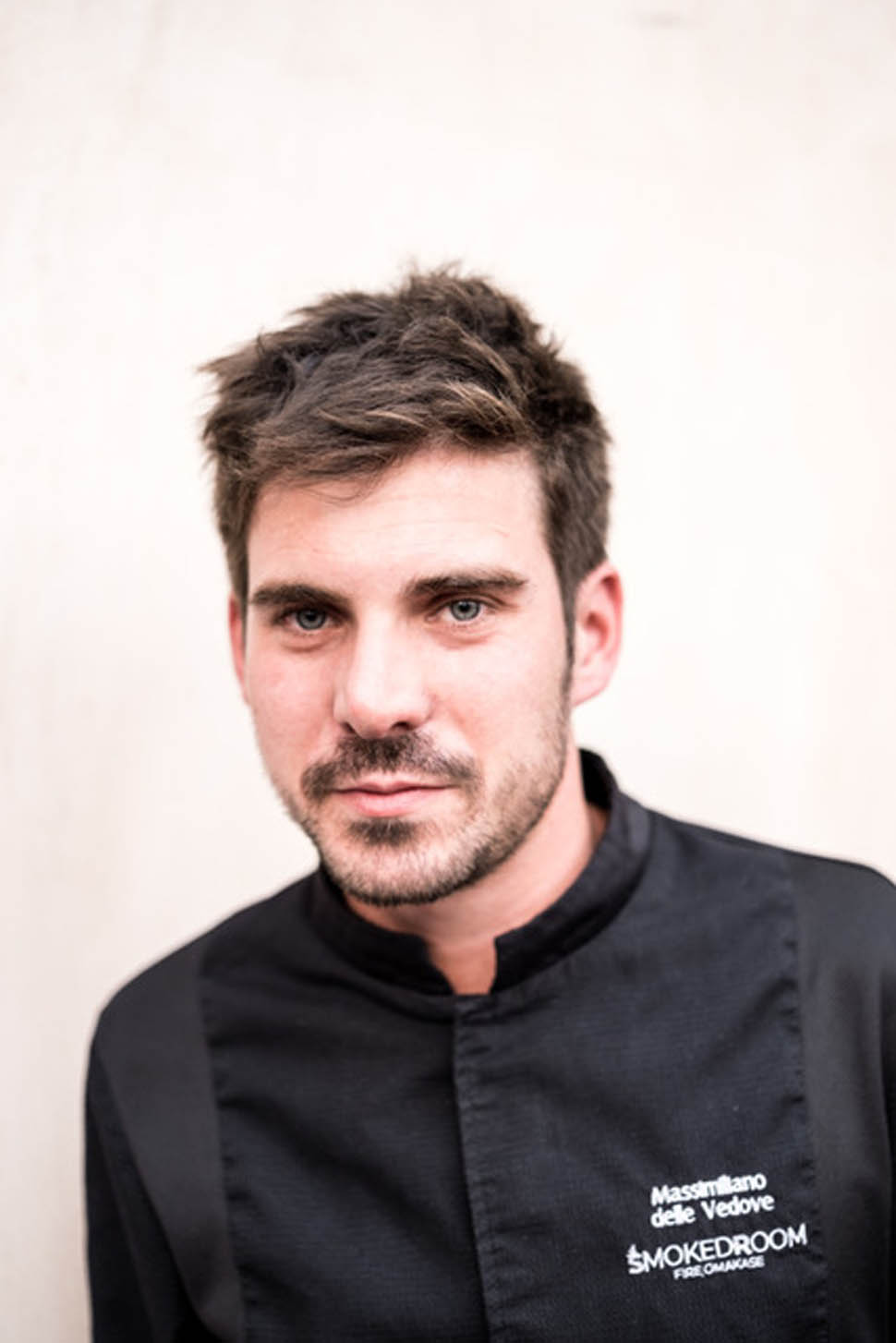
From there, Massimiliano went to England: “I wanted to see something different; it was popular, in vogue. Even though they didn’t do high-end cuisine there, you learned different things—it was another world. You definitely learn to manage stress, tension, and high volume. You learn to handle high volume, which is always useful.” His return to Italy took place at a prestigious establishment—the Four Seasons in Florence with Vito Mollica: “Definitely a great experience, a fond memory, a wonderful team, and incredibly important values. Vito has always been a chef who knew how to build a team.” From Florence, he returned to London, then it was finally time for Spain—first nearly four years with Adrià’s group, then six years with Dani García.
And the two stars awarded to Smoked Room in the blink of an eye came as a wonderful surprise: “I was the last person who expected anything like this to happen. And really, the most curious thing is that we didn’t start this project with the idea of getting there—absolutely not—especially since the Dani García group had already gone in a different direction. Dani closed his three-star restaurant in 2018—after receiving the third star—shut down the restaurant, and opened very different types of establishments. By then, he had already left the world of haute cuisine behind because, after all, after 25 years, he’d grown tired of it.”
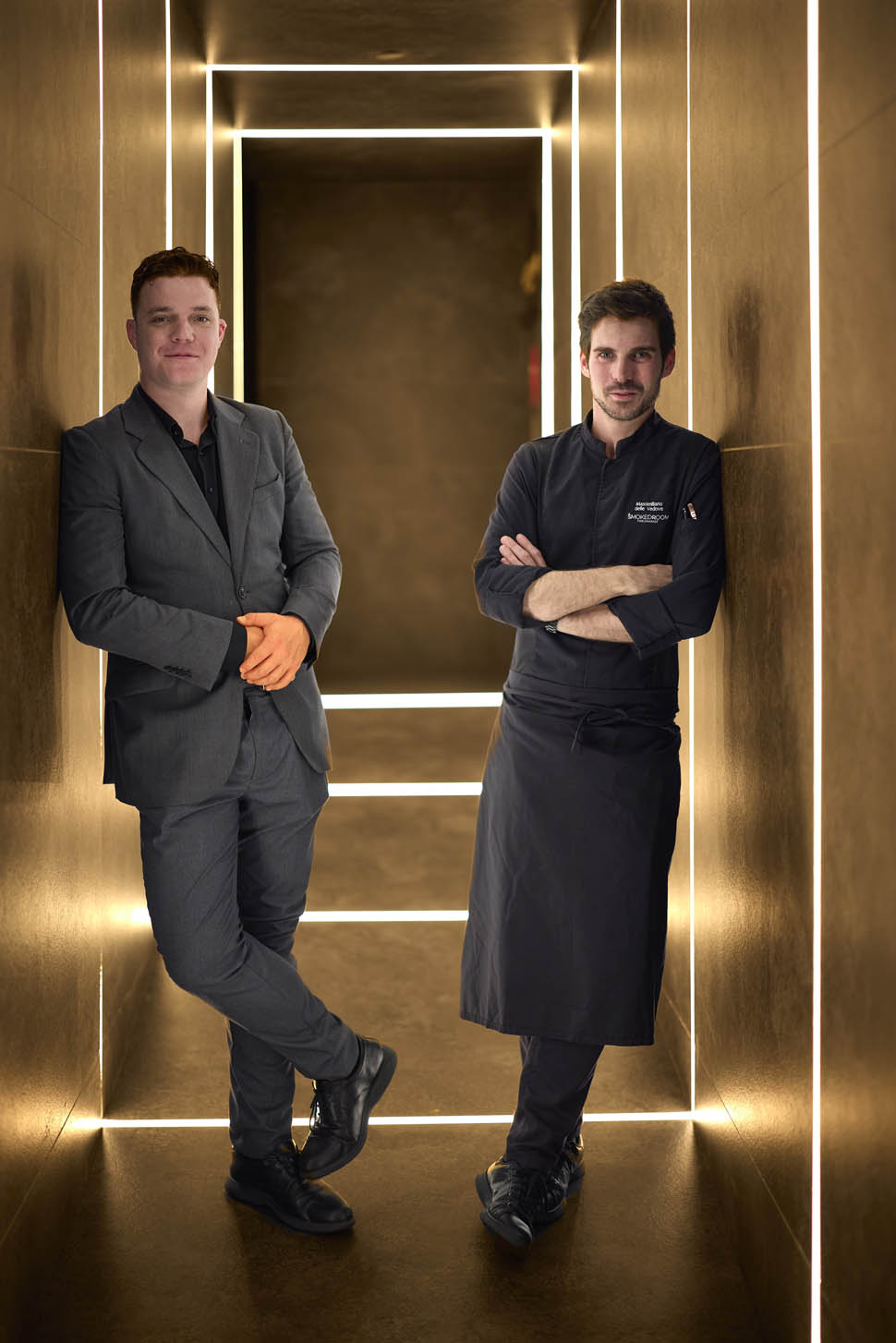
My relationship with García is close: “He’s taught me so many things. First and foremost, the importance of being transparent—of saying what you want and what you think. And in that regard, too, I think he’s always been incredibly fair to everyone. Whether with Michelin or with people, he’s never hidden behind any pretense. No, absolutely not. And this is something he always conveys to me: you have to seek out that sense of happiness for yourself, too, through cooking. Even with regard to Smoked Room, he never made a secret of the fact that he wasn’t there—that he’s now focusing on other things—quite the contrary.”
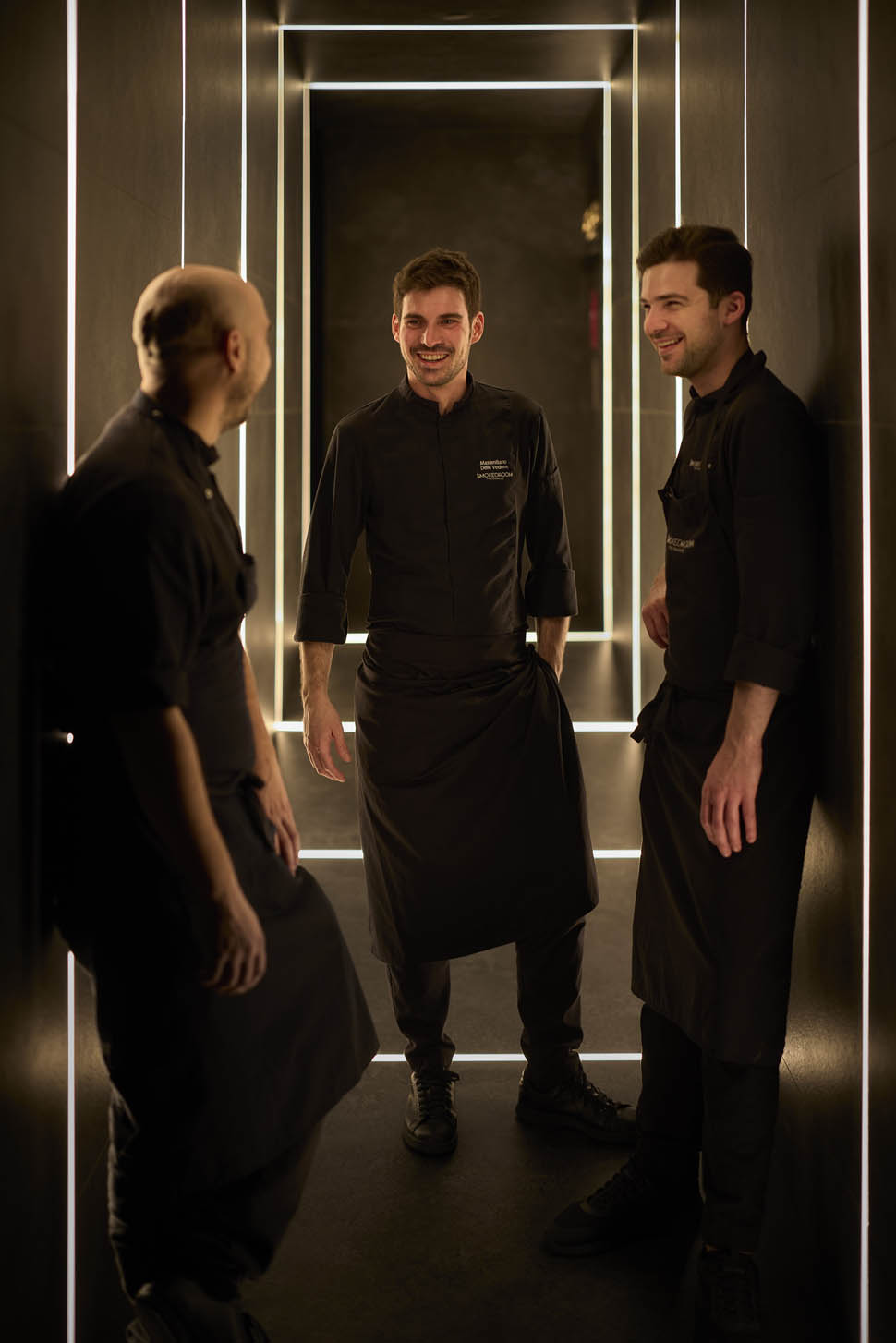
For Massimiliano, Smoked Room is “a genuine space, where everything that happens is out in the open—there’s no deception. The restaurant is full of life, something real—we cook everything right in front of the customers, and we’re truly ourselves there; in other words, there’s no pretense. Over the years, Luis Baselga and I have built a great partnership.” As for the cuisine: “Smoked Room is very freestyle—that’s just who we are: we stray a bit from the classic protocol and traditional formulas. It’s also very exclusive, seating only 14 people. A lot of study and research goes into the ingredients. In my opinion, we’re doing a great job, and there’s enormous potential.”
Delle Vedove is a young, enthusiastic chef who is confident in his abilities but at the same time capable of being surprised: “The simple fact is that I probably never would have expected to be where I am today. A few days ago, after talking with some friends, I was reflecting on how lucky I am, on the gift that life has given me. And in the end, all these experiences, all the travels—but sometimes I don’t even realize it. Sometimes they don’t even feel like they’re really mine. Yeah, you say, ‘But am I really the one doing all this?’ And then suddenly they happen—there are moments that make you think.”
There’s no doubt that Smoked Room, beyond Dani García’s “brand,” is in fact a creation that draws its energy from Delle Vedove: “The hardest part, many times, was especially during the first few months. When you have such a prominent figure by your side—even if they’re not physically there—you never really know whether it’s your name or theirs, whether you’re truly earning it yourself or if it’s just because you’re there. In my opinion, you should always ask yourself why, and nothing should be taken for granted.
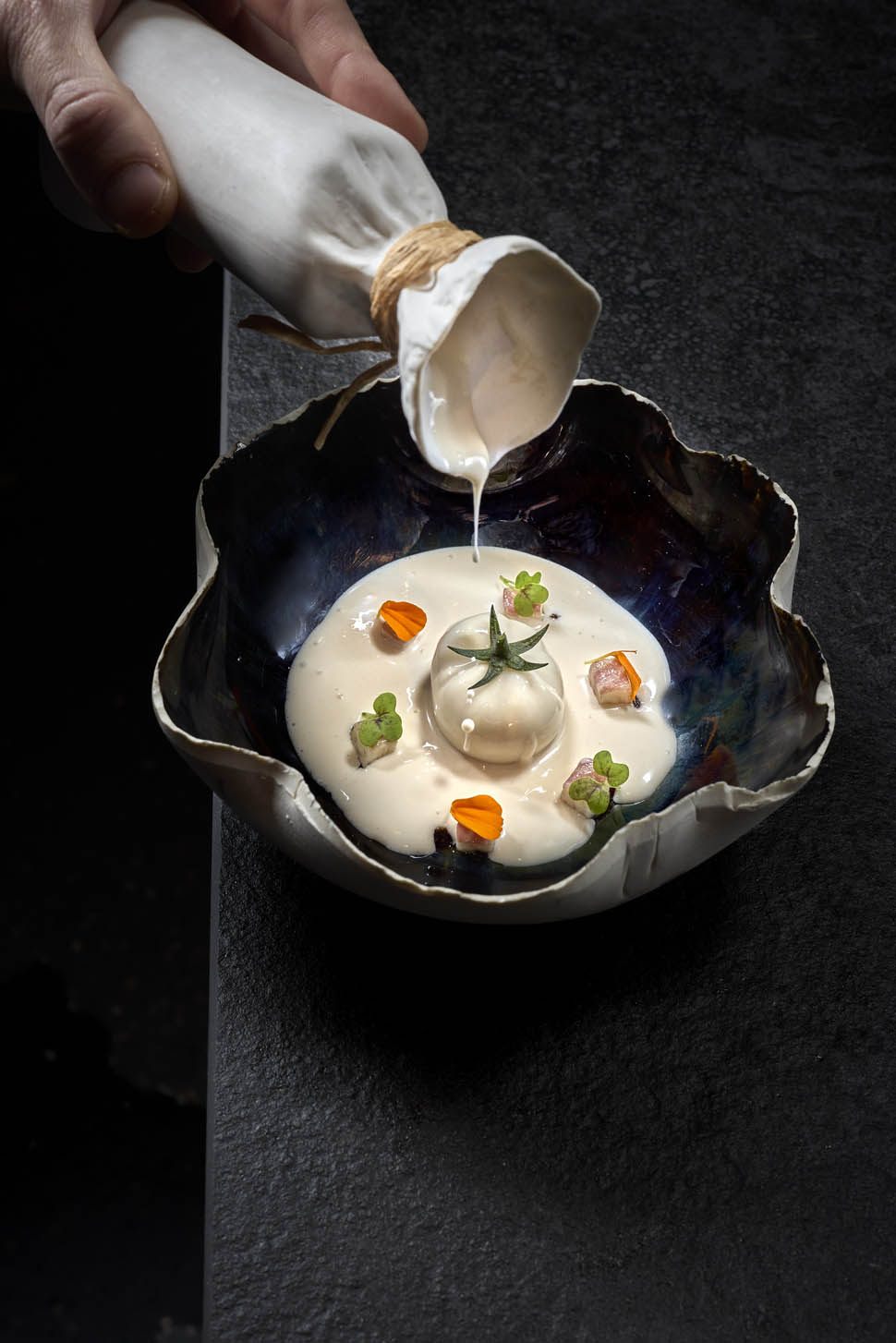
Then, over time, I realized that when you do something genuine and honest, and create a space that truly feels like home, I hope the customer will understand all these values as well. Then there are the flavor combinations—for our latest “fake tomato” dish, we took inspiration from one of Dani’s signature dishes, but it’s entirely our own now. In fact, Dani doesn’t really like it that much and says, “No, that’s a poor imitation.” Then he laughs, because we always bring it along when we go out—because, in my opinion, it’s the best, obviously. Oh well, a chef needs a little ego, after all.»
The Dishes
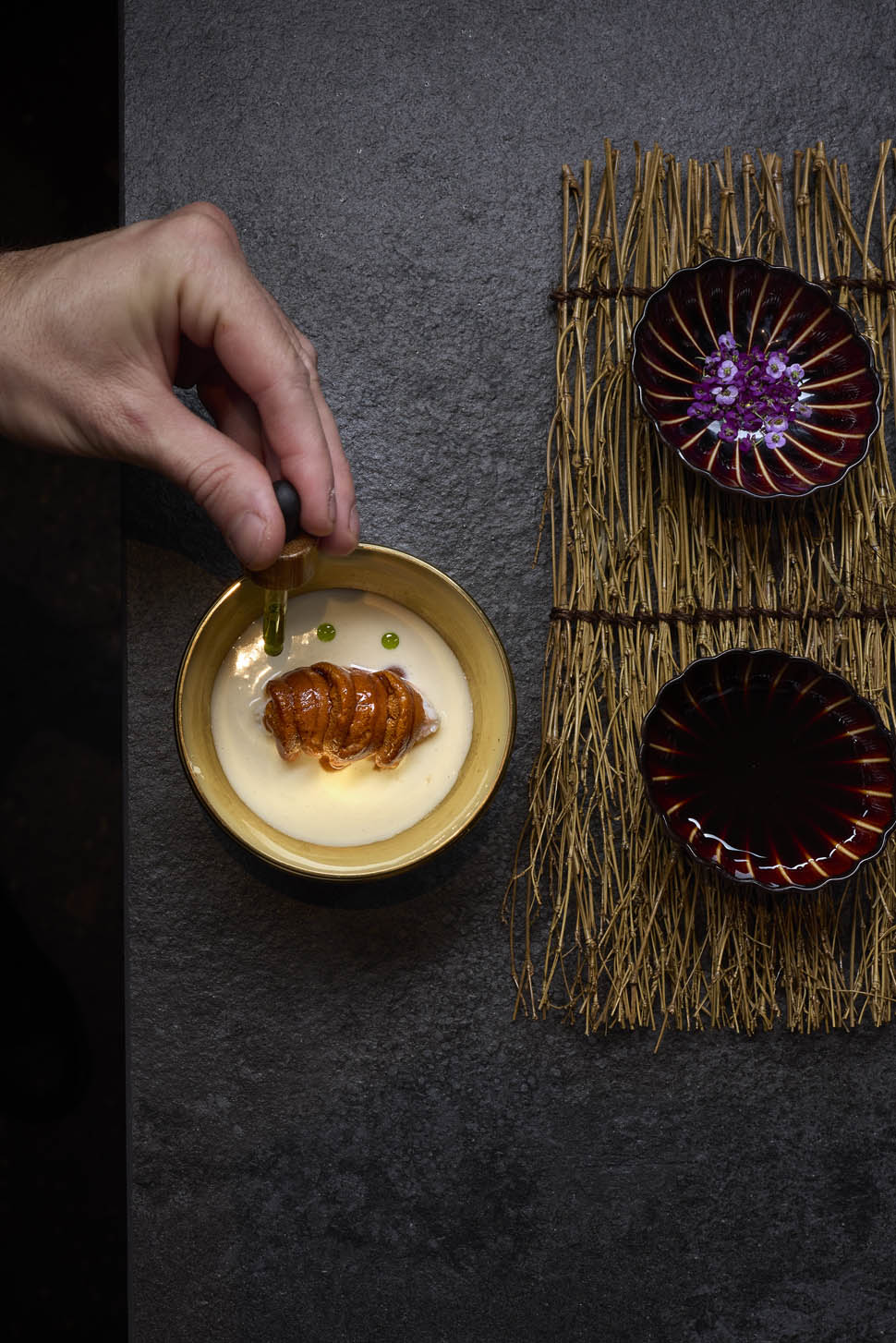
What’s the dining experience like at Smoked Room? The two stars, awarded in Spain, are never a coincidence. The cuisine is wonderfully immediate in terms of flavor, capable of concealing research, technique, and absolute precision behind powerful taste sensations: “These are very simple dishes, yet they always linger in your memory. Sometimes we’ve found the key in simplicity. Obviously, these are flavors we’ve created ourselves. However, we’re always looking for something authentic behind the dish.
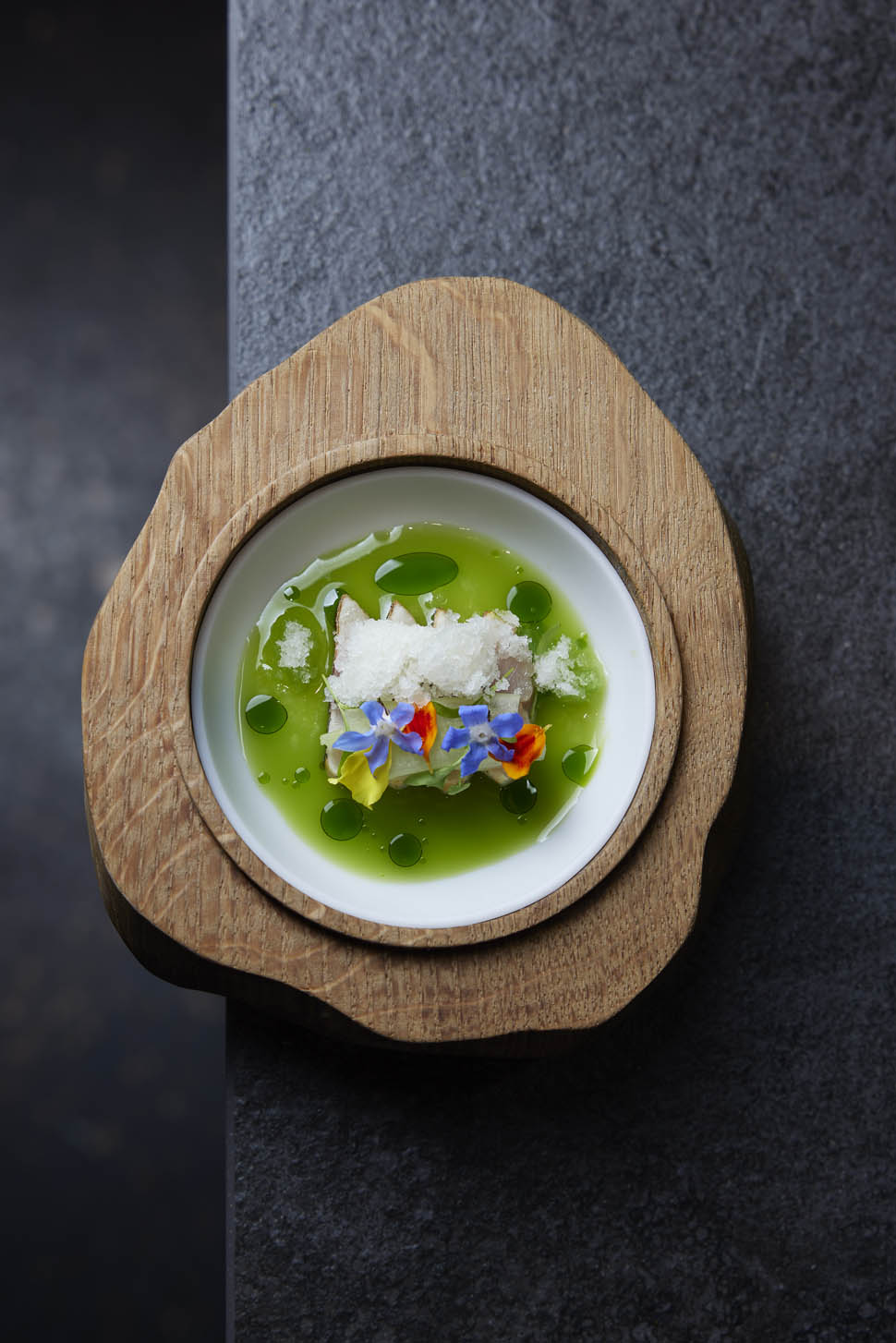
And then there are all those appetizers that so many restaurants serve to start with—the ones you can’t even remember half of after eating ten of them. Well, we’re much more—perhaps—straightforward, direct, and to the point, both in our thinking and on the plate. It’s also true that Dani García has always created cuisine that’s quite bold and intense in flavor, so in that regard, at least, I think we’ve provided continuity and identity.”
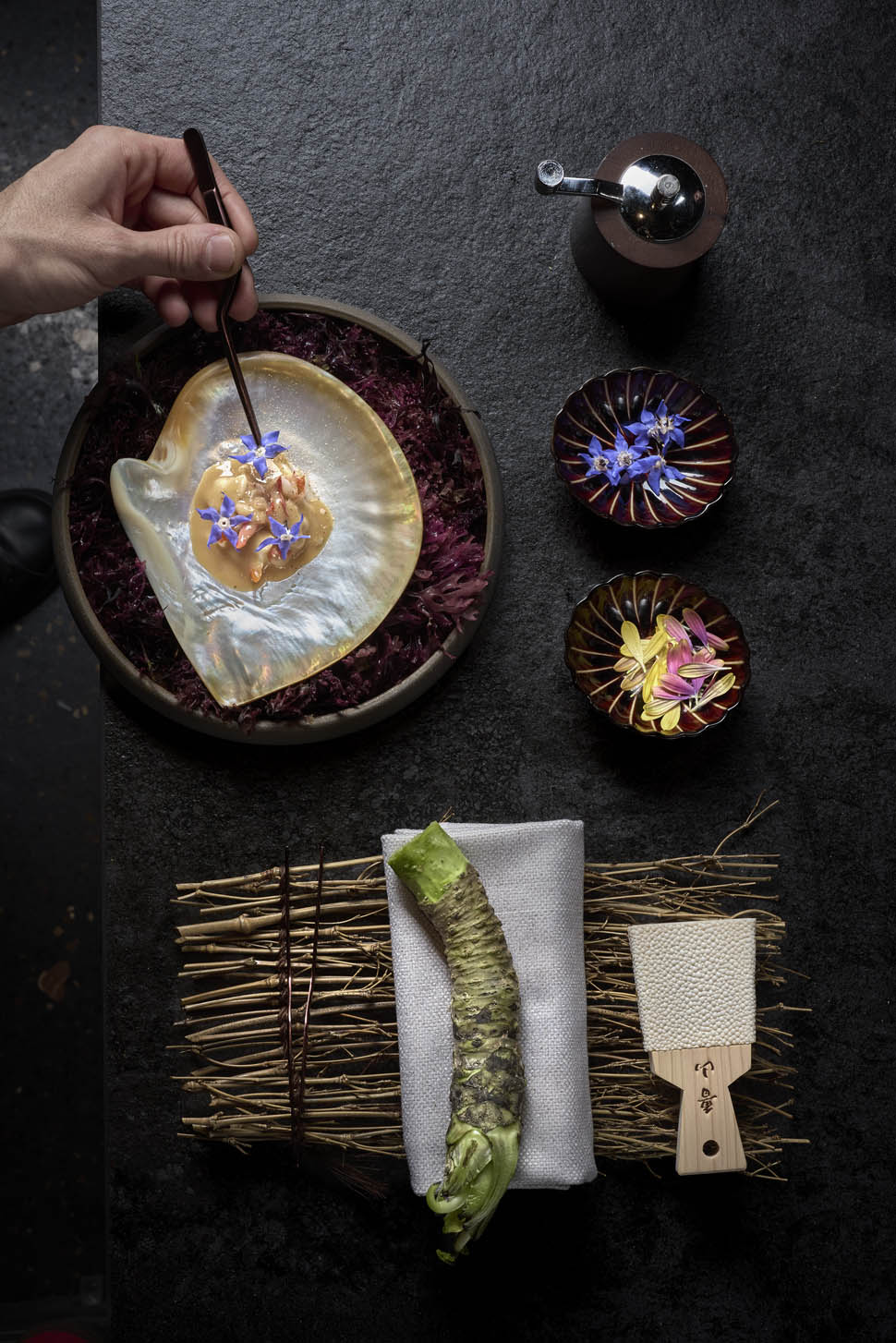
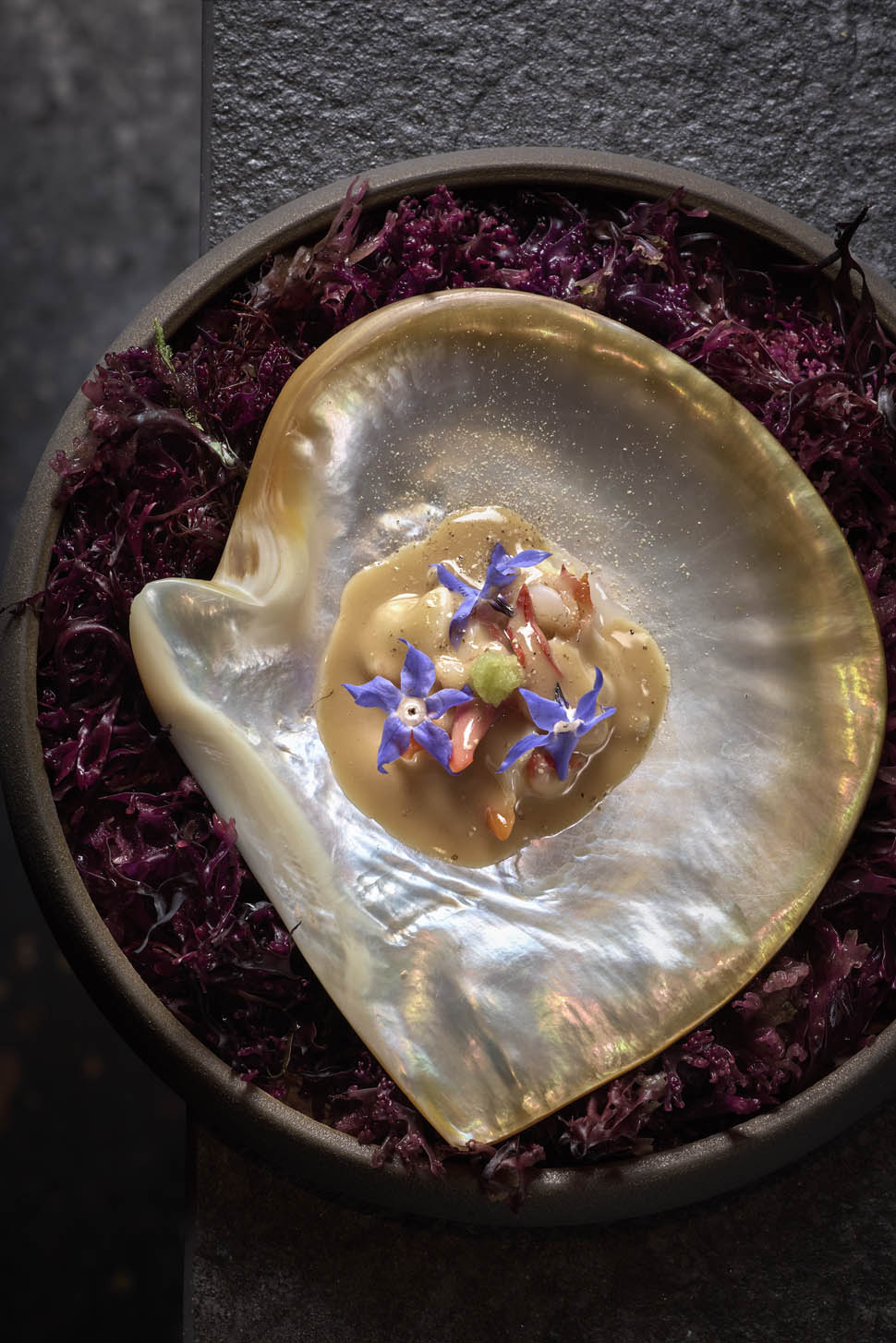
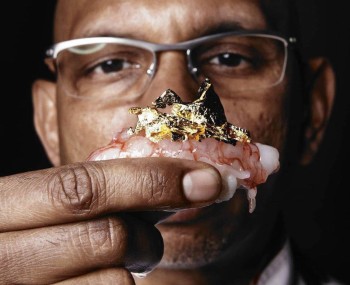
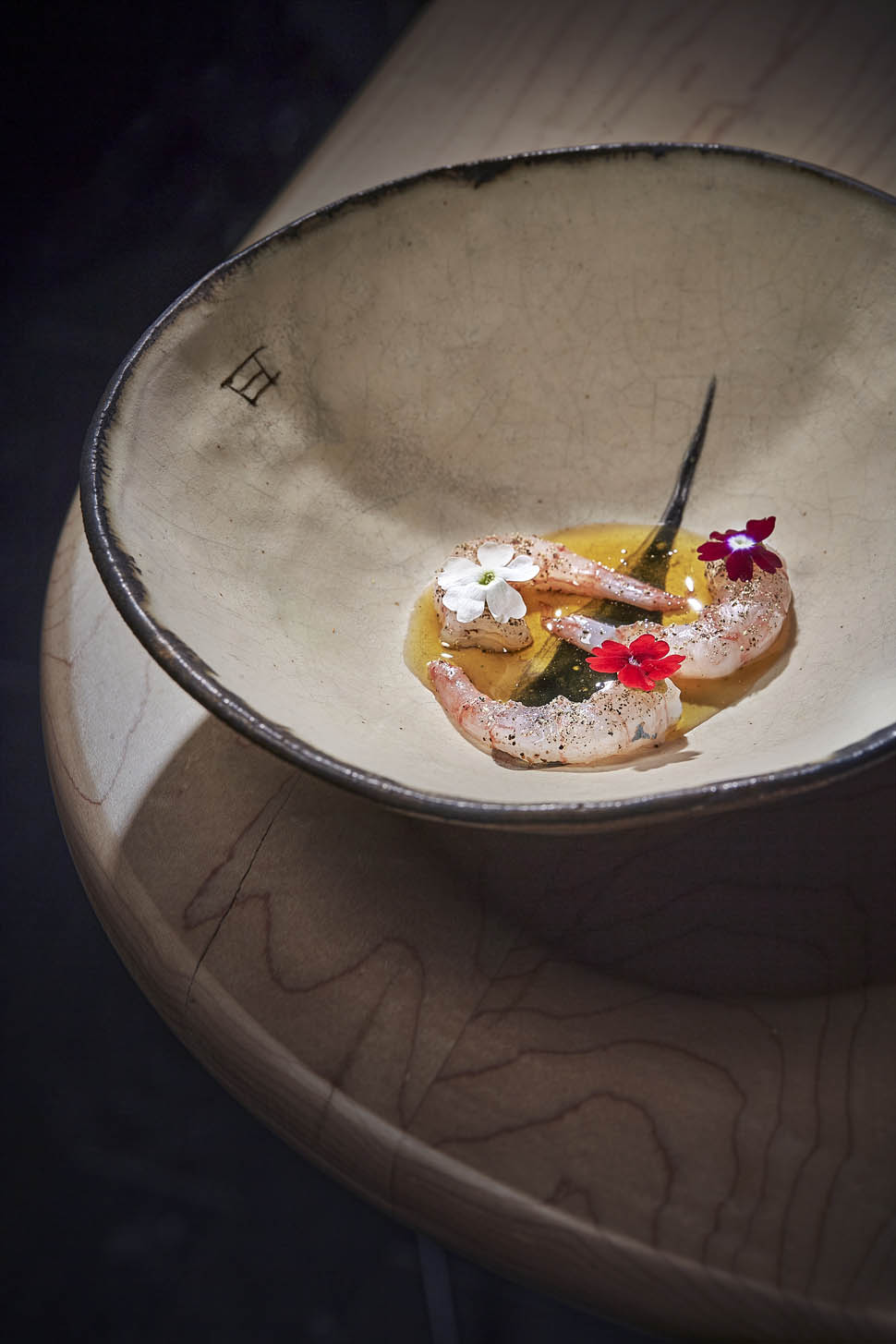
Among the dishes we tasted, the common thread is clear, bite after bite. It’s that intense flavor that creates a “lofty,” elegant, and incredibly striking sensation. “Quisquilla,” or Motril shrimp, toasted butter, and yuzu kosho, where richness and freshness come together at their peak.
The famous “fake nitro tomato”—which isn’t actually a tomato, despite its shape—is absolutely delicious: the white “nitro” shell (from nitrógeno, the Spanish word for nitrogen, used here in liquid form) contains a smoked eel mousse and is served with Malaga-style ajoblanco and roasted red pepper caramel.
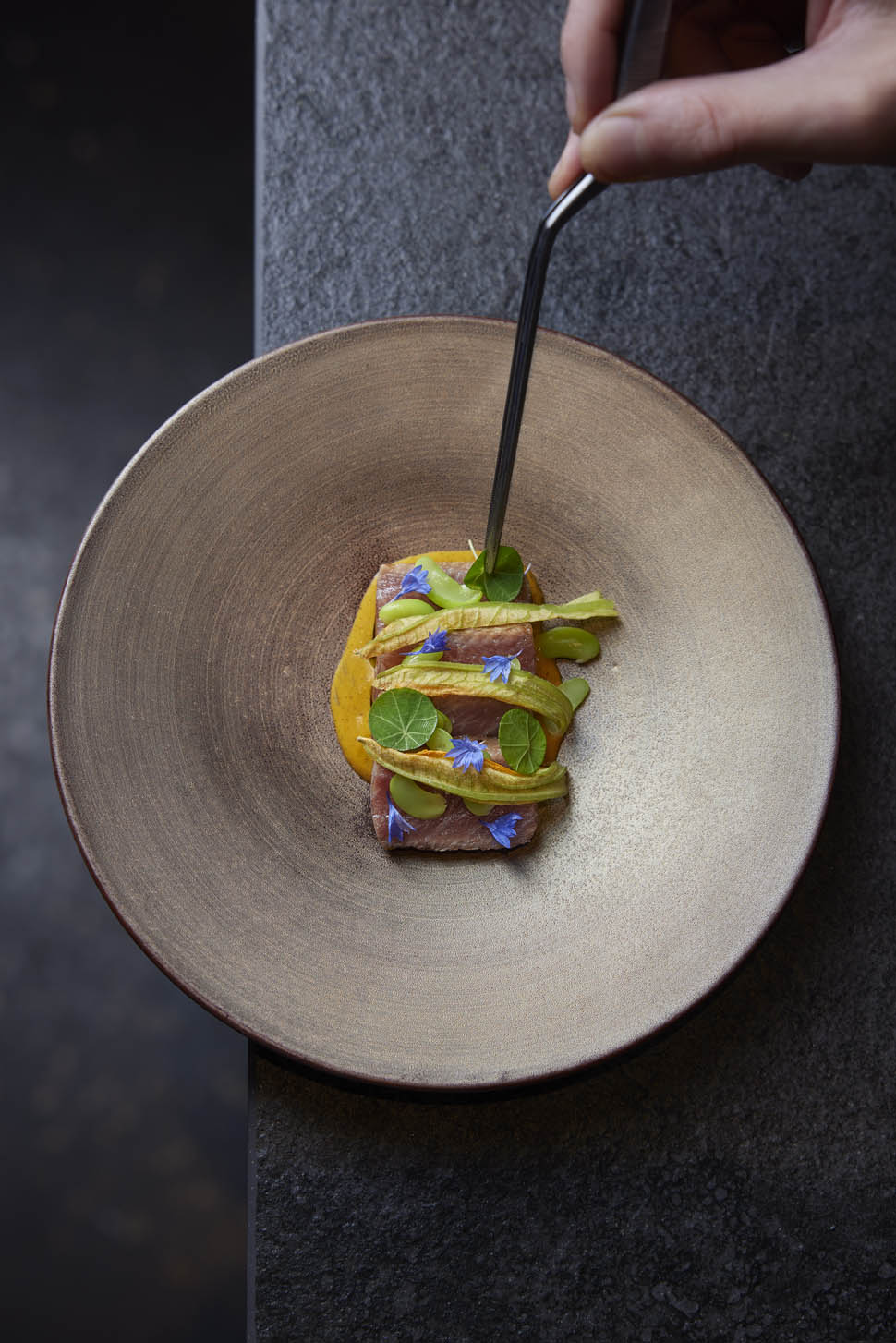
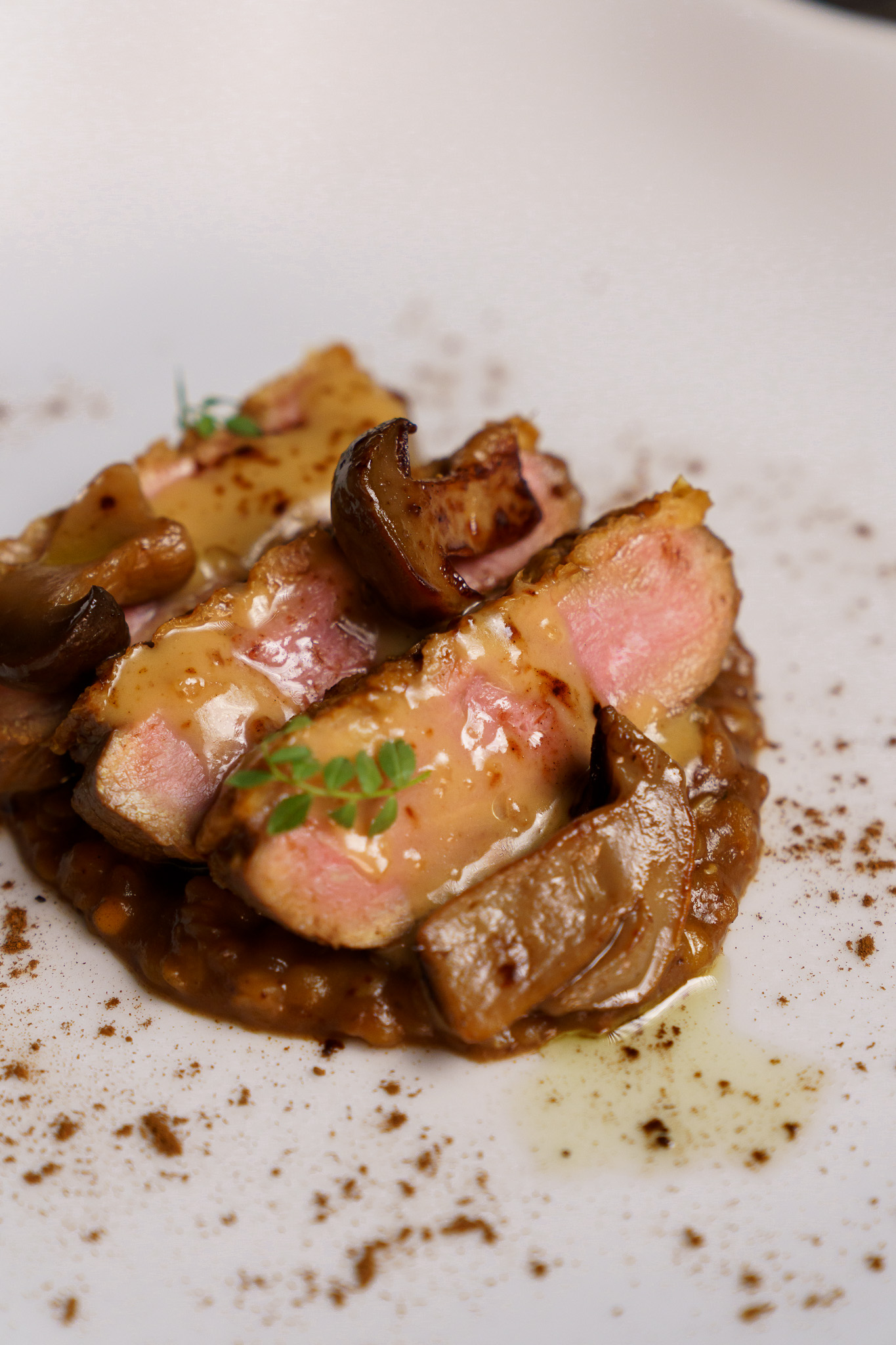
The grilled bluefin tuna cheek, served with pork tail jus and caviar, is rich and succulent, with flavors of the sea and aromas masterfully balanced. Equally exquisite is the duck with carrots, served with sake crêpes suzette and yuzu bigarade.
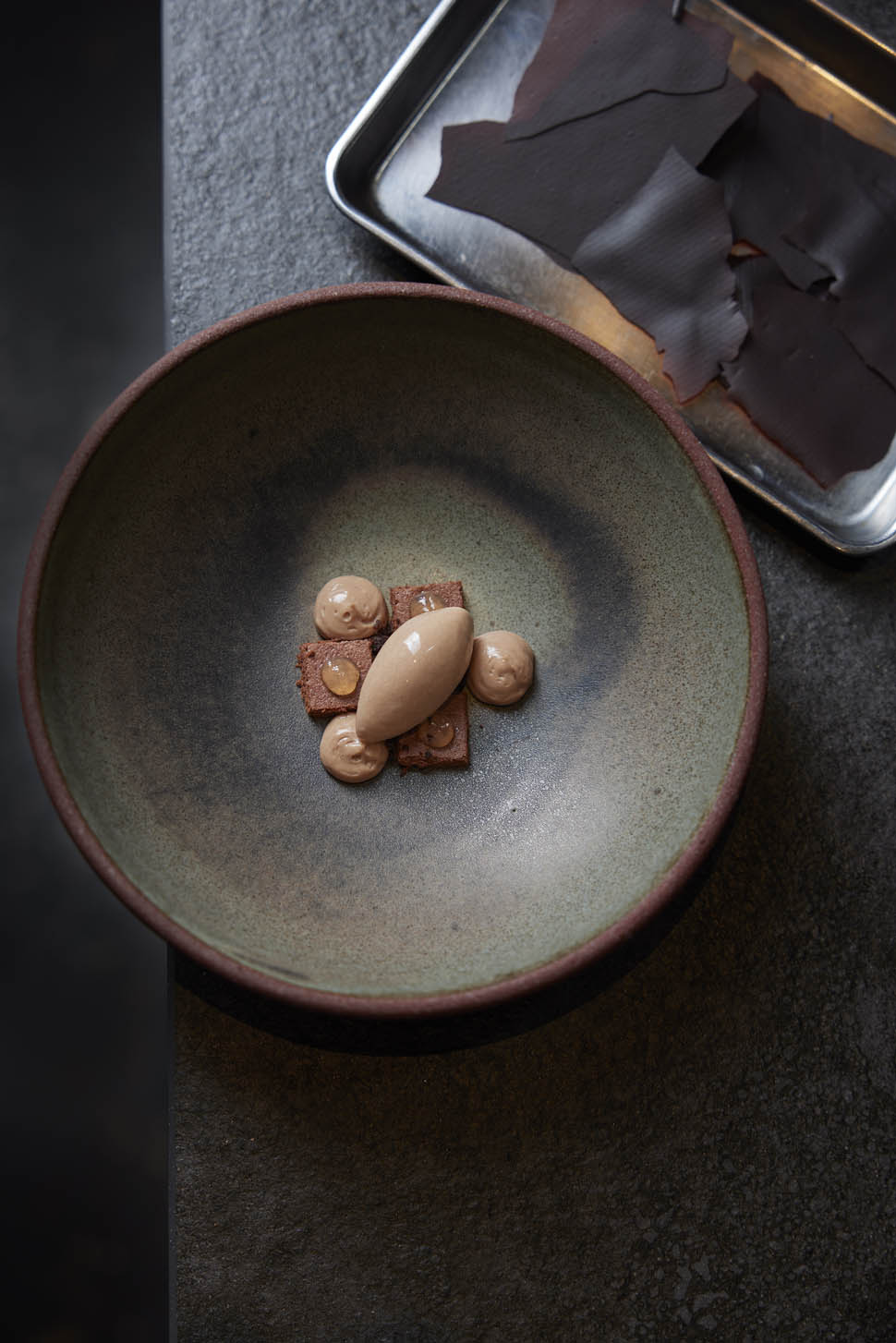
Pan jamón y manzanilla, among the desserts, evokes a delicious Andalusian trio. Lías de sake, vainilla y caramelo de soja is a feast for the eyes and unparalleled in its refinement, with the fermented notes of sake blending with the sweetness of vanilla and the savory depth of soy caramel. Chocolate, barley miso, and smoke plays on the notes of cocoa, the rich savory flavor of miso, and an elegant smoky note of whiskey. A remarkable experience.
Smoked Room
Hyatt Regency Hesperia Hotel, P.º de la Castellana, 57, Chamberí, 28046 Madrid, Spain
Phone: +34 911 08 62 77