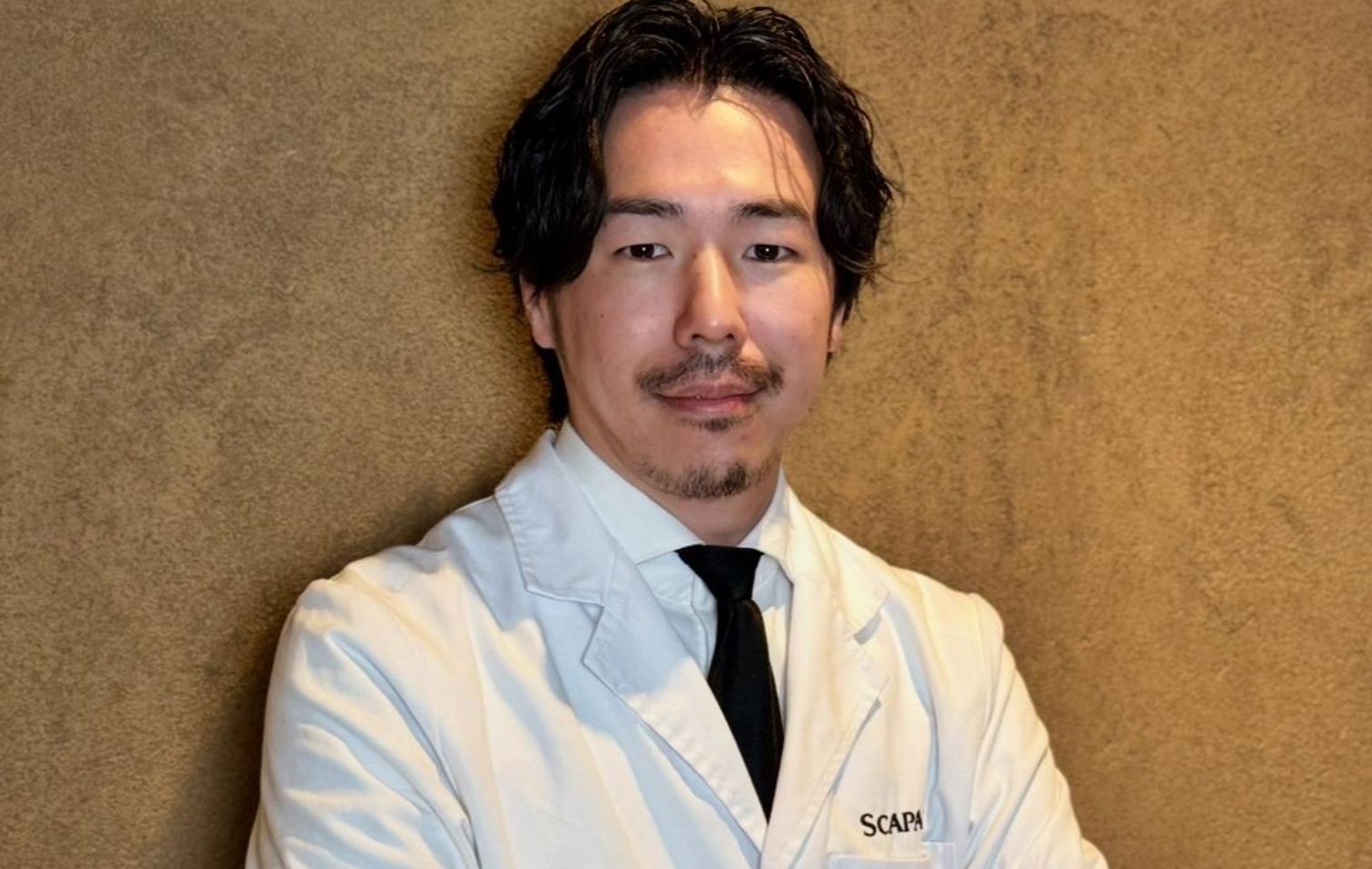
When, last November, the Japanese restaurant Scapar in Barcelona earned its first Michelin star, the industry’s attention was drawn to an unusual scene. During the ceremony in Málaga, the restaurant received its award, but its chef did not take the stage. At first, his absence seemed like nothing more than a curiosity. Then time passed, the restaurant never reopened, and the chef vanished without a trace. Now the truth is coming to light.
The News
And so began one of the most talked-about stories in Spanish gastronomy. After the ceremony, speculation, rumors, and fragmentary accounts circulated for months. There was talk of the “missing chef,” a sudden escape, and a mystery that was difficult to unravel. The reality, as is often the case when the spotlight fades and the kitchen doors close, appears far less dramatic and far more painful, as 7Canibales recently recounted in this article. After months of silence, Kuwabara decided to tell his side of the story. He did so in a measured, almost restrained tone, without seeking public revenge or settling scores. His words paint a portrait of a professional who had reached the limit of what he could endure.“To protect my health and continue to enjoy cooking for many years to come, I needed to distance myself from that situation and close that chapter of my life,” he explained. Behind the saga that has fueled gossip in the culinary world for months lies a story of labor exploitation. This story reached a turning point last April, when a legal settlement was reached between the chef and Yukinobu Tone, owner of Scapar.The settlement included compensation for wrongful termination and emotional distress, preventing the dispute from going to trial.
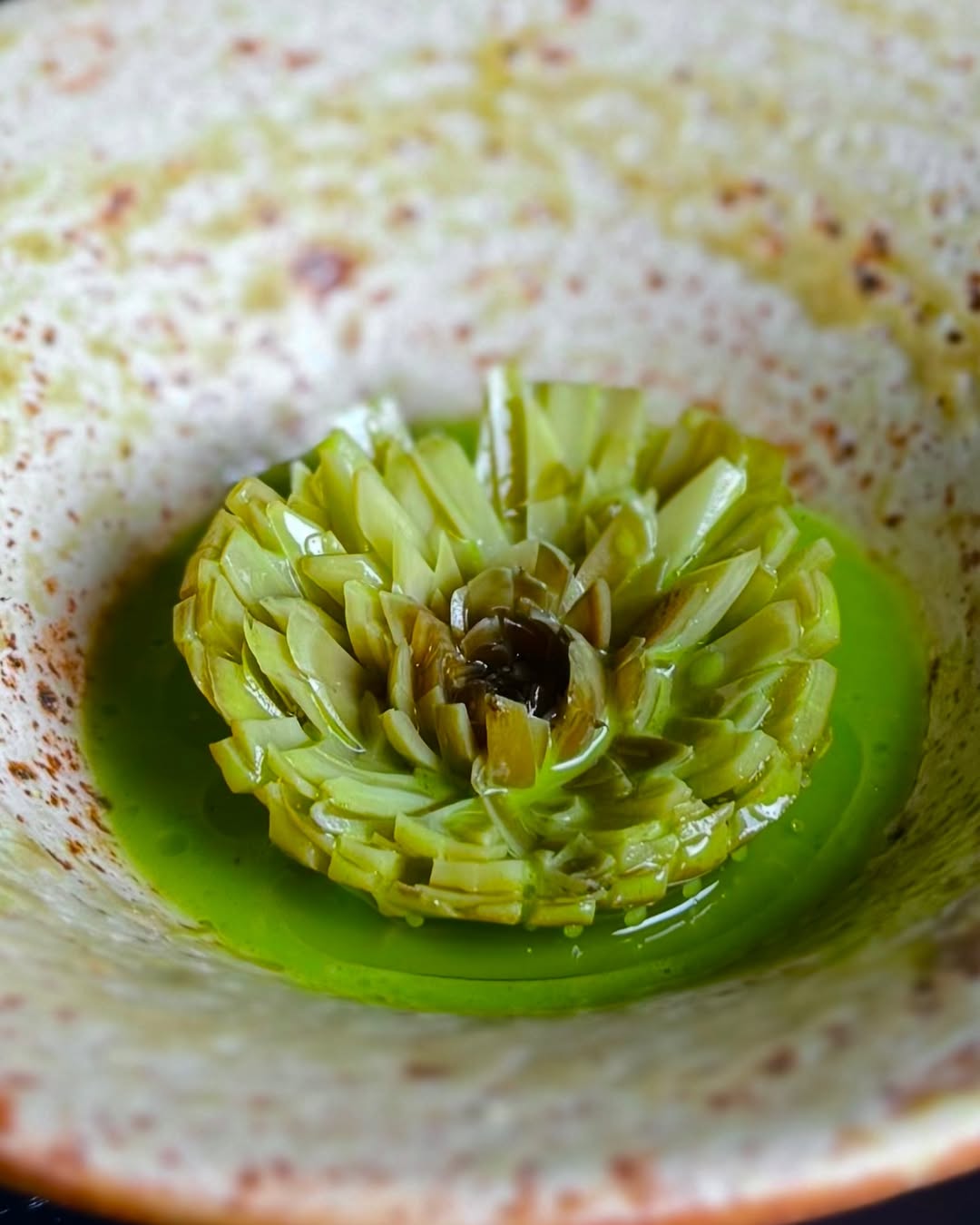
Scapar had quickly become one of Barcelona’s most talked-about spots. A tiny omakase counter with just eight seats, it managed to win over the Michelin inspectors in about a year and a half of operation. A remarkable achievement, built primarily on the talent of Kuwabara, a Japanese chef with over twenty years of experience and a distinguished background working alongside Albert Raurich at Dos Palillos. As the restaurant garnered attention and prestige, however, behind the scenes the situation seemed to be taking a very different turn. The chef carefully avoids turning his account into a personal indictment. He repeatedly emphasizes that he does not wish to point the finger at anyone in particular. His account speaks above all of a gradual wearing down. “For a long time, I carried an enormous workload and a very high level of responsibility. Little by little, that situation began to affect my physical and mental health”, he says.
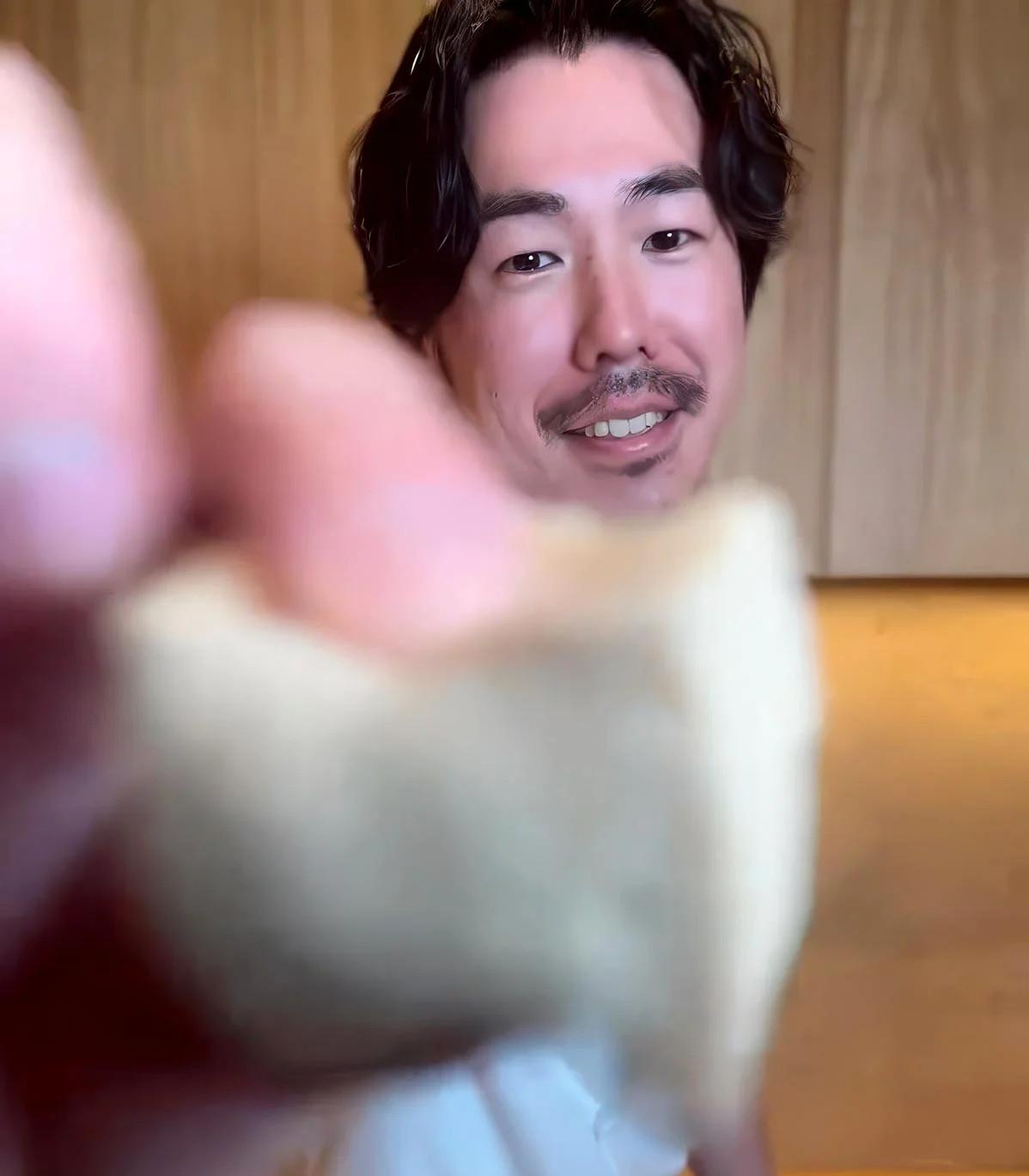
The lawyers who represented him in the dispute paint an even harsher picture. According to reports, Kuwabara faced grueling hours and a workload that went far beyond the role of a chef. Not just cooking, then, but order management, operational organization, cleaning, and numerous daily tasks necessary to keep the restaurant running. This constant pressure reportedly reached a breaking point on the very day of the Michelin ceremony. According to the chef’s lawyers, Kuwabara suffered an anxiety attack while the restaurant was preparing to celebrate the industry’s most coveted accolade. A paradox that speaks volumes about the current state of the contemporary restaurant industry. On the one hand, there is the allure of haute cuisine, public celebration, rankings, and awards. On the other, a professional world that continues to grapple with grueling shifts, a pace that’s hard to sustain, and a culture of sacrifice often considered an integral part of the trade.
The Scapar case fits squarely within this broader discussion. In recent years, more and more chefs have begun to speak openly about burnout, mental health, and quality of life—topics that, until recently, were confined to private conversations among kitchen staff. Kuwabara, while maintaining an extremely respectful tone, hints at just how much that experience has shaped his personal journey. “I’ve been working in the kitchen for over twenty years, and this has been one of the most difficult challenges of my career. Since Scapar opened, I’ve taken on a great many responsibilities and dedicated myself completely to the project. Over time, almost without realizing it, I pushed myself beyond my own limits.” His account also reveals a cultural element that helps shed light on the context. Both the owner and the chef are Japanese. Kuwabara hints that certain extremely demanding work dynamics have long been considered normal within certain Japanese professional circles. A culture of absolute self-sacrifice that has increasingly become a topic of discussion in Japan in recent years. It’s striking how the chef reflects on that experience today. No victim rhetoric, no desire to erase the past. “The decisions were mine as well, and there are probably aspects in which I could have behaved better, both as a chef and as a person,” he observes. These words paint the picture of a chef more interested in understanding what he has learned from this experience than in turning it into a public battle.
Today, Scapar is already a fixture in the culinary news. It’s a restaurant that earned a Michelin star but, in fact, never really had time to enjoy it. For Kuwabara, however, the future seems much brighter. After months spent recharging and regaining his peace of mind, the chef is looking ahead. Rumors are already circulating about new projects, including the possibility of his own restaurant. He prefers to remain tight-lipped. “There are several interesting projects in the works, but it’s still too early to talk about them. I can only say that I’ll continue working to create a cuisine that reflects my identity and my approach to gastronomy.” A statement that almost feels like a declaration of rebirth. Because at the heart of the story—more than the Michelin star, more than the legal dispute, and more than the controversies—lies the relationship between a chef and his craft. Kuwabara reaffirms this without hesitation. “As a chef, I feel I still have so much to learn. After more than twenty years in the profession, I feel the same curiosity as when I first started.” Curiosity. A simple, almost disarming word—especially after an ordeal that could have left nothing but bitterness.