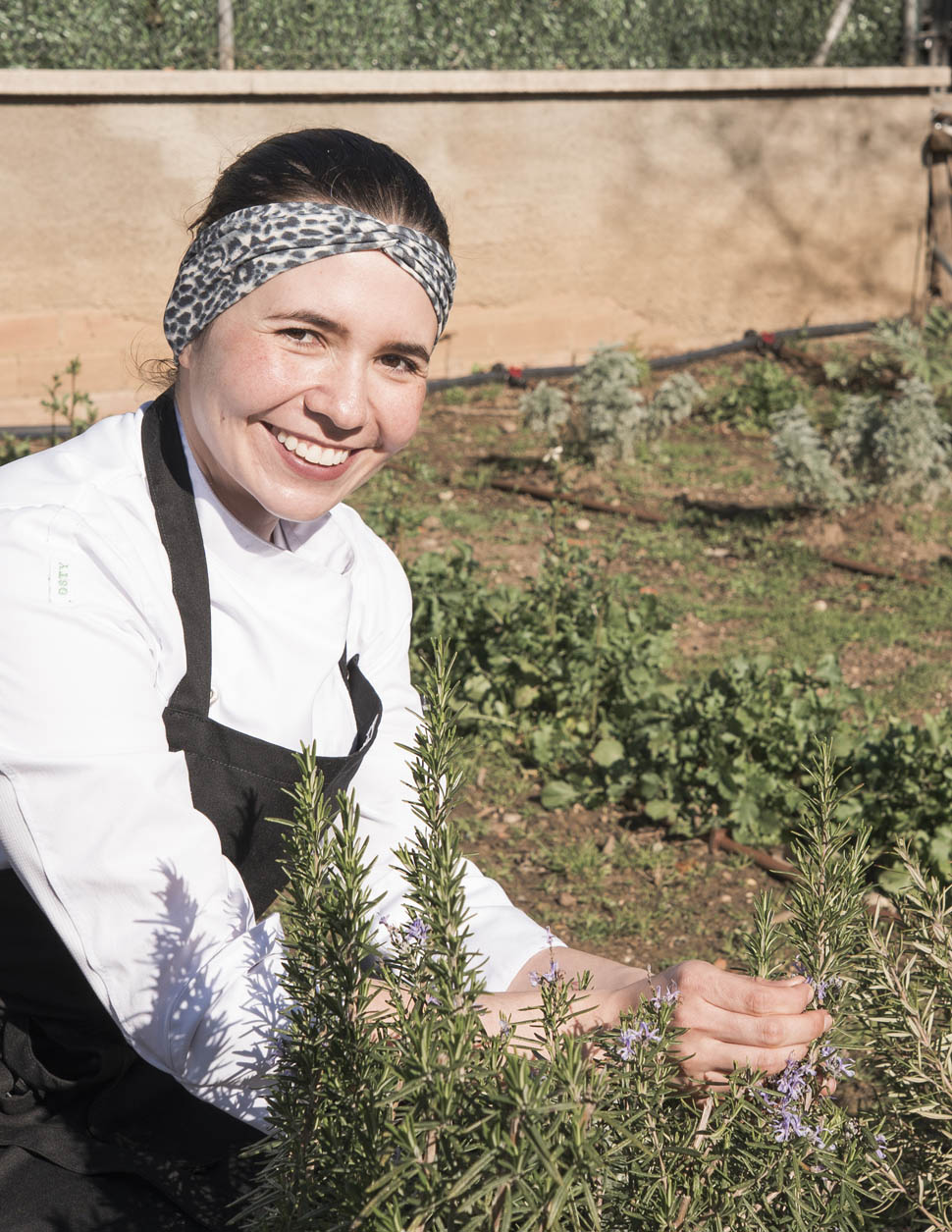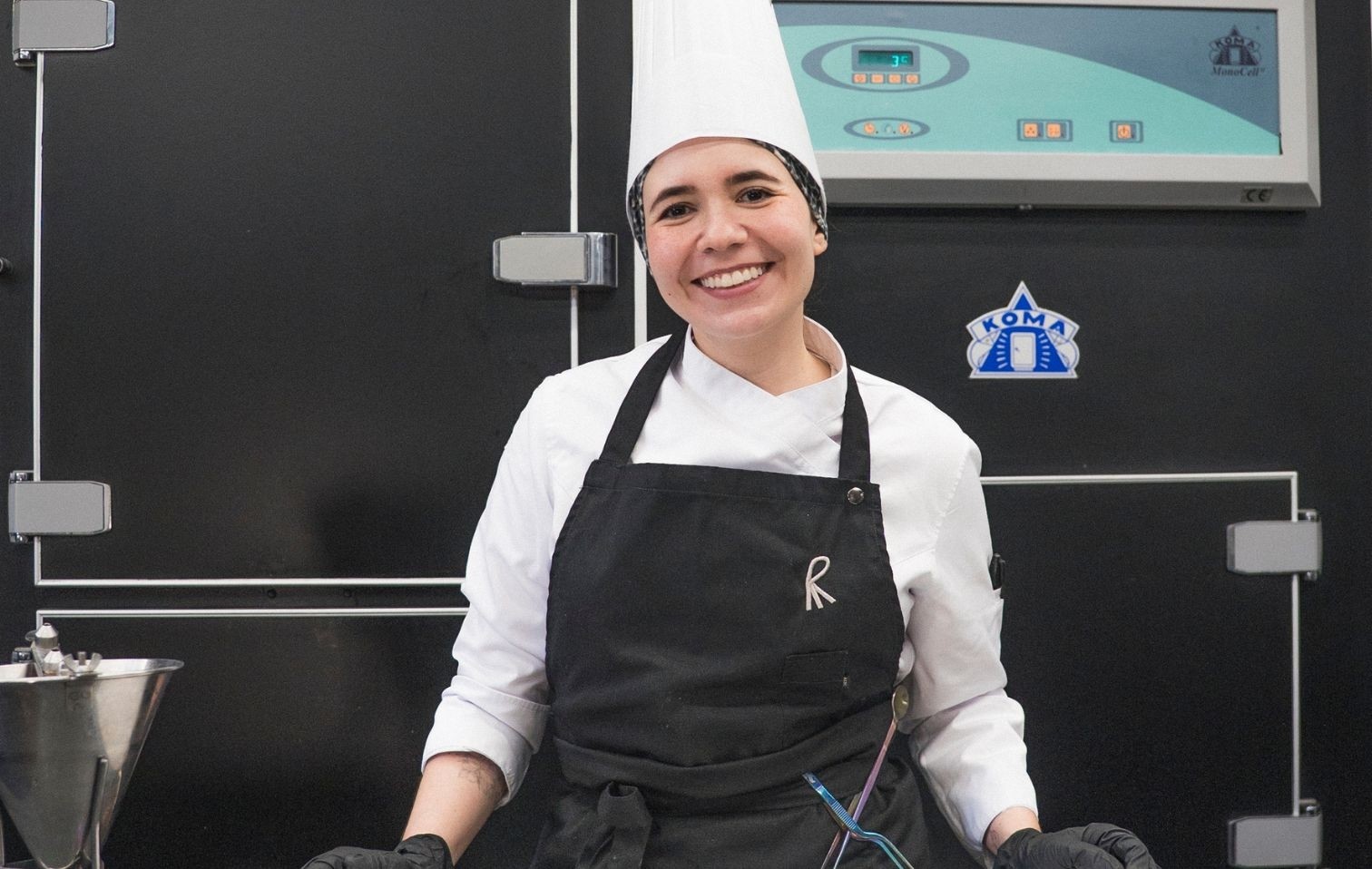
We interviewed Angélica Ortiz and gathered her thoughts following the conclusion of her tenure at the renowned Spanish restaurant. In the summer of 2025, at the World’s 50 Best Restaurants ceremony held in Turin, the Colombian chef won the Parmigiano Reggiano award.
*Content with promotional purposes
The Project
On June 19 in Turin, the international culinary scene celebrated talent in all its diverse forms. On the occasion of The World’s 50 Best Restaurants 2025, the Parmigiano Reggiano Consortium (official partner of the event, ed.) supported the 50 Best Restaurants Scholarship awarded to Angélica Ortiz, a Colombian chef who transitioned from political activism to the kitchen, believing in a dream built on great tenacity and passion. The scholarship has enabled her—and will continue to enable her—to undergo an exceptional training program at two icons of contemporary cuisine: El Celler de Can Roca in Girona, Spain, and SingleThread in Healdsburg, California. Angélica Ortiz has just completed her experience in the kitchens of the Roca brothers’ three-star restaurant, which in 2026 will celebrate 40 years of activity, innovation, and inspiration. We met with her to hear about her experience in one of the temples of culinary excellence.
The Interview
What personal and professional expectations and aspirations did you have when you began your internship at El Celler de Can Roca, and how has your daily experience there confirmed, surpassed, or transformed them over time?
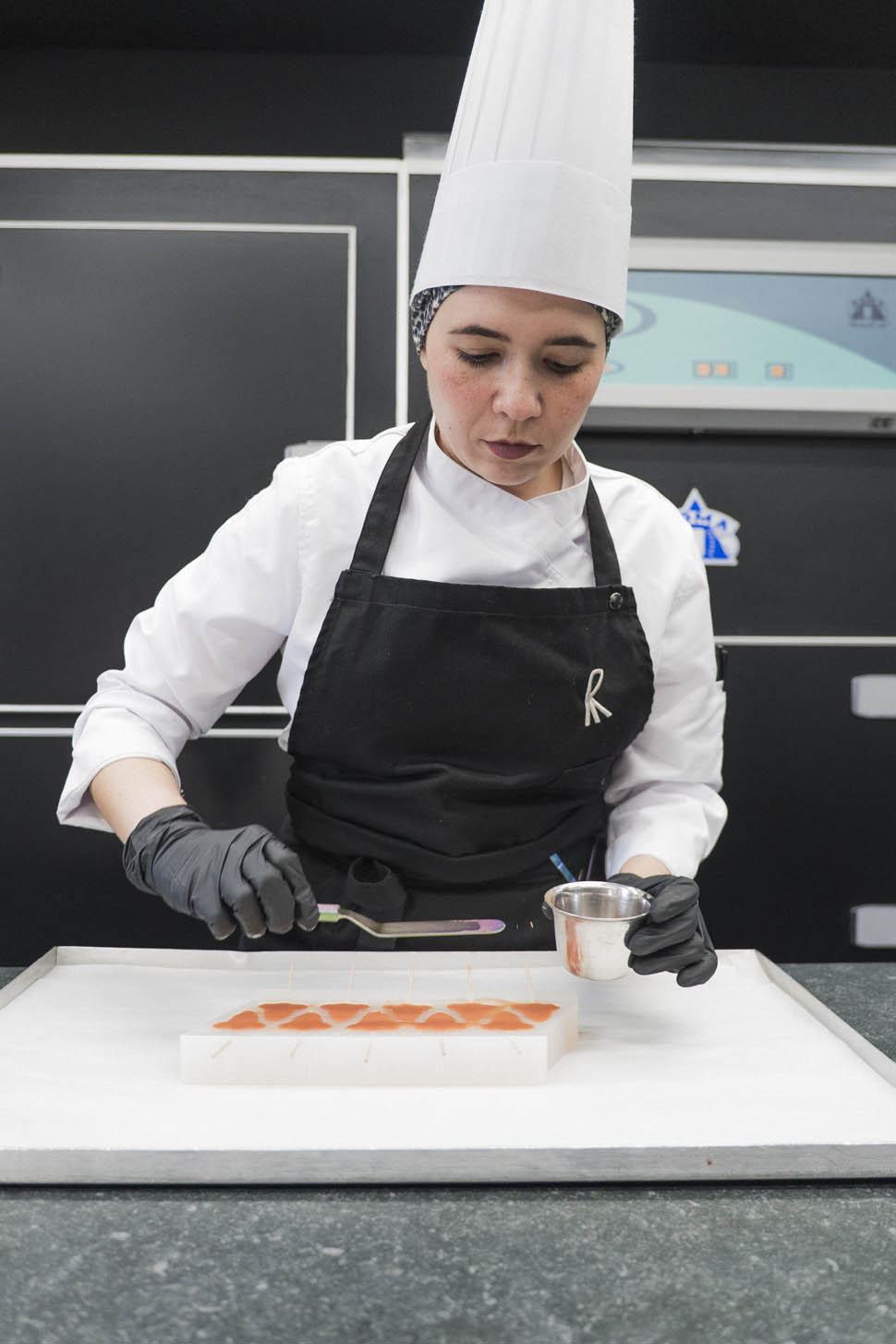
My primary aspiration was to experience daily life in one of the world’s best restaurants. I wanted to understand whether working in that specific environment—or, in the future, opening a restaurant of that caliber—was truly a dream I could achieve. In this industry, there seems to be a set path: to become the best and make a name for yourself, you must build a career in high-end dining and eventually open your own restaurant; if you’ve done well, recognition and awards will follow. Although I began studying and working in the kitchen as a “second career”—after 10 years of experience as a political scientist—I was not immune to this kind of desire. But achieving such a goal requires a very long journey, full of sacrifices, and one whose success depends not only on individual talent or skills, but on many external factors that are difficult to control. So these types of internships, in addition to being formative experiences for learning and honing culinary skills, serve as a sort of simulation of what it means to run a top-tier restaurant. I was able to learn from the work of the head chefs, the commis, but also from the other interns who maintain such a high standard in such an exceptional kitchen. It was an experience that transformed my expectations and is leading me to rethink how to find a place in the culinary world that allows me to be creative, but also to highlight the work of women in the industry, spread the culture of Colombian cuisine, and contribute to the social and local transformation of other places. This place isn’t necessarily a fine-dining restaurant.
What was the moment during your internship that gave you the greatest sense of satisfaction, and what emotions or concrete results made it meaningful to you?
One of the reasons I love cooking is that I love eating well. And I cherish the culinary experiences I’ve had in certain restaurants, because in addition to the pleasure of good food, there’s the surprise of the unexpected—the discovery of new ingredients or techniques. Since I started working in restaurants, this experience has changed, because now there’s also admiration for the work behind every dish that arrives at the table. And when I’ve eaten at the restaurants where I’ve worked, another element comes into play: the memory of what goes into preparing everything I’m tasting—and a sort of pride or satisfaction in knowing that I can do it myself. That said, the most exciting moment was being able to eat at the restaurant (El Celler, ed.) on the last day of my internship and, from the table, recognize each of the techniques and ingredients that make up the dishes, because I had participated in their preparation myself. In that truly privileged experience, every dish that arrived at the table was a symbol of all the people, the team, the tools, the ingredients, the techniques, and the methods I had learned during the weeks I spent in Girona.
During our first meeting, you told us that your time at El Celler de Can Roca would be particularly exciting for you, especially given the significance of Jordi Roca’s work in relation to your passion for pastry. How has this direct experience with the restaurant influenced your personal growth?
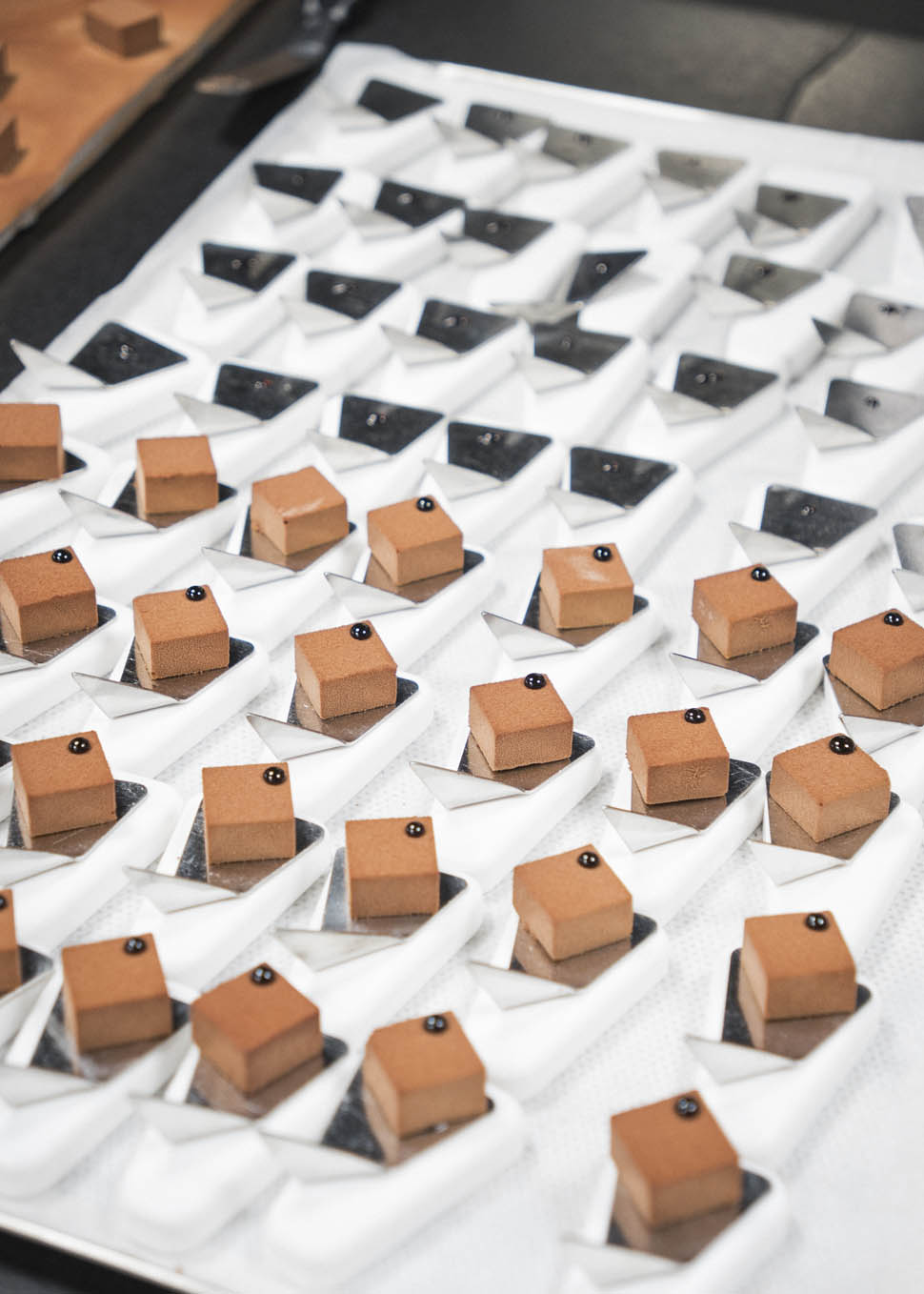
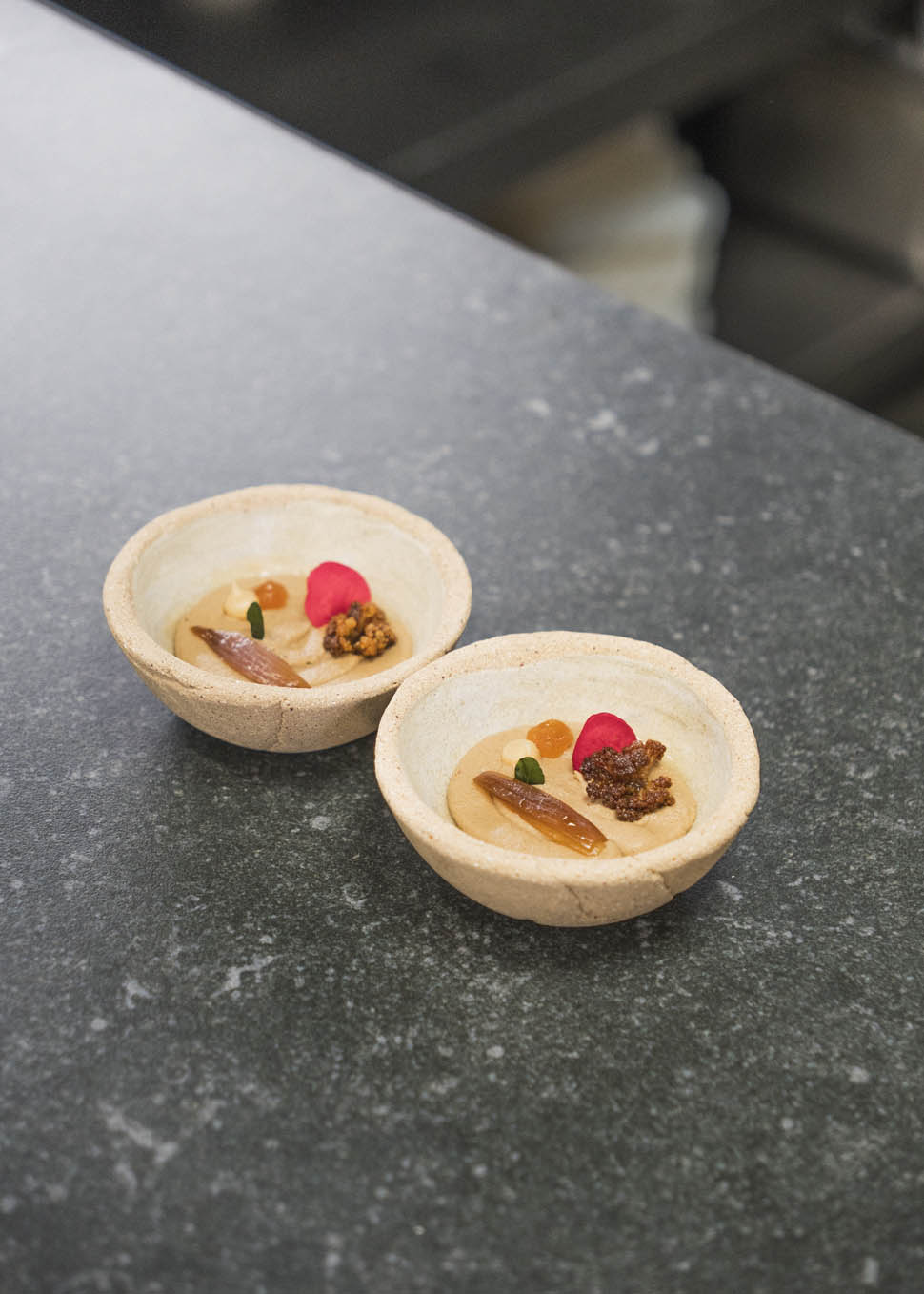
Getting to know Jordi and his entire team was incredible: after decades, the pastry department at El Celler de Can Roca continues to be a benchmark for creative boldness and technical innovation. One of the reasons it’s one of my greatest points of reference in pastry is that through his desserts, he doesn’t just seek to create something beautiful and delicious, but tells stories about the region and the ingredients. It was a great privilege to see firsthand how iconic desserts like the Lactic or the Viaggio a La Habana are prepared and served, or new creations like the Mela Verde dessert or the Trinitario. But one of the things that struck me most was the opportunity to explore the rest of the Roca brothers’ pastry ecosystem, such as Casa Cacao, where they produce their own chocolate from the beans, or Rocambolesc, where they prepare and sell pastries and ice cream, products that maintain quality and respect for ingredients while continuing to tell stories about the region—yet are accessible to everyone. Moreover, these are business models that are far more feasible than that of a fine-dining restaurant. This has greatly inspired me to project my culinary goals beyond haute cuisine.
How did you handle the daily challenge of such high standards of excellence, and how did that influence your approach to work and precision in the kitchen?
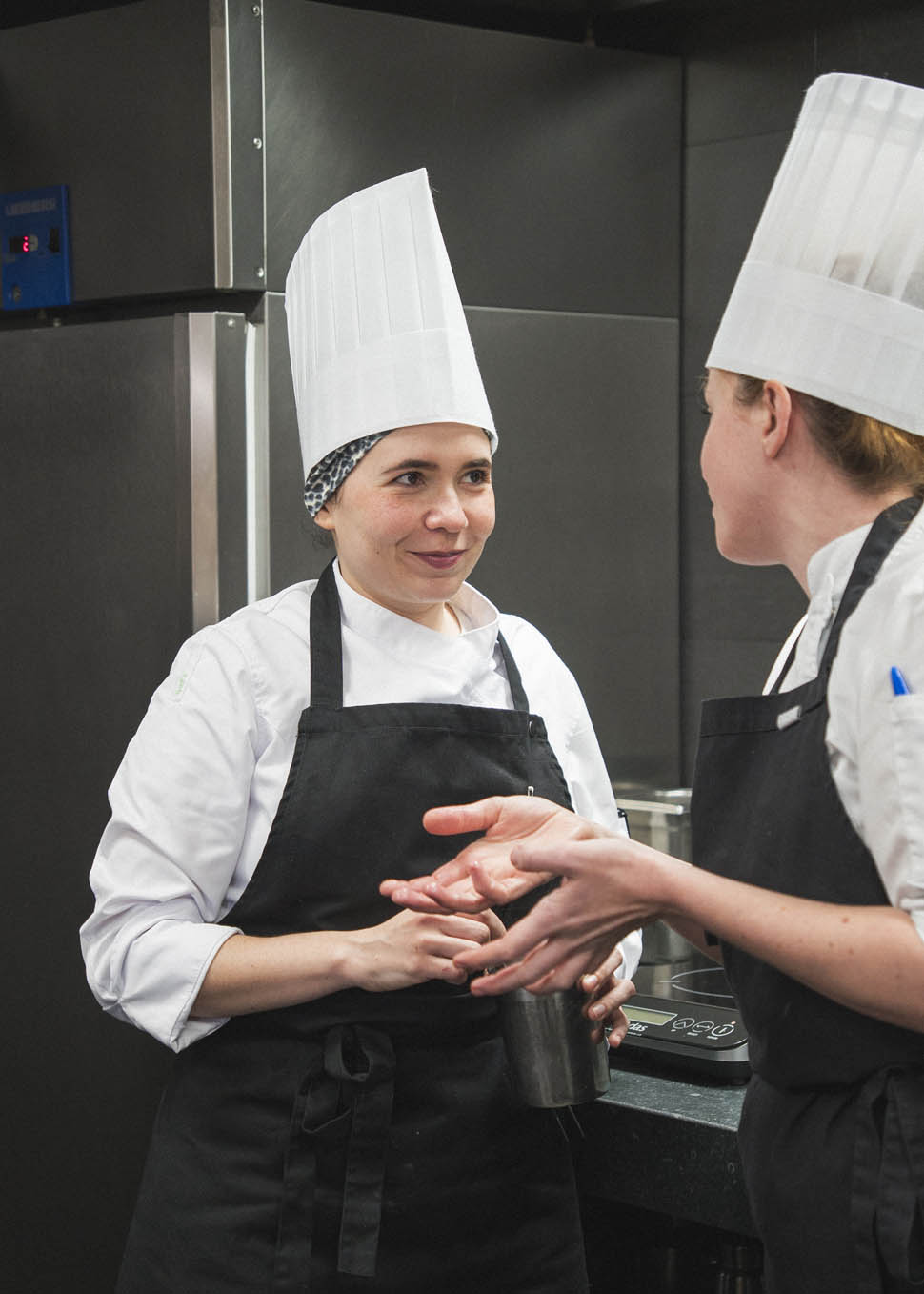
I realized that one of the most important values in the kitchen is humility, because everyone—regardless of their rank or background—can teach you something new: culinary skills aren’t just theory; they develop through ingenuity and experience. Also because every kitchen and every restaurant is a world unto itself, and even if you’re not starting from scratch, there’s an adaptation process that’s different from what you’d experience, say, in an office. Beyond that, I’ve been able to reaffirm my admiration for the women who are making their way in the industry. In every kitchen, regardless of its level, we women face challenges and inequalities at work. From tasks that involve reaching high places or lifting excessive weights to forms of communication that may not be the most assertive: at El Celler, there is a team of young women leading various teams, in the dining room and as interns, who are paving the way for everyone else.
How meaningful was it for you to observe the work of established professionals up close, and in light of this experience, what lessons do you feel you’ve learned about the true meaning of working in fine dining?
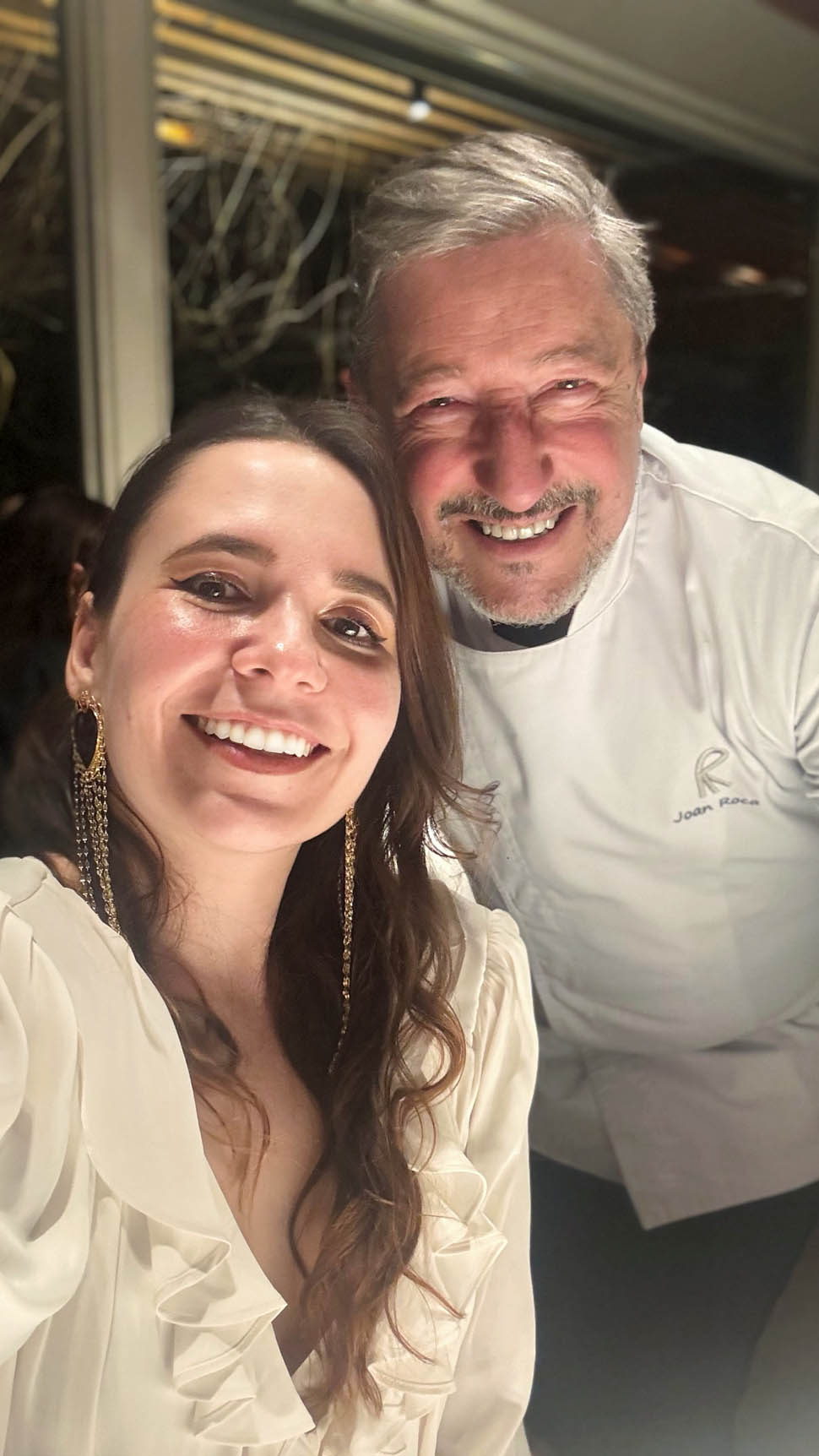
One of the things that surprised me most about El Celler de Can Roca is that the Roca brothers are there every day, greeting every table and taking the time to chat with guests and take photos with those who ask. I think it’s exceptional that after nearly four decades in business and having earned the most prestigious accolades the culinary world has to offer (such as being named the world’s best restaurant on the World’s 50 Best list and receiving three Michelin stars), its founders continue to go to work every day. This demonstrates a work ethic rooted in the respect they have for their customers, as they believe that if someone makes the effort to visit their restaurant—not only because of the cost, but also because it may involve a wait of several months and the trip to Girona—they deserve to be welcomed and served by the founders themselves. I believe that this discipline and respect for customers are not only highly admirable but also represent a key element of their success. And I believe this is a lesson that can be applied in any industry, beyond the culinary world.
Was there a specific incident that helped you gain a new perspective on working in the kitchen?
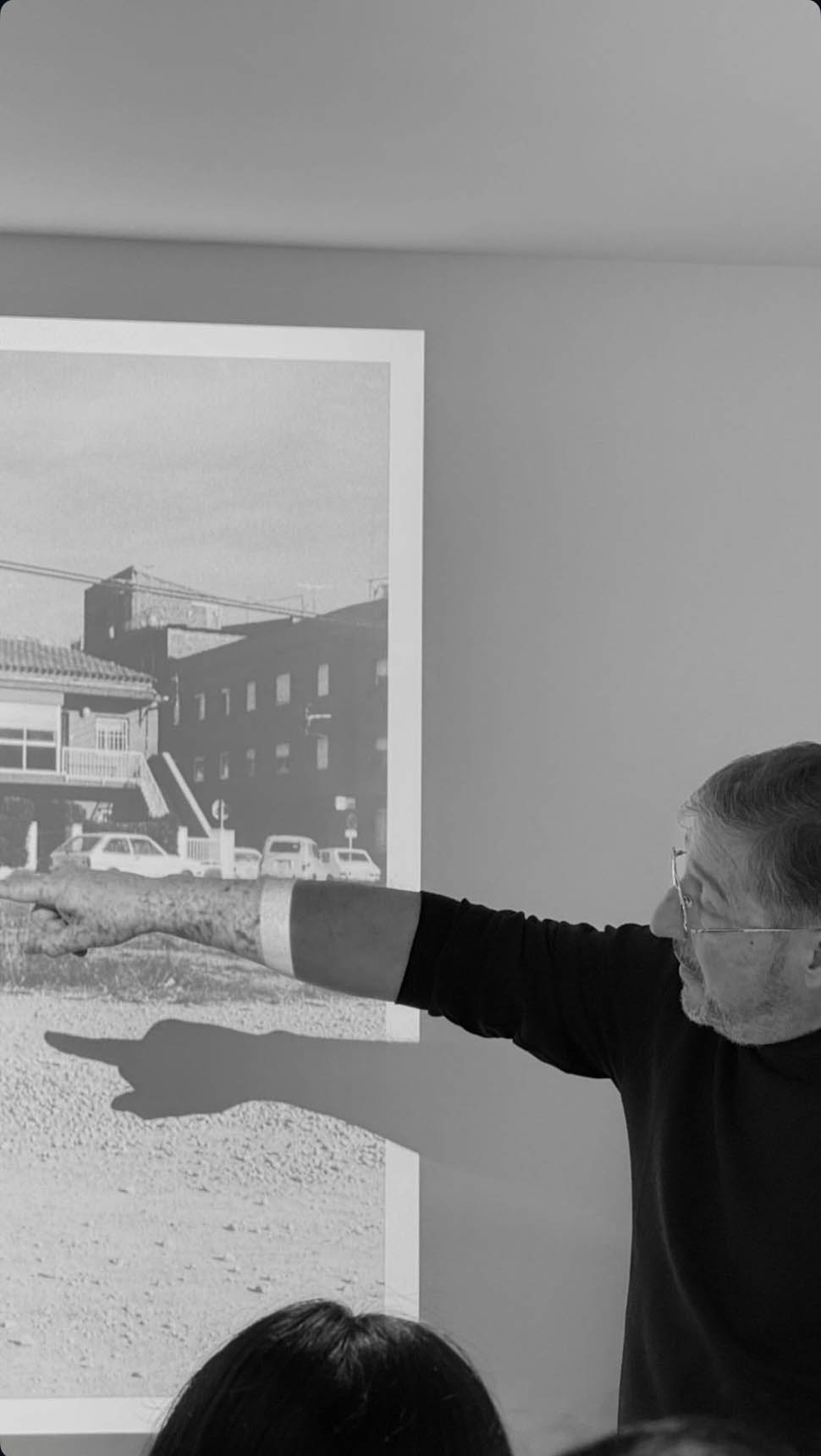
The schedule for regular internships at El Celler includes training opportunities that go beyond daily work. Some are offered by the Roca brothers themselves: I was able to participate in training with Joan Roca on the creative process at El Celler, and he spent much of the time sharing his thoughts on the feasibility of creating different types of businesses in the hospitality sector and their sustainability. The conclusion is that fine-dining restaurants are the most challenging businesses, even in terms of sustainability, and that while it’s certainly not impossible for them to succeed, success depends on many factors that have nothing to do with individual merit. But beyond just listening to him, experiencing firsthand the incredible effort that dozens of people must put in every day to keep a restaurant of that caliber running deepened my admiration for them and made me reflect on my own expectations for the future.
How did the experience you gained during your internship at El Celler de Can Roca influence your approach to using Parmigiano Reggiano in terms of technique, pairings, and showcasing this exceptional product?
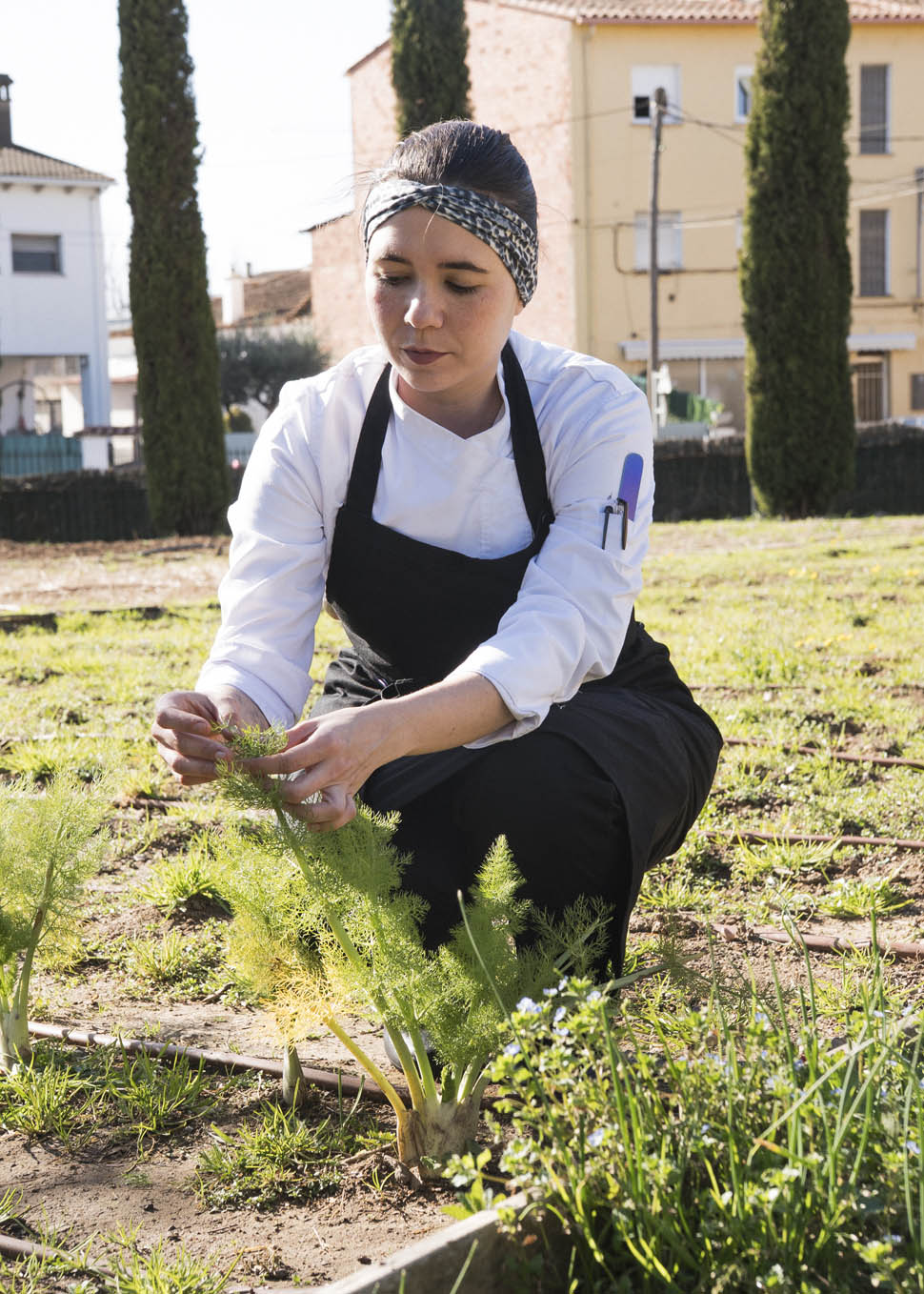
During my time at El Celler de Can Roca, I had the opportunity to observe firsthand the rigor with which products with a Designation of Origin are treated. Although my specific role did not focus on the processing of Parmigiano Reggiano, the experience was crucial in helping me understand the value placed on ingredients in a restaurant of this caliber. Observing how textures are made more complex taught me that highlighting the quality of the ingredient must come first and that technique is necessary to achieve this.
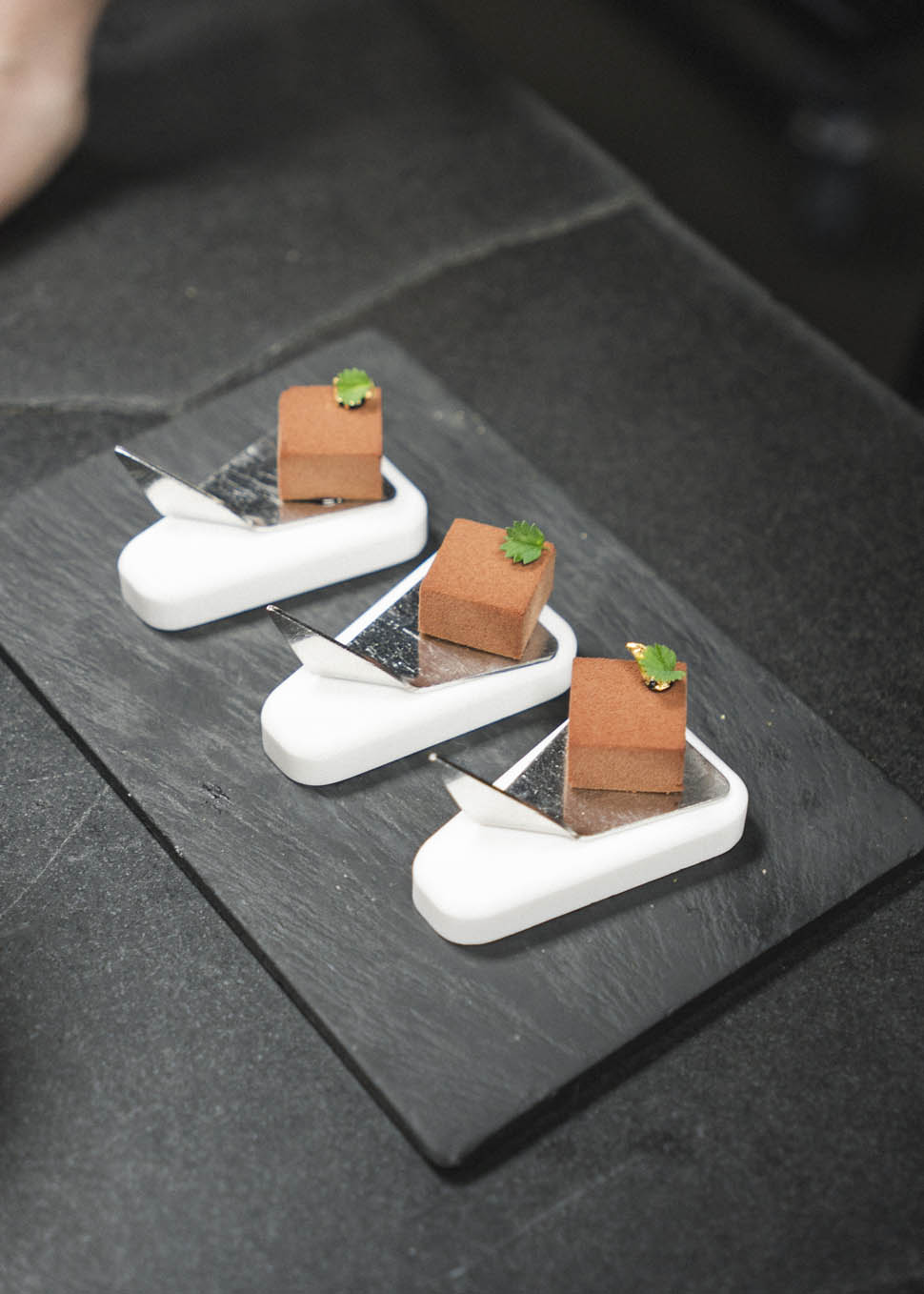
The valuable opportunity to complete an internship at El Celler de Can Roca came your way after winning the prestigious The World’s 50 Best Restaurants 2025 award, an initiative supported by the Parmigiano Reggiano Consortium, the official partner and sponsor of the scholarship. During the award ceremony, you also had the chance to visit a dairy where this Italian delicacy is produced: what memories do you have of that experience, and how did it influence your vision of cooking?
Visiting the production site of Parmigiano Reggiano was a dream come true; the first time I tasted real Parmigiano Reggiano, I was already an adult, and since then I’ve been interested in learning about the production process. I remember seeing on television the very same master cheesemaker I met near Modena. One of the things that struck me most about that experience was discovering how little the process has changed compared to hundreds of years ago, and that those techniques—but above all the respect for the ingredient and the great attention to detail—are what guarantee the excellent quality that sets Parmigiano Reggiano apart. I believe this is the great lesson that, as a chef, I can take away from having had that experience.
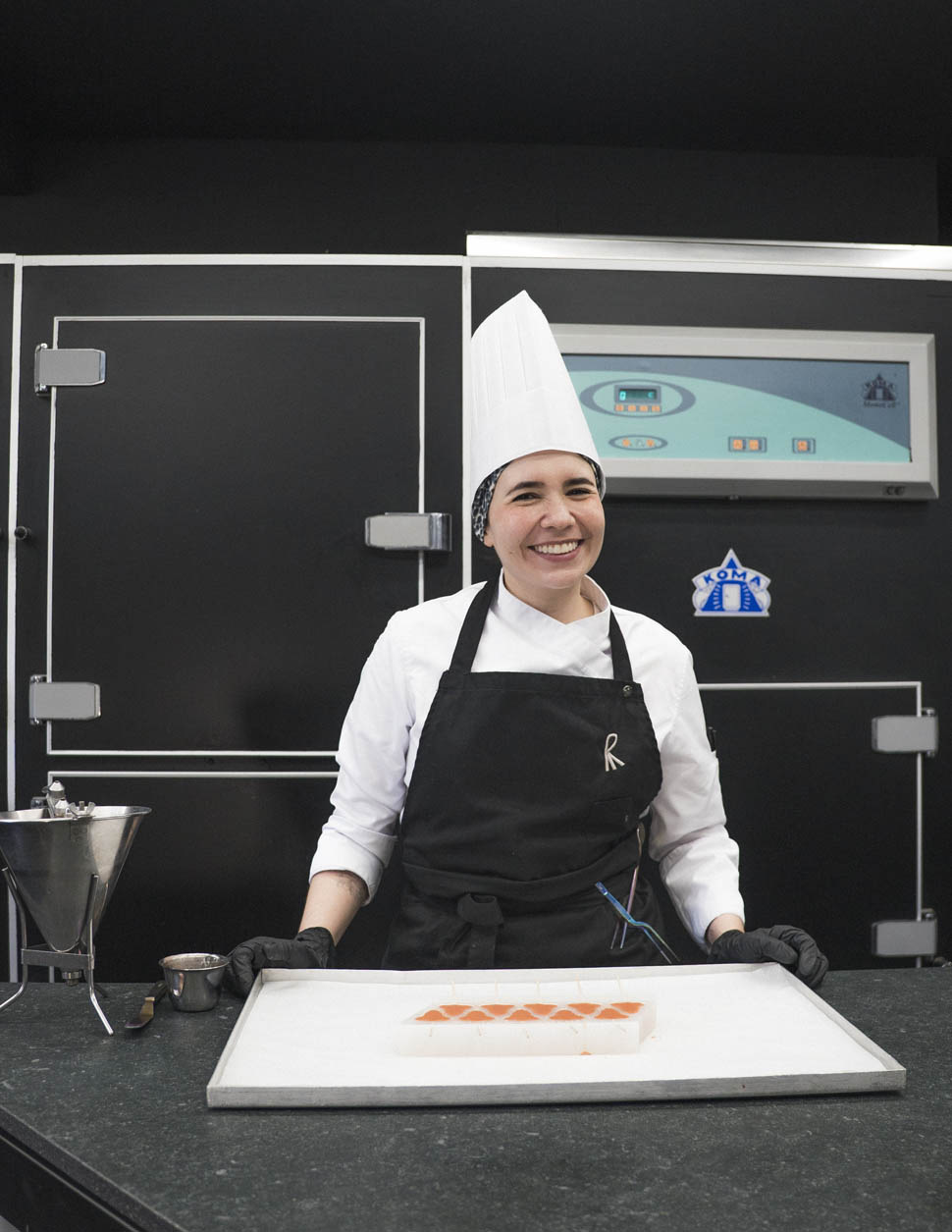
For the competition, you submitted “Parma Sumercé,” a dish that blends your Colombian roots with Italian cuisine, particularly that of Emilia. How do you recall the process of conceiving and preparing this dish? How did you choose to highlight Parmigiano Reggiano in the recipe? Is there any anecdote or behind-the-scenes story related to its creation that you’d like to share?
The underlying goal of the dish I proposed for the competition was to treat Parmigiano Reggiano as a guest of honor in Colombian cuisine, creating a dialogue with it without feeling out of place. I thought of the cuisine of Boyacá, a region with one of the country’s largest dairy productions and the only one with a DOC cheese, Paipa. In 2024, I had the opportunity to participate in research on the traditional cuisines of Boyacá, learning firsthand many of their traditional techniques and preparations. I wanted Parmigiano Reggiano to be more than just an ingredient on the plate; I wanted it to serve as the linchpin for transforming other elements of the dish, such as the egg yolk and the guarapo: in the first case, it was the driving force behind the aging process; in the second, behind the fermentation. Furthermore, with the aim of promoting “scrap cuisine,” the main element of the dish, the Boyacá arepa, was prepared using the outer rind of Parmigiano Reggiano. “Parma Sumercé” is also a tribute to the Colombian tradition of having a snack: the merenda. Usually, this “snack” consists of an amasijo, traditional bread, and arepas—small flatbreads made from corn flour—accompanied by cheese and hot beverages such as hot chocolate or coffee. A tradition that could be compared to the aperitif in Italy and in which Parmigiano Reggiano could very well take center stage.