Hidden behind a curtain at the back of a bar on a main street in Wales, Gwen is a restaurant that surprises right from the start with its size: just three meters wide and seating only eight. Yet it is precisely this compact space that has become the symbol of an extraordinary success story, culminating in the title of Best Restaurant in Wales in the 2025 Harden’s Guide. A result that demonstrates how, even in the restaurant industry, it is not size that determines value, but vision.
From the shadow of Ynyshir to an identity of its own
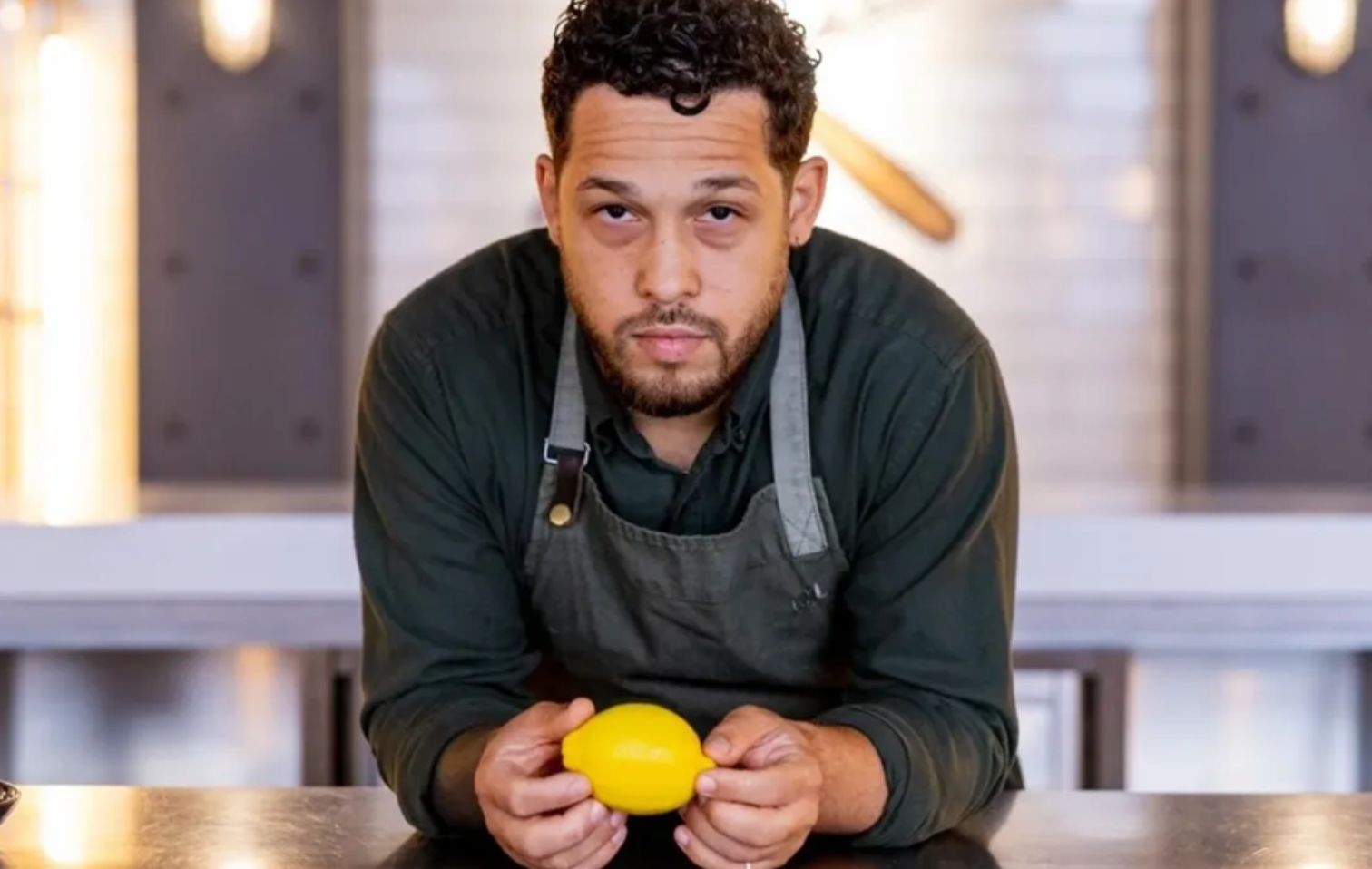
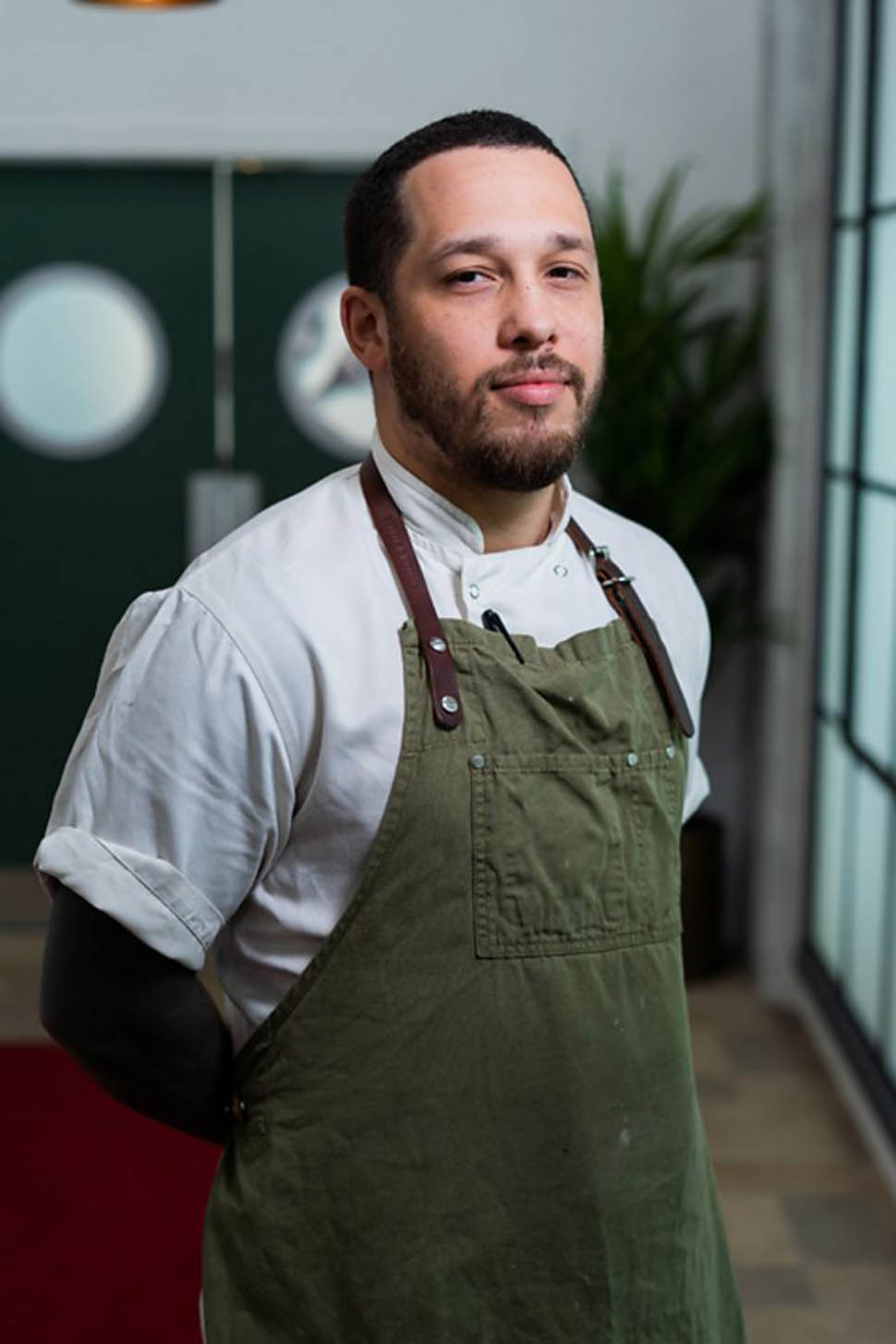
At the helm of the project is Corrin Harrison, a chef with a distinguished background at the Michelin-starred restaurant Ynyshir. After serving as head chef at one of the UK’s most prestigious restaurants, Harrison decided to strike out on her own. “Being the ‘sister’ restaurant to what was once the best in the UK casts a huge shadow”, she tells the BBC’s online publication today. “For me, this recognition represents the first steps out of that shadow.” In short, the award won with Gwen is much more than just an award: it is confirmation that she has built her own identity, managing to emerge from her training period at a two-Michelin-starred establishment and establish an independent vision.
An intimate and unconventional experience
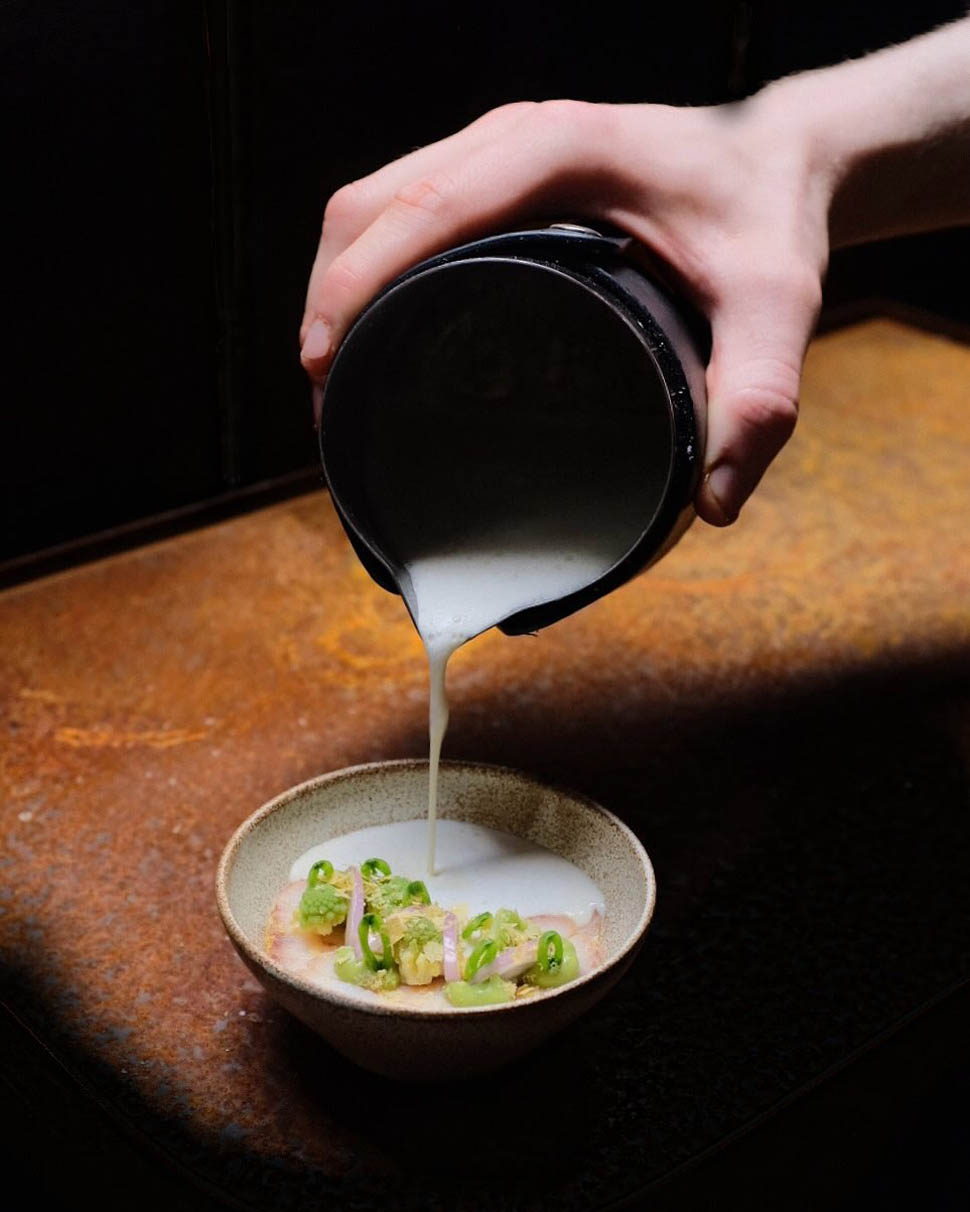
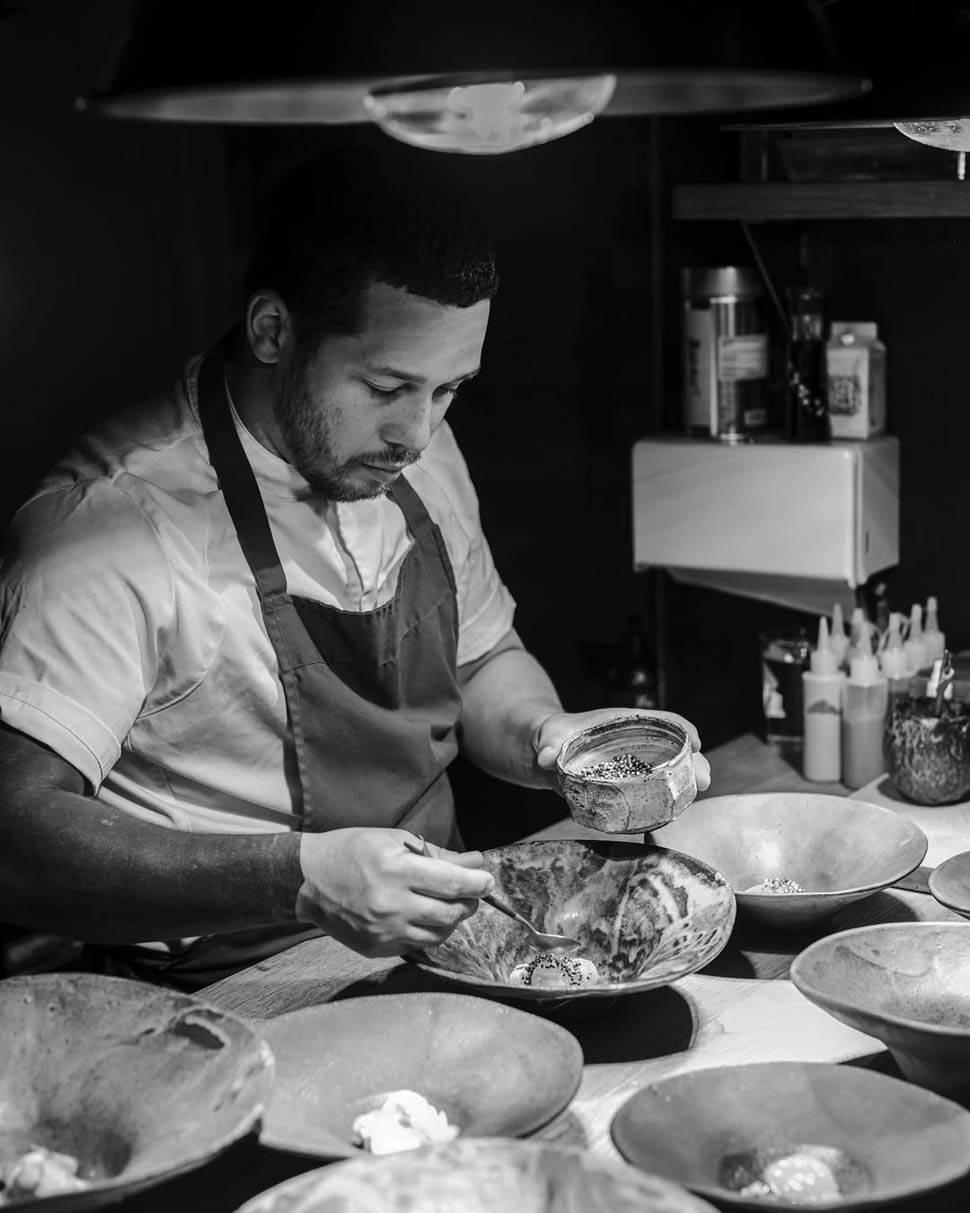
The restaurant is divided into two areas: an informal wine bar at the entrance and, beyond a curtain, an intimate dining room dedicated to fine dining. There are no formalities here. “I want to cook the best food possible, but I don’t like the pretentiousness of three-Michelin-star restaurants”, Harrison says bluntly. An approach that breaks with traditional codes and aims to create a welcoming atmosphere, free from rigidity and barriers. “When I was young, those places intimidated me. It felt like you had to belong to a certain class to be allowed in.” The approach to fine dining also differs in the decision to keep staff to a minimum, as there are only four employees: two brothers in the bar area and Harrison and chef Jamie Henstone in the kitchen. Each is perfectly capable of cooking, serving, clearing tables, and even washing dishes. Too much? Perhaps—the work is intense—but the limited number of guests(a total of 8 seats) and the “family-like” atmosphere have been the restaurant’s success so far.
Shared Tables and New Connections
One of Gwen’s most distinctive features is its use of shared tables. Customers sit together, often next to strangers, creating an experience that goes beyond a simple meal. This approach, initially seen as risky, has proven to be a major strength. Food becomes a common language, capable of fostering spontaneous connections between people. It’s not uncommon for guests who meet by chance to decide to see each other again or even plan trips together.
A cuisine that tells a story
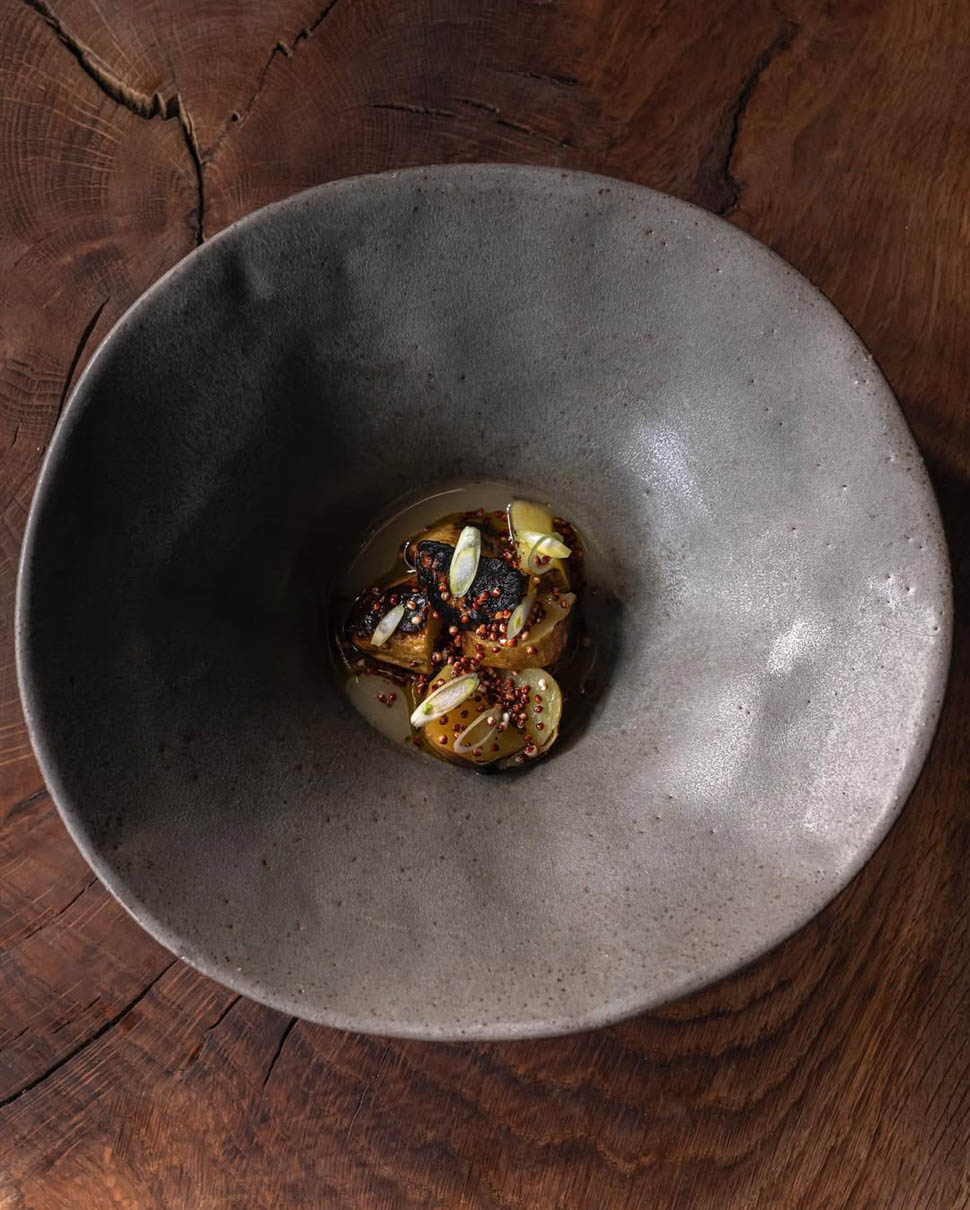
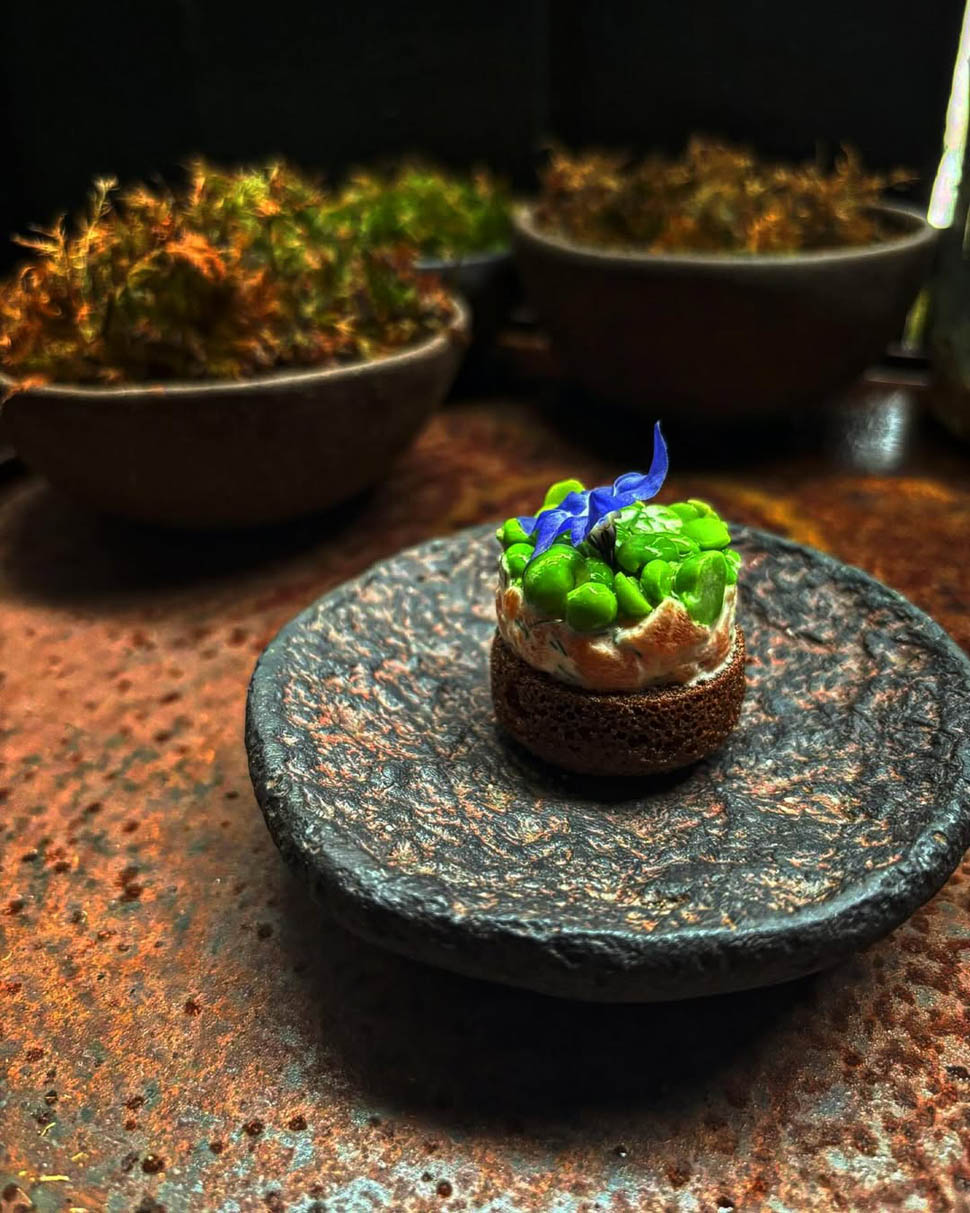
The dishes emerge as a synthesis of experiences and influences, becoming a form of storytelling. “Food should be a chef’s resume: their experiences, their roots, the places where they’ve worked”, says Harrison. The goal is not to impress, but to communicate. “All we want to do is put our ideas on the plate and hope that people understand them. Despite the prestigious award, Harrison maintains a clear-eyed perspective on his work. Awards are not a primary goal, but rather a possible consequence. The true goal remains another: ensuring an authentic and satisfying experience for every guest. A philosophy that centers on quality, hospitality, and the ability to create connections. In a culinary landscape often dominated by appearances, Gwen demonstrates that it is possible to build a successful venture based on simplicity, vision, and authenticity.