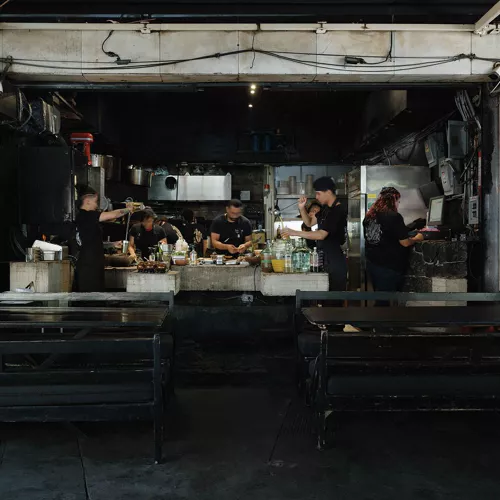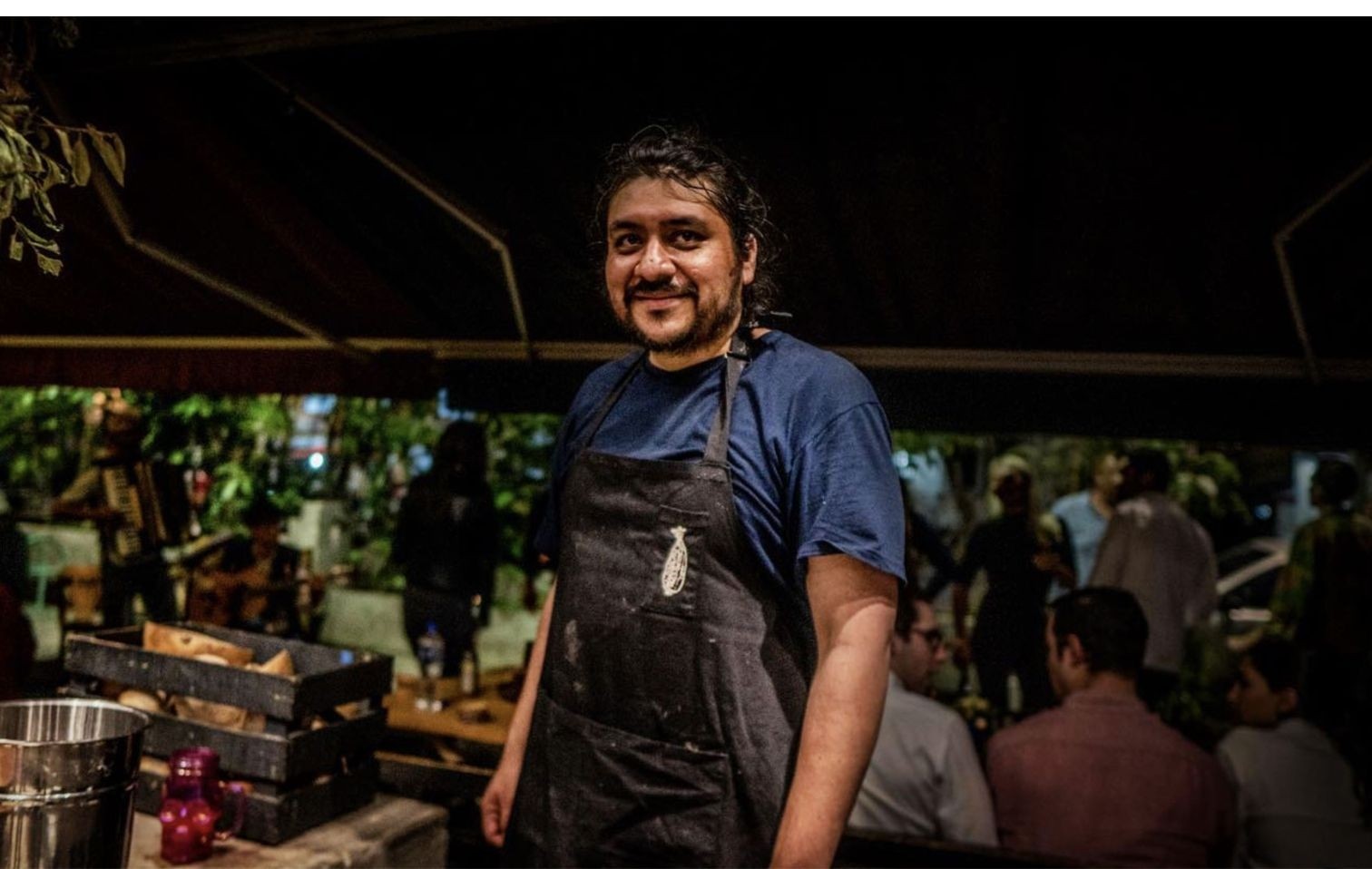
Among the restaurants awarded a MICHELIN star, few offer an experience comparable to that of Expendio de Maíz in Mexico City. Here, there are no reservations or set menus: guests leave their names at the entrance and wait their turn on the street until one of the few shared tables becomes available. Once seated, the ritual always begins the same way with a simple question: “Will you eat everything?” From that moment on, a succession of dishes begins that ends only when the customer decides to stop. An unusual format that breaks the rules of traditional service and transforms lunch into a spontaneous and personal experience.
Cover: Rudolph Castro
The Story
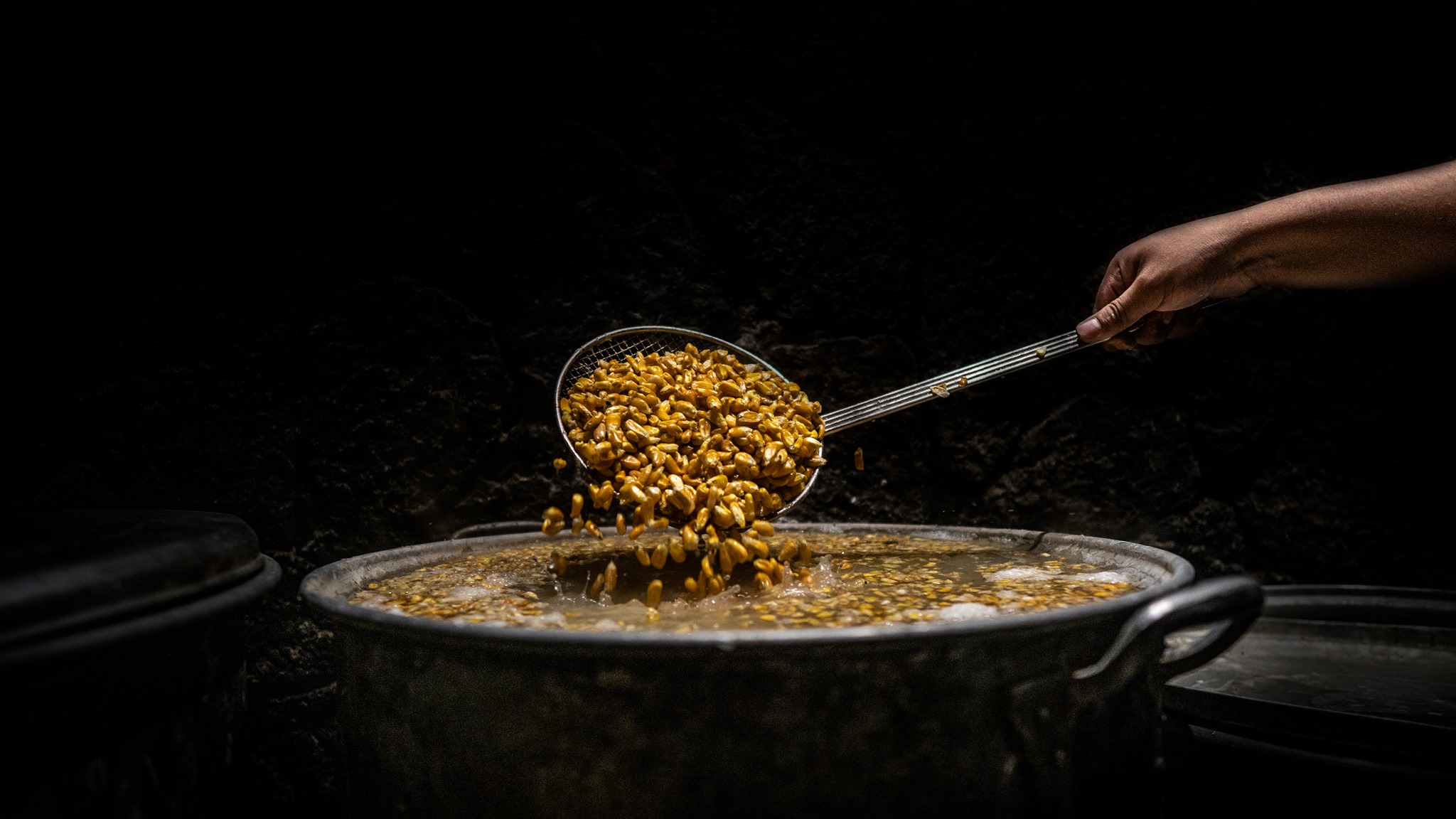
As Michelin itself notes on its website, the restaurant did not start out with the ambition of becoming a culinary destination. Originally, it was a small shop selling masa, the corn dough that forms the basis of much of Mexican cuisine. Its founder, chef Jesús Salas Tornés, personally prepared the corn through the nixtamalization process: the kernels are treated with an alkaline lime solution and then ground to obtain a soft, fragrant dough. For years, the shop simply sold corn by the kilo. Only later, partly to cope with the rising rents in the Roma Norte neighborhood, did Tornés begin inviting passersby to sit down and sample his dishes right in the kitchen. From that idea, a restaurant was born that is now awarded a MICHELIN Star.

Corn Takes Center Stage
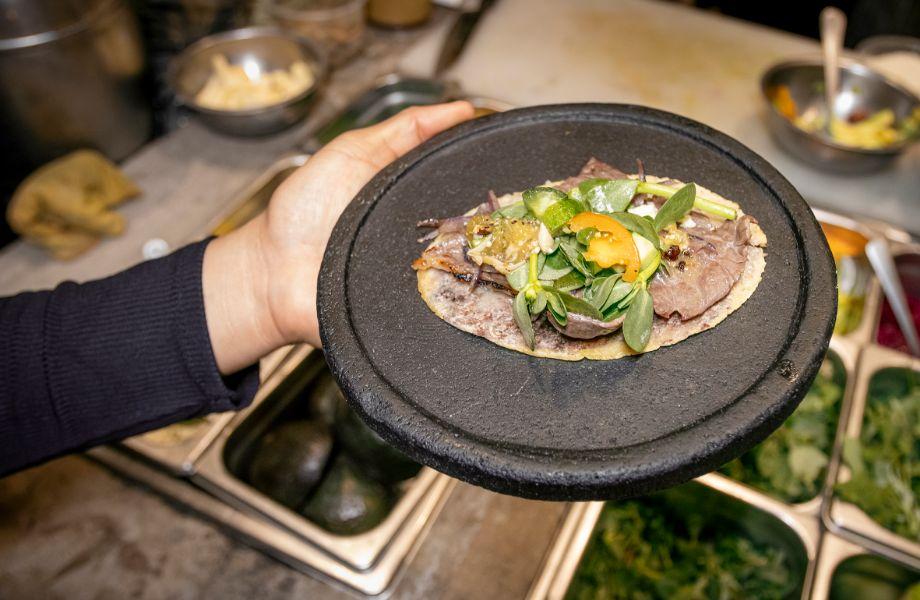
Even today, masa remains at the heart of the Expendio de Maíz dining experience. In every course, it takes on different forms, demonstrating the extraordinary versatility of this ingredient—a symbol of Mexican culture. It can become a chewy huarache topped with beans and thin slices of beef, or a soft tortilla wrapped around a taco filled with peanut mole. On other occasions, it transforms into a jarochita, a thick, golden-brown fried disc served with chili-marinated meat. Each dish tells a different story of how to respect and celebrate corn, an ingredient that for Tornés represents not only food but also a defining element of identity.
A network of producers and regions
Behind the ever-evolving menu lies a close-knit network of local producers with whom the chef has been collaborating for over twenty years. Breeders of traditional breeds, wild mushroom foragers, and small-scale farmers all contribute to sourcing the ingredients for the dishes. Tornés regularly visits the countryside to meet his suppliers and strengthen these ties, convinced that cooking cannot be separated from an understanding of the people and regions where the ingredients come from. “I get involved as a member of the community and the family,” says the chef.
Personal Memories and Cultural Identity
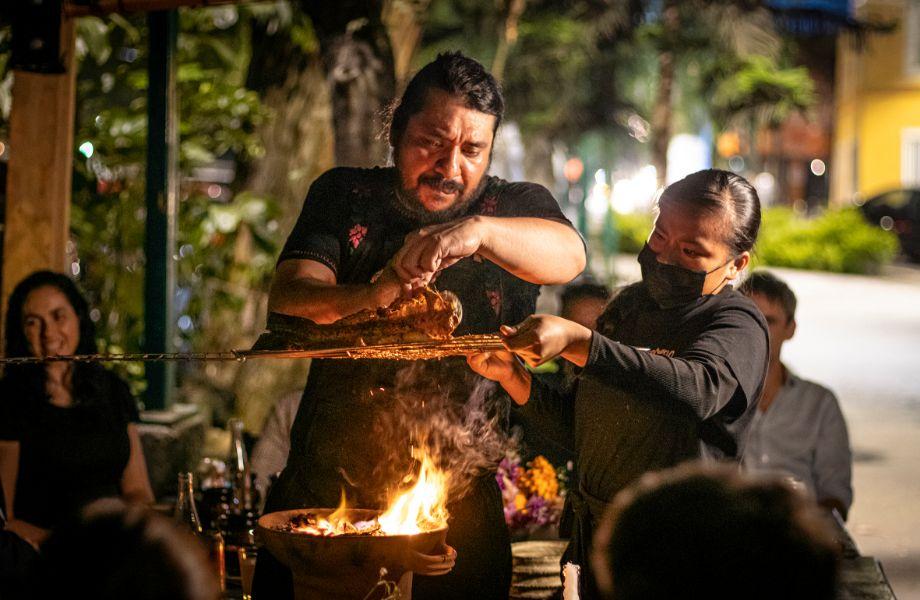
Many of the dishes served at the restaurant bear traces of Tornés’s personal history. The chef spent much of his childhood in Costa Chica, a region on Mexico’s Pacific coast known for its significant Afro-Mestizo communities. This cultural heritage is evident in various dishes, such as an enchilada that combines an Afro-Mestizo sauce with a traditional recipe from the Gulf Coast Maya. The dessert also has a strong emotional component: a sandwich made of sweet nixtamalized cornbread and thick cream that Tornés describes as a memory from his childhood. It is served with a drizzle of honey and accompanied by a sip of coffee, just as his grandmother used to make it.
A cuisine that tells the story of Mexico
For Tornés, cooking isn’t just about evoking personal memories; it’s also about telling the culinary history of his country. The chef says he has a sort of mental map that connects historical events, culinary traditions, and ingredients from different regions of Mexico. This interweaving of influences gives rise to a syncretic cuisine, capable of blending cultures and regions into a single gastronomic experience. “I’m obsessed with Mexico,” explains Tornés. “I use culinary and historical moments together to create new dishes.” In this way, every lunch at Expendio de Maíz becomes much more than just a meal: it’s a journey into the culture, memory, and identity of a country where corn remains the most authentic symbol of its culinary tradition.