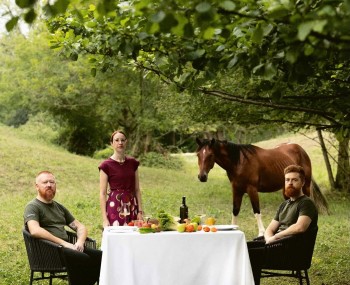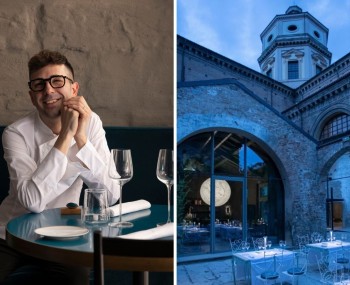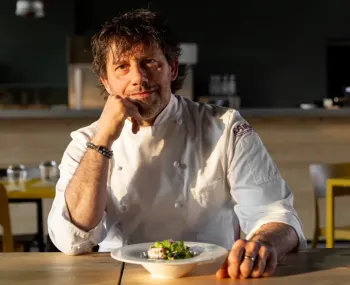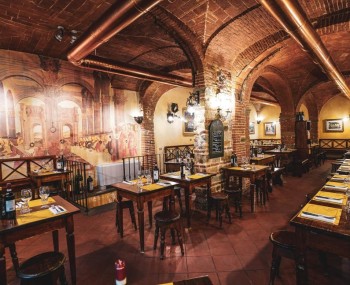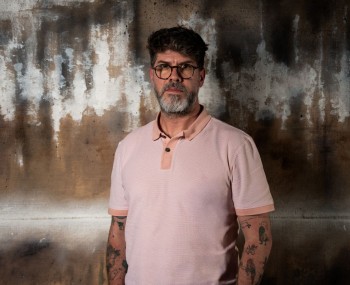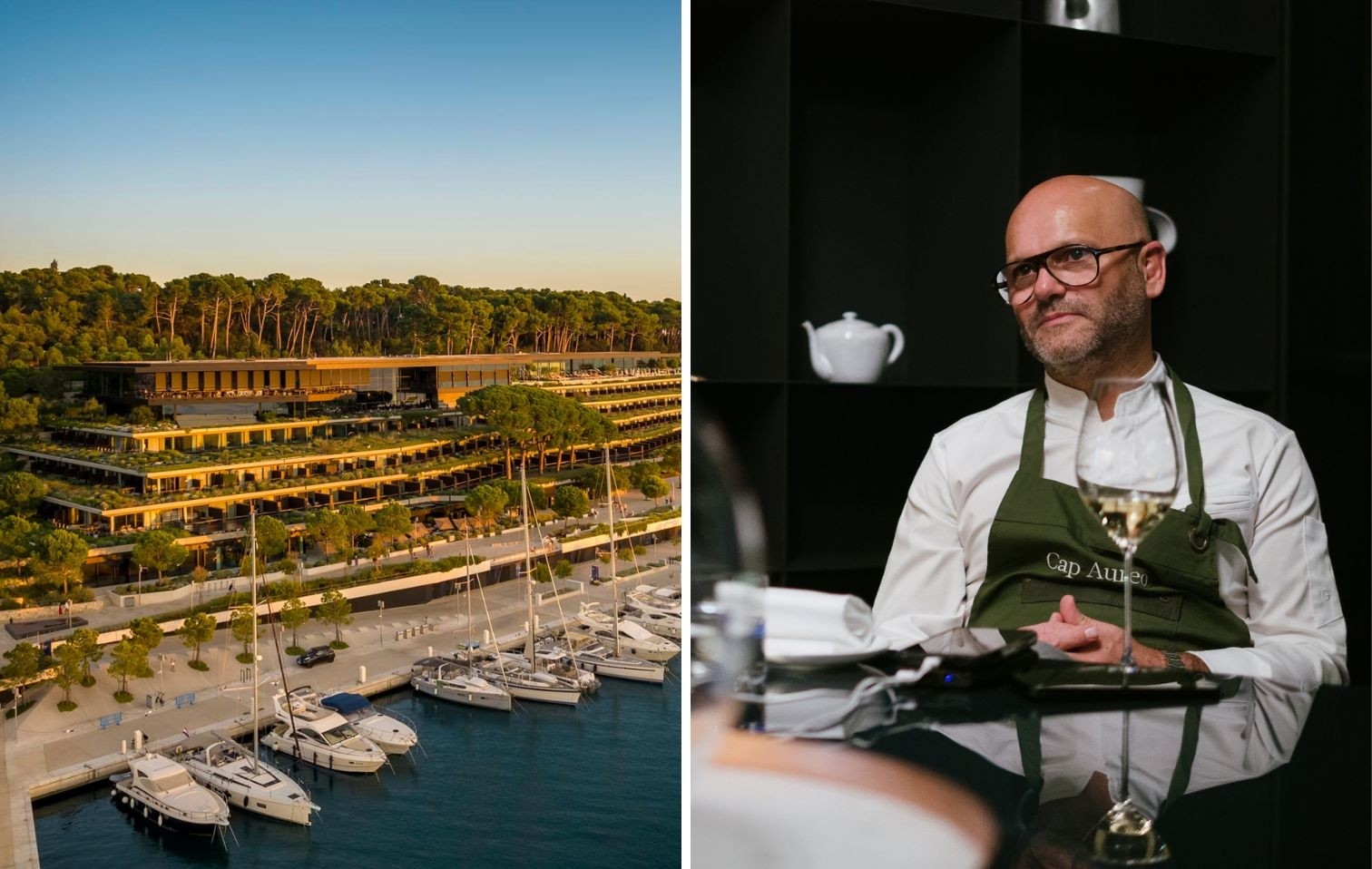
When he arrived in Istria to open his restaurant, Jeffrey Vella decided to settle in a small town of 160 inhabitants about twenty kilometers from Rovinj. Almost everyone there is a farmer or rancher: “After important experiences with Gordon Ramsay, the Alain Ducasse group, and Jean Christophe Novelli, I immediately began to forge relationships with local artisans, and today they have become friends.” These deep bonds are reflected in his Michelin 1-star menu.
Photo by Lorenzo Noccioli
The story
When German industrialist Georg Hütterott arrived in Rovinj at the end of the 19th century, the concept of tourism did not exist, and he realized that the landscape could become a destination. He purchased large portions of land overlooking the Adriatic Sea, between Val di Lone, Montravo, Punta Corrente, and several small islands opposite, and began a reforestation project based on the English garden model, which would change this area of Istria forever.
Cedars of Lebanon, ginkgo biloba, and eucalyptus trees imported during his travels populated, and still populate, the Punta Corrente park, which became a protected natural heritage site in 1961. Hütterott owned sailing ships and yachts with which he organized arrivals by sea and excursions; sailing was as much a part of the experience as the stay on land. All this helped to put Rovinj on the tourist map of Austro-Hungarian aristocrats and businessmen, who were offered hospitality focused on health—there were even plans to build a sanatorium—and widespread well-being, anticipating the idea of contemporary tourism.
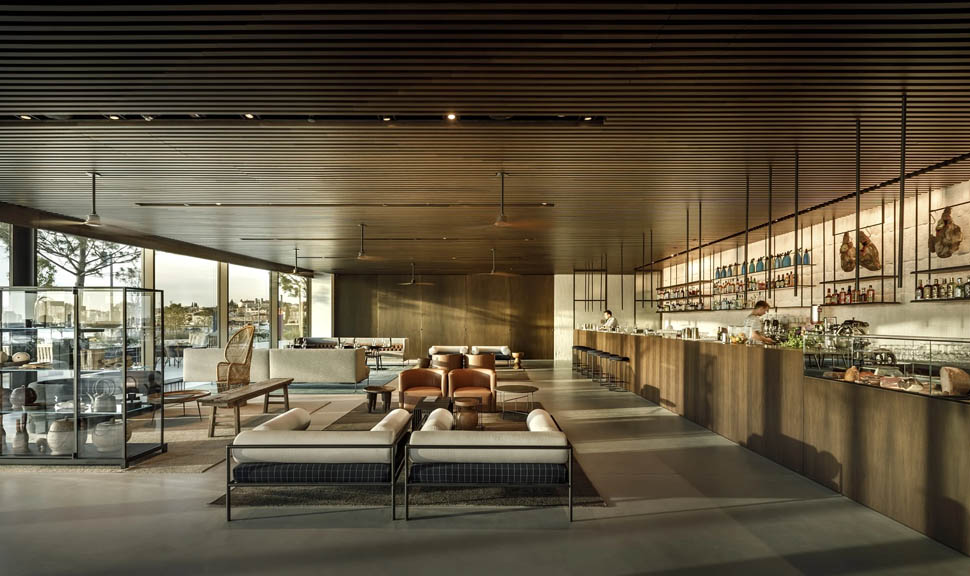
Strolling along the paths that wind through the 140 hectares of forest, with its coves, expanses of meadows, and cliffs overlooking the crystal-clear blue-green sea, you can still breathe in that maritime Belle Époque allure that enchanted Hütterott more than 130 years ago. Today, this charm is complemented by the modernity of the newly refurbished seafront, with its boutiques, cafés, and a few beach establishments, a pedestrian path in stone so white that it blends in with the foam of the waves on days when the rough sea takes over and invades the promenade. A reminder of who is in charge.
The hotel
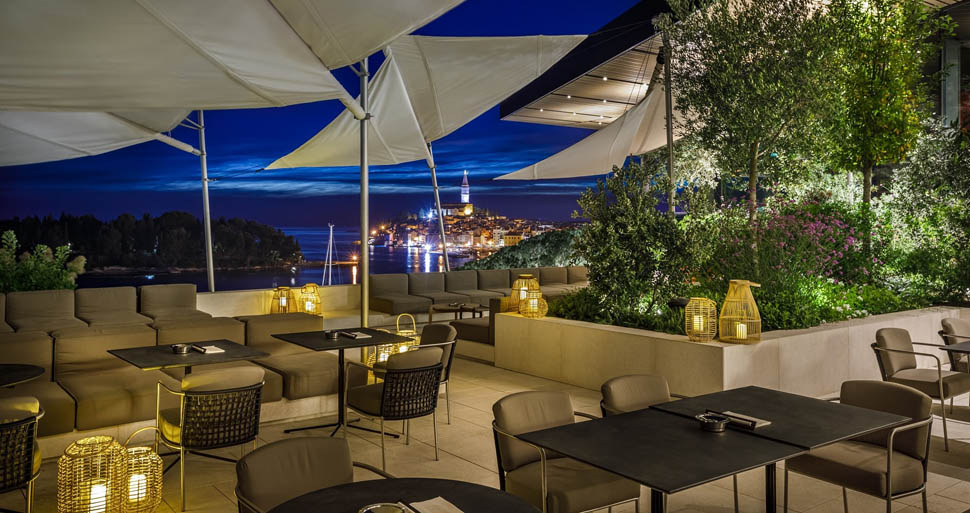
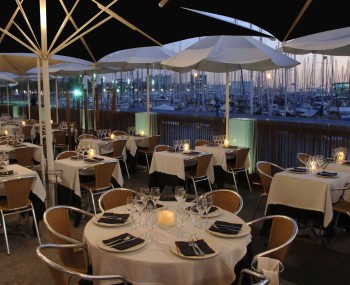
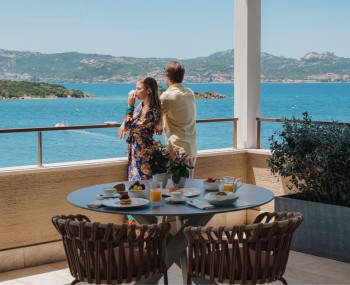
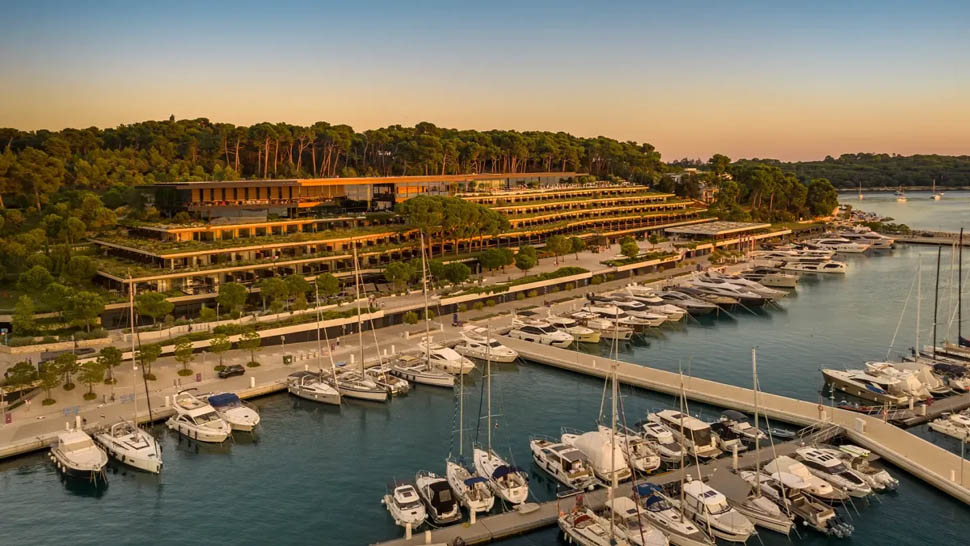
Reaching the furthest point of Punta Corrente, looking towards the city, you can just make out the Grand Park Hotel Rovinj, completely incorporated into the hillside landscape, covered with vegetation to such an extent that it seems to have been built around the five maritime pines that stand in front of it, which have been there for over fifty years. Six floors cascading down the slope, eleven suites, about two hundred rooms with infinity whirlpools and the sun setting inside them. The lobby leads to the two-level restaurant, open all day, and the panoramic terrace, with a mesmerizing view of the marina against the backdrop of the village dominated by the church of St. Euphemia.
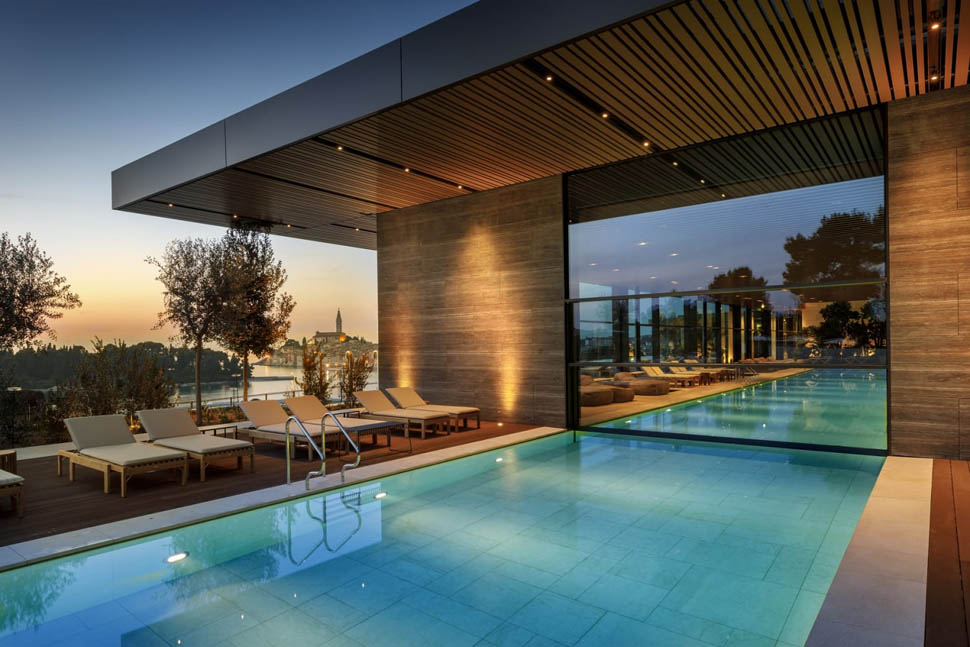
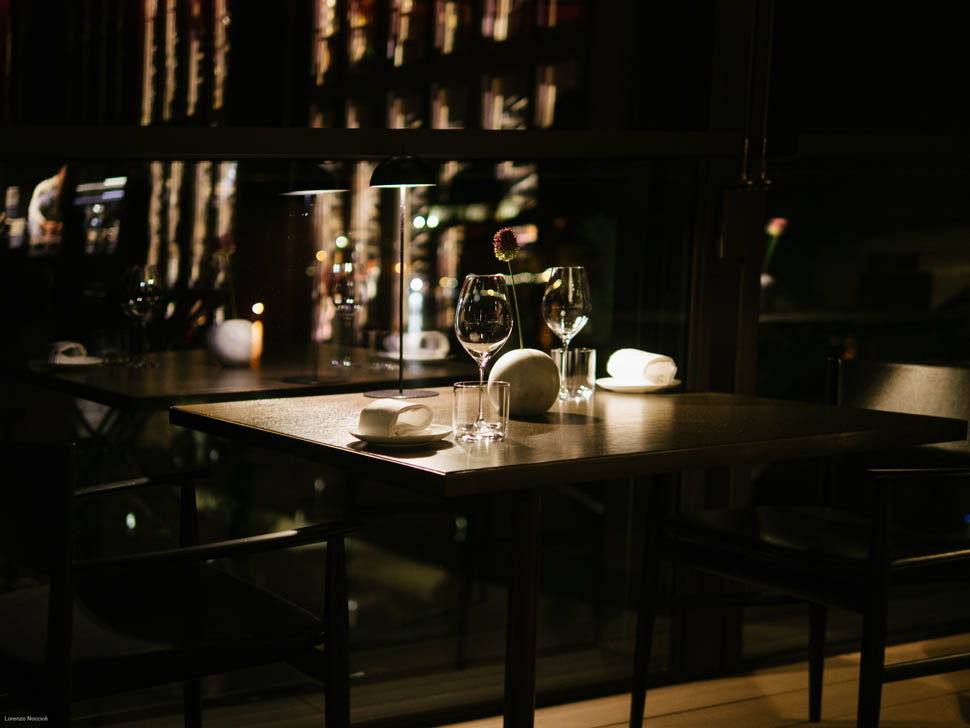
Opened in 2019, it has one of the largest wellness areas in Croatia, three swimming pools overlooking the surrounding woods, is a member of Leading Hotels of the World and Virtuoso, and this year ranked 48th in the World's 50 Best Hotels, the only Croatian hotel in the ranking. The project was designed by the local studio 3LHD in Zagreb, in collaboration with Piero Lissoni, who has imprinted his legendary minimalism and rigorous research into materials and details on the interiors. Such as the electrical control plates, which Lissoni himself has described as the “exclamation point” of interior design, extremely refined. Perhaps placed too close together, the one for turning on the lights in the room and the other, identical, activating the “do not disturb” light outside the door. A proximity that has probably generated an amusing epidemic of privacy requests, as evidenced by the numerous light signals scattered along the hotel corridors.
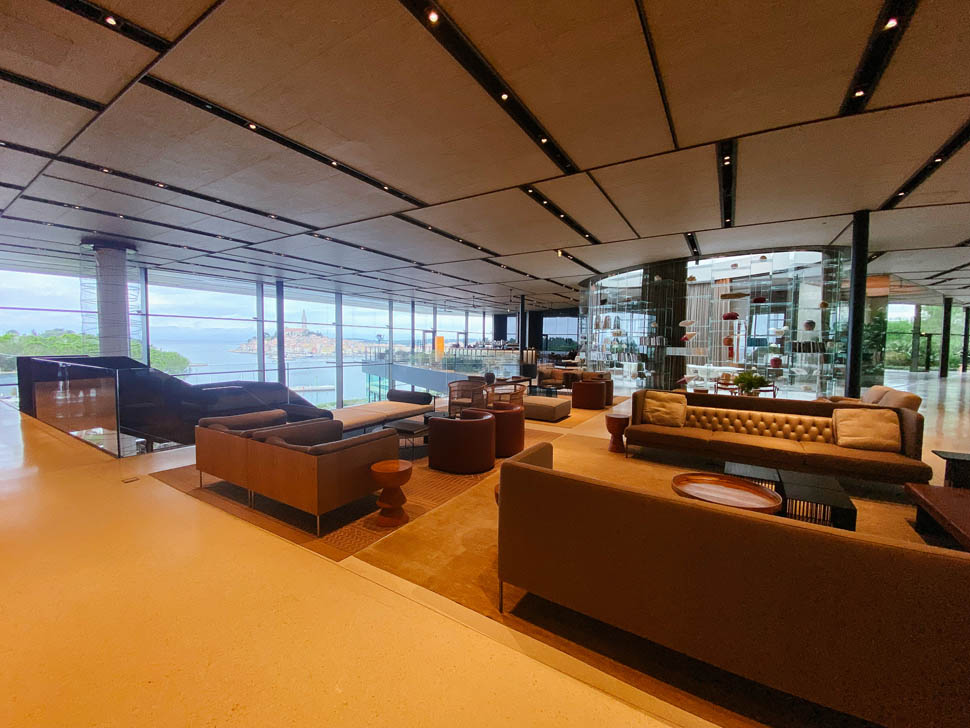
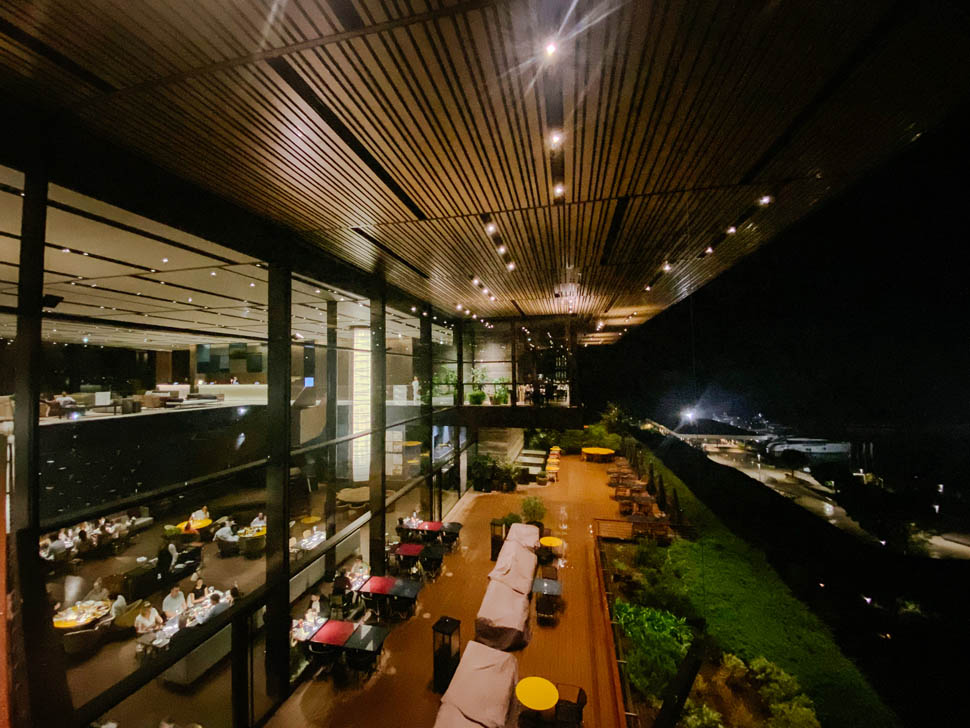
The Grand Park Hotel is the flagship of the Maistra Collection group, which seems to have metaphorically taken over from Hütterott, continuing with the same dedication to this part of Istria. It is one of the most prolific companies in Croatian tourism, with 19 hotels, 11 tourist villages, and facilities affiliated with the major brands Marriott and Hilton. Crowning the gastronomic offer is the two-star restaurant Agli Amici Rovigno, born from a collaboration with the Scarello family. And the Michelin-starred Cap Aureo, owned by Maistra itself, named after the promontory, gilded at sunset by the reflection of the last rays of light filtering through the enormous windows lining the entire perimeter of the restaurant, making it seem almost suspended in front of the sea.
The chef and the restaurant
Upon entering, your gaze is immediately drawn to the completely open kitchen, with the soft movements of ladles and lids in a natural silence, the result of a fluid, non-military rigor, probably due to the personality of Maltese chef Jeffrey Vella, guided by a quiet and calm determination that does not seek attention. This is one of the reasons why, when he arrived in Istria at the opening of the restaurant, he decided to settle in Marussici, a village of 160 inhabitants, about twenty kilometers from Rovinj, almost all of whom are farmers or breeders.
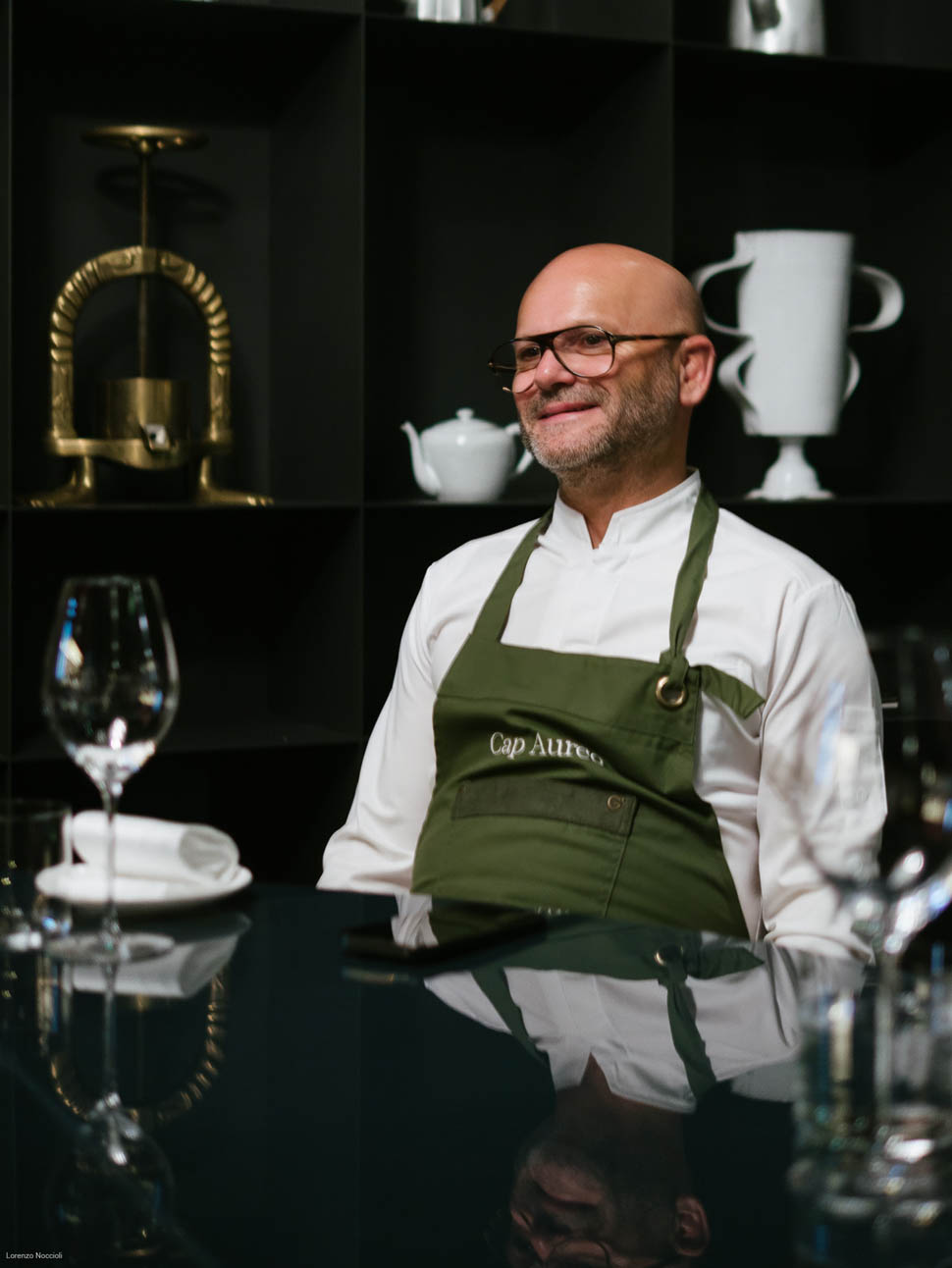
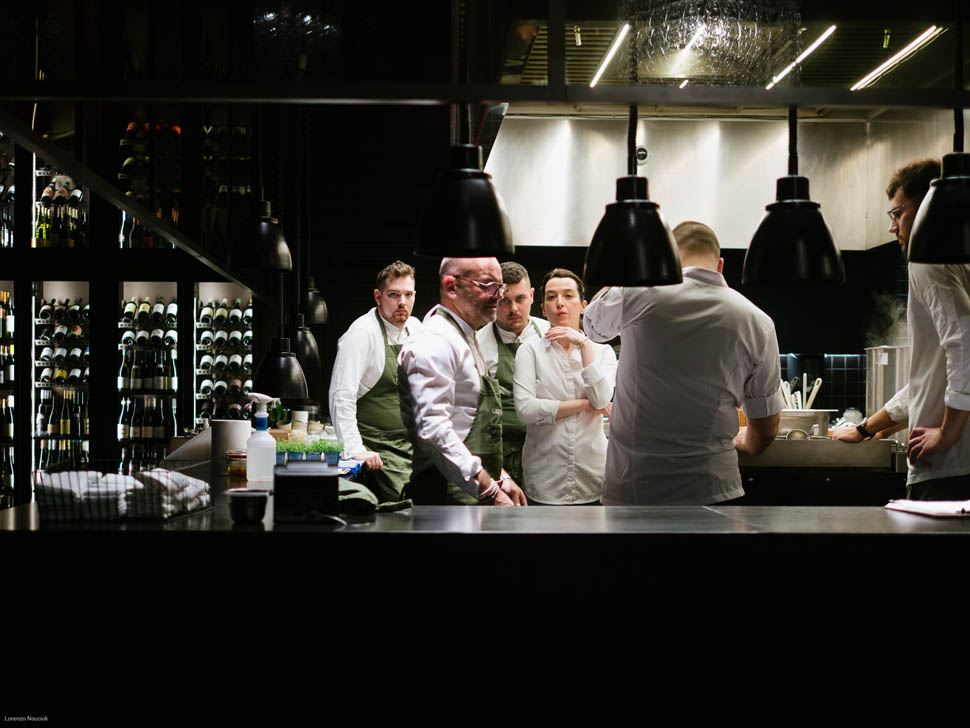
“I have always been passionate about researching products, and my work inevitably starts from there,” Vella tells us. “As soon as I arrived in Istria, after important experiences with Gordon Ramsay, the Alain Ducasse group, and Jean Christophe Novelli, I immediately began to forge relationships with those who work directly with vegetables, cheese, wine, and oil, and today they have become friends.” And it was these friends who accompanied Jeffrey, armed with the sense of hospitality acquired from his hotelier parents, to help us explore Croatian gastronomic culture through direct experience. Starting with Damir Dobravac, who, over a glass of his Malvasia Suita, told us that his family has always been known for the famous Rovinj tomatoes.
After traveling through the wildest landscape, we found ourselves among the pastures of Kumparička, where Aleš Winkler, once a lawyer in Ljubljana, started the most important goat farm in Istria. His 400 goats produce milk that is used to make raw milk cheeses with extremely long aging periods of up to four years. Inevitable when visiting these areas is a tasting of Chiavalon oil. The perseverance of brothers Sandi and Tedi has transformed an early and difficult legacy into an exemplary company. Today, their 40 hectares of olive groves are a model of innovation that exports to 23 countries, evolving beyond the table and now entering the cosmetics industry. Heading back towards Pinguente, at the Prodan estate, truffle hunting has been handed down for three generations. Accompanied by the lively rhythm of Mirko's trained Lagotto Romagnolo dogs, we ventured into the woods in search of the “diamonds of the earth,” only to find their essence in the scrambled eggs prepared by his wife Višnja.
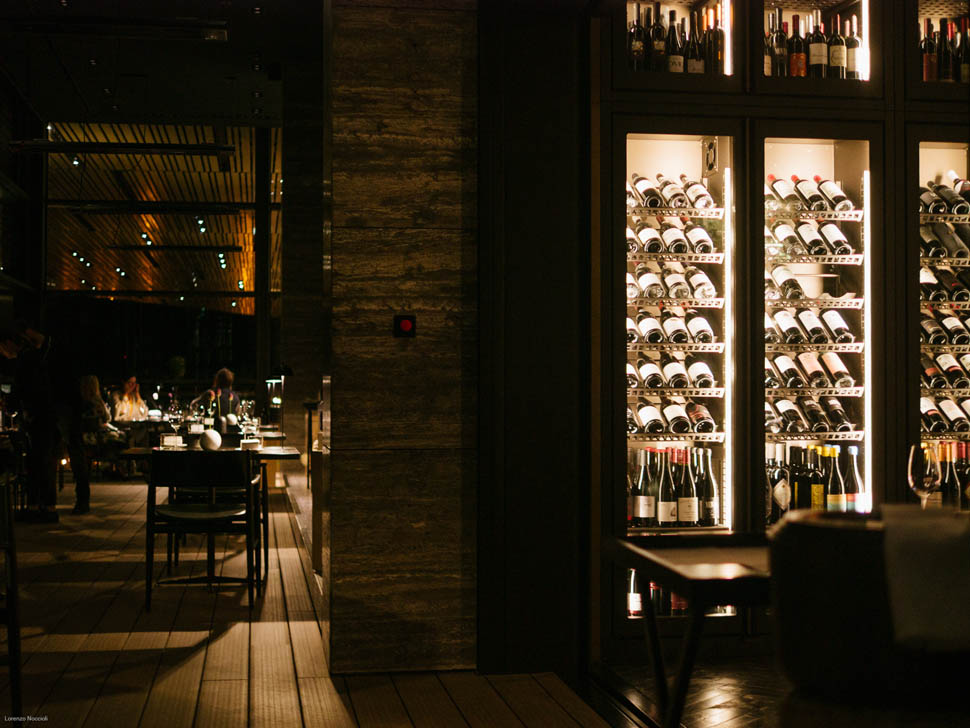
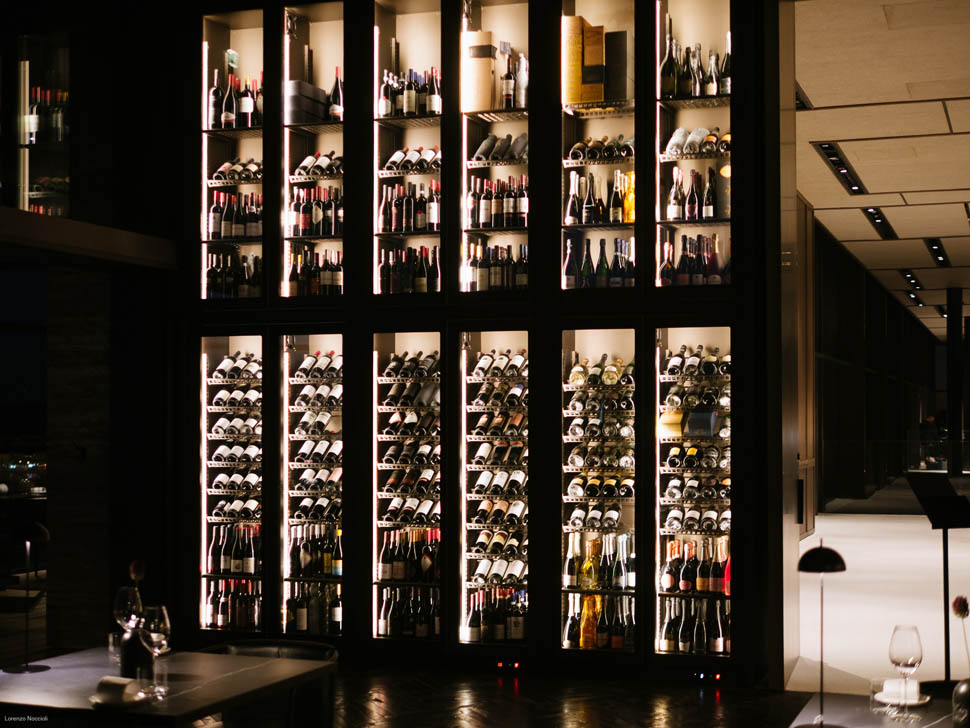
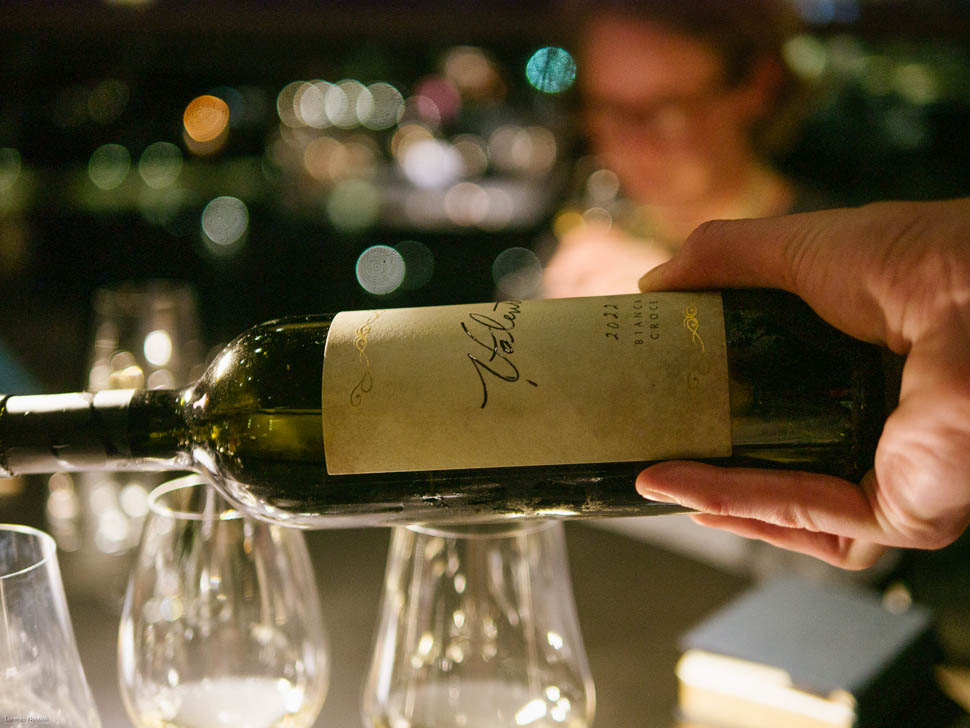
For Jeffrey, cooking is first and foremost an exchange of stories. His menu is a sequence of 20 tales preceded by the arrival of a sort of “logbook” in which guests can jot down their impressions and read the reflections left by those who sat at that table before them. The chef moves naturally between different traditions and approaches. From saor to pissaladière to polenta, he ranges across various cultures, filling them with techniques and ingredients discovered during his travels among Istrian producers. This philosophy is also embraced by expert maître d'Andreas Zilli with his wine pairings.
The dishes
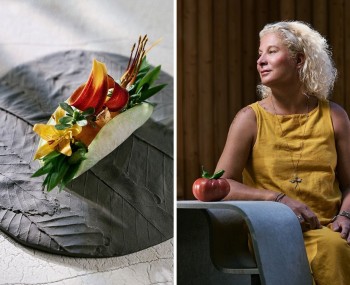
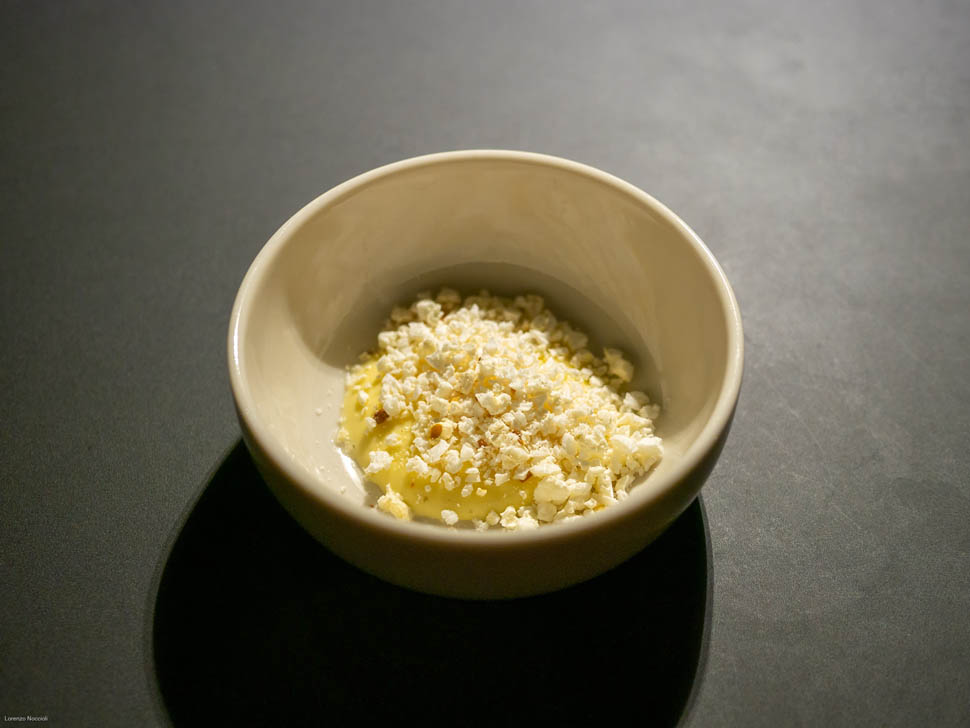
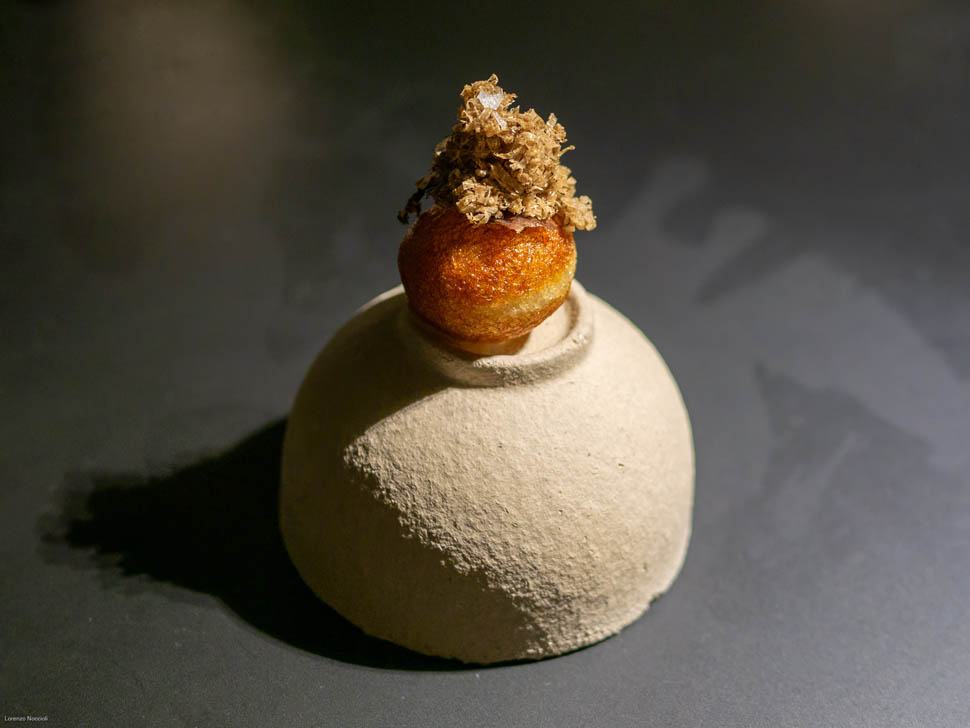
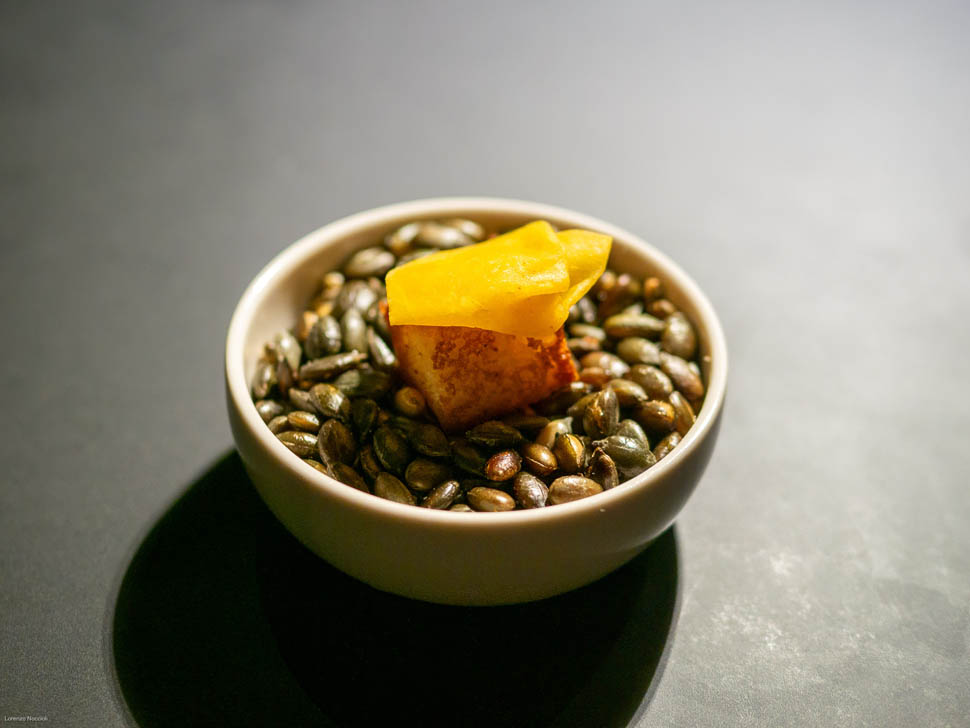
A playful opening, playing on the almost primordial sweetness of a cream of corn soup combined with the crunchy toasted popcorn. A butter brioche is topped with a pumpkin cream and a very thin “sheet” of marinated vegetable, with toasted pumpkin seeds as a backdrop. In the crunchy bonbon, the aroma of fresh truffle meets its fermented version, which is more acidic and ferrous, enhancing its persistence. The atmosphere of nearby Venice spreads with the sardine skewer, marinated according to the lagoon ritual of saor, with charcoal-grilled chard and its bitter and smoky vein, which mixes with the balsamic vinegar of the basil reduction.
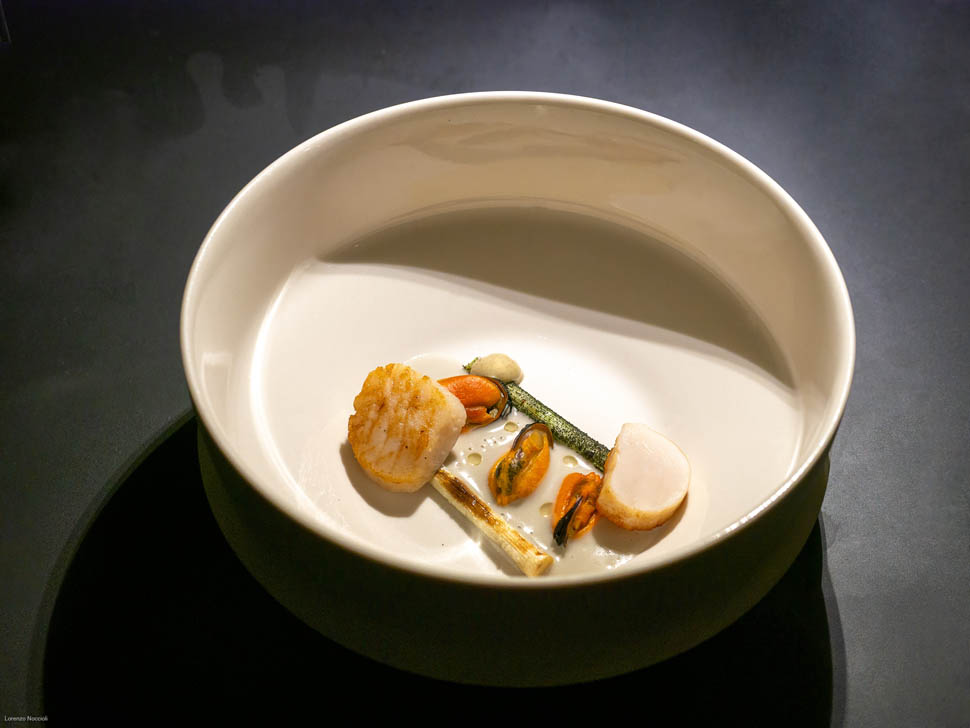
The duck fat brushed onto the scampi during cooking enhances its succulence. The earthy black salsify confit, the tartness of the lemon gel, and the bitterness of the beer and rosehip sauce create a sort of taste tie-dye. Rosehip oil adds a fruity and tannic nuance to the scallops, which, together with the scallops, cooked in their broth, languish in an oyster sauce and the sweetness of leeks.
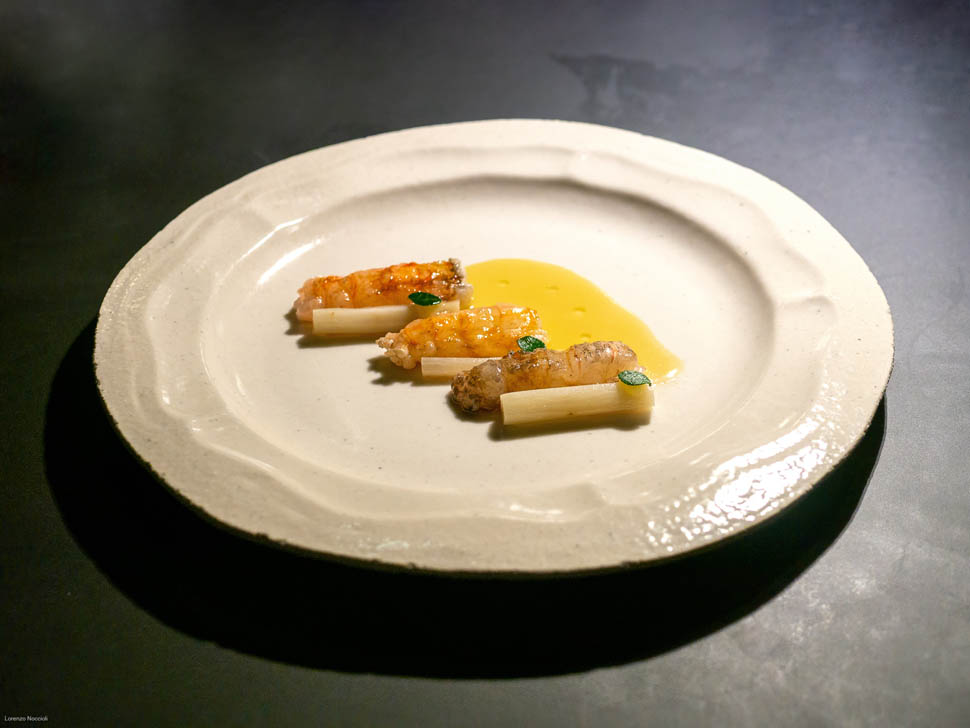
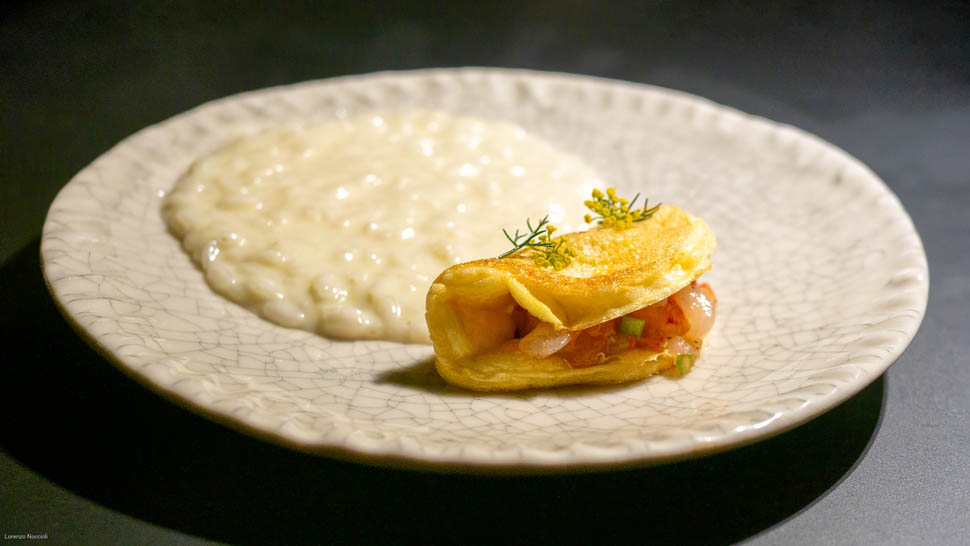
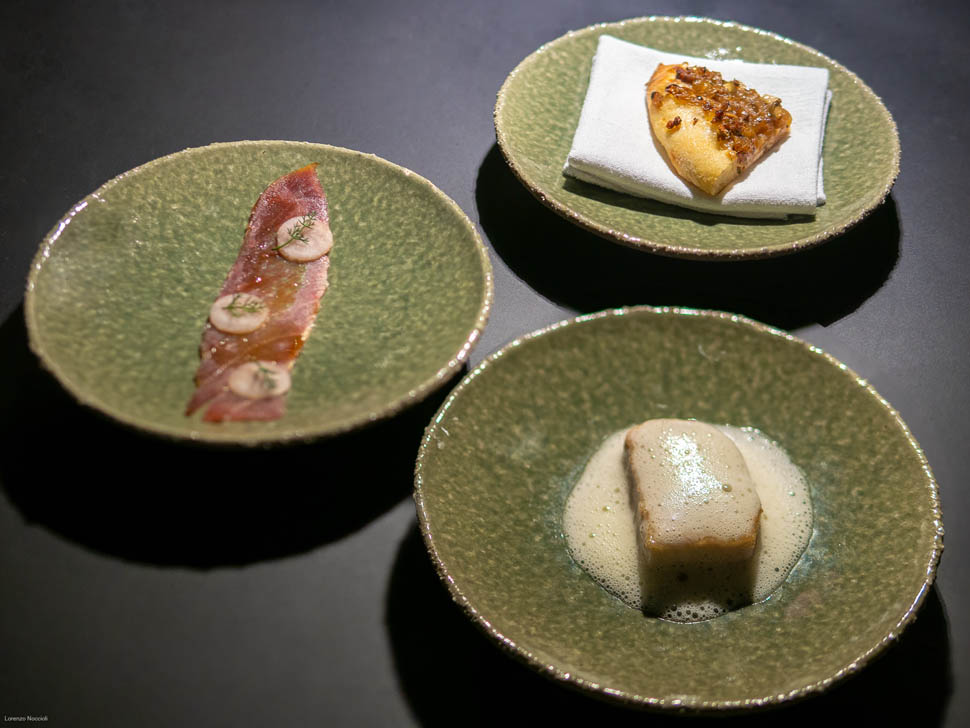
The simplicity of a creamy and comforting white risotto is paired with an unusual accompaniment: an omelet stuffed with red shrimp and fennel sprouts, spreading a fresh aniseed flavor. A triptych of Mediterranean flavors with grilled amberjack wrapped in an orange beurre blanc, smoked tuna ham with fermented radishes to break up the umami wave, and focaccia with olives, onion, and anchovies, a pissaladière with Provençal hints.
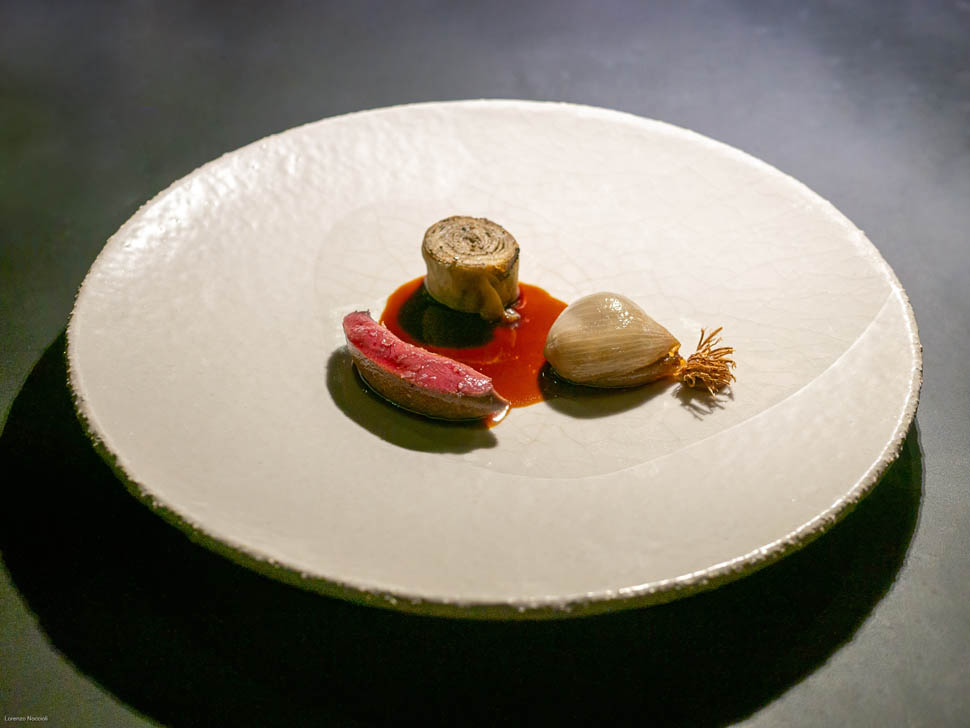
Juicy and intense the pigeon, cooked on the barbecue, glazed with duck fat, accompanied by an apple and truffle Wellington, wrapped in a very thin pastry, the confit thighs enclosed in an onion, then roasted, adding vigor together with the demi-glace.
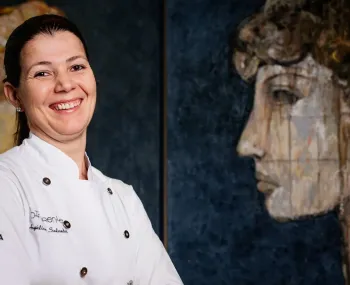
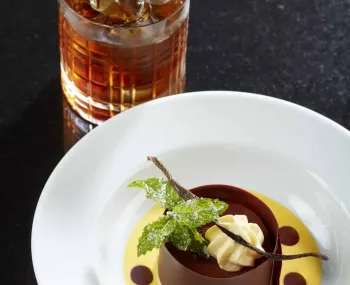
The sweet side is entrusted to Maša Salopek, formerly head pastry chef at Hiša Franko, who finishes with desserts made with confident technique and bold, highly convincing combinations. The black apple. The fruit is left at 60°C for six weeks, like black garlic, developing saturated, almost licorice-like notes. It is made into a sorbet, served on a bed of apple purée, with walnut milk and caramelized kernels, and a small slice of black garlic to remind us of the association of ideas.
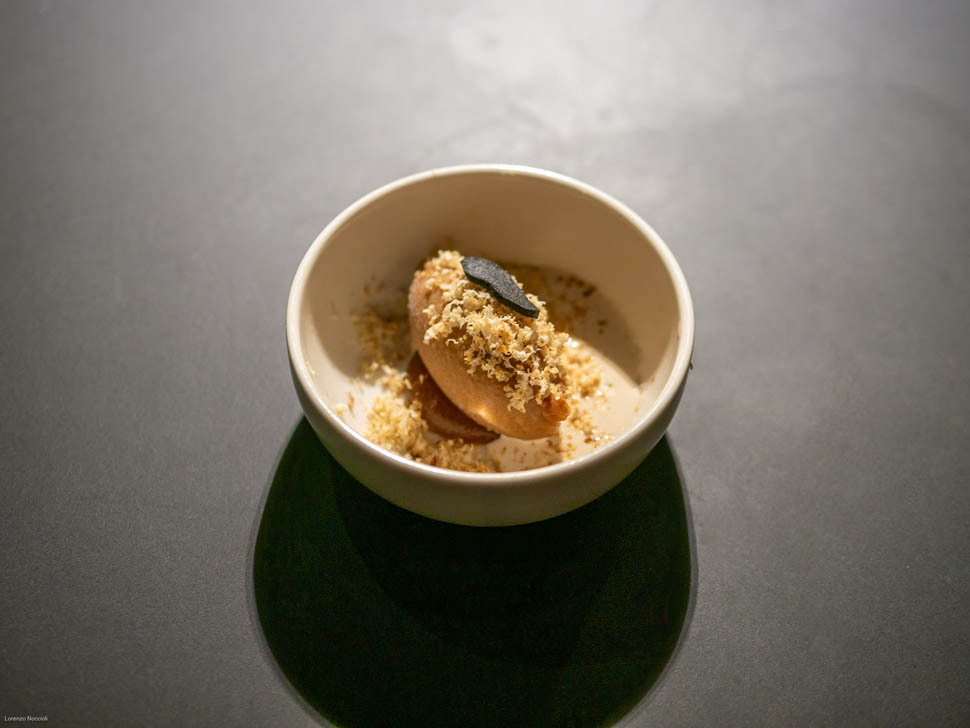
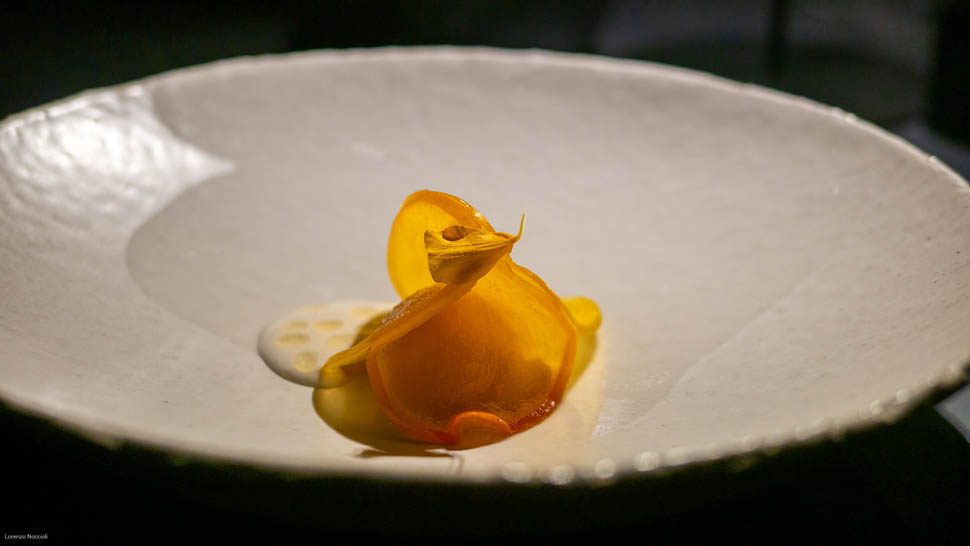
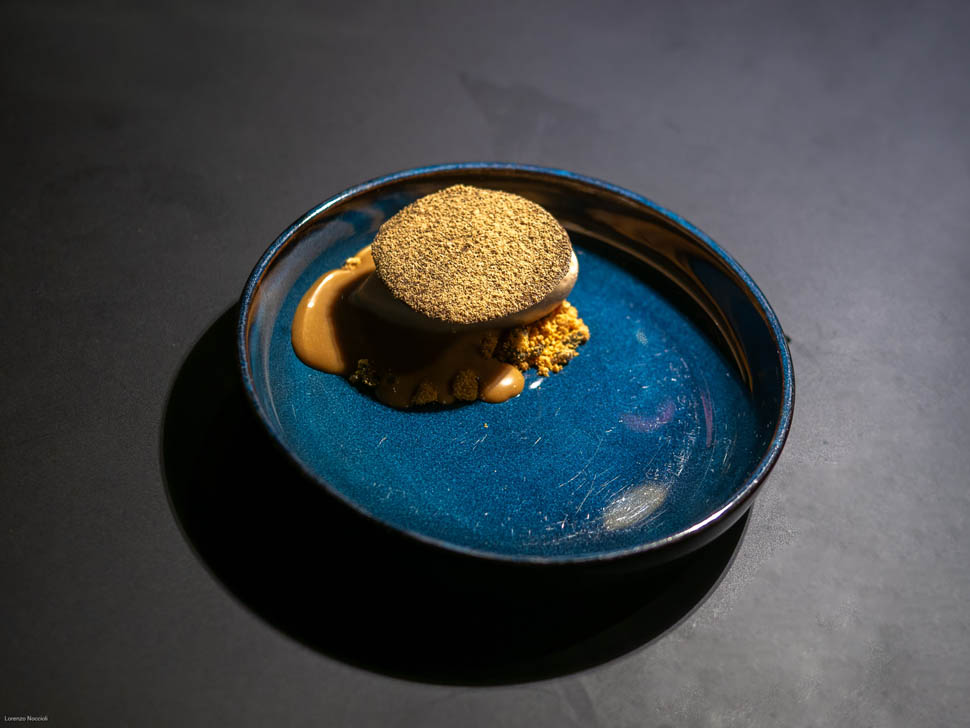
The persimmon apple sorbet is wrapped in slices of persimmon apple in fermented honey osmosis, accompanied by a cream of mandarin peel and albedo and a pine nut milk with drops of rosehip oil. In “Porcini and coffee,” chopped mushrooms, dried in butter and frozen, serve as a base for a coffee sorbet, paired with a milk jam made simply with milk and sugar and a miso dulce de leche. A cookie covered with miso and porcini powder adds a colorful touch to the dish.
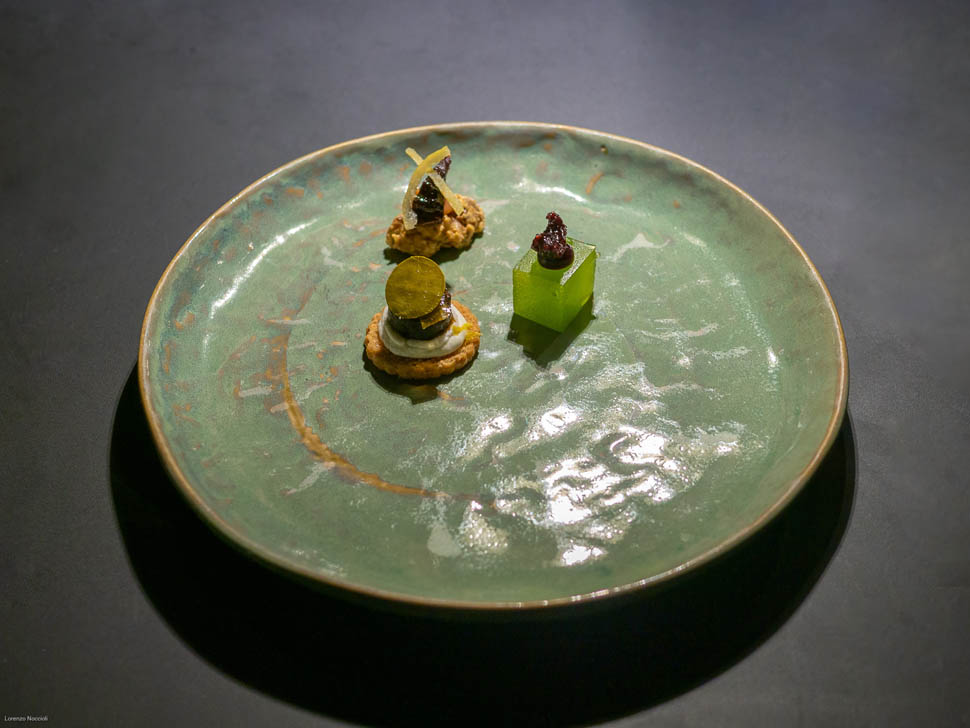
The petits fours are also surprisingly unconventional. Peanut biscuit, labneh, tahini, eggplant caramel, grape leaf, caramelized lemon peel. “Bonita” jelly made from bay leaves and fermented cherries. Caramelized walnut, chocolate, candied quince, quince cream, salted lemon.
Cap Aureo
Grand Park Hotel Rovinj by Maistra Collection
Smareglijeva ulica 1A, 52210, Rovinj, Croazia
Phone: +385 52 642 035