Here in Luče, between the Savinja River and the slopes of Mount Raduha, cooking is not just a job: it is an act that carries within it the energy of mothers, grandmothers, and great-grandmothers, a synthesis of experience, intuition, and care that envelops every dish, every gesture, every detail of the restaurant.
The story
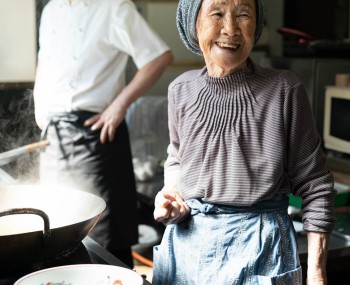
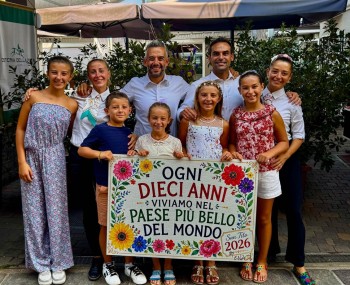
Hospitality takes shape through expert hands and attentive eyes, and each dish becomes a testament to a feminine history that knows how to communicate with the territory and with those who sit at the table, transforming a meal into a ritual capable of evoking emotion. Run by four generations and now welcomed by the fifth, the Breznik family has always had women at the heart of its cuisine: guardians of ancient knowledge, invisible guides who have shaped Martina's talent, who is now able to combine a deep respect for tradition with an attention to the most authentic offerings of the season and the territory.
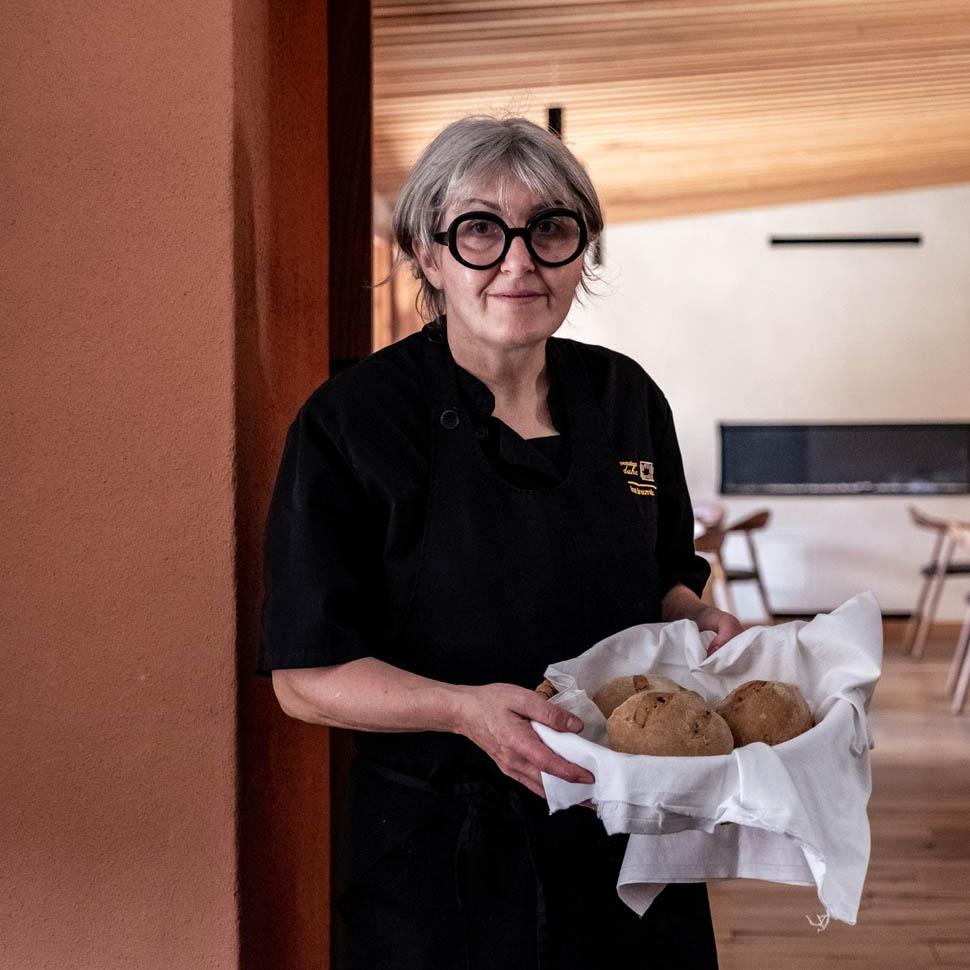
The atmosphere at Hiša Raduha, says the Michelin Guide on its website, is suspended between essential elegance and domestic warmth: six tables, white tablecloths, wood paneling on the walls, and a fireplace lit during the cold months create a perfect balance between intimacy and hospitality. Every object, from the wooden phoenixes carved by Jože Strmčnik to the simple furnishings, contributes to a palpable philosophy of hospitality that speaks of continuity and memory. Martina's passion for architecture and the visual arts, which she cultivates with the same dedication as her cooking, is reflected in the details and in the creation of an experience that combines gastronomy, space, and landscape.
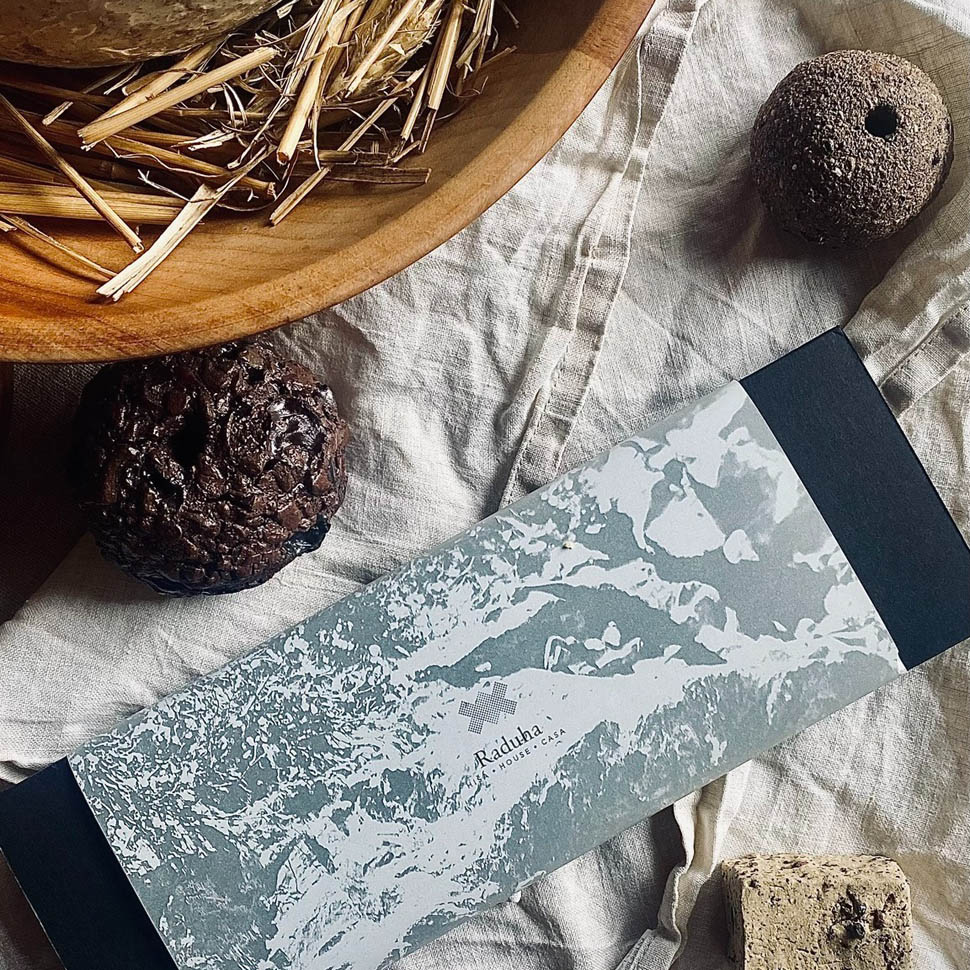
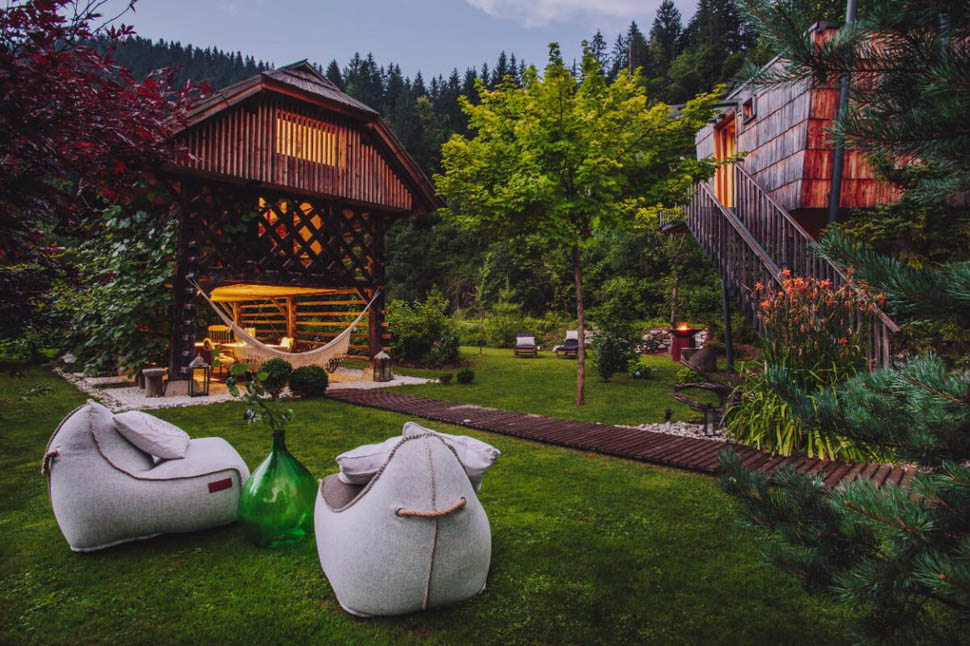
In addition to the restaurant, Hiša Raduha offers unique hospitality: old barns and stables have been converted into rooms overlooking the river and the slopes of the mountain, offering guests total immersion in the surrounding nature. Time seems to slow down, allowing you to observe the rhythm of the valley, breathe in the forest air, and reconnect with the land in an authentic way. Here, sustainability and respect for cultural heritage become an integral part of the gastronomic experience, and the meal is transformed into a ritual, a moment in which even the simplest ingredients take on meaning and become memorable.
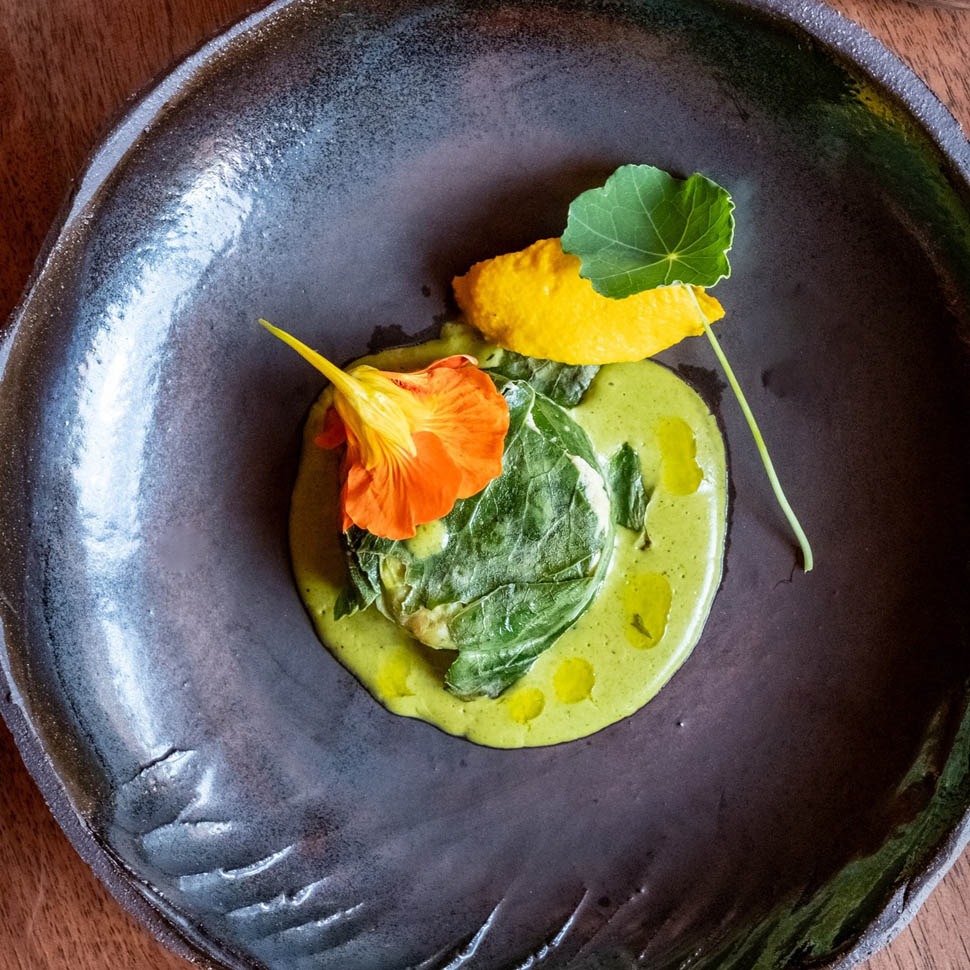
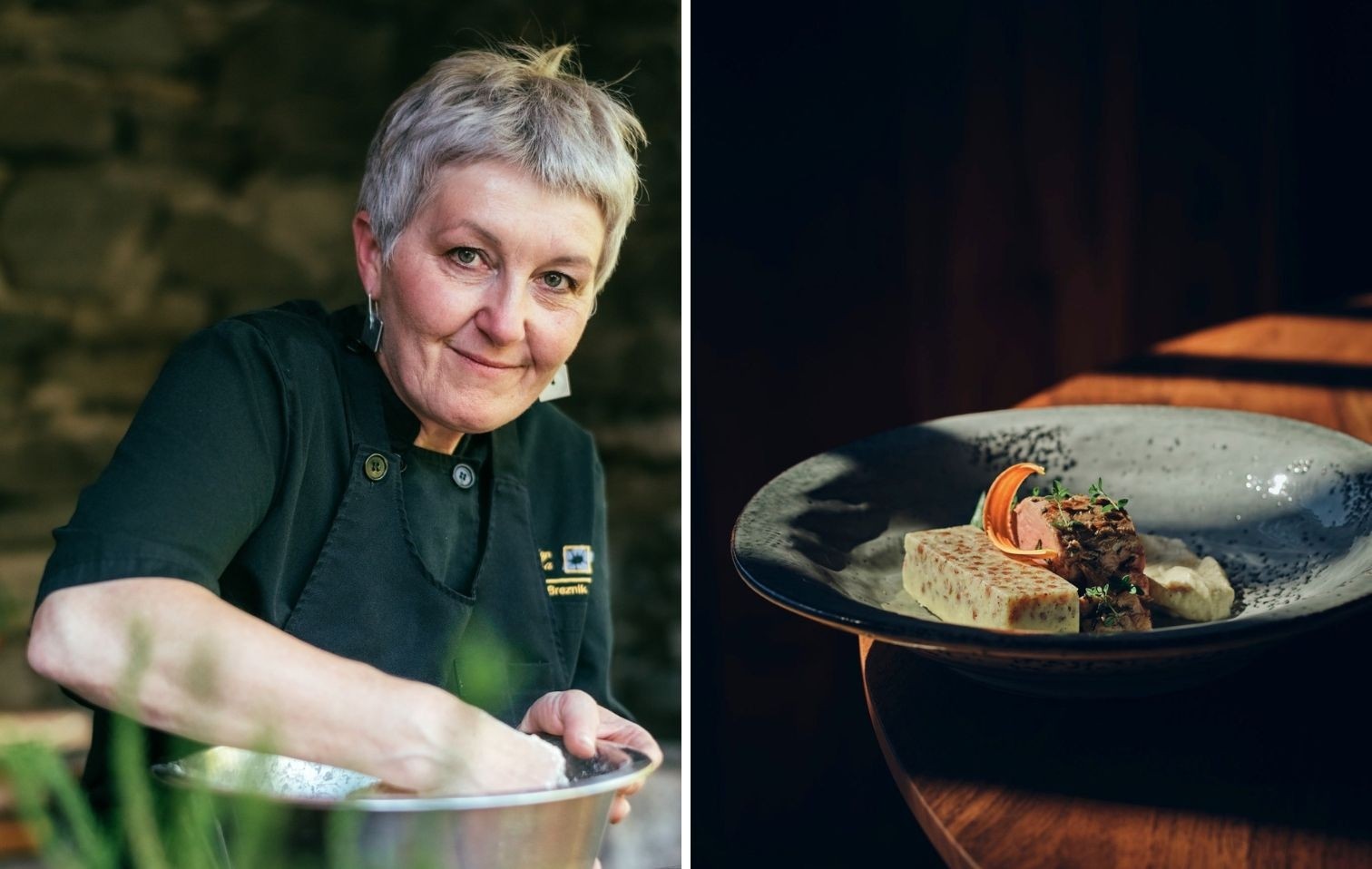
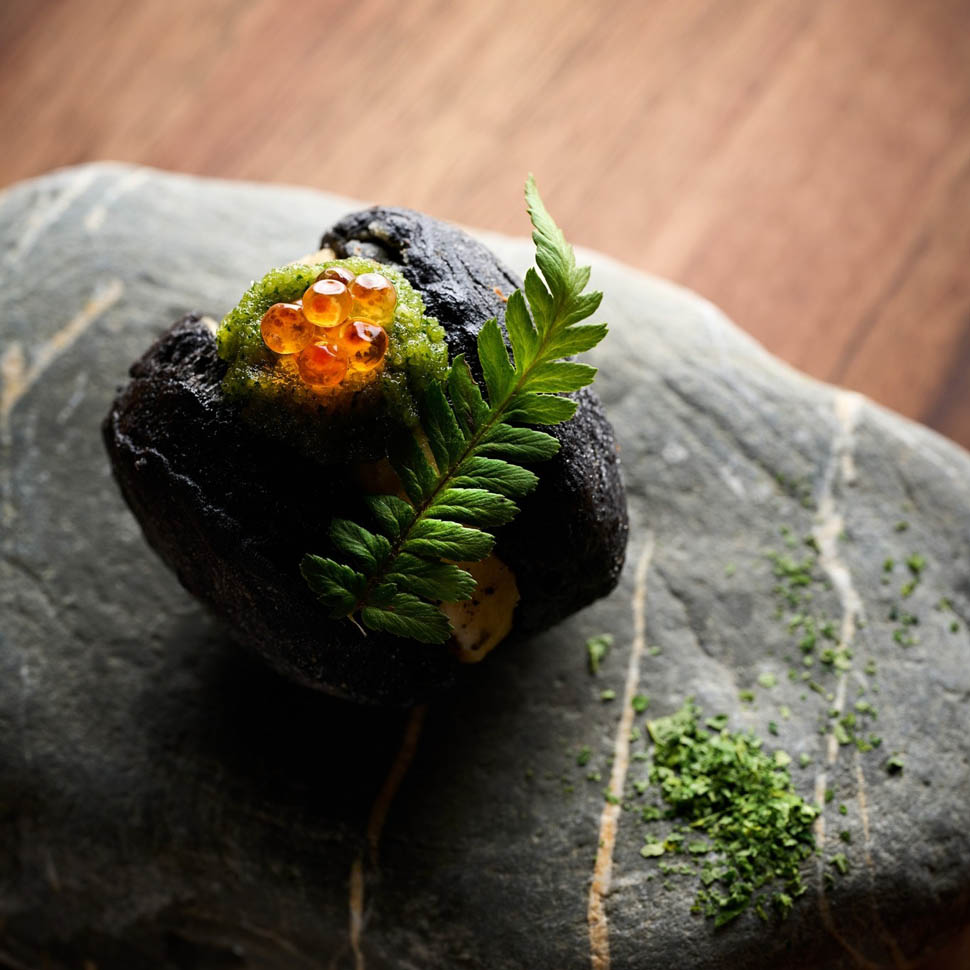
The cuisine follows the cycle of nature and local producers: the menu changes every day based on what the garden and local suppliers have to offer. It is a gastronomic journey of identity, where the humble can become sublime thanks to refined technique and essential presentation. Among the appetizers, the Apple Cappuccino stands out as an icon: a reinterpretation of a Slovenian apple variety, masterfully transformed into a taste that reflects the territory and research. In the main courses, local meat and fish—from Krškopolje pork to veal to trout from the nearby Savinja River—are combined with cooking methods and combinations that enhance the flavor without artifice. Trout, for example, is served in variations that play with red cabbage, apple gel, celery, honey, lemon, olive oil, buckwheat, and cornelian cherry, creating a harmonious and surprising combination.
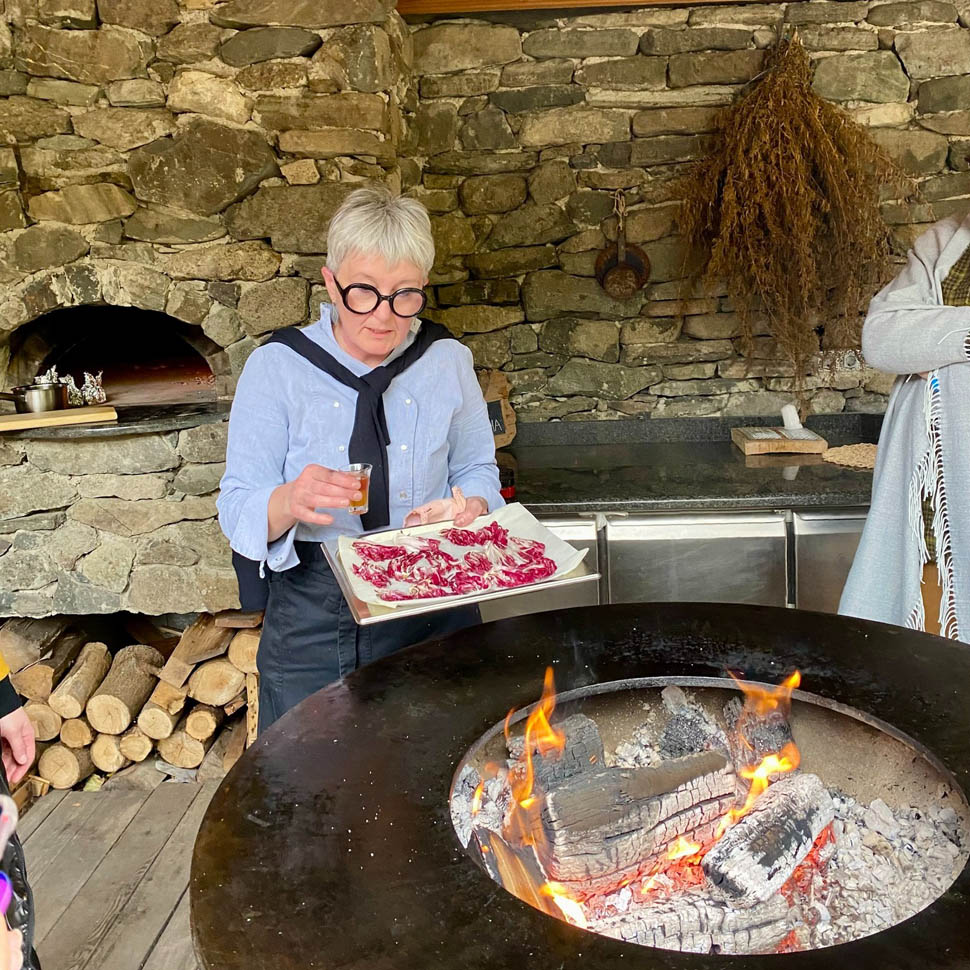
Every culinary choice is a tribute to the women of the family: grandmothers, great-grandmothers, and mothers have passed on to Martina a wealth of knowledge gained through observation, repeated gestures, intuition, and love for raw ingredients. The chef, who is almost entirely self-taught, has transformed these teachings into a personal language, capable of bringing out the expressive and profound flavors of local produce. The result is a cuisine that breathes the territory and emotions, where tradition does not become a rigid legacy, but a luminous trail for creativity, born of knowledge and care. Every meal at Hiša Raduha is also an invitation to slow down: time seems to follow the rhythm of nature, and the ingredients become the voice of the valley, witnesses of seasons and stories. Eating here is a meditative experience, a moment of reflection and connection, in which the act of bringing food to the mouth takes on an almost ritualistic value. Even the simplest dishes, such as buckwheat with mushrooms, become a story of technique, territory, and aesthetic sensibility.
Finally, wine completes this sensory journey: the wine list, carefully curated by Filip, celebrates the diversity of Slovenia's wine regions and adds another chapter to the love story with the land. Each bottle is carefully selected, promoting local producers and interpretations of the terroir that accompany and enhance the culinary experience. In this context, wine is not simply an accompaniment, but a voice that dialogues with the dish and its history, helping to make the meal a coherent and vibrant narrative. Hiša Raduha thus reveals itself as a place where cuisine is not limited to nourishment, but creates a bridge between people, territory, and time.